Category: Blog

  • Should I Buy a Mobile Mobile Home or a Traditional House?

    Should I buy a mobile home or a traditional home? This is the exact question my childhood friend asked me several days ago and although I gave my suggestion in person already, I know a lot of you out there are having the same question so I wrote this article.

    My friend has just gone through a messy divorce process and lost most of his assets to his wife. He is moving to Southwest Florida due to his new job and is looking for a new place to call home. Florida is home to many mobile home parks and he thought buying one could be a good option.

    We had a lengthy discussion and I told him to get one instead of renting Airbnb, staying in a hotel, or buying a single-family traditional house.

    I explained everything below why buying a mobile home instead of a regular house in his case, is a great choice.

    Mobile Home for Sale in Sebring
    Mobile Home for Sale in Sebring

    What Is A Mobile Home?

    Mobile homes were very popular in the United States back in the 70s. In the last couple of decades, however, their popularity in the country was falling, but in light of a new financial crisis and price growth of traditional homes, many Americans still live in mobile homes and in fact, there is a steady increase in mobile home demands.

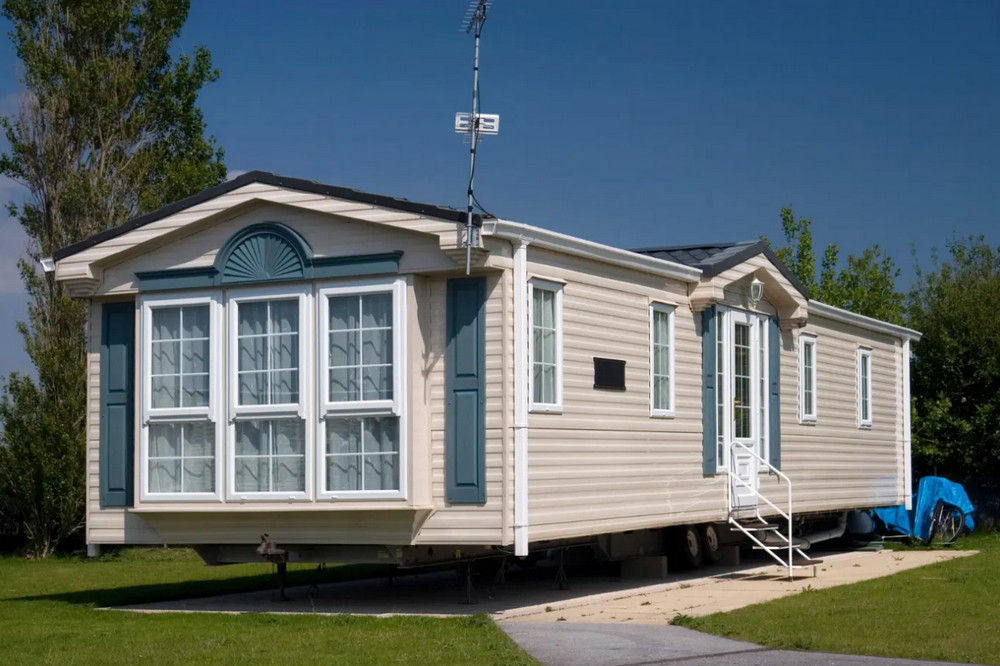
    As the name implies, mobile homes are prefabricated houses that can be moved from one place to another, so they can be set up anywhere. 

    Unlike traditional houses, which require permission to settle on the land, mobile homes are not anchored permanently to the ground. Mobile homes in the United States are not considered real estate and are taxed as motor vehicles.

    In short, mobile homes are made in a factory and brought to the installation site in a finished form. Yes, special vehicles and a crane are required, but in the future, such a house can also be moved and lived in calmly again. Of course, they can’t move on their own, they cannot, they are not on wheels. But in general, the installation process is simple, manufacturers immediately offer such a service.

    This is one of the reasons for the popularity of mobile homes in the United States. Americans often move around a large country in search of work. It is convenient if it is possible to take the house with you, quickly move along with all the belongings, and rent a plot of land for installation in a new place.

    A concrete slab can serve as a foundation for a mobile home, but more often it is installed on blocks or screw piles. 

    Mobile Homes Are Divided Into Three Groups

    1. Single-wide. With a floor area of 480 to 1440 square feet. Two bedrooms, a kitchen, one bathroom, and a small living room. For a family of two or three people more than enough.
    1. Double-wide. With a floor area of 640 to 2,560 square feet. This is a full-fledged house for a standard family with two bathrooms, three bedrooms, and a kitchen and dining room.
    1. Triple-wide. With a floor area of 960 to 3600+ square feet. There are also usually three bedrooms, but the dimensions of the rooms increase. Such a house from the side can not be called mobile, but it is, you can transport it in parts. Unlike single and double wide houses that have an elongated shape, a triple wide mobile home is always square.”

    Almost all mobile homes are one-story, but in some cases, the attic can be used. Such buildings are considered budgetary for those who cannot afford a traditional house, so the area is usually small. In addition, the larger the building, the more difficult it is to transport it.

    The Advantages Of Mobile Homes Are Quite Significant

    Mobile homes are not considered real estate objects, since they are really not considered real estate buildings. That is, you do not need to obtain permission to install, draw up documents, or pay real estate tax.

    You can install a mobile inside a mobile home park provided you have the park’s approval.

    Mobile homes have many advantages. Therefore, they have positioned themselves as one of the best alternatives to traditional homes, since they are cheaper, sustainable, and, in addition, we can customize them to our liking and according to our needs. Mobile homes offer ready-made models, but you can make changes to the project and get a mobile house that meets all your needs and priorities. The exterior and interior can be different, and quite attractive, you can attach the terrace, and make some changes over time.

    You can get a ready-made house from the supplier in a week or even less if you opt for a brand-new mobile home. You only need a place to install such as a mobile home park. A great way to get a summer house on the eve of the season, without waiting for the end of the construction.

    mobile-home-park-2
    Mobile home park

    Main Advantages Of Mobile Homes

    Mobile homes offer important advantages over traditional homes that many people fail to see. Let’s discuss this.

    1. Mobile homes allow changing the place of residence easily

    While traditional houses force us to be in the same place, mobile homes allow us to travel where we want and without moving from the comfort of our homes. Although the majority of the mobile homes in the US are semi-permanent, mobile homes that were built during the 80s can still be moved.

    2. Mobile homes are far cheaper than traditional houses

    Since they usually measure between 640 to 2,560 square feet (although there are larger and smaller ones), fewer materials are needed for construction and, therefore they are usually cheaper.

    In addition, they are factory-built and with parts or modules, which also contributes to them being cheaper (around 40%, compared to traditional) and quick to build. And in addition to being prefabricated, they do not need work permits, which can take up to a year.

    Fast erection and convenient quality control. On average, one section of a house is made within 1-2 days, so even the largest houses of 4-5 sections can be made in our production within 7-10 days. Then the factory invites you to check the house according to the quality of the work performed and if you see the finished product in advance, you can make adjustments and comments that will be taken into account.

    You can adjust the price of the structure yourself based on your own needs without overpaying for unnecessary options. You can choose the thickness of the frame and insulation, the height of the ceilings, the number of windows and doors, the types of finishes and painting, and much more. 

    However, as with the rest of prefabricated houses, their price will depend on several factors, such as the type and quality of their materials (which are usually: wood, concrete, metal, or PVC), and the extras it includes. However, we can find mobile homes for $15,000 or less.

    3. Mobile homes allow greater energy savings

    Again, being smaller and using fewer materials in their construction, these mobile homes are also more ecological. And in addition to needing fewer raw materials, their energy consumption is lower, since they need little lighting and low energy to heat or cool. Therefore, they allow savings on our invoices.

    In fact, many of them are designed to enhance renewable energies and, therefore, be self-sufficient. The most advanced uses solar and wind energies for their functioning and even reuse rainwater.

    4. Mobile homes are functional and efficient

    Mobile homes are efficient and designed to use every square foot of the interior. They are also easy to modify or upgrade.

    As we have seen, prefabricated houses are a very good option for our guests to have their own space with all comforts.

    But The Downside Of Mobile Homes Are Also Obvious

    Since the house does not have real estate status, there may be problems with the sale and obtaining a loan for its construction and purchase.

    Over time, according to many realtors, the cost of a mobile house is depreciating, and you can’t call it a profitable investment unless you are renting it out.

    In terms of strength, mobile buildings are inferior to stick-built houses but the difference is negligible. However, now this minus is leveled, thanks to new technologies.

    Dispelling Popular Myths About Mobile Homes

    1. “The modular design is unreliable, the sections can move apart” – when ordering a reliable pile foundation, you protect yourself from such precedents because the presence of rigid support reduces the change in the level of the building to a minimum. The sections themselves are fastened together with a reliable self-expanding PSU tape, which allows the structure to maintain integrity even with a slight “shrinkage” of the wooden material.
    1. “There are gaps between the sections and the house will not be suitable for use in the cold season” – when connecting, the joining of the sections is as tight as possible and the distances at the junctions are minimized and the remaining ones are carefully foamed to avoid cooling. Using the same technology, doors, and windows are installed in any traditional house.
    1. “The qualities are much lower than those employed in traditional homes” In no case, the quality of the mobile home will be inferior to that of a stick-built house. At least, the characteristics will be the same, although they are usually manufactured with better insulation and comfort parameters. Manufacturers work with technically more modern and efficient materials, applying factory quality controls to ensure the finished house is of the highest quality before being transported to the final location, where the module assembly operation and facilities connection are carried out.
    1. Mobile homes are less solid and less sturdy than traditional homes.” Neither one thing nor the other. At the structural level, mobile homes are calculated taking into account the movement produced by transport, so they are normally oversized to support these dynamic efforts, which results in more robust structures than usual. At the level of materials, common components are used in traditional construction, and others are more sophisticated ones that provide the technical requirements necessary for mobile homes,

    Who Should Buy A Mobile Home?

    Of course, mobile homes are not for all people. When buying a house, it always comes down to personal preference, budget, location,  size of family, and the ability to finance. But not all mobile homeowners are poor. In fact, there are many people who own mobile homes as their second home, especially in Florida where owners spend their time in their mobile homes during harsh winters. If you are included in the following group of people, a mobile home is perfect for you.

    1. If you are single. Although many mobile home parks especially in Florida are designed for older people, there are also a lot of mobile home parks on the East and West coasts that are designed for all ages. If you are single and don’t want to pay expensive apartment rent every month, a mobile home is a perfect choice.
    2. If you are a new couple. Many new couples buy mobile homes while saving money for future stick-built real estate. There is no better and cheaper option for the new couple to own a house than buying a used mobile home.
    3. If you are a retired senior. Seniors should enjoy their lives, right? Florida is home to many 50+ mobile home parks and if you are looking for a peaceful place to live without paying an expensive mortgage, buying a mobile home is the best option.
    4. If you have extra money and want a vacation home. Many people own a second home in Florida so they don’t need to pay for a hotel or Airbnb when they spend their summer down here. This is a no-brainer decision. 
    5. If you want to invest and make passive income. Yes, a mobile home can be a good investment if you rent it out. Buying a cheap mobile home, having it repaired, and tented out, can be a sustainable source of monthly extra income.

    If you are planning on buying a used mobile home in the greater Sarasota Florida area, we, at The Mobile Home Dealer, are happy to assist you with the purchase requirements such as virtual showings, closing assistance, and title transfer of your new mobile home.  Contact Us anytime or message us through our Facebook page

  • How Do People Sell A Mobile Home Without Land?

    One of the few reasons why people are hesitant to buy a mobile home is that they believe that mobile homes that don’t have land are hard to sell when they plan to sell it in the future. This always triggers one of the most commonly asked questions, “How do people sell a mobile home without land”? If you are having the same thoughts and are eager to find out, continue reading.

    Mobile Home in Nokomis Florida
    Mobile Home in Nokomis Florida

    Are Mobile Homes Considered Real Estate Property Or Personal Property?

    As someone who wants to invest in mobile homes, you will certainly find mobile homes that are attached to their owner’s private land, as well as mobile homes that are sitting on leased land. Before investing in a mobile home, as a buyer, it is imperative that you understand the big difference between these two types of mobile homes.

    By default, all mobile homes are considered personal property with very few exceptions, especially during the application process. A landowner could still set up a mobile home on their own property and consider it personal property if the setup is not permanent. 

    Let’s take a look at the two big differences.

    1. Mobile homes on leased land inside mobile home parks are considered personal property and taxed as motor vehicles. This type of mobile home doesn’t need to pay real estate property taxes. In order to own this type of mobile home, all you need are park approval and monthly lot rent payments. The land where your mobile home is set is owned by the mobile home park and you are paying monthly lot rent in order to use the land. For the sake of this article, it is important to note that we are referring to mobile homes within a park where lot rent is paid. If you are looking at purchasing a mobile home within a park where you own the home and the lot then this may not apply to your situation. 
    1. Mobile homes on private land can be considered either real estate property or private property depending on the application. There are few parks that offer to sell mobile homes with the land. This type of mobile home is considered real estate because you own the land that is intended only for the mobile home. If, however, you own a large area of land like a farm and buy a mobile home, you have the option to declare it as personal or real estate property. If the mobile home is permanent, most states require it to be declared as real estate property. If, however, your mobile home is not permanent and you plan to always move the house whenever you want inside your farm, this cannot be considered a real estate property.

    The Two Types of Mobile Home Parks: Leased Land VS Resident-Owned 

    There are two most common types of mobile home parks, leased land and resident-owned.

    1. Leased land mobile home park. The leased-land mobile home park is the most common and popular type of mobile home park in the United States. These parks are either owned by a private person, a family business, or a corporation and run by mobile home park managers. The number of park managers depends on the size of the mobile home park but in many cases, there is only one park manager and a couple of assistants. 

    When you are planning to buy a mobile home inside a leased land mobile home park, it is important to know the policies first by inquiring at the park manager’s office. There you can ask about the monthly lot rent fee for the particular house you are going to buy, park approval requirements, and the things included in the lot rent payment like water, electricity, garbage collection, lawn mowing, and other services such as the usage and upkeep of the community clubhouse or pool”. As mentioned, you only own the mobile home and not the land, and you are renting the land occupied by your mobile home.

    2. Resident-owned mobile home park. Although fewer than the leased land mobile home parks, a resident-owned mobile home park gives you the opportunity to own part of the mobile home park. This means you are a part owner of the whole mobile home park and do not specifically own the land where your mobile home is set up. 

    Owning a mobile home in a resident-owned mobile home park is comparable to owning stocks in a business. This type of mobile home ownership pays real estate taxes just like you pay property taxes on stick-built houses. Although there is no lot rent fee, the park may still have a monthly payment for garbage disposal and other services but the monthly payment may be as low as half as much as the lot rent that land-leased residents pay.

    Things To Prepare When Selling A Mobile Home On Leased Land

    Selling a mobile home without land is not really a complicated process that one must be worried about even before buying a mobile home. Selling a mobile home on leased land is like selling any other valued property like a car or any other vehicle. Although mobile homes are registered under the Department of Motor Vehicles, the registration does differ from that of ordinary vehicles. What mobile homes have is the title. So, if you want to know what are the things you need to prepare when selling a mobile home, take a look at the following.

    • The title of your mobile home. Make sure the title is ready and available. This is the most important thing to prepare.
    • Make sure the lot rent is paid without past dues. Buyers will turn away from the mobile home that they know will give them headaches.
    • Make sure the house is ready for viewing. If you want to sell your mobile home on an as-is basis, make sure you are ready for all the details and explanations like maintenance history, the needed repairs, and other things that concern the structure of the house. If, however, you want to sell your mobile home fast, you can add some furnishings and furniture, and do some repairs to improve the home’s aesthetics
    • If you want to sell your house through a trusted mobile home broker like The Mobile Home Dealer, make sure to provide access to the agent so that when a buyer comes, the agent can show them the inside of the mobile home.
    • Declutter to make your mobile home look presentable to everyone.

    What Are The Requirements For Buying A Mobile Home On Leased Land?

    Buying a home without land may sound like a joke but when we are talking about buying a mobile home, this is normal. So, if you are planning to buy a mobile home on leased land, you must be aware of the following things to prepare.

    1. Money comes first! If you are planning to buy a mobile home that is already set up inside a mobile home park, this means that you are buying a used mobile home. Why money is important? Because most of the mobile home buying and selling transactions are done through cash and not on a mortgage. This does not mean that you can’t buy a mobile home without cash but your options are extremely limited.

    If, however, you are buying a brand new mobile home that you want to order from a factory, you may consider other financing options outside cash payment. We suggest you read these detailed articles on financing a mobile home:

    2. Secure park approval from the mobile home park manager. No one is allowed to buy a mobile home and live there without approval from the park’s manager. The park approval process has its own requirements like criminal history, credit, income check, and other small details based on the individual’s situation. You may take a look at our detailed explanation of the park approval process in the following articles:

    Know the park’s policy and regulations. What is your age? How big is your family? Do you have a kid? Do you have a pet? Before deciding to buy a mobile home in a particular mobile home park, make sure to know what things are allowed, not allowed, dos, and don’ts. This information can be obtained by talking to the park’s manager before making your final decision to buy.

    Mobile Home in Florida
    Mobile Home in Florida

    Selling A Mobile Home FSBO vs. a Mobile Home Broker 

    FSBO means For Sale By Owner or a process of selling a house or any property by its owner without any third party agent or broker.

    How convenient can it be to sell a property through a licensed mobile home broker? The first thing one thinks of is the commissions and the money that one could save oneself without it, but if we place all the factors in a balance, it is worth rethinking the situation. We propose a list of 5 advantages and disadvantages that we recommend taking into account when making a decision as important as this.

    Advantages of For Sale By Owner

    1. You will have greater profits since the commissions that would correspond to the agent can be saved (without considering the value of your time in the entire sales process)
    2. You can do things in your own way, for example: publish your sale announcement wherever you want and whatever you want (but if you do not review it frequently, you will not find out that there are people interested in your property)
    3. You will have the opportunity to work at your pace, without coordinating activities with third parties (anyway, that could make some potential clients lose).
    4. You will be in charge of selling only one property, so you will have more time than an agent who has other properties to sell.
    5. You can establish your own game rule (but not necessarily your rules are accepted by the potential buyer. Probably a professional broker could establish a balance point and get the sale to be made). You can control when a home will be shown

    Although the sign method is a good, basic strategy that may have worked in the past, it is not one that should be relied on now or in the future as the latest technology is taking over the actual viewing process. People can just spend 30 minutes with their phone or PC and can view dozens of properties, call a broker, and let the broker tour on their behalf.

    Disadvantages of For Sale By Owner: Advantages of Mobile Home Broker

    1. Selling a mobile home demands a lot of time and dedication. In addition to your daily activities, to achieve the sale, you will have to deal with all parts of the sales process.
    2. Licensed mobile home agents such as The Mobile Home Dealer have multiple tools (contact networks, website, experience, market trajectory, etc.) that will allow you to find potential buyers.
    3. The mobile home agent has sales strategies, useful and necessary to close a sale.
    4. A Broker can also provide sales advice, and negotiate and write contracts that you, as the Seller may not fully understand.
    5. In the event that something in the operation goes wrong, you will always have a responsible firm to claim and demand a guarantee. If you were scammed by an individual, you would have no one to claim. And the cases of fraud are increasingly numerous. Do not put your mobile home at risk.
    6. If you do not work with an agent, you will have to take care of the cumbersome process of paperwork, fees, payments, etc.

    Conclusion

    Selling a mobile home without land is not as challenging as some people think if you are full of knowledge about mobile homes. Mobile homes have been existing for decades and many of these mobile homes have been passed to dozens of different owners. This could never happen if mobile homes without land are hard to sell.

    If you are planning to buy a mobile home on leased land but are worried in the future that you may not be able to sell it, don’t worry. We, at The Mobile Home Dealer, are experts in this field and this is what we do every day, helping both buyers and sellers in meeting their demands.

  • Cheap Mobile Homes For Sale In Sarasota Florida: Where To Find Them

    Buying a mobile home in the Sunshine State’s Sarasota County is a dream come true for many people who wish to enjoy the sunny weather all year round, but living in one of the country’s most popular places comes with a heavy price.

    According to US News, Sarasota is not a cheap place to live but don’t lose hope, there are ways to stay and live here. In this article, we will guide you on how to find a cheap place to live in the Sarasota Florida area while spending less and still having the same enjoyment you are dreaming of.

    Sarasota mobile home
    Sarasota mobile home

    What It’s Like To Live in Sarasota Florida

    Sarasota has a unique vibe that is different from most of Florida’s coastal cities. Its beaches are unique. For example, the Siesta Key Beach features 99% quartz sand that is always cool to the touch. Sarasota is home to many art scenes and galleries, a thriving food culture, and a unique beachy atmosphere.

    What makes Sarasota special is its mixture of downtown which is accessible to many resorts for people who love nature. It was once considered the playground for retirees but young professionals are starting to take their piece of small Florida paradise.

    According to the rental website Rentcafe.com, the cost of living in Sarasota, FL is 7% higher than the state average and 8% higher than the national average. 

    Sarasota, FL housing is 17% more expensive than the U.S. average, while utilities are about 3% less pricey. When it comes to basic necessities such as food and clothing, groceries are around 2% more in Sarasota, FL than in the rest of the country, while clothing costs around 2% more.

    Healthcare services such as doctor check-ups and dentistry cost 6% more here compared to the U.S. average. At the same time, non-necessary expenses such as entertainment and grooming services are 2% pricier in Sarasota, FL.

    What Makes Living In Sarasota Florida Expensive

    When a place becomes a popular destination, especially during winter seasons, it is understandable why the cost of living increases. That’s the law of supply and demand. 

    What makes Sarasota living expensive is not only because of its beauty and the attractions and activities the county can offer. The following are the main reasons why Sarasota is becoming more and more expensive to live in.

    Sarasota, Florida National Ranking

    • No. 9 in Best Places to Live 
    • No. 11 in Best Places to Retire
    • No. 1 in Best Places to Live in Florida
    • No. 3 in Fastest Growing Places
    • No. 7 in Safest Places to Live
    • No. 19 in Best Places to Live for Quality of Life

    With the above achievements and credentials, it is understandable why Sarasota commands such a high cost of living. 

    Although the above ranking makes Sarasota residents proud, the reported cost of living could also scare people who are planning to move to the famed city. Don’t lose your hopes though as Sarasota is still more than affordable for many people to live in.

    How To Live Cheaply In Sarasota Florida

    One of the main reasons why the cost of living in Sarasota Florida can become expensive is the housing. Although transportation, utilities, and other expenses are still higher, (with the exception of food which is 3% lower than the national average and 5% lower than the State average) housing is the main culprit. Sarasota housing is 17% higher than the national average and 15% higher than the State average.

    Update: “(with the exception of food which is 3% lower than the national average and 5% lower than the State average)”

    So what are your options if the housing is almost unaffordable? Enter the idea of purchasing a mobile home!

    Since renting or buying a stick-built house in Sarasota is extremely expensive, buying a mobile home is the perfect catalyst for your Sarasota Florida dreams.

    Sarasota is home to more than 200 mobile home parks and although there are high-end mobile home parks, there are always places for budget living and we are about to tell you that! 

    Where To Find Cheap Mobile Homes For Sale in Sarasota Florida

    In order to find cheap mobile homes in Sarasota Florida, first we must identify the places inside the county where the cost of living is below the county average. 

    Many people are making mistakes because when they hear about the “high cost of living in Sarasota”, they immediately lose interest without researching. Finding a cheap mobile home in Sarasota Florida is like finding a scholarship grant online. One must do a lot of research. You are actually extremely lucky that you found this article.

    Of course, when you are looking for a cheap mobile home, your first step is to find cheap neighborhoods first.

    Cheap Neighborhoods in Sarasota,  Florida where you can find cheap mobile homes.

    1. Nokomis

    Nokomis is a nice coastal town with a population of 4,084 (2020) in Sarasota County and is one of the best places to live in Florida. Living in Nokomis offers residents a suburban rural mix feel and most residents own their homes. In Nokomis, there are a lot of restaurants and parks. Many retirees live in Nokomis and residents enjoy the lower cost of living by the beach. The public schools in Nokomis are highly rated.

    1. Warm Mineral Springs

    Warm Mineral Springs has a population of 5,267. Warm Mineral Springs is in Sarasota County. Living in Warm Mineral Springs offers residents a suburban rural mix feel and most residents own their homes. Many retirees live in Warm Mineral Springs and residents tend to lean on conservative living. The public schools in Warm Mineral Springs are above average while the cost of living is relatively lower than the county average.

    1. North Port

    North Port is a City in Sarasota County with a relatively bigger scattered population of 67,779. The people of North Port are overall friendly. The city is well taken care of and has been growing quite large recently. North Port began as a small town but has grown immensely, yet still kept a very nice community. North Port is a nice little city to live in with everything close by within its own limits. 

    1. Englewood 

    Englewood is a small city with a population of 19,332. Englewood is a nice, quiet town right on the beach. There are a plethora of great restaurants in and around the town. The community is very friendly. There are numerous festivals and activities throughout the year, including speed boat races, Pioneer Day, and various car shows.

    1. Sarasota Springs

    Sarasota Springs is a census-designated place in Sarasota County, Florida. The population was 14,395 at the 2010 census. It is part of the Bradenton–Sarasota–Venice Metropolitan Statistical Area. As one of the places in Sarasota that offers a lower cost of living, residents enjoy the peaceful and friendly neighborhood.

    1. Bayou Oaks

    Bayou Oaks is a neighborhood in Sarasota Florida nestled in a park-like setting offering tranquil and affordable senior living and giving residents an incredible view of Florida’s wildlife while overlooking a beautiful lake. The neighborhood is very diverse. You will find college students, young and old, rich and poor, Latino, White, and African-American. 

    Bayou Oaks ranks top 5 in many publications as one of the cheapest places to live in Sarasota Florida.

    1. Indian Beach/Sapphire Shores

    Located just north of Downtown Sarasota, the Indian Beach/Sapphire Shores neighborhood stretches “West of Trail” along the Sarasota Bayfront from just north of downtown Sarasota to University Parkway. It is hard to believe that this section of land can offer so much and have such great proximity to all that living in Sarasota has to offer.

    The Indian Beach/Sapphire Shores neighborhood features some of Sarasota’s more beautiful historic homes in addition to modern masterpieces. A mixture of waterfront and non-waterfront homes, there is a price point for almost everyone.

    1. Downtown Sarasota

    If you think Downtown Sarasota is an expensive place to live, you are mistaken. What makes this place so affordable is the unlimited choices of food!

    Downtown Sarasota is a lively area with art galleries and theaters, including McCurdy’s Comedy Theatre, host to national stand-up acts, and Florida Studio Theatre, with plays and cabaret. Diverse dining options include upscale farm-to-table bistros, refined seafood spots, and modern sushi joints, plus posh cocktail bars and low-key pubs with live music.

    mobile-home-park-2
    Mobile home park

    Why Mobile Homes in Sarasota Florida Are Cheaper Compared To Traditional Houses

    It’s hard to find a home in today’s competitive housing market. But there is one type of home that most people can afford: mobile homes. Mobile homes (technically, manufactured homes) are less expensive than most houses, and they often come with more features for the price as well.

    According to the U.S. Census Bureau, the average price of a new mobile home is $65,400 for a single-wide and $122,500 for a double-wide (2021 data). The cost varies by about 15%, depending on location. You can buy an older mobile home for about $30,000-$40,000 that will still have many years left before it needs major repairs or replacement. 

    Although the housing market price continues to increase, mobile homes maintain their reputation as an affordable housing option and this is the main reason why people buy them.

    Not all people who buy mobile homes are poor though. Some buy mobile homes as vacation homes or investments. Buy what mobile homes are cheap? Are they poorly built? Let’s take a look at some of the reasons why they remain affordable.

    1. Building Materials

    Building materials used in mobile homes are lighter compared to those used in building stick-built houses. Traditional houses are usually made of concrete and bricks while mobile homes are made of steel and any vinyl siding which has a big effect on the cost of the home.

    1. Limited Financing Options

    Mobile homes are built specifically for affordable housing. This means that they are not built for a mortgage and are usually purchased on a cash-only basis. 

    1. Mobile Home Size

    The size of the mobile home also influences its price. Larger mobile homes, called double wides, are more expensive because they use more materials in their production. Smaller mobile homes, called single wides, are less expensive since they don’t require as many materials.

    1. Less Expensive Site Preparation

    Mobile homes don’t require a full concrete foundation because they are made to be transported to another location if the owner of the property elects to do so. Mobile homes only need a slab foundation or a concrete pier foundation for their support. Not only does this use a lot less concrete, but it’s also faster.

    1. Simple Designs

    One of the trade-offs of buying a cheap mobile home is that you don’t get a lot of variety with the design. Mobile homes utilize simple designs to keep their costs low. In return, they’re able to keep their prices low.

    There are other reasons why mobile homes are less expensive than traditional houses but the above lists are the big factors why mobile homes remain affordable.

    Conclusion

    Looking for cheap mobile homes for sale in Sarasota Florida requires research, patience, and perseverance. Although Sarasota is one of the most expensive counties in the State of Florida and the whole  United States, not all people living in the county are rich, and many mobile homes are still cheap if you know how to find them. 

    Buying a cheap mobile home in Sarasota Florida requires time and dedication but it is always worth the effort knowing that you are buying a mobile home in one of the country’s best places to live!

    We, at The Mobile Home Dealer, always provide our clients with easy access to cheap mobile homes in the  Sarasota Florida area. If you have been searching and still cannot find one, give us a call. We specialize in brokering a mobile home while assisting both the Buyer and Seller to get a better place in life.

  • What Is The Expected Life Of A Mobile Home

    One of the most popular questions most people ask is “What is the expected life of a mobile home?”. Although this sounds like a simple question, the right answer can be more complicated than you think. 

    This question should not be taken lightly when considering buying a mobile home. It will always trigger another big question in return like “What are your plans for the mobile home?”

    Mobile Home for Sale in Sebring
    Mobile Home for Sale in Sebring
    • Do you plan to live in it full-time?
    • Will it be a holiday season mobile home?
    • Will it be an investment that can give you passive income by renting it out?
    • Do you plan to buy and flip it?
    • Do you plan to buy a brand-new mobile home or a used one?

    Your answer to the above questions will determine how long your mobile home will last.

    Before going deeper into details, we’ll give you a short and simple answer.

    According to the Department of Housing and Urban Development (HUD), mobile homes have a life expectancy of 30 to 55 years. Of course, it still goes down to how the mobile home is maintained. We feel this is a fair answer but in our experience, we see mobile homes that looked ready to get scrapped in just under 15 years, while others last for over 55 years and are still in great-looking condition. 

    The HUD estimate is a great reference but there are tons of factors that contribute to the longevity of a mobile home.

    Why Do Mobile Homes Tend To Live Shorter Than Traditional Homes?

    This is a question that many mobile homeowners and mobile home brokers would disagree with. There are plenty of mobile homes that last far longer than the estimated 55 years of the HUD.

    When the HUD created a uniform code that mobile home manufacturers must adhere to in 1976, the mobile home construction standard became higher. It’s been 46 years and still, there are many mobile homes built in 1976 that still stand in perfect condition. Take note, 46 years!  

    For example, this California mobile home (photo below) was built in 1963. That is exactly 60 years today and still, it is asking for $38,000 and is perfectly livable. There are other mobile homes built in the 50s and 60s that you may find for sale on some real estate websites and remember, this was before the HUD standardized the construction of mobile homes.

    Sarasota Mobile Home
    Sarasota Mobile Home

    Many of the best-maintained mobile homes are found in age-restricted and senior mobile home parks. Older people are mostly good at taking care of their homes and the things they care about. You can find many of these 45 to 55-year-old mobile homes in Florida, Texas, and Arizona. 

    The weather condition contributes a lot to the longevity of mobile homes. “In Florida where there is a lot of rain, humidity, and storms the average life of a mobile home tends to be shorter than those places that do not have the same extreme weather conditions. Although many of the mobile homes in Florida are considered older units, most have been kept up nicely”

    On the other hand, Arizona has some of the oldest but well-maintained mobile homes due to its drier climate. The drier climate has a minimum effect on mobile homes compared to the subtropical rains of Florida.

    Having said that, saying that mobile homes live shorter without balancing the given circumstances is just an overstatement.

    The Quality of The Materials Used In Mobile Home Construction

    Most mobile homes are made out of metal, wood, and vinyl, while stick-built homes are mostly made of concrete, metal, and wood. Although many of the mobile homes have footings that are made of poured concrete, mobile homes are not permanently attached to them. 

    The quality of materials used and how the mobile home is set up also play a bigger role in the longevity of mobile homes. 

    Having said that, mobile homes are built with high-quality materials and follow strict building standards. Mobile homes are lighter than traditional homes not because of low-quality materials but because of their lighter materials. Most of the actual materials used in both homes are almost the same except for the bricks and concrete used in stick-built houses.

    Another reason why mobile homes are lighter is the roofing. Most mobile homes use steel, composite, and rubber membrane roofing as opposed to stick-built homes’ traditional shingles.

    Mobile Homes’ Construction Process

    Mobile homes are constructed to last longer and are not meant to be temporary. The HUD construction standards set the uniform quality of mobile homes nationwide. This means that mobile homes that are manufactured below the given standards will not be approved to be used as permanent dwellings.

    Stick-built homes are built permanently on solid concrete foundations and many suffer cracks that result in the sinking of the house. Mobile homes, on the other hand, are built atop solid steel chassis and frames that could pretty much last forever. And since they are built to be transported, they are pretty flexible and sturdy. Since mobile homes are built in the factory, they are not made by bare hands so precision is needed. 

    The National Manufactured Housing Construction and Safety Standards ensure that mobile homes are built to uniform strength, durability, and stability, and the materials used are designed for maximum longevity yet we are told that mobile homes can only last between 30 to 55 years.

    Factors That Impacts The Longevity And Lifespan Of Mobile Homes 

    So what really impacts the lifespan of a mobile home?

    1. Improper Initial Installation

    Based on our experience, much evidence suggests that improper initial installation is one of the major reasons why a mobile home can have a shorter lifespan. As we discussed, the materials and construction process are all guided by high-quality standards, but the installation is not. The installation of a mobile home is technical and should not be done by inexperienced people. The initial installation should be checked by an experienced and certified inspector to make sure it is properly done.

    1. The Quality and Design Of Foundations

    The foundation has the most important job as it supports the whole weight of the mobile home. Just as in stick-built homes, when the foundation is poorly built, the house can collapse. The same applies to mobile homes. When part of the foundation cracks and breaks down, the mobile home can tilt and there can be an avalanche of problems when the house loses its balance. 

    The actual condition of the soil where the mobile home is sitting can also affect its longevity. If the land is not graded well or left loose, the foundation can sink over time and can create an imbalance in the structure sitting on top of it. Add rainwater that can deteriorate the land and you could have a major problem on your hands.

    There are many types and designs of foundations used in mobile homes. Some are expensive and some are cheap based on the type of land where the mobile home is to be set up. The location and soil conditions have a big role in deciding what type of foundation is needed in order for the home to be placed safely and correctly.

    1. Man-made Damage Due To Irresponsibilities

    Damage created by its owner is a big reason why a mobile home doesn’t last. While many people take very good care of their possessions, some people do not. This is evident in cars as well as some vehicles that are several years old and are in better shape than more recent models. Some 10-year-old cars smell like flowers while some several-months car smells like sewer. Although people don’t intentionally destroy their mobile homes, the lack of proper care, cleaning, and maintenance is a big factor in why the mobile home deteriorates faster than its natural depreciation.

    Finances also play a major factor in why owners are not taking care of their mobile homes. When the owner is in financial turmoil, the home is always the last thing to be taken care of. The lack of cleaning can attract mold, wet spots, and water leaks could turn badly water leaks, and everything. If these damages will not be taken care of immediately, expect the mobile home to give up sooner than later.

    Humans can create more damage than nature can give. For example, when the owner of a Florida mobile home goes back to Canada and stays there for four months, their mobile home can attract some problems such as mold, soft spots, and even termites. If the mobile home is not well prepared for its owner’s absence, a small issue can turn into something much larger fast. 

    1. Natural Disasters

    Natural disasters are responsible for much housing damage (both mobile homes and traditional homes) in critical areas like South Florida. A strong hurricane can totally wipe out the entire mobile home. But natural damage like water leaks on the roofing can be repaired immediately. Minor natural damages can not be a problem if the mobile home is properly maintained.

    How To Extend The Life Of Your Mobile Home

    Extending the serviceable life of your mobile home is not a difficult task to do if you are just responsible enough to take care of your shelter. As mentioned above, if you are buying a brand-new mobile home, make sure to have it installed properly. If, however, you are buying a used mobile home, proper maintenance is the key in order to giving your mobile home more years of existence

    Here are some simple tips to help you prolong the life of your mobile home

    1. Roof Maintenance

    The roof is the most important part of your mobile home as it protects everything under it. Water leaks can destroy the whole ceiling which can then destroy your appliances, furniture, and everything. The roof leak over a period of time if left unrepaired can cut the total cost of your mobile home in half and you may find yourself selling your home to a fixer-upper when you can’t afford to have it repaired anymore.

    1. Skirting

    Skirting is one of the most important features of a mobile home and not just for having good looks. Animals love the shade and the small space underneath your mobile home is a great place for rodents, snakes, and other insects like termites to live. cats, rabbits, raccoons, and even stray dogs can call this space their home if you don’t have skirting,  and this could give you a major headache, especially when a cat gives birth underneath your home.

    A handyman friend told me that he had a lot of experience finding all sorts of animal skeletons under many mobile homes he repaired and the new owners often find themselves horrified.

    1. General Maintenance and Cleaning

    Sometimes, a simple act can save a lot of money. One of my new neighbors bought a mobile home from an old friend who passed away a few years ago. The mobile home they purchased has an external faucet underneath the carport that was running, they did not know this until months after their purchase causing extensive water damage to the skirting of the mobile home. When Pat opened the faucet, it broke and the water showered all over the place. They were planning for a long California vacation. The plumber said the faucet would likely break even if it wasn’t checked and could result in massive repair costs as some power tools are stored nearby. Those power tools could have been soaked in the water.

    1. Immediate Action

    We know procrastination is a bad habit and could result in a myriad of problems. Wherever there is a small issue, make sure to act immediately and no not wait until a small problem becomes a large issue. For example, when you see a wet spot, investigate where it comes from and why. Some people ignore smaller issues only to find themselves spending a lot of money due to their negligence. 

    Final Words

    The longevity of a mobile home primarily rests on how we take care of it. Although natural disasters and bad weather can be a big factor, regular maintenance, and cleaning play a vital role in maintaining the good condition and value of our home. 

    If you are planning to buy a mobile home, don’t believe other people saying that mobile homes don’t last. Mobile homes last as long as the owner wants them to last.

    If you need more information about mobile homes, we are always happy and willing to give you more information. Contact The Mobile Home Dealer if you are looking to buy or sell a mobile home!

  • How Do You Build A Mobile Home Park From Scratch

    There is no doubt that more and more people are choosing to live a minimalist life driven by the increasing cost of the housing market. If you ever thought of buying land for housing development, a mobile home park can be a profitable way to go, and an easier option to start.

    A mobile home park can be a great investment not only because you are receiving monthly income through lot rents, but you are also not losing any part of your land.

    Running a mobile home park can be a lifetime business opportunity for you and your family’s future generations. If you are searching the web for details on how to start a mobile home park, continue reading as we put together this guide on how to build a mobile home park.

    As mentioned, mobile home parks are making a continuous income stream but starting from scratch can be costly and challenging.

    How Do You Build A Mobile Home Park From Scratch

    What Is A Mobile Home Park

    According to the Mobile Home Park Home Owners Allegiance, there are more than 45,600 mobile home parks in the US, and more than 5,500 of these are located in the state of Florida. The Financial Times reports that about 22 million Americans are living in mobile homes. This trend is largely due to rising housing prices.

    The average wage earner cannot afford a median-priced stick-built house. Even renters may spend a third of their income on housing alone leaving them without limited living options financially. Considering these facts, it is understandable why many Americans are looking to live in mobile homes. Mobile homeowners can simply rent the land where their mobile homes are set up. These lot rents are always significantly lower than renting a traditional apartment building or single-family house.

    A mobile home park is a place where mobile homes are set up. While most mobile home parks are privately owned by either single owners or corporations, some parks are owned by their residents. These parks are called Resident Owned Mobile Home Parks where residents own shares of stocks of the park and not the land where their mobile homes are set up.

    A mobile home park can also be leased land or owned land. In a lease land mobile home park, the park is privately owned and the homeowners are paying monthly lot rentals. In an owned land mobile home park, mobile homeowners own a piece of the park while paying a very small amount on utilities, park maintenance, and upkeep.

    12 Necessary Steps To Start A Mobile Home Park

    1. Choose the Name for Your Mobile Home Park

    Choosing a business name is the number one challenge many business owners have to deal with when starting a business. Although it may sound simple, the fact is, it’s not. You have to check everything to make sure your mobile home park’s name is unique or you may run into trouble with plagiarism and trademark issues later on.

    Make sure your chosen name is available. Check all trademark and business registration databases in your state and in the country. Also, check if the business name’s domain is available. If you choose a longer name, you can be more creative with the domain.

    Make the name simple and easy to remember. The best mobile home parks’ names are those that are short, unique, and easy to remember.

    Consider the marketing aspect. Make sure your selected domain is easy to advertise or can be branded.

    2. Create a Mobile Home Park Business Plan

    Starting a business of any kind requires a solid business plan. Your business plan should reflect how you fully understand the housing market and your business strategy. Your business plan should focus on the following:

    • Location plan of the mobile home park and its surrounding areas.
    • An executive summary that summarizes your entire business plan with key details.
    • Company overview that tells the reader about the history and origin of your mobile home park, and what type of park (leased-land or residents owned, RV park, campground, or a mobile home resort). Some popular mobile home park types you may choose from include 
    1. Land-Lease Communities
    2. Resident-Owned Communities
    3. Mobile Home Park Chains
    4. Investors as Owners
    5. Budget Communities
    6. Family-Focused Communities
    7. Retirement/55+ Communities
    8. Luxury Communities
    9. Specialty Communities
    • An Industry analysis that documents information about the market size, competition, and future possibilities like market trends.
    • A marketing plan that determines your product, price, promotions, and advertising plans.
    • Operation plans that detail your process of running the park on a day-to-day basis, including park maintenance and amenities.
    • A management plan that details the background and experience of your park’s management team. If you are planning to run the park by yourself as the manager, you still need to plan.
    • A financial plan is very important. How much money do you need as capital? How many employees are you going to hire and how much are you going to pay them? What is your projected collection each month, each year, and in the next two to three years? What is the source of your money? Do you need to raise funds or do you have enough savings to finance this business?
    mobile-home-park-2
    Mobile homes

    3. Create the Legal Structure of Your Mobile Home Park

    Choosing a legal structure includes registering the name of your mobile home park with the Secretary of State where your planned mobile home park is located. Choose between the following legal structures:

    1. Sole proprietorship – if you are the sole owner
    2. Partnerships – if you have one, two, or more business partners
    3. Limited Liability Company (LLC). An LLC is very popular among small business owners. This means that when something wrong happens with the business in the future, as the owner, you have limited liability. If the company goes bankrupt, your finances as the owner will not be affected.
    4. S Corporation. Similar to LLC but with a different taxation system. Owners can pass their business income through their personal income tax returns to avoid double taxation.

    4. Secure Your Startup Funding (if needed)

    If you have enough savings and want to use the money, then go for it. But if you want to raise funds through loans, crowdfunding, families, friends, and even angel investors, you may consider giving some of them equity.

    5. Register Your Mobile Home Park with The IRS

    Registering with the IRS is only needed if you need to hire employees as you will be provided with an Employer Identification Number (EIN). If you are a sole proprietor and plan to run the park by yourself you use your social security number to pay your taxes.

    6. You Need a Business Bank Account

    Your mobile home park’s revenue must be deposited to its bank account and not your personal savings account.

    7. Get a Business Credit Card and Business Cards

    Similar to its bank account, your mobile home park must also have its credit card.

    Although everyone has a phone and business cards may sound obsolete to some people, business cards are still very important. 

    8. Secure the Required Business Permits and Licenses

    These documents vary from state to state and city to city. Ask your local government for the specific requirements and documents needed. You may also need a zoning permit, a special use permit, and a manufactured home installation permit.

    9. Get Business Insurance for Your Mobile Home Park

    The type of business insurance you may need for your mobile home park may depend on your scope of business operations. You may consider taking a look at some of the most common business insurance policies:

    1. General liability insurance – covers all accidents inside your mobile home park.
    2. Workers’ compensation insurance – covers you and your employee’s accidents.
    3. Commercial property insurance – covers property damage caused by natural disasters, theft, or vandalism.
    4. Business interruption insurance – covers lost business income due to unforeseen reasons.
    5. Professional liability insurance – protects your mobile home park business against claims of professional negligence

    10. Buy or Lease Mobile Home Park Tools and Equipment

    A successful mobile home park operation needs reliable equipment. These pieces of equipment may include but are not limited to

    • Lawnmower or tractor for mowing and landscaping
    • Chainsaws for cutting and trimming tree branches (if there are trees inside the park)
    • A dump truck or garbage truck for trash collection
    • Pressure washer for exterior cleanup
    • Bolt cutters for tenants abandoning things that are padlocked
    • Shovel for dozens of reasons
    • Ladder for retrieving something from the roof or clearing tree branches that are out of reach
    • Golf cart for fast and easy access around the mobile home park

    11. Develop Your Marketing Materials

    Marketing for any business is the most important part of the startup. For a mobile home park business, these are essentials in attracting mobile homeowners.

    • Logo. Creating a logo is as challenging as choosing a business name. You can hire some freelancers at Freelancer.com to create several logos for you to choose from. You can open an auction project there to lower the cost and pay only for the logos that you like.
    • Website. In today’s high-tech environment, a new business without a website will always be left behind the competition. Your website must include all the details mobile homeowners want to know like the lists of amenities and features of the park, lot rent cost and what services are associated with it, park policies, and manager with contact details. Having professional photographs as drone shots could also help attract more mobile home buyers.
    • Social Media Accounts. People use social media to find almost everything and social media is extremely important in marketing your mobile home park. It is also easier to post on social media than on your business’s official website. Sometimes, a post can go viral and can attract more buyers. Your social media accounts may include Facebook, Instagram, YouTube, and LinkedIn. Videos on YouTube tend to be more effective in promoting a business like a mobile home park as people always want to see beautiful landscapes.

    12. Open Your Mobile Home Park for Business

    If you followed the above steps, you should now be ready to open your mobile home park business. During the first few months of running your business, you must focus heavily on social media marketing.

    Some Things To Consider When Planning To Start A Mobile Home Park

    Although mobile home parks are widely profitable, it also carries some risk. Mobile home park investments are still seen as riskier than traditional real estate developments. Here are some things you might consider when planning to start a mobile home park business.

    1. You May Struggle to Get Traditional Funding

    Although banks are fast to lend money to real estate developers, this can be difficult if you apply for a loan for your mobile home park business. There are other ways, however, to finance your business like seller financing, investment funds, or hard cash but these are riskier than bank loans. You must exercise caution when looking to finance your mobile home park business.

    1. The Amount Of Work Needed

    Developing land requires lots of work especially if you hire inexperienced workers. Running a park is easy but building one from scratch is a whole different level. You must analyze everything and put it on your business plan.  

    Final Words

    Building a mobile home park from scratch is not too hard because it has a relatively low barrier to entry. All you need is some land, zoning approval, and experienced landscape people. Opening a mobile home park is more straightforward than opening a real estate subdivision. The most significant hurdle is the price of the land and planning.

    You don’t have to be a real estate expert to start a mobile home park. With proper research, planning, and market analysis, you can start a mobile home park even without experience as long as the needed financial capabilities.

    Having said that, running a mobile home park business is highly profitable but careful and intrinsic planning is needed before letting your hard-earned money go.

  • Are Mobile Homes Really “Mobile”?

    Are mobile homes really mobile? It’s a common question and one that doesn’t have a straightforward answer. On the one hand, mobile homes are designed to be moved from one location to another. They’re typically built on a chassis that can be towed behind a truck or other vehicle, and they often have special features that make them easy to transport. On the other hand, once a mobile home is set up in a permanent location, it can be very difficult to move.

    The cost of moving a mobile home can be prohibitive, and many local zoning regulations make it difficult to relocate them. So while mobile homes are technically designed to be mobile, the reality is that they often become stationary once they’re set up in a particular location.

    Have you ever seen a mobile home and thought to yourself that the home would be perfect if only it were located in another park?

    Ever wondered what it would take to move a mobile home and how the actual moving process is completed?

    This is a common question that gets brought up all the time and we are happy to help educate you on this question as well as dispel many of the mobile home mobile myths that exist within the mobile home industry.

    Perhaps, where we should start first is the name of the home we are discussing in the first place, mobile home.

    Sarasota mobile home
    Sarasota mobile home

    Mobile homes, also known as “manufactured homes,” are fabricated in a factory and placed on a trailer chassis to allow them to be moved. In most cases, mobile homes are placed in a mobile home park or on leased land. In these cases, the owner rents a space or leases land but owns the mobile home itself.

    Alternatively, mobile homeowners can place mobile homes on land they own or are buying under contract

    If the term is not clearly defined then we will be spending all of our time chasing our tail!

    Mobile home is a term that many associate with a home being able to be moved from one location to another.

    At its surface, this seems accurate, right?

    Not totally so.

    Mobile homes in the state of Florida can not be moved, legally with a permit, if they are over 20 years old from the manufacturing date.

    In order to determine what year the home was manufactured one can look at either the data plate in the home or on the actual title paperwork of the property.

    The reason why a mobile needs to be 20 years old or newer is that the governmental agency, The Department Of Motor Vehicles (DMV), is the one who will be issuing the permit for the moving company to transport the home from its current place of origin to that of the owners desired location.

    If the home is older than 20 years old then the DMV views this home to be too old to be safely moved.

    This, right here, causes confusion as the term “mobile” isn’t exactly accurate if you are dealing with an older home.

    The average age of a mobile home in the greater Sarasota Florida area is that of a 1976 year model, clearly showing that the vast majority of these mobile homes can not be permitted to move from their current location.

    When looking at buying a mobile home in and around the greater Sarasota Florida area we strongly suggest before buying the mobile home first look at the park and the general area it is located in.

    If this meets your needs then go and take a look at the home.

    Going in the reverse order may very well lead you to like a home that can’t be moved and thus you get stuck with the perfect property in a less-than-ideal location which only leads to further frustration during the mobile home buying process.

    The next question is, how do you move a mobile home?

    Assuming your mobile home is 20 years old and younger, still, there are still a lot of things that you should know before making a final decision to move your mobile home. 

    Hundreds to even thousands of people successfully move their mobile home each year and as long as you do your research, you can do it too. Here we are going to discuss the things that you need to know and be prepared with, before moving your mobile home.

    mobile homes really mobile
    A mobile home in Sebring Florida

    If you are moving to another town, contact the town building commissioner.

    Prepare your title certificate and county treasurer certificate. These documents prove that you own the mobile home you are moving to and that all taxes are paid on it.

    Hire a moving company. Once all the paperwork is ready, hiring a moving company is time. Many people think this is the first thing to do when moving a mobile home but it is actually one of the last”. Moving companies will not bother hooking your mobile home without a proper permit and documentation.

    The cost of moving depends on many factors and differs across different moving companies. Distance should be considered as well as the difficulty of moving your mobile home. There are places with tight corners and difficult to access. Moving companies consider these factors when giving you a quotation.

    Another factor that may increase the moving cost is the size of your mobile home. It’s obvious of course, the smaller the house, the easier it is to move. Weight is also another factor. Older mobile homes are typically lighter than new ones.

    In the state of Florida, older mobile homes must be inspected before a permit is granted.

    If your mobile home is older or in need of serious repairs, moving could cost more. The movers will have to spend extra time fixing and altering things that could fall apart before they put them on the road.

    There are other small but important things to consider when moving a mobile home, as every move is unique and has different circumstances. If your mobile home is insured, check with your provider to see if moving to a different location is covered.

    This is Mark Kaiser with The Mobile Home Dealer and we help mobile home Buyers and Sellers get to a better place in life.

    See Also:

  • 5 Reasons Why Mobile Home Parks Are Great!

    Living in Florida’s mobile home parks offers a unique lifestyle characterized by community spirit and proximity to nature. With sunny weather year-round, residents enjoy outdoor activities like swimming, golfing, and fishing. These parks often provide amenities such as clubhouses, fitness centers, and social events, fostering a vibrant and inclusive atmosphere. Affordable housing options make it an attractive choice for retirees and families alike, offering a sense of security and belonging. Whether relaxing by the pool or exploring nearby beaches and attractions, living in Florida’s mobile home parks offers a relaxed and fulfilling lifestyle amidst the state’s natural beauty.

    When looking at different housing options, it is easy to immediately think of single-family homes, condos, or apartment homes, as these are generally the most common types of homes that people are used to.

    Although these types of living situations may be more common than mobile home parks too many we, here at The Mobile Home Dealer, believe that if you are not familiar with living in a mobile home park at the time of this reading then by the time you finish the article you surely will be!

    If you are looking for a place that you want to call home, a mobile home park is a great community. You can enjoy all the benefits and perks of traditional home ownership without the burden of excessive property taxes, high maintenance costs, neighbors’ disputes due to fences and borders, and all other typical problems of having a traditional house. 

    Mobile Home
    Mobile Home

    Mobile home living is becoming a top choice option for both the old and young populations who want to have a simple, peaceful, and comfortable life while on a  budget. There are many negative stereotypes of mobile home park living but many of these are far from the truth. There are many advantages to living in a mobile home park and only a few negligible disadvantages.

    Today, we will be reviewing the Top 5 Reasons Why You Should Consider Living In A Mobile Home Park

    1. Affordability:

     At the time of this writing, the average lot rent for Manatee County and Sarasota County Florida is around $900.

    Within this lot rent fee, the park will usually include the resident’s water bill, sewer bill, trash bill, lawn care, and usage of the park amenities.

    After the lot rent is paid the only other bills one will have to pay are for the electricity and the cable/internet.

    Where else can you live in one of the most highly desirable areas of the United States for around $1,000 a month?!

    Some mobile home parks in Sarasota Florida are age-restricted, most being 55+ years old and above the neighborhood. This is a perfect option for seniors and retirees who are living off their social security and other pensions. Age-restricted mobile home parks like this are quiet and perfect for many old pals.

    2. Hands-Free Living:

    Almost every mobile park in the area provides lawn care, amenity upkeep, and common area maintenance within the mobile home park.

    When living in a park the only areas that residents need to take care of themselves will be the inside of their actual homes.

    By living in a mobile home within a mobile home park, the resident is provided the opportunity to have a hands-free living experience, opening up additional time that they can spend doing the activities they truly enjoy!

    3. Sense Of Community

    Most mobile home parks have a great sense of community created through events orchestrated by the park manager.

    These events are usually held year-round and include social activities such as group park outings to local attractions, food pitch-ins within the park, Holiday get-togethers, and dances.

    There is something for everyone to feel a part of the group when living in a mobile home park

    4. High-End Living Without The Headache

    Mobile Home in Florida - mobile home parks
    Mobile Home in Florida

    Most parks have pools, hot tubs, and clubhouses while others have tennis courts, dog parks fitness facilities, and walking trails.

    If one were to think about how much this would cost them individually if they were to pay for all of the things themselves out of pocket it would cost them thousands of dollars a month.

    With residency inside a mobile home park, these features all come standard in the lot rent fee.

    5. Easily Sold

     Mobile homes on leased land have titles associated with the ownership and not deeds.

    This means that if the resident wants to sell their mobile home quickly they can because most transactions are cash-based and do not require a mortgage.

    Having the ability to move on to the next chapter of one’s life without the delays of a traditional real estate sale is an attribute only mobile home offers.

    In addition to the above lists, the following are some additional benefits of living in a mobile home park but are not limited to

    • Neighbors are usually not too close. You don’t have to worry about a neighbor’s loud voice, or any other neighbor-related issues like fence alterations, tree trimmings, grass mowing, etc. you don’t own the land so there is nothing to argue between neighbors. The park takes care of everything.
    • Perfect location. In most cases, mobile home parks are conveniently located near ponds, lakes, beaches, and other natural views.
    • Total control of your home. You can always do whatever you want with your house without HOAs interference as long as your modifications comply with the park’s laws and policies.
    • Pets. In most mobile home parks, pets are usually allowed.

    When looking at whether or not you should be looking at a mobile home we suggest reviewing the above list to educate yourselves on just a few of the pros that mobile home living offers those who call a mobile home park their home!

    The Mobile Home Dealer is a licensed mobile home dealer and broker in Sarasota Florida and neighboring areas. We provide professional buy and/or sell assistance to our clients. If you have any questions, please contact us by clicking this link. You may also visit our Facebook Page and send us a message.

    This is Mark Kaiser with The Mobile Home Dealer and we help mobile home Buyers and Sellers get to a better place in life. 

    See Also:

  • What Is A Park Model Mobile Home?

    Have you ever driven through a mobile home park throughout the greater Sarasota Florida area and noticed a mobile home that looked shorter and smaller than all the others in the park?

    After seeing this unique mobile home, have you ever wondered what it was and how it got into the mobile home park in the first place?

    Enter the world of park model mobile homes!

    Park model mobile homes are unique properties in that they are always the same width as a single-wide mobile home and are shorter in length than any other home you normally see.

    Most park model mobile home dimensions are around 12-14 feet in width and 28-32 feet in length.

    Park-model mobile homes are primarily designed for long-term or permanent placement at a destination where a mobile home or an RV is allowed. Park models and mobile homes are considered recreational but can also be long-term regular dwellings. This is a relatively new phenomenon and it is just starting to gain popularity among other factory-built homes.

    Park model mobile homes require different building specs in the United States. They must remain under 400 square feet to qualify as a vehicle under most federal and state laws. Like traditional mobile homes, park-model mobile homes also have steel tie-down straps to satisfy local zoning or mobile home park regulations.

    Aloha Mobile Home Park
    Aloha Mobile Home Park

    Some people may mistakenly call a park model a manufactured home but this is incorrect due to the fact that park models are licensed as RV’S. A park-model mobile home is neither an RV nor a manufactured home. This type of home is built according to the RV industry code but usually in the same factories that produce manufactured homes, so the same rules for quality and modern design are applied.

    The Recreation Vehicle Association (RVIA) defines park model RV as a unique trailer-type RV that is designed to provide temporary accommodation for recreation, camping, or, seasonal use. RMPVs are built on a single chassis, mounted on wheels, and have a gross trailer area not exceeding 400 square feet in the set-up mode.

    Park model mobile homes are different from the traditional single or doublewide mobile homes that one normally sees during their travels throughout most mobile home parks.

    These homes offer the same cost-efficient benefits as traditional mobile homes, only they carry with them several differences that are worth highlighting.

    Park model mobile homes are traditionally much shorter in length than regular mobile homes with an average length being around 32 feet long. These homes are usually just as wide as traditional single-wide mobile homes with a twelve-foot width.

    Park model mobile homes do have a different type of registration associated with them than the traditional single-wide and doublewide mobile homes in that they have a physical license plate that goes with them instead of that of a registration sticker. The reason for the actual license plate is that park model mobile homes are much smaller in weight and size than traditional mobile homes and, as a result, can be transported in a far smaller truck than what would be needed for traditional mobile home transport.

    While these homes are shorter in stature compared to their mobile home counterparts, they certainly do not come up “short” in features as these homes can have the exact same level of niceties as the homes one is used to seeing in a mobile home park.

    It is not unusual to see high-end cabinets, countertops, central AC, and vaulted ceilings in these types of homes.

    Many times you will not find park models in the mobile home section of a mobile home park but, rather, in the RV section.

    The reason for this is that these homes have physical license plates on the front of them and not the traditional registration stickers one sees in the windows of traditional mobile homes. Instead of the license plate being put on the actual home it will usually be required to be placed in the front window of the property.

    With the requirement for license plates as a way to identify the property, most parks will then group them into the RV and fifth wheel sections of a park as these units both have license plates instead of window sticker identification tags.

    In our research, park models are usually considerably cheaper in price than a single-wide home usually coming in at 30-40% lower in cost.

    The registration fees are cheaper due to the fact that the home is shorter and they are much easier to move than traditional mobile homes due to the fact they weigh considerably less than a single wide mobile home.

    Much like mobile homes, park model pricing varies across the board from a brand new, top-of-the-line model in the $70,000 + range to fixer uppers under $10,000. What we have seen at The Mobile Home Dealer is that due to the size of a park model mobile home, many times they are not deemed as desired by many owners and as such there are quite a few more deals to be had on a park model than on a traditional mobile home.

    Although we usually do not see park models being present in traditional mobile home parks as they are more prevalent in the RV park arena, park-model mobile homes offer just as many features as single-wide mobile homes do for less money.

    If you are looking for a low-cost, high-quality home with all of the bells and whistles and can go without some additional space then we strongly suggest you consider a park model mobile home for your next mobile home purchase.

    This is Mark Kaiser with The Mobile Home Dealer and we help mobile home Buyers and Sellers get to a better place in life.

    See Also:

  • Updating Your Mobile Home: Where To Spend Your Mobile Home Dollars?

    Updating your mobile home is an exciting endeavor that brings joy to homeowners. From fresh paint to stylish decor, the possibilities are endless. Enhancing your space not only adds charm but also reflects your personality. Dive into this enjoyable process and transform your mobile home into a haven of comfort and style!

    Whether your home is in the greater Sarasota, Florida, area or another area throughout the country, home updates and upgrades can allow a mobile home owner to put their personal stamp on their home and transfer a “house” to a “home”!

    When considering where to upgrade your mobile home one must consider the two main categories where updates and upgrades fall into and what is the best investment for each individual mobile home owner.

    1. Structural Upgrades

    Structural upgrades within a mobile home consist of putting money into the actual structure and components of the home.

    These upgrades could be done to a mobile home’s roof, electrical, HVAC, plumbing, or flooring structure. The easiest way to think of this would be to upgrade or update the “bones” of a mobile home.

    These upgrades will not provide the “wow” value to either you or others who visit your mobile home but are ones that can certainly offer a trouble-free living for years to come.

    Structural upgrades are upgrades within a mobile home where, more than likely, the owner of the mobile home will see money back from these upgrades if and when the time comes to sell their mobile home.

    1. Cosmetic Upgrades

    Cosmetic upgrades within a mobile home are updates that have nothing to do with the structural components of the property and, many times, are suited to the individual owner’s tastes and preferences.

    These upgrades can include updating the paint color, changing the countertops, changing the lighting fixtures, or updating the window blinds. All of these upgrades are the more “fun” type and can really add to a mobile home’s uniqueness and personality!

    Do not expect, however, to see any money returned to you on these investments in your property. The reason for this is that these updates do not have anything to do with the actual structure of the home and, as such, are based totally on the owner’s personal preferences, many of which may not carry over to the new owner.

    When it comes to updating your mobile home, we at The Mobile Home Dealer strongly believe that the best way to appropriate your updating budget is to first enhance the structural components of the home before spending money on the cosmetic aspects of your property.

    This suggestion is made because if something changed and you needed to sell your mobile home, you would be in a much better financial position financially to reap the rewards of updating the bones of the home than some of the more fun cosmetic touches. Once the structural upgrades are updated, move on to the cosmetic touches to make your house a home!

    These upgrades, however, are only recommended if you want to stay in your mobile home and have no plan to sell it in the near future. If the purpose of your upgrade is to increase the amount you cupid possibly get by selling your home, we do not recommend upgrading your “mobile home for sale”

    updating your mobile home
    Mobile Home in Nokomis Florida

    Sure, these will make the home look newer or “beachy” but it does not mean that the upgrades you put in here will bring you any more money when you look to sell the home.

    The reason is that there is no tangible value that can be passed on to the next owner.

    If, on the other hand, you are looking to upgrade the AC unit, update the subflooring of the entire home, add a new roof, add brand new appliances, upgrade the plumbing, or update the electrical then, yes, these items will certainly see a real-time return on your investment.

    The reason why these items will help bring a higher sales price as opposed to the list above is that this list adds structural upgrades to the property that, many times, will have warranties that can be passed on along with years of trouble-free living with some of these major structural upgrades.

    To further the example, let’s go ahead and say you spend a few thousand dollars painting the home, it looks great and it was professionally done but the new Buyer does not like the color and wants to change it. Here, the money that was spent to update the property is not a transferable item of value for the new owner and they will not be willing to pay for your personal color taste, regardless of how well it is done.

    Now, let’s say you take that same amount of money and put on a brand-new roof for the mobile home. Let’s further state that this new roof has a transferable warranty that can be passed on to the new owner. Sure, this upgrade is not as “fun” as the new paint job but it will certainly bring value to you when you look to sell the home. This upgrade provides a structural component to the home that will bring the new owner years of trouble-free use since it comes with a new warranty.

    The paint job? Not so much.

    Upgrading your home is one of the most fun parts of home ownership because you can always put your touch on the property to truly make it yours. However, with this excitement comes a word of caution as too many custom details to a property may not only not return any money in your pocket when you go to sell the mobile home but it also could deter any Buyers from wanting to buy your mobile home in the first place.

    This is Mark Kaiser with The Mobile Home Dealer and we help mobile home Buyers and Sellers get to a better place in life.

    See Also:

  • 2 Easy Ways To Prepare Your Mobile Home For A Storm!

    One of many questions beginner mobile homeowners always ask is how to prepare a mobile home against storms and any type of natural disaster, including strong winds.

    Whether it is a hurricane, thunderstorm, or snow storm eventually a mobile homeowner will have to bunker down and hope for the best regarding weather conditions.

    In states like Florida, where a storm hits at least once every three years, preparation for the worst is of the utmost importance. Mobile homes are built differently than conventional houses, and their thinner walls can cause big trouble for homeowners when a storm hits and there is a lack of preparation.

    In order to prepare for those days ahead, one needs to understand exactly how to prepare their mobile homes and what are the easiest ways to protect their homes from anything a storm may throw at them.

    Mobile home in Florida
    Mobile home in Florida

    When a storm or hurricane is forecast, make sure to know the exact path of the storm and how strong it will be before jumping into action. Spending a lot of time on preparation when the storm is only Category 1 can be a waste of time. An accurate weather forecast and total understanding are needed before you prepare. 

    For sure no preparation is perfect and flawless. Expect to have minor loose ends but focusing only on the most important things greatly increases your chance of success. Thus, we suggest preparing the following two simple but important things.

    1. Utilize Storm Shutters

    Most mobile homes will come standard equipped with storm shutters over every major window in the home. These shutters are oftentimes left open and propped up to help bring in additional natural light into the mobile home. While this is great most times of year make sure you do not forget that these shutters do provide a very valuable way to protect your mobile home!

    Taking your mobile home storm shutters “down” so that they protect the windows is a very simple and direct process.

    These shutters are held up by an Allen wrench that sits inside a pre-drilled hole in the arm of the shutter.

    Taking these out is a very simple process, but make sure you either have someone else hold the shutter or an extra hand to catch the shutter should it fall down!

    When under the shutter dislodge the Allen wrench from each shutter arm and slowly lower the shutter all the way down. Once here, take a wing nut to screw the shutter down and into place.

    That is all there is to it!

    We at The Mobile Home Dealer strongly suggest, when doing this, not to twist the wing nut down too hard as this may lead to not being able to get it off and not allowing you to prop the shutter back up once the storm has come and gone!

    2. Look For Loose Items Around Home

    Make sure you thoroughly walk around your mobile home property and look for any loose items such as flower planters, flags, or wind chimes to name a few. Each one of these items could get caught up in a storm and turn these lovely items into projectile items that could harm you or your neighbor’s mobile home!

    Make sure to take some time and look for anything that can come off the property or that is loosely attached to the mobile home itself and remove them before a storm comes to town.

    Taking these items off of your property and placing them either inside your mobile home or within the storage shed that most mobile homes have will help ensure that not only your home but your neighbor’s homes stay safe throughout the storm.

    Wall items, such as glasses, decorations, paintings, and similar objects, must also be removed. Not only can these fly and hit someone in no time, but you also don’t want to damage these precious items. Keep them safe and put them back in their original locations later when the storm passes.

    By taking these simple, quick, and easy precautions when preparing your mobile home for a storm, you will be well on your way to protecting your home from any storm and looking forward to sunnier days ahead!

    They say prevention is better than cure, and preparing your mobile home for a natural disaster is no different. Sometimes, an effortless act can prevent structural and property loss,  injuries, and even death. 

    Stay inside your house during the storm

    prepare a mobile home against storm
    Sarasota Mobile Home

    Now that your mobile home is prepared to take on a storm, stay inside your house in a safe place or in the bunker (if you have one). There are lots of stories of people being hit by flying objects and killed or badly injured. You don’t want this to happen to you or your family members.

    Include enough food and water in your preparation. Bottled drinking water and some canned foods that can last for at least two days are ideal. The storm may last only for a few minutes but the effect could sometimes last for days and even months.

    Lastly, as mobile homeowners, we must be extra diligent in preparing our homes for storms. Mobile homes are more susceptible to damage from high winds than traditional homes, so it’s important to take the necessary precautions to protect your property. Here are some easy ways to prepare your mobile home for a storm:

    1. Secure loose items around your home. Make sure any outdoor furniture or decorations are securely fastened down. Anything that could become a projectile in high winds should be stored away safely.
    2. Bring in any outside plants or potted trees. Loose dirt and debris can cause damage when it’s blown around, so it’s best to bring these items inside until the storm has passed.
    3. Check your windows and doors to ensure they’re properly sealed and secured. Strong winds can cause even small gaps to let in water and debris, so it’s important to ensure everything is tightly sealed before a storm hits.
    4. Have an emergency kit ready with supplies like food, water, flashlights, and first aid supplies. If you lose power or must evacuate your home, you’ll be glad you have this essential kit.
    5. Familiarize yourself with your insurance policy so you know what coverage you have in case of damage from a storm. Many policies have provisions for mobile homes that may not be included in standard homeowners’ insurance policies, so it’s important to know what protections you have in place.

    This is Mark Kaiser with The Mobile Home Dealer. We help mobile home Buyers and Sellers improve their lives.

    See Also:

Reset password

Enter your email address and we will send you a link to change your password.

Get started with your account

to save your favourite homes and more

Sign up with email

Get started with your account

to save your favourite homes and more

By clicking the «SIGN UP» button you agree to the Terms of Use and Privacy Policy
Powered by Estatik