Category: Blog

  • How Much Does It Cost to Move a Mobile Home Within Florida?

    How Much Does It Cost to Move a Mobile Home Within Florida?

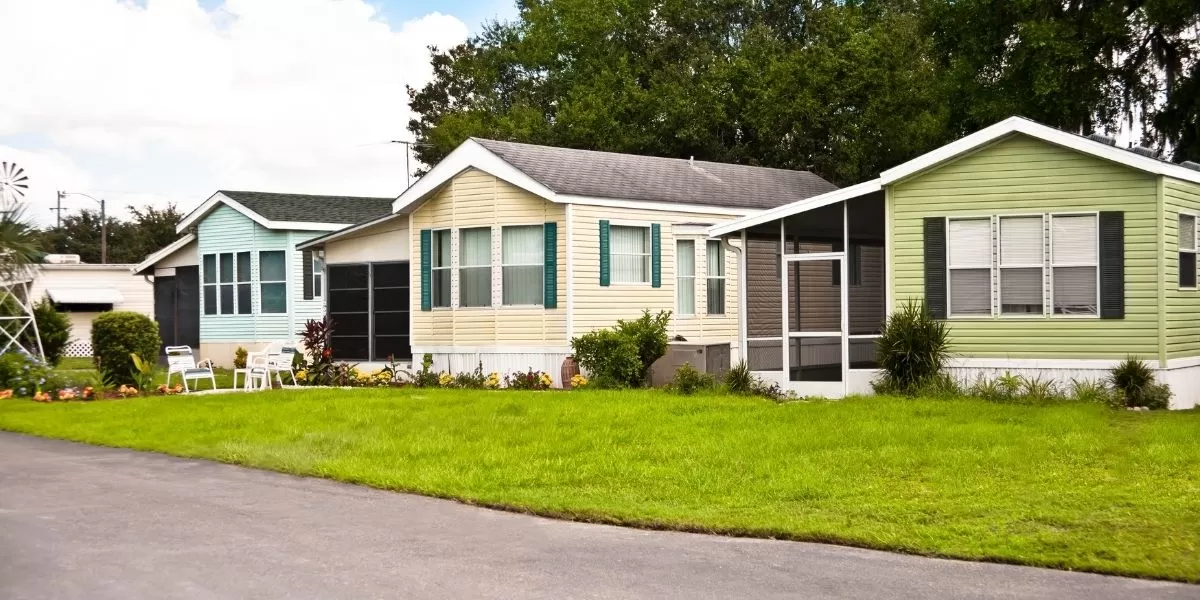
    The cost to move a mobile home within Florida depends on several factors, but it can be affordable and worthwhile.

    Mobile homes give homeowners flexibility, and moving them is part of that benefit. Whether you’re relocating across town or to another park in Florida, it’s good to understand the pricing. Planning ahead can help you save money and avoid unexpected delays.

    Factors That Affect the Cost to Move a Mobile Home Within Florida

    The overall cost isn’t just based on distance. Here are some of the main factors that affect the price:

    • Size of the home – Single-wide homes cost less to move than double or triple-wide homes. 
    • Distance traveled – Shorter distances are cheaper. Longer hauls take more fuel, labor, and permits. 
    • Set-up services – Disconnecting, transporting, and re-installing utilities all add to the total. 
    • Permits and escorts – Florida requires moving permits, and depending on size, escort vehicles may be needed. 
    • Condition of the home – Older homes may need reinforcement before the move.

    Moving a mobile home in Florida is a team job. Licensed movers must follow state laws to keep the process safe and smooth.
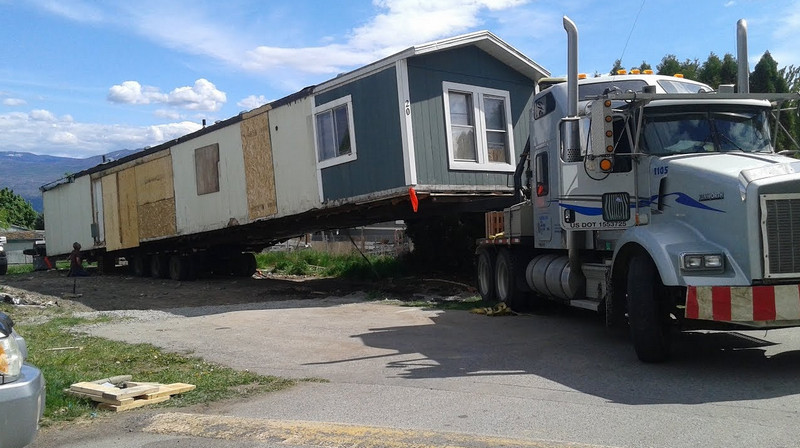
    cost to move a mobile home

    Typical Prices for Moving a Mobile Home in Florida

    The average cost to move a single-wide mobile home in Florida can range between $3,000 and $5,000 for short distances. Double-wide moves may cost $6,000 to $13,000 or more. This includes disconnecting utilities, transportation, and setting up at the new location.

    If you’re moving a single-wide trailer 20 miles, the cost can be around $2,000 to $3,500, depending on the route and condition.

    A longer move of over 50 miles may increase that price quickly. Always ask for a full quote upfront.

    What Is Included in the Cost to Move a Mobile Home Within Florida?

    When you receive an estimate, make sure to check what’s covered. Most mobile home movers in Florida include:

    • Permit applications 
    • Skirting removal and reinstallation 
    • Axle and tire prep 
    • Disconnection and reconnection of utilities 
    • Transportation with insurance 
    • Setup and leveling on the new site 

    If these aren’t included, your price could rise later. Ask about any extra fees so you’re not surprised after the job is done.

    How to Lower the Cost to Move a Mobile Home Within Florida

    Moving costs can be high, but there are ways to keep things within budget. Consider the tips below:

    • Move during the off-season – Rates may be lower in late fall or early winter. 
    • Prep your home yourself – Remove skirting and disconnect minor utilities. 
    • Get multiple quotes – Compare at least 3 mobile home movers in your area. 
    • Use a licensed mover – Avoid damage or delays from using non-certified movers. 

    Looking for the cheapest way to move a mobile home? That usually means handling some of the prep work yourself and choosing a mover who offers bundled services.

    Do You Need a Permit to Move a Mobile Home?

    Yes, you do. Florida law requires a moving permit, which varies by county. So, how much is a permit to move a mobile home? On average, it’s about $100 to $500, depending on the local building department.

    You’ll need proof of ownership and any back taxes paid before a permit is issued. The moving company often handles this part, but you should confirm during the quote.

    Using a Mobile Home Moving Cost Calculator

    If you want to estimate expenses ahead of time, try a mobile home moving cost calculator. This tool can help you plan your move based on the size of your home and the distance.

    Some websites also feature a cost to move a mobile home within Florida calculator, which includes typical permit costs and labor. These calculators give you a rough idea before calling for quotes.

    How to Move a Mobile Home for Free

    Yes, it is sometimes possible. Wondering how to move a mobile home for free? In some cases, a mobile home park or landowner may pay for the move if you bring your home to their site. They want to fill empty lots, so it’s worth asking if they offer any relocation incentives.

    Make sure to get any free move offer in writing. It should outline exactly what services are included and who’s paying for what.

    Pros of Moving a Mobile Home in Florida

    Despite the costs, moving a mobile home comes with many benefits:

    • You keep your current home – No need to shop for a new one. 
    • Customizable location – Choose a lot that better suits your needs. 
    • Possible savings – Some parks have lower lot rent or better amenities. 
    • Shorter move time – The whole process can take just a few days. 

    Florida remains one of the top states for mobile home living. With hundreds of parks and year-round sunshine, it’s an ideal place to stay mobile.

    FAQ: Mobile Home Moving in Florida

    How much does it cost to move a mobile home within Florida?

    Most moves range from $3,000 to $13,000, depending on size and distance.

    Can I move a mobile home myself?

    No, Florida law requires a licensed mover for transport.

    How much is a permit to move a mobile home in Florida?

    Permits usually cost between $100 and $500, depending on your county.

    How long does it take to move a mobile home?

    Most moves take between 2 and 7 days from start to finish.

    Is it cheaper to move or buy a new mobile home?

    In many cases, moving is cheaper, especially if your home is in good shape.

    Do I need to remove the skirting before the move?

    Yes, skirting needs to be removed for transport. Some movers include this in their service.

    How can I find a reliable mover in Florida?

    Check for licensed movers online or ask your local mobile home park for referrals.

    What’s the cheapest way to move a mobile home?

    Handle some prep work yourself and move during off-peak seasons to save.

    Are there mobile home moving cost calculators online?

    Yes, many moving company websites offer them for free.

    How much does it cost to move a single-wide mobile home?

    Prices for single-wide moves start around $2,000 for short distances.

    Final Thoughts

    The cost to move a mobile home within Florida can vary, but with smart planning, it’s manageable. Moving your mobile home gives you freedom without the hassle of buying a new property. Be sure to check permits, compare prices, and use a licensed mover. Florida continues to offer a great lifestyle for mobile homeowners who want to relocate with ease.


    See Also:
     

  • Senior Mobile Homes for Rent in Florida: A Comfortable and Affordable Option

    Senior Mobile Homes for Rent in Florida: A Comfortable and Affordable Option

    Senior mobile homes for rent offer a practical and relaxing living choice for many retirees in Florida. With warm weather, friendly communities, and low-maintenance homes, it’s no surprise that more people are considering this housing option.

    Whether you’re downsizing or looking for an easy-to-manage home, these rentals meet a wide range of needs. Plus, many parks provide amenities that support a laid-back and active lifestyle.

    What Are Senior Mobile Homes for Rent?

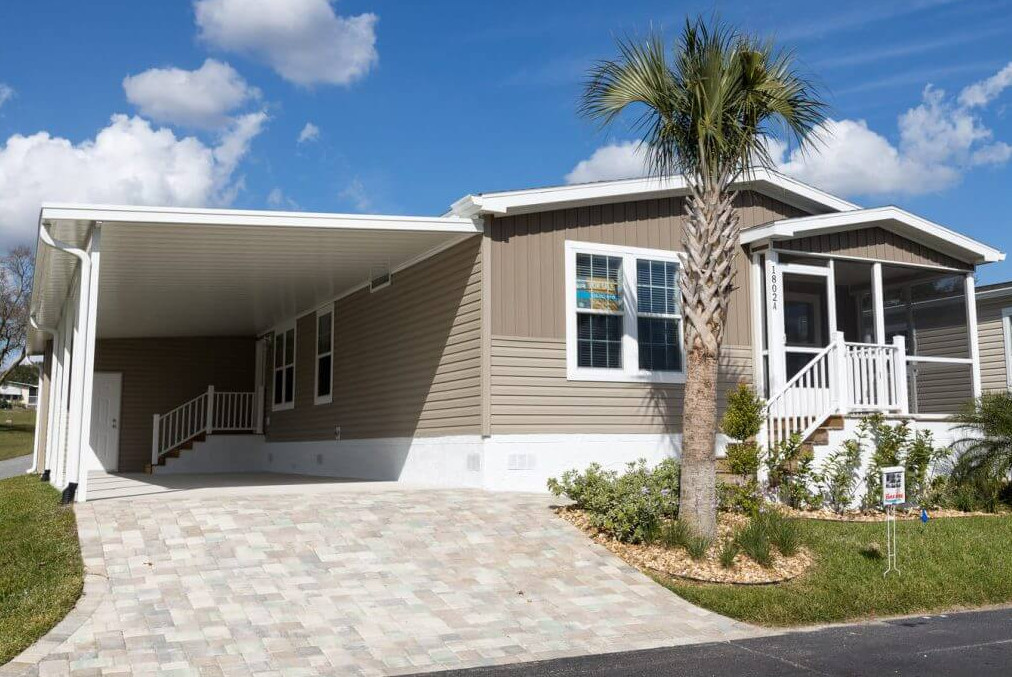
    Senior mobile homes for rent are housing units located in age-restricted communities. Most of these parks require residents to be 55 or older. This rule helps maintain a peaceful setting where neighbors share similar lifestyles.

    These homes usually come with:

    • One to three bedrooms
    • Private driveways
    • Covered porches
    • Yard space
    • Full kitchens and bathrooms

    They are often located inside managed parks that include swimming pools, shuffleboard courts, and clubhouses.

    senior mobile homes for rent in Florida

    Benefits of Renting Senior Mobile Homes

    Living in a senior mobile home has many upsides. In fact, it’s one of the most budget-friendly ways to live in Florida while still enjoying comfort and convenience.

    Key benefits include:

    • Lower monthly rent than traditional apartments
    • Fewer maintenance responsibilities
    • Quiet neighborhoods designed for retirees
    • Access to community events and activities

    Most mobile home parks in Florida also include lawn care and basic utilities in the rent. This simplifies the monthly budget, giving more time for fun and relaxation.

    Finding Senior Mobile Homes for Rent in Florida

    With so many parks across the state, finding the right rental might seem like a big task. Yet, once you know where to look, it becomes easier.

    Many renters begin by checking listings on:

    • Community bulletin boards
    • Real estate websites
    • Facebook groups
    • Local mobile home dealerships

    You can also contact mobile home brokers, who specialize in matching renters with available units in age-restricted communities.

    Features to Look for in Senior Mobile Homes

    When choosing a rental, it’s smart to compare several homes before deciding. Look beyond the rent price to see what each home and park really offers.

    Consider checking:

    • Updated kitchens and bathrooms
    • New flooring or paint
    • Working appliances
    • Lot size and privacy
    • Park rules and restrictions

    You may want to look at several communities to find the one that feels the most welcoming.

    Amenities Often Included

    Many Florida parks with senior mobile homes for rent offer shared spaces to bring neighbors together. These extras help build friendships and keep daily life fun.

    Common amenities in 55+ mobile home parks:

    • Heated swimming pools
    • Fitness centers
    • Organized clubs and bingo nights
    • Shuffleboard and pickleball courts
    • Library rooms or computer access

    Because of these features, many renters choose to stay long-term.

    Pros and Cons of Renting Instead of Buying

    Renting a mobile home works well for people who want flexibility without the long-term cost of owning.

    Pros of renting:

    • No long-term financial commitment
    • Less risk if you move again soon
    • Fewer repairs and maintenance costs

    Possible downsides:

    • Rent may increase with time
    • Some parks don’t allow full customization
    • No equity build-up as with ownership

    Still, for many seniors in Florida, renting remains the better option.

    How to Qualify for Senior Mobile Homes for Rent

    Most age-restricted parks will require a few basic qualifications. These are often easy to meet, especially for retirees.

    You may be asked to:

    • Prove you meet the age requirement
    • Pass a background check
    • Show income or savings to cover rent
    • Provide references from past landlords

    Some parks offer flexible payment options or discounted rent for long-term leases.

    Triple Wide and Other Mobile Home Options

    While many seniors rent single or double-wide homes, some parks offer larger units like triple wide homes. These give more space without sacrificing the convenience of mobile home living.

    Extra room can mean:

    • Home office space
    • Extra guest rooms
    • Bigger kitchens and bathrooms

    If you need room to host family or keep hobbies alive, a triple wide mobile home may be worth considering.

    Cost Breakdown for Renting in Florida

    Florida has a wide range of pricing depending on the city and park. Most rents for senior mobile homes fall between $800 and $1,400 per month.

    Your rent often covers:

    • Water and trash
    • Lawn care
    • Park amenities

    Some parks may ask for first and last month’s rent, plus a security deposit. Be sure to ask what’s included before signing.

    Best Locations in Florida for Senior Mobile Homes

    The state is full of cities that attract retirees due to their weather, healthcare, and activities.

    Popular areas with rental options:

    • Clearwater
    • Lakeland
    • Fort Myers
    • Sarasota
    • Ocala 

    Each area has its own feel, so try visiting a few to find the right match.

    FAQs: Senior Mobile Homes for Rent

    What age do I need to be to rent a senior mobile home?
    Most parks require residents to be 55 years or older.

    Do senior mobile home parks allow pets?
    Some do, but there may be size or breed limits. Always check park rules first.

    Can I rent a senior mobile home part-time?
    Yes, some parks allow seasonal rentals during winter months.

    Is lot rent included in my monthly payment?
    In most cases, yes. Lot rent is usually bundled with home rent.

    Are utilities covered in the rent?
    Some parks include basic utilities like water and trash, but others do not.

    How long is a typical lease?
    Most leases run 12 months, but shorter terms may be available.

    Are there income requirements?
    Some parks require proof of income or savings to show you can pay rent.

    Can I customize my rental unit?
    Small changes may be allowed, but major changes usually need approval.

    Do I need to bring my own appliances?
    Most rentals come with basic appliances like a fridge and stove.

    Is renting better than buying for seniors?
    It depends on your lifestyle. Renting offers flexibility and fewer long-term costs.

    If you’re searching for senior mobile homes for rent in Florida, now is a great time to begin. With friendly neighbors, sunny skies, and plenty of choices, these homes can offer a peaceful and affordable lifestyle.


    See Also:

  • Triple Wide Mobile Homes Offer Spacious Living for Florida Residents

    Triple Wide Mobile Homes Offer Spacious Living for Florida Residents

    Triple wide mobile homes offer a large and comfortable living space perfect for Florida families. These homes provide the feel of a traditional site-built house but with added flexibility and lower costs. Whether you want more room to relax or space for a growing household, large mobile homes deliver.

    What Makes Triple Wide Mobile Homes Unique?

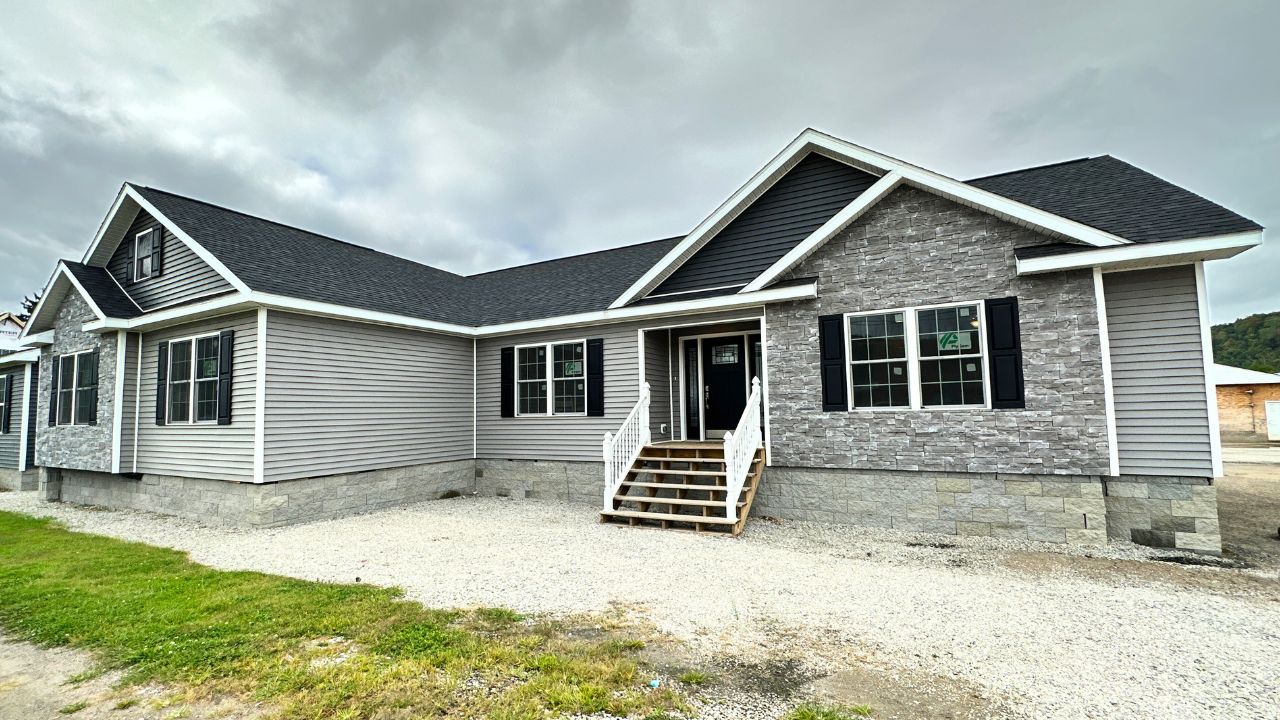
    Triple wide mobile homes are built in three sections and joined together on-site. This construction gives them a wider floor plan and more open space than single or double wides. In Florida, where large families and entertaining guests are common, this extra space makes a big difference.

    These homes usually range from 2,000 to over 3,000 square feet. They often feature:

    • Multiple bedrooms and bathrooms
    • Large living rooms and kitchens
    • Dedicated office or hobby spaces
    • Covered porches or sunrooms

    You get the size of a traditional home without the high price of site-built construction.

    Triple Wide Mobile Homes

    Why Florida Buyers Choose Triple Wide Mobile Homes

    Florida offers the ideal environment for large mobile homes. The flat terrain, warm climate, and wide selection of mobile home communities make setup easier. Many buyers across the state choose these homes for several reasons:

    • More room for large families
    • Affordable housing without sacrificing comfort
    • Better use of outdoor spaces with larger lots
    • Lower maintenance costs compared to traditional homes

    With many communities across Florida welcoming large mobile homes, finding a place to settle is simple.

    Triple Wide Mobile Homes Provide Comfortable Living Year-Round

    Thanks to Florida’s climate, many residents spend time both indoors and outside. Large mobile homes support this lifestyle with plenty of living space and covered areas for relaxation.

    Some homes include features that make year-round living even more enjoyable:

    • Energy-efficient windows to keep your home cool
    • Covered patios or screened rooms
    • Open-concept floor plans for airflow and space
    • Large kitchens and dining areas for hosting guests

    This combination of indoor and outdoor living suits the Florida lifestyle very well.

    Benefits of Triple Wide Mobile Homes in Florida

    These large mobile homes offer many advantages over smaller or site-built homes. For Florida buyers, the biggest benefits include:

    • Affordability: large mobile homes usually cost less per square foot than traditional homes.
    • Speed of setup: Homes arrive in sections and are joined on-site, cutting construction time.
    • Design flexibility: Many models include walk-in closets, built-in entertainment centers, and spa-style bathrooms.
    • Low property taxes: Florida residents often pay less tax on mobile homes than on traditional real estate.

    If you want a spacious home without breaking your budget, this is a strong option.

    Common Floor Plans for Triple Wide Mobile Homes

    The layout of a triple wide mobile home can vary depending on your needs. Popular floor plans include:

    • 4-bedroom layouts with two or more bathrooms
    • 3-bedroom homes with a separate office or den
    • Split bedroom plans for added privacy
    • Open kitchens that flow into living and dining areas

    No matter the layout, these homes provide flexibility and function.

    Where to Place Large Mobile Homes in Florida

    Before you buy, it’s important to know where you can place large mobile homes. In Florida, common options include:

    • Mobile home parks with large lots
    • Land lease communities
    • Private land you own

    Each placement option comes with its own pros and cons. Many buyers prefer mobile home parks for their included amenities like pools, clubhouses, and lawn care services.

    Tips for Maintaining Triple Wide Mobile Homes

    With regular maintenance, large mobile homes can last for many years in Florida. Keep these tasks in mind:

    • Inspect the roof and siding after storms
    • Seal any gaps around windows and doors
    • Keep the air conditioning system clean
    • Wash and repaint exterior trim as needed

    Staying on top of simple tasks helps avoid bigger problems down the road.

    Triple Wide Mobile Homes vs. Double Wides

    While both home types share some features, large mobile homes offer extra benefits:

    Feature Double Wide Triple Wide
    Square footage 1,000–2,000 sq. ft. 2,000–3,000+ sq. ft.
    Number of sections 2 3
    More interior space Moderate Spacious
    Best for Small families, retirees Large families, entertainers

    Triple wide mobile homes are better suited for buyers who need more space and want added comfort.

    What to Look for Before You Buy

    Florida buyers have many triple wide mobile homes to choose from. To make a smart purchase, look for homes that include:

    • Solid insulation for Florida’s heat
    • Durable siding and roofing
    • Energy-saving windows and appliances
    • Storage spaces like walk-in closets and pantries

    You can find models that fit your lifestyle and make Florida living more enjoyable.

    Florida Communities That Welcome Large Mobile Homes

    Across Florida, many communities allow larger mobile homes. These often include:

    • Gated 55+ communities
    • All-ages parks with larger lots
    • Coastal communities close to beaches
    • Inland parks near lakes or wooded areas

    Each offers different features and amenities. Touring a few communities will help you find the best fit.

    FAQs About Large Mobile Homes in Florida

    How big is a triple wide mobile home?
    Most large mobile homes range from 2,000 to 3,000+ square feet.

    Can I place a triple wide home in any Florida mobile home park?
    Not all parks accept triple wides. Check size rules before buying.

    Are large mobile homes safe in Florida storms?
    Yes. Homes built to HUD standards include safety features for Florida’s weather.

    How much do triple wide mobile homes cost in Florida?
    Prices vary but often range from $100,000 to $200,000 or more, depending on features.

    Do triple wide homes require more maintenance?
    No. Regular maintenance is similar to other mobile homes but covers a larger area.

    Can I finance a triple wide mobile home?
    Yes. Many lenders in Florida offer financing for manufactured homes.

    Do I need to own land to buy a triple wide?
    No. You can place them in mobile home parks that allow large units.

    Are these homes energy efficient?
    Many models include energy-saving features like insulated windows and modern HVAC systems.

    Can I customize the layout?
    Yes. Builders often let buyers choose floor plans, finishes, and features.

    Are triple wide mobile homes a good option for large families?
    Yes. They offer more space and separate areas for added comfort.


    See Also:

  • Why Park Model Homes Are a Smart Choice for Florida Living

    Why Park Model Homes Are a Smart Choice for Florida Living

    Park model homes offer an affordable and flexible living option that suits many Florida residents. These small but stylish homes provide the comfort of a traditional house in a compact, efficient layout. With the warm climate, countless RV parks, and resort communities across the state, Florida is one of the best places to enjoy the benefits of park model living.

    What Are Park Model Homes?

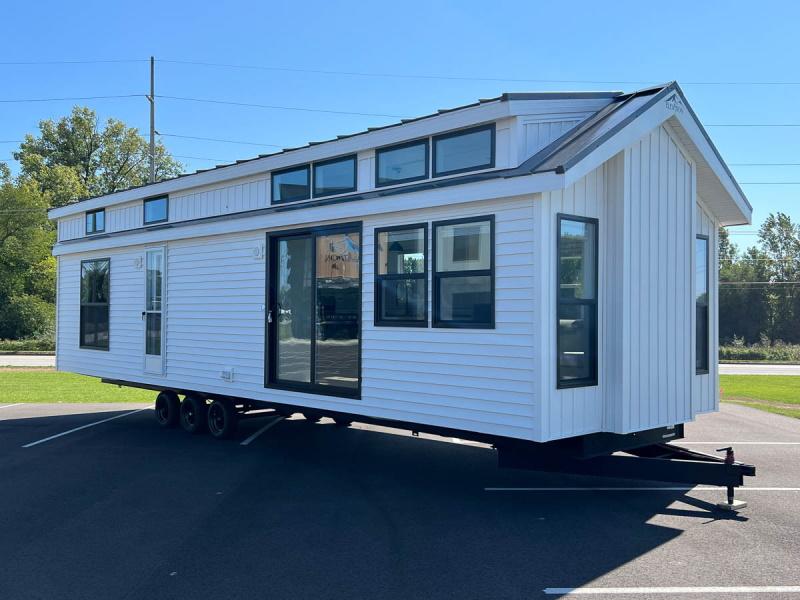
    Park model homes are compact manufactured homes built for semi-permanent living. They are usually under 400 square feet and built on a single chassis. While technically classified as RVs, they offer many of the comforts of a site-built house.

    These homes are especially popular in Florida retirement communities, seasonal parks, and resort-style living centers. Since they require less land, they’re ideal for individuals, couples, or anyone looking to downsize without giving up comfort.

    Park model homes

    Park Model Mobile Homes in Florida: Why They’re Popular

    Florida is a hotspot for park model mobile homes due to its year-round mild weather and thriving mobile home parks. Many buyers choose these homes as a seasonal getaway or a permanent residence.

    There are several reasons why park model homes are so attractive in the Sunshine State:

    • Lower cost compared to traditional homes
    • Easier to maintain
    • Access to tight-knit park communities
    • Built-in outdoor living features like decks or sunrooms
    • Wide availability in both coastal and inland Florida

    With so many benefits, it’s easy to see why more people are turning to this housing option.

    Advantages of Park Model Living

    If you’re considering a smaller living space that still feels like home, park model mobile homes could be your answer. They offer:

    • Private bedrooms, full bathrooms, and functional kitchens
    • Open living areas that maximize natural light
    • Space-saving furniture and storage options
    • Easy setup in designated RV parks or mobile home communities

    Many park model mobile homes also feature stylish exteriors and customizable finishes. They offer flexibility while giving you the comfort you expect from a permanent home.

    Choosing the Right Park Model Home in Florida

    Finding the right park model home depends on your lifestyle and goals. Whether you’re retiring, looking for a vacation home, or simplifying your daily life, there’s an option that fits.

    When selecting a park model mobile home, consider:

    • The community or park you want to live in
    • Distance to beaches, shopping, and health services
    • Layout and design that fit your lifestyle
    • Any HOA or park rules related to home placement and upgrades

    Buying a park model in Florida means you can enjoy a low-maintenance lifestyle close to everything you need.

    Key Features to Look for in Park Model Mobile Homes

    Not all park model mobile homes are the same. Look for options that improve daily comfort and meet Florida’s weather demands. Here are some important features to consider:

    • High-quality insulation: Helps manage Florida’s heat
    • Durable roofing and siding: It withstands heavy rain and wind
    • Built-in porches or Florida rooms: Add functional outdoor space
    • Energy-efficient windows and appliances: Lower your utility bills

    These features add long-term value and comfort to your park model home investment.

    Common Uses for Park Model Homes in Florida

    Because of their small size and efficient design, park model mobile homes are used in many different ways:

    • Seasonal homes: Popular among snowbirds who live in Florida part-time
    • Retirement living: Perfect for retirees looking to downsize
    • Vacation rentals: Many parks rent these homes to tourists
    • Guest houses: A great option on private land (where allowed)

    No matter what your plans are, these homes offer a wide range of options for use and enjoyment.

    Park Model Manufactured Homes vs. Traditional Mobile Homes

    While park model homes fall under the RV classification, they are often compared to other types of mobile homes. Here’s how they differ:

    Feature Park Model Homes Traditional Mobile Homes
    Size Under 400 sq. ft. Typically 600–2,000+ sq. ft.
    Mobility Easier to move Harder to relocate
    Location Requirements Must be in RV zones/parks Can be placed on private land or in parks
    Purpose Seasonal or short-term Permanent or long-term

    Park model homes are perfect if you want a compact Florida home in a relaxed setting.

    Where to Place Park Model Manufactured Homes in Florida

    In Florida, you can place a park model home in various locations, depending on zoning laws. These include:

    • RV parks that allow long-term stays
    • Mobile home communities with RV sections
    • Resort-style parks for retirees or seasonal residents

    Before purchasing, always confirm the community allows park model mobile homes. Many places have restrictions, so check with local zoning offices or park managers first.

    Benefits of Florida Communities That Accept Park Models

    Living in a Florida park that accepts park model homes comes with many perks. These communities often include:

    • Organized events and social gatherings
    • Pool and clubhouse access
    • Lawn care and maintenance services
    • Close proximity to beaches, golf courses, and attractions

    Florida’s park model communities help residents enjoy a fun and connected lifestyle.

    Maintenance Tips for Park Model Manufactured Homes

    Keeping your park model home in top shape requires regular upkeep. Follow these tips to keep everything running smoothly:

    • Check roofing and siding after heavy storms
    • Clean air filters regularly
    • Inspecting seals around windows and doors
    • Repainting or resealing decks as needed

    With a little care, your home will stay comfortable and attractive for years.

    FAQs About Park Model Mobile Homes in Florida

    Are park model homes legal in Florida?
    Yes, they are legal when placed in approved RV parks or communities that allow them.

    How much do park model mbile homes cost in Florida?
    Prices range from $30,000 to $80,000, depending on the size, features, and location.

    Can I live in a park model home full-time?
    Many Florida communities allow full-time living, but some limit stays. Check local rules first.

    Do park model mobile homes need a permit in Florida?
    Yes, the setup usually requires a permit from the city or county where the home is placed.

    Are they good for Florida weather?
    Yes, most are built to handle heat and humidity with proper insulation and ventilation.

    Can I move a park model home?
    Yes, they are movable, but you’ll need professional transport due to their size.

    Do they require a foundation?
    No. They typically sit on blocks or pads in RV parks and don’t need a permanent foundation.

    What utilities do park model homes use?
    They connect to standard water, sewer, and electrical services, just like RVs or small homes.

    Is financing available for park model mobile homes?
    Yes, though financing options are more limited than for traditional homes. Some lenders specialize in RV loans.

    Can I customize a park model home?
    Yes, many manufacturers offer layout and feature choices during the build process.


    See Also:


  • Mobile Home Stairs: Safe and Stylish Options for Florida Residents

    Mobile Home Stairs: Safe and Stylish Options for Florida Residents

    Mobile home stairs are a key feature for comfort and safety in any Florida manufactured home. Whether you’re stepping into a cozy single-wide or a spacious double-wide, good stairs make entry and exit easier every day.

    Florida homeowners often choose mobile homes for their flexibility and affordability. But safety should always come first, especially with steps. The right stairs offer stability, style, and convenience for all ages.

    Why Florida Mobile Home Owners Need Quality Stairs

    Florida weather can be humid, rainy, and sunny all in one day. That’s why mobile home steps need to be durable and slip-resistant. Sturdy stairs improve safety during storms and reduce fall risks during wet seasons.

    Also, many Florida mobile home communities have specific guidelines about stair construction. Meeting these standards helps you avoid fines and keeps your home in top shape.

    mobile home stairs

    Types of Mobile Home Stairs

    You can choose from many stair styles based on your needs, budget, and the look of your home.

    Wood Mobile Home Steps

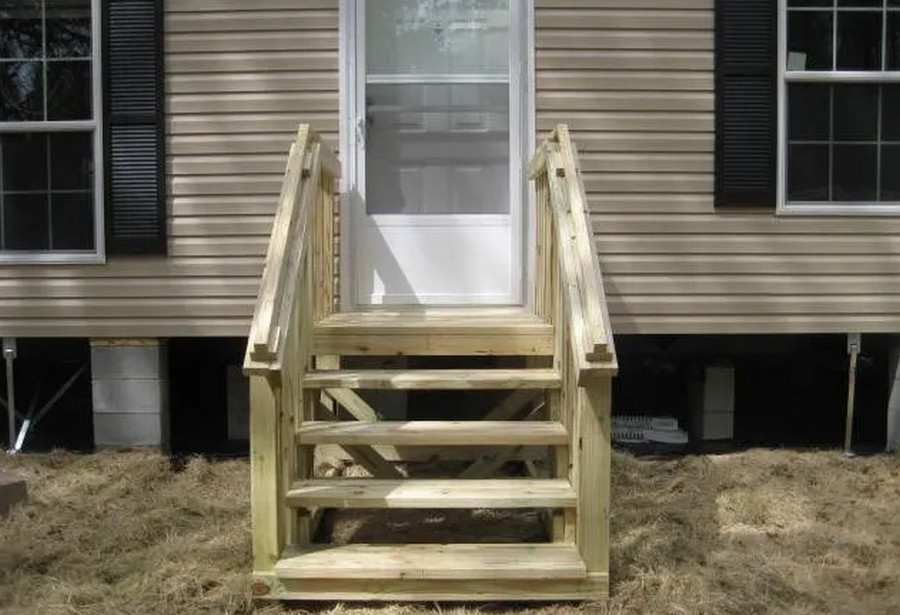
    Wood stairs remain a popular option for many mobile homes. They’re affordable, easy to build, and can be painted to match your siding.

    • Great for temporary or semi-permanent use
    • Can be stained or painted
    • May need extra care in humid Florida weather

    Metal Mobile Home Stairs

    Metal stairs are often used in Florida for their strength and resistance to weather.

    • Rust-resistant coatings available
    • Lightweight and strong
    • Ideal for long-term use in coastal areas

    Concrete Mobile Home Steps

    Concrete stairs offer a permanent solution. They are heavier but extremely durable.

    • Very strong and stable
    • Good for permanent mobile home installations
    • Requires professional installation

    Fiberglass or Plastic Mobile Home Stairs

    For a low-maintenance option, fiberglass or heavy-duty plastic steps are growing in popularity.

    • Mold-resistant and non-slip surfaces
    • Lightweight and easy to install
    • Weather-friendly in all Florida seasons

    What to Consider When Choosing Mobile Home Steps

    Your stairs need to match your lifestyle and meet Florida’s building codes. Keep these things in mind:

    1. Height and Size

    Measure the height from the ground to your door. Then, choose steps with the right number of steps and the correct rise.

    2. Materials

    Think about your local climate. For instance, metal or fiberglass can hold up better in rainy or coastal parts of Florida.

    3. Handrails and Safety

    Always include handrails. Many Florida counties require them, and they help prevent falls.

    4. Weight Limits

    Some stairs are stronger than others. If you expect heavy use or want extra durability, go for reinforced designs.

    Benefits of Installing the Right Mobile Home Stairs

    Having good mobile home stairs makes everyday life easier and safer. Plus, it helps your home stay compliant with local regulations. Here are some direct benefits:

    • Safer entry and exit for kids and seniors
    • Better curb appeal
    • Easier to carry groceries or furniture
    • Helps meet local housing codes
    • Less chance of slips during Florida rains

    Mobile Home Stairs and Florida Building Codes

    Each city and county in Florida may have slightly different rules. But in general, your steps must:

    • Have uniform risers (each step should be the same height)
    • Include handrails if more than three steps
    • Be stable and supported on level ground
    • Allows easy access without blocking the door

    Before installing new stairs, check with your mobile home park or local zoning office. This step avoids delays and fines.

    Maintenance Tips for Mobile Home Steps

    Keeping your steps in good shape adds safety and extends their life. Use these simple tips:

    • Inspect for loose steps or rust every few months
    • Apply weather-proof paint or sealant once a year
    • Keep stairs clear of clutter, leaves, or water
    • Tighten bolts or screws as needed

    Where to Buy Mobile Home Stairs in Florida

    Many Florida mobile home supply stores carry ready-to-install stairs. You can also buy custom options or kits online. Look for:

    • Local mobile home part suppliers
    • Hardware chains like Lowe’s or Home Depot
    • Specialized manufacturers offering delivery in Florida

    Mobile Home Steps Improve Safety and Style

    Whether you choose wood, metal, or concrete, good mobile home stairs help protect your family and improve your home’s look. In Florida, where the weather changes quickly, choosing the right materials can prevent slippery surfaces and early wear.

    If you’re unsure what type to choose, speak to a mobile home dealer. They can recommend options based on your home type and local rules.

    FAQs About Mobile Home Steps

    Do I need stairs for the back door, too?
    Yes, if it’s a regular exit. Florida law may require a safe path from all doors.

    How tall can mobile home stairs be in Florida?
    There’s no specific limit, but handrails are needed if there are more than three steps.

    Are wood stairs safe in Florida weather?
    They can be if sealed properly. Regular maintenance is key.

    Can I install stairs myself?
    Yes, if you have the tools and follow local codes. Some people hire a contractor.

    Are metal stairs better than wood?
    Metal stairs often last longer, especially near the Florida coast.

    Do mobile home stairs come with handrails?
    Some kits do. You can also buy handrails separately or build your own.

    Where can I buy mobile home stairs in Florida?
    Check local supply stores or online retailers that ship to Florida.

    How do I keep stairs from being slippery?
    Use anti-slip paint or add stair treads for grip.

    What’s the average cost of mobile home stairs?
    It depends on the material. Wood is cheapest. Concrete and metal cost more.

    Can I move my stairs to another home?
    Yes, if they are made from lightweight materials like wood or metal.

    If you live in Florida and need help choosing mobile home stairs, reach out to our team at The Mobile Home Dealer. We help buyers find safe and affordable ways to upgrade their mobile homes. Whether you live in Tampa, Sarasota, or anywhere across the state, we’re happy to help.


    See Also:


  • Which Mobile Home Type Is Best for You?

    Choosing the right mobile home type can make your living experience more comfortable and budget-friendly. Whether you’re downsizing or buying your first home, mobile homes offer flexibility and value.

    The key is knowing which mobile home type fits your needs best. Let’s explore the options and help you decide with confidence.

    Why Mobile Homes Are a Smart Housing Option

    Mobile homes are affordable, modern, and available in different sizes. They are built in factories and then placed on land you rent or own. This gives you control over your living setup and helps you save money compared to traditional housing.

    Many buyers prefer mobile homes because:

    • They are quicker to build and move into.
    • You can choose from different layouts.
    • They are available at a range of prices.
    • Maintenance is usually easier and cheaper.

    If you’re considering this path, picking the right mobile home type is the next important step.

    Mobile Home Type

    What Are the Main Mobile Home Types?

    There are several common types of mobile homes, each with unique features. The right choice depends on how much space you need and how long you plan to stay.

    Let’s break them down:

    Single-Wide Mobile Homes

    Single-wide homes are compact and efficient. They are usually 18 feet wide or less and up to 90 feet long.

    Benefits include:

    • Lower price tag
    • Faster setup time
    • Less land needed

    These homes are perfect for individuals or small families. If you want a smaller footprint and less upkeep, this mobile home type might be ideal.

    Double-Wide Mobile Homes

    Double-wides are made by joining two sections on-site. They usually offer over 1,000 square feet of space.

    Highlights:

    • More room for bedrooms, kitchens, and living areas
    • Better resale value
    • A more traditional house feel

    They suit growing families or anyone wanting extra space without paying for a full-size house.

    Triple-Wide and Multi-Wide Mobile Homes

    These homes are built from three or more sections and often exceed 2,000 square feet.

    You’ll get:

    • More layout options
    • Larger kitchens and bathrooms
    • A spacious, home-like feel

    If space is a top priority, this type can rival traditional homes in comfort and design.

    Modular Homes

    Modular homes are factory-built like mobile homes but follow local building codes and sit on permanent foundations.

    Key features:

    • Custom layouts
    • More long-term stability
    • Can look identical to site-built homes

    They work well for buyers who want something more permanent but still affordable.

    Which Mobile Home Type Matches Your Lifestyle?

    Your living style and goals help decide the best mobile home type.

    Ask yourself:

    • Will you live alone, with a partner, or with family?
    • Do you need extra space for hobbies or work?
    • Is this a long-term home or a short-term solution?
    • Do you own land, or will you rent in a mobile home park?

    By answering these, you’ll better understand what layout and features are right for you.

    Top Things to Consider Before You Decide

    To make a smart choice, keep these factors in mind:

    1. Budget

    • Can you afford the home and lot rent?
    • Are you ready for maintenance, utility, and insurance costs?

    2. Size Needs

    • How many people will live in the home?
    • Do you need two bathrooms or a home office?

    3. Location

    • Will your mobile home sit on private land or in a park?
    • Are you close to work, schools, or stores?

    4. Long-Term Plans

    • Do you plan to stay for years?
    • Will you need more room down the line?

    Quick Comparison: Mobile Home Types

    Feature Single-Wide Double-Wide Triple-Wide Modular
    Avg. Sq. Ft. 600–1,000 1,000–1,600 1,600–2,400+ 1,200–2,500+
    Bedrooms 1–2 2–3 3–5 2–5
    Setup Speed Fast Medium Slower Slowest
    Foundation Pier or slab Pier or slab Pier or slab Permanent
    Custom Design Limited Moderate High Very high


    Pros of Choosing a Mobile Home

    Here are some great reasons to pick a mobile home:

    • Affordable pricing
    • Quick setup
    • Flexible locations
    • Low maintenance needs
    • Many layout choices

    How to Pick the Right Mobile Home Type

    Use these tips:

    • Make a checklist of your space and budget needs.
    • Visit homes in person to compare layouts.
    • Talk to dealers to learn about features and prices.
    • Plan ahead for future needs like kids or home offices.

    Each mobile home type has its own strengths. Knowing what matters most to you will help you make a good decision.

    FAQ: Choosing the Best Mobile Home Type

    What is the most affordable mobile home type?
    Single-wide homes are the cheapest to buy and set up.

    Which mobile home type offers the most space?
    Triple-wide homes provide the largest living space.

    Are modular homes considered mobile homes?
    No. Modular homes follow local building codes and sit on permanent foundations.

    Can I put a mobile home on my own land?
    Yes, if zoning laws allow it.

    Do mobile homes hold their value?
    Double-wides and modular homes often keep their value better than single-wides.

    How long do mobile homes last?
    With care, mobile homes can last 30 years or more.

    Can mobile homes be customized?
    Modular and triple-wide homes often offer customization.

    Is it cheaper to live in a mobile home park?
    Yes, lot rent is usually lower than a mortgage or apartment rent.

    Can mobile homes be moved later?
    Some can, but it’s expensive and not always recommended.

    Do mobile homes come with warranties?
    New mobile homes often include a limited warranty for parts and structure.

    Start Your Search with The Mobile Home Dealer

    At The Mobile Home Dealer, we offer all types of mobile homes to match your lifestyle and budget. Whether you need a small single-wide or a full-sized modular home, we’re here to help you find the right fit.

    Ready to discover your perfect mobile home type? Visit The Mobile Home Dealer and explore the options waiting for you today.


    See Also:

  • Budget-Friendly Mobile Home Renovation Tips That Won’t Break the Bank

    Mobile home renovation tips can help you transform your space without draining your bank account. Whether you’re upgrading for comfort or improving resale value, smart updates on a budget are easier than you might think. With the right planning, you can give your mobile home a fresh look that feels brand new.

    Plan Ahead and Set a Realistic Budget

    Start by walking through your mobile home and noting areas that need attention. Prioritize rooms that you use daily. This helps you focus on what truly matters.

    Break your renovation into smaller steps:

    • Choose key focus areas: kitchen, bathroom, and living room.
    • Create a checklist of what to repair or replace.
    • Allocate a spending cap for each area.

    This way, you can stay on track and avoid surprise expenses. Always keep a small buffer in your budget for unexpected repairs.

    Budget-Friendly Mobile Home Renovation Tips

    Refresh With Paint and Simple Fixes

    A fresh coat of paint works wonders. It instantly brightens your space and creates a cleaner look. Focus on neutral shades for walls and bold accents for furniture.

    Some other low-cost updates include:

    • Replacing cabinet hardware
    • Swapping old switch plates and outlet covers
    • Add peel-and-stick wallpaper for texture

    These updates cost little but change the look of your mobile home quickly.

    Creative Storage Ideas

    Small spaces can feel crowded fast. Use smart storage tricks to open up your home.

    Here are a few ideas:

    • Under-bed storage bins for seasonal items
    • Hanging organizers on closet doors
    • Floating shelves in kitchens and bathrooms
    • Storage benches that double as seating

    Less clutter means a bigger, brighter space. Decluttering also helps you stay organized every day.

    Affordable Flooring Options

    Flooring can be expensive, but budget-friendly choices do exist. Stick to materials that are both durable and easy to install.

    Some of the most popular budget flooring picks:

    • Peel-and-stick vinyl tiles
    • Laminate flooring in wood tones
    • Carpet squares for bedrooms
    • Linoleum sheets for kitchens or bathrooms

    These options give your home a high-end look without the cost of real hardwood or tile.

    Upgrade Lighting Without a Big Spend

    Better lighting improves your home’s style and function. You don’t need fancy fixtures. Just swap out old bulbs and lampshades.

    For even more impact:

    • Use soft white LED bulbs for warm lighting
    • Add battery-powered under-cabinet lights
    • Hang string lights or plug-in sconces for a cozy feel

    Mirrors can also bounce light and make rooms appear larger. Hang one near a window to reflect daylight.

    Kitchen Fixes on a Budget

    The kitchen is often the most-used space in a mobile home. You can give it a fresh look without a full remodel.

    Try these low-cost changes:

    • Paint or reface cabinet doors
    • Use peel-and-stick backsplash tiles
    • Replace faucets with affordable modern styles
    • Add a small open shelf for decor or dishware

    Stick to your kitchen’s current layout to avoid costly plumbing or electrical work.

    Easy Bathroom Upgrades

    Bathroom updates don’t have to be expensive. With some creativity, you can improve the space for far less.

    Try these ideas:

    • Swap out the mirror for a stylish framed option
    • Replace the shower curtain and bath mat
    • Use waterproof peel-and-stick tiles on the wall or floor
    • Add hanging baskets for storage

    These updates make your bathroom feel cleaner and more functional.

    Thrift and Repurpose to Save Money

    Secondhand stores are full of budget finds. You can often get solid furniture and décor for a fraction of the retail price.

    When thrifting, look for:

    • Wooden furniture you can repaint
    • Decorative mirrors and lamps
    • Picture frames and wall art
    • Vintage rugs or curtains

    You can also repurpose things you already own. Turn a wooden ladder into a shelf, or use jars as planters.

    Improve Curb Appeal

    Don’t forget the outside of your mobile home. Small exterior updates can add charm and boost value.

    Try these ideas:

    • Paint your front door in a bold color
    • Plant flowers or low-cost shrubs
    • Replace old house numbers or mailboxes
    • Add solar lights along the walkway

    These simple updates make your home more inviting and give it a well-cared-for look.

    Keep It Simple and Stay Consistent

    The best mobile home renovation tips are the ones that fit your lifestyle. Keep your updates simple and practical. Stick to your theme or color palette for a clean, unified look.

    You don’t need expensive materials to create a space you’ll love. Sometimes, all it takes is a few smart choices and a little patience.

    FAQ: Budget-Friendly Mobile Home Renovation Tips

    1. What is the cheapest way to renovate a mobile home?
      Start with paint, hardware updates, and lighting changes. Focus on DIY tasks to save money.
    2. Can I renovate a mobile home by myself?
      Yes! Many mobile home renovation tips focus on easy DIY projects that require basic tools.
    3. What are the best budget flooring options?
      Vinyl tiles, laminate flooring, and linoleum sheets offer great looks without high costs.
    4. How do I make my mobile home look modern?
      Use neutral paint, update fixtures, and add simple décor. Choose clean lines and modern finishes.
    5. Is it expensive to update a mobile home kitchen?
      No. You can reface cabinets, add new hardware, and install peel-and-stick backsplashes affordably.
    6. What’s the easiest upgrade I can do today?
      Change out old light bulbs and replace your cabinet knobs. These take minutes and cost very little.
    7. Can I improve my mobile home’s value on a budget?
      Yes. Small improvements like painting, lighting, and curb appeal can raise its value.
    8. Where can I find affordable renovation materials?
      Check local thrift stores, online marketplaces, and discount home improvement centers.
    9. How do I make a small mobile home feel bigger?
      Use light colors, mirrors, and multifunctional furniture. Keep clutter to a minimum.
    10. Should I hire a contractor for budget renovations?
      Only for tasks you can’t safely do yourself, like electrical or plumbing work. DIY the rest!

    Updating your mobile home doesn’t need to cost a fortune. Use these mobile home renovation tips to give your space a new life while sticking to your budget. With a little creativity, you can build a home that’s both stylish and affordable.

    Want more mobile home tips? Visit The Mobile Home Dealer for helpful resources and expert advice.

    See Also:


  • How to Protect Your Mobile Home During Winter

    How to Protect Your Mobile Home During Winter

    As cold weather approaches, it’s smart to protect your mobile home during winter to stay warm and worry-free. With a little preparation, your home can stay comfortable, efficient, and dry all season long.

    Why It’s Smart to Prepare Your Mobile Home for Winter

    Winter weather can be tough on any home, but mobile homes need a little more care. That’s because they often have exposed plumbing, thinner walls, and lightweight materials. The good news? You can avoid cold drafts, frozen pipes, and high energy bills with some smart winter prep.

    Check and Seal Doors and Windows

    Doors and windows let in more cold air than you might expect. Take time to:

    • Inspect all windows and doors for gaps
    • Apply weather stripping where needed
    • Use caulk to seal small cracks
    • Consider thermal curtains for added warmth

    These small steps will help trap heat inside and keep your energy costs low.

    Protect your mobile home during winter

    Insulate the Right Areas

    Good insulation helps protect your mobile home during winter. It keeps your space warm and makes your heater work less.

    Focus on insulating:

    • Under the floor and skirting
    • Inside walls (if accessible)
    • Around ceiling vents and roof edges

    If your mobile home doesn’t have enough insulation, adding more will make a noticeable difference.

    Wrap Your Pipes Before Temperatures Drop

    Frozen pipes are one of the most common winter issues for mobile homes. Prevent this by wrapping all exposed pipes with foam insulation or heat tape.

    Also, follow these tips:

    • Let faucets drip on freezing nights
    • Keep cabinet doors open to let warm air reach the pipes
    • Disconnect garden hoses and drain outside spigots

    These simple actions can save you from expensive repairs later on.

    Service Your Heating System

    To keep your mobile home warm and safe, give your heating system a check-up before winter.

    Make sure to:

    • Replace or clean the furnace filter
    • Inspecting vents and ducts for leaks or blockages
    • Test your thermostat for accuracy
    • Clean space heaters and keep them clear of flammable items 

    If your heating system struggles or makes strange noises, call a professional.

    Keep the Air Dry and Comfortable

    Cold air outside and heating indoors can create humidity problems. Condensation leads to mold, mildew, and musty smells.

    Manage humidity by:

    • Using a dehumidifier in bathrooms and kitchens
    • Running exhaust fans while cooking or showering
    • Wiping condensation from windows daily
    • Keeping the home well-ventilated 

    A balanced environment makes your mobile home healthier and more comfortable.

    Inspect the Roof and Remove Snow

    Don’t overlook your mobile home’s roof. It needs to be strong enough to handle snow, ice, and moisture.

    Take these steps:

    • Inspect the roof for weak spots, cracks, or peeling seams
    • Reseal or repair areas as needed
    • Use a roof rake to remove snow buildup
    • Check the gutters and downspouts for blockages

    Snow can get heavy fast, so keeping the roof clear will help avoid damage.

    Add Skirting for Better Protection

    Mobile home skirting blocks cold wind from blowing underneath your home. It helps maintain warmth and protects your pipes.

    Good skirting:

    • Reduces drafts and heat loss
    • Keeps animals from sheltering underneath
    • Improves overall energy efficiency

    Check skirting for damage or holes and repair them before snow arrives.

    Prepare for Power Outages

    Power outages can happen during any storm. It’s smart to be ready in case one hits your area.

    Keep these items on hand:

    • Battery-powered lanterns or flashlights
    • Extra blankets and warm clothes
    • Non-perishable food and water
    • A backup power source, like a generator

    Also, install and test carbon monoxide detectors for safety when using alternative heat sources.

    Use Floor Rugs and Curtains for Extra Warmth

    Small touches go a long way. Area rugs help block cold air from floors, while thick curtains help insulate windows.

    Here are a few more quick tips:

    • Use door draft stoppers
    • Close off unused rooms to save energy
    • Keep furniture away from vents for proper airflow

    These simple tricks help create a cozier mobile home during the winter season.

    Check Exterior Vents and Access Points

    Before winter arrives, walk around your mobile home and inspect exterior vents, plumbing access, and electrical inlets.

    Be sure to:

    • Seal any gaps or openings with foam or weatherproof tape
    • Remove debris from vent covers
    • Check crawl space doors and skirting panels

    This helps prevent animals, cold air, and moisture from getting inside.

    FAQ: Protect Your Mobile Home During Winter

    1. How do I protect my pipes from freezing?
      Wrap them with foam insulation or heat tape and let faucets drip during cold nights.
    2. Do I need to winterize my mobile home every year?
      Yes. It keeps your home efficient and avoids costly damage.
    3. What kind of insulation works best for mobile homes?
      Fiberglass, spray foam, or rigid foam boards are all good choices.
    4. How often should I check my roof during winter?
      Check after each snowstorm or heavy wind to look for damage.
    5. Can I use portable heaters safely in my mobile home?
      Yes, but keep them away from flammable items and use models with automatic shut-offs.
    6. Should I cover windows with plastic film?
      Yes. Plastic window insulation kits help stop drafts and retain heat.
    7. How can I stop cold air from getting under my home?
      Install or repair skirting to block airflow underneath your mobile home.
    8. Is it safe to use a generator for backup power?
      Yes, but keep it outside and away from doors and windows to avoid carbon monoxide buildup.
    9. How do I prevent condensation in my mobile home?
      Use exhaust fans, wipe windows, and place a dehumidifier in key rooms.
    10. Do mobile homes need special thermostats?
      Standard programmable thermostats work well; just make sure yours is compatible with your heating system.

    Protect your mobile home during winter by taking action now. These steps not only improve comfort but also help save on bills and prevent damage. A well-prepared home means peace of mind through the coldest months.

    For more mobile home tips, visit The Mobile Home Dealer — your trusted source for all things mobile living.


    See Also:


  • Hidden Costs of Buying a Repo Mobile Home

    Hidden Costs of Buying a Repo Mobile Home

    The hidden costs of buying a repo mobile home can surprise even the most prepared buyers. These homes offer great prices, but understanding the full expense can prevent unwanted stress later. If you’re considering this smart purchase, knowing what costs may appear after the sale will help you plan better.

    What Is a Repo Mobile Home?

    A repo mobile home is a property taken back by the bank after the previous owner defaulted on their loan. These homes are often sold “as-is” at lower prices. That makes them attractive for budget-conscious buyers looking for a good deal.

    The affordability of repo homes is a strong reason why many people go this route. But beyond the sale price, there are several unexpected expenses to keep in mind.

    costs of buying a repo mobile home

    Why Watch Out for the Hidden Costs of Buying a Repo Mobile Home?

    At first glance, a repo home can seem like a perfect fit. The price is low, and the home may still be in good condition. Still, it’s important to dig deeper. A well-priced home today might cost more tomorrow due to hidden fees and repair needs.

    Let’s look at the hidden costs of buying a repo mobile home that many buyers overlook.

    Common Hidden Costs to Expect

    Even when the home looks move-in ready, several expenses could follow the purchase. Below are the most common ones:

    1. Repairs and Renovations

    Most repo homes are sold as-is. This means the seller will not fix any issues. A home inspection helps, but unexpected problems can still show up.

    • Roof leaks
    • Plumbing issues
    • Damaged flooring
    • HVAC replacements

    You may need to budget thousands of dollars for these fixes, especially if the home sat empty for a while.

    2. Utility Hookups

    If the home was disconnected from utilities, getting services back will cost money. These can include:

    • Reconnecting water and sewer lines
    • Setting up electricity
    • Installing gas service

    This adds up quickly if you’re moving the mobile home to a new location.

    3. Site Preparation

    Before placing your new home on a lot, the land needs to be ready. This can mean:

    • Land clearing
    • Grading
    • Laying a proper foundation
    • Building driveways or access paths

    Even if you own land, preparing it can be a big task.

    4. Transportation Fees

    Most repo homes need to be transported. Moving a mobile home is not cheap. You’ll need to pay for:

    • Disconnection
    • Permits
    • Transport crew
    • Reconnection at the new site

    Transportation may cost anywhere from $3,000 to $10,000, depending on distance and setup.

    5. Title Transfer and Legal Fees

    Every state requires a title transfer. That process often includes:

    • Notary services
    • State fees
    • Legal documents

    Some areas may ask for back taxes or lien settlements before the title gets transferred.

    Extra Costs You Might Not Expect

    Even beyond the basics, the hidden costs of buying a repo mobile home can pop up in other places. These include:

    • Insurance premiums (usually higher than for site-built homes)
    • Community fees (if the home sits in a mobile home park)
    • Monthly lot rent (can be several hundred dollars)
    • Permits and inspections (local governments may require approvals)

    Keeping track of these ahead of time helps you avoid surprises.

    Tips to Minimize the Hidden Costs of Buying a Repo Mobile Home

    There are smart ways to reduce your spending. Use these tips to stay ahead:

    • Hire a home inspector to check every detail of the home.
    • Get multiple transport quotes before agreeing to move home.
    • Buy from a trusted dealer who will be upfront about the home’s condition.
    • Ask for a full history of the home, including past repairs and any liens.

    You don’t have to rush. Take your time reviewing everything before committing.

    Negotiating the Price Helps, Too

    Even with added costs, repo homes can still be great deals. Here’s how to lower your final price:

    • Compare several similar homes in the area.
    • Use your inspection report as leverage to ask for a price cut.
    • Be honest about what you’re willing to spend.
    • Offer to close quickly in exchange for a discount.

    A few smart moves here can save thousands in the long run.

    Benefits Still Outweigh the Risks

    Despite the hidden costs of buying a repo mobile home, the rewards remain strong. These homes offer a low-cost path to ownership. For many people, the savings are worth the work. With a bit of planning, the hidden costs won’t be a deal-breaker.

    Bullet Recap: Hidden Costs Checklist

    Here’s a quick list of possible hidden costs:

    • Repairs and maintenance
    • Utility reconnections
    • Title transfer and taxes
    • Transportation and setup
    • Insurance and community fees

    Always budget 15% to 25% extra beyond the listed price to cover these.

    FAQ: Hidden Costs of Buying a Repo Mobile Home

    1. What is a repo mobile home?
      It’s a mobile home taken back by a lender after the owner defaults on payments.
    2. Are repo mobile homes cheaper?
      Yes, they often cost less than new or resale mobile homes.
    3. What are common hidden costs?
      These include repairs, utility setup, transport, title transfer, and taxes.
    4. Do I need to move the repo home?
      Usually, yes. You’ll pay for transportation unless it stays in place.
    5. How much does moving a mobile home cost?
      It can cost $3,000 to $10,000, depending on the location and size.
    6. Should I hire a home inspector?
      Absolutely. This helps you find hidden problems before you buy.
    7. Are there extra taxes?
      Yes, especially if back taxes are owed on the home.
    8. Will I need insurance?
      Yes, mobile home insurance is necessary and may cost more than traditional home insurance.
    9. Can I live in a repo home right away?
      Not always. You may need repairs and utility setup first.
    10. Are repo homes a good investment?
      Yes, if you’re prepared for the hidden costs and do your homework.


    See Also:

  • Mobile Home Air Conditioning Options: Stay Cool Without Breaking the Bank

    Mobile Home Air Conditioning Options: Stay Cool Without Breaking the Bank

    Mobile home air conditioning options make it easy to stay cool, comfortable, and energy-efficient—even in the hottest months. Whether you’re living in a single-wide or a double-wide, there’s a solution that fits your space, your needs, and your budget.

    Let’s take a look at the best ways to keep your mobile home cool all year long.

    Why Air Conditioning Matters in Mobile Homes

    Mobile homes can heat up quickly during the summer. Because they often have less insulation than traditional houses, they require smart cooling choices. The right air conditioning setup can make a huge difference in your daily comfort and energy bills.

    Most mobile home air conditioning options are cost-effective, space-saving, and quick to install. With several models and systems available, it’s easy to find something that works for your home.

    Types of Mobile Home Air Conditioning Options

    You don’t need a big HVAC system to cool a mobile home. Below are some popular and effective choices:

    Mobile Home Air Conditioning

    Window and Portable Units

    These options are affordable and simple.

    • Window Units: Great for small spaces. They’re easy to install and cost less than $300.
    • Portable Units: These plug into any outlet and can be moved from room to room.

    Many homeowners choose these because:

    • No professional installation is needed
    • Perfect for renters or short-term use
    • Low upfront cost

    These units are perfect for spot cooling and smaller mobile homes.

    Ductless Mini-Split Systems

    Mini-split systems are a favorite in mobile homes for several reasons:

    • No ductwork needed
    • Quiet operation
    • High energy efficiency

    With indoor and outdoor units, these systems cool your home with less energy. You can even set up different zones for different rooms.

    Central Split and Packaged Units

    These are ideal for larger mobile homes or permanent setups.

    • Split Systems: Use both indoor and outdoor units connected through ductwork.
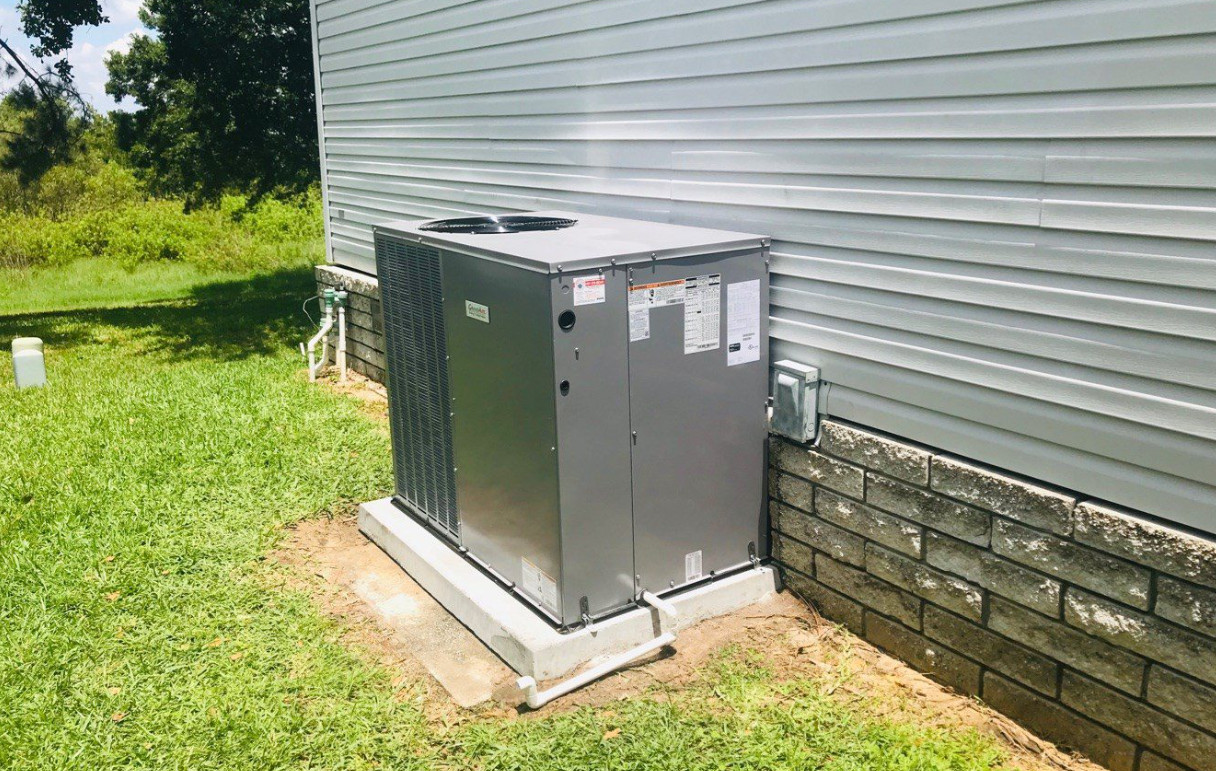
    • Packaged Units: All-in-one systems are installed outside the home.

    Both options deliver even, full-home cooling. They’re more expensive but are great for long-term use.

    What’s the Best Fit for You?

    Choosing from the different mobile home air conditioning options depends on your lifestyle. Ask yourself:

    • How large is your mobile home?
    • Do you want to cool one room or the entire home?
    • Are you looking for a temporary or permanent solution?

    Answering these will help you decide if a window unit or a split system makes more sense.

    Costs and Financing

    Let’s talk numbers. Air conditioning doesn’t need to drain your wallet.

    Basic Cost Breakdown

    Here’s what to expect:

    • Window or Portable Units: $200–$600
    • Mini-Split Systems: $1,500–$3,000 (without installation)
    • Packaged Central Systems: $3,500–$7,000 (with installation)

    Installation usually costs an extra $1,000–$5,000 based on system type.

    Financing Options

    If paying upfront isn’t possible, don’t worry. Many companies offer:

    • Traditional loans (FHA or VA)
    • Chattel loans for mobile homes without land
    • Rent-to-own plans
    • Low down payment options 

    Working with mobile home lenders can help you find a plan that works.

    Energy Efficiency Is a Big Deal

    Lower energy use equals lower monthly bills.

    Look for SEER Ratings

    SEER stands for Seasonal Energy Efficiency Ratio. The higher the SEER, the more efficient the system. Choose a SEER rating of at least 14.

    Ductless Units Save Power

    Mini-splits cool just the areas you need, using less energy. They’re perfect for smaller mobile homes or rooms that stay hot.

    Alternatives to Traditional AC Units

    Not every cooling option needs refrigerant or big machines. Some alternatives include:

    Fans

    These are simple and affordable:

    • Ceiling fans
    • Portable fans
    • Window fans

    They don’t reduce temperature but improve airflow. This helps rooms feel cooler.

    Evaporative Coolers (Swamp Coolers)

    These are perfect in dry climates:

    • Use water to cool the air
    • Lower power use than AC units
    • Eco-friendly and affordable 

    They work best in dry states like Arizona or New Mexico.

    Easy Tips to Improve Cooling

    You can boost your cooling efforts with a few easy steps:

    • Use blackout curtains to block heat
    • Seal air leaks around windows and doors
    • Run appliances (like ovens) less during the day
    • Add insulation to walls or roof if possible 

    These steps reduce how hard your AC system needs to work.

    Where to Get Help

    If you’re unsure what system is right for your home, companies like Manufactured Housing Consultants can help. They specialize in systems made for mobile homes and offer installation and financing support.

    Short FAQ: Mobile Home Air Conditioning Options

    1. What is the best air conditioning for a mobile home?
      The best option depends on home size and budget. Mini-splits are popular for efficiency and comfort.
    2. Can I use a window AC unit in my mobile home?
      Yes. They’re affordable, simple to install, and cool individual rooms well.
    3. How much does a central AC system cost for a mobile home?
      Expect to spend between $3,500 and $7,000, including installation.
    4. Do mobile homes need special AC units?
      Some models are built for mobile homes, but most standard systems can work with minor adjustments.
    5. What’s the cheapest cooling option?
      Fans or window units are the most affordable upfront.
    6. Is professional installation required?
      It depends. Portable and window units don’t need it. Central systems do.
    7. How can I lower my cooling costs?
      Use high SEER-rated units, seal your home well, and install proper insulation.
    8. Do mobile homes use ductwork?
      Some do, especially double-wides with central AC systems.
    9. Are there energy-efficient AC options?
      Yes. Mini-splits and high SEER-rated systems save energy and money.
    10. What’s the lifespan of a mobile home AC unit?
      With good care, expect 10–15 years of service.

    Final Thoughts

    There are mobile home air conditioning options for every budget, climate, and home size. From window units to full central systems, each one offers comfort and cost control in its own way.

    Take time to review your space, cooling needs, and budget. With smart planning, you can enjoy a cool and comfortable mobile home all summer long.

    For more help, visit www.sellmobilehome.com and explore your options with The Mobile Home Dealer.

    See Also:

Reset password

Enter your email address and we will send you a link to change your password.

Get started with your account

to save your favourite homes and more

Sign up with email

Get started with your account

to save your favourite homes and more

By clicking the «SIGN UP» button you agree to the Terms of Use and Privacy Policy
Powered by Estatik