Category: Blog

  • 10 Essential Items Every Mobile Home Needs for Comfort and Functionality

    Mobile homes provide a unique and flexible housing option for many individuals and families. Whether you’re a full-time resident or using your mobile home as a vacation getaway, ensuring it’s equipped with essential items is key to creating a comfortable and functional living space. In this guide, we’ll explore ten must-have items every mobile home should have to enhance comfort, convenience, and overall enjoyment.

    1. Quality Furniture

    Investing in quality furniture is essential for creating a comfortable and inviting living space in your mobile home. Choose pieces that are appropriately sized for your space and provide ample seating for you and your guests. Consider versatile pieces like a sofa bed or futon that can double as extra sleeping accommodations.
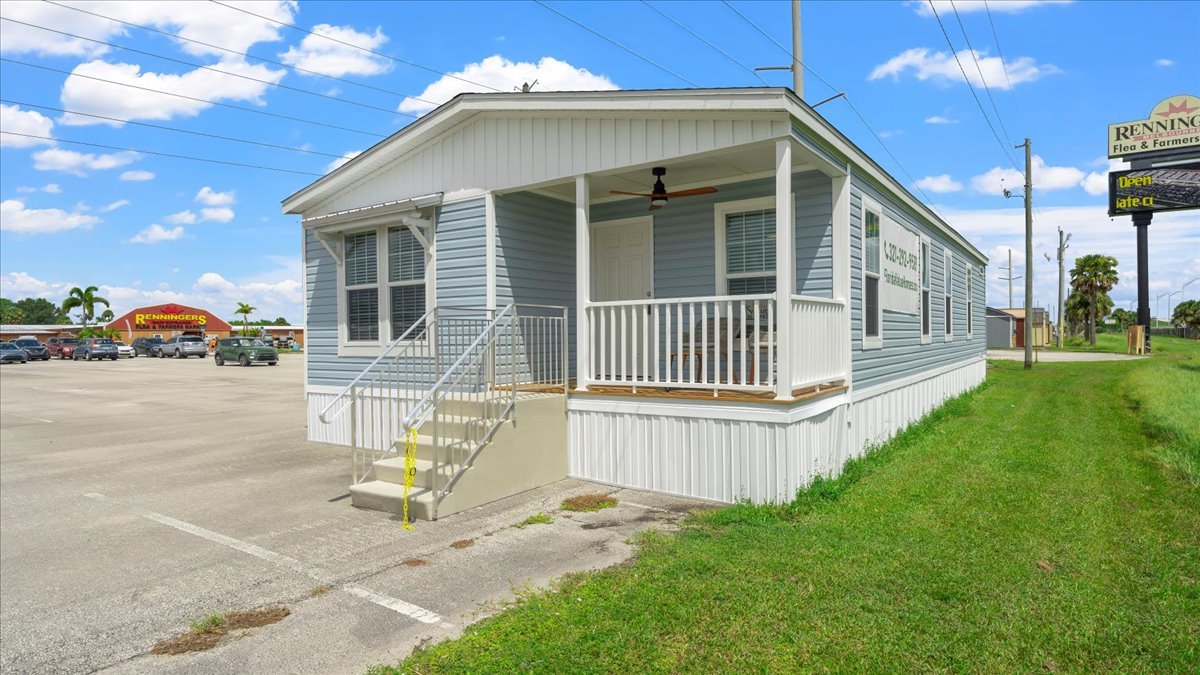
    essential items in a mobile home

    2. Kitchen Essentials

    A well-equipped kitchen is essential for preparing meals and entertaining guests in your mobile home. Stock up on kitchen essentials such as cookware, utensils, dinnerware, and glassware. Additionally, ensure you have basic appliances such as a stove/oven, refrigerator, microwave, and coffee maker to make meal preparation a breeze.

    3. Bedding and Linens

    Comfortable bedding and linens are crucial for a restful night’s sleep in your mobile home. Invest in high-quality mattresses, pillows, and bedding to create a cozy and inviting sleeping environment. Remember to stock up on towels, washcloths, and other linens for the bathroom as well.

    4. Storage Solutions

    Maximize storage space in your mobile home with the right storage solutions. Consider investing in multi-functional furniture pieces with built-in storage, such as ottomans or bed frames with drawers. Additionally, utilize storage bins, baskets, and shelving units to keep your belongings organized and easily accessible.

    5. Lighting Fixtures

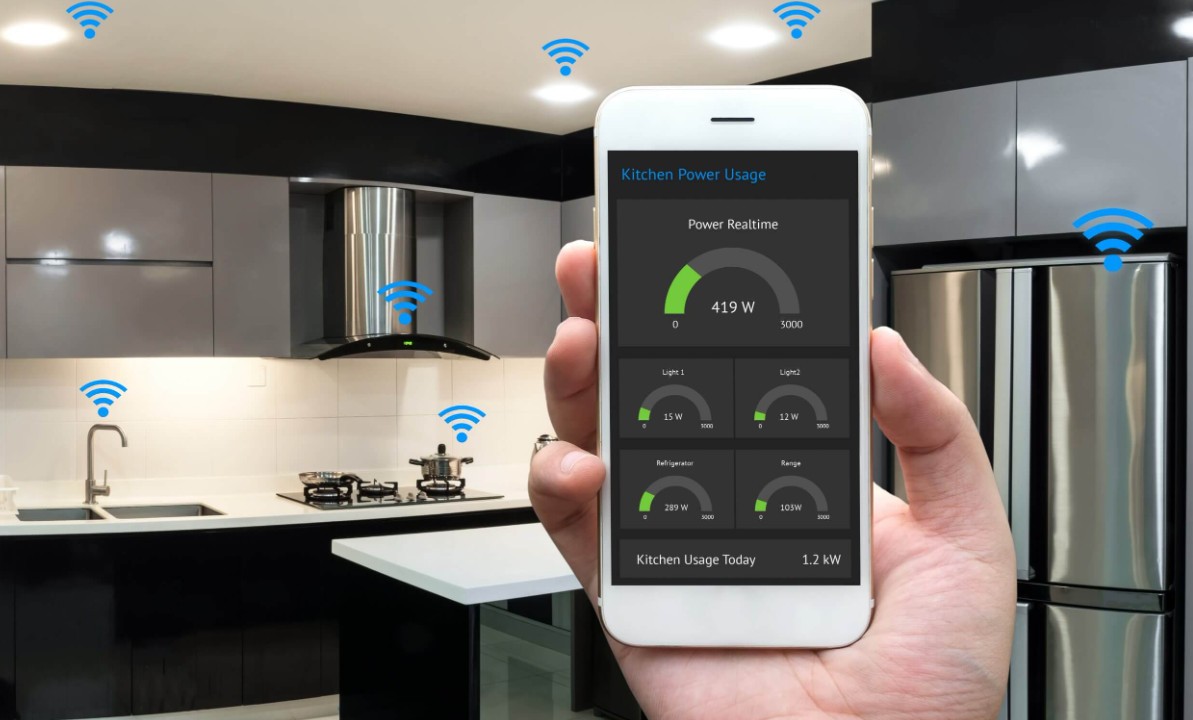
    Proper lighting is essential for creating a bright and welcoming atmosphere in your mobile home. Invest in a combination of overhead lighting, task lighting, and accent lighting to suit different activities and moods. Consider energy-efficient LED bulbs to reduce energy consumption and save on utility costs.

    6. Window Treatments

    Window treatments add style and personality to your mobile home and provide privacy and control over natural light. Choose curtains, blinds, or shades that complement your décor and provide insulation against heat and cold. Consider blackout curtains or bedroom shades to ensure a restful night’s sleep.

    7. Heating and Cooling Systems

    Maintaining a comfortable temperature inside your mobile home is essential year-round. Invest in heating and cooling systems that are appropriately sized for your space and climate. Consider options such as central HVAC systems, ductless mini-split systems, or portable heaters and air conditioners to ensure optimal comfort throughout the seasons.

    8. Safety Equipment

    Ensuring the safety of yourself and your loved ones is paramount in any living space, including a mobile home. Install smoke and carbon monoxide detectors in key areas of your home and test them regularly to ensure they’re functioning correctly. Additionally, consider investing in a fire extinguisher and a first aid kit for added peace of mind.

    9. Cleaning Supplies

    Keeping your mobile home clean and well-maintained is essential for a healthy and enjoyable living environment. Stock up on cleaning supplies such as all-purpose cleaners, disinfectants, vacuum cleaners, and mops to keep your home sparkling clean. Additionally, consider investing in storage solutions to keep cleaning supplies organized and easily accessible.

    10. Personal Touches

    Finally, remember to add personal touches to your mobile home to make it feel like home. Decorate with artwork, photos, and other meaningful items that reflect your personality and style. Consider adding indoor plants or fresh flowers to bring a touch of nature indoors and create a warm and inviting atmosphere.

    Conclusion

    Equipping your mobile home with essential items is key to creating a comfortable, functional, and inviting living space. From quality furniture and kitchen essentials to bedding and linens, storage solutions, lighting fixtures, window treatments, heating and cooling systems, safety equipment, cleaning supplies, and personal touches, these ten must-have items will help you make the most of your mobile home and enjoy it to the fullest.

    Take the time to invest in high-quality items that suit your needs and preferences, and remember to add your personal touch to make your mobile home truly feel like home. With the right essentials in place, you can create a cozy and inviting sanctuary that you’ll love coming back to, whether for a weekend getaway or full-time living.
     

    See Also:

  • What to Expect from a Mobile Home Under $15,000

    Mobile homes offer an affordable housing solution for many individuals and families, providing a sense of flexibility and independence without the hefty price tag of traditional houses. If you’re in the market for a mobile home and have a budget of $15,000 or less, you might be wondering what to expect in terms of features, condition, and overall value. In this guide, we’ll explore what you can typically expect from a mobile home in this price range, helping you make an informed decision and find the perfect home for your needs.

    Understanding the Price Range

    Before delving into the specifics of what to expect from a mobile home under $15,000, it’s essential to understand the factors that contribute to this price range. Mobile homes in this price bracket are typically older models or may require significant repairs or renovations. Additionally, the price may vary depending on factors such as location, size, condition, and amenities.

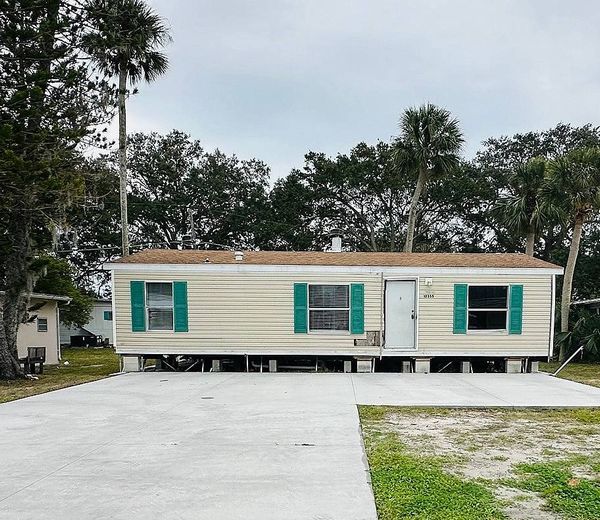
    mobile home under $15000

    Age and Condition

    Mobile homes in the $15,000 price range are often older models that have been previously lived in. As such, you can expect some wear and tear, both inside and out. Common signs of age and wear may include:

    • Exterior: Faded or peeling paint, dented siding, and signs of rust or corrosion on metal components such as the roof or undercarriage.
    • Interior: Worn carpeting or flooring, outdated fixtures and appliances, and minor cosmetic damage such as chipped paint or wallpaper.

    While some level of wear and tear is to be expected, it’s essential to carefully inspect the mobile home for any significant structural issues or damage that may require costly repairs.

    Size and Layout

    Mobile homes under $15,000 are typically smaller in size compared to newer or more expensive models. Single-wide mobile homes, which are narrower and more compact, are more common in this price range compared to double-wide or triple-wide models. The size and layout of the mobile home will influence factors such as living space, storage capacity, and overall comfort.

    Basic Amenities

    Mobile homes in this price range may come with basic amenities, but they are unlikely to have the luxury features found in more expensive models. Common amenities you can expect include:

    • Kitchen appliances: Stove/oven, refrigerator, and possibly a microwave.
    • Heating and cooling: Basic HVAC system or window units for heating and cooling.
    • Bathroom fixtures: Toilet, sink, and bathtub or shower.

    While these amenities provide the essentials for comfortable living, they may be older or less energy-efficient compared to newer models.

    Location and Lot Rent

    The cost of a mobile home is not limited to the purchase price alone. It’s essential to consider ongoing expenses such as lot rent, utilities, and maintenance costs. Mobile homes in this price range are often located in mobile home parks where lot rent is charged monthly. Lot rent can vary depending on factors such as location, amenities, and park management fees. Consider these additional expenses in your budget when considering a mobile home under $15,000.

    Potential Renovations and Repairs

    Due to their age and condition, mobile homes in this price range may require some renovations or repairs to make them livable or meet your specific needs. Common renovation projects may include:

    • Flooring replacement: Installing new flooring such as laminate, vinyl, or carpeting.
    • Painting: Freshening up interior walls with a new coat of paint.
    • Appliance upgrades: Replacing older appliances with newer, more energy-efficient models.
    • Cosmetic updates: Updating fixtures, hardware, and other cosmetic elements to improve the home’s overall appearance.

    While renovations and repairs can add to the initial cost of purchasing a mobile home, they can also increase its value and improve your quality of life.

    Conclusion

    While purchasing a mobile home under $15,000 may require some compromises in age, condition, and amenities, it can still offer a viable housing option for those on a tight budget. By understanding what to expect in this price range, including factors such as age and condition, size and layout, basic amenities, location, and lot rent, and potential renovations and repairs, you can make an informed decision and find a mobile home that meets your needs and budget.

    Remember to carefully inspect any mobile home you’re considering purchasing, and don’t hesitate to ask questions or seek professional advice if needed. With careful planning and consideration, you can find a mobile home that provides affordable and comfortable living for you and your family.


    See Also:

  • How to Prepare Your Mobile Home for Severe Weather

    Living in a mobile home offers many advantages, from flexibility and affordability to a sense of community. However, mobile homes can also be more vulnerable to severe weather conditions compared to traditional houses. Whether it’s hurricanes, tornadoes, or heavy storms, it’s crucial to take proactive measures to protect your mobile home and ensure the safety of yourself and your family. In this guide, we’ll explore essential steps to prepare your mobile home for a storm, helping you stay safe and minimize potential damage.

    Understanding the Risks

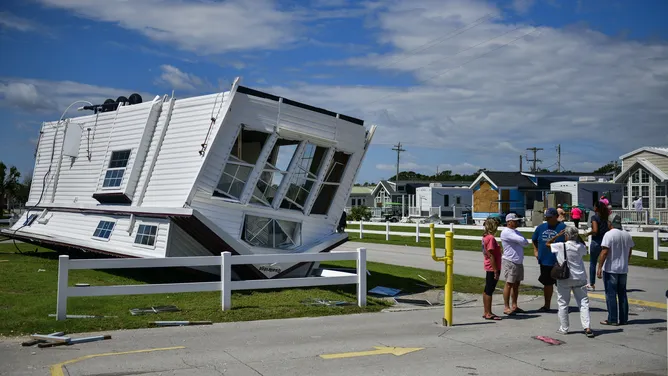
    Before diving into storm preparation, it’s essential to understand the specific risks that mobile homes face during severe weather. Mobile homes are more susceptible to damage due to their lightweight construction and elevated vulnerability to high winds. Additionally, their elevated position makes them prone to tipping over or suffering structural damage during storms, especially if they’re not properly anchored.

    Prepare Your Mobile Home

    Create a Plan

    The first step in preparing your mobile home for a storm is to create a comprehensive emergency plan. This plan should outline evacuation routes, designated shelter areas within your home, and emergency contacts. Ensure that all family members know the plan and practice emergency drills regularly.

    Secure Outdoor Items

    Before a storm hits, secure any outdoor items that could become projectiles in high winds. This includes patio furniture, gardening tools, and outdoor decorations. Store these items in a secure location, such as a garage or shed, or use straps and anchors to secure them in place.

    Reinforce Doors and Windows

    Doors and windows are vulnerable points in any structure during a storm. To reinforce them:

    • Install storm shutters or plywood over windows to protect against flying debris.
    • Ensure that exterior doors are equipped with deadbolts and sturdy locks.
    • Consider installing storm-resistant doors and windows designed to withstand high winds and impacts.

    Anchor Your Mobile Home

    Proper anchoring is crucial for securing your mobile home during a storm. If your home is not already anchored, consider hiring a professional to install ground anchors or tie-downs. These devices secure the home to the ground, reducing the risk of it being lifted or overturned by strong winds.

    Trim Trees and Shrubs

    Overhanging branches and trees near your mobile home can pose a significant risk during a storm. Trim back any branches that could potentially fall onto your home, causing damage or injury. Additionally, remove any dead or weak trees that could topple over in high winds.

    Inspect the Roof

    Regular roof maintenance is essential for protecting your mobile home from water damage during storms. Inspect the roof for loose or damaged shingles, holes, or other signs of damage. Repair any issues promptly to prevent water infiltration during heavy rainfall.

    Reinforce Skirting

    Skirting around the base of your mobile home helps protect against pests and insulation, but it can also be vulnerable to damage during storms. Ensure that the skirting is securely attached and in good condition. Consider reinforcing it with additional anchors or braces to prevent it from being torn away by strong winds.

    Stock Up on Supplies

    In the event of a severe storm or hurricane, access to essential supplies may be limited. Stock up on non-perishable food, water, medications, and other necessities ahead of time. Additionally, prepare an emergency kit that includes flashlights, batteries, a first aid kit, and other essentials.

    Stay Informed

    Stay informed about weather conditions in your area by monitoring local news, weather forecasts, and official alerts from emergency management agencies. Sign up for weather alerts on your mobile phone and have a battery-powered radio on hand for updates in case of power outages.

    Evacuation Plan

    If local authorities issue an evacuation order, follow their instructions promptly. Plan a designated evacuation route in advance and ensure your vehicle is fueled and in good working condition. Remember to take your emergency kit, essential documents, and pets.

    Conclusion

    Preparing your mobile home for a storm requires careful planning and proactive measures to minimize potential damage and ensure the safety of yourself and your family. By creating an emergency plan, securing outdoor items, reinforcing doors and windows, anchoring your home, trimming trees and shrubs, inspecting the roof, reinforcing skirting, stocking up on supplies, staying informed, and having an evacuation plan in place, you can weather the storm with confidence.

    Remember, the key to surviving severe weather is preparation and vigilance. By taking these steps, you can protect your mobile home and loved ones from the dangers of storms and hurricanes, ensuring peace of mind during uncertain times.

    See Also:

  • Your Guide to Finding a Budget-Friendly Mobile Home in Florida

    Are you dreaming of living in the Sunshine State without breaking the bank? Florida’s vibrant culture, warm weather, and diverse landscapes make it a desirable destination for many, but the cost of living can be daunting. However, one affordable housing option that’s gaining popularity are mobile homes. If you’re interested in finding a budget-friendly mobile home in Florida, you’ve come to the right place. In this guide, we’ll explore the steps you can take to make your dream of owning a mobile home in Florida a reality.

    Understanding Mobile Home Living in Florida

    Mobile homes, also known as manufactured homes, offer an affordable housing solution for many individuals and families. In Florida, mobile homes are a popular choice due to their relatively low cost compared to traditional houses. They come in various sizes and styles, ranging from single-wide to double-wide, and can be located in mobile home parks or on private land.

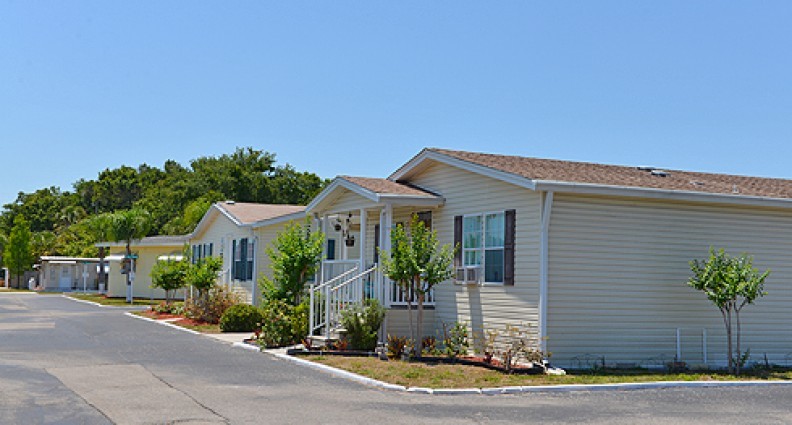
    budget mobile home in florida

    Before diving into your search for a budget friendly mobile home, it’s essential to understand the mobile home lifestyle in Florida. Mobile home parks often provide amenities such as swimming pools, clubhouse facilities, and community events, making them an attractive option for those seeking a sense of community. However, owning a mobile home also means paying lot rent to the park management, so factor this into your budget.

    Determine Your Budget and Financing Options

    The first step in finding a budget mobile home in Florida is determining your budget. Consider your current financial situation, including your income, savings, and expenses. Take into account upfront costs such as down payment, closing costs, and any necessary repairs or renovations.

    Once you clearly understand your budget, explore your financing options. Many lenders offer loans specifically designed for mobile homes, including FHA loans and chattel mortgages. Research different lenders and compare their terms and interest rates to find the best financing option for your needs.

    Research Mobile Home Listings

    With your budget in mind, it’s time to start researching mobile home listings in Florida. There are several ways to find available properties:

    1. Online Listings: Websites like Zillow, Realtor.com, and MHVillage.com specialize in mobile home listings. You can search for properties based on location, price range, and other criteria.
    2. Local Real Estate Agents: Contact local real estate agents who specialize in mobile home sales. They can help you find properties that meet your budget and preferences.
    3. Mobile Home Parks: Visit mobile home parks in the areas where you’d like to live and inquire about available homes for sale. Some parks have sales offices or onsite managers who can provide information about current listings.
    4. Word of Mouth: Spread the word to friends, family, and colleagues that you’re in the market for a mobile home. They may know of available properties or be able to refer you to someone who does.

    Consider Location and Amenities

    When searching for a budget mobile home in Florida, consider the location and amenities of the property. Think about factors such as proximity to schools, shopping centers, healthcare facilities, and employment opportunities. Additionally, consider the amenities offered by the mobile home park, such as recreational facilities, security features, and maintenance services.

    While location and amenities are important, keep in mind that properties in highly desirable areas or with extensive amenities may come with a higher price tag. Balance your preferences with your budget to find the best option for you.

    Schedule Home Inspections

    Once you’ve found a few potential mobile homes that meet your criteria, scheduling home inspections before making any final decisions is crucial. Hire a licensed home inspector to thoroughly evaluate the property for any issues or defects, including structural problems, plumbing and electrical issues, and mold or moisture damage.

    If the inspection reveals significant issues, you may need to negotiate with the seller to address the problems or lower the purchase price accordingly. Remember that purchasing a budget mobile home doesn’t mean sacrificing quality or safety, so don’t hesitate to walk away if the property doesn’t meet your standards.

    Negotiate the Purchase Price

    After completing the home inspections and addressing any concerns, it’s time to negotiate the purchase price with the seller. Use the information gathered during the inspection process to justify your offer and negotiate with confidence. Be prepared to compromise and consider factors such as the property’s condition, market trends, and comparable sales in the area.

    Keep in mind that sellers may be motivated to sell quickly, especially if the property has been on the market for an extended period. Use this to your advantage during negotiations, but be respectful and fair in your dealings with the seller.

    Closing the Deal

    Once you’ve reached an agreement on the purchase price, it’s time to close the deal and finalize the purchase of your budget mobile home in Florida. Work with your lender, real estate agent, and seller to complete all necessary paperwork and finalize the transaction.

    During the closing process, you’ll sign the necessary documents, pay any remaining closing costs and fees, and receive the keys to your new home. Congratulations, you’re now the proud owner of a budget-friendly mobile home in the Sunshine State!

    Conclusion

    Finding a budget mobile home in Florida is an achievable goal with careful planning, research, and patience. By understanding your budget, exploring financing options, researching listings, considering location and amenities, scheduling home inspections, negotiating the purchase price, and closing the deal, you can make your dream of owning a mobile home in Florida a reality.

    Whether you’re looking for a cozy retreat for retirement or a starter home for your family, the Sunshine State offers a variety of affordable mobile home options to suit your needs. Start your search today and take the first step toward enjoying all Florida offers without breaking the bank.


    See Also:

  • How Much Do Mobile Home Agents Earn in Florida?

    Florida’s booming mobile home market presents a dynamic landscape for buyers and sellers, attracting agents keen to tap into this unique segment. However, understanding the earning potential is crucial before embarking on this career path. So, let’s delve into the fascinating world of mobile home agent salaries in Florida, unveiling the factors that influence income and offering insights for navigating this exciting field.

    Earning Structure: Commission Reigns Supreme

    Unlike traditional real estate, mobile home sales primarily operate on a commission basis. This means your income directly correlates with the number and value of homes you sell. Commission rates typically range from 2% to 5% of the final sale price, with some variations depending on factors like:

    • Brokerage: Different brokerages might offer varying commission structures and splits.
    • Experience: Senior agents with proven track records often command higher commissions.
    • Location: Urban areas with premium-priced homes can offer higher earning potential.
    • Individual negotiation: Negotiation skills can play a role in securing better commission rates.

    The Money Equation: More Than Just Percentage

    mobile home sales agentWhile understanding the commission percentage is essential, remember it’s only part of the equation. The total number of sales you close within a year significantly impacts your overall income. This number depends on various factors like:
    • Market conditions: A hot market translates to more potential sales, while a slower one requires consistent marketing and lead generation efforts.
    • Personal drive and work ethic: The more proactive you are in networking, prospecting, and building relationships, the more opportunities you attract.
    • Marketing and branding: Effective marketing strategies can significantly increase your visibility and lead generation.

    Beyond Commissions: Potential Bonuses and Benefits

    While commissions form the core of mobile home agent income, some brokerages offer additional incentives:

    • Bonuses: Performance-based bonuses can reward exceeding sales targets or closing high-value deals.
    • Benefits: Health insurance, paid time off, or retirement plans can enhance your overall compensation package.

    A Reality Check: Average Earnings and Beyond

    Estimating an average salary is challenging due to the individualistic nature of this career. However, sources like ZipRecruiter suggest that annual earnings for mobile home agents in Florida range from $30,000 to $100,000, with top earners exceeding this range significantly. Remember, these figures are estimates and depend heavily on the abovementioned factors.

    Factors Fueling Success: Beyond Numbers

    While hard work and market savvy are important, other qualities contribute to success in this field:

    • Product knowledge: A deep understanding of mobile homes, financing options, and park regulations is crucial.
    • Communication and negotiation skills: Building rapport with clients and effectively negotiating deals are essential.
    • Networking and community involvement: Establishing connections within the industry and local community opens doors to potential clients.
    • Adaptability and resilience: This market can be fast-paced and requires flexibility to cope with changes.

    Charting Your Course: Tips for New Entrants

    • Seek mentorship: Find experienced agents willing to share their knowledge and guide you through the ropes.
    • Invest in training: Educational resources and industry certifications can enhance your credibility and skillset.
    • Build your network: Attend industry events, connect with realtors and lenders, and actively participate in your local community.
    • Develop your marketing prowess: Master online and offline marketing strategies to reach potential clients.
    • Embrace technology: Utilize technology tools to streamline processes, enhance communication, and improve efficiency.

    The Sunshine State Beckons: Are You Ready?

    The Florida mobile home market offers promising opportunities for driven individuals, but remember, success requires dedication, hard work, and continuous learning. By understanding the earning potential, embracing the right skills, and navigating the market strategically, you can turn your Sunshine State hustle into a rewarding career reality. So, are you ready to embark on this exciting journey? Remember, the sunshine awaits!

    Disclaimer: This information is for general guidance only and should not be considered financial advice. Consult with a financial advisor for personalized guidance. Additionally, average salary figures are estimates and may vary depending on circumstances.

    See Also:

  • Navigating the Costs of Moving to a Single-Wide Mobile Home in Florida

    Florida’s allure of sunshine, beaches, and laid-back living attracts many, but traditional housing costs can be daunting. Enter the single-wide mobile home, a surprisingly viable option for budget-conscious individuals dreaming of Floridian life. However, the “how much” question looms large. So, buckle up as we break down the costs associated with moving to a used single-wide mobile home in the Sunshine State.

    The Big Three: Purchase, Transport, and Land

    1. Purchase Price

    This varies greatly depending on several factors, including:

    • Condition: Expect higher prices for newer, well-maintained homes.
    • Location: Urban areas and coastal communities typically demand higher prices.
    • Size and features: More bedrooms and bathrooms equate to higher costs.
    • Negotiation: Hone your negotiation skills to secure a better deal potentially.
    • Estimated range: $5,000 – $30,000 (though luxury models can go beyond)

    singe-wide-mobile-home

    2. Transportation

    Moving a mobile home isn’t like driving your car! Costs depend on the following:

    • Distance: Local moves are cheaper than cross-state journeys.
    • Size and weight: Larger homes demand specialized equipment and cost more.
    • Permits and regulations: Each state has specific requirements that impact the costs.
    • Estimated range: $3,000 – $20,000 (long-distance moves can exceed this)

    3. Land

    Owning your own land eliminates monthly lot rent but comes with its own costs:

    • Land purchase: Costs vary widely depending on location, size, and amenities.
    • Utilities: Setting up connections for water, electricity, etc., incurs fees.
    • Taxes: Property taxes apply to land ownership.
    • Estimated range: Highly variable. Research land options carefully based on your budget.

    Beyond the Big Three: Don’t Forget These!

    • Renovations: Factor in potential repairs or upgrades to personalize your new home.
    • Insurance: Mobile home insurance is mandatory and varies based on factors like location and coverage chosen.
    • Community fees: If residing in a mobile home park, monthly lot rent and potential amenity fees apply.
    • Closing costs: Expect title transfer fees, inspections, and potentially lawyer fees.

    Total Cost: Reality Check

    While providing a single figure is impossible, here’s a rough estimate:

    Minimum: $15,000 (assuming a low-cost purchase, local move, and land ownership)

    Average: $30,000 – $50,000 (accounting for mid-range purchase, regional move, and land costs)

    Remember: This is just a starting point. Conduct thorough research specific to your chosen location, desired home features, and preferred living arrangements (land ownership vs. park living) to get a more accurate picture of your costs.

    Tips for Budgeting Savvy

    • Shop around: Compare prices for homes, movers, and land options.
    • Consider financing: Explore loan options for purchasing the home and land.
    • Be flexible: Adjust your desired location, home size, or move distance to fit your budget.
    • DIY where possible: If handy, tackle minor repairs or upgrades yourself.
    • Plan for the future: Factor in ongoing costs like insurance, taxes, and potential maintenance.

    Living the Dream on a Budget

    Moving to a single-wide mobile home in Florida can be a dream within reach with careful planning and budgeting. By understanding the key costs involved and exploring budget-friendly options, you can turn your Sunshine State aspirations into reality. Remember, thorough research, smart planning, and a touch of flexibility are your golden tickets to navigating the path to affordable Florida living in a mobile home. Now, go forth and conquer that sunshine dream!


    See Also:

  • Mobile Home Revolution: Top Trends Reshaping the Landscape in 2024

    The humble mobile home, once associated with modest living, is undergoing a metamorphosis. In 2024, the industry is shedding outdated stereotypes and embracing innovative trends that cater to a wider, more discerning audience. From tech-integrated living to sustainability advancements, let’s explore the exciting transformations shaping the mobile home market:

    1. Embracing Smart Tech

    2024 marks the year mobile homes truly enter the smart home era. Imagine regulating room temperature through voice commands, automating lighting to create a mood-enhancing ambiance, or monitoring security remotely. Advanced features like smart thermostats, voice-activated assistants, and connected appliances are becoming increasingly standard, offering convenience, energy efficiency, and peace of mind.

    mobile home trends

    2. Modern Design Aesthetics

    Gone are the days of cookie-cutter layouts and dated finishes. Today’s mobile homes boast contemporary designs that rival their stick-built counterparts. Open floor plans, high ceilings, and large windows create a spacious and airy feel. Expect to see sleek finishes, modern fixtures, and designer touches like accent walls and statement lighting, reflecting the current trends in interior design.

    3. Energy Efficiency at the Forefront

    Sustainability is a major driving force in mobile home construction. Manufacturers are incorporating eco-friendly materials like recycled steel and insulated walls, along with energy-efficient appliances and solar panel options. These advancements not only minimize environmental impact but also reduce utility bills, a significant advantage in today’s economic climate.

    4. Customization Takes Center Stage

    Forget the “one-size-fits-all” approach. With modular construction techniques gaining traction, buyers have more flexibility than ever. Modular homes allow for customization based on individual needs and preferences, whether it’s adding an extra bedroom, creating a dedicated home office, or building a spacious outdoor living area.

    5. The Rise of Tiny Homes

    Compact living is gaining popularity, and mobile homes are at the forefront of this trend. Tiny homes offer affordability, efficiency, and a minimalist lifestyle that resonates with millennials and environmentally conscious individuals. Expect to see more innovative tiny home designs, incorporating smart storage solutions, multi-functional spaces, and off-grid capabilities.

    6. Targeting Diverse Demographics

    The mobile home market is no longer limited to retirees and budget-conscious individuals. Young professionals, families, and even luxury buyers are discovering the appeal of modern mobile homes. Manufacturers are responding by creating diverse floor plans, catering to different lifestyles and income levels.

    7. Focus on Community Living

    Mobile home communities are evolving into vibrant social hubs. Many offer amenities like swimming pools, fitness centers, clubhouses, and even dog parks, fostering a sense of community and belonging. This attracts individuals and families seeking an active and connected lifestyle.

    8. Technology-Driven Marketplace

    Technology is transforming the way people buy and sell mobile homes. Online platforms offer virtual tours, 3D floor plans, and detailed listings, facilitating a more informed buying experience. Additionally, fintech solutions are streamlining financing processes, making mobile home ownership more accessible.

    9. Regulatory Reforms and Investment Growth

    As the industry matures, regulatory reforms are expected to create a more stable and secure environment for investors. This, coupled with rising demand, is attracting significant investment to the mobile home sector, further fueling innovation and market growth.

    10. A Sustainable Future

    The mobile home industry is poised for a sustainable future. With a focus on eco-friendly materials, energy efficiency, and responsible manufacturing practices, mobile homes are becoming an increasingly attractive option for environmentally conscious consumers.

    Final Words

    The mobile home industry is experiencing a dynamic transformation in 2024. By embracing smart technology, modern design, sustainability practices, and diverse offerings, the market is attracting a wider audience and challenging outdated perceptions. As these trends continue to evolve, the future of mobile homes looks bright, offering affordable, innovative, and sustainable living solutions for a changing world.


    See Also:

  • 2024 Florida Mobile Home Market Status Report: Navigating Sun, Sand, and Shifting Trends

    Florida’s sunshine and warm breezes have long attracted residents and investors alike. Mobile homes, offering an affordable and accessible path to homeownership, play a significant role in the state’s housing landscape. But what does 2024 hold for this dynamic market? Buckle up as we dive into the current status, trends, and insights for navigating the Florida mobile home market.

    Market Overview: Sunshine with Nuances

    Florida’s mobile home market remains robust, even amidst national headwinds. Unlike the broader housing market experiencing a cooldown, mobile home sales haven’t dropped significantly. This resilience stems from several factors:

    Florida Mobile Home

    • Affordability: Mobile homes offer significantly lower entry points compared to traditional stick-built houses, making them attractive to first-time buyers, retirees, and budget-conscious individuals.
    • Growing Demand: Florida’s population continues to swell, fueled by retirees and relocators seeking its lifestyle and economic opportunities. This demand puts pressure on overall housing, further increasing the appeal of mobile homes.
    • Limited Inventory: The state faces a housing shortage, and mobile homes provide an alternative in areas with scarce traditional housing options.

    However, the market isn’t immune to challenges. Rising interest rates, coupled with inflation, can strain affordability, particularly for potential buyers relying on financing. Additionally, park availability and regulations can impact the market dynamics in specific areas.

    Regional Variations: From Beachside Chic to Rural Tranquility

    Florida’s diverse landscape extends to its mobile home market. Here’s a glimpse into regional trends:

    • Urban Areas: Metro areas like Miami, Orlando, and Tampa see high demand for mobile homes, often in communities catering to specific demographics like retirees or young professionals. Prices tend to be higher due to land scarcity and proximity to amenities.
    • Coastal Communities: Beachside locations witness unique dynamics. While demand is strong, park availability and regulations can be stricter, impacting supply and potentially pushing prices higher.
    • Rural Areas: Affordability reigns supreme in rural regions, attracting budget-conscious buyers and investors. However, park options and amenities might be limited.

    Navigating the Market: Tips for Buyers and Sellers

    Whether you’re looking to buy or sell a mobile home in Florida, consider these insights:

    • Buyers: Do your research! Understand park rules, potential fees, and community amenities. Secure financing pre-approval and factor in rising interest rates. Consider the long-term affordability beyond the purchase price.
    • Sellers: Price competitively while considering local market trends and your mobile home’s condition. Ensure the title is clear and address any necessary repairs before listing. Partner with a realtor specializing in mobile homes for effective marketing and negotiation.

    Looking Ahead: Sunshine with Uncertainties

    While Florida’s mobile home market shows continued strength, some uncertainties loom on the horizon:

    • Interest rates: Sustained high rates could dampen affordability and impact buyer demand.
    • Economic fluctuations: A potential recession could affect buyer confidence and overall market activity.
    • Regulatory changes: Evolving park regulations or community fees could influence specific market segments.

    Despite these uncertainties, Florida’s mobile home market is likely to remain resilient, driven by its inherent affordability and the state’s continued population growth. Staying informed about these trends and conducting thorough research will be crucial for success in this dynamic market.


    See Also:

  • DIY Mobile Home Repairs: 10 Fixes You Can Handle

    Mobile homes are a popular and affordable housing option for many people, offering flexibility and comfort. However, like any home, mobile homes require maintenance and occasional repairs. The good news is that many repairs can be tackled without the need for professional help. In this article, we’ll explore 10 mobile home repairs that you can easily do yourself, saving you both time and money.

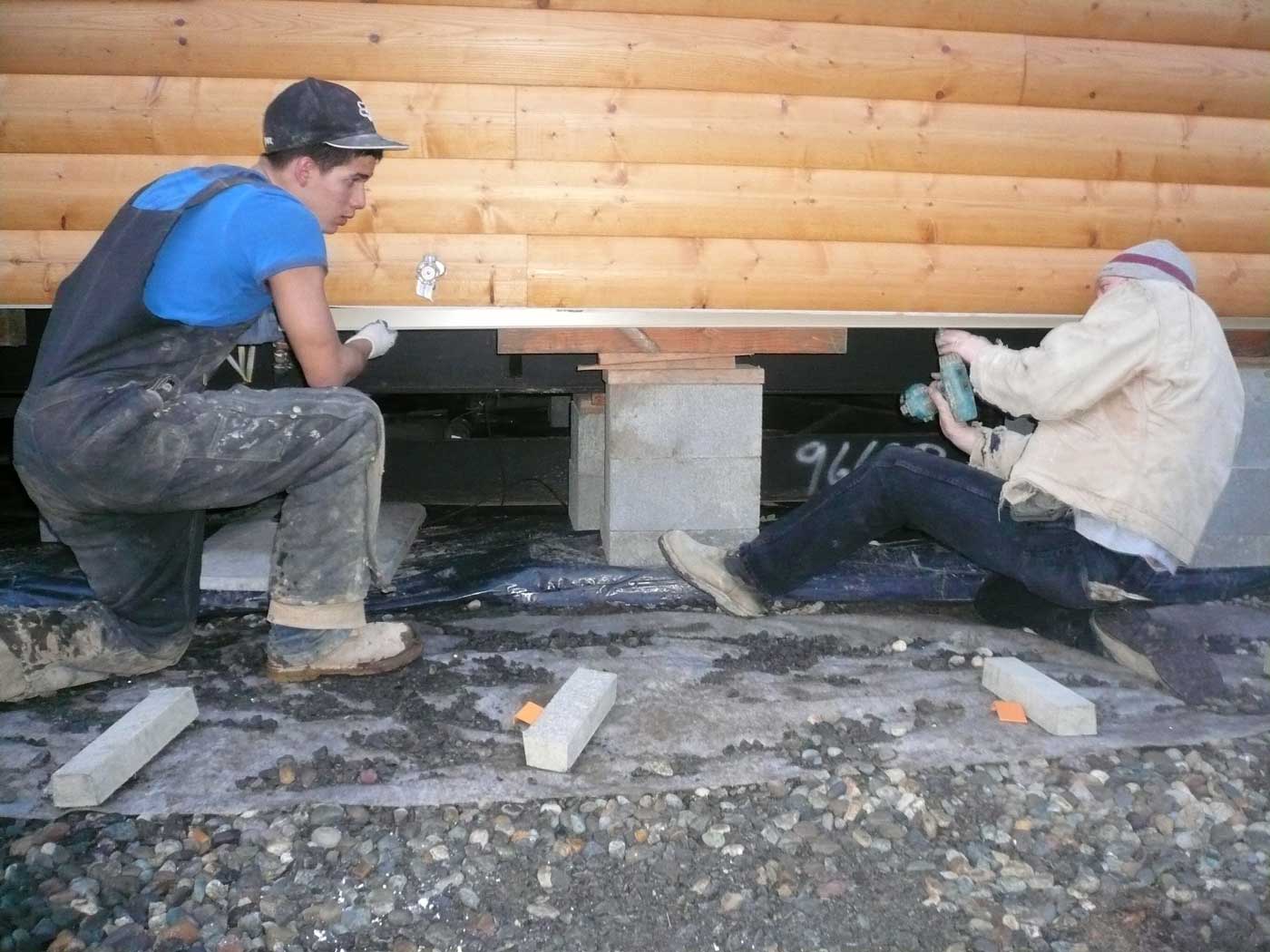
    mobile home repairs

    1. Leaky Roof Patch-up

    Mobile homes are susceptible to roof leaks over time. Inspect your roof regularly and apply a roof sealant to fix minor leaks. Use a silicone-based sealant for a durable and water-resistant solution. This DIY fix can prevent more significant issues like water damage and mold growth.

    2. Weather Stripping Replacement

    Keep your mobile home energy-efficient by replacing worn-out or damaged weather stripping around doors and windows. This simple task helps in maintaining a comfortable interior temperature and reduces energy costs.

    3. Skirting Repair

    Skirting not only enhances the appearance of your mobile home but also protects it from the elements. If you notice any damaged or missing skirting panels, replace them promptly. This will help in maintaining proper ventilation and insulation underneath your home.

    4. Faucet Drip Repair

    A dripping faucet not only wastes water but can also lead to more significant plumbing issues. Fixing a leaky faucet is usually a matter of replacing a worn-out washer or cartridge. It’s a straightforward task that can save you money on your water bill.

    5. Cabinet Hinge Adjustment

    Over time, cabinet doors in mobile homes may become misaligned or loose. Tighten the screws or replace the hinges if necessary to keep your cabinets functional and aesthetically pleasing.

    6. Flooring Fixes

    Whether you have vinyl, laminate, or carpet flooring in your mobile home, addressing small damages promptly is crucial. Repairing loose tiles, fixing small tears in carpeting, or replacing damaged laminate panels can prevent more extensive and costly flooring issues.

    7. Window Pane Replacement

    If you have single-pane windows and notice condensation or fogging between the glass layers Effective Strategies to Promote Your Car Wash and Detailing Business, it’s a sign of a failed seal. You can replace the window panes yourself with double-pane glass to improve insulation and energy efficiency.

    8. Door Seal Replacement

    Ensure the weather-tight integrity of your mobile home by replacing worn-out door seals. This simple task can significantly enhance energy efficiency and keep your home comfortable throughout the year.

    9. Patching Wall Holes

     Accidents happen, and walls can get damaged. Whether it’s a small hole or a dent, patching it up is a simple DIY task. Use spackle or joint compound, sand the area, and touch up with paint for a seamless finish.

    10. Clogged Drain Clearing

    Dealing with a slow or clogged drain? Avoid harsh chemicals and opt for a more eco-friendly solution. A combination of baking soda and vinegar can often do the trick. For tougher clogs, a drain snake can help clear the pipes.

    The Bottom Line

    Taking care of your mobile home doesn’t always require professional assistance. With a bit of know-how and some basic tools, you can tackle various repairs on your own, ensuring your home remains in good condition. Regular maintenance and timely fixes not only save you money in the long run but also contribute to the longevity and comfort of your mobile home.


    See Also:

  • Do Mobile Homes Under $5,000 Exist in Florida? What to Expect

    Mobile homes, often referred to as manufactured homes, offer an affordable housing option for many Americans. In Florida, where the cost of living can be high, the prospect of finding a mobile home for under $5,000 might seem like an impossible dream to some. However, with diligent searching and understanding of the market, it is possible to find mobile homes within this budget. This article will explore the feasibility of finding mobile homes under $5,000 in Florida and what prospective buyers can expect regarding condition, location, and associated costs.

    Understanding the Market for Mobile Homes in Florida

    Before delving into the specifics of finding mobile homes under $5,000 in Florida, it’s essential to understand the broader market dynamics. Florida has many mobile home communities catering to various demographics, including retirees, seasonal residents, and individuals seeking affordable housing options. The state’s diverse landscape, ranging from bustling urban areas to tranquil coastal regions, offers potential buyers a range of housing options.

    mobile home under $5000

    In recent years, the demand for affordable housing has increased across the United States, including Florida. This trend has led to a growing interest in mobile homes, which are often more affordable than traditional site-built homes. However, the availability of mobile homes priced under $5,000 can be limited, especially in popular or high-demand areas.

    Factors Influencing Mobile Home Prices

    Several factors influence the pricing of mobile homes in Florida, including:

    1. Location: Mobile home prices can vary significantly depending on the site. Homes in desirable areas, such as coastal communities or proximity to urban centers, tend to command higher prices.
    2. Age and Condition: The age and condition of a mobile home play a significant role in determining its price. Newer homes or those in excellent need will typically be priced higher than older or fixer-upper models.
    3. Community Amenities: Mobile home communities often offer various amenities and services, such as clubhouse facilities, swimming pools, and recreational activities. Homes located within communities with desirable amenities may be priced higher than those in basic communities.
    4. Market Demand: Market demand fluctuates based on economic conditions, housing trends, and demographic factors. Mobile home prices may be higher in areas with high demand and limited supply.

    Finding Mobile Homes Under $5,000 in Florida

    Mobile homes priced under $5,000 may be rare in some parts of Florida, but they are somewhat unheard of. Prospective buyers willing to invest time and effort into their search may be able to find affordable options through various channels:

    1. Online Marketplaces: Websites such as Craigslist, Facebook Marketplace, and mobile home-specific platforms list various mobile homes for sale across Florida. Buyers can filter their search based on price range, location, and other preferences to find listings within their budget.
    2. Auctions and Foreclosures: Auctions and foreclosure sales can sometimes present opportunities to purchase mobile homes at below-market prices. Buyers should research upcoming auctions and foreclosure listings in their desired area and be prepared to act quickly.
    3. Mobile Home Parks: Some mobile home parks may have older or distressed homes available for sale at lower prices. Contacting park management or residents’ associations can provide insights into available listings within the community.
    4. Networking: Networking with local real estate agents, mobile home investors, and community members can uncover hidden gems or off-market opportunities. Attending local real estate events and networking groups can help buyers expand their connections and access potential leads.

    What to Expect from Mobile Homes Under $5,000

    Prospective buyers must set realistic expectations when considering mobile homes priced under $5,000. While these homes offer an affordable housing option, they often come with specific challenges and considerations:

    1. Condition: Mobile homes priced under $5,000 will likely be older or need repairs and renovations. Buyers should be prepared to invest additional time and resources to address maintenance issues or cosmetic updates.
    2. Location: Lower-priced mobile homes may be in less desirable areas or communities with fewer amenities. Buyers should consider the location and proximity to essential services, employment opportunities, and recreational facilities.
    3. Financing and Insurance: Securing funding for mobile homes under $5,000 can be challenging, as traditional lenders may have minimum loan amounts or strict eligibility requirements. Additionally, insurance premiums for older or lower-priced homes may be higher.
    4. Inspection and Due Diligence: Before purchasing a mobile home, buyers should conduct a thorough inspection to assess its structural integrity, mechanical systems, and overall condition. Engaging a qualified inspector can help identify any potential issues and avoid costly surprises down the road.

    Conclusion

    While finding a mobile home for under $5,000 in Florida may require patience, persistence, and careful research, it is indeed possible for motivated buyers. Prospective buyers can confidently navigate the process by understanding the market dynamics, exploring various channels for listings, and setting realistic expectations. 

    Ultimately, mobile homes priced under $5,000 offer an affordable housing option for individuals seeking homeownership in Florida, provided they are willing to invest the necessary time and effort into their search and subsequent maintenance.


    See Also:

Reset password

Enter your email address and we will send you a link to change your password.

Get started with your account

to save your favourite homes and more

Sign up with email

Get started with your account

to save your favourite homes and more

By clicking the «SIGN UP» button you agree to the Terms of Use and Privacy Policy
Powered by Estatik