Category: Blog

  • How Much to Insure a Mobile Home and What Affects the Price in Florida

    If you’re asking how much to insure a mobile home, you’re not alone. This is one of the most common questions Florida buyers ask when purchasing a manufactured or mobile home. Insurance costs vary, but in most Florida markets, annual premiums range from $300 to $1,000.

    Owning a mobile home in Florida offers comfort, affordability, and convenience. But just like any property, it must be protected. Insurance covers damages caused by storms, fire, theft, and more. The right policy gives you peace of mind without breaking your budget.

    Why Mobile Home Insurance Makes Sense

    Florida’s weather can change quickly. That’s why protecting your home matters. Hurricanes, heavy rain, and high winds are common in many parts of the state. These conditions increase the need for a reliable policy.

    If your home suffers major damage and you’re uninsured, the repair bills can add up fast. Insurance makes sure you won’t pay those costs alone.

    How Much to Insure a Mobile Home

    What Impacts the Cost of Mobile Home Insurance?

    Several factors influence how much to insure a mobile home. The insurance company will consider your home’s value, age, and location. Here are some key elements that may increase or decrease your premium:

    ✅ The age and condition of the mobile home
    ✅ Your location — coastal areas tend to have higher rates
    ✅ Size of the home — larger homes cost more to insure
    ✅ Type of roof and tie-down system
    ✅ Past claims history
    ✅ Safety upgrades like smoke detectors or storm shutters
    ✅ Chosen deductible and total coverage limits

    A newer home in a central Florida community may cost less to insure than an older home near the coast.

    Common Mobile Home Insurance Coverages

    Most policies provide multiple types of protection. These cover both your structure and personal belongings. Below are the most common types of coverage:

    Dwelling Coverage – Pays for damage to the home itself
    Personal Property – Protects your furniture, clothes, and electronics
    Liability Insurance – Helps if someone gets injured on your property
    Loss of Use – Pays for hotel and food if your home becomes unlivable
    Flood Insurance – Usually requires a separate policy

    Basic coverage starts around $300 per year. Add-ons, such as higher limits or flood protection, raise the premium but also increase the value of the policy.

    How Much to Insure a Mobile Home: Florida Rate Examples

    Rates can vary, but here are some typical annual price ranges across Florida:

    • Single-wide home (15+ years old): $350 – $600
    • Double-wide home (under 10 years old): $600 – $950
    • Triple-wide or luxury models: $950 – $1,300

    Rates rise in high-risk areas, such as Miami-Dade or the Gulf Coast. Still, insurance remains affordable for most mobile homeowners.

    4 Smart Ways to Lower Your Insurance Bill

    While you can’t control the weather, you can take steps to lower your insurance premium. Here are some proven tips:

    ✅ Choose a higher deductible to reduce monthly costs
    ✅ Install storm-rated shutters or roof tie-downs
    ✅ Improve your credit score — many carriers check it
    ✅ Bundle your mobile home insurance with auto or life insurance

    Some companies offer discounts for retirees or veterans. Always ask what discounts may apply to you.

    Mobile Home Insurance vs. Traditional Home Insurance

    Mobile home insurance is different from standard homeowners insurance. It’s designed for homes built in factories and placed on permanent or semi-permanent sites.

    Traditional home policies usually won’t cover mobile homes unless the structure meets specific requirements. That’s why it’s important to get the correct policy for your type of home.

    Homes built before 1976, often called pre-HUD homes, may need special policies. Many insurers still cover them, but some may charge higher rates.

    FAQ: How Much to Insure a Mobile Home

    How much to insure a mobile home per year in Florida?

    Most policies range from $300 to $1,000, depending on your location, home age, and coverage limits.

    Does insurance cover hurricane damage?

    Yes, wind and storm damage are often included. But flood damage typically needs a separate policy.

    Is insurance required for mobile homes?

    It’s not required by law, but most lenders and mobile home parks will ask for proof of insurance.

    Can I get coverage for an older mobile home?

    Yes. Many companies insure homes built before 1976, especially if the structure has been upgraded.

    What does mobile home insurance not cover?

    It usually doesn’t cover floods, earthquakes, or wear and tear. Flood coverage requires a separate plan.

    How often should I review my policy?

    Review your policy each year. Update it if you make upgrades or changes to the home.

    Can I change providers mid-policy?

    Yes. You can switch providers anytime. Just make sure you don’t let the old policy lapse.

    Will insurance cover my belongings?

    Yes, if you include personal property coverage in your plan. This protects items like clothing and furniture.

    Do I need liability coverage?

    Yes. It helps cover legal costs if someone is injured while on your property.

    How can I find a good insurance provider?

    Compare quotes from several insurers. Ask about discounts, reviews, and policy details before choosing.

    Final Thoughts

    Owning a mobile home in Florida is a smart and affordable housing choice. But protection matters. Knowing how much to insure a mobile home helps you stay prepared and keeps your home safe in case of damage.

    With rates starting as low as $300 a year, there’s no reason to go uninsured. Choose a policy that fits your budget and your needs. Look for savings, and review your coverage yearly.

    At The Mobile Home Dealer, we help buyers and sellers across Florida every day. Visit www.sellmobilehome.com to learn more about affordable mobile home ownership. Or give us a call—we’re happy to help.


    See Also:
     

  • Top 10 Questions Mobile Home Buyers Ask

    Top 10 Questions Mobile Home Buyers Ask

    Questions mobile home buyers ask often center around financing options, home quality, and long-term value. These concerns are common for anyone looking to buy a home, but they take on special meaning in the mobile home market. Let’s address the top questions that come up most often.

    1. What Financing Options Are Available for Mobile Homes?

    Getting the right financing stands as one of the first hurdles for most buyers. Unlike traditional homes, mobile homes have slightly different lending paths.

    For new mobile homes, you can explore these options:

    • Chattel loans (for the home only)
    • Conventional mortgages (if you own the land)
    • FHA loans like Title I
    • VA loans for veterans
    • USDA loans for rural areas

    The interest rates may run slightly higher than traditional home loans. Still, many lenders now offer competitive rates for qualified buyers.

    Your questions mobile home buyers askcredit score will affect your rate. Therefore, checking your credit report before applying makes good sense.

    Some manufacturers also offer in-house financing. This option sometimes works well for buyers with less-than-perfect credit.


    2. How Much Do Mobile Homes Really Cost?

    The price range for mobile homes varies widely based on size, features, and location. New single-wide homes typically start around $40,000-$80,000. Double-wide models can run from $75,000-$150,000.

    Additional costs to factor in include:

    • Land purchase (if not renting a lot)
    • Site preparation
    • Delivery fees
    • Setup costs
    • Utility connections
    • Skirting and steps

    Used mobile homes cost much less. However, they may need repairs or updates. Always get a thorough inspection before buying used.

    The total investment often stays well below traditional housing costs. This makes mobile homes an affordable path to homeownership for many families.

    3. Questions Mobile Home Buyers Ask About Park Living vs. Private Land

    Many buyers struggle with deciding between placing their home in a park or on private land. Each option has pros and cons.

    Park living offers:

    • Lower upfront costs (no land purchase)
    • Built-in community
    • Shared amenities (pools, clubhouses)
    • Maintenance of common areas

    Private land provides:

    • No monthly lot rent
    • Greater freedom with home placement
    • Ability to build equity in land
    • More privacy

    Lot rent in parks typically ranges from $300-$800 monthly. This cost varies by location and amenities. Some parks also charge additional fees for pets, guests, or extra vehicles.

    Before buying, visit several parks at different times of day. Talk to current residents about their experience. Read the park rules carefully before committing.

    4. How Long Do Mobile Homes Last?

    Modern mobile homes last much longer than their predecessors. Today’s units, built to HUD standards since 1976, can last 30-55 years with proper care.

    Key factors affecting longevity include:

    • Quality of initial construction
    • Climate and weather exposure
    • Regular maintenance
    • Foundation type
    • Roof care

    Proper maintenance makes the biggest difference. Regular checks of the roof, plumbing, and skirting prevent costly damage. Resealing windows and doors every few years helps stop leaks.

    Many well-maintained mobile homes from the 1970s still serve as comfortable homes today. The stigma of poor quality belongs to the distant past, not today’s manufactured housing.

    5. What About Resale Value?

    Mobile homes generally don’t appreciate like traditional homes. Still, well-maintained units in good locations can hold their value reasonably well.

    Factors that help maintain value:

    • Owning the land underneath
    • Location in a desirable area
    • Regular updates and maintenance
    • Proper anchoring and foundation
    • Energy-efficient features

    Adding permanent features like decks, carports, and landscaping can also boost resale potential. Keeping service records proves to future buyers that you’ve maintained the home properly.

    Some newer, higher-end manufactured homes in good markets do appreciate, especially when placed on owned land with nice improvements.

    6. Are Mobile Homes Energy Efficient?

    Today’s mobile homes meet strict energy standards. New models include:

    • Energy-efficient windows
    • Improved insulation
    • Modern HVAC systems
    • Energy Star appliances
    • Better sealing against air leaks

    Many manufacturers offer upgraded “energy packages” that exceed minimum requirements. These packages may cost more upfront but save money long-term through lower utility bills.

    Older mobile homes often need energy improvements. Adding insulation, sealing air leaks, and updating windows can dramatically cut heating and cooling costs.

    Before buying an older unit, ask for utility bills from recent months. This gives you a real picture of what to expect cost-wise.

    7. What Are the Hidden Costs of Buying a Mobile Home?

    Smart buyers look beyond the sticker price to understand total ownership costs. Several expenses surprise first-time mobile home buyers.

    Watch for these potential extra costs:

    • Property taxes
    • Insurance (often higher than traditional homes)
    • Park rent increases
    • Transport fees if you relocate
    • Tie-down requirements in storm-prone areas
    • Special permits or inspections

    Insurance deserves special attention. Rates for mobile homes typically run higher than for site-built homes of similar value. Shop around for the best coverage and price.

    Some states have specific requirements for anchoring systems in hurricane or tornado zones. Meeting these standards adds to initial setup costs but protects your investment long-term.

    8. What to Look for When Buying a Mobile Home Park?

    Investors interested in mobile home parks should examine several key factors before purchasing. The location, occupancy rate, and infrastructure condition heavily impact profitability.

    Good parks typically have:

    • High occupancy rates (90%+)
    • Well-maintained roads and utilities
    • Clear rules and enforcement
    • Professional management
    • Reasonable lot rents for the area

    Check water and sewer systems carefully. Replacing these systems costs tremendously. Also, review all leases and understand rent control laws in your area.

    The best parks create community through shared spaces and activities. This increases tenant satisfaction and reduces turnover. Happy residents tend to maintain their homes bette,r too.

    9. What Do You Need to Buy a Trailer Home?

    The buying process for mobile homes differs slightly from traditional homes. Be prepared with these essentials:

    • Down payment (typically 5-20%)
    • Proof of income
    • Good credit history (or co-signer)
    • Personal identification
    • Banking information
    • Insurance quotes

    If buying used, also bring:

    • Mobile home inspector contact
    • Contractor for estimates on any needed repairs
    • Title search capability

    Most lenders require mobile home insurance before finalizing loans. Shop around, as rates vary widely between companies.

    For those buying in parks, management will need to approve you as a resident. This process may include background checks and proof of income.

    10. What to Know About Mobile Home Living?

    Daily life in a mobile home offers many benefits but comes with some unique aspects. Understanding these helps buyers avoid disappointment.

    Positive aspects include:

    • Lower maintenance costs
    • Smaller spaces to clean and heat/cool
    • Strong sense of community in good parks
    • Affordable path to home ownership
    • Flexibility to relocate (though costly)

    Considerations include:

    • Closer proximity to neighbors in parks
    • Community rules and restrictions
    • Different sound characteristics than traditional homes
    • Limited expansion options

    Many mobile home residents report high satisfaction with their choice. The affordable cost leaves more budget for other priorities like travel, hobbies, or savings.

    The lifestyle works particularly well for retirees, first-time homebuyers, and those looking to downsize. The key lies in matching your expectations to reality before purchasing.

    Bonus: Can You Buy Trailer Home Models With Custom Features?

    Today’s manufacturers offer impressive customization options. Buyers can often select:

    • Floor plans and room configurations
    • Kitchen and bathroom fixtures
    • Flooring materials
    • Exterior siding and roofing
    • Built-in furniture options
    • Smart home technology integration

    Most dealers have design centers where you can see and select options. Some even offer virtual design tools online.

    Custom features add cost but personalize your home. Focus on upgrades that matter most for your lifestyle. Kitchen and bathroom improvements typically add the most value.

    Higher-end manufacturers now build homes with features once found only in luxury site-built homes. These include granite countertops, garden tubs, and cathedral ceilings.

    Frequently Asked Questions

    What’s the difference between mobile, manufactured, and modular homes?

    Mobile and manufactured homes are built entirely in factories to HUD code standards. Modular homes are built in sections at factories but must meet local building codes like site-built homes.

    Do banks offer 30-year loans for mobile homes?

    Yes, but typically only when the home sits on owned land and attaches to a permanent foundation. Otherwise, loan terms usually range from 15-20 years.

    Will my mobile home depreciate?

    Most mobile homes depreciate over time, but factors like location, maintenance, and land ownership can minimize depreciation. Some well-maintained homes in desirable areas hold value well.

    Can I renovate a mobile home?

    Absolutely! Many owners successfully remodel mobile homes. Just check for load-bearing walls before removing any structure and ensure any electrical or plumbing work meets codes.

    Are mobile homes safe in storms?

    Modern mobile homes built to HUD standards perform much better in storms than older models. Proper installation, anchoring, and tie-downs greatly improve safety.

    What’s the best foundation for a mobile home?

    Permanent foundations like concrete slabs or crawl spaces provide the best stability and may increase your home’s value and financing options.

    Can I move my mobile home later if I buy it?

    Yes, but moving costs run high ($3,000-$10,000) and may damage older homes. Many owners find it more practical to sell and buy another home instead of moving.

    Do I need special insurance?

    Yes, you’ll need specific mobile home insurance, which differs from traditional homeowners’ policies. Shop around as rates and coverage vary widely.

    What about property taxes?

    Mobile homes typically have lower property tax rates than traditional homes of similar size. Tax treatment varies by state and whether you own the land.

    Can I put a mobile home anywhere?

    No, zoning laws restrict placement in many areas. Always check local zoning ordinances before purchasing land for your mobile home.

    Conclusion

    Questions mobile home buyers ask reflect common concerns about affordable, quality housing. Today’s manufactured homes offer impressive value, durability, and comfort. By understanding financing options, long-term costs, and lifestyle considerations, you can make a confident decision.

    The mobile home industry has transformed over recent decades. Modern units feature attractive designs, energy efficiency, and customization options that rival site-built homes. For many families, they represent not just affordable housing but a place they proudly call home.

    If you’re considering a mobile home purchase, visit several dealers and parks. Talk with current owners about their experience. With proper research and realistic expectations, you may join the millions of Americans enjoying the benefits of manufactured home living.


    See Also:

  • How Expensive Is It to Move a Mobile Home?

    How Expensive Is It to Move a Mobile Home?

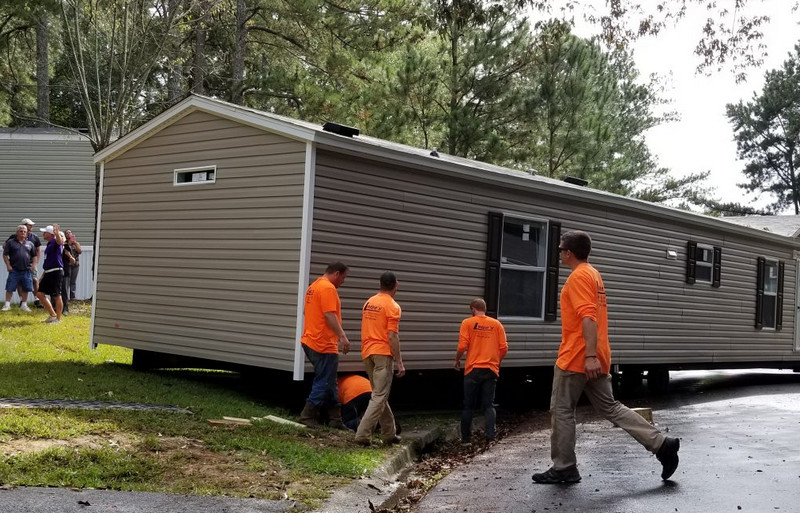
    Moving a mobile home can be an exciting but costly process. If you’re wondering how expensive it is to move a mobile home, you’re not alone. The cost varies greatly depending on factors such as distance, size, and the specific services required. In this article, we’ll break down the costs involved and offer helpful tips on how to move a mobile home efficiently.

    Factors Affecting the Cost to Move a Mobile Home

    When you decide to move a mobile home, several factors influence the overall cost. Understanding these factors can help you prepare financially and make informed decisions. The main elements that affect the price include:

    Distance and Location

    The most significant factor in determining the cost to move a mobile home is the distance between the current location and the new site. The longer the distance, the more expensive it will be.

    • Local Moves: Moving a mobile home within the same town or city is usually cheaper. The cost typically ranges from $1,000 to $5,000, depending on the size and complexity of the move.
    • Long-Distance Moves: Moving a mobile home across state lines or over long distances can cost anywhere from $5,000 to $15,000 or more. The added distance requires more planning, permits, and higher transportation fees.

    If you’re considering how to move a mobile home for free, be aware that while it’s nearly impossible to get a professional moving company to do the work for no cost, there are ways to cut down on the price by handling some of the logistics yourself.

    How Expensive Is It to Move a Mobile Home

    Size and Type of Mobile Home

    The size of your mobile home directly impacts the cost of the move. Larger homes, such as double-wide or triple-wide mobile homes, are more expensive to move because they require more equipment and special handling.

    • Single-wide homes are generally the least expensive to move, costing around $1,000 to $3,000.
    • Double-wide homes can cost between $3,000 and $7,000 for a local move.
    • Triple-wide homes and larger models can easily exceed $7,000, with long-distance moves potentially reaching $15,000 or more.

    You should also factor in the age of the mobile home. Older homes may require more preparation to move, which can increase costs. For example, if the home is structurally weak, additional support may be needed, raising the overall price.

    Permits and Regulations

    Before moving a mobile home, you’ll need to secure various permits, which can vary by state or local regulations. These permits can range from $50 to $500 or more, depending on the location and type of move.

    • Local permits: These are typically required for any move within a town or city and may include road use permits or zoning clearances.
    • State permits: For long-distance moves, you may need special permits for transporting a mobile home across state lines.

    You will also need to plan for additional costs such as utility disconnections and reconnections. Utilities like water, electricity, and gas need to be shut off and reconnected at the new site, which can add $100 to $1,000 to the cost.

    Additional Costs When Moving a Mobile Home

    Besides the basic moving costs, there are several other expenses you may encounter. Being aware of these costs ahead of time can help you budget appropriately.

    Site Preparation

    Before moving a mobile home to its new location, you’ll need to prepare the site. This can involve leveling the ground, laying a foundation, or creating a new driveway. Site preparation costs vary depending on the complexity of the work and the existing conditions.

    • Leveling and foundation: This could cost anywhere from $500 to $3,000.
    • Utilities: Setting up electricity, water, and sewage systems at the new site may cost an additional $1,000 to $3,000.

    Transportation and Equipment

    To move a mobile home, specialized equipment is necessary. This includes the use of large trucks, cranes, and dollies. The cost of renting or hiring these machines can add a significant amount to the total expense.

    • Transport equipment: The cost to rent the trucks and cranes can range from $500 to $2,500 per day.
    • Fuel: Long-distance moves require fuel costs, which can add several hundred dollars to the total cost.

    Insurance

    It’s highly recommended to purchase insurance for your mobile home during the move, as accidents can happen on the road. The cost of mobile home moving insurance varies but typically ranges from $200 to $1,000, depending on the distance and value of the home.

    Can You Move a Mobile Home Yourself?

    If you’re trying to cut costs, you may wonder how to move a mobile home yourself. While it’s possible to move a mobile home without professional help, it’s not something most people should attempt alone. Moving a mobile home requires heavy equipment, specialized knowledge, and permits. It’s best to hire a professional moving company for safety and efficiency.

    However, if you’re determined to take on the job yourself, there are a few things to keep in mind:

    • Secure the right equipment: Renting or purchasing a truck and trailer capable of handling the size and weight of your mobile home is essential.
    • Permits and insurance: You’ll still need to secure all necessary permits and insurance, even if you plan to move the home yourself.
    • Safety concerns: Moving a mobile home can be dangerous, especially if you’re unfamiliar with the equipment required.

    How to Move a Mobile Home for Free

    While it’s unlikely you’ll be able to move a mobile home for free, there are ways to lower costs. One option is to look for a company or non-profit organization willing to donate transportation services in exchange for the home itself. This is more common with older, smaller homes that need to be relocated for renovation or reuse.

    Another option could be working with a moving company willing to give you a discount if they have available space on a truck for another move.

    What Is the Age Limit on Moving a Mobile Home?

    Many people ask, “What is the age limit on moving a mobile home?” The answer varies by location, but generally, mobile homes older than 20 years may face limitations on their ability to be moved. This is because older homes may not meet current building codes or may not be structurally sound enough to handle a move.

    • Pre-1976 homes: These homes may have outdated construction materials and may not meet current federal standards for transport.
    • Homes 20+ years old: Many areas have restrictions on moving homes of this age, as they may not meet current safety standards.

    Before deciding to move an older mobile home, it’s important to check with local authorities to see if any restrictions apply.

    FAQ

    How expensive is it to move a mobile home?

    The cost varies between $1,000 and $15,000 depending on the distance, size, and complexity of the move.

    Can I move a mobile home myself?

    You can, but it requires specialized equipment, knowledge, and permits, making it difficult for most homeowners.

    How much does it cost to move a mobile home across state lines?

    Long-distance moves can cost between $5,000 and $15,000 or more, depending on the size and distance.

    What should I do before moving a mobile home?

    Prepare the site, secure permits, and disconnect utilities at the old location before moving.

    How much does it cost to prepare the site for a mobile home?

    Site preparation costs can range from $500 to $3,000, depending on the complexity of the site.

    Are there permits required to move a mobile home?

    Yes, moving a mobile home typically requires permits for both transportation and site preparation.

    How much does mobile home moving insurance cost?

    Insurance for moving a mobile home can range from $200 to $1,000 depending on the distance.

    What is the age limit on moving a mobile home?

    Homes older than 20 years may face restrictions depending on local regulations.

    Can I move a mobile home for free?

    It’s difficult, but you might find a company willing to take your home if they can reuse it.

    How much does it cost to move a double-wide mobile home?

    Double-wide homes typically cost between $3,000 and $7,000 to move locally.


    See Also:


  • Why Are Mobile Homes So Cheap?

    Why Are Mobile Homes So Cheap?

    If you’ve ever asked, “Why are mobile homes so cheap?” you’re not alone. Many people are curious about the affordability of mobile homes compared to traditional houses. The truth is, there are several reasons why mobile homes are typically more budget-friendly, and understanding these reasons can help you see why they are such a good option for those looking for affordable housing.

    In this article, we’ll explore the factors that make mobile homes cheaper than conventional homes, while also highlighting why they can be a great investment for those seeking to save money without sacrificing quality of life.

    Why Are Mobile Homes So Cheap

    The Cost of Manufacturing Mobile Homes

    One of the main reasons why mobile homes are so cheap is the lower cost of manufacturing compared to traditional homes. Mobile homes are built using mass-production techniques, which help reduce labor costs and streamline the production process.

    Mass Production and Efficiency

    Manufacturers use assembly-line production methods to build mobile homes, which helps reduce the overall cost. Unlike site-built homes, where each home is constructed on-site with custom materials, mobile homes are built in factories, allowing for greater control over costs and materials.

    • Lower labor costs: Assembly-line production requires fewer workers, reducing the overall cost of labor.
    • Standardized materials: Mobile homes are often made with standardized materials, which are less expensive than the variety of materials needed for a traditional home.

    This efficient, factory-based approach keeps the cost of production low, contributing to the overall affordability of mobile homes.

    Smaller Size and Lower Maintenance Costs

    Another reason why mobile homes are so cheap is that they are usually smaller than traditional homes. The size of a mobile home has a direct impact on its cost.

    Smaller Size Means Lower Costs

    The smaller square footage of a mobile home reduces the amount of materials needed to build it. This leads to lower construction costs and a more affordable home. Additionally, a smaller home requires less land, which further reduces costs.

    • Lower utility bills: A smaller space means less energy is required for heating and cooling.
    • Reduced maintenance: Less square footage means fewer materials to maintain, reducing the long-term upkeep costs.

    For people looking to downsize or save on living expenses, a mobile home can be an ideal solution.

    Land Costs and Location Flexibility

    The price of land is another factor that makes mobile homes more affordable. Mobile homes are often placed in mobile home parks or on smaller plots of land, which are less expensive than buying a larger parcel of land for a traditional home.

    Land in Mobile Home Parks

    One option is to place your mobile home in a mobile home park. These parks typically have lower land costs compared to residential areas, which helps keep the overall price of living affordable. Rent for a space in a mobile home park is generally lower than buying land in a traditional neighborhood.

    • Cheaper land: Land in mobile home parks is often more affordable than traditional housing lots.
    • Flexibility: Mobile home owners have more options when it comes to location, which means they can find affordable spaces in areas with lower land prices.

    By choosing to live in a mobile home park, you can save on land costs while still enjoying the benefits of homeownership.

    Reduced Financing Costs

    Because mobile homes are less expensive to buy, they often come with lower financing costs. Traditional homes typically require larger down payments and higher mortgage rates. On the other hand, mobile homes may require a smaller down payment, making them more accessible for buyers.

    Lower Loan Amounts and Interest Rates

    Because the overall cost of a mobile home is lower, the loan amounts required for financing are often smaller. This means that you may qualify for a lower interest rate or a shorter loan term, which can save you money in the long run.

    • Smaller down payments: Mobile homes often require less money upfront compared to traditional homes.
    • Lower interest rates: Smaller loan amounts may come with better financing terms.

    For buyers with limited budgets, financing a mobile home can be an easier and more affordable option than financing a traditional home.

    Why Are Mobile Homes So Cheap Compared to Traditional Homes?

    Now that we’ve looked at some of the factors that contribute to the affordability of mobile homes, let’s dive deeper into the specific reasons why mobile homes are so cheap compared to traditional houses.

    Construction Methods and Speed

    Mobile homes are built in a controlled factory environment, which allows for faster construction. Traditional homes are built on-site, which can take months or even years to complete. In contrast, mobile homes can be built in a matter of weeks, which helps reduce the overall cost of construction.

    • Faster construction: Mobile homes can be built much more quickly than traditional homes, leading to lower costs.
    • Lower labor costs: Factory-based construction requires fewer workers, helping keep wages down.

    This speed and efficiency make mobile homes a cost-effective option for buyers looking for quick, affordable housing.

    Lower Standards for Mobile Home Regulations

    Mobile homes are subject to different building codes than traditional homes, which can contribute to their lower cost. Building codes for mobile homes are generally less strict, meaning that they do not require the same level of materials or labor that traditional homes do.

    • Less stringent building codes: Mobile homes are held to a different set of standards, which can lower the cost of construction.
    • Streamlined regulations: Mobile home manufacturers are able to meet regulations with fewer requirements, reducing the overall expense.

    While this does not mean that mobile homes are unsafe or of lower quality, it does help explain why mobile homes are so cheap compared to traditional homes.

    FAQ

    Why are mobile homes cheaper than regular homes?

    Mobile homes are cheaper due to mass production, smaller size, and lower land and construction costs.

    How does the size of a mobile home affect its price?

    Smaller homes require fewer materials and less land, which helps reduce overall costs.

    Do mobile homes cost less to maintain?

    Yes, mobile homes often have lower utility bills and require less maintenance than traditional homes.

    Can I place a mobile home on land I own?

    Yes, you can place a mobile home on your own land, but land costs may vary depending on the location.

    Are mobile homes as safe as regular homes?

    Yes, mobile homes are built to specific safety standards and can be just as safe as traditional homes.

    What makes mobile homes more affordable to finance?

    Mobile homes are cheaper to buy, which means smaller loan amounts and lower financing costs.

    Why are land costs lower for mobile homes?

    Mobile home parks offer affordable land options, and the land required for mobile homes is often smaller.

    Can mobile homes be used as long-term housing?

    Yes, many people live in mobile homes for decades, making them a great option for long-term housing.

    Do mobile homes lose value over time?

    Like most homes, mobile homes can depreciate in value, but they still provide affordable housing in the long run.

    What should I consider before buying a mobile home?

    Consider the cost of land, maintenance, financing, and whether you plan to live in a mobile home park or on private land.


    See Also:

  • Where Is the VIN Number on a Mobile Home?

    Where Is the VIN Number on a Mobile Home?

    If you’re wondering where the VIN number on a mobile home is located, you’re not alone. The Vehicle Identification Number (VIN) is a crucial identifier for mobile homes, much like it is for cars. It’s important for legal, insurance, and resale purposes. Whether you’re buying, selling, or simply checking the details of a mobile home, knowing where to find the VIN is a vital step.

    What Is the VIN Number on a Mobile Home?

    The VIN number on a mobile home is a unique identifier that helps track the history of the home. It’s used to register the home, check for any recalls, and verify ownership. It can also be important when transferring titles or dealing with insurance claims.

    A mobile home’s VIN is different from a car’s VIN in that it is often longer and includes more specific details about the home’s manufacture. Each VIN is a combination of numbers and letters that provide information about the model, year, manufacturer, and place of origin.

    VIN Number on a Mobile Home

    Where to Find the VIN Number on a Mobile Home

    The VIN number on a mobile home can usually be found in a few key locations. It’s essential to know where to look in order to identify your home correctly. The primary places to check are:

    1. On the Data Plate or Manufacturer’s Label

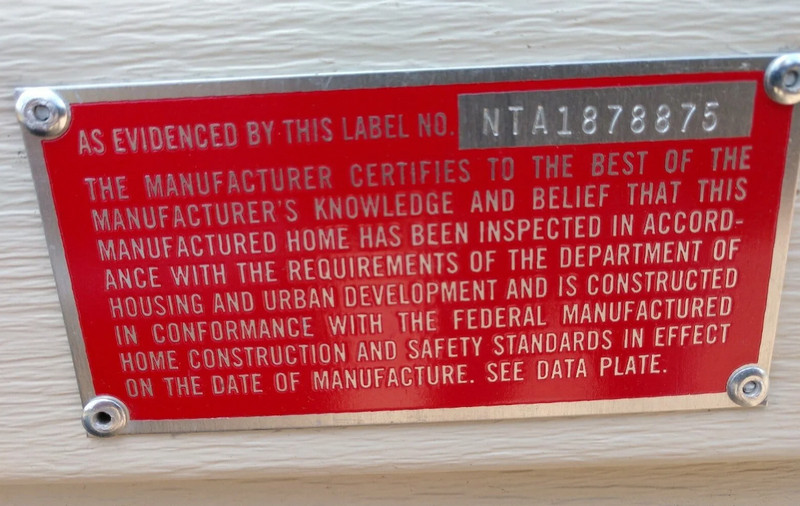
    The most common place to find the VIN number on a mobile home is on the data plate or manufacturer’s label. This plate is often located on the inside of the home. You may find it in the following locations:

    • Near the main entrance: Check near the front door, either on the frame or the wall.
    • In the utility room or closet: Often, the label is placed near electrical panels or water heaters.
    • Inside kitchen cabinets or closets: Sometimes, the data plate is placed behind or inside kitchen storage areas.

    The data plate includes important information about the home, including its VIN, size, and the manufacturer’s details.

    2. On the Frame of the Mobile Home

    Another location to look for the VIN number on a mobile home is on the frame. The VIN may be stamped or welded into the metal of the home’s frame. This is often a more permanent location and can be especially helpful if the data plate is damaged or missing.

    To find it:

    • Look under the home, near the hitch or frame of the structure.
    • You may need to crawl under the home or use a flashlight to spot it.

    3. On the Title or Registration

    In addition to physical locations on the mobile home, the VIN number on a mobile home is also recorded on the title and registration documents. These documents are essential for proving ownership, so always keep them safe.

    If you’re unsure about the VIN, refer to these documents as they should have the exact number listed.

    How to Find the VIN Number on a Mobile Home

    If you’re having trouble locating the VIN number on a mobile home, here are some helpful tips:

    • Inspect the data plate: If you haven’t already, thoroughly check the data plate inside your mobile home. It’s often the easiest place to find the VIN.
    • Check the frame: Use a flashlight or mirror to look under the home for a stamped VIN on the frame.
    • Consult the title: The VIN will also be listed on the title of the home, so don’t forget to check that important document.
    • Contact the manufacturer: If you’re still having trouble, consider contacting the manufacturer for help. They may be able to provide more specific information.

    Mobile Home Serial Number Lookup

    If you have the VIN number but need additional information, such as the model, year, or manufacturer, you can perform a mobile home serial number lookup. This lookup service allows you to verify the details of a mobile home, ensuring you have the correct information.

    The process is straightforward:

    1. Go to an online mobile home serial number lookup site.
    2. Enter the VIN or serial number.
    3. Receive a detailed report about the home’s history and specifications.

    This is a useful tool when buying or selling a mobile home to ensure that all details are correct.

    Can I Look Up a Mobile Home VIN Number Online?

    Yes, you can look up a mobile home VIN number online. Several websites offer services that allow you to check the history, specifications, and legal status of a mobile home by entering its VIN.

    Here’s how to do it:

    • Use specialized databases: Many services, such as the HUD database, allow you to search for mobile home information by VIN.
    • Check with local DMV offices: Some local government agencies may offer online VIN lookup services for mobile homes.

    Always verify the legitimacy of the website before submitting any personal or financial information.

    Is the Serial Number the Same as the VIN Number on a Mobile Home?

    Many people confuse the serial number with the VIN number on a mobile home, but they are not the same. While both numbers identify the mobile home, the VIN number is a more detailed and standardized code. The serial number typically refers to the specific model or unit, while the VIN gives more comprehensive information, including the manufacturer’s details and the home’s origin.

    • Serial Number: Typically used for inventory purposes and may be assigned by the manufacturer.
    • VIN Number: Provides detailed information about the home, including its make, model, and year.

    It’s important to note that both numbers may appear on the data plate or title, but they serve different purposes.

    How Many Digits Are in a Mobile Home VIN Number?

    A mobile home VIN number generally consists of 17 characters. These characters can include both numbers and letters, each of which provides specific details about the home.

    The format typically follows this structure:

    • The first three characters indicate the manufacturer and the type of mobile home.
    • The next five characters give details about the model, size, and construction.
    • The remaining characters provide information about the home’s year, place of manufacture, and serial number.

    This standardized format helps make the VIN number unique to each mobile home.

    What to Do if You Can’t Find the VIN Number on a Mobile Home?

    If you’re unable to find the VIN number on a mobile home, here’s what you can do:

    • Look for a replacement data plate: If the original is missing or damaged, it’s possible to obtain a replacement from the manufacturer.
    • Contact your local government: Your local DMV or building department may be able to assist in locating the VIN if it’s been officially registered.
    • Check for hidden VIN numbers: Some homes have additional VIN numbers stamped in less obvious places, like behind panels or in hidden compartments.

    FAQ

    How do I find the VIN number on a mobile home?

    Look for the data plate inside the home, on the frame, or check the title and registration documents.

    Is the VIN number on a mobile home the same as the serial number?

    No, the VIN number is different from the serial number. They serve different purposes.

    How do I look up a mobile home VIN number online?

    Use online databases or contact your local DMV to check a mobile home’s history using its VIN.

    Can I look up the VIN number on a mobile home to find out its history?

    Yes, you can use a mobile home serial number lookup service to check the home’s details.

    Where is the VIN number located on a mobile home frame?

    Look under the home, often near the hitch or main structural frame.

    How many digits are in a mobile home VIN number?

    A mobile home VIN typically consists of 17 characters.

    What if I can’t find the VIN number on a mobile home?

    Check for a replacement data plate, or contact the local DMV for assistance.

    What should I do if the VIN number on the data plate is missing?

    Try looking on the home’s frame or check the title and registration for the VIN.

    Can I find out who made the mobile home using the VIN number?

    Yes, the VIN includes the manufacturer’s code, allowing you to identify the manufacturer.

    What if the VIN number is illegible on a mobile home?

    You may be able to get a replacement data plate from the manufacturer or check the title for the number.

    See Also:

  • How to Start a Mobile Home Park in Florida

    How to Start a Mobile Home Park in Florida

    If you’re wondering how to start a mobile home park, Florida is an ideal location to consider. With its growing population and demand for affordable housing, starting a mobile home park in Florida can be a smart investment.

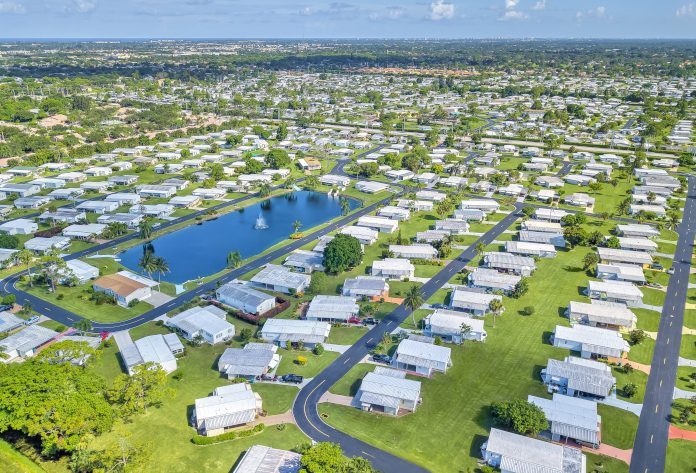
    Mobile home parks offer a steady source of income and can be a sustainable business model. Many people are opting for mobile homes as a more affordable housing option, and opening a park can meet this demand while generating a reliable revenue stream.

    Steps to Start a Mobile Home Park in Florida

    To start a mobile home park in Florida, there are several important steps to follow. Each step involves legal, financial, and operational considerations that will set you up for success.

    1. Research the Market

    Before beginning the process, research the demand for mobile homes in your area. Understanding the market will help you make informed decisions about where to build and what kind of units to offer.

    Look into these factors:

    • Local population growth and trends
    • Nearby amenities such as schools, shopping, and medical facilities
    • Demand for affordable housing in the area

    Once you understand the local market, you’ll be able to make better decisions about the location and type of park you want to create.

    How to Start a Mobile Home Park

    2. Find the Right Location

    Choosing the right location is one of the most important steps when learning how to start a mobile home park. Florida has a variety of areas to choose from, including rural and urban locations.

    Factors to consider when choosing your location:

    • Access to major roads and highways
    • Proximity to schools, stores, and work opportunities
    • Local climate and environmental factors

    In Florida, the ideal location will depend on the specific type of park you are looking to create. Whether it’s a family-friendly park or one for retirees, each location has its advantages.

    3. Secure Financing

    Starting a mobile home park requires substantial capital investment. If you’re wondering how to start a mobile home park with no money, there are several ways to secure financing:

    • Traditional bank loans
    • Private investors or partners
    • Government-backed loans for small businesses or housing developments

    Having a solid business plan that outlines the costs and revenue projections is essential when seeking financing. Banks and investors want to see that you have a clear plan for profitability.

    4. Obtain the Necessary Permits and Zoning

    In Florida, zoning laws are one of the most important factors to consider. To start a mobile home park, you’ll need to ensure that the land you plan to purchase is properly zoned for mobile home use.

    Here’s a look at what’s involved:

    • Zoning: Check with your local zoning office to determine what zoning is required for a mobile home park. You may need to apply for a zoning variance or permit if the property is not already zoned for mobile homes.
    • Environmental Impact: Florida has environmental regulations that could affect where you can build your park. You’ll need to comply with these laws to prevent any costly delays.
    • Building Permits: You may also need to apply for building permits before any construction can begin. These permits ensure that the infrastructure (like utilities and roads) is properly installed.

    5. Plan Your Park Layout

    Creating a layout for your park is another critical part of how to start a mobile home park. The design should maximize space while ensuring the comfort of future residents. Here are some things to keep in mind:

    • Street layout: Ensure the streets are wide enough for mobile homes to be transported in and out easily.
    • Lot size: The lots should be large enough to accommodate the homes with enough space for parking and outdoor areas.
    • Utilities: Ensure there’s a plan for water, electricity, and sewage systems. These may need to be installed before homes can move in.

    6. Build the Infrastructure

    Once your layout is planned, it’s time to build the infrastructure. This includes roads, water systems, sewage lines, and power connections. It’s essential that the infrastructure is up to code to meet local regulations.

    You’ll also need to install:

    • Mobile home pads: These provide a solid foundation for the homes.
    • Community facilities: If you plan to provide amenities like a clubhouse, laundry facilities, or a pool, make sure to include them in your design.

    7. Market Your Park

    Marketing your mobile home park will help attract tenants. Create a website, use social media, and list your park in directories where people search for affordable housing.

    Effective marketing strategies include:

    • Offering competitive rent prices
    • Hosting events or open houses
    • Highlighting the benefits of living in a mobile home park (e.g., affordable living, low maintenance)

    If you’re wondering if owning a trailer park is profitable, the answer depends on your ability to market, maintain the park, and keep occupancy rates high.

    8. Maintain Your Park

    After the park is established, it’s important to maintain it. Regular maintenance will help keep residents happy and ensure that your park stays profitable.

    Maintenance tasks include:

    • Routine inspections of utilities and infrastructure
    • Landscaping and road repairs
    • Addressing tenant concerns quickly

    Happy residents are more likely to stay long-term, which increases your revenue.

    Frequently Asked Questions

    How do I find land to start a mobile home park in Florida?

    Look for land that is zoned for mobile home use or that can be rezoned. Online real estate websites and local property listings can help.

    What zoning is required for a mobile home park?

    Mobile home parks typically require residential or special zoning. Contact your local zoning office to confirm.

    How can I finance a mobile home park if I don’t have money?

    Consider private loans, grants, or finding investors. You may also look into government-backed funding options.

    How much does it cost to start a mobile home park in Florida?

    Costs vary depending on location, land size, and development needs. It’s best to prepare a detailed budget for construction and infrastructure.

    Is owning a trailer park profitable?

    Yes, owning a trailer park can be profitable with proper management, high occupancy, and good maintenance.

    How can I market my mobile home park?

    Use online platforms, local listings, social media, and community outreach to attract new tenants.

    How many homes can I place on an acre of land?

    This depends on local zoning regulations and the size of the mobile homes, but you can typically fit 4-6 homes per acre.

    Do I need permits to build a mobile home park in Florida?

    Yes, you need to apply for building permits, zoning permits, and environmental permits.

    How do I keep my mobile home park well-maintained?

    Regular inspections, landscaping, and prompt repairs are key to maintaining the park.

    Can I buy an existing mobile home park?

    Yes, you can purchase an existing mobile home park if you find one for sale.


    See Also:


  • How to Buy a Mobile Home From a Private Owner

    How to Buy a Mobile Home From a Private Owner

    Learning how to buy a mobile home from a private owner is a smart way to find a great deal. Private sales often give buyers more flexibility, lower prices, and faster transactions.

    Mobile homes offer comfortable, affordable living, making them a great choice for many families.

    Why Buy a Mobile Home From a Private Owner?

    Choosing to buy a mobile home from a private owner offers many advantages compared to buying through dealers.

    Some benefits include:

    • Lower overall prices without dealer fees
    • Direct communication with the seller
    • Easier negotiation on terms and move-in dates

    Buying privately often means you get a better deal and a more personal experience.

    Buy a Mobile Home From a Private Owner

    Steps to Buy a Mobile Home From a Private Owner

    Knowing the right steps makes it much easier to buy a mobile home from a private owner.

    Here is a simple process to follow:

    • Find a mobile home listing that fits your needs
    • Contact the seller and ask for detailed information
    • Arrange to see the mobile home in person
    • Hire an inspector to check the home’s condition
    • Agree on a price and sign a written agreement
    • Transfer the title and pay the agreed amount
    • Move into your new home and enjoy

    Each step brings you closer to owning the mobile home you want.

    How to Buy a Mobile Home From a Private Owner Online

    Today, it is very common to buy a mobile home from a private owner online. Many websites list private-sale mobile homes with detailed photos and descriptions.

    Some popular places to search include:

    • Craigslist
    • Facebook Marketplace
    • Local classified ads
    • Specialty mobile home websites

    Always meet the seller in person before sending any money. A quick visit helps avoid scams and makes sure the home meets your expectations.

    Tips for Purchasing a Mobile Home With Cash

    Many buyers choose to purchase a mobile home with cash to make the process faster and simpler.

    Here are a few reasons cash is helpful:

    • No loan approval delays
    • Stronger bargaining power with the seller
    • No monthly loan payments

    If you plan to pay cash, bring proof of funds when making an offer. Sellers often prefer cash buyers because they can close the deal more quickly.

    How to Buy a Mobile Home With No Money Down

    Learning how to buy a mobile home with no money down can help buyers who want to save upfront costs. Some financing programs, like VA loans and USDA loans, offer options with little to no down payment.

    Private sellers may also offer:

    • Owner financing with no down payment
    • Rent-to-own agreements
    • Discounted deals for fast sales

    Talking openly with the seller often helps you find a deal that fits your budget.

    Important Documents When Buying From a Private Owner

    When you buy a mobile home from a private owner, make sure to collect all important documents.

    You will need:

    • The mobile home title, signed by the seller
    • A bill of sale detailing the terms
    • Any home inspection reports
    • Proof of taxes paid and community fees (if in a park)

    These documents protect your ownership rights and avoid problems later.

    Inspect the Home Before You Buy

    Always inspect the mobile home carefully before making your final decision. Even if the home looks good, hidden problems can lead to costly repairs.

    Key areas to check include:

    • The roof and ceilings for leaks
    • Plumbing, electrical, and heating systems
    • The flooring for soft spots
    • The condition of windows and doors

    Hiring a professional inspector can save you thousands in unexpected repairs.

    Negotiate the Best Price

    When you buy a mobile home from a private owner, you often have more room to negotiate.

    Helpful negotiation tips:

    • Offer a fair starting price based on condition
    • Point out any needed repairs
    • Show serious intent with proof of funds
    • Stay friendly and respectful during talks

    Sellers appreciate serious buyers who are ready to move forward.

    Final Steps Before Moving In

    Once the sale is final, there are a few last things to do before moving into your new mobile home.

    Make sure you:

    • Transfer utilities like water, electricity, and internet
    • Update your address with the post office
    • Check with the mobile home park about residency rules (if applicable)

    A little preparation ensures a smooth and happy move.

    FAQ About Buying a Mobile Home From a Private Owner

    Can I buy a mobile home directly from a private owner?

    Yes, buying directly can often save you money and speed up the process.

    How do I find mobile homes for sale by private owners?

    Look online, in local newspapers, and on community bulletin boards.

    Is a home inspection needed when buying privately?

    Yes, inspections help catch any hidden problems before you commit.

    Do I need a lawyer to buy a mobile home from a private owner?

    It is not required, but legal help can make paperwork safer.

    What should be in the bill of sale?

    Include the home price, address, buyer and seller information, and terms of the sale.

    How do I pay for a private sale?

    You can use cash, a cashier’s check, or set up a wire transfer.

    Can I finance a private sale of a mobile home?

    Yes, many lenders offer loans for private sales, but terms may vary.

    Who handles the title transfer?

    Usually, the buyer and seller go together to the local title office.

    What fees should I expect when buying from a private owner?

    You may pay title transfer fees, taxes, and possibly inspection costs.

    Is it safe to buy a mobile home from a private owner?

    Yes, as long as you inspect the home and verify the title is clear.


    See Also:

  • Can You Get a Home Loan for a Mobile Home?

    Can You Get a Home Loan for a Mobile Home?

    Many buyers ask if they can get a loan for a mobile home when planning to purchase one. The good news is that several types of loans make mobile homeownership possible and affordable.

    Buying a mobile home is a smart move for many families who want an affordable, comfortable place to live.

    What to Know About Getting a Loan for a Mobile Home

    Before applying for a loan for a mobile home, it helps to know what lenders look for. Mobile homes can qualify for many of the same financing options as traditional houses.

    Lenders usually consider:

    • The age and condition of the home
    • Whether the home is on land you own
    • Your credit score and income
    • The type of loan you apply for

    Understanding these basics helps you plan your purchase with confidence.

    Get a Home Loan for a Mobile Home

    Different Types of Loans for Mobile Homes

    When you need a loan for a mobile home, you have several options to choose from. Each type has its benefits depending on your situation.

    Here are common loan types:

    • FHA loans: Government-backed and often easier to qualify for
    • VA loans: Available to veterans and active-duty service members
    • USDA loans: Help those buying in rural areas
    • Conventional loans: Offered by private banks and lenders

    Each option helps many families move into a home they love.

    Can You Get Loans for Mobile Homes in Parks?

    You can get loans for mobile homes in parks under the right conditions. The loan usually covers the home itself, but not the land.

    Some lenders specialize in loans for homes in leased-land communities. Often, they offer flexible terms and lower down payments.

    Buying a mobile home in a park gives you a great sense of community and lower costs than buying traditional homes.

    How a Personal Loan for Mobile Home Purchase Works

    Another option is using a personal loan for mobile home purchases. A personal loan does not require a home as collateral.

    Some reasons buyers use a personal loan include:

    • Buying an older mobile home
    • Covering repairs or upgrades
    • Making a quick purchase without mortgage paperwork

    Although interest rates may be a little higher, the process is usually much faster and easier.

    What is a Chattel Loan for Mobile Home Financing?

    A chattel loan for mobile home purchases is a popular choice too. Chattel loans treat the home as personal property rather than real estate.

    Benefits of chattel loans include:

    • Faster approval times
    • Less paperwork
    • Options for homes on rented land

    Many buyers prefer chattel loans when purchasing in parks or on private property without a permanent foundation.

    Financing a Mobile Home With Land

    If you are financing a mobile home with land, you may qualify for a traditional mortgage. Combining the land and home often leads to better loan terms and lower rates.

    Buying land along with your mobile home offers many benefits, such as:

    • Building home equity faster
    • Greater security and privacy
    • Freedom to make improvements without park rules

    Many families find this option ideal when planning to stay long-term in one place.

    What to Expect During the Loan Process

    Applying for a loan may seem confusing at first, but each step moves you closer to owning your home.

    Here is the basic process:

    • Find a lender who offers mobile home loans
    • Fill out an application and provide financial documents
    • Choose the loan type that fits your needs
    • Get approval and sign the loan papers
    • Close on your new mobile home

    Each step is clear, and many lenders help you through every part of the process.

    Tips for Getting Approved for a Loan for a Mobile Home

    Getting approved for a loan for a mobile home is easier when you prepare ahead of time.

    Helpful tips include:

    • Check your credit report for errors
    • Save for a down payment if needed
    • Gather proof of income and job history
    • Research lenders who specialize in mobile homes
    • Know whether you plan to buy land with the home

    Preparation makes the process faster and less stressful.

    Benefits of Buying a Mobile Home With a Loan

    Buying with a loan for a mobile home brings many advantages compared to renting or paying cash.

    Benefits include:

    • Building credit and home equity
    • Keeping more cash on hand for other needs
    • Moving into your home faster
    • Choosing from a wide range of homes

    Mobile homes today are stylish, energy-efficient, and very comfortable, making them a smart choice for many families.

    FAQ About Getting a Loan for a Mobile Home

    Can you get a loan for a mobile home on rented land?

    Yes, many lenders offer chattel loans or personal loans for this purpose.

    What credit score do you need for a mobile home loan?

    Most lenders prefer a score of 620 or higher, but some accept lower scores.

    Is a down payment always needed for mobile home loans?

    Not always. Some government programs offer loans with little or no down payment.

    Can you refinance a mobile home loan later?

    Yes, refinancing options are available if you meet lender requirements.

    How long are mobile home loan terms?

    Terms usually range from 10 to 30 years, depending on the loan type.

    Do banks offer loans for older mobile homes?

    Some do, but older homes may need a personal loan or chattel loan instead.

    Can a mobile home in a park be financed?

    Yes, loans for mobile homes in parks are available through specialized lenders.

    What documents are needed for a mobile home loan?

    You will need proof of income, ID, credit history, and details about the home.

    Can you get a loan for a mobile home and land together?

    Yes, financing a mobile home with land often qualifies for traditional mortgages.

    Are mobile home loans safe?

    Yes, mobile home loans follow the same rules and protections as other types of loans.


    See Also:

  • Can a Mobile Home Park Take Your Mobile Home?

    Many homeowners wonder, can a mobile home park take your mobile home if issues come up? The simple answer is, it depends on the situation and the agreement you have with the park.

    Florida mobile home owners enjoy many rights and protections that help keep their homes safe and secure.

    Understanding Park Rules and How Can a Mobile Home Park Take Your Mobile Home

    It is important to know the park rules before asking, can a mobile home park take your mobile home. Most parks have a lease agreement that explains your rights and their responsibilities.

    Common rules often include:

    • Paying lot rent on time
    • Keeping the home and yard clean
    • Following community rules
    • Getting approval before selling your home

    If you meet these rules, parks usually cannot take your mobile home without warning.

    Can a Mobile Home Park Take Your Mobile Home

    When Can a Mobile Home Park Take Your Mobile Home?

    Sometimes problems happen. Knowing “can a mobile home park take your mobile home” helps you prepare if something unexpected comes up.

    A park may act if:

    • Rent has been unpaid for a long time
    • The home is abandoned
    • The home is unsafe and beyond repair
    • Rules are broken after many warnings

    Even then, parks must follow the law and usually need a court order first.

    Eviction From a Mobile Home Park: What to Know

    Facing eviction from a mobile home park sounds stressful, but the law protects owners. Parks must give proper notice and a reason for the eviction.

    Steps they usually must follow include:

    • Sending a written notice
    • Giving you time to fix the issue
    • Filing legal papers if no action is taken
    • Receiving a court order before removing the home

    This process gives homeowners plenty of time to respond and make decisions.

    What Happens to Your Mobile Home if You Get Evicted?

    It is natural to ask what happens to your mobile home if you get evicted. Often, you have a few options to protect your investment.

    Possible options include:

    • Selling the home before the eviction
    • Moving the home to another park
    • Negotiating a new agreement with the park

    Each choice depends on the situation, but many homeowners find a positive solution.

    Protecting Your Home from Being Taken

    Good habits protect your mobile home and avoid problems with the park. Simple actions can make a big difference.

    Make sure to:

    • Pay rent early
    • Respond quickly to park notices
    • Keep your home and lot neat
    • Stay friendly with park management
    • Know your rights and ask questions if needed

    Staying ahead of small problems keeps your home secure and avoids unnecessary stress.

    Florida Laws Help Mobile Home Owners

    Florida offers strong protections for mobile home owners living in parks. The Mobile Home Act protects against unfair treatment and sudden removal.

    Under Florida law, parks must give proper notice before evicting anyone. Owners have the right to contest any unfair action in court.

    Because of these laws, mobile home living remains a safe and happy choice for thousands across the state.

    Can You Move Your Home if Needed?

    If problems arise, you may wonder about moving your home. Good news — many owners move their mobile homes to new parks or private land.

    Although moving a mobile home costs money, it is often less expensive than buying a new one.

    Things to think about include:

    • The size and weight of your home
    • Hiring licensed movers
    • Getting permits ,if needed
    • Finding a safe new location

    Moving gives you freedom if the current park no longer fits your needs.

    Can a Mobile Home Park Take Your Mobile Home After You Sell It?

    Sometimes, parks want the home removed after a sale. In Florida, they must give clear reasons if they want a home moved.

    Before selling, check with park management. Make sure the buyer understands park rules, too.

    Clear communication makes the selling process smoother and protects your rights.

    Tips for Working with Park Management

    Good communication helps avoid confusion and problems. Here are simple ways to work well with park managers:

    • Read all lease paperwork carefully
    • Ask questions if anything is unclear
    • Keep records of payments and notices
    • Stay polite, even during disagreements
    • Try to solve issues early before they grow

    Good relationships help your mobile home experience stay peaceful and positive.

    FAQ About Mobile Home Parks and Ownership Rights

    Can a mobile home park take your mobile home without warning?

    No, parks must follow legal steps and give proper notice first.

    How long does eviction from a mobile home park take?

    It can take several weeks or even months, depending on the case.

    What happens if you ignore park notices?

    Ignoring notices may lead to eviction and court involvement.

    Can you move your home to avoid eviction?

    Yes, many owners move their homes to new parks or private land.

    Are older mobile homes harder to move?

    Yes, older homes may need repairs before they can be moved safely.

    Can you sell your mobile home during an eviction?

    Yes, selling the home quickly can help avoid losing it.

    What happens to your mobile home if you get evicted?

    You may move it, sell it, or work out an agreement with the park.

    Can parks raise lot rent to force you out?

    In Florida, lot rent increases must follow clear rules and notices.

    What protects mobile home owners in Florida?

    The Mobile Home Act protects owners from unfair treatment by parks.

    Can a park refuse a new buyer for your mobile home?

    They can screen buyers, but they cannot unreasonably refuse qualified buyers.


    See Also:

  • How Long Does Mobile Home Last in Florida?

    When asking how long does a mobile home last in Florida, many buyers are happy to hear the answer. Mobile homes are built with strong materials and, with care, can last for decades under Florida’s sunny skies.

    Thanks to regular maintenance and good construction standards, many mobile homes offer long, happy years of living.

    What Impacts How Long Does a Mobile Home Last?

    Many things affect how long does mobile home last, especially in Florida’s unique weather. With the right care, mobile homes can easily last 30, 40, or even 50 years.

    how long can a mobile home last

    Factors that impact a home’s life include:

    • Quality of materials: Better materials often last longer.
    • Installation: A strong foundation helps avoid major repairs.
    • Maintenance: Regular upkeep makes a big difference.
    • Weather exposure: Protecting the home from storms matters.
    • Home location: Areas with less flooding tend to help homes last longer. 

    By paying attention to these details, you can enjoy your home for many years.

    How to Make Your Mobile Home Last Longer

    Many owners want their homes to last as long as possible. Luckily, there are easy ways to make that happen.

    Helpful steps include:

    • Seal the roof every few years: Florida rain can wear roofs down fast.
    • Check skirting often: Skirting protects your home from pests and moisture.
    • Inspect tie-downs: These protect against strong winds and storms.
    • Repaint or reseal siding: This keeps your home looking fresh and protects it from weather. 

    With regular attention, your mobile home will stand strong for many happy seasons.

    Can a Mobile Home Last 100 Years?

    A common question people ask is, can a mobile home last 100 years? While reaching 100 years is rare, it is not impossible with exceptional care.

    Older mobile homes that were built to high standards and maintained well can surprise many owners. Upgrades to roofs, windows, and insulation add many extra years of life.

    Florida’s warm climate, when paired with proper maintenance, helps mobile homes stay livable for a long time.

    How Long Does Mobile Home Last Compared to Traditional Homes?

    When thinking about how long a mobile home will last, it is helpful to compare it to traditional homes. Site-built homes often last longer, but they also cost much more to maintain.

    Mobile homes require less money for repairs. Many owners find they can keep their home comfortable and attractive for decades without major expenses.

    If you invest in regular inspections and small repairs, your mobile home can stay strong year after year.

    When is a Mobile Home Too Old?

    Wondering when a mobile home is too old is a smart question. Usually, it comes down to safety and livability rather than a set age.

    Signs that a mobile home might be considered too old include:

    • Severe structural damage: Frames or walls that cannot be repaired safely.
    • Outdated wiring or plumbing: Systems that are unsafe or too costly to upgrade.
    • Water damage: Serious mold or rot that affects major parts of the home.
    • Failed inspections: Homes that cannot pass a basic safety inspection.

    Even then, many older mobile homes can be updated or remodeled to extend their life.

    Value of 30 Year Old Mobile Home

    The value of a 30 year old mobile home depends on condition, location, and upgrades. A well-maintained 30-year-old mobile home in Florida can still have strong market appeal.

    Buyers often love the affordable prices and cozy feel of these older homes. With upgrades like new roofs, HVAC systems, and fresh paint, older mobile homes can shine again.

    Investing in small improvements helps maintain value and keeps your home welcoming for many years.

    Florida Weather and Its Effects on Mobile Homes

    Florida’s climate can be friendly to mobile homes with the right care. Sunny weather is easy on homes, but humidity and hurricanes require special attention.

    Ways to protect your mobile home include:

    • Adding hurricane straps: These help secure the home during storms.
    • Upgrading insulation: Good insulation keeps humidity from damaging walls.
    • Trimming nearby trees: Falling branches can cause major damage.
    • Keeping gutters clean: This prevents water buildup and roof problems.

    Smart weather protection means your home can last through many Florida summers.

    How Long Does Mobile Home Last with Modern Building Codes?

    Mobile homes built after 1976 follow the HUD Code, which sets better building standards. Homes built after that year are often stronger and last longer.

    In Florida, newer mobile homes must also meet wind zone standards. This means homes are designed to stand up to high winds and stormy weather.

    As a result, many newer mobile homes can last as long as 50 years or more with proper care.

    FAQ About How Long Mobile Homes Last

    How long does a mobile home last in Florida with good maintenance?

    With good care, mobile homes can last 40 to 50 years or more.

    What hurts the life of a mobile home the most?

    Poor maintenance and water damage are the biggest threats.

    Can a mobile home really last 100 years?

    It is rare but possible with constant upgrades and excellent upkeep.

    What is the life expectancy of a 1970s mobile home?

    Homes from the 1970s can last 30 to 50 years if maintained well.

    How can I increase my mobile home’s lifespan?

    Regular maintenance like sealing roofs and checking tie-downs, helps a lot.

    Is it worth buying a 30-year-old mobile home?

    Yes, if the home is in good condition and has been upgraded.

    Does weather affect how long mobile homes last?

    Yes, protecting your home from storms and humidity helps it last longer.

    Should I worry about hurricanes damaging my mobile home?

    Taking steps like using hurricane straps helps protect your home during storms.

    How often should I inspect my mobile home?

    You should inspect your home twice a year and after any major storm.

    When is a mobile home too old to fix?

    If repairs cost more than a replacement or if safety is a major concern.


    See Also:

Reset password

Enter your email address and we will send you a link to change your password.

Get started with your account

to save your favourite homes and more

Sign up with email

Get started with your account

to save your favourite homes and more

By clicking the «SIGN UP» button you agree to the Terms of Use and Privacy Policy
Powered by Estatik