Category: Blog

  • How to Become a Mobile Home Sales Agent in St. Petersburg, Florida

    How to Become a Mobile Home Sales Agent in St. Petersburg, Florida

    Starting your path to become a mobile home sales agent in St. Petersburg, Florida can open the door to a stable and rewarding career. Mobile homes offer affordable housing options, modern amenities, and steady demand. This makes the mobile home market a reliable place for new agents.

    Why St. Petersburg, Florida Is a Smart Place to Start

    St. Petersburg continues to grow, especially with retirees and seasonal residents. Mobile homes remain a top choice because of their lower prices and community features. As more people move here, the demand for sales agents increases.

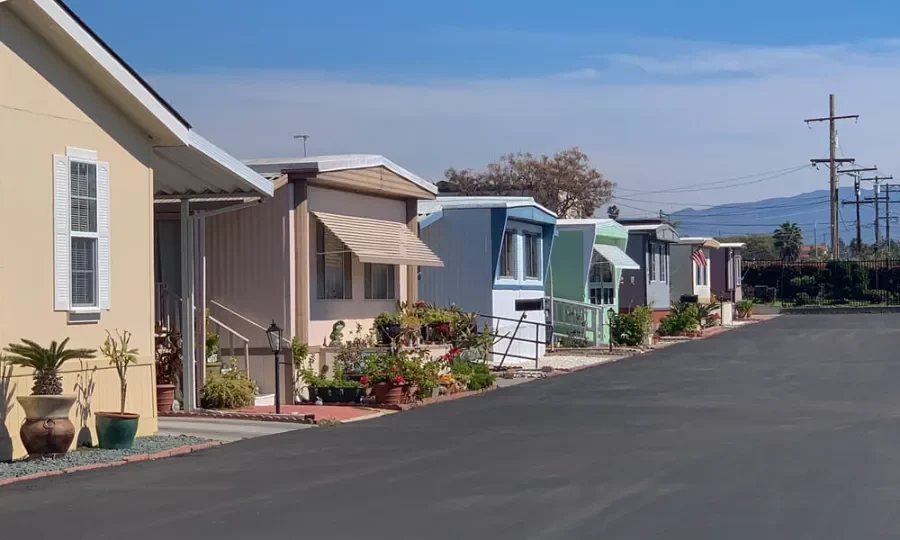
    Working in this area allows agents to focus on homes located within attractive, well-maintained parks. Many of these communities include:

    • Swimming pools
    • Clubhouses
    • Gated security
    • Organized social events 

    These features help boost buyer interest, making sales smoother.

    Requirements to Become a Mobile Home Sales Agent in St. Petersburg, Florida

    You don’t need formal certifications or real estate licenses to begin. The Mobile Home Dealer hires agents under their brokerage license. This means fewer barriers to entry and faster startup times.

    To get started, you’ll need:

    ✅ A reliable car
    ✅ Smartphone
    ✅ Access to a computer and printer
    ✅ Basic computer skills
    ✅ A positive, self-driven attitude

    Agents sign on as independent contractors. You’ll work your own hours and manage your daily schedule.
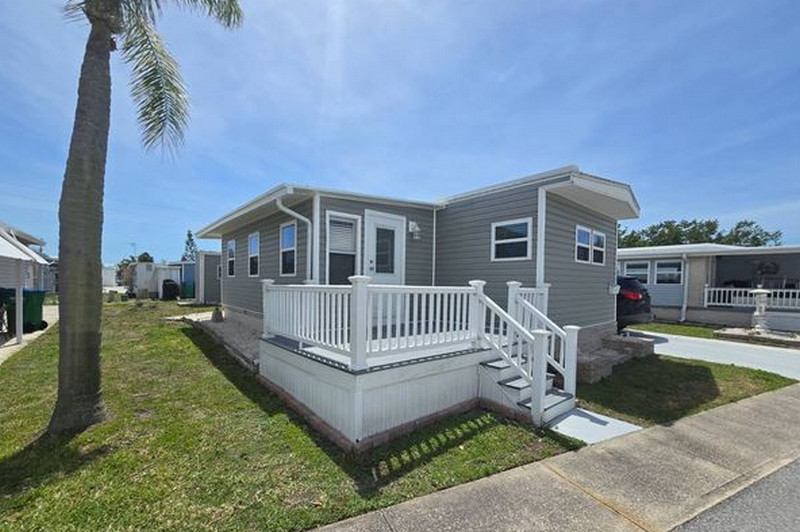
    Become a Mobile Home Sales Agent in St. Petersburg, Florida

    Training and Support Available

    You won’t work alone. The Mobile Home Dealer provides complete training and marketing help. With ongoing support, agents can learn the skills they need to close deals. The back office team handles listings, advertising, and sales paperwork.

    Agents also receive:

    ✅ Buyer and seller leads
    ✅ No-cost marketing materials
    ✅ Guidance from experienced team members
    ✅ Sales training for continued improvement

    Training includes live instruction and hands-on learning. So, you’ll know exactly how to present mobile homes and connect with buyers.

    How Much Can You Earn?

    Agents often earn more than traditional salespeople. Income depends on how many homes you sell. Because commissions are uncapped, income potential stays high.

    Most homes sell between $20,000 and $80,000. Commission rates range from 8% to 10% per sale. That means a single sale could bring in $1,600 to $8,000. Agents who build their networks can close several deals a month.

    What Do Mobile Home Buyers Want?

    Buyers usually look for a clean, well-kept home in a quiet park. Mobile homes today include upgraded kitchens, new roofs, and walk-in showers. These upgrades make it easier for agents to sell quickly.

    Mobile home parks in St. Petersburg often include:

    • Pet-friendly policies
    • Lawn maintenance services
    • Trash removal
    • Active community boards 

    These details help buyers make fast decisions. When agents know the amenities, they can explain the benefits with confidence.

    Where Will You Work?

    The Mobile Home Dealer sells throughout Florida. Agents based in St. Petersburg may cover nearby areas like Clearwater, Largo, and Tampa. You’ll mostly meet buyers at mobile home parks or respond to online leads.

    No desk job here. You’ll be on the move, meeting new people every week. With no territory limits, you can grow your business fast.

    Benefits of Becoming a Mobile Home Sales Agent

    Check out the top benefits of this career:

    ✅ Flexible hours
    ✅ No license required
    ✅ Full marketing and training support
    ✅ High commissions
    ✅ Growing market demand

    Many agents choose this job for its independence. You can set your own goals and grow at your own pace.

    FAQ: How to Become a Mobile Home Sales Agent in St. Petersburg, Florida

    What license do I need?

    None. You’ll work under The Mobile Home Dealer’s license.

    How do I apply?

    Visit www.sellmobilehome.com and fill out the contact form.

    Do I need experience?

    No. All training is provided.

    What are typical work hours?

    You set your own schedule.

    How do I get leads?

    Leads are provided by The Mobile Home Dealer.

    What kind of homes will I sell?

    Pre-owned mobile homes on leased land.

    How long does it take to start?

    You can begin after a short training and onboarding process.

    What does the company provide?

    Training, back office support, leads, and marketing materials.

    Do I have to pay for advertising?

    No. The company covers marketing costs.

    Can I grow within the company?

    Yes. You can build a team and increase your income.

    Ready to Start Your Career?

    If you want a flexible job with strong earnings, now is the time to become a mobile home sales agent in St. Petersburg, Florida. You don’t need a license or experience to get started. Just bring your energy and willingness to learn.

    Work with a team that values action and rewards hard work. The Mobile Home Dealer offers full support and real leads so you can close deals from the start.

    Apply now and start helping buyers find affordable homes in welcoming Florida communities.

    Invitation to Join The Mobile Home Dealer 

    Are you looking for a new career in sales where you can grow quickly, set your own hours, and earn strong commissions? The Mobile Home Dealer is now hiring self-motivated individuals across Florida to join our team! 🌴💼

    We are a licensed mobile home brokerage located in Bradenton, and we sell mobile homes on leased land throughout Florida. Our values are simple—bring solutions, act with purpose, and always stay honest. 🛠️📞

    Why Join Us?

    We make it easy for new agents to succeed:

    1099 outside sales role with unlimited income potential
    Buyer and seller leads provided
    Minimal paperwork required
    Company license covers all your sales activities
    All training is provided by our experienced team
    No marketing costs or experience needed

    You’ll never have to cold call or buy your own signs. We’ll support you from your first deal through your 100th. 📋📲

    What You’ll Need:

    Reliable vehicle
    Smartphone
    Computer and printer
    Positive attitude and willingness to learn

    Our back office takes care of advertising and listing management so you can focus on closing sales. 🎯📍

    With the highest commissions in the industry, a strong training system, and leads handed directly to you, there’s no better time to start. If you’re ready to grow with a team that values action and results, we’d love to hear from you.

    Join The Mobile Home Dealer and help buyers and sellers across Florida today! Visit www.sellmobilehome.com to learn more or apply now. 💻🚗📞


    See Also:

  • Top Features to Expect in a Modern Manufactured Home

    Top Features to Expect in a Modern Manufactured Home

    A modern manufactured home gives buyers comfort, style, and savings in one practical package. These homes come with updated layouts, efficient systems, and flexible options for families, retirees, and first-time buyers. Many homeowners now choose this type of housing to avoid the high costs of traditional construction.

    Open Floor Plans for Better Living

    Most modern manufactured homes feature open floor plans. These layouts help maximize space and natural light. By removing unnecessary walls, the living area feels larger and more connected.

    The kitchen, dining, and living rooms often flow together. This makes it easier for people to spend time together or host guests. Because of this setup, modern manufactured homes feel more spacious than their square footage suggests.

    High-Quality Kitchen and Bath Fixtures

    Buyers no longer need to settle for plain finishes. Many homes now include:

    ✅ Stainless steel appliances
    ✅ Solid-surface countertops
    ✅ Tile backsplashes
    ✅ Dual-sink vanities
    ✅ Walk-in showers with glass doors

    These details make each home feel updated and clean. They also help increase long-term value.

    modern manufactured home

    Energy Efficiency That Saves Money

    New building standards have improved the energy performance of these homes. That means buyers save money every month.

    Expect features like:

    ✅ Double-pane windows
    ✅ High-efficiency HVAC systems
    ✅ Insulated skirting
    ✅ Smart thermostats

    These updates lower heating and cooling costs. At the same time, they make the home more comfortable during every season.

    Custom Style Options

    Each modern manufactured home comes with a range of finish choices. Buyers can select flooring, cabinet colors, lighting styles, and even layout changes.

    This flexibility helps match different tastes and budgets. Whether someone prefers a clean, simple look or something more detailed, there’s a package that fits.

    Smart Use of Space

    Designers make every square foot count. Storage is often built into walls, under beds, or inside furniture.

    Some smart design choices include:

    ✅ Built-in shelving
    ✅ Closet systems
    ✅ Multipurpose kitchen islands
    ✅ Fold-away furniture

    Even smaller models feel practical for daily life. With better layouts, there’s less wasted space and more room for what matters.

    Outdoor Living Areas

    A modern manufactured home may include a porch, deck, or patio. These outdoor areas extend the living space and provide room for relaxing, grilling, or gardening.

    In warmer states like Florida, this adds daily value. Many homes come prepped for these features, or allow easy upgrades later.

    Affordability That Works

    Cost is still a major reason why buyers choose this housing style. A modern manufactured home offers savings on both the purchase and long-term expenses.

    Expect lower prices on:

    ✅ Upfront home cost
    ✅ Property taxes
    ✅ Utility bills
    ✅ Maintenance and repairs

    These savings make homeownership more reachable. Even luxury modern manufactured homes can cost less than a traditional single-family home.

    Technology Features

    Some builders include smart home upgrades. These may help improve safety, convenience, and efficiency.

    Options may include:

    ✅ Smart locks
    ✅ Security cameras
    ✅ Motion lighting
    ✅ Wi-Fi thermostats

    These tools work well for busy owners or anyone who wants remote access to home systems.

    Durable, Low-Maintenance Materials

    Manufactured homes use strong materials built to last. These parts often require less upkeep than older homes. Most siding and roofing materials resist weather and fading.

    Inside, owners find:

    ✅ Easy-clean floors
    ✅ Scratch-resistant surfaces
    ✅ Stain-proof counters
    ✅ Long-lasting paint finishes

    These features reduce the time and money spent on upkeep over the years.

    Flexible Use and Setup

    A modern manufactured home works in many settings. Some go into mobile home parks, while others sit on private land.

    Buyers use them as:

    ✅ Primary residences
    ✅ Guest houses
    ✅ Vacation homes
    ✅ Rental units

    With many layout and size choices, they fit a wide range of lifestyles.

    Frequently Asked Questions

    What is a modern manufactured home?

    It’s a factory-built home made after 1976 that meets HUD safety and construction standards.

    How much does one cost?

    Prices vary, but they often range from $50,000 to $150,000 depending on size and features.

    Are they energy efficient?

    Yes. Many include upgraded insulation, efficient HVAC systems, and double-pane windows.

    Can I get a loan for one?

    Yes. Financing options are available through banks and manufactured home lenders.

    Do they include appliances?

    Most models include standard appliances. Many also offer upgrades like stainless steel sets.

    Can I live in one full-time?

    Yes. Many owners use them as permanent homes across the U.S.

    Do they need a foundation?

    They are usually placed on piers, slabs, or crawl spaces depending on local codes.

    Are these homes safe?

    Yes. They follow strict HUD building codes and are inspected during and after construction.

    Can I customize the design?

    Yes. Buyers can often choose layout, color schemes, and some features.

    Are they allowed in every area?

    Zoning laws vary. Some areas allow them freely, while others may limit use.

    Final Thoughts

    A modern manufactured home offers strong value, flexible space, and stylish features. It’s a smart choice for buyers who want comfort without high costs. With so many upgrades available, these homes continue to attract people looking for smart and affordable living.

    See Also:

  • Why Manufactured Duplex Homes Are Gaining Popularity in Urban Areas

    Why Manufactured Duplex Homes Are Gaining Popularity in Urban Areas

    Manufactured duplex homes are quickly becoming a smart housing solution in many urban communities across the country. These homes offer a mix of cost-efficiency, flexible living space, and modern comfort. In cities where housing is tight and prices are high, manufactured duplex homes are now a solid option for buyers and investors alike.

    Affordability That Works in the City

    Urban housing prices keep rising. Manufactured duplex homes offer a more affordable path to homeownership. Many models cost far less than traditional site-built homes. They also allow for shared land use, which cuts down costs even more.

    A buyer can expect to spend less on:

    ✅ Initial home price
    ✅ Taxes and utilities
    ✅ Maintenance and repairs
    ✅ Lot rent or shared land cost

    This type of housing works well for first-time buyers and those seeking budget-friendly urban living. In fact, many cheap manufactured duplex homes come with new appliances, durable flooring, and well-designed interiors.

    A Closer Look at Space and Function

    Each side of a manufactured duplex has its own entrance, kitchen, and bathroom. This setup gives privacy for two households without needing two separate buildings. In dense cities, that’s a big advantage.

    Families can live close while maintaining space. Investors can rent out one or both sides. These homes support multi-generational living or provide extra rental income.

    Even with a compact design, many units include:

    ✅ Two or more bedrooms per unit
    ✅ Full-sized appliances
    ✅ Modern bathrooms
    ✅ Energy-efficient heating and cooling

    Some luxury manufactured duplex homes even include high-end countertops, large closets, and walk-in showers.

    Manufactured Duplex Homes

    Why Cities Are Taking Notice

    City planners are recognizing the potential of manufactured duplex homes. These properties make better use of limited urban space. They also offer affordable housing without adding massive apartment buildings.

    Homeowners and tenants alike enjoy:

    ✅ Fast build times
    ✅ Lower monthly costs
    ✅ Modern features and layouts
    ✅ Safe, regulated construction standards

    As land becomes harder to find, these homes help meet the housing demand without taking up large areas.

    Easy Setup, Lower Ongoing Costs

    Manufactured duplex homes are built in a factory setting. That process cuts down construction time and waste. After delivery, they’re placed on leased land or private lots. Because they meet strict HUD standards, these homes remain safe and well-built.

    Owners pay lower maintenance fees compared to older homes. They also avoid costly surprises thanks to factory warranties and updated materials.

    Monthly costs are easier to manage. Many residents enjoy having:

    ✅ Predictable utility bills
    ✅ Fewer repair issues
    ✅ Simple landscaping and upkeep

    That makes these homes a solid fit for busy city dwellers and investors.

    Room for Growth

    Manufactured duplex homes don’t limit future options. Some owners add carports, decks, or outdoor seating. Others use one side as an office or guest space. Because of their flexible layout, these homes support lifestyle changes without needing to move.

    In urban areas, it’s rare to find this kind of flexibility at this price point. Many owners appreciate the chance to grow or adjust without starting over.

    Where the Market Is Heading

    More cities are starting to accept and even promote manufactured duplex housing. These homes offer a smart answer to urban growth and limited space. Builders continue to improve design, style, and material quality.

    With more options coming each year, buyers have better choices than ever. Whether someone wants a simple setup or luxury manufactured duplex homes, there’s now a floor plan to match.

    Buyers no longer need to compromise between price and comfort. These homes offer both.

    Frequently Asked Questions

    What is a manufactured duplex home?

    A manufactured duplex home is a factory-built structure with two separate living units under one roof.

    Are these homes allowed in most cities?

    Yes, many cities now allow them, especially in areas needing affordable housing solutions.

    How much do manufactured duplex homes cost?

    Prices vary, but they’re usually lower than site-built duplexes. Some models start under $100,000.

    Can I finance a manufactured duplex home?

    Yes, many lenders offer loans for manufactured homes, especially if placed on owned land.

    Are manufactured duplex homes safe?

    Yes, they follow HUD construction codes. These rules ensure durability, safety, and energy efficiency.

    Can I rent out one side of the duplex?

    Yes, many owners do that. It’s a common way to earn rental income while living in the other unit.

    What amenities do they come with?

    Most include kitchens, bathrooms, bedrooms, and energy-efficient systems. Some include modern finishes and extra storage.

    Do I need special land for this home?

    No, but the land must allow for manufactured housing. Some homes are placed in leased land communities.

    How long does it take to set up?

    Most homes are installed in weeks, much faster than traditional construction.

    What are the ongoing costs?

    They’re often lower than traditional homes. Owners pay for utilities, taxes, land lease (if any), and maintenance.

    Final Thoughts

    Manufactured duplex homes meet the needs of modern city life. They provide affordability, flexibility, and efficient living. As more buyers and cities realize their value, these homes will likely keep gaining attention. For those wanting smart, simple living in the city, they’re a strong option.


    See Also:

  • Are Mobile Homes Worth It? A Closer Look at Costs, Comfort, and Convenience

    Are Mobile Homes Worth It? A Closer Look at Costs, Comfort, and Convenience

    Are mobile homes worth it? Many people across Florida and beyond are asking this question. As home prices continue to rise, mobile homes are becoming a serious option for those seeking affordability and freedom.

    The Cost Advantage of Mobile Homes

    When comparing mobile homes to traditional site-built houses, the biggest difference is cost. Mobile homes cost significantly less per square foot. This makes them attractive to first-time buyers, retirees, and anyone on a budget.

    A new single-wide mobile home can cost between $40,000 and $70,000. Double-wide units usually range from $75,000 to $120,000. Even with added costs like lot rent and utilities, the monthly expense is often far lower than a mortgage.

    ✔ Lower purchase price
    ✔ Lower monthly living costs
    ✔ Reduced property taxes
    ✔ No large maintenance bills

    Mobile homes often sit in parks or on leased land. This setup lets buyers avoid high land costs while still enjoying homeownership.

    Are Mobile Homes Worth It for Amenities?

    Today’s mobile homes offer many of the same amenities found in traditional homes. Modern designs include:

    ✔ Open-concept floor plans
    ✔ Updated kitchens with energy-efficient appliances
    ✔ Central heating and cooling
    ✔ Stylish bathrooms
    ✔ Walk-in closets and storage options

    Some mobile home parks offer additional benefits like swimming pools, clubhouses, and lawn care. These extras can improve daily life without increasing housing costs.

    are mobile homes worth it

    Flexibility and Independence

    Another reason people choose mobile homes is flexibility. You can move your home if needed or change locations later. This option appeals to people who don’t want to stay tied to one spot forever.

    Also, most mobile homes come without heavy restrictions like homeowners associations (HOAs). That means you can decorate, remodel, or upgrade without facing extra fees or approvals.

    Are Mobile Homes Worth It for Long-Term Living?

    With regular upkeep, mobile homes can last for decades. Many newer models are built with strong materials and follow national housing codes. These improvements help them stand up to weather and everyday use.

    They also require less maintenance than larger homes. That saves both time and money year-round.

    Community Living

    Living in a mobile home park has its benefits. You’ll often find a strong sense of community. Many parks host events, activities, and shared spaces where residents can socialize and connect.

    For older adults, 55+ parks offer quiet environments tailored to a simpler lifestyle.

    Common Misunderstandings About Mobile Homes

    Some people still think of mobile homes as temporary or low-quality. That’s outdated thinking. Modern mobile homes are built to high standards. In fact, many offer more energy efficiency than older site-built houses.

    Another myth is that mobile homes don’t increase in value. While it’s true they may not appreciate like traditional homes, the low upfront cost means you still come out ahead in many cases.

    Resale and Rental Options

    Many mobile home owners eventually sell for a profit. Others rent them out for extra income. In popular areas, mobile homes on leased land remain in high demand. That makes them a good option for future flexibility.

    Whether you live in the home full-time or use it as a rental, it can help build long-term financial security.

    Should You Buy a Mobile Home?

    Here are a few signs a mobile home might be right for you:

    ✔ You want to own a home without a large mortgage
    ✔ You like the idea of a smaller, manageable space
    ✔ You want freedom from HOAs or large property taxes
    ✔ You prefer affordable living with modern comfort

    If any of these apply, mobile homes may be worth your attention.

    FAQs About Mobile Homes

    What is the average cost of a mobile home?

    Single-wide mobile homes start around $40,000. Double-wides can reach $120,000 or more.

    Do mobile homes come with appliances?

    Most modern units include essential appliances like stoves, refrigerators, and washers.

    Can I finance a mobile home?

    Yes. Many lenders offer loans specifically for mobile homes.

    Is lot rent included in the purchase price?

    No. Lot rent is a separate monthly fee, usually between $300 and $700.

    Can I remodel a mobile home?

    Yes, and most upgrades are easier and cheaper than in traditional homes.

    How long do mobile homes last?

    With proper care, they can last 30 to 50 years or more.

    Do mobile homes require special insurance?

    Yes, but the cost is often lower than traditional home insurance.

    Can I sell a mobile home later?

    Yes. Many owners successfully resell or rent out their homes.

    Do I pay property taxes on a mobile home?

    You may pay a small fee, but it’s usually far less than traditional property taxes.

    Are mobile homes allowed everywhere?

    Some areas restrict them. Always check local zoning laws before buying.

    Final Thoughts

    So, are mobile homes worth it? For many buyers, the answer is yes. With lower prices, fewer restrictions, and plenty of comfort, mobile homes offer a smart alternative to traditional houses. They give people a way to own property without the high cost or long-term risk.

    Whether you’re retiring, downsizing, or buying your first home, mobile homes can offer the freedom and savings you need.

    If you’re ready to see what mobile homes in Florida can offer, contact The Mobile Home Dealer today. We help people across the state find homes that fit their life and budget.

    Call us now to learn more or visit www.sellmobilehome.com.

    See Also:

  • Understanding Mortgage Financing for Manufactured Homes: What Buyers Need to Know

    Understanding Mortgage Financing for Manufactured Homes: What Buyers Need to Know

    Mortgage financing for manufactured homes gives more buyers a chance to own a home affordably. Many people across Florida choose these homes because they cost less and still offer comfort. Today, lenders offer more loan options than ever before for manufactured homes.

    The Basics of Mortgage Financing for Manufactured Homes

    Before applying, you need to know how mortgage financing for manufactured homes works. The financing depends on whether the home is considered real property or personal property.

    Homes placed on a permanent foundation with owned land may qualify as real property. This opens the door to standard home loans.

    Homes in leased-land communities usually count as personal property. In these cases, different loan types are used.

    Common Loan Options

    Buyers can choose from several types of loans. These options depend on how the home is classified.

    Conventional Loans – For homes classified as real property
    FHA Loans – Offer low down payments and easier credit terms
    VA Loans – Help veterans buy with no money down
    Chattel Loans – Used for homes on leased land

    Every loan has pros and cons. Still, many buyers get approved every day. Lenders work with a variety of income levels and credit scores.

    Mortgage-Financing-for-Manufactured-Homes

    Why People Choose Manufactured Homes

    Manufactured homes offer benefits that many buyers appreciate. With lower prices and modern features, they meet today’s housing needs.

    ✔ Affordable prices
    ✔ Energy-efficient appliances
    ✔ Open living areas
    ✔ New flooring and lighting options
    ✔ Full-size kitchens and baths

    Many mobile home parks provide added comforts like pools, clubhouses, and security. These extras give the feeling of a community at a lower monthly cost.

    Mortgage Financing for Manufactured Homes vs. Traditional Home Loans

    Mortgage financing for manufactured homes can differ slightly from traditional home loans. Still, it offers clear advantages.

    Compared to buying a site-built home, the down payment is often lower. Approval can also be faster with fewer closing delays.

    Monthly payments for manufactured home loans are typically more affordable. This helps buyers keep more money each month.

    How to Prepare Before Applying

    Before applying for any loan, it helps to take a few simple steps.

    ✔ Check your credit score
    ✔ Save for a down payment
    ✔ Gather income and tax documents
    ✔ Know the home’s value and location

    Taking these steps helps make the process smoother. Many lenders will also assist with paperwork and explain the terms.

    Interest Rates and Terms

    Rates on loans for manufactured homes may vary. However, they often fall close to rates for traditional mortgages.

    Loan terms can range from 15 to 30 years. Some shorter-term options are available for chattel loans.

    Keep in mind that mobile homes in parks may have lot rent. That amount is not included in your mortgage. Still, the total cost stays lower than most house payments.

    Benefits of Owning Over Renting

    Owning a manufactured home means more than saving money. It gives buyers control and stability.

    Rent prices rise every year. Owning a home locks in your payment and builds equity over time.

    You also get the freedom to:

    ✔ Make updates
    ✔ Paint and decorate
    ✔ Install appliances
    ✔ Live without landlord rules

    That freedom matters to many buyers. Especially those who want to retire or start fresh in Florida.

    Mortgage Financing and Manufactured Home Parks

    Living in a park still allows for financing. In fact, many parks welcome financed buyers.

    Lenders understand this market and provide chattel loan options. Some communities even help connect buyers with lenders.

    Make sure the park allows home sales and financing. Most do. Some may even offer move-in specials or reduced lot rent.

    See Also:

  • Who Insures Mobile Homes in Florida? Everything Buyers Need to Know

    Who Insures Mobile Homes in Florida? Everything Buyers Need to Know

    Who insures mobile homes in Florida is one of the most common questions buyers ask. Whether you’re living in a retirement community or a family-oriented park, protecting your mobile home matters.

    Florida’s weather can shift quickly. Because of that, having the right insurance helps protect your investment from damage, theft, or accidents.

    Why Mobile Home Insurance in Florida Matters

    Florida remains one of the most popular states for mobile home living. The climate, community options, and affordability attract thousands each year.

    But with that comes risk. Hurricanes, heavy rains, and flooding affect many areas. Insurance helps mobile homeowners recover quickly when damage happens.

    Most insurance policies for mobile homes cover:

    • Fire and storm damage
    • Theft and vandalism
    • Liability for accidents
    • Damage to attached structures like porches and carports
      Who-Insures-Mobile-Homes-in-Florida

    Some plans even include living expenses if your home becomes uninhabitable.

    Who Insures Mobile Homes in Florida?

    Multiple companies insure mobile homes in Florida. These include national providers and Florida-based agencies. Most specialize in covering homes in hurricane-prone areas.

    Well-known providers include:

    • Foremost Insurance
    • American Modern
    • Citizens Property Insurance
    • Assurant
    • State Farm 

    Each company has different pricing models and coverage limits. Most will consider the home’s age, location, and condition. Some offer better rates for homes in managed parks or those with hurricane straps.

    What Affects the Cost of Insurance?

    Insurance prices vary from one homeowner to another. While Florida homes near the coast cost more to insure, those inland tend to see lower premiums.

    Here are the main cost factors:

    • Location: High-risk zones near water or flood areas raise premiums.
    • Home age and construction: Newer homes with hurricane protection qualify for discounts.
    • Coverage level: Basic policies cost less but cover fewer risks.
    • Deductibles: Higher deductibles reduce monthly payments but increase out-of-pocket costs. 

    In Florida, the average mobile home insurance premium ranges from $900 to $1,800 per year. That range depends on size, condition, and exact location.

    Benefits of Insuring Your Mobile Home

    Mobile home insurance protects more than your walls and roof. It adds peace of mind. When storms hit or accidents happen, you won’t face repair bills alone.

    Most policies also include:

    ✓ Personal property coverage
    ✓ Guest injury liability
    ✓ Emergency living expenses
    ✓ Loss from theft or vandalism

    Florida requires proof of insurance in some parks. Having coverage can help when applying for financing or renting space in a community.

    Where to Find the Right Policy

    You can get mobile home insurance through:

    • Local agents familiar with Florida parks
    • Online comparison sites
    • National insurance company offices 

    Before signing, compare at least three quotes. Ask about flood coverage, which often costs extra. Review exclusions carefully so there are no surprises later.

    Extra Amenities and Add-Ons

    Mobile home insurance can include extras. You may want to protect outdoor structures, appliances, or even golf carts.

    Common add-ons include:

    ✓ Shed or outbuilding coverage
    ✓ Equipment breakdown
    ✓ Debris removal
    ✓ Mold or water damage protection

    These upgrades cost more, but they help if a storm hits or a pipe bursts.

    Living in a Mobile Home Community

    Florida mobile home parks offer more than low-cost housing. Many include clubhouses, pools, lawn service, and gated security.

    These added amenities improve life and may reduce your insurance rate. Managed parks often require hurricane anchors, fire alarms, or other safety features.

    These upgrades lower risk and attract better premiums from insurance companies.

    Tips for Lowering Your Premium

    You can cut your insurance cost without sacrificing protection. Many Florida homeowners save money by taking a few simple steps:

    • Install hurricane straps or roof bracing
    • Add deadbolt locks and security lights
    • Increase your deductible
    • Bundle insurance with auto or life coverage
    • Choose a community with strict safety rules 

    Always ask your agent about possible discounts. Many offer lower rates to retirees, veterans, or residents in age-restricted parks.

    Who Insures Mobile Homes in Florida: Final Thoughts

    Insuring your mobile home in Florida protects your home, your belongings, and your future. Several companies serve this market, offering flexible plans for a wide range of budgets and property types.

    Whether you live in Tampa, Orlando, or along the Gulf Coast, mobile home insurance gives you financial protection against the unexpected.

    FAQs: Who Insures Mobile Homes in Florida?

    1. Do I need insurance for my mobile home in Florida?

    Yes, especially if you live in a park or finance your home. It protects against damage and loss.

    2. How much does mobile home insurance cost in Florida?

    Most policies range from $900 to $1,800 per year depending on location and coverage.

    3. Can I get insurance if my home is older than 20 years?

    Yes. Many insurers cover older homes if they meet safety standards.

    4. Is flood insurance included?

    No. You must buy it separately, usually through the National Flood Insurance Program.

    5. Who insures mobile homes in Florida near the coast?

    Companies like Citizens and Foremost often cover coastal areas, but prices are higher.

    6. Will insurance cover a hurricane?

    Yes, if windstorm coverage is part of your policy. Always confirm that it’s included.

    7. Does insurance cover my personal items?

    Yes, most plans include personal property protection up to a set amount.

    8. Can I reduce my insurance premium?

    Yes. Safety upgrades, higher deductibles, and bundling help lower costs.

    9. Do I need insurance if I own the land?

    Yes. Damage, theft, or liability risks still apply even if you own the property.

    10. What documents do I need to get started?

    You’ll need your home’s age, size, VIN (if applicable), and park location if renting land.

    See Also:

  • Do You Pay Property Taxes on Mobile Homes in Florida? Know the Costs and Benefits

    Do You Pay Property Taxes on Mobile Homes in Florida? Know the Costs and Benefits

    Buying a mobile home is an affordable housing choice, but do you pay property taxes on mobile homes in Florida? The answer depends on how the home is classified. This matters because taxes vary if the home is considered personal property or real estate.

    Some homes are taxed like vehicles. Others are taxed like traditional houses. That’s why buyers should understand the full cost of ownership, not just the purchase price.

    Types of Mobile Home Taxation in Florida

    Florida uses two tax classifications for mobile homes: real property and tangible personal property. This classification directly affects your tax bill.

    • Real Property Tax: If your mobile home is permanently attached to land you own, you pay property tax like a traditional homeowner.
    • Tangible Personal Property (TPP) Tax: If your home is not permanently affixed or sits on rented land, you don’t pay property tax. Instead, you pay a yearly decal fee.

    Homes with a “Real Property” status pay annual taxes based on assessed value. These are similar to site-built home taxes. If your mobile home is registered with a “MH” decal, you pay the fee through the DMV. This fee ranges from $20 to $80 per year, depending on the home’s size.

    Do-You-Pay-Property-Taxes-on-Mobile-Homes

    Do You Pay Property Taxes on Mobile Homes in Florida Parks?

    In most mobile home parks, residents do not pay standard property taxes. That’s because the park owns the land. Instead, owners pay lot rent and a decal fee. This fee replaces the traditional property tax.

    Still, the lot rent might include some shared expenses:

    • Trash pickup
    • Sewer services
    • Lawn care
    • Clubhouse access

    So, while you may not pay property tax directly, your monthly rent covers part of the park’s overall tax burden.

    Common Costs for Florida Mobile Home Owners

    Even without full property taxes, owning a mobile home includes regular costs. Buyers should consider these before making a decision.

    ✅ Typical costs include:

    • Annual decal fee (if not taxed as real property)
    • Lot rent (if on leased land)
    • Maintenance and repairs
    • Utility bills (water, power, sewer)
    • Insurance (mobile home and liability)
    • HOA or park association fees (in some parks)

    Though the list seems long, most mobile home owners in Florida enjoy lower monthly costs than site-built homeowners.

    Do You Pay Property Taxes on Mobile Homes in Florida with Land?

    Yes. If you own the land and your mobile home is permanently installed, you pay standard property tax. The county appraiser assesses your home’s value annually.

    This is similar to how stick-built homes are taxed. Still, mobile homes often appraise lower, so taxes are usually less. This offers savings over time, especially if the home is well-maintained.

    Many buyers choose to place their home on private land for long-term savings and independence.

    Mobile Home Amenities Add Comfort

    Today’s mobile homes offer strong value and plenty of features. Many parks provide attractive amenities. Some homes also include upgrades that add comfort without pushing the price out of reach.

    ✅ Common amenities in mobile home parks:

    • Swimming pools
    • Clubhouses
    • Game rooms
    • Gated security
    • Pet areas
    • Social events

    With these extras, many residents enjoy a close-knit community and lower monthly bills. That’s a strong reason why many retirees and budget-conscious buyers choose this type of housing.

    Pros of Mobile Home Ownership in Florida

    Florida remains a top destination for mobile home owners. Lower taxes, warm weather, and affordable living attract people from all over the country.

    ✅ Key benefits of owning a mobile home in Florida:

    • Lower purchase cost than traditional homes
    • Reduced property taxes or annual decal fees
    • Easy maintenance
    • Access to well-kept parks
    • Location near beaches and recreation

    And with more people working remotely, Florida mobile homes give freedom without high overhead.

    How to Avoid Surprise Taxes

    Before buying, check the title status. If the home is listed as real property, expect annual property tax bills. If it’s titled as personal property, budget for a decal renewal.

    Talk to the local county tax office. They’ll explain how your home is classified and what you need to pay. Avoid buying without knowing the full cost.

    If the mobile home sits in a park, ask about included fees. Some parks bundle services in the rent, while others charge separately.

    Short FAQ: Property Taxes and Mobile Homes in Florida

    Do I pay property tax on my mobile home in Florida?

    If your home is on land you own and permanently installed, yes. Otherwise, you pay a decal fee.

    What is a mobile home decal fee?

    This is a yearly tax paid to the Florida DMV for homes considered personal property.

    How much is the mobile home decal fee?

    Fees range from $20 to $80, depending on home size and location.

    Do mobile homes in parks pay property taxes?

    No. Usually, the park pays the tax, and residents pay lot rent and decal fees.

    Is it cheaper to own land under my mobile home?

    Yes. You avoid lot rent, though you must pay real property taxes.

    How are mobile homes assessed for taxes?

    County assessors use market value and home condition to set the property tax rate.

    Can I change my home’s tax status?

    Yes, if you own the land and permanently install the home. Check with your local tax office.

    Do mobile homes have lower taxes than site-built homes?

    Usually, yes. Mobile homes often appraise lower, which means smaller tax bills.

    What happens if I don’t pay the decal fee?

    Late fees apply, and you could face penalties from the DMV.

    Does homeowner insurance affect taxes?

    No. Insurance is separate from taxes, but both are required for home ownership security.

    Final Thoughts

    So, do you pay property taxes on mobile homes in Florida? It depends on how and where you live. Homes on leased land only need a decal. Homes on owned land with a permanent setup pay traditional property taxes.

    Mobile home living in Florida continues to offer low costs and appealing amenities. With careful planning, buyers can enjoy comfort, value, and stability. Check local rules and understand your tax status before buying.

    Visit The Mobile Home Dealer for expert guidance in buying or selling mobile homes across Florida.

    See Also:

  • How Common Are 5 Bedroom Manufactured Homes in Florida?

    5 bedroom manufactured homes are available across many parts of Florida, and their popularity continues to grow. These homes provide an affordable option for large families or households needing extra space. While not as widespread as smaller floor plans, 5 bedroom units are more common than most people expect.

    Where to Find 5 Bedroom Manufactured Homes in Florida

    Many mobile home parks and private lots throughout Florida include listings for 5 bedroom manufactured homes. These homes often appear in areas where space allows for larger lots, such as:

    ✅ Lakeland
    ✅ Ocala
    ✅ Zephyrhills
    ✅ Brooksville
    ✅ Central and North Florida regions

    While city centers like Tampa or Orlando lean toward smaller homes, nearby suburbs offer more room for these larger units. Families looking for affordability and space often turn to these homes as a smart housing solution.

    How Much Do 5 Bedroom Manufactured Homes Cost?

    The cost of 5 bedroom manufactured homes in Florida depends on location, age, and included features. In many cases, these homes cost far less than a traditional five-bedroom house.

    Prices range from:

    ✅ $80,000 to $150,000 for newer models
    ✅ $50,000 to $100,000 for pre-owned homes
    ✅ $600 to $1,200 per month for rentals, based on location and amenities

    These homes allow families to save money while enjoying the comfort of a full-sized house. Since land lease rates vary, some manufactured home parks offer additional savings on monthly expenses.

    5 bedroom manufactured homes

    Features That Come With 5 Bedroom Manufactured Homes

    Despite their lower price, these homes offer many modern conveniences. Builders design them to suit family life, group living, or those needing a home office or guest space. Most 5 bedroom units include:

    ✅ Large kitchens with full-size appliances
    ✅ Two or more bathrooms
    ✅ Dedicated laundry rooms
    ✅ Split floorplans for added privacy
    ✅ Energy-efficient windows and insulation

    Newer models often include central air, walk-in closets, and smart home features. These upgrades help create a comfortable, practical home for everyday living.

    Why Families Choose 5 Bedroom Manufactured Homes

    With rising housing costs, many families seek ways to stretch their budget without sacrificing space. Manufactured homes with five bedrooms provide an affordable answer.

    These homes fit the needs of:

    ✅ Large families
    ✅ Multi-generational households
    ✅ People who work from home
    ✅ Households needing guest space

    While traditional site-built homes with five bedrooms may cost hundreds of thousands, mobile homes offer a much lower entry point.

    Where Do These Homes Fit Best?

    5 bedroom manufactured homes often sit on larger lots or in parks designed for bigger units. These parks may be located slightly outside of major cities, allowing for quiet surroundings and extra yard space.

    In many Florida counties, these homes serve as the ideal housing solution where zoning laws allow mobile home placement. Local communities support this style of housing to meet growing needs for affordable homes.

    Are These Homes Hard to Maintain?

    Manufactured homes follow strict HUD building standards. As long as the home is properly installed and maintained, it can last for decades.

    Many 5 bedroom homes include features that make care easier:

    ✅ Vinyl siding
    ✅ Durable flooring
    ✅ Energy-saving HVAC systems
    ✅ Modern roofing materials

    Because manufactured homes are smaller in footprint than traditional builds of the same size, they cost less to heat, cool, and maintain.

    Amenities in Larger Manufactured Home Parks

    Some mobile home parks cater to families or active communities, offering shared features such as:

    ✅ Swimming pools
    ✅ Playgrounds
    ✅ Basketball courts
    ✅ Walking paths
    ✅ Clubhouses

    Families living in 5 bedroom manufactured homes benefit from both private space and community features. These shared spaces help create a sense of belonging without high homeowner association fees.

    Buying vs Renting 5 Bedroom Manufactured Homes

    Both options exist in Florida, depending on your goals and budget. Buying a 5 bedroom manufactured home gives you full control and long-term savings. Renting offers flexibility for those unsure of long-term plans.

    Each option has benefits:

    Buying

    • Lower long-term cost
    • Option to build equity
    • Freedom to customize

    Renting

    • Less upfront cost
    • Maintenance often included
    • Flexibility to move

    Both approaches work well for different lifestyles. Florida’s housing market supports both types, making it easier for residents to find what fits best.

    Common Upgrades in 5 Bedroom Models

    Many owners add features to increase comfort and value. Common upgrades include:

    ✅ Covered carports
    ✅ Screened porches
    ✅ Storage sheds
    ✅ Fenced yards

    Manufactured homes allow for these improvements at a fraction of the cost compared to traditional homes.

    FAQ About 5 Bedroom Manufactured Homes

    How large are 5 bedroom manufactured homes?

    Most range from 1,600 to over 2,000 square feet.

    Are 5 bedroom mobile homes built to code?

    Yes, all HUD-approved homes meet federal safety and building standards.

    Can I find new 5 bedroom models in Florida?

    Yes, many manufacturers offer new models across the state.

    Do mobile home parks allow large homes?

    Some parks do, especially those with larger lot sizes.

    Can I finance a 5 bedroom manufactured home?

    Yes, financing is available through banks and mobile home lenders.

    Is renting a 5 bedroom home cheaper than buying?

    Renting may cost less monthly, but buying saves more long-term.

    Are these homes good for big families?

    Yes, they offer plenty of space at an affordable price.

    Can I add a porch or deck to the home?

    Yes, many owners add outdoor features with park approval.

    Do mobile homes come with land?

    Some do, but most are placed in parks with land leases.

    What kind of insurance do I need?

    Mobile home insurance covers damage, liability, and contents.

    Final Thoughts

    5 bedroom manufactured homes are more common in Florida than many expect. They offer space, comfort, and value for large families or shared households. With flexible pricing and modern features, these homes provide a smart housing option across the state.

    To see available listings, visit The Mobile Home Dealer and find the space your family needs at a price that makes sense.


    See Also:


  • Are Manufactured Homes for Rent Cheaper Than Apartments?
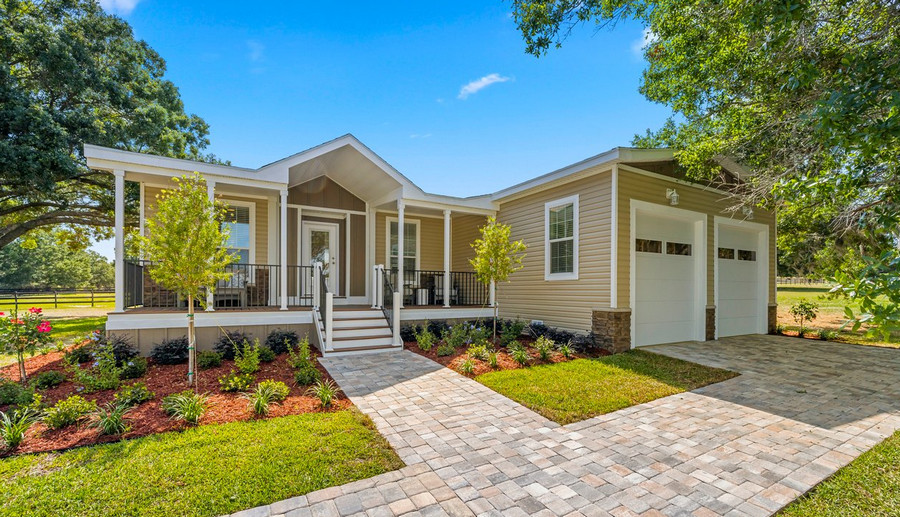
    Manufactured homes for rent often cost less than apartments in the same area. With lower monthly payments, more privacy, and access to outdoor space, they present a great alternative to traditional apartment living.

    Comparing Costs: Manufactured Homes vs Apartments

    Many renters choose apartments because they believe it’s the most affordable option. But manufactured homes for rent can be cheaper in many ways:

    Lower monthly rent
    Less money spent on utilities
    Fewer maintenance fees
    No shared walls or noisy neighbors

    Apartments in busy areas often come with high rent. In comparison, many manufactured homes provide similar space at a lower cost. Renters can find homes in quiet communities for hundreds less each month.

    Manufactured Homes Offer More Living Space

    Apartments tend to be smaller and stacked closely together. Manufactured homes offer more square footage and often include:

    ✅ A private driveway or carport
    ✅ A yard or patio
    ✅ Separate bedrooms, living room, and kitchen
    ✅ Washer and dryer hookups

    With more room inside and out, manufactured homes allow renters to spread out and live comfortably. Pets also tend to be more welcome in mobile home communities than in apartment buildings.

    Amenities That Compete with Apartment Complexes

    Many manufactured home communities include shared amenities that match or exceed apartment complexes. These often include:

    ✅ Swimming pools
    ✅ Clubhouses
    ✅ Playgrounds
    ✅ Community events

    Unlike large apartment buildings, mobile home parks tend to feel more relaxed. You can enjoy the amenities without the crowds.

    manufactured homes for rent

    Neighborhood Feel: Apartments vs Mobile Home Parks

    Manufactured home communities often have a stronger sense of neighborhood. Residents usually stay longer and form closer connections. In contrast, apartment living can feel temporary and less personal.

    Mobile home parks are often quieter. Since homes don’t share walls, residents hear less noise and enjoy more privacy. Renters also get direct access to parking, yards, and entryways.

    Flexibility and Freedom

    Leasing a manufactured home offers more freedom than apartment life. Some homes come with rent-to-own options or allow minor customization. Apartment tenants are usually more limited.

    Renters in manufactured homes can enjoy:

    ✅ Decorating freedom
    ✅ Room to garden or landscape
    ✅ Space to entertain guests outdoors

    That kind of flexibility is rare in apartment units. For those who like more control over their living space, manufactured homes stand out.

    Utilities and Monthly Bills

    Manufactured homes often save renters money on monthly utilities. Because they’re built with energy efficiency in mind, utility costs stay lower.

    Many apartments charge for shared water and trash services. In contrast, manufactured homes on private lots or in smaller parks often let renters manage their own utility accounts. This transparency helps keep bills predictable.

    Maintenance and Repairs

    Apartment tenants usually wait for a maintenance team to fix problems. That team may be slow or overloaded with other issues.

    Manufactured homes require more personal responsibility, but they also give renters more control. Some communities include maintenance help as part of rent. Others allow residents to handle small repairs themselves and skip waiting.

    Renters who want independence often prefer that setup.

    Who Benefits Most from Manufactured Homes for Rent?

    Renters looking for space, savings, and peace of mind tend to love mobile home living. These homes appeal to:

    ✅ Families needing more space
    ✅ Seniors who want quiet, single-level homes
    ✅ Individuals who prefer privacy
    ✅ Pet owners

    Manufactured homes provide the comfort of a house at the price of a rental.

    FAQ About Manufactured Homes for Rent

    What are manufactured homes?

    They are factory-built houses installed on land or in communities. They’re often called mobile homes.

    Are manufactured homes safe?

    Yes. Homes built after 1976 follow HUD safety standards.

    Can I rent a manufactured home without credit checks?

    Many communities offer flexible approval, but it depends on the park.

    Are pets allowed in manufactured homes?

    Most parks welcome pets, but rules vary by location.

    Do manufactured homes come furnished?

    Some rentals are furnished, but most are not. Always ask before renting.

    Can I decorate a manufactured home?

    Yes. Renters usually have more freedom than apartment tenants.

    Do manufactured homes have yards?

    Yes, most include a small yard or outdoor space.

    Are manufactured homes energy efficient?

    Many newer homes include energy-saving features.

    How long are lease terms?

    Most parks offer 12-month leases, though some may allow shorter terms.

    Can I own the home but rent the land?

    Yes. Many people own the home and rent space in a mobile home park.

    Final Thoughts

    Manufactured homes for rent often cost less and offer more benefits than apartments. They give renters more space, freedom, and privacy — all at a lower price. Many communities include amenities like pools and clubhouses without the high costs of apartment living. Whether you’re a family, a couple, or someone downsizing, mobile home rentals offer smart living at a great value.

    To find manufactured homes for rent in your area, visit The Mobile Home Dealer today.


    See Also:

  • What to Know Before Moving Into a Mobile Home Park in Florida

    A mobile home park in Florida offers a relaxed lifestyle, warm weather, and an affordable housing option. Many buyers are drawn to these parks because they combine comfort, community, and lower living costs. Still, there are important things to understand before making the move.

    Florida continues to attract people looking for better living conditions and lower housing expenses. Mobile home parks give them just that. If you’re thinking about settling into one of these communities, read this guide before making any decisions.

    Understand the Type of Park You’re Choosing

    Florida has two main types of mobile home parks: land-lease and resident-owned. In a land-lease park, you own your home but rent the land. In a resident-owned park, you buy both the home and the lot.

    Each option has its pros. Land-lease parks usually have lower upfront costs. Resident-owned parks give you more control over the community rules.

    Before signing anything, review the park’s structure. This helps avoid confusion and future issues. Be sure the park’s setup matches your needs and budget.

    mobile home park in florida

    Check Park Rules and Regulations

    Every mobile home park in Florida has its own set of rules. Some parks allow pets, others do not. Some welcome families, while others are age-restricted.

    Ask for a copy of the rules. Read them carefully. This will help you know what to expect and avoid misunderstandings. Also, find out about any restrictions on home improvements or exterior decorations.

    Rules often cover:

    • Pet size and breed limits 
    • Visitor parking policies 
    • Quiet hours and noise control 
    • Use of common facilities

    Understanding these rules now helps prevent surprises later.

    Consider the Monthly Lot Rent and Other Fees

    Living in a mobile home park in Florida can be affordable, but costs vary. Some parks include utilities in the lot rent. Others charge separately.

    Be clear on what your monthly rent covers. Also, check if the park has:

    • HOA (Homeowners Association) fees 
    • Water, sewer, and trash service charges 
    • Lawn care or pest control services 
    • Amenity maintenance fees

    Knowing all costs upfront makes budgeting easier.

    Learn About the Park’s Amenities

    Most mobile home parks in Florida offer several shared amenities. These may include pools, clubhouses, shuffleboard courts, or fitness rooms.

    Look into what each park offers. Ask how often the amenities are maintained. A well-kept park shows pride and care by the management.

    Amenities can make life more enjoyable. But remember, parks with more features may charge higher fees.

    Meet the Neighbors and Visit the Community

    Before you decide on a mobile home park in Florida, visit it in person. Walk around and talk to current residents. Ask them about their experience.

    You can learn a lot by:

    • Noticing the condition of the homes and lots 
    • Observing how friendly the neighbors are 
    • Checking how responsive the management is 
    • Asking how long most people stay

    These visits give you a feel for the park’s environment.

    Look Into the Age and Condition of the Home

    If you’re buying a used mobile home in the park, inspect it carefully. Many homes in Florida parks were built decades ago. Some may need repairs or updates.

    Make sure to:

    • Inspect the roof for leaks
    • Check the air conditioning system
    • Test the plumbing and electrical systems
    • Review the skirting and support piers

    If possible, hire a licensed home inspector. A small fee upfront may save you from costly repairs later.

    Investigate the Park’s Reputation

    Do a little online research on the park. Read reviews and look up any complaints. A strong reputation means good management and satisfied residents.

    Also, check if the park is listed on the state’s mobile home database. Make sure it’s up to date and in good standing.

    Don’t forget to ask about:

    • Past issues with flooding or drainage
    • Eviction rates or legal troubles
    • How long has the park been operating

    These details help you feel more confident in your choice.

    Understand Florida’s Weather Risks

    Florida offers beautiful weather most of the year. But it also faces hurricanes and heavy storms. Mobile homes are more vulnerable during extreme weather events.

    Make sure your mobile home is properly anchored. Ask about the park’s storm safety plans. Many parks have shelters or evacuation procedures.

    Get mobile home insurance that includes storm coverage. Don’t skip this step—it can protect your investment.

    Ask About the Sales Process

    Buying a home in a mobile home park in Florida may differ from traditional real estate. Sometimes, the park owner needs to approve the buyer. There may also be an application process.

    Before you move forward:

    • Ask if park approval is required 
    • Find out what documents you need 
    • Learn how long the approval takes 
    • Ask if background checks are part of it

    A smooth sales process depends on knowing what steps to take.

    Stay Informed About Park Management

    Good management keeps the park clean, safe, and running well. Bad management often leads to problems and unhappy residents.

    Ask how often park staff are available. Look for signs of good care, like trimmed lawns and clean common areas. Speak with neighbors about their experience with the staff.


    Frequently Asked Questions

    Is a mobile home park in Florida a good place to retire?

    Yes, many retirees choose them for lower costs, friendly communities, and warm weather.

    Do I own the land in a mobile home park?

    It depends. Some parks are land-lease, others are resident-owned. Always check before buying.

    Can I have pets in a mobile home park?

    Some parks allow pets with limits on size or breed. Always check the rules first.

    Are there parks just for seniors?

    Yes, Florida has age-restricted parks for those 55 and older.

    Is it expensive to live in a mobile home park?

    Usually, it’s more affordable than traditional housing. Costs vary based on location and amenities.

    Do parks include utilities in the rent?

    Some do, others don’t. Always ask for a breakdown of what’s included.

    What should I check before buying a mobile home?

    Inspect the roof, AC, plumbing, and electrical systems. Hire a professional if needed.

    Are hurricanes a big concern in Florida?

    Yes, they can be. Look for homes that are storm-ready and review the park’s safety plan.

    Do I need insurance for my mobile home?

    Yes. Basic coverage is important, especially for storm damage.

    How do I apply to live in a mobile home park?

    Most parks require an application and approval process. Background checks may also be part of it.

    Final Thoughts

    Choosing a mobile home park in Florida can be the right move for many people. It brings comfort, affordability, and a strong sense of community. By checking park rules, understanding costs, and reviewing the park’s condition, you’ll set yourself up for a great experience.

    If you’re ready to buy or sell a mobile home, The Mobile Home Dealer can help. We specialize in Florida mobile home sales and are ready to answer your questions.


    See Also:


Reset password

Enter your email address and we will send you a link to change your password.

Get started with your account

to save your favourite homes and more

Sign up with email

Get started with your account

to save your favourite homes and more

By clicking the «SIGN UP» button you agree to the Terms of Use and Privacy Policy
Powered by Estatik