Category: Blog

  • Mobile Home vs. Condo in Florida: Which Is the Better Investment?

    For many people looking to invest or settle down in Florida, the decision often boils down to choosing between a mobile home or a condo. Both options offer unique advantages, yet they cater to different lifestyles, financial goals, and expectations. Florida’s warm climate, abundance of retirement communities, and growing real estate market make both condos and mobile homes attractive options. This guide will compare mobile homes and condos in Florida in terms of investment potential, living experience, costs, maintenance, and resale value to help you make an informed decision.
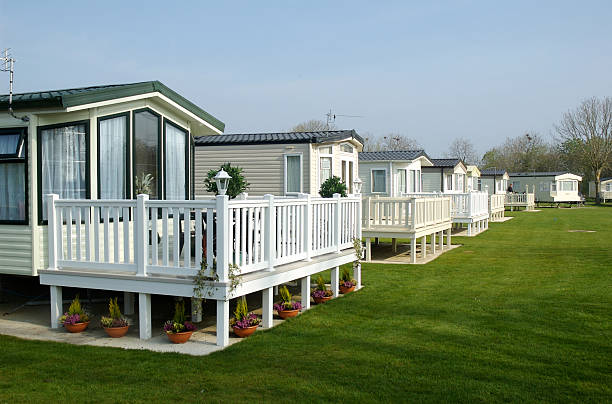
    compare mobile homes and condos

    1. Initial Cost: Mobile Homes vs. Condos

    One of the most important factors when investing in property is the initial cost. In this regard, mobile homes have a distinct advantage over condos.

    A. Mobile Homes: Lower Initial Purchase Price

    Mobile homes are generally much more affordable than condos, making them an appealing choice for first-time buyers, retirees, or those looking for a low-cost investment. Depending on the size, location, and age of the home, a mobile home in Florida can cost anywhere from $20,000 to $100,000 or more. This makes mobile homes an accessible entry point for those who may not have the capital to invest in a more expensive property type.

    B. Condos: Higher Purchase Price

    In contrast, condos in Florida are more expensive, with prices ranging from $150,000 to $500,000 or more, depending on location and amenities. Condos in desirable areas, such as Miami Beach or Naples, can reach well into the millions. While condos may have higher resale value and appreciation over time, the upfront cost can be a significant hurdle for investors or homebuyers on a tight budget.

    2. Ownership Structure and Land Considerations

    The ownership structure is another critical difference between mobile homes and condos, and it can have long-term financial implications for buyers.

    A. Mobile Homes: Leased vs. Owned Land

    Most mobile homes in Florida are located on leased land within mobile home parks, although some are on privately owned lots. When buying a mobile home on leased land, you own the home itself but pay a monthly lot rent, which can range from $300 to $1,000 depending on the park and location. One advantage of leased land is the lower initial cost, but you must factor in the ongoing lot rent, which can rise over time. Alternatively, owning both the mobile home and the land can offer greater long-term financial security, but such properties are rarer and often come at a higher price.

    B. Condos: Shared Ownership and HOA Fees

    When you purchase a condo, you own the unit itself but share ownership of the common areas, such as hallways, swimming pools, and parking lots, with other residents. Condo ownership also comes with homeowner association (HOA) fees, which typically cover maintenance, security, and amenities. These fees can range from $200 to $1,000 per month, depending on the complexity of the services offered. HOA fees are in addition to your mortgage and property taxes, so they must be factored into your overall budget.

    3. Living Experience: Community and Amenities

    Both mobile home parks and condo communities offer unique living experiences, with amenities and community activities varying based on the type of property.

    A. Mobile Homes: Relaxed, Community-Oriented Living

    Mobile home parks in Florida often provide a sense of community, especially in 55+ parks where retirees enjoy social activities, clubhouses, and communal spaces. These parks tend to have a relaxed atmosphere, making them ideal for those seeking a quiet, low-maintenance lifestyle. Many parks also offer amenities such as pools, shuffleboard courts, and golf courses. However, mobile home living can sometimes come with restrictions or rules about the condition of your property, landscaping, and the number of visitors.

    B. Condos: More Amenities but Less Personalization

    Condo communities, especially those in urban or upscale areas, typically offer more extensive amenities such as fitness centers, tennis courts, swimming pools, and even concierge services. However, living in a condo often comes with stricter regulations, including noise restrictions, pet policies, and limits on property modifications. Condo living is generally more structured, making it suitable for people who want a more organized environment with modern amenities, but less appealing for those who value personal freedom and space.

    4. Monthly Costs: Lot Rent, HOA Fees, and Utilities

    Beyond the initial investment, ongoing monthly expenses play a significant role in determining the financial feasibility of owning a mobile home versus a condo.

    A. Mobile Homes: Lot Rent and Utilities

    If your mobile home is on leased land, monthly lot rent is a recurring cost, and it can increase over time. In addition to lot rent, mobile home owners are responsible for utilities such as water, electricity, and trash removal. Some mobile home parks bundle these services into the lot rent, but many do not. Furthermore, you may have to pay for any necessary maintenance or repairs to your home, which can add to your expenses.

    B. Condos: HOA Fees and Additional Costs

    In condos, HOA fees can cover utilities like water and trash, as well as the cost of maintaining common areas and amenities. However, condo owners are responsible for their own electricity, internet, and other utilities. Additionally, some condo associations charge special assessments to fund major repairs or renovations to the building. These can be unexpected and costly, adding to the long-term financial burden of owning a condo.

    5. Maintenance and Upkeep: Who’s Responsible?

    Maintenance responsibilities differ significantly between mobile homes and condos, and this can impact both your lifestyle and your financial outlook.

    A. Mobile Homes: DIY or Hire a Contractor

    For mobile home owners, most of the maintenance falls on your shoulders, whether it’s fixing a leaky roof, maintaining the exterior, or landscaping. While mobile homes are generally easier and cheaper to maintain than traditional homes, repairs can still be costly, especially if the home is older. Some mobile home parks offer maintenance services for a fee, but these are usually limited to basic tasks like lawn care.

    B. Condos: Maintenance Covered by HOA

    One of the advantages of condo living is that the exterior maintenance, including roof repairs, landscaping, and pool maintenance, is typically covered by the HOA. This can save condo owners both time and money on repairs and upkeep. However, interior maintenance is the owner’s responsibility, and special assessments can sometimes arise for major building repairs or renovations, adding to your financial obligations.

    6. Resale Value and Appreciation: Mobile Homes vs. Condos

    Another important consideration for potential investors is the resale value and appreciation potential of mobile homes versus condos.

    A. Mobile Homes: Depreciation

    Mobile homes, especially those on leased land, generally depreciate over time. While some mobile homes located on owned land may appreciate slightly, the general rule is that mobile homes are not long-term appreciating assets. This can make mobile homes less attractive as investments compared to condos. However, because they are more affordable upfront, they can be a good option for those seeking an inexpensive living situation rather than a high-return investment.

    B. Condos: Appreciation Potential

    Condos, especially those in desirable areas like Miami, Sarasota, or Naples, tend to appreciate over time, making them a better option for investors looking for long-term value growth. The appreciation of condos is driven by location, demand, and the overall real estate market in Florida. Additionally, well-maintained condos with attractive amenities can command higher resale prices, making them a potentially lucrative investment for the future.

    7. Taxes and Insurance: What to Expect

    Both mobile homes and condos come with their own tax and insurance requirements, which can influence your overall investment decision.

    A. Mobile Homes: Lower Property Taxes, Higher Insurance

    Mobile homes, especially those on leased land, typically have lower property taxes than condos, as you are only taxed on the value of the home and not the land. However, homeowners’ insurance for mobile homes can be more expensive, particularly in areas prone to hurricanes or flooding. Depending on the location, you may also need to purchase additional flood or windstorm insurance, which can add to your costs.

    B. Condos: Higher Property Taxes, Lower Insurance

    Because condo owners own their units, they pay property taxes on both the unit and their share of the common areas. Property taxes for condos in Florida can be higher, especially in more desirable locations. However, insurance costs tend to be lower for condos, as the building’s exterior is usually covered by the condo association’s master insurance policy. Condo owners generally only need to insure the interior of their units and their personal belongings.

    Conclusion: Which Is the Better Investment?

    Deciding between a mobile home and a condo in Florida ultimately depends on your financial goals, lifestyle preferences, and long-term plans.

    • Mobile homes are an affordable housing option, offering flexibility, lower upfront costs, and a strong sense of community. However, they may not appreciate significantly in value, and ongoing lot rent can add up over time. If your primary goal is affordable living rather than investment growth, a mobile home may be the better choice.
    • Condos, while more expensive upfront, tend to appreciate over time and offer more extensive amenities and a more structured living experience. If you are seeking an investment that could increase in value, with less personal responsibility for maintenance, a condo may be the better option.

    Ultimately, the right choice depends on your financial situation, lifestyle, and long-term objectives. Both mobile homes and condos offer unique benefits, so weigh your options carefully to make the best decision for your future in Florida.


    See Also:

  • How to Find the Perfect Mobile Home Lot in Florida: Location, Size, and Rent Considerations

    Mobile homes have become an increasingly popular housing option in Florida, offering affordability, flexibility, and access to a wide range of communities. However, finding the perfect mobile home lot can be a crucial decision that impacts your living experience, long-term costs, and even the resale value of your home. This guide will help you navigate the process of selecting the ideal mobile home lot in Florida by focusing on key factors such as location, lot size, rent, and community features.

    mobile home lot florida

    1. Location: The First and Most Important Factor

    When it comes to buying a mobile home, location is a critical factor—just as it is in traditional real estate. Florida is a diverse state with a range of environments, from coastal areas to inland rural settings. Choosing the right location for your mobile home lot depends on your lifestyle preferences, job, and family needs.

    A. Urban vs. Rural Areas

    • Urban Areas: If you prefer being close to shopping centers, restaurants, hospitals, and entertainment, urban areas like Miami, Tampa, or Orlando may be ideal. Urban mobile home parks in these regions typically offer convenient access to public transportation and are closer to major highways. However, these lots may come at a higher price point, both in terms of purchase price and monthly lot rent.
    • Rural Areas: On the other hand, rural areas like Ocala, Sebring, or the Florida Panhandle provide quieter living environments with more space and nature. Lots in rural communities tend to be more affordable, but you might sacrifice proximity to certain amenities, like grocery stores or healthcare facilities.

    B. Climate and Weather Considerations

    Florida’s weather is a significant factor to consider. Coastal areas are more prone to hurricanes, which could require additional preparation, such as storm shutters or elevated foundations. Inland areas tend to have lower risks of hurricane damage but can be prone to flooding during heavy rains.

    C. Proximity to Work and Family

    Living close to work, family, and other important places like schools or hospitals can dramatically improve your quality of life. Before selecting a lot, consider the commute time to your job or family, as well as the availability of nearby public services. For retirees, proximity to healthcare facilities might be a top priority.

    2. Lot Size: How Much Space Do You Really Need?

    Another critical factor when choosing the perfect mobile home lot is the size of the lot. Mobile home lots in Florida can vary in size, from small compact spaces in densely populated parks to large, spacious lots in rural areas.

    A. Single-Wide vs. Double-Wide Mobile Homes

    • Single-Wide Mobile Homes: If you’re considering a single-wide mobile home, you will require less lot space. Single-wides are typically 14 to 18 feet wide and 66 to 90 feet long, which can comfortably fit on smaller lots. These lots are usually more affordable and may be found in both urban and rural parks.
    • Double-Wide Mobile Homes: Double-wide homes are larger, typically 20 to 32 feet wide and 66 to 90 feet long. You’ll need a larger lot to accommodate the extra space. Be sure to measure both the width and length of the lot before committing, especially if you plan on adding a porch, shed, or carport.

    B. Outdoor Space Considerations

    Outdoor space is an essential consideration for many mobile home owners. Do you want room for a garden, a deck, or even a pool? Large lots provide more flexibility for outdoor living and leisure, which is particularly important in sunny Florida. Additionally, larger lots tend to offer more privacy, which could enhance your quality of life.

    C. Lot Layout and Utility Access

    When selecting a lot, ensure that it has proper access to utilities such as water, sewage, and electricity. Consider the layout of the lot and whether it can accommodate these utilities without needing extensive infrastructure upgrades. Also, check the positioning of the home on the lot, ensuring there’s enough space for driveways, parking, or outdoor recreational areas.

    3. Rent Considerations: What Does Lot Rent Include?

    In Florida, many mobile home lots are leased rather than purchased, which means you’ll likely be paying monthly lot rent. Understanding the cost of lot rent and what it includes is crucial in finding the right lot for your budget.

    A. Average Lot Rent in Florida

    Lot rent varies greatly depending on the location and the amenities provided by the community. In more urban and desirable areas, lot rent can range from $600 to $1,000 or more per month. In rural areas, it might be as low as $300 to $500 per month. It’s important to budget for this monthly expense, as it will be a long-term commitment.

    B. What’s Included in Lot Rent?

    Not all lot rents are created equal. Some mobile home parks include basic utilities like water, sewage, and trash collection in the rent, while others charge extra for these services. In addition, many mobile home parks in Florida offer community amenities such as:

    • Clubhouses
    • Swimming pools
    • Fitness centers
    • Security services
    • Landscaping and maintenance

    Before committing to a lot, ask for a breakdown of what is included in the lot rent to avoid any surprise expenses.

    C. Rent Increases and Lease Terms

    Another factor to consider is the possibility of rent increases. Some mobile home parks raise lot rent periodically, so be sure to ask about the frequency and percentage of rent increases. Also, review the lease agreement carefully to understand the terms and conditions. Look for provisions related to rent stability, which may protect you from sudden, significant rent hikes.

    4. Community Features: What Makes the Park Feel Like Home?

    Choosing the right mobile home lot isn’t just about space and cost—it’s also about finding the right community. Florida is home to many mobile home parks that offer a variety of lifestyle options, from quiet, family-friendly communities to active 55+ retirement communities.

    A. Family-Friendly vs. 55+ Communities

    • Family-Friendly Communities: If you have a family, look for parks that offer kid-friendly amenities like playgrounds, schools, and recreational spaces. Family-friendly mobile home parks also tend to have more flexible rules regarding pets and outdoor activities.
    • 55+ Communities: If you’re a retiree or empty-nester, consider 55+ communities. These age-restricted parks often have more relaxed living environments with amenities catering to retirees, such as golf courses, swimming pools, and social clubs. These parks tend to have lower traffic and more quiet hours, making them ideal for those seeking peace.

    B. Park Rules and Regulations

    Every mobile home park in Florida has its own set of rules and regulations, which can vary greatly. Some parks have strict guidelines regarding landscaping, home maintenance, and even exterior decorations. It’s important to review these rules before purchasing a lot to ensure that the park’s culture aligns with your lifestyle. If you value independence and flexibility, look for parks with more relaxed regulations.

    C. Community Activities and Social Events

    If socializing and community involvement are important to you, seek parks that offer frequent activities, such as potlucks, bingo nights, or group outings. These events can help you build connections with your neighbors and enhance your overall living experience.

    5. Accessibility and Convenience: What’s Nearby?

    One of the most important factors in selecting a mobile home lot is the proximity to essential services and conveniences. Whether you’re living in Florida year-round or as a seasonal resident, it’s crucial to find a location that offers easy access to shopping, healthcare, and entertainment.

    A. Nearby Grocery Stores and Shopping Centers

    Living close to grocery stores, pharmacies, and retail outlets can save you time and hassle. Consider how often you shop for groceries or essentials and choose a lot that offers convenient access to these stores.

    B. Healthcare Facilities

    For retirees or those with health concerns, proximity to healthcare services is critical. Ensure that you have access to nearby hospitals, urgent care centers, or doctor’s offices in case of emergencies or regular medical needs.

    C. Recreational Activities

    Florida is known for its recreational activities, such as golfing, boating, and beach-going. If you have a hobby or activity that’s important to you, choose a mobile home lot that offers easy access to your favorite pastimes. Many mobile home parks in Florida are located near golf courses, state parks, and beaches, which can add tremendous value to your lifestyle.

    Conclusion

    Choosing the perfect mobile home lot in Florida involves a combination of personal preferences, practical considerations, and long-term financial planning. By carefully evaluating factors such as location, lot size, rent, community amenities, and nearby conveniences, you can find a lot that perfectly suits your needs and enhances your mobile home living experience. Take your time, research multiple parks and lots, and don’t hesitate to ask questions. The right lot is out there—now it’s time to find it!


    See Also:


  • Why Mobile Homes in Florida Are Gaining Popularity Among Millennials

    In recent years, mobile homes have gained significant traction among millennials, particularly in sunny Florida. With its vibrant culture, outdoor lifestyle, and affordable living options, Florida is becoming a hotspot for young adults looking for a place to call home. This article explores the various factors contributing to the growing popularity of mobile homes among millennials in the Sunshine State, highlighting their advantages and the changing perceptions surrounding this housing option.

    mobile home for millennials

    1. Affordability in a High-Cost Market

    One of the most compelling reasons millennials are turning to mobile homes in Florida is affordability. With rising housing prices in urban areas, traditional homeownership has become increasingly unattainable for many young adults. Mobile homes offer a more budget-friendly alternative, allowing millennials to enter the housing market without breaking the bank.

    a. Lower Initial Costs

    The initial purchase price of a mobile home is significantly lower than that of a conventional home. Many mobile homes can be purchased for less than $100,000, which is a stark contrast to the median home prices in Florida’s major cities, which often exceed $300,000. This lower price point makes mobile homes an attractive option for millennials looking to own property.

    b. Reduced Maintenance Costs

    Mobile homes typically have lower maintenance costs compared to traditional homes. The smaller size and simplified structure mean less upkeep, allowing homeowners to save money and time. This is particularly appealing to millennials who may be juggling student loans, starting careers, and other financial responsibilities.

    2. Flexibility and Mobility

    Millennials value flexibility in their lifestyles, and mobile homes offer the perfect solution. Many young adults are hesitant to commit to a long-term mortgage, preferring options that allow for relocation as their personal and professional lives evolve.

    a. Mobility Options

    Mobile homes, by design, can be relocated more easily than traditional homes. For millennials who may need to move for job opportunities, travel, or personal reasons, this mobility is a significant advantage. The ability to pick up and move can provide peace of mind, especially in a rapidly changing job market.

    b. Diverse Living Arrangements

    Mobile homes can be situated in various settings, from mobile home parks to private lots. This diversity allows millennials to choose a living arrangement that suits their lifestyle, whether they prefer a community atmosphere or more solitude. Additionally, many mobile home parks in Florida offer amenities like swimming pools, clubhouses, and recreational activities, fostering a sense of community that millennials value.

    3. Emphasis on Sustainability

    As concerns about the environment continue to grow, millennials are increasingly prioritizing sustainability in their housing choices. Mobile homes, especially newer models, often feature eco-friendly materials and energy-efficient designs.

    a. Energy Efficiency

    Modern mobile homes are often built with energy-efficient systems, such as better insulation, energy-efficient windows, and appliances that reduce energy consumption. This aligns with millennials’ desire to live sustainably and lower their carbon footprint, making mobile homes an attractive option for environmentally conscious buyers.

    b. Smaller Footprint

    Living in a mobile home often means embracing a simpler lifestyle with a smaller physical footprint. This minimalism resonates with many millennials, who are drawn to the idea of reducing their consumption and living more intentionally. The smaller living space encourages creativity in design and organization, allowing for a more clutter-free life.

    4. Community and Lifestyle

    Millennials are known for valuing experiences and community. Many mobile home parks in Florida foster a strong sense of community and offer various recreational activities, appealing to young adults looking for an active lifestyle.

    a. Community Engagement

    Mobile home communities often host events, gatherings, and activities that promote social interaction among residents. This sense of belonging can be particularly appealing for millennials who may be moving to a new area and seeking connection with others.

    b. Access to Outdoor Activities

    Florida’s climate and natural beauty provide ample opportunities for outdoor activities. Many mobile home communities are located near beaches, parks, and recreational areas, making it easy for residents to enjoy the outdoors. This accessibility to nature aligns with millennials’ preference for an active lifestyle and encourages a healthier way of living.

    5. Changing Perceptions

    The stigma surrounding mobile homes has begun to dissipate as more people recognize their advantages. Millennials are leading this change by embracing mobile home living as a viable and desirable option.

    a. Modern Design and Features

    Many newer mobile homes come equipped with modern designs, open floor plans, and high-quality finishes that rival traditional homes. This shift in design has helped change perceptions, showing that mobile homes can be stylish, comfortable, and functional.

    b. Increased Media Representation

    The rise of social media and television shows focused on tiny homes and alternative living arrangements has contributed to a more positive perception of mobile homes. As millennials see their peers successfully living in mobile homes, the idea becomes more mainstream and appealing.

    6. Financing Options

    Financing a mobile home can sometimes be more accessible than securing a mortgage for a traditional home. Various financing options are available specifically for mobile homes, making them an attractive option for millennials.

    a. Lower Down Payments

    Many mobile home loans require lower down payments compared to traditional mortgages. This is particularly beneficial for millennials who may not have significant savings but still want to invest in homeownership.

    b. Government Programs

    Several government-backed programs offer financing for mobile homes, including the Federal Housing Administration (FHA) loans. These programs can make it easier for first-time homebuyers to secure financing, making mobile homes a more accessible option for millennials.

    7. Investment Opportunities

    As the real estate market continues to evolve, millennials are increasingly viewing mobile homes as investment opportunities. The potential for rental income and appreciation in value makes mobile homes an attractive option for those looking to build wealth.

    a. Rental Income Potential

    Many millennials are considering purchasing mobile homes as rental properties. With the demand for affordable housing on the rise, investing in a mobile home can provide a steady stream of rental income. This opportunity aligns with millennials’ desire to create passive income streams and build financial stability.

    b. Value Appreciation

    As the popularity of mobile homes continues to grow, many young adults recognize the potential for value appreciation. With careful consideration of location and property management, investing in a mobile home can yield significant returns over time.

    8. Conclusion

    The increasing popularity of mobile homes among millennials in Florida is a multifaceted trend driven by affordability, flexibility, sustainability, community, and changing perceptions. As young adults navigate the complexities of modern life, mobile homes offer an appealing solution that aligns with their values and lifestyle preferences.

    With the added benefits of lower maintenance costs, access to outdoor activities, and investment opportunities, mobile homes are becoming an attractive option for millennials looking to establish roots in Florida. As the housing market continues to evolve, it’s clear that mobile homes will play a significant role in shaping the future of homeownership for the next generation.


    See Also:

  • The Best Upgrades to Increase the Resale Value of Your Florida Mobile Home

    Florida’s vibrant lifestyle and diverse communities make it an attractive place for mobile home living. Whether you’re looking to sell your mobile home soon or want to increase its resale value over time, investing in the right upgrades can significantly enhance its appeal and marketability. This article outlines the best upgrades to consider for your Florida mobile home, helping you maximize its value while ensuring comfort and functionality.

    mobile home upgrades

    1. Improve Curb Appeal

    First impressions matter, especially when it comes to real estate. Improving your mobile home’s curb appeal can make a significant difference in attracting potential buyers.

    a. Landscaping

    Invest in landscaping to create a welcoming atmosphere. Consider planting native Florida plants that require less maintenance and are resistant to local pests. Adding colorful flowers, shrubs, and ornamental grasses can enhance visual appeal.

    b. Exterior Paint

    A fresh coat of paint can work wonders for your mobile home’s appearance. Choose light, neutral colors that reflect Florida’s sunny vibe. Ensure that the paint is weather-resistant to withstand humidity and UV exposure.

    c. Upgraded Skirting

    The skirting around your mobile home plays a crucial role in its aesthetic appeal. Consider replacing old, damaged skirting with vinyl or decorative skirting that enhances your home’s exterior.

    2. Modernize the Kitchen

    The kitchen is often considered the heart of the home. Upgrading this space can greatly increase your mobile home’s resale value.

    a. Cabinetry

    Consider refacing or replacing old cabinets to give your kitchen a fresh look. Opt for modern styles and colors that appeal to buyers. Adding new hardware, such as handles and knobs, can also enhance the cabinets’ appearance without a complete overhaul.

    b. Countertops

    Upgrading countertops can dramatically improve the kitchen’s overall look. Materials like granite, quartz, or even solid surface options provide durability and a modern aesthetic.

    c. Energy-Efficient Appliances

    Replacing outdated appliances with energy-efficient models not only attracts buyers but also appeals to eco-conscious consumers. Look for stainless steel appliances that complement your kitchen’s decor while offering energy savings.

    3. Upgrade Bathrooms

    Bathrooms are another critical area that can influence resale value. Consider these upgrades to modernize your mobile home’s bathrooms:

    a. Fixtures and Faucets

    Replacing old faucets, showerheads, and bathroom fixtures with modern, stylish options can significantly enhance the space’s appeal. Opt for water-efficient models to attract buyers looking for eco-friendly options.

    b. Tile and Flooring

    Updating the flooring with vinyl, tile, or laminate can create a fresh, clean look. Consider installing new tile in the shower or around the bathtub for an upscale feel. Light-colored tiles can make the space appear larger and more inviting.

    c. Vanity and Lighting

    A new vanity with a stylish sink can transform the bathroom. Upgrading lighting fixtures to energy-efficient LED options can enhance brightness while lowering electricity costs.

    4. Enhance Energy Efficiency

    Energy efficiency is a significant selling point for mobile homes in Florida. Not only does it attract eco-conscious buyers, but it also results in lower utility bills.

    a. Insulation

    Ensure that your mobile home is adequately insulated. Consider adding insulation to walls, floors, and the roof to keep your home comfortable year-round. This can also help reduce energy costs, which is appealing to potential buyers.

    b. Windows

    Upgrading to energy-efficient windows can greatly improve insulation and reduce energy bills. Look for double-pane windows that provide better insulation and UV protection.

    c. HVAC Systems

    Consider upgrading your heating, ventilation, and air conditioning (HVAC) system to a more energy-efficient model. Regular maintenance and cleaning can also prolong the life of your existing system.

    5. Expand Living Space

    Increasing the livable square footage of your mobile home can significantly enhance its value.

    a. Decks and Patios

    Adding a deck or patio not only expands your living space but also provides an outdoor area for relaxation and entertainment. Use weather-resistant materials to ensure longevity and low maintenance.

    b. Screened Porches

    In Florida, a screened porch is an attractive feature that allows residents to enjoy the outdoors without worrying about insects. This upgrade adds valuable living space and enhances your home’s appeal.

    c. Room Additions

    If possible, consider adding a room or expanding existing spaces. A guest bedroom, office, or additional bathroom can make your mobile home more appealing to larger families or remote workers.

    6. Modernize Flooring

    Upgrading flooring throughout your mobile home can have a significant impact on its overall look and feel.

    a. Laminate or Vinyl Flooring

    Consider replacing carpet with laminate or vinyl flooring for a modern, clean look. These materials are easy to maintain, resistant to moisture, and available in various styles to suit your taste.

    b. Tile in High-Moisture Areas

    Installing tile in bathrooms and kitchens can prevent water damage and mold growth while adding a touch of elegance. Choose slip-resistant tiles to ensure safety in wet areas.

    7. Upgrade Technology and Security

    In today’s tech-driven world, modern technology and security features can make your mobile home more appealing.

    a. Smart Home Features

    Consider installing smart home technology, such as smart thermostats, lighting systems, and security cameras. These features appeal to tech-savvy buyers looking for convenience and energy efficiency.

    b. Security Systems

    Installing a modern security system can increase your home’s safety and value. Consider options that include doorbell cameras, motion detectors, and smart locks.

    8. Create an Outdoor Living Area

    Outdoor living spaces are highly desirable in Florida’s climate. Enhancing your outdoor areas can boost your mobile home’s appeal.

    a. Landscaping Enhancements

    Beyond basic landscaping, consider adding features like pathways, decorative stones, or garden beds to create a more inviting outdoor space.

    b. Outdoor Furniture

    Investing in durable, weather-resistant outdoor furniture can enhance your outdoor living area. Create a comfortable space for relaxation and gatherings.

    c. Fire Pits or BBQ Areas

    Adding a fire pit or designated BBQ area can attract buyers looking for outdoor entertainment options. Ensure these features are well-placed and compliant with local regulations.

    9. Maintenance and Repairs

    Regular maintenance and repairs are essential to keeping your mobile home in good condition. Addressing issues promptly can prevent costly problems down the line.

    a. Routine Inspections

    Conduct routine inspections of your mobile home to identify any issues that need addressing. Pay attention to plumbing, electrical systems, and structural components.

    b. Paint Touch-Ups

    Keep the exterior and interior of your mobile home looking fresh with regular paint touch-ups. Address any peeling or chipping paint promptly.

    c. Clean Gutters and Roofs

    Ensure that gutters are clear of debris and that your roof is free from leaks and damage. Regular cleaning and maintenance can prolong the life of these essential components.

    10. Choose the Right Selling Strategy

    When it comes time to sell your mobile home, having a solid selling strategy is key to maximizing your resale value.

    a. Work with a Realtor

    Consider working with a real estate agent specializing in mobile home sales. They can provide valuable insights into the local market and help you price your home competitively.

    b. Market Effectively

    Use high-quality photos and compelling descriptions in your listings. Highlight the upgrades and features that make your mobile home unique.

    c. Be Flexible with Showings

    Make your mobile home available for showings at various times to accommodate potential buyers’ schedules. The more accessible your home is, the higher the chances of selling it quickly.

    Conclusion

    Upgrading your mobile home can significantly enhance its resale value and make it more appealing to potential buyers in Florida’s competitive market. By focusing on curb appeal, modernizing key areas like the kitchen and bathroom, improving energy efficiency, and creating inviting outdoor spaces, you can create a home that stands out.

    Remember, investing in upgrades not only increases your home’s value but also enhances your living experience. As you make improvements, keep in mind the preferences of the Florida market and the needs of potential buyers. By following these guidelines, you can maximize the resale value of your mobile home and enjoy the benefits of your investments for years to come.

    See Also:


  • A Guide to Mobile Home Maintenance in Florida’s Humid Climate

    Florida is known for its beautiful beaches, vibrant culture, and, of course, its humid subtropical climate. While this climate can be a delight for outdoor enthusiasts and beachgoers, it can also pose unique challenges for mobile homeowners. Humidity, heat, and seasonal storms can take a toll on your mobile home, making regular maintenance essential for preserving its longevity and ensuring your comfort. This guide will provide you with practical tips for maintaining your mobile home in Florida’s humid climate, from preventative measures to seasonal upkeep.

    mobile home maintenance

    Understanding Florida’s Humid Climate

    Before diving into maintenance tips, it’s essential to understand the specific challenges posed by Florida’s climate:

    1. High Humidity: Florida’s humidity levels often exceed 70%, creating a breeding ground for mold, mildew, and rust. This can lead to health issues and structural damage if not managed properly.
    2. Heat and UV Exposure: The intense Florida sun can cause wear and tear on roofing materials, siding, and outdoor fixtures, leading to premature aging and damage.
    3. Storm Season: Florida’s hurricane season, from June to November, brings heavy rain and strong winds, making it crucial to prepare your mobile home for potential storm damage.
    4. Pests: The warm climate can attract pests like termites, ants, and rodents, which can cause significant damage to your home if left unchecked.

    Essential Maintenance Tips

    To protect your mobile home from the unique challenges of Florida’s humid climate, consider the following maintenance tips:

    1. Regular Inspections

    Conduct regular inspections of your mobile home to identify any signs of damage or wear. Focus on the following areas:

    • Roof: Check for leaks, missing shingles, or sagging areas. Inspect seams and flashing to ensure they are intact.
    • Siding: Look for signs of mold, mildew, or peeling paint. Clean siding regularly to prevent dirt buildup and damage.
    • Windows and Doors: Inspect seals around windows and doors to ensure they are watertight and energy-efficient. Replace any damaged or cracked window panes.
    • Foundation: Check for cracks or settling in the foundation. Ensure that skirting is in good condition and securely fastened.

    2. Combating Humidity and Mold

    Humidity can lead to mold and mildew growth, which poses health risks and damages your home. Here are some strategies to combat humidity:

    • Ventilation: Ensure that your mobile home is well-ventilated. Use exhaust fans in kitchens and bathrooms to reduce moisture buildup. Consider installing vents in areas prone to moisture, such as attics and crawl spaces.
    • Dehumidifiers: Invest in a dehumidifier to help control indoor humidity levels. Aim to keep humidity below 50% to reduce mold growth.
    • Regular Cleaning: Clean and dry any areas where moisture accumulates, such as bathrooms and kitchens. Use mold-resistant cleaning products to keep surfaces free of mold and mildew.
    • Inspect and Clean AC Units: Air conditioning units can also collect moisture. Inspect and clean filters regularly to ensure proper airflow and reduce humidity.

    3. Protecting Your Roof

    Florida’s intense sun and rain can significantly affect your mobile home’s roof. Regular maintenance is crucial to extend its life:

    • Routine Cleaning: Clean your roof regularly to remove debris, leaves, and dirt. This prevents clogging and damage to gutters and downspouts.
    • Seal Leaks Promptly: Inspect the roof for leaks and seal any cracks or holes with appropriate roofing sealants. Consider using a professional roofing contractor for significant repairs.
    • Install a Reflective Coating: Consider applying a reflective coating to your roof to reduce heat absorption. This can help keep your home cooler and protect roofing materials from UV damage.

    4. Maintenance of Plumbing and Electrical Systems

    High humidity can impact plumbing and electrical systems in your mobile home. Here are some tips to keep them in good condition:

    • Inspect Pipes and Fittings: Check pipes for leaks or corrosion. Insulate pipes in unconditioned spaces to prevent condensation and freezing.
    • Test GFCI Outlets: Ground Fault Circuit Interrupter (GFCI) outlets are crucial in humid environments. Regularly test these outlets to ensure they function properly.
    • Clean Air Filters: Change air filters in HVAC systems every one to three months. Clogged filters reduce airflow and increase energy costs.

    5. Exterior Maintenance

    The exterior of your mobile home is your first line of defense against the elements. Regular maintenance is crucial:

    • Power Wash Siding: Clean your mobile home’s siding at least once a year using a power washer to remove dirt, mold, and mildew.
    • Paint and Seal: Apply a fresh coat of paint to protect siding and prevent moisture infiltration. Use weather-resistant paint designed for high humidity.
    • Inspect Skirting: Ensure that skirting is intact and securely fastened. Repair or replace any damaged panels to protect your home from pests and moisture.

    6. Preparing for Hurricane Season

    With Florida’s hurricane season looming, it’s crucial to prepare your mobile home to withstand severe weather:

    • Secure Loose Items: Store or secure any outdoor furniture, decorations, or tools to prevent them from becoming projectiles during strong winds.
    • Install Hurricane Straps: Use hurricane straps to secure your mobile home to its foundation. This can provide additional stability during high winds.
    • Check Insurance Policies: Review your insurance coverage to ensure you have adequate protection against hurricane damage. Consider flood insurance, as many areas in Florida are prone to flooding.

    7. Pest Control

    Pests can wreak havoc on mobile homes, particularly in humid environments. Here are some pest control strategies:

    • Seal Entry Points: Inspect your home for gaps, cracks, or holes that pests could use to enter. Seal these openings to prevent infestations.
    • Regular Inspections: Conduct regular inspections for signs of pest activity. Look for droppings, nests, and damage to wood or insulation.
    • Professional Pest Control: Consider hiring a professional pest control service for regular treatments and inspections, especially if you notice signs of infestations.

    8. Landscaping and Drainage

    Proper landscaping and drainage can help protect your mobile home from water damage and soil erosion:

    • Maintain Gutters: Ensure that gutters and downspouts are clear and directing water away from the foundation of your mobile home.
    • Proper Grading: Ensure that the ground around your mobile home is graded to slope away from the foundation, preventing water accumulation.
    • Choose Native Plants: When landscaping, choose plants that thrive in Florida’s climate and require less water. Native plants are often more resistant to pests and diseases.

    Conclusion

    Maintaining a mobile home in Florida’s humid climate requires diligence and attention to detail. Regular inspections, preventative measures, and seasonal upkeep can significantly extend the life of your home and enhance your living experience. By understanding the unique challenges of Florida’s climate and following these maintenance tips, you can ensure that your mobile home remains a comfortable and safe haven for years to come.

    Whether you’re a new mobile homeowner or have been living in your mobile home for years, prioritizing maintenance will help you avoid costly repairs and enjoy all the benefits of living in Florida. Remember, a little proactive care can go a long way in protecting your investment and enhancing your quality of life in the Sunshine State.

    See Also:

  • Renting vs. Buying a Mobile Home in Florida: Which is Better?
    As the Sunshine State continues to attract new residents with its warm climate, beautiful beaches, and vibrant lifestyle, mobile homes have emerged as a popular housing option. With affordability, flexibility, and a sense of community, mobile homes offer an appealing alternative to traditional housing. If you’re considering entering the mobile home market in Florida, you may find yourself weighing the benefits of renting versus buying. This article will explore the pros and cons of each option, helping you make an informed decision that aligns with your lifestyle and financial goals.

    renting vs buying a mobile home

    Understanding the Mobile Home Market in Florida

    Before diving into the specifics of renting and buying, it’s essential to understand the mobile home market in Florida. The state boasts a diverse range of mobile home communities, from those near bustling cities to serene locations near nature and recreational areas. The cost of mobile homes can vary significantly depending on the location, age, and condition of the home. In general, buying a mobile home can be more affordable than purchasing a traditional home, making it an attractive option for many buyers.

    Pros and Cons of Renting a Mobile Home

    Renting a mobile home can be a flexible and less financially burdensome option for many people. Here are some of the key benefits and drawbacks of renting:

    Pros of Renting

    1. Lower Upfront Costs: Renting typically requires less initial investment than buying. Most rental agreements require a security deposit and the first month’s rent, making it easier to move in without a significant financial commitment.
    2. Flexibility: Renting provides more flexibility to relocate if your circumstances change. Whether you’re moving for work, family, or simply seeking a new lifestyle, renting allows you to adapt without the burden of selling a property.
    3. No Maintenance Responsibilities: As a renter, you generally won’t be responsible for repairs and maintenance. If something breaks or needs fixing, the landlord or property management typically handles the repairs, freeing you from unexpected expenses.
    4. Access to Amenities: Many mobile home communities offer amenities like pools, clubhouses, and recreational activities, which can enhance your living experience without additional costs.

    Cons of Renting

    1. No Equity Build-Up: One of the primary downsides of renting is that you won’t build equity over time. Your monthly rent payments contribute to the landlord’s profits rather than your own assets.
    2. Limited Control: Renting may come with restrictions on customizing your living space. You may not be allowed to make significant changes or improvements, which can limit your ability to personalize your home.
    3. Rent Increases: Rent prices may increase when your lease is up for renewal, which can strain your budget and make long-term planning more difficult.
    4. Less Stability: Rental agreements can change or be terminated, potentially leading to instability in your living situation. Landlords may decide to sell the property, resulting in your need to find a new place to live.

    Pros and Cons of Buying a Mobile Home

    Buying a mobile home offers a unique set of advantages and challenges. Let’s look at the key pros and cons of homeownership in the mobile home market.

    Pros of Buying

    1. Equity Build-Up: One of the most significant advantages of buying a mobile home is building equity over time. As you pay off your mortgage, you increase your ownership stake, which can lead to financial growth.
    2. Customization and Control: When you own a mobile home, you have the freedom to customize and renovate the space as you wish. Whether you want to remodel the kitchen, add a deck, or paint the walls, the choice is yours.
    3. Stability: Owning a mobile home provides more stability than renting. You won’t have to worry about unexpected rent increases or changes in ownership that could force you to move.
    4. Tax Benefits: Homeowners may be eligible for tax deductions on mortgage interest and property taxes, providing potential financial benefits compared to renting.

    Cons of Buying

    1. Higher Upfront Costs: Purchasing a mobile home often requires a substantial down payment and closing costs, which can be a significant financial burden upfront.
    2. Ongoing Maintenance Responsibilities: As a homeowner, you’re responsible for repairs and maintenance. This can lead to unexpected expenses that renters may not face.
    3. Market Risk: The mobile home market can fluctuate, and the value of your home may not appreciate as much as traditional homes. If market conditions change, you may find it challenging to sell your home for a profit.
    4. Financing Challenges: Securing financing for a mobile home can be more complex than for traditional homes. Lenders may have stricter requirements, particularly for older mobile homes or those not permanently affixed to land.

    Factors to Consider When Deciding

    Several factors can influence your choice when deciding between renting and buying a mobile home in Florida. Here are some essential considerations to keep in mind:

    1. Financial Situation

    Your current financial situation plays a crucial role in determining whether renting or buying is better for you. If you have sufficient savings for a down payment and can afford monthly mortgage payments, buying may be a wise investment. However, if you’re on a tight budget or are uncertain about long-term financial commitments, renting may be the better option.

    2. Long-Term Plans

    Consider your long-term plans when making your decision. If you plan to stay in Florida for an extended period and want to build equity, buying may be advantageous. However, if you’re unsure about your future or anticipate moving within a few years, renting provides the flexibility to relocate without the hassle of selling a property.

    3. Lifestyle Preferences

    Your lifestyle preferences and needs should also factor into your decision. If you enjoy the freedom to customize your living space and take pride in homeownership, buying a mobile home may suit you. On the other hand, if you prefer a low-maintenance lifestyle with access to community amenities, renting may be a better fit.

    4. Market Conditions

    Research the local mobile home market in the area you’re considering. In some regions, mobile home prices may be rising, making buying a more attractive option. Conversely, if the rental market is competitive with reasonable prices, renting could be more appealing.

    5. Community Amenities

    Evaluate the mobile home communities you’re considering. Many offer amenities that can enhance your living experience, such as swimming pools, fitness centers, and social activities. These factors can play a significant role in your decision-making process.

    Conclusion

    Ultimately, the decision to rent or buy a mobile home in Florida depends on your financial situation, long-term plans, lifestyle preferences, and market conditions. Renting provides flexibility and lower upfront costs, making it an excellent choice for those seeking a temporary living situation. On the other hand, buying offers the opportunity to build equity and customize your space, making it ideal for those who plan to settle down.

    Whichever option you choose, conducting thorough research and evaluating your circumstances carefully is essential. With the right approach, both renting and buying can lead to a fulfilling living experience in the beautiful state of Florida. As you weigh your options, consider consulting with local real estate experts and financial advisors to help you make the most informed decision.


    See Also:

  • How to Qualify for Mobile Home Financing in Florida

    Mobile home ownership has become an increasingly popular option for many Floridians seeking affordable housing solutions. The appeal lies not only in the lower purchase prices compared to traditional homes but also in the vibrant communities and lifestyle benefits that come with mobile home living. However, securing financing for a mobile home can be a bit different than obtaining a mortgage for a traditional house. This article will guide you through the steps to qualify for mobile home financing in Florida, providing key insights into what lenders look for and how to improve your chances of approval.

    mobile home financing in Florida

    1. Understanding Mobile Home Financing

    Before diving into the qualification process, it’s essential to understand the different types of mobile home financing available. In Florida, mobile home financing can generally be categorized into two types:

    • Chattel Loans: These loans are used for mobile homes that are not permanently affixed to the land. They are similar to personal loans and usually have shorter terms and higher interest rates.
    • Mortgage Loans: If you purchase a mobile home and the land together, you can qualify for a traditional mortgage. This option typically has lower interest rates and longer terms, making it a more affordable choice in the long run.

    Understanding these options will help you choose the financing route that best fits your situation.

    2. Determine Your Budget

    Before seeking financing, it’s crucial to determine your budget. This includes not only the purchase price of the mobile home but also other related costs such as:

    • Down Payment: Most lenders require a down payment, which can range from 5% to 20% of the home’s value.
    • Monthly Payments: Calculate what you can comfortably afford for monthly payments, including principal, interest, property taxes, and insurance.
    • Ongoing Maintenance Costs: Mobile homes may have different maintenance requirements than traditional homes, so budget for repairs and upkeep.

    Knowing your budget will help you narrow down your search for mobile homes and give you a clear idea of what you can afford.

    3. Check Your Credit Score

    Your credit score is one of the most significant factors lenders consider when approving financing. In Florida, the minimum credit score requirements can vary depending on the type of loan:

    • Chattel Loans: These may require a minimum credit score of around 580 to 620, but having a higher score will help secure better terms.
    • Mortgage Loans: Traditional mortgage loans typically require a credit score of at least 620, but some lenders may consider scores as low as 580.

    To check your credit score, you can use free online services or request a copy of your credit report from the three major credit bureaus: Experian, TransUnion, and Equifax. Regularly monitoring your credit will help you identify any issues that may need addressing before applying for financing.

    4. Improve Your Credit Score

    If your credit score is below the required threshold, don’t worry; there are steps you can take to improve it before applying for financing:

    • Pay Down Debt: Lowering your credit card balances and paying off any outstanding loans can improve your credit utilization ratio, which is a significant factor in determining your score.
    • Make Payments on Time: Consistently paying your bills on time can help boost your credit score over time. Consider setting up automatic payments to avoid missing due dates.
    • Limit New Credit Applications: Each time you apply for credit, a hard inquiry is made on your credit report, which can temporarily lower your score. Focus on improving your existing credit rather than opening new accounts.
    • Check for Errors: Review your credit report for any inaccuracies or errors that could negatively impact your score. If you find any, dispute them with the credit bureau.

    Taking these steps can lead to a healthier credit score and increase your chances of qualifying for mobile home financing.

    5. Gather Necessary Documentation

    Lenders will require various documents to process your loan application. Being prepared with the necessary paperwork can streamline the process and enhance your chances of approval. Common documents needed include:

    • Proof of Income: This can include recent pay stubs, tax returns, or bank statements. Lenders want to verify that you have a stable income to cover your monthly payments.
    • Employment History: Be prepared to provide information about your employment history, including your current job and any previous positions.
    • Credit History: Lenders will check your credit report as part of the application process, but providing a summary of your credit history can also be helpful.
    • Identification: A valid government-issued ID, such as a driver’s license or passport, will typically be required to confirm your identity.
    • Purchase Agreement: If you’ve already selected a mobile home, provide the purchase agreement or contract as part of your application.

    Having these documents ready will help you present a complete application and demonstrate your preparedness to lenders.

    6. Choose the Right Lender

    Finding the right lender is crucial to securing mobile home financing. Not all lenders offer the same terms, rates, or types of loans, so it’s essential to shop around. Here are some tips for selecting the best lender for your mobile home financing:

    • Research Lenders: Look for lenders that specialize in mobile home financing or have experience with chattel loans and manufactured home mortgages.
    • Compare Rates and Terms: Get quotes from multiple lenders and compare interest rates, loan terms, and any associated fees. A lower interest rate can save you significant money over the life of the loan.
    • Check Reviews and Ratings: Read reviews and check the lender’s ratings on websites like the Better Business Bureau or Trustpilot to ensure they have a solid reputation for customer service and reliability.
    • Ask About Pre-Approval: Getting pre-approved for a loan can give you a better idea of what you can afford and strengthen your position when making an offer on a mobile home.

    Choosing the right lender can significantly impact your financing experience and overall satisfaction.

    7. Apply for Financing

    Once you’ve selected a lender and gathered all necessary documentation, it’s time to apply for financing. The application process typically involves filling out a loan application and submitting the required paperwork. Here’s what to expect:

    • Complete the Application: Fill out the lender’s application form with accurate information regarding your financial situation, employment, and desired loan amount.
    • Submit Documentation: Provide all required documents, such as proof of income, credit history, and identification. Be prepared for your lender to request additional information if needed.
    • Wait for Approval: After submitting your application, the lender will review your information and assess your creditworthiness. This process may take anywhere from a few days to a couple of weeks, depending on the lender’s workload and the complexity of your application.

    During this time, stay in contact with your lender to address any questions or additional information they may require.

    8. Review Loan Terms and Closing Costs

    If your application is approved, your lender will provide you with loan terms, including the interest rate, monthly payment amount, and any closing costs associated with the loan. Be sure to carefully review these terms before moving forward.

    • Interest Rate: Ensure the interest rate is competitive and aligns with your budget. Consider how the rate will impact your monthly payments and overall loan cost.
    • Loan Term: Understand the length of the loan and how it affects your monthly payments. Mobile home loans may range from 10 to 30 years.
    • Closing Costs: These may include application fees, appraisal costs, and title insurance. Ask your lender for a breakdown of these costs and factor them into your budget.

    Make sure you’re comfortable with the terms before proceeding to the closing process.

    9. Close on Your Mobile Home Loan

    Once you’ve reviewed and agreed to the loan terms, it’s time to close the loan. The closing process typically involves signing the final paperwork, which legally binds you to the loan agreement.

    • Final Walk-Through: Before closing, conduct a final walk-through of the mobile home to ensure everything is as agreed upon.
    • Sign Documents: During the closing meeting, you will sign various documents, including the mortgage agreement and any disclosures required by law.
    • Pay Closing Costs: Be prepared to pay closing costs, which can vary by lender and transaction. Make sure you have the necessary funds available.

    After closing, you will receive the keys to your new mobile home and officially become a homeowner!

    Conclusion

    Qualifying for mobile home financing in Florida involves understanding your budget, credit score, and loan options. By following the steps outlined in this article, you can improve your chances of securing the financing you need to make your dream of mobile home ownership a reality. With proper preparation, research, and a solid understanding of the process, you’ll be well on your way to enjoying the benefits of living in a mobile home in the beautiful Sunshine State.


    See Also:


  • How to Downsize to a Mobile Home in Florida

    Downsizing is a growing trend among people of all ages, especially retirees, empty-nesters, and those seeking a simpler lifestyle. Florida, with its warm climate, beautiful scenery, and vibrant communities, has become a prime location for individuals looking to downsize into mobile homes. Affordable living, low-maintenance spaces, and access to various amenities make mobile homes an appealing option for those who want to declutter and embrace a more minimalist lifestyle.

    In this guide, we will explore the steps to downsize to a mobile home in Florida, covering everything from choosing the right location to practical tips for reducing your belongings.

    Downsize to a Mobile

    1. Why Consider Downsizing to a Mobile Home in Florida?

    Before diving into the practicalities, it’s essential to understand why mobile homes are a popular downsizing option in Florida. Here are some of the benefits:

    • Affordability: Mobile homes offer an affordable housing option compared to traditional houses or condos. The cost of purchasing a mobile home is generally lower, and ongoing expenses such as property taxes and insurance tend to be more affordable.
    • Low Maintenance: Mobile homes typically require less maintenance than a large-family home. For retirees or those looking to simplify their lives, this is a significant advantage.
    • Community Living: Many mobile home parks in Florida offer a strong sense of community, with amenities such as clubhouses, pools, fitness centers, and organized activities. These social aspects appeal to many, particularly retirees looking for an active, connected lifestyle.
    • Climate: Florida’s warm weather and mild winters make it an attractive location for mobile home living. Outdoor enthusiasts will appreciate the year-round opportunities for activities such as fishing, golfing, and beachgoing.

    Now, let’s go through the steps involved in successfully downsizing to a mobile home in Florida.

    2. Assess Your Downsizing Goals

    The first step in downsizing is to assess your goals and reasons for making the change. Ask yourself the following questions:

    • Are you looking to reduce living expenses?
    • Do you want a simpler, low-maintenance lifestyle?
    • Are you relocating to be closer to family, or are you seeking a retirement-friendly community?
    • How much space do you truly need, and what amenities are most important to you?

    Understanding your downsizing motivations will help guide your search for the right mobile home and community that aligns with your goals.

    3. Choose the Right Location in Florida

    Florida offers a wide variety of locations, from bustling urban centers to quiet beach towns and rural settings. Your choice of location will depend on several factors:

    • Proximity to Family and Friends: If staying close to family and friends is important, consider mobile home communities near them. Florida has numerous options along the coast, in central Florida, or in major cities like Tampa, Orlando, or Miami.
    • Lifestyle Preferences: Decide whether you prefer to live near the beach, in a city, or in a more rural or nature-filled environment. Outdoor enthusiasts may want to live near parks or water, while others may prioritize access to cultural activities and shopping.
    • Access to Healthcare: For retirees, proximity to good healthcare facilities is critical. Many Florida cities and towns have excellent medical centers and specialized care for seniors.
    • Climate Considerations: While Florida offers warm weather, it’s essential to consider hurricane zones and take steps to secure your mobile home, particularly in coastal areas. Choosing a location with a lower risk of severe weather may offer peace of mind.

    Some popular areas in Florida for mobile home communities include:

    • The Villages: Known for its active adult community, The Villages offers a wealth of amenities, including golf courses, shopping, dining, and entertainment.
    • Fort Myers: This area is ideal for those seeking coastal living with access to beaches, boating, and nature reserves.
    • Ocala: Located in central Florida, Ocala is known for its horse farms, rolling hills, and rural beauty, offering a quieter lifestyle.
    • Sarasota: A cultural hub with arts, theater, and nearby beaches, Sarasota is perfect for those who want both entertainment and relaxation.

    4. Select the Right Mobile Home Community

    Once you’ve narrowed down your desired location, it’s time to choose a mobile home community. Florida has a wide range of mobile home parks, catering to different lifestyles, age groups, and amenities.

    • Age-Restricted vs. All-Age Communities: Florida has numerous 55+ communities that cater specifically to retirees. These communities often offer social activities, recreation, and amenities tailored to active seniors. Alternatively, all-age communities are ideal for families and younger adults.
    • Amenities: Mobile home parks in Florida can range from basic to resort-style communities with pools, clubhouses, fitness centers, golf courses, and more. Consider what amenities are most important to you when choosing a community.
    • Lot Fees and Ownership: Some mobile home communities allow you to purchase the land under your home, while others operate on a land-lease basis, where you pay monthly lot fees. Be sure to factor in these costs when evaluating affordability.
    • Safety and Security: Look for communities that offer secure, gated access and have a good reputation for safety. Some communities are designed with hurricane protection in mind, with storm-resistant infrastructure and emergency preparedness plans.

    5. Plan for the Downsize

    Downsizing requires careful planning and consideration of what to keep and what to let go of. Moving from a traditional home to a mobile home usually means downsizing to a smaller living space, so decluttering and organization are crucial.

    • Sort Your Belongings: Begin by sorting your belongings into categories: keep, donate, sell, and discard. Be practical about what will fit into your new mobile home and what items are essential to your lifestyle.
    • Consider Storage Solutions: If there are items you can’t part with but don’t have space for, you might consider renting a storage unit. However, downsizing is an opportunity to reduce clutter, so avoid keeping unnecessary items if possible.
    • Sell or Donate Large Furniture: Mobile homes typically have smaller rooms and less storage space, so large furniture and excessive decor may not fit. Selling or donating these items can help you make extra money for your move while reducing the amount you have to transport.

    6. Prepare Your Mobile Home for Move-In

    Before moving into your new mobile home, there are a few practical steps to ensure it’s ready and meets your needs:

    • Inspections and Safety: If you’re buying a pre-owned mobile home, get a thorough inspection to ensure it’s in good condition. Check for any repairs that may be needed, particularly in terms of hurricane safety, such as securing tie-downs and installing storm shutters.
    • Utilities Setup: Make sure utilities such as water, electricity, and internet are set up before you move in. Some mobile home communities offer these services as part of their lot fees, while others may require you to arrange them separately.
    • Personalize the Space: Once the essentials are in place, it’s time to make the space your own. Consider investing in space-saving furniture and storage solutions to maximize your living area.

    7. Enjoy the Benefits of Downsizing

    After you’ve settled into your new mobile home, you’ll start to experience the many benefits of downsizing:

    • Financial Freedom: Reduced living expenses, lower utility costs, and smaller maintenance requirements will allow you to save money or allocate it to activities you enjoy, such as travel or hobbies.
    • Simplified Living: Without the burden of managing a large home, you’ll have more time to enjoy Florida’s outdoor activities, socialize with neighbors, and engage in community events.
    • A Focus on What Matters: Downsizing is about embracing a simpler lifestyle, focusing on experiences rather than possessions. Whether it’s enjoying a sunrise on the beach or meeting new friends in your community, you’ll find joy in the little things.

    Conclusion

    Downsizing to a mobile home in Florida offers a unique opportunity to simplify your life, reduce expenses, and enjoy the state’s abundant sunshine and outdoor beauty. By carefully selecting the right location, community, and home, and by thoughtfully reducing your possessions, you can make the transition to mobile home living smooth and enjoyable.

    With so many excellent mobile home communities across Florida, outdoor enthusiasts, retirees, and those seeking a more minimalist lifestyle will find plenty of options to fit their needs. Take your time to plan, and before you know it, you’ll be enjoying a laid-back lifestyle in the Sunshine State.

    See Also:

  • The Best Mobile Home Communities in Florida for Outdoor Enthusiasts

    Florida is a dream destination for outdoor enthusiasts. With its year-round sunshine, diverse wildlife, and endless opportunities for outdoor activities, the state offers an ideal setting for those who enjoy spending time in nature. Whether you’re into hiking, fishing, kayaking, birdwatching, or simply enjoying the warm weather, Florida has something for every outdoor lover.

    Mobile home communities in Florida are particularly appealing because they offer affordable living while providing easy access to some of the state’s most beautiful natural areas. Many of these communities cater specifically to active residents, with amenities such as nature trails, water access, and outdoor recreation facilities.

    Florida Outdoor

    In this article, we’ll explore some of the best mobile home communities in Florida for outdoor enthusiasts, highlighting what makes each of them unique and perfect for nature lovers.

    1. Crystal Lake – Pinellas Park

    Located in Pinellas County, Crystal Lake is a 55+ mobile home community perfect for those who enjoy being close to nature while staying near urban conveniences. The community is centered around a beautiful lake, offering a serene environment for residents to enjoy outdoor activities such as fishing, birdwatching, and walking by the water.

    Outdoor Highlights:

    • Fishing: The on-site lake is perfect for fishing enthusiasts who enjoy catching bass, catfish, and sunfish right in their backyard.
    • Nature Trails: For those who love hiking and taking leisurely walks, the nearby Pinellas Trail offers miles of scenic pathways.
    • Parks: Crystal Lake is also close to several local parks, including Sawgrass Lake Park, where visitors can hike through wetlands and spot alligators, birds, and other wildlife.

    2. The Waters – Melbourne Beach

    If you’re looking for a beachfront mobile home community, The Waters in Melbourne Beach is a great option. Nestled between the Indian River and the Atlantic Ocean, this 55+ community offers the best of both worlds: easy access to the beach and plenty of opportunities to explore Florida’s waterways.

    Outdoor Highlights:

    • Beach Access: Residents can walk out of their homes and step directly onto the pristine sands of Melbourne Beach. Sunbathing, beachcombing, and swimming in the Atlantic Ocean are just steps away.
    • Kayaking and Paddleboarding: The Indian River provides the perfect spot for kayaking and paddleboarding. It’s a great way to explore Florida’s mangroves and see manatees, dolphins, and a variety of bird species.
    • Surfing and Fishing: The Atlantic coast is known for its excellent surf conditions and fishing opportunities, making it ideal for adventure seekers who enjoy water sports.

    3. Bay Aristocrat Village – Clearwater

    Clearwater is known for its picturesque beaches and incredible sunsets, and Bay Aristocrat Village offers mobile home residents easy access to these natural wonders. This 55+ waterfront community is ideal for retirees and outdoor lovers who enjoy boating, fishing, and living near the ocean.

    Outdoor Highlights:

    • Boating: With its direct access to Tampa Bay, this community is a haven for boating enthusiasts. Residents can dock their boats or simply enjoy a sunset cruise in the bay.
    • Fishing: Fishing piers and direct access to deep-sea fishing make this a dream location for anyone who loves to spend their days casting a line in the water.
    • Proximity to Clearwater Beach: Just a short drive from the community, Clearwater Beach is one of the top-rated beaches in the U.S., offering sugar-white sand, warm waters, and endless opportunities for outdoor fun, including parasailing, jet skiing, and dolphin tours.

    4. Riverside Club – Ruskin

    Located on the Little Manatee River in Ruskin, Riverside Club is a mobile home community that provides a peaceful and scenic environment for active adults who enjoy both land and water-based activities. The riverfront setting is perfect for residents who love fishing, boating, and watching wildlife.

    Outdoor Highlights:

    • Boating and Fishing: The community has its own marina, offering residents the convenience of docking their boats close to home. The Little Manatee River and Tampa Bay are great spots for fishing, boating, and kayaking.
    • Golf Course: Riverside Club has its own 18-hole championship golf course, providing a perfect setting for golfers who want to enjoy the outdoors.
    • Wildlife Viewing: The nearby Cockroach Bay Preserve State Park offers opportunities for birdwatching and wildlife observation. It’s a popular spot for seeing manatees, dolphins, and a variety of shorebirds.

    5. Village Green – Vero Beach

    Village Green in Vero Beach is a mobile home community that offers easy access to some of Florida’s most beautiful beaches and nature preserves. It’s an ideal location for outdoor enthusiasts who enjoy a peaceful yet active lifestyle.

    Outdoor Highlights:

    • Beach Proximity: Just minutes from the Atlantic coast, residents can easily visit Vero Beach’s beautiful, uncrowded beaches. Swimming, surfing, and shell collecting are just a few of the outdoor activities that residents can enjoy year-round.
    • Nature Reserves: Village Green is close to several nature preserves, including the Pelican Island National Wildlife Refuge, where visitors can explore trails, and birdwatches, and enjoy the serene environment.
    • Paddleboarding and Kayaking: The Indian River Lagoon, located nearby, is an excellent spot for kayaking and paddleboarding. It’s one of the most biodiverse estuaries in North America, providing outdoor enthusiasts with opportunities to see dolphins, manatees, and hundreds of bird species.

    6. Colony Cove – Ellenton

    Set along the Manatee River, Colony Cove is a vibrant 55+ mobile home community that caters to those who enjoy an active, outdoor lifestyle. The riverside location, combined with an abundance of amenities, makes Colony Cove an excellent choice for retirees and outdoor lovers.

    Outdoor Highlights:

    • River Access: Residents have access to the Manatee River, which offers opportunities for boating, fishing, and kayaking. The community’s private marina allows residents to dock their boats just steps from their homes.
    • Parks and Nature Trails: Colony Cove features beautiful walking paths and nature trails throughout the community, perfect for leisurely strolls or morning jogs. The nearby Gamble Plantation Historic State Park offers more trails and scenic views of Old Florida.
    • Outdoor Sports: The community has multiple pools, tennis courts, and a fitness center for residents who want to stay active while enjoying the outdoors.

    7. Horseshoe Cove – Bradenton

    Situated along the Braden River, Horseshoe Cove is a mobile home community designed for active adults who love the outdoors. The lush surroundings, riverfront access, and on-site nature trails make it a top pick for outdoor enthusiasts looking for a peaceful yet adventurous lifestyle.

    Outdoor Highlights:

    • Kayaking and Canoeing: The Braden River provides the perfect setting for kayaking and canoeing. The calm waters are ideal for exploring Florida’s natural beauty at a leisurely pace.
    • Private Island: Horseshoe Cove has its own private island, which is accessible to residents. The island features walking trails, picnic areas, and opportunities to observe wildlife in its natural habitat.
    • Camping and RV Options: For residents who enjoy outdoor camping, Horseshoe Cove offers an RV park and camping sites, giving nature lovers even more ways to enjoy the great outdoors.

    8. Sebastian Inlet – Sebastian

    For residents who crave a bit of adventure and love watersports, Sebastian Inlet mobile home community is a great choice. Located near the Sebastian Inlet State Park, this community offers access to some of the best outdoor activities Florida has to offer.

    Outdoor Highlights:

    • Surfing and Snorkeling: The nearby Sebastian Inlet is one of the top spots in Florida for surfing and snorkeling. Residents can enjoy world-class waves or explore the underwater world filled with colorful marine life.
    • Fishing: The inlet is also known for its excellent fishing, with opportunities to catch snook, redfish, and tarpon. There are several fishing piers and charters available for those who want to fish offshore.
    • Wildlife Watching: Sebastian Inlet State Park is home to a variety of wildlife, including sea turtles, manatees, and dolphins. Birdwatchers will also find plenty to see, with species such as pelicans, ospreys, and herons making frequent appearances.

    Conclusion

    Florida is a paradise for outdoor enthusiasts, and its mobile home communities offer the perfect blend of affordable living and easy access to nature. Whether you’re into water sports, hiking, or simply enjoying the state’s natural beauty, there’s a mobile home community in Florida that’s perfect for you. From the serene lakes of Pinellas Park to the adventurous surf of Sebastian Inlet, these communities provide a wide range of outdoor activities to keep you engaged and active.

    If you’re considering moving to Florida and love the outdoors, these mobile home communities are great places to call home.


    See Also:


  • How to Make Your Florida Mobile Home Hurricane-Proof

    Florida is a beautiful place to live, with its warm climate, stunning beaches, and vibrant communities. However, it’s also prone to extreme weather conditions, including hurricanes. As a mobile homeowner in Florida, preparing your home for hurricane season is crucial to ensure your safety and protect your property. While no structure is completely hurricane-proof, there are steps you can take to significantly reduce the risk of damage to your mobile home during a storm.

    This guide will walk you through the essential measures to help make your Florida mobile home more resilient to hurricanes, ensuring peace of mind during storm season.

    mobile home hurricane-proof

    1. Choose a Safe Mobile Home Location

    The location of your mobile home plays a critical role in its vulnerability to hurricanes. If you are considering moving to or purchasing a mobile home in Florida, here are some factors to keep in mind when choosing the safest location:

    • Flood Zones: Avoid placing your mobile home in low-lying areas that are prone to flooding. The Federal Emergency Management Agency (FEMA) provides flood zone maps that show areas most at risk. Even if your home is well-built, it can still suffer significant water damage if placed in a flood-prone area.
    • Wind Zones: Florida is divided into different wind zones, with areas closer to the coast facing stronger wind forces during hurricanes. Choose a location within a zone where the wind speeds are lower. Homes in Wind Zone 3, for example, are built to withstand higher wind speeds than those in Wind Zone 1.
    • Mobile Home Parks with Hurricane Safety Features: Some mobile home communities in Florida are specifically designed with hurricane safety in mind. These communities may have reinforced structures, storm shelters, and stricter installation standards, making them a safer option for mobile home owners.

    2. Install Hurricane Straps and Anchors

    One of the most effective ways to secure your mobile home during a hurricane is by installing hurricane straps and anchors. Mobile homes are more susceptible to being shifted or overturned by strong winds because they are lighter and often not attached to a foundation in the same way as traditional homes. To stabilize your home, the following steps should be taken:

    • Hurricane Straps: These metal straps help secure your mobile home to the ground or its foundation, reducing the risk of it being lifted by high winds. In Florida, mobile homes must comply with the HUD Wind Zone III requirements, which mandate specific types of anchoring systems. Be sure your home meets these standards by installing straps that are designed to withstand high wind speeds.
    • Anchoring Systems: Along with hurricane straps, a proper anchoring system is essential to prevent your mobile home from shifting during a storm. There are several types of anchoring systems available, including auger anchors, concrete anchors, and frame anchors. Make sure the system you choose is suited to the soil conditions in your area, and consult a professional to ensure it’s installed correctly.

    Florida’s Department of Highway Safety and Motor Vehicles (DHSMV) has specific guidelines and requirements for mobile home tie-downs. Having your home inspected regularly for proper anchoring will help you stay compliant with state regulations and ensure your home’s stability during a hurricane.

    3. Reinforce Windows and Doors

    Windows and doors are among the most vulnerable parts of your mobile home during a hurricane. High winds can blow debris into windows, shattering glass and allowing wind and rain to damage the interior. Reinforcing your windows and doors can greatly reduce the likelihood of this happening. Consider these options:

    • Hurricane Shutters: Installing hurricane shutters is one of the best ways to protect your windows during a storm. There are various types of shutters available, such as accordion, roll-down, and Bahama shutters, all of which are designed to block debris and high winds from breaking the windows. Some mobile homeowners prefer removable storm panels, which can be stored and installed when a storm is approaching.
    • Impact-Resistant Glass: Another option is to replace traditional windows with impact-resistant windows. These windows are made with laminated glass, designed to withstand flying debris, and remain intact even when impacted. While more expensive than standard windows, impact-resistant glass provides year-round protection and eliminates the need for shutters.
    • Reinforced Doors: Hurricane-force winds can easily damage or blow open weak doors. Reinforce your exterior doors with hurricane-resistant models that are heavier and made of stronger materials such as fiberglass or steel. Additionally, installing heavy-duty deadbolts and using three-inch screws in door hinges and strike plates will help keep the doors securely shut during high winds.

    4. Upgrade Your Roof

    Your mobile home’s roof is another critical area that must be secured to withstand a hurricane. A poorly secured roof can easily be peeled off by high winds, exposing your home to rain and debris. Here’s how you can upgrade your roof for better hurricane resistance:

    • Roof Tie-Downs: Just like the home itself, your roof can benefit from being tied down using metal straps or brackets. These tie-downs secure the roof to the frame of the home, making it less likely to blow off during high winds.
    • Metal Roofing: Consider replacing your current roof with a metal roof, which is more durable and better able to withstand the high winds of a hurricane compared to traditional asphalt shingles. Metal roofing is resistant to fire, water, and wind, and it tends to last longer, making it a smart investment for hurricane-prone areas.
    • Sealing and Caulking: Over time, gaps and cracks can form in your roof, making it more susceptible to leaks during a hurricane. Regularly inspect your roof and ensure it is properly sealed and caulked to prevent water from seeping into your home during heavy rains.

    5. Install Skirting for Protection

    Skirting is the material that encloses the bottom of your mobile home, providing protection from debris, animals, and weather elements. It also adds aesthetic value and helps insulate your home. During a hurricane, skirting can help prevent wind from blowing underneath your home and lifting it off its foundation. Here’s how to choose the right skirting:

    • Durable Materials: Choose skirting made from materials like concrete, brick, or heavy-duty vinyl, which are less likely to be damaged by high winds or flying debris. Some homeowners opt for reinforced steel skirting for added protection.
    • Proper Ventilation: While skirting helps protect the underside of your home, it’s essential that it also provides proper ventilation to prevent moisture buildup, which can weaken the home’s foundation. Choose skirting with built-in vents or have additional ventilation installed.

    6. Remove Loose Items from Your Yard

    Before a hurricane, it’s essential to clear your yard of any loose items that could become dangerous projectiles in high winds. Common items like lawn furniture, grills, and garden tools can cause serious damage to your mobile home if not secured. Here’s what you should do:

    • Store or Secure Outdoor Furniture: Place all patio furniture, potted plants, and outdoor decor in a secure location, such as a shed or inside your home. If you can’t move larger items like grills or picnic tables, secure them with heavy-duty straps or chains.
    • Trim Trees and Shrubs: Overgrown or weak tree branches can easily break off and damage your mobile home during a storm. Regularly trim trees and shrubs around your property, and remove any dead or diseased limbs to reduce the risk of them becoming airborne during a hurricane.

    7. Prepare an Emergency Plan

    Despite all your preparations, it’s crucial to have an emergency plan in place in case evacuation becomes necessary. Know the evacuation routes in your area, and create a checklist of important items to take with you, such as documents, medications, and emergency supplies. Mobile home residents are often required to evacuate during strong hurricanes, as these homes are more vulnerable to extreme weather conditions.

    • Create a Hurricane Kit: Your kit should include non-perishable food, water, flashlights, batteries, a first-aid kit, and any personal items you may need. Keep this kit in an easily accessible place.
    • Stay Informed: Monitor local news, weather reports, and emergency services for updates on storm paths and evacuation orders.

    Conclusion

    Making your Florida mobile home hurricane-proof requires a combination of structural upgrades, preventive maintenance, and careful planning. By choosing a safe location, reinforcing key areas like windows, doors, and the roof, and securing your home with hurricane straps and anchors, you can significantly reduce the risk of damage during a storm. Additionally, having a clear evacuation plan and taking steps to protect your yard and skirting will help safeguard your home and family during hurricane season. Although hurricanes can be unpredictable, taking these proactive measures will give you the best chance of weathering the storm.


    See Also:

Reset password

Enter your email address and we will send you a link to change your password.

Get started with your account

to save your favourite homes and more

Sign up with email

Get started with your account

to save your favourite homes and more

By clicking the «SIGN UP» button you agree to the Terms of Use and Privacy Policy
Powered by Estatik