Category: Blog

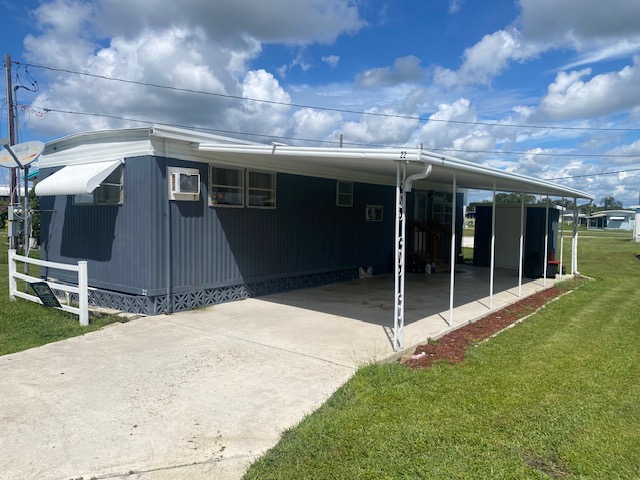
  • How to Negotiate the Best Price for a Mobile Home in Florida

    Buying a mobile home in Florida can be an affordable and flexible housing option, but getting the best deal requires careful negotiation. Whether you’re buying a mobile home as a primary residence, vacation spot, or investment, understanding market dynamics and using smart negotiation tactics can save you thousands. Here’s a guide to help you navigate the process and negotiate the best price.

    1. Research the Market Value

    Before entering negotiations, you need to understand the current market conditions. Mobile home prices vary across Florida based on location, age, size, and community amenities. Here’s how to assess the market value:

    • Compare Prices: Look up similar mobile homes in the same area to see their listing and sale prices. Websites like Zillow, Realtor.com, or niche mobile home platforms like MHVillage are great for price comparisons.
    • Check the Community: If the mobile home is in a park, check how many similar homes are selling within that specific park. Communities with amenities like pools, clubhouses, and gated security often have higher prices.
    • Condition of the Home: Evaluate the age, condition, and any upgrades or repairs made to the home. A well-maintained or recently upgraded mobile home might justify a higher price, but an older model could offer negotiation leverage.

    2. Inspect the Mobile Home Thoroughly

    One of the best ways to negotiate the price is by identifying potential repair needs or areas where the mobile home may have depreciated. A thorough inspection helps you identify items that could lower the price.
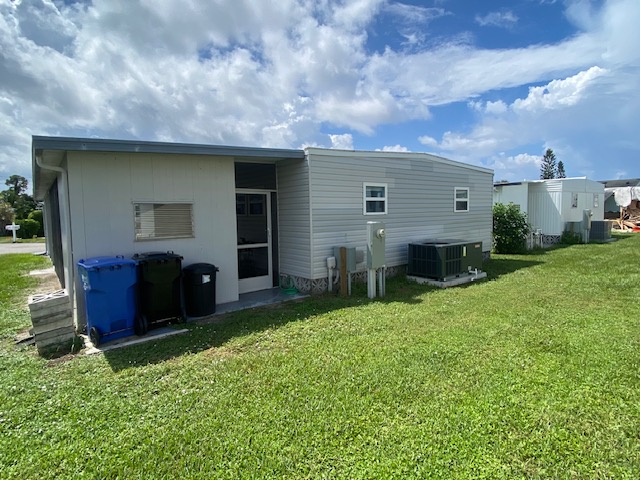
    how to negotiate a mobile home

    • Hire an Inspector: A professional inspector can evaluate the structural integrity, roofing, plumbing, electrical systems, and foundation. If issues are found, you can either request repairs or ask for a reduction in price.
    • DIY Walkthrough: Pay attention to things like cracks in walls, leaky faucets, warped flooring, or outdated HVAC systems. These issues can serve as negotiation points.

    3. Understand Hidden Costs

    When negotiating, it’s important to account for additional costs that could influence the final price, particularly in mobile home parks:

    • Lot Rent: If the home is in a mobile home park, you’ll likely need to pay monthly lot rent. This varies significantly depending on location and amenities. Ensure you’re comfortable with these payments before finalizing the purchase.
    • Homeowners Association (HOA) Fees: Some mobile home parks charge HOA fees for community maintenance and services. These fees can range from $100 to $400 per month or more.
    • Taxes and Insurance: Florida property taxes for mobile homes vary depending on whether the home is classified as real or personal property. Additionally, factor in the cost of mobile home insurance, particularly if the home is in a flood zone or near coastal areas.

    4. Leverage Negotiation Points

    Once you have all the facts, it’s time to negotiate. Use any of the following strategies to get a better deal:

    • Start Below Asking Price: Sellers often price their mobile homes higher than they expect to get, leaving room for negotiation. It’s common practice to offer 5-10% below the asking price, depending on market conditions.
    • Use Repairs as Leverage: If the inspection reveals necessary repairs, you can ask the seller to either fix the issues or reduce the price to account for future repair costs. Having a detailed inspection report can bolster your case.
    • Cash Offers: If you’re buying the home outright without financing, this can be a powerful bargaining tool. Sellers are often willing to reduce the price for a quicker and more straightforward cash transaction.
    • Financing Flexibility: If you’re financing, offer flexibility in the closing timeline or down payment terms, which might make the deal more attractive for the seller and lead to a price reduction.

    5. Build Rapport with the Seller

    Negotiations don’t have to be adversarial. In fact, building rapport with the seller can improve your chances of securing a better deal.

    • Understand the Seller’s Motivation: Is the seller moving quickly due to relocation, financial hardship, or upgrading to a new home? Understanding their motivation can give you leverage. For example, if they need to sell quickly, they might be more flexible on the price.
    • Be Polite but Firm: Establishing a good relationship with the seller creates a more positive negotiation atmosphere. However, don’t be afraid to stand your ground on the price, especially if you have solid data backing your offer.

    6. Negotiate for Add-Ons and Closing Costs

    In addition to the home’s purchase price, there are other aspects of the deal you can negotiate:

    • Appliances and Furniture: Many mobile homes are sold furnished or with essential appliances. If the home comes furnished, you can request the inclusion of high-value items like refrigerators, stoves, or washer-dryer units.
    • Closing Costs: Ask the seller to cover or split the closing costs, which typically include title fees, document preparation, and escrow fees. This can save you a significant amount, especially if you’re on a tight budget.

    7. Get Pre-Approved for Financing

    If you’re financing the purchase, it’s crucial to get pre-approved for a loan before starting negotiations. A pre-approval letter shows the seller that you’re serious and capable of closing the deal, giving you added leverage during negotiations.

    • Choose the Right Lender: Mobile home loans can be different from traditional home mortgages. Ensure you’re working with a lender who specializes in mobile home financing to get the best interest rates and loan terms.

    8. Be Ready to Walk Away

    One of the most important negotiation tactics is being prepared to walk away if the price or terms aren’t right. Mobile homes are widely available in Florida, so if you can’t get the deal you want, there are likely other options.

    • Stick to Your Budget: Don’t let emotions push you into paying more than you can afford. Stick to your predetermined budget and be patient; the right deal will come along.

    9. Closing the Deal

    Once you and the seller agree on the price, it’s time to finalize the purchase. Here’s how to ensure a smooth closing:

    • Review the Contract: Make sure the contract reflects all agreed-upon terms, including any repairs the seller is responsible for and any items included in the sale.
    • Final Inspection: Before closing, do a final walkthrough to ensure the home is in the agreed-upon condition.
    • Closing Documents: Ensure all necessary documents, including the title transfer, financing agreements (if applicable), and bill of sale, are correctly signed and filed.

    Conclusion

    Negotiating the best price for a mobile home in Florida requires preparation, research, and a good understanding of the market. By carefully inspecting the home, identifying negotiation points, and understanding the seller’s motivations, you can secure a great deal. Always be patient, and remember to stick to your budget to ensure a successful purchase.


    See Also:

  • Top 5 Florida Cities to Buy Affordable Mobile Homes in 2025

    Florida has long been a hot market for mobile homes, offering affordable living options for families, retirees, and investors alike. With the growing demand for housing and rising real estate prices, mobile homes have become an attractive and cost-effective alternative. In 2025, several Florida cities stand out for their budget-friendly mobile home options. Here’s a breakdown of the top 5 cities to consider, complete with market trends and local insights.

    1. Lakeland

    Why Lakeland?
    Lakeland, nestled between Tampa and Orlando, offers a blend of suburban comfort and urban convenience. The city boasts a stable housing market, and mobile homes here are priced significantly lower than in major metropolitan areas.

    Market Trends
    The demand for affordable housing has surged, pushing mobile home prices up slightly but keeping them well below the state average. Lakeland’s population continues to grow due to its proximity to large cities and its lower cost of living. As more retirees and families move here, mobile home parks have expanded, offering both ownership and rental opportunities.

    Local Insights
    Lakeland’s peaceful atmosphere and array of outdoor activities make it appealing, especially for retirees. Mobile home communities here are well-maintained, and there are many 55+ communities with amenities like pools, clubhouses, and fitness centers.

    2. Ocala

    Why Ocala?
    Known as the “Horse Capital of the World,” Ocala is not only great for equestrian enthusiasts but also for affordable mobile homes. The city is surrounded by nature, offering scenic views and outdoor activities while maintaining a low cost of living.

    Market Trends
    Ocala has become increasingly popular among retirees and first-time homebuyers. The influx of new residents has led to a steady, yet modest increase in mobile home prices. However, prices remain affordable compared to other Florida cities. With an expanding infrastructure and retail sector, Ocala offers a balanced lifestyle at a reasonable price.

    Local Insights
    Ocala has a growing number of mobile home communities that cater to retirees and families alike. The region’s serene environment and proximity to natural attractions like the Ocala National Forest make it a top choice for those seeking affordable, quiet living.

    Affordable Mobile Homes

    3. Fort Myers

    Why Fort Myers?
    Fort Myers is one of Southwest Florida’s fastest-growing cities. While its waterfront properties can be expensive, the city still offers a range of affordable mobile homes, particularly in inland areas.

    Market Trends
    With its warm climate and growing population, Fort Myers is becoming a hub for retirees and young families. Mobile homes in the area remain accessible in price, despite the overall rise in housing costs. There’s a healthy market for both purchasing and renting mobile homes and new developments continue to pop up to meet demand.

    Local Insights
    Fort Myers is attractive for its vibrant downtown, numerous parks, and proximity to the Gulf of Mexico. The mobile home communities here often include amenities such as clubhouses, golf courses, and fitness centers, providing a resort-like lifestyle at an affordable price.

    4. Winter Haven

    Why Winter Haven?
    Located in the heart of Central Florida, Winter Haven is known for its chain of lakes and small-town charm. The city offers some of the most budget-friendly mobile homes in the state while providing easy access to Orlando and Tampa.

    Market Trends
    Winter Haven’s housing market has remained stable, and mobile homes are still a fraction of the cost of traditional homes. The demand for affordable housing continues to grow, driven by retirees and younger families. Mobile homes here tend to appreciate modestly over time, making them a solid investment.

    Local Insights
    Winter Haven’s outdoor lifestyle, particularly around its chain of lakes, makes it ideal for water sports enthusiasts. The city also has plenty of mobile home communities with a variety of amenities, from swimming pools to lakeside docks, enhancing its appeal.

    5. Plant City

    Why Plant City?
    Just outside Tampa, Plant City is best known for its annual Strawberry Festival and small-town feel. It has become a haven for those seeking affordable housing, and mobile homes here are particularly affordable, especially compared to nearby urban areas.

    Market Trends
    Plant City has seen a steady influx of new residents, particularly retirees and those working in Tampa but seeking a more affordable place to live. While the cost of traditional homes has risen, mobile homes have remained relatively inexpensive, making Plant City a top choice for budget-conscious buyers.

    Local Insights
    Plant City’s charm lies in its community spirit and quieter pace of life. Many mobile home parks are located near open fields and parks, providing residents with a tranquil living environment. Despite its rural setting, the city offers easy access to Tampa’s amenities, making it an attractive option for commuters.

    Conclusion

    In 2025, Florida continues to be a prime location for affordable mobile home living. Cities like Lakeland, Ocala, Fort Myers, Winter Haven, and Plant City offer budget-friendly options with the added appeal of natural beauty, strong communities, and growing infrastructure. Whether you’re a retiree, investor, or family looking for cost-effective housing, these cities provide an excellent balance between affordability and quality of life.

    When searching for mobile homes, it’s essential to consider local market trends and community amenities to ensure you find the best deal. Florida’s mobile home market is expected to grow steadily in the coming years, making it a great time to explore your options.


    See Also:


  • Mobile Home Depreciation: How to Maintain Value Over Time in Florida

    Mobile homes, often referred to as manufactured homes, are an affordable housing option that appeals to many individuals and families in Florida. However, one of the primary concerns for mobile homeowners is depreciation. Unlike traditional homes that tend to appreciate over time, mobile homes often face depreciation due to various factors. In this article, we will explore strategies to slow down depreciation and maintain or even increase the value of your mobile home in Florida.

    Mobile Home Depreciation

    Understanding Mobile Home Depreciation

    Before diving into maintenance strategies, it’s crucial to understand what depreciation is and why it affects mobile homes more than traditional homes.

    What is Depreciation?

    Depreciation refers to the decrease in the value of an asset over time, often due to wear and tear, aging, or obsolescence. For mobile homes, several factors contribute to depreciation:

    • Location: The neighborhood’s desirability can impact the home’s value.
    • Condition: The overall condition of the mobile home, including structural integrity and aesthetics, plays a significant role.
    • Market Trends: Economic factors and trends in the real estate market can influence property values.

    Why Do Mobile Homes Depreciate Faster?

    • Manufacturing Perception: Mobile homes are often viewed as less desirable than traditional homes, leading to lower market values.
    • Financing Challenges: Financing options for mobile homes can be limited, impacting resale value.
    • Land Ownership: Many mobile homes are placed in mobile home parks where land ownership differs from traditional homeownership.

    Despite these challenges, there are proactive steps you can take to maintain or increase the value of your mobile home.

    Tips to Maintain and Increase Your Mobile Home’s Value

    1. Regular Maintenance and Repairs

    Keeping your mobile home in good condition is the first step in slowing depreciation. Regular maintenance not only preserves the home’s aesthetics but also ensures its structural integrity.

    • Inspect the Roof: Regularly check for leaks, damages, or signs of wear. A well-maintained roof can prevent significant issues down the line.
    • HVAC System Maintenance: Schedule annual inspections and cleanings for your heating and cooling systems to ensure they operate efficiently.
    • Plumbing and Electrical Checks: Regularly inspect plumbing and electrical systems to identify and fix issues early.

    2. Enhance Curb Appeal

    First impressions matter, especially in real estate. Enhancing the curb appeal of your mobile home can significantly impact its perceived value.

    • Landscaping: Maintain a neat lawn, plant flowers, and trim shrubs to create an inviting exterior.
    • Exterior Upgrades: Consider repainting or updating the siding. New paint or upgraded materials can give your home a fresh look and protect it from the elements.
    • Porches and Decks: Adding or maintaining a porch or deck can enhance outdoor living space and increase property appeal.

    3. Interior Updates

    Updating the interior of your mobile home can also contribute to its value. Focus on modernizing key areas to attract potential buyers or renters.

    • Kitchen Remodels: Upgrading appliances, cabinets, and countertops can significantly boost your home’s value.
    • Bathroom Improvements: Simple fixes like new fixtures, paint, or flooring can make a big difference.
    • Flooring Upgrades: Consider replacing worn-out carpets with laminate or vinyl flooring, which can offer a more modern look and durability.

    4. Energy Efficiency Improvements

    Energy-efficient upgrades can appeal to environmentally conscious buyers while also reducing utility bills. These improvements can make your mobile home more desirable in the market.

    • Insulation: Proper insulation can significantly reduce heating and cooling costs. Inspect and upgrade insulation in walls, ceilings, and floors as needed.
    • Energy-Efficient Windows: Replacing old windows with energy-efficient ones can improve comfort and reduce energy costs.
    • Solar Panels: Installing solar panels can increase the home’s value and attract buyers looking for sustainable living options.

    5. Know Your Market

    Understanding the local real estate market is essential for making informed decisions about your mobile home. Keeping abreast of trends and market conditions can help you position your home effectively.

    • Monitor Comparable Sales: Track the sale prices of similar mobile homes in your area to gauge your home’s market value.
    • Engage with Local Real Estate Agents: Work with agents who specialize in mobile home sales to gain insights into market conditions and trends.

    6. Proper Insurance Coverage

    Having the right insurance coverage can protect your investment and ensure that you can recover financially from potential damages. Consider the following:

    • Comprehensive Insurance Policies: Invest in comprehensive insurance that covers not just the mobile home but also personal belongings and liability.
    • Regular Policy Reviews: Periodically review your insurance policy to ensure it aligns with your home’s current value and condition.

    7. Choose the Right Mobile Home Park

    If your mobile home is located in a park, the park’s quality and management can affect your home’s value.

    • Research Parks: Before moving into a mobile home park, research the park’s reputation, amenities, and management. Well-maintained parks tend to have higher property values.
    • Community Involvement: Participate in park activities and meetings to foster a sense of community and keep up with improvements or changes that could impact your home’s value.

    8. Renovation and Upgrading

    Strategic renovations can lead to a significant increase in value. Consider larger projects that can enhance your home’s marketability:

    • Additions: If space allows, consider adding rooms or extending existing spaces to increase square footage.
    • Outdoor Features: Installing a patio, shed, or fencing can enhance outdoor living and appeal.

    9. Stay Organized with Documentation

    Keep thorough records of all maintenance, upgrades, and repairs performed on your mobile home. This documentation can be beneficial when selling your home, as it shows potential buyers the care and attention you’ve given it.

    10. Be Mindful of Depreciation Trends

    Lastly, stay informed about the overall trends in mobile home values and depreciation. Awareness of economic shifts, interest rates, and housing demands can help you make proactive decisions about your mobile home.

    Conclusion

    While mobile homes in Florida face unique challenges related to depreciation, homeowners can take proactive steps to maintain and even increase their value. By focusing on regular maintenance, enhancing curb appeal, making strategic interior and exterior upgrades, and staying informed about the local market, you can ensure your mobile home remains a valuable investment for years to come. Ultimately, the effort you put into your mobile home will pay off when it comes time to sell or rent, allowing you to enjoy the benefits of homeownership in the Sunshine State.


    See Also:

  • How to Rent a Mobile Home in Florida: What Tenants and Landlords Need to Know

    Renting a mobile home in Florida can be an appealing option for many individuals and families. With a range of benefits, including affordability and flexibility, mobile homes offer a unique living experience. However, both tenants and landlords need to understand the legal requirements, best practices, and specific considerations involved in the rental process. This comprehensive guide will walk you through the essential aspects of renting a mobile home in Florida.

    Renting a mobile home in Florida

    Understanding Mobile Home Rentals in Florida

    Mobile homes, also known as manufactured homes, are built in factories and transported to their designated lots. They can be rented in mobile home parks or placed on private lots. Understanding the nuances of renting a mobile home is crucial for both tenants and landlords to ensure a smooth rental experience.

    Legal Definitions and Types of Mobile Homes

    In Florida, a mobile home is defined as a residential structure that is transportable and built before June 15, 1976. After this date, homes are classified as manufactured homes. This distinction is significant because it affects zoning, regulations, and safety standards.

    Types of Rentals:

    • Mobile Home Parks: These communities typically offer shared amenities and services, including maintenance, recreational facilities, and management oversight.
    • Private Lots: Renting a mobile home on private property provides more autonomy but may come with different regulations.

    Key Considerations for Tenants

    1. Researching Mobile Home Parks

    When searching for a mobile home to rent, start by researching different parks in your desired area. Consider factors such as:

    • Location: Proximity to work, schools, shopping, and medical facilities.
    • Amenities: Check for community features like pools, fitness centers, and recreational areas.
    • Reputation: Look for reviews and ratings of the park to gauge resident satisfaction.

    2. Understanding Lease Agreements

    A lease agreement outlines the terms and conditions of the rental. Tenants should ensure that they understand the following elements before signing:

    • Duration: The lease term typically ranges from six months to a year.
    • Rent Amount: The monthly rent and any included utilities.
    • Deposit Requirements: Security deposits and any non-refundable fees.
    • Maintenance Responsibilities: Clarification of who is responsible for maintenance and repairs.

    3. Tenant Rights in Florida

    Florida law provides tenants with specific rights regarding rental agreements, including:

    • Habitability: The property must meet basic health and safety standards.
    • Privacy: Landlords must provide reasonable notice before entering the rental unit.
    • Repairs: Tenants have the right to request necessary repairs and must receive timely responses.

    4. Insurance Considerations

    While mobile homes typically require less insurance than traditional homes, renters should consider obtaining renters’ insurance. This coverage protects personal belongings and provides liability protection in case of accidents.

    5. Submitting an Application

    When applying to rent a mobile home, be prepared to provide:

    • Personal Information: Identification, employment history, and references.
    • Financial Information: Proof of income and credit history.

    6. Understanding Lot Rent

    If renting a mobile home in a park, tenants will typically pay a monthly lot rent in addition to the rent for the home itself. Lot rent covers the use of the land and may include amenities and utilities. Be sure to clarify:

    • What’s Included: Determine what services and utilities are included in the lot rent.
    • Rent Increases: Understand the park’s policies regarding rent increases and how often they occur.

    Key Considerations for Landlords

    1. Understanding Florida Landlord-Tenant Laws

    Landlords must comply with Florida’s landlord-tenant laws, which govern rental agreements, security deposits, and eviction processes. Key regulations include:

    • Lease Requirements: Clearly written lease agreements that outline terms, responsibilities, and rights.
    • Security Deposits: Florida law limits security deposits to one month’s rent and requires landlords to provide written notice of where the deposit is held.

    2. Preparing the Mobile Home for Rent

    Before renting a mobile home, ensure that it meets safety and livability standards. Consider:

    • Inspections: Conduct thorough inspections to identify necessary repairs or upgrades.
    • Safety Features: Install smoke detectors, carbon monoxide detectors, and ensure proper electrical systems.

    3. Setting Rental Rates

    When determining rent, consider:

    • Market Rates: Research comparable mobile home rentals in the area.
    • Expenses: Account for maintenance costs, utilities, and property taxes.
    • Amenities: Evaluate any additional features or services included in the rental.

    4. Marketing the Mobile Home

    Effective marketing is essential for attracting tenants. Utilize various channels to advertise your mobile home, such as:

    • Online Listings: Use platforms like Zillow, Craigslist, and Facebook Marketplace.
    • Local Community Boards: Post flyers in community centers and local businesses.
    • Word of Mouth: Network within the community to spread the word about the available rental.

    5. Screening Potential Tenants

    Thorough tenant screening helps ensure reliable and responsible renters. Implement a screening process that includes:

    • Background Checks: Review credit history, criminal records, and rental history.
    • Income Verification: Ensure potential tenants can afford the rent based on their income.

    6. Lease Agreements and Documentation

    Once you find a suitable tenant, prepare a comprehensive lease agreement that includes:

    • Terms and Conditions: Clearly outline rental terms, maintenance responsibilities, and payment methods.
    • Rules and Regulations: Include community guidelines that tenants must follow, such as noise restrictions and pet policies.

    7. Communication and Relationship Building

    Establishing a good relationship with tenants is key to a successful rental experience. Maintain open lines of communication and address concerns promptly.

    8. Handling Maintenance and Repairs

    Landlords are generally responsible for maintaining the mobile home and ensuring it remains habitable. Be proactive in handling repairs and maintenance requests to keep tenants satisfied.

    Common Challenges and Solutions

    1. Evictions

    Evicting a tenant can be a challenging process. Florida law outlines specific procedures landlords must follow, including providing written notice and allowing tenants time to rectify lease violations.

    2. Disputes Over Security Deposits

    To avoid disputes over security deposits, landlords should conduct a thorough inspection of the mobile home before tenants move in and document any pre-existing damage.

    3. Managing Rent Increases

    Landlords must provide proper notice of rent increases, typically 30 days. Transparency about the reasons for increases can help maintain positive tenant relationships.

    Conclusion

    Renting a mobile home in Florida can be a rewarding experience for both tenants and landlords, provided they understand the legal requirements and best practices involved. By conducting thorough research, communicating openly, and adhering to Florida’s rental laws, both parties can navigate the rental process successfully. Whether you are a tenant looking for a comfortable place to live or a landlord seeking to maximize your investment, understanding the ins and outs of mobile home rentals will contribute to a positive rental experience in the Sunshine State.


    See Also:


  • Mobile Home Amenities to Look For in Florida: What Adds Value and Comfort?

    When considering the purchase or rental of a mobile home in Florida, the amenities offered by the mobile home park can significantly enhance your living experience. These amenities not only contribute to your comfort and lifestyle but can also impact the overall value of the property. In this article, we’ll explore the most desirable amenities in Florida mobile home parks, highlighting features that can elevate your quality of life while adding potential value to your investment.

    amenities offered by the mobile home park

    1. Community Clubhouse

    A well-equipped community clubhouse serves as the heart of a mobile home park, offering residents a place to gather, socialize, and participate in various activities.

    Key Features:

    • Event Space: Look for clubhouses that can host community events, parties, or classes. This feature fosters a sense of community and provides opportunities to make new friends.
    • Game Rooms: Many clubhouses include game rooms equipped with pool tables, ping pong tables, and card tables, promoting social interaction among residents.
    • Kitchens: A full or partial kitchen allows for potluck dinners and community meals, enhancing the social atmosphere.

    Value Added:

    A community clubhouse increases the appeal of a mobile home park, making it a desirable place to live. It encourages interaction among residents, which can lead to a stronger sense of belonging.

    2. Fitness Center

    Health and wellness amenities have become increasingly important to residents of all ages. A fitness center within the mobile home park promotes an active lifestyle and provides convenient access to exercise options.

    Key Features:

    • Weight Training Equipment: Look for parks that offer weight machines, free weights, and resistance bands for strength training.
    • Cardio Machines: Treadmills, stationary bikes, and ellipticals cater to those looking for cardiovascular workouts.
    • Group Classes: Some parks offer group classes like yoga, Zumba, or aerobics, fostering community engagement while promoting fitness.

    Value Added:

    Having a fitness center within the community makes it easier for residents to prioritize their health, increasing the overall desirability of the mobile home park.

    3. Swimming Pool and Spa

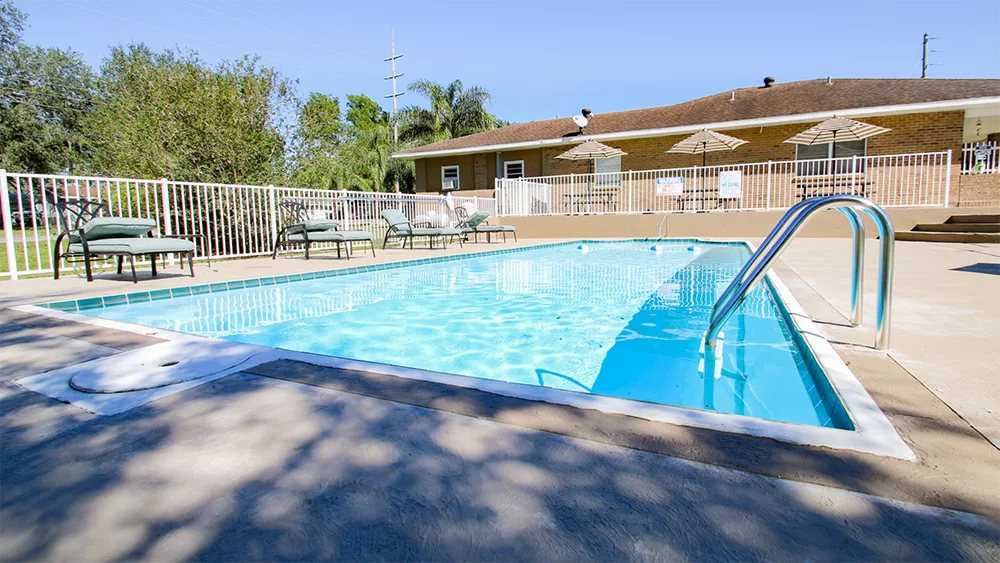
    In sunny Florida, a swimming pool is not just an amenity; it’s a lifestyle. A well-maintained pool area can significantly enhance your living experience.

    Key Features:

    • Lap Pool: For those serious about fitness, a designated lap pool allows for swimming exercises.
    • Resort-Style Pool Area: Look for parks that feature lounge chairs, shaded areas, and outdoor seating for relaxation and socialization.
    • Hot Tubs and Spas: Adding a hot tub or spa provides a relaxing space to unwind after a long day.

    Value Added:

    A swimming pool and spa area create a resort-like atmosphere, attracting potential buyers or renters who value leisure and relaxation.

    4. Dog Parks and Pet-Friendly Spaces

    For pet owners, the availability of a dog park or pet-friendly amenities is crucial. A designated area for pets enhances the living experience for residents with furry companions.

    Key Features:

    • Fenced Dog Parks: Securely fenced areas allow dogs to play off-leash, offering a safe environment for pets to socialize and exercise.
    • Pet Stations: Look for parks that provide waste disposal stations and clean-up supplies, making it easy for pet owners to keep the area tidy.
    • Walking Trails: Well-maintained walking trails provide ample space for residents and their pets to enjoy leisurely strolls.

    Value Added:

    Dog parks and pet amenities are attractive features for potential residents, making the mobile home park more appealing to pet owners and increasing the property’s marketability.

    5. Landscaped Green Spaces

    A well-maintained landscape enhances the overall appeal of a mobile home park, providing residents with areas to relax, play, or enjoy nature.

    Key Features:

    • Parks and Gardens: Look for parks that feature open green spaces, picnic areas, and community gardens where residents can gather or cultivate plants.
    • Walking Paths: Scenic walking paths and trails allow residents to enjoy the outdoors while promoting a healthy lifestyle.
    • Shade Trees and Benches: Mature trees provide shade and seating areas for residents to unwind or socialize.

    Value Added:

    Landscaped green spaces create a tranquil environment, contributing to the overall ambiance of the community and enhancing property values.

    6. Security Features

    Safety and security are paramount for residents of mobile home parks. Look for parks that prioritize resident safety through various security measures.

    Key Features:

    • Gated Access: Secure access points limit entry to the community, enhancing safety for residents.
    • Security Cameras: Surveillance cameras in common areas provide peace of mind for residents and deter unwanted visitors.
    • On-Site Management: Having on-site management can enhance community safety and address any concerns or issues promptly.

    Value Added:

    Enhanced security features can significantly increase the appeal of a mobile home park, attracting families and individuals looking for a safe place to live.

    7. Parking Facilities

    Convenient parking is a crucial consideration for mobile home residents, especially in areas where street parking may be limited.

    Key Features:

    • Designated Parking Spaces: Ensure the park offers ample designated parking for residents and guests, reducing congestion.
    • RV and Boat Storage: If you own an RV or boat, look for parks that provide dedicated storage areas for these vehicles.
    • Guest Parking: Having designated guest parking areas ensures that visitors have convenient access to your home without disrupting the flow of the community.

    Value Added:

    Sufficient parking facilities enhance the functionality of the community, making it more attractive for potential buyers and renters.

    8. Recreational Activities and Organized Events

    A lively community filled with activities creates a vibrant atmosphere for residents. Look for parks that offer various recreational activities and organized events.

    Key Features:

    • Sports Courts: Tennis, pickleball, or basketball courts provide spaces for residents to engage in physical activities.
    • Community Events: Regularly scheduled events, such as potlucks, movie nights, or holiday celebrations, foster connections among residents.
    • Hobby Groups: Parks that promote hobby groups—such as gardening, crafting, or book clubs—create opportunities for residents to share interests and socialize.

    Value Added:

    A park that offers recreational activities and community engagement attracts individuals seeking a lively, interactive living environment.

    9. On-Site Maintenance and Services

    Having on-site maintenance and services enhances the convenience of living in a mobile home park.

    Key Features:

    • 24/7 Maintenance Staff: Access to maintenance personnel who can address issues promptly provides peace of mind for residents.
    • Landscaping Services: Regular landscaping and lawn care enhance the park’s overall appearance and reduce the burden on residents to maintain their yards.
    • Cleaning Services: Some parks may offer cleaning services for common areas or individual homes, adding an extra layer of convenience.

    Value Added:

    On-site maintenance and services improve the overall quality of life for residents, making the mobile home park a more desirable place to live.

    10. Location and Accessibility

    Finally, the location of the mobile home park itself plays a critical role in its overall appeal. Consider the following aspects when evaluating a park’s location:

    Key Features:

    • Proximity to Amenities: Look for parks near grocery stores, shopping centers, medical facilities, and recreational areas.
    • Access to Public Transportation: Easy access to public transportation options can enhance mobility for residents without vehicles.
    • Nearby Attractions: Being close to beaches, parks, and entertainment venues adds to the appeal of the mobile home park.

    Value Added:

    A prime location enhances the desirability of the mobile home park, attracting buyers and renters who appreciate convenience and accessibility.

    Conclusion

    When searching for a mobile home in Florida, it’s crucial to consider the amenities offered by the mobile home park. From community clubhouses and fitness centers to dog parks and landscaped green spaces, these features can greatly enhance your comfort and quality of life. Additionally, many amenities add significant value to the property, making it a wise investment for the future. By prioritizing parks with desirable amenities, you can create a fulfilling living experience in the Sunshine State while ensuring a sound investment in your mobile home.


    See Also:

  • Can You Upgrade a Mobile Home to Feel Like a Traditional House?
    Mobile homes have long been viewed as affordable, flexible housing options. However, many homeowners find themselves wanting to upgrade their mobile homes to create a more traditional house feel. With thoughtful renovations and upgrades, it is indeed possible to transform a mobile home into a cozy, inviting space reminiscent of traditional houses. This article explores various ways to achieve this transformation through strategic upgrades, interior design choices, and landscaping enhancements.

    mobile home upgrades

    1. Understanding the Basics of Mobile Homes

    Before diving into upgrades, it’s essential to understand what differentiates mobile homes from traditional houses. Mobile homes, often referred to as manufactured homes, are built in a factory and transported to their location, typically on a chassis. While they come with unique advantages—such as lower costs and easier mobility—they often lack the architectural features and design elements associated with traditional homes. However, with the right upgrades, homeowners can achieve a seamless blend of affordability and aesthetics.

    2. Structural Upgrades

    A. Skirting and Foundation Enhancements

    One of the first steps in making a mobile home feel more traditional is addressing its foundation. Consider these enhancements:

    • Add Skirting: Installing attractive skirting around the base of your mobile home can conceal the undercarriage and give it a more polished look. Skirting options range from vinyl to decorative masonry, allowing for personalization.
    • Elevate the Home: If feasible, raising the mobile home onto a permanent foundation can enhance its stability and aesthetics. A solid foundation not only improves the home’s appearance but also its resale value.

    B. Roof Improvements

    Upgrading the roof can significantly alter the profile of a mobile home. Consider the following options:

    • Pitched Roofs: If your mobile home has a flat roof, consider adding a pitched roof. This can give the home a more traditional appearance and improve water drainage.
    • Roof Over: Installing a roof-over system adds an additional layer to the existing roof, improving insulation and energy efficiency while providing a more conventional look.

    3. Exterior Enhancements

    A. Siding Options

    The exterior of a mobile home often dictates its overall appearance. Consider upgrading the siding to achieve a more traditional look:

    • Vinyl or Wood Siding: Replacing factory-standard siding with high-quality vinyl or wood siding can create a more inviting facade. Choose colors and textures that harmonize with the surrounding neighborhood.
    • Trim and Accents: Adding decorative trim around windows and doors can enhance curb appeal. Consider using shutters, cornices, or decorative moldings to create a classic look.

    B. Porches and Decks

    Adding a porch or deck can dramatically change the appearance and functionality of a mobile home:

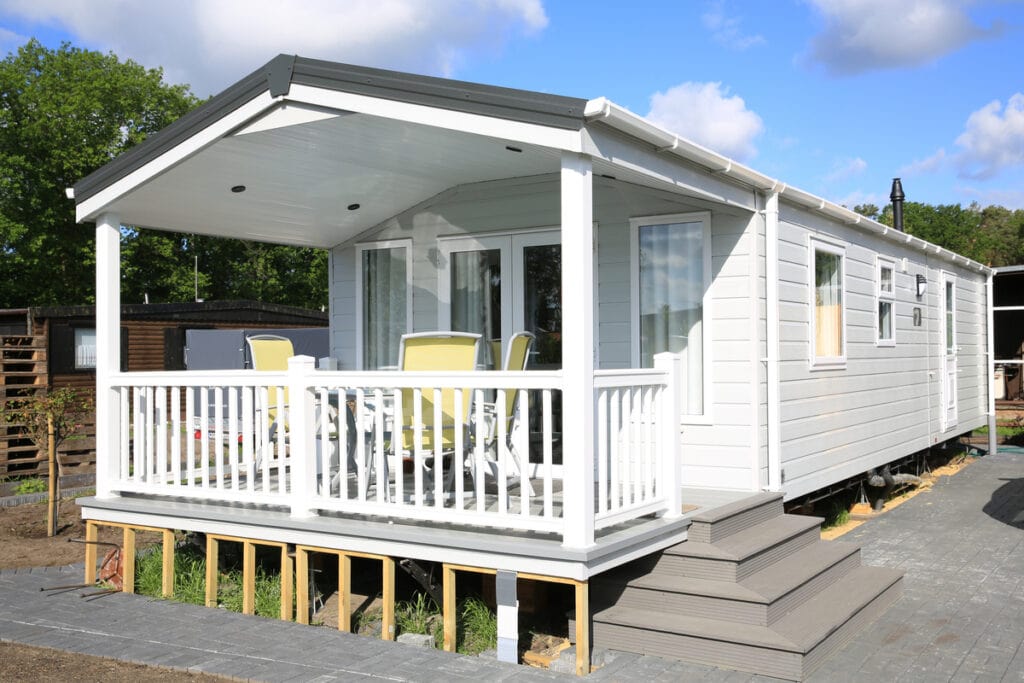
    • Front Porches: Constructing a front porch provides a welcoming entryway. Opt for traditional railing and columns to enhance the aesthetic appeal.
    • Back Decks: Building a back deck creates an outdoor living space that resembles traditional homes. Consider adding seating, planters, and lighting to create an inviting atmosphere.

    4. Interior Renovations

    A. Open Floor Plan

    Mobile homes often have smaller, compartmentalized layouts. Consider these renovations to create a more open feel:

    • Remove Non-Load-Bearing Walls: If structural integrity allows, removing non-load-bearing walls can create an open floor plan that mimics the spaciousness of traditional homes.
    • Designated Living Areas: Use furniture placement, area rugs, and lighting to define different areas in an open space, creating a flow that feels more home-like.

    B. Upgraded Flooring

    Flooring is one of the most impactful upgrades you can make in a mobile home:

    • Hardwood or Laminate Flooring: Replacing carpets with hardwood or high-quality laminate can instantly elevate the interior. Choose warm, inviting tones that enhance the home’s ambiance.
    • Tile in Wet Areas: In bathrooms and kitchens, consider ceramic or porcelain tile for a more polished look that’s also durable and easy to maintain.

    C. Stylish Kitchen and Bathroom Upgrades

    Kitchens and bathrooms often define the traditional feel of a home. Here are some upgrades to consider:

    • Cabinet Refacing or Replacement: Refacing or replacing cabinets can dramatically change the kitchen’s look. Choose shaker-style cabinets in classic colors like white, navy, or gray for a timeless appearance.
    • Countertops: Upgrading to granite, quartz, or solid surface countertops can add a touch of luxury and improve functionality.
    • Modern Fixtures: Replace outdated fixtures with modern, stylish options. Consider classic pull-down faucets in the kitchen and elegant sconces or pendant lights in both the kitchen and bathroom.

    5. Smart Home Integration

    Adding smart technology can enhance convenience while also giving the home a modern feel:

    • Smart Thermostats: Installing a smart thermostat can help manage energy efficiency while providing advanced controls.
    • Smart Lighting: Use smart lighting systems to control brightness and ambiance throughout the home. Consider installing dimmers and smart bulbs for added versatility.
    • Security Systems: Enhance safety and comfort with smart home security systems that provide peace of mind.

    6. Landscaping and Outdoor Living

    A well-manicured exterior can significantly enhance the perception of a mobile home:

    A. Landscaping

    Consider these landscaping tips to create an inviting outdoor space:

    • Plant Trees and Shrubs: Planting trees and shrubs around the property can provide shade and privacy. Choose native plants that thrive in Florida’s climate.
    • Flower Beds: Add flower beds with colorful blooms to create visual interest. Incorporate decorative rocks or mulch for added texture.

    B. Outdoor Living Spaces

    Transforming the outdoor area can enhance the overall appeal of your mobile home:

    • Create a Garden: If space allows, consider building a garden area for vegetables, herbs, or flowers, adding both beauty and functionality.
    • Seating Areas: Establish outdoor seating areas with comfortable furniture, fire pits, or picnic tables to create a cozy environment for relaxation and socializing.

    7. Community Considerations

    If you live in a mobile home park, consider how community factors can influence your upgrades:

    A. Park Regulations

    Before making significant upgrades, familiarize yourself with park regulations and restrictions regarding exterior changes. Many parks have specific guidelines for landscaping, skirting, and additional structures, ensuring that upgrades comply with community standards.

    B. Neighborhood Compatibility

    Ensure that your upgrades align with the surrounding homes in the area. Maintaining a cohesive look can enhance property values and create a sense of community.

    8. Budgeting for Upgrades

    While many upgrades can significantly enhance a mobile home’s appeal, it’s essential to budget effectively:

    • Prioritize Upgrades: Start with high-impact upgrades that offer the most value. Focus on areas like the kitchen, bathrooms, and exterior improvements.
    • Do It Yourself: Consider DIY projects where feasible to save money. Simple tasks like painting, landscaping, and basic fixture installations can often be handled without professional assistance.

    Conclusion

    Transforming a mobile home into a space that feels like a traditional house is entirely achievable with thoughtful upgrades and renovations. From structural enhancements and stylish interiors to beautiful landscaping, homeowners can create an inviting and functional living environment. By investing in upgrades, you not only enhance your living experience but also increase the home’s value, making it a worthy investment for the future. Whether you’re looking to create a cozy retreat or a family-friendly space, the possibilities for upgrading a mobile home are endless, allowing you to enjoy the best of both worlds.


    See Also:


  • The Future of Mobile Homes in Florida: Trends to Watch in 2024 and Beyond

    As we step into 2024, the mobile home industry in Florida is on the cusp of transformation. Once viewed as a budget-friendly housing option, mobile homes are rapidly evolving into desirable living spaces that combine affordability, sustainability, and modern design. This article explores the key trends shaping the future of mobile homes in Florida, from innovative designs and smart technology to community developments and environmental sustainability.

    The Future of Mobile Homes in Florida

    1. Innovative Mobile Home Designs

    A. Modern Aesthetics

    Gone are the days of cookie-cutter mobile homes. In 2024, we’re seeing a shift towards modern aesthetics that prioritize style alongside functionality. New designs feature:

    • Open Floor Plans: Buyers are increasingly drawn to open-concept layouts that maximize space and promote a sense of community within the home. Large living areas, seamlessly integrated kitchens, and multifunctional spaces are becoming the norm.
    • High-Quality Materials: Manufacturers are now incorporating durable and visually appealing materials like vinyl siding, metal roofing, and energy-efficient windows. This trend not only enhances the overall look of mobile homes but also improves energy efficiency and longevity.
    • Customization Options: More manufacturers are offering customizable options, allowing buyers to select layouts, finishes, and features that suit their personal style. This includes everything from color schemes to eco-friendly appliances.

    B. Sustainable Building Practices

    As environmental awareness grows, sustainable building practices are gaining traction in the mobile home sector. This includes:

    • Eco-Friendly Materials: Many manufacturers are opting for sustainable materials like reclaimed wood, bamboo flooring, and low-VOC paints, reducing the ecological footprint of mobile homes.
    • Energy Efficiency: Energy-efficient appliances, better insulation, and solar panels are becoming standard features in new mobile home models, significantly reducing utility costs for homeowners.

    2. Smart Home Technology

    A. Smart Features Integration

    The integration of smart technology in mobile homes is transforming how residents interact with their living spaces. Some exciting trends to watch for in 2024 include:

    • Home Automation Systems: Mobile homes are increasingly being equipped with smart home systems that control lighting, temperature, security, and entertainment from a single interface. Homeowners can monitor and manage their properties remotely through smartphone apps, enhancing convenience and security.
    • Energy Management Systems: Smart thermostats and energy management tools are being integrated into mobile homes, allowing residents to track their energy consumption in real time and make adjustments to optimize efficiency.

    B. Enhanced Connectivity

    With the rise of remote work and the demand for high-speed internet, mobile homes are adapting to include:

    • Wi-Fi-Ready Homes: Many new mobile home developments are designed with built-in infrastructure to support high-speed internet, ensuring that residents can stay connected and work from home effectively.
    • Community Connectivity: Some mobile home parks are investing in community-wide Wi-Fi access, allowing residents to connect seamlessly throughout shared spaces.

    3. Evolving Community Models

    A. Resort-Style Amenities

    As mobile homes become more appealing, developers are increasingly focusing on creating vibrant communities with resort-style amenities. Features to look for include:

    • Recreational Facilities: Many mobile home parks are investing in community centers, pools, fitness centers, and walking trails, enhancing the lifestyle offerings for residents.
    • Social Spaces: Modern mobile home communities are designed with social interaction in mind, featuring picnic areas, fire pits, and gardens that encourage neighborly connections and community events.

    B. Age-Restricted Communities

    Florida is a popular destination for retirees, leading to the growth of age-restricted mobile home communities. These communities often focus on:

    • Active Adult Living: Many of these developments are tailored for active seniors, offering amenities like golf courses, clubhouses, and organized activities that promote an active lifestyle.
    • Maintenance-Free Living: Residents of age-restricted communities often benefit from maintenance services, allowing them to enjoy their retirement without the burden of upkeep.

    4. Affordability and Accessibility

    A. Affordable Housing Solutions

    In a rapidly evolving housing market, mobile homes remain one of the most affordable options for homeownership in Florida. As property prices continue to rise, mobile homes are gaining traction as a viable solution for:

    • First-Time Buyers: Young professionals and families are increasingly turning to mobile homes as a way to enter the housing market without breaking the bank.
    • Downsizing Options: Empty nesters looking to downsize are finding mobile homes to be an attractive alternative, offering a smaller footprint with lower maintenance costs.

    B. Financing Options

    As demand for mobile homes rises, so do financing options. In 2024, potential buyers can expect:

    • Increased Lending Opportunities: More financial institutions are beginning to offer loans specifically for mobile homes, making it easier for buyers to secure financing.
    • Affordable Lot Rentals: Many mobile home parks are keeping lot rents affordable, allowing residents to enjoy lower living costs while owning a mobile home.

    5. Environmental Sustainability

    A. Sustainable Living Initiatives

    With climate change at the forefront of global discussions, mobile home communities in Florida are adopting sustainable living initiatives. Key trends include:

    • Community Gardens: Many parks are establishing community gardens that allow residents to grow their own vegetables and herbs, promoting self-sufficiency and healthy living.
    • Water Conservation Practices: Residents are encouraged to adopt water-saving practices, such as using drought-resistant landscaping and efficient irrigation systems.

    B. Green Certifications

    More mobile homes are being built to meet green certification standards, making them attractive to eco-conscious buyers. These certifications may include:

    • Energy Star Certification: Homes that meet Energy Star standards are designed to use less energy, resulting in lower utility bills and a reduced environmental impact.
    • LEED Certification: Some new mobile home developments are being built to LEED (Leadership in Energy and Environmental Design) standards, which focus on sustainable site development, water savings, and energy efficiency.

    6. Regulatory Changes and Trends

    A. Zoning and Land Use Changes

    As mobile homes become more popular, some Florida municipalities are adapting their zoning laws to accommodate new developments. This may include:

    • Easier Permitting Processes: Local governments may streamline permitting processes for mobile home parks, encouraging the construction of new communities.
    • Increased Acceptance in Residential Areas: Some areas are becoming more accepting of mobile homes, allowing them to be placed in traditionally single-family neighborhoods.

    B. Consumer Protection Laws

    As the mobile home market grows, consumer protection laws are likely to evolve. Key considerations include:

    • Enhanced Regulations: State regulations may be updated to ensure that mobile home manufacturers and dealers adhere to high standards, protecting consumers from subpar products.
    • Disclosure Requirements: More stringent disclosure laws may be implemented, requiring sellers to provide comprehensive information about the condition and history of mobile homes.

    Conclusion

    The future of mobile homes in Florida is bright, with exciting trends that promise to reshape the landscape of this housing sector. From innovative designs and smart technology to evolving community models and a focus on sustainability, mobile homes are becoming an increasingly attractive option for a diverse range of buyers. As we move through 2024 and beyond, these trends will likely continue to influence the way mobile homes are perceived and embraced, making them a key player in Florida’s housing market. Whether you’re a first-time buyer, a retiree, or an investor, staying informed about these trends will help you navigate the evolving landscape of mobile home living in Florida.


    See Also:

  • How to Avoid Common Pitfalls When Selling Your Mobile Home in Florida

    Selling your mobile home in Florida can be a rewarding experience, but it also comes with unique challenges. From pricing and staging to negotiations and paperwork, several factors can impact the success of your sale. The market for mobile homes is different from traditional real estate, so avoiding common pitfalls can save you time, money, and stress. Whether you’re selling for the first time or looking to streamline your process, this guide will help you steer clear of common mistakes and maximize your return.

    Selling your mobile home in Florida

    1. Mispricing Your Mobile Home

    One of the biggest mistakes mobile homeowners make is setting the wrong price for their homes. Pricing your mobile home too high can deter potential buyers while pricing it too low can leave money on the table. Here are some ways to avoid mispricing your mobile home:

    A. Know the Market

    Do thorough research on the local market. The mobile home market in Florida is highly competitive, and prices can vary significantly based on location, the type of home, and condition. Look at comparable mobile homes in your area and what they are selling for, but remember that amenities, lot location, and the overall condition of your home can play a huge role in determining value.

    B. Get a Professional Appraisal

    Hiring a professional to appraise your mobile home will give you an accurate estimate of its worth. This can help you avoid overpricing or underpricing and gives you a solid figure to present to potential buyers.

    C. Consider Lot Fees and Ownership

    If your mobile home is on leased land, the monthly lot fees can influence your asking price. Potential buyers will need to budget for both the home and the lot rent. Make sure to factor these costs into your pricing strategy.

    2. Skipping Necessary Repairs

    Another common pitfall when selling a mobile home is failing to make necessary repairs before putting it on the market. Buyers are often looking for move-in-ready homes, and visible damage can lower your home’s appeal.

    A. Inspect and Repair

    Before listing your mobile home, conduct a thorough inspection. Address any structural issues, such as roof leaks, damaged flooring, or malfunctioning plumbing. Even minor cosmetic improvements like fresh paint or repairing skirting can make a big difference.

    B. Curb Appeal Matters

    The exterior of your mobile home is the first thing buyers will see, so ensure it makes a good impression. Landscaping, cleaning, and small upgrades like power-washing the siding or painting the steps can improve curb appeal and help you attract more buyers.

    3. Failing to Stage Your Home

    Proper staging can significantly impact how buyers perceive your mobile home. Many sellers make the mistake of leaving their homes cluttered or too personalized, which can make it difficult for buyers to envision themselves living in the space.

    A. Declutter and Depersonalize

    Remove excess furniture, personal items, and clutter from your mobile home. Aim to create a clean, neutral space that allows buyers to imagine how they would use each room. If your home is filled with personal photos, unique decor, or furniture that takes up too much space, it can distract buyers and make the space feel smaller.

    B. Highlight Key Features

    If your mobile home has special features like an upgraded kitchen, new appliances, or a large deck, make sure these are highlighted during the showing. Arrange furniture and decor in a way that showcases the strengths of the home, whether that’s an open floor plan or a spacious living area.

    C. Enhance Lighting

    Good lighting is crucial when selling any type of home. Maximize natural light by opening curtains and blinds during showings, and consider adding additional lighting to dim or dark spaces. Bright, well-lit rooms feel larger and more inviting to potential buyers.

    4. Neglecting to Market Your Home Properly

    Failing to market your mobile home properly can limit the number of potential buyers, ultimately delaying the sale. Here are some common marketing pitfalls and how to avoid them:

    A. Use High-Quality Photos

    Buyers are likely to find your mobile home online first, so having high-quality photos is essential. Poorly lit, blurry, or incomplete photos can deter potential buyers from scheduling a showing. Consider hiring a professional real estate photographer to showcase your home in the best possible light.

    B. Create a Compelling Listing Description

    A well-written listing description is equally important. Highlight the best features of your mobile home, such as recent upgrades, its proximity to local amenities, or the advantages of the mobile home park. Be honest about the condition of the home, but focus on what makes it appealing to buyers.

    C. Leverage Social Media

    Use social media platforms like Facebook, Instagram, and local groups to promote your mobile home listing. Mobile home buyers are often searching online, so increasing your digital presence can help you reach a larger audience.

    5. Not Understanding the Legal Aspects of Selling

    Selling a mobile home involves various legal and administrative tasks. Missing any key steps can result in delays, fines, or even legal issues. Here’s what to keep in mind:

    A. Know the Type of Ownership

    Before selling your mobile home, you need to determine whether it’s classified as personal property or real estate. In Florida, if your mobile home is on leased land, it’s typically considered personal property, while mobile homes on owned land may be classified as real estate. Each classification has different legal requirements and processes for selling.

    B. Title Transfer

    If your mobile home is considered personal property, you will need to transfer the title to the new owner, similar to how you would with a vehicle. Make sure you have a clear title, and be prepared to work with the Florida Department of Highway Safety and Motor Vehicles (FLHSMV) to complete the necessary paperwork.

    C. Disclose Important Information

    In Florida, sellers are legally required to disclose known issues with the mobile home, such as structural problems, mold, or other damages. Failure to do so can result in legal disputes and financial penalties. To protect yourself, provide a detailed disclosure statement to buyers.

    D. Hire a Mobile Home Broker

    If you’re unsure about the legal process or need help navigating the sale, consider hiring a mobile home broker. They can assist with everything from pricing and marketing to legal paperwork and negotiations, ensuring a smooth transaction.

    6. Being Too Rigid During Negotiations

    Many sellers miss out on great deals because they are unwilling to negotiate. Flexibility is key when selling your mobile home, especially in a competitive market like Florida.

    A. Set a Realistic Price

    While it’s essential to price your home competitively, it’s also crucial to leave room for negotiation. Understand that buyers will likely want to negotiate the price, so setting a slightly higher asking price can give you more room to work with without sacrificing your bottom line.

    B. Consider Concessions

    Offering concessions, such as paying for part of the buyer’s closing costs or including appliances in the sale, can make your home more appealing. In some cases, offering to cover the first few months of lot rent can be a powerful incentive for buyers.

    C. Know When to Walk Away

    While flexibility is important, it’s also essential to recognize when a buyer’s offer is too low or unreasonable. Be prepared to walk away from negotiations if the terms don’t meet your financial goals.

    7. Not Being Prepared for Closing

    The closing process is the final step in selling your mobile home, but it’s often where delays or complications arise. Here’s how to avoid common pitfalls:

    A. Gather All Necessary Documents

    Make sure you have all the required paperwork ready before closing. This may include the title, bill of sale, disclosure forms, and any warranties for appliances or recent repairs. Having these documents organized and ready will help the closing process go smoothly.

    B. Review the Buyer’s Financing

    If the buyer is obtaining financing, ensure that their loan is approved before the closing date. If they are paying in cash, confirm that they have the necessary funds available to complete the transaction.

    Conclusion

    Selling your mobile home in Florida doesn’t have to be overwhelming if you avoid common pitfalls and take a proactive approach. By pricing your home correctly, making necessary repairs, staging effectively, and handling legal aspects with care, you can achieve a smooth, successful sale. With the right strategies in place, you’ll not only sell your mobile home faster but also ensure you get the best possible return on your investment.


    See Also:


  • A Complete Guide to Mobile Home Insurance in Florida

    Mobile homes are an affordable housing option in Florida, providing flexibility, convenience, and the opportunity to live in a desirable climate. However, just like traditional homes, mobile homes need insurance to protect them from potential risks such as weather-related damage, theft, and liability claims. Given Florida’s unique environmental factors, such as hurricanes and tropical storms, having the right mobile home insurance is even more crucial.

    This comprehensive guide covers everything you need to know about mobile home insurance in Florida, from the types of coverage available to tips on saving money. Whether you’re a first-time mobile homeowner or looking to review your current policy, understanding your insurance options can provide peace of mind and financial security.

    mobile home insurance in Florida

    What Is Mobile Home Insurance?

    Mobile home insurance, also known as manufactured home insurance, is a type of policy designed to protect the structure of your mobile home and its contents, as well as provide liability coverage in case of accidents or injuries on your property. It is similar to standard homeowners insurance but is specifically tailored to the unique features and risks associated with mobile homes.

    In Florida, mobile homes are particularly vulnerable to weather-related damage due to hurricanes, tropical storms, and flooding. Mobile home insurance can cover repairs, replacements, and other expenses resulting from these events, making it an essential safeguard for homeowners.

    Types of Coverage in Mobile Home Insurance

    Mobile home insurance policies typically offer several types of coverage to protect you and your property from a wide range of risks. Here are the key components of a standard mobile home insurance policy:

    1. Dwelling Coverage

    Dwelling coverage is the most basic type of protection, which insures the physical structure of your mobile home. This includes the walls, roof, and foundation, as well as built-in appliances and fixtures. If your mobile home is damaged by a covered peril—such as a hurricane, fire, or vandalism—dwelling coverage will pay for repairs or replacement costs up to the policy limit.

    In Florida, where hurricanes are a common threat, it’s crucial to ensure your policy includes hurricane or windstorm coverage.

    2. Personal Property Coverage

    This type of coverage protects your personal belongings inside the mobile home, such as furniture, electronics, clothing, and appliances. If these items are damaged, destroyed, or stolen, personal property coverage helps cover the cost of replacing them. Keep in mind that high-value items, like jewelry or expensive electronics, may have coverage limits, so you may need to purchase additional coverage for those specific items.

    3. Liability Protection

    Liability protection covers legal and medical expenses if someone is injured on your property or if you accidentally damage someone else’s property. For example, if a guest slips and falls while visiting your mobile home, your liability insurance can help cover their medical bills and legal fees if they decide to sue. This coverage is essential for protecting your financial well-being in case of an accident.

    4. Additional Living Expenses (ALE) Coverage

    If your mobile home becomes uninhabitable due to a covered loss, ALE coverage helps pay for temporary living arrangements, such as hotel stays, meals, and other expenses. This ensures you have a place to stay while your mobile home is being repaired or replaced.

    5. Flood Insurance

    Flooding is not typically covered under standard mobile home insurance policies, but it is a significant risk in many parts of Florida. You will need to purchase separate flood insurance through the National Flood Insurance Program (NFIP) or a private insurer to protect your home from flood-related damage.

    Factors That Affect Mobile Home Insurance Costs in Florida

    Mobile home insurance premiums vary depending on several factors, including the location of your home, the value of the dwelling, and the coverage options you select. Here are the main factors that can influence your insurance costs in Florida:

    1. Location

    Where your mobile home is located has a big impact on your insurance rates. If your home is in a coastal area or a region prone to hurricanes and tropical storms, your premiums may be higher due to the increased risk of wind and flood damage. Conversely, mobile homes in inland areas may have lower premiums because they face fewer weather-related risks.

    2. Age and Condition of the Mobile Home

    Older mobile homes may cost more to insure, especially if they haven’t been updated with modern building standards. Mobile homes built before 1976, when the Department of Housing and Urban Development (HUD) established stricter building codes for manufactured homes, are considered higher-risk and may have higher premiums. Keeping your mobile home well-maintained and up to code can help lower your insurance costs.

    3. Size and Value of the Home

    Larger and more expensive mobile homes typically require more coverage, which can lead to higher premiums. It’s essential to get enough dwelling coverage to fully replace your home in the event of a total loss.

    4. Security Features

    Having security measures in place, such as a home security system, smoke detectors, and deadbolt locks, can reduce the risk of theft, vandalism, or fire. Many insurance companies offer discounts for homes with these safety features.

    5. Deductible

    The deductible is the amount you agree to pay out of pocket before your insurance kicks in to cover a claim. Choosing a higher deductible can lower your monthly premium, but it also means you’ll need to cover more of the repair costs in the event of a loss.

    How to Save Money on Mobile Home Insurance in Florida

    Insurance can be a significant expense for mobile homeowners, but there are ways to reduce your premiums without sacrificing essential coverage. Here are some tips to help you save money on mobile home insurance in Florida:

    1. Shop Around for the Best Rates

    Different insurance companies offer varying rates and coverage options for mobile home insurance, so it’s essential to shop around and compare quotes from multiple providers. Look for insurers who specialize in mobile home policies and have experience with Florida’s unique risks.

    2. Bundle Your Policies

    Many insurance companies offer discounts if you bundle multiple policies, such as mobile home insurance and auto insurance, with the same provider. Bundling your policies can save you money on both.

    3. Ask About Discounts

    Insurance providers often offer various discounts that can help lower your premium. Common discounts include those for installing security systems, being claims-free for a certain period, or belonging to specific associations or organizations. Be sure to ask your insurer about any discounts you may qualify for.

    4. Maintain a Good Credit Score

    In Florida, insurance companies are allowed to consider your credit score when determining your premium. Maintaining a good credit score can lead to lower insurance rates, as insurers view homeowners with better credit as less likely to file claims.

    5. Increase Your Deductible

    As mentioned earlier, raising your deductible can reduce your monthly premium. However, make sure the deductible amount is one you can comfortably afford to pay out of pocket if you need to file a claim.

    6. Upgrade Your Mobile Home

    Updating your mobile home with modern materials and features can improve its structural integrity and reduce the risk of damage. For example, installing hurricane shutters, reinforcing the roof, or adding skirting can make your home more resilient to storms, which may qualify you for lower insurance rates.

    Common Exclusions in Mobile Home Insurance Policies

    It’s important to understand what your mobile home insurance policy doesn’t cover. Common exclusions in mobile home insurance policies may include:

    • Flood damage: As mentioned earlier, flood insurance is usually not included in standard mobile home insurance policies and must be purchased separately.
    • Wear and tear: Insurance typically does not cover normal wear and tear, maintenance issues, or gradual deterioration of your mobile home.
    • Earthquake damage: Earthquake damage is also typically excluded from standard policies and requires additional coverage.
    • Pest infestations: Damage caused by termites, rodents, or other pests is usually not covered under mobile home insurance.

    Make sure to review your policy carefully and ask your insurer about any exclusions or limitations to avoid unexpected surprises in the event of a claim.

    Conclusion

    Mobile home insurance in Florida is essential for protecting your investment, especially given the state’s vulnerability to hurricanes and flooding. Understanding the types of coverage available, the factors that influence your premiums, and how to save money on your policy can help you make informed decisions about your insurance needs. By choosing the right coverage and taking proactive steps to minimize risks, you can ensure that your mobile home and belongings are protected for years to come.


    See Also:

  • Best Florida Mobile Home Parks with Resort-Style Amenities

    Florida is a popular destination for those looking to enjoy year-round sunshine, warm temperatures, and relaxed living. Mobile home parks across the state have increasingly embraced the concept of offering resort-style amenities, turning them into attractive places not just to live, but to thrive. Whether you’re a retiree looking for a 55+ community or a young professional seeking affordable, luxury living, there are mobile home parks in Florida that cater to a wide range of lifestyles while offering features like pools, fitness centers, golf courses, and clubhouses.

    resort-style amenities florida

    In this article, we’ll explore some of the best mobile home parks in Florida that provide resort-style amenities, making them ideal for those seeking a combination of affordable housing and luxurious living.

    1. Bay Indies – Venice, Florida

    Bay Indies in Venice, Florida, is one of the most highly regarded mobile home communities in the state, especially for retirees. This 55+ community is packed with resort-style amenities that make everyday life feel like a vacation.

    Resort-Style Amenities:

    • Three heated pools: Residents can enjoy swimming year-round in beautifully maintained heated pools.
    • Tennis courts and shuffleboard courts: Perfect for active adults looking for a little competitive fun.
    • Fitness center: Stay in shape with a fully equipped gym.
    • Clubhouse: A spacious and well-designed clubhouse that hosts regular events, including dances, bingo nights, and exercise classes.
    • Biking and walking trails: The scenic trails throughout the community encourage outdoor exercise and exploration.

    Additionally, Bay Indies is just minutes from downtown Venice, where residents can enjoy local dining, shopping, and the beach. The combination of resort amenities and prime location makes Bay Indies a top choice for retirees seeking a blend of relaxation and activity.

    2. The Hamptons – Auburndale, Florida

    Located in Central Florida, The Hamptons is an upscale 55+ mobile home community offering a country-club lifestyle with a wealth of resort-style amenities. Nestled in a picturesque setting, this community is ideal for those looking for tranquility along with social activities and luxury.

    Resort-Style Amenities:

    • 18-hole championship golf course: The golf course is a highlight for residents, offering challenging play and beautiful views.
    • Restaurant and bar: On-site dining makes it easy to enjoy a meal or socialize with friends without leaving the community.
    • Heated swimming pool: Relax in a large, heated pool, perfect for year-round swimming.
    • Billiards room, library, and ballroom: Various community spaces for recreational activities and events.
    • Tennis and pickleball courts: Perfect for those who love racquet sports.

    The Hamptons also offer a range of social clubs and organized activities, from card games to arts and crafts, making it a vibrant and engaging place to live.

    3. Hacienda Village – Winter Springs, Florida

    Hacienda Village is a 55+ mobile home park located in the serene area of Winter Springs, just outside of Orlando. This community stands out for its quiet, peaceful atmosphere combined with a wide range of amenities for those who want to stay active and engaged.

    Resort-Style Amenities:

    • Two swimming pools: Both pools are heated and perfect for relaxing swims or water aerobics.
    • Spacious clubhouse: The community clubhouse hosts various activities, from fitness classes to potlucks and game nights.
    • Shuffleboard and bocce ball courts: Fun outdoor activities that encourage socialization and friendly competition.
    • Library and computer center: Ideal for those who want to stay connected or enjoy some quiet reading.
    • Fitness center: A well-equipped gym helps residents stay fit and healthy.

    Hacienda Village is a short drive from Orlando’s attractions, including Disney World and Universal Studios, making it a great option for those who want a peaceful living environment but still have access to big-city entertainment.

    4. Siesta Bay RV Resort – Fort Myers, Florida

    Siesta Bay RV Resort in Fort Myers offers a premier living experience with resort-style amenities and a tropical atmosphere. This community caters to both RV owners and mobile home residents and provides numerous luxury amenities, making it a perfect choice for those looking for an active and social lifestyle.

    Resort-Style Amenities:

    • Two heated swimming pools: Enjoy a dip in the pool after a round of tennis or pickleball.
    • Tennis and pickleball courts: For residents who want to stay active and competitive.
    • Clubhouse and social activities: The community offers various social events and organized activities such as card games, dances, and fitness classes.
    • Fully equipped fitness center: Stay in shape with access to a range of cardio and strength-training equipment.
    • Fishing lakes: For those who enjoy fishing, there are scenic lakes within the community.

    Siesta Bay’s proximity to the beach makes it even more appealing for those who enjoy the outdoors. Residents can take advantage of nearby Sanibel and Captiva Islands for beach outings and water sports.

    5. Palm Valley – Oviedo, Florida

    Palm Valley is another premier 55+ community located in Oviedo, near Orlando. It is well-known for offering resort-style living with a focus on fostering a social and active lifestyle for its residents.

    Resort-Style Amenities:

    • Swimming pool and spa: Relax by the pool or soak in the hot tub after a long day.
    • Clubhouse with event space: Perfect for community gatherings, parties, and fitness classes.
    • Fitness center: Stay active with access to a well-equipped gym.
    • Shuffleboard and horseshoe pits: Enjoy outdoor games with friends and neighbors.
    • Fishing lakes: Enjoy peaceful afternoons fishing in the well-maintained lakes within the community.

    With its close proximity to downtown Orlando and major attractions, Palm Valley offers both the serenity of small-town living and the convenience of being close to entertainment hubs.

    6. Lakeshore Landings – Orlando, Florida

    Located in the heart of Orlando, Lakeshore Landings is a vibrant 55+ mobile home community that offers resort-style living in a convenient location. This community is ideal for those who want easy access to Orlando’s theme parks, shopping, and dining, while still enjoying peaceful and serene surroundings.

    Resort-Style Amenities:

    • Two heated swimming pools: Residents can swim year-round in the heated pools or simply relax poolside.
    • Tiki bar and grill: Enjoy a refreshing drink or snack without having to leave the community.
    • On-site marina with boat slips: Perfect for boat owners who want easy access to Orlando’s lakes.
    • Clubhouse and event center: A central hub for activities, social events, and gatherings.
    • Fitness center: Keep in shape with access to modern fitness equipment.

    Lakeshore Landings is perfect for those who love both nature and city life. With its lush landscapes and direct lake access, it offers a peaceful retreat while still being close to the excitement of downtown Orlando.

    7. Del Tura Country Club – North Fort Myers, Florida

    Del Tura Country Club is a luxurious 55+ community located in North Fort Myers. It offers country-club-style living with an abundance of amenities to keep residents entertained and active. This park is ideal for those who enjoy a more upscale lifestyle without the high costs associated with traditional homes.

    Resort-Style Amenities:

    • Five swimming pools and five spas: There are plenty of opportunities to relax and unwind in the various pools and spas.
    • 27-hole golf course: Golf lovers will appreciate the well-maintained course that’s right in their backyard.
    • Tennis courts and pickleball courts: Stay active with competitive sports options.
    • Restaurant and bar: On-site dining options make it easy to grab a meal or enjoy happy hour with friends.
    • Ballroom and event spaces: Social events, dances, and community activities are regularly hosted in the ballroom.

    Del Tura Country Club is known for its luxury, and its residents enjoy a high-quality lifestyle with a variety of recreational opportunities right at their fingertips.

    8. Tara Woods – North Fort Myers, Florida

    Tara Woods is another top-tier mobile home community in North Fort Myers. This 55+ community offers a wealth of amenities that make it feel more like a high-end resort than a mobile home park.

    Resort-Style Amenities:

    • Heated swimming pool and spa: Enjoy year-round swimming or relax in the spa.
    • Tennis and pickleball courts: Challenge friends or neighbors to a friendly match.
    • Fitness center: A fully equipped gym helps residents stay active and healthy.
    • Clubhouse and activity center: Host social events, game nights, or exercise classes.
    • Shuffleboard courts and bocce ball: Participate in casual outdoor games in a beautifully landscaped environment.

    Tara Woods offers residents a peaceful, resort-like experience while still being close to the bustling town of Fort Myers. The community organizes numerous social events, fostering a close-knit environment for its residents.

    Conclusion

    Living in a mobile home park in Florida doesn’t mean sacrificing luxury. Many mobile home parks across the state offer resort-style amenities that rival those of traditional resort communities. Whether you are looking for golf courses, swimming pools, fitness centers, or vibrant social activities, Florida’s mobile home parks provide affordable, high-quality living options that cater to a wide range of lifestyles.

    From the tranquil settings of North Fort Myers to the bustling activity in Orlando, these parks offer the best of both worlds: affordable housing with the luxurious amenities you’d expect from a high-end resort. When choosing your next mobile home park in Florida, consider what amenities are most important to you and enjoy the unique blend of affordability and comfort that these communities offer.


    See Also:


Reset password

Enter your email address and we will send you a link to change your password.

Get started with your account

to save your favourite homes and more

Sign up with email

Get started with your account

to save your favourite homes and more

By clicking the «SIGN UP» button you agree to the Terms of Use and Privacy Policy
Powered by Estatik