Category: Blog

  • What to Look for When Buying a Used Mobile Home in Florida

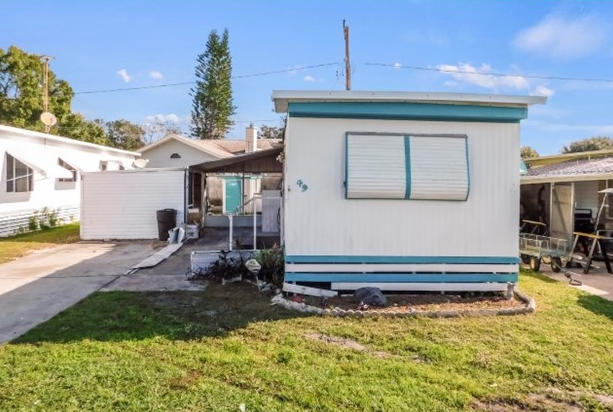
    Purchasing a used mobile home in Florida can be a rewarding experience. It offers affordability and flexibility compared to traditional homes. However, buying a used mobile home requires careful consideration. You must ensure that your investment is sound and meets your needs. This guide provides a comprehensive checklist of key factors to consider when buying a used mobile home in Florida.

    1. Understand the Market

    Before diving into your search, familiarize yourself with the local mobile home market. Research recent sales in the area. This will help you determine fair pricing for the type of mobile home you want. Check online listings, local classifieds, and community bulletin boards. Understanding the market will give you leverage in negotiations.

    2. Inspect the Structural Integrity

    The structural integrity of a mobile home is paramount. Start by checking the frame and foundation. Look for signs of sagging or damage. A solid frame ensures the home can withstand Florida’s weather.

    Check the Roof
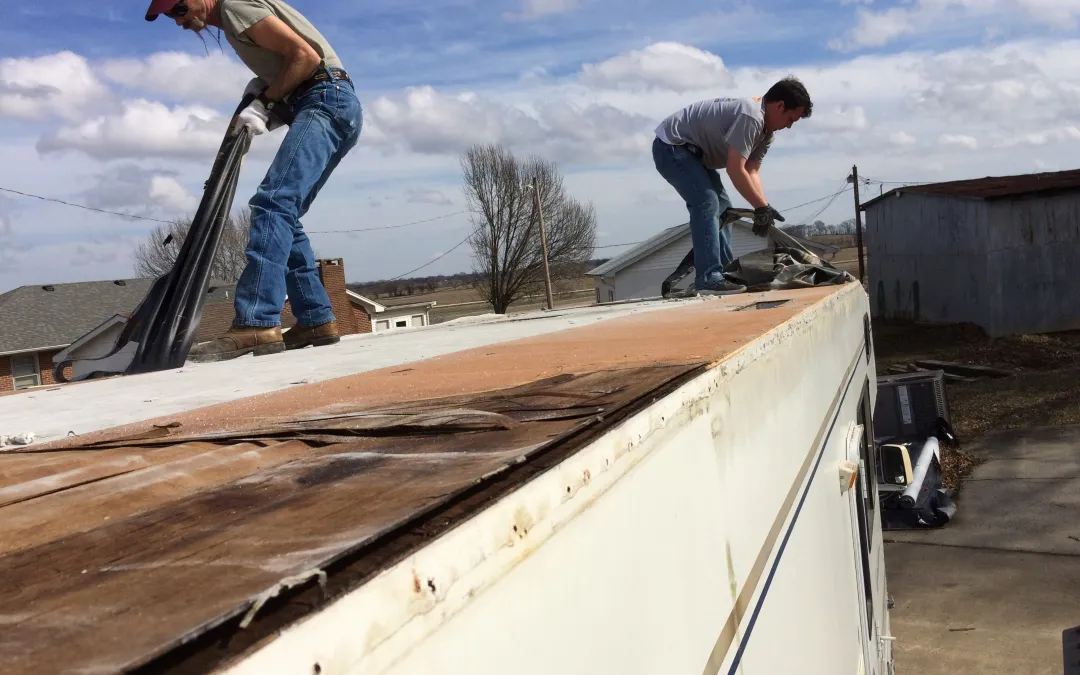
    Inspect the roof for leaks, cracks, or missing shingles. A compromised roof can lead to costly repairs. Look for signs of water damage on the ceiling and walls inside the home.

    Examine the Walls and Floors
    Inspect the walls for any bowing or soft spots. Soft spots may indicate water damage or rot. Check the flooring for any sagging or warping. Ensure it feels solid when you walk on it.
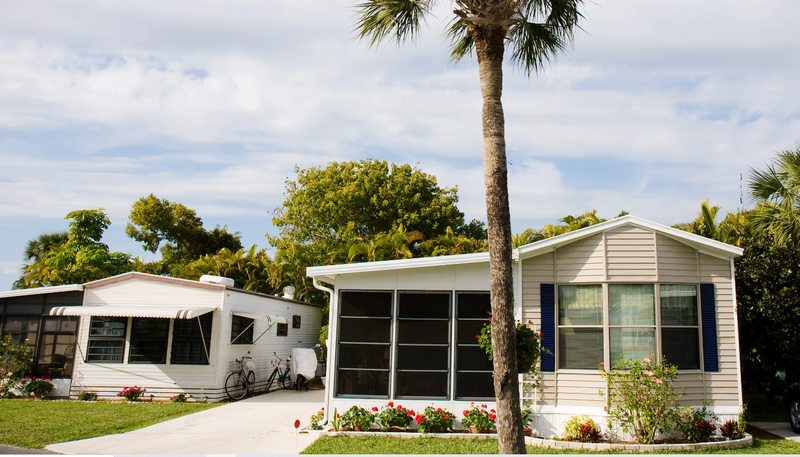
    Buying a Used Mobile Home in Florida

    3. Evaluate the Utilities

    Check all utility systems in the mobile home. This includes water, electricity, gas, and sewage systems. Proper functioning utilities are essential for comfortable living.

    Water System
    Inspect the plumbing for leaks or corrosion. Look for signs of water damage under sinks and around pipes. Test the water pressure and ensure hot water is available.

    Electrical System
    Check the electrical panel and outlets. Ensure that outlets are grounded and properly wired. Test light switches and fixtures to verify they are functional.

    Heating and Cooling Systems
    Evaluate the HVAC system or window units. Ensure they are in good working condition. Ask for maintenance records to see when they were last serviced.

    4. Look for Signs of Pest Infestation

    Pest problems can cause significant damage to a mobile home. Look for signs of infestation, such as droppings or nests. Check for any holes in walls or around windows that pests might use for entry. If you find signs of pests, consider hiring a professional pest inspector before purchasing.

    5. Assess the Age of the Mobile Home

    The age of the mobile home impacts its condition and value. Older mobile homes may require more repairs and updates. Check the manufacturer’s label, usually located on the inside of the kitchen cabinet or in a closet. It will indicate the year the home was manufactured.

    Consider Mobile Home Standards
    Mobile homes built before 1976 may not meet modern safety and building codes. These homes may lack necessary insulation and structural features. If you’re considering an older model, ensure it meets current standards.

    6. Review the Title and Registration

    A clear title is essential when purchasing a used mobile home. Ensure that the seller owns the home outright and has the title available. Check for any liens against the home. This could complicate your purchase and ownership.

    Verify Registration
    Ensure the mobile home is registered with the Florida Department of Highway Safety and Motor Vehicles. You can check the registration status online or through local offices. Make sure all taxes are paid and up to date.

    7. Understand Local Zoning and Land Use Regulations

    Mobile home parks in Florida often have specific zoning regulations. Before buying, check local zoning laws and land use regulations. Make sure the mobile home you choose can be legally placed in the intended location.

    Confirm Park Rules and Fees
    If you’re buying in a mobile home park, review the park rules and fees. Understand any restrictions on age, renovations, or pet ownership. Clarify monthly lot rent or any additional fees you might encounter.

    8. Assess the Home’s Energy Efficiency

    Energy efficiency impacts your monthly expenses and comfort. Inspect insulation levels in walls and ceilings. Poor insulation can lead to higher energy bills.

    Check Windows and Doors
    Evaluate the condition of windows and doors. Ensure they close properly and seal well. Consider installing energy-efficient models if the current ones are outdated. This can save you money on heating and cooling costs.

    9. Investigate Previous Repairs and Upgrades

    Inquire about any repairs or upgrades made to the mobile home. Ask the seller for maintenance records. This will give you insight into the home’s condition and how well it has been cared for.

    Renovations and Upgrades
    Check for any significant renovations, such as new plumbing, electrical systems, or appliances. Understand who performed the work and whether it was done professionally.

    10. Get a Professional Inspection

    Before making a final decision, hire a professional inspector. A thorough inspection can reveal hidden problems that may not be apparent during your walkthrough. The inspector will check structural integrity, utilities, pests, and safety issues. This step can save you from costly surprises later.

    11. Consider Financing Options

    When purchasing a used mobile home, explore financing options. Many lenders offer loans specifically for mobile home purchases. Understand the interest rates, terms, and conditions before proceeding.

    Check Your Credit Score
    Before applying for financing, check your credit score. A higher credit score can secure you better financing terms. If your score needs improvement, take steps to boost it before applying.

    12. Budget for Additional Costs

    In addition to the purchase price, consider additional costs associated with owning a mobile home. These can include:

    • Lot Rent: If you’re in a mobile home park, factor in monthly lot rent.
    • Insurance: Mobile home insurance can protect your investment.
    • Maintenance: Budget for ongoing maintenance and repairs.
    • Utilities: Understand utility costs and plan for them in your budget.

    13. Evaluate Resale Value

    Consider the potential resale value of the mobile home. Mobile homes can depreciate faster than traditional homes. Look at the resale history of similar homes in the area. Understanding this can help you make a sound investment.

    14. Think About Your Lifestyle and Needs

    Reflect on your lifestyle and future plans. Consider the size of the mobile home and the layout. Ensure it meets your current and future needs.

    Plan for Future Growth
    If you plan to expand your family or need more space, think about your options. Some mobile homes offer expansion possibilities, while others do not. Plan accordingly to avoid feeling cramped later.

    15. Trust Your Instincts

    Finally, trust your instincts during the buying process. If something feels off about the home or the seller, don’t hesitate to walk away. A home is a significant investment, and you should feel confident in your decision.

    Conclusion

    Buying a used mobile home in Florida can be an excellent investment if you approach the process carefully. By following this checklist, you can ensure that you make an informed decision. Always prioritize structural integrity, utilities, and legal considerations. With the right preparation and research, you can find a mobile home that meets your needs and provides a comfortable living space for years to come. Happy house hunting!
     

    See Also:

  • How to Upgrade Your Florida Mobile Home for Hurricane Preparedness

    Florida’s hurricane season poses a serious threat to mobile homes due to high winds and heavy rain. Unlike traditional homes, mobile homes face unique challenges because of their lighter structure and vulnerability to severe weather. Fortunately, you can enhance your home’s resilience with the right upgrades. This guide will outline essential improvements to help protect your Florida mobile home from hurricanes.

    1. Reinforce Your Roof for Maximum Protection

    The roof is one of the most vulnerable parts of a mobile home during a hurricane. Strong winds can easily lift off poorly secured roofs, leaving your home exposed to water damage.

    Upgrade to a Wind-Resistant Roof
    Consider upgrading to a wind-resistant roof. Choose materials like metal or asphalt shingles rated for high wind resistance. These materials are more durable and can withstand hurricane-force winds better than standard roofing materials. Ensure that your roof is rated to withstand winds of at least 150 mph, which is crucial for surviving Florida’s hurricanes.

    Add Roof Straps and Tie-Downs
    Installing roof straps or tie-downs adds another layer of protection. Roof straps are metal fasteners that secure your roof to the walls and frame of the home. These are especially important for preventing the roof from lifting off during high winds. Make sure these straps are properly installed and meet Florida’s wind zone requirements.

    Regular Roof Inspections
    Inspect your roof annually, especially before hurricane season begins. Look for any signs of wear, loose shingles, or weak spots. Address any issues immediately to avoid them becoming critical problems during a storm.

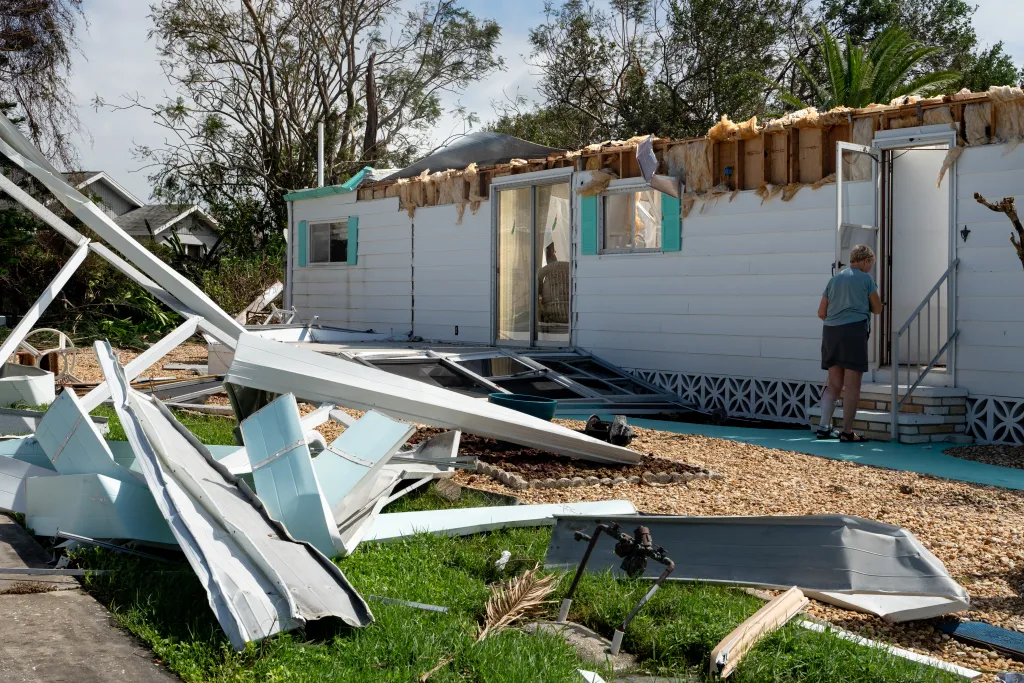
    protect your Florida mobile home from hurricane

    2. Install Storm Shutters on Windows and Doors

    Windows and doors are another weak point in mobile homes during hurricanes. Broken windows can lead to severe internal damage, including flooding and debris entering your home. Storm shutters provide a robust defense against flying debris and wind pressure.

    Choose Hurricane-Grade Storm Shutters
    Install shutters specifically designed for hurricane protection. These are typically made of durable materials like aluminum or steel. They’re easy to close when a storm is approaching and will protect your windows from shattering.

    Roll-Down Shutters for Convenience
    Consider roll-down shutters for quick and easy deployment. They can be operated manually or with a motor, allowing you to secure your home in minutes. Roll-down shutters are permanently installed above the window and can be rolled down when needed.

    Accordion Shutters for Cost-Effectiveness
    Accordion shutters are another popular option for mobile homeowners. They are permanently attached beside windows and doors and unfold like an accordion to cover openings. This option is cost-effective and easy to use, making it ideal for securing your home quickly.

    Impact-Resistant Windows
    For an added layer of protection, consider installing impact-resistant windows. These windows are designed to withstand flying debris without shattering, reducing the likelihood of interior damage during a hurricane.

    3. Strengthen the Anchoring System

    A strong anchoring system is crucial to keeping your mobile home securely in place during a hurricane. A poorly anchored home can be lifted or shifted by high winds, causing significant damage.

    Upgrade Your Tie-Down System
    Modern tie-down systems are specifically designed to resist the forces of hurricane winds. Ensure your home has an up-to-date anchoring system with tie-downs that meet Florida’s hurricane zone standards. The system should include ground anchors, steel straps, and stabilizing plates to distribute pressure evenly.

    Check for Loose Anchors
    Regularly inspect your anchoring system, especially before hurricane season. Look for any signs of wear or loose anchors. Replace any damaged components immediately to ensure your home remains secure.

    Foundation Stabilization
    If possible, consider upgrading to a permanent foundation system. A permanent foundation significantly reduces the risk of your home shifting during a storm. Concrete or steel piers provide excellent stability and can help distribute the weight of your home more evenly during high winds.

    4. Improve the Structural Integrity of Your Mobile Home

    In addition to securing the roof, windows, and foundation, you should also focus on strengthening the overall structure of your mobile home. This ensures that all parts of your home work together to resist hurricane forces.

    Install Reinforced Wall Panels
    Upgrade your mobile home’s exterior walls with reinforced panels. These can be made from materials like steel or hurricane-rated plywood. Reinforced panels add extra protection from flying debris and help strengthen the structure of your home.

    Add Exterior Bracing
    Bracing is an effective way to enhance the overall strength of your mobile home. Add exterior bracing to the walls, roof, and foundation to help hold everything together during strong winds. Bracing reduces the chances of parts of your home detaching from the main structure.

    5. Ensure Proper Drainage Around Your Home

    Flooding is a major risk during hurricanes, especially in Florida’s low-lying areas. Without proper drainage, water can accumulate around your mobile home, increasing the risk of foundation damage or flooding inside.

    Install a Sump Pump
    A sump pump helps remove excess water from around your home during heavy rainfall. Consider installing one if your home is located in a flood-prone area. The sump pump will direct water away from your home, preventing it from pooling near your foundation.

    Elevate Your Mobile Home
    If possible, elevate your mobile home above the flood zone. Raising your home even a few feet can make a significant difference during a hurricane. This upgrade may also lower your flood insurance premiums.

    Create a Graded Yard
    Ensure your yard is properly graded so that water flows away from your home. A gentle slope will help direct water toward drainage areas, reducing the risk of flooding around your mobile home.

    6. Secure Outdoor Items and Add a Storm Shelter

    Loose items around your mobile home can become dangerous projectiles during a hurricane. Securing outdoor objects and having a storm shelter nearby can help ensure your safety.

    Anchor or Store Loose Items
    Make sure to anchor any outdoor furniture, grills, or equipment that could become airborne during strong winds. Store smaller items indoors or in a secure shed. Even seemingly lightweight objects can cause significant damage when carried by hurricane winds.

    Add a Storm Shelter
    If you live in an area with frequent hurricanes, consider adding a storm shelter. Storm shelters are typically reinforced, underground structures designed to keep you and your family safe during extreme weather events. Some mobile home parks in Florida offer communal storm shelters for residents.

    7. Purchase Hurricane Insurance and Emergency Supplies

    While upgrading your mobile home is essential, having the right insurance and supplies is equally important for hurricane preparedness.

    Hurricane Insurance Coverage
    Ensure you have adequate hurricane insurance for your mobile home. Standard mobile home insurance may not cover all hurricane-related damages. Review your policy and add hurricane coverage if necessary. This coverage can help with repairs and replacements if your home sustains damage during a storm.

    Stock Up on Emergency Supplies
    Prepare a hurricane emergency kit with essential items like water, non-perishable food, flashlights, batteries, and first-aid supplies. Keep important documents in a waterproof container, and make sure you have a plan for evacuating if necessary.

    8. Stay Informed and Have an Emergency Plan

    The key to surviving a hurricane is staying informed and having a plan in place.

    Monitor Weather Alerts
    Sign up for local weather alerts to stay updated on hurricane developments. Early warnings allow you to prepare your home and evacuate if needed.

    Create an Evacuation Plan
    Have a clear evacuation plan in place for your family. Know where you’ll go if you need to leave your home. Map out evacuation routes, and keep your car fueled and ready to go.

    Conclusion

    Upgrading your Florida mobile home for hurricane preparedness is vital for ensuring safety during the storm season. By reinforcing your roof, securing windows and doors, strengthening your foundation, and following the other steps outlined above, you can significantly improve your home’s resilience against hurricanes. With the right preparation, you’ll be better equipped to face Florida’s hurricane season with confidence.


    See Also:


  • The Florida Keys: Your Ultimate Guide to a Summer Road Trip

    The Florida Keys, a stunning chain of islands stretching from the southern tip of Florida, are renowned for their crystal-clear waters, vibrant coral reefs, and laid-back island lifestyle. A summer road trip through this tropical paradise offers an unforgettable adventure filled with beautiful scenery, outdoor activities, and charming towns. Here’s your ultimate guide to exploring the Florida Keys, complete with must-see attractions, scenic stops, and exciting activities.

    Day 1: Key Largo

    Morning: Arrival in Key Largo

    • Start your adventure in Key Largo, the first and largest island in the Florida Keys.
    • Breakfast at Mrs. Mac’s Kitchen: Savor a hearty breakfast at this local favorite, known for its delicious comfort food and island vibe.

    Midday: Snorkeling at John Pennekamp Coral Reef State Park

    • Visit John Pennekamp Coral Reef State Park, the first underwater park in the U.S.
    • Snorkeling Tour: Rent gear or join a guided tour to explore the vibrant coral reefs and colorful marine life. Don’t miss the famous Christ of the Abyss statue submerged underwater.

    Afternoon: Explore the Keys’ History

    • Lunch at the Key Largo Fisheries: Enjoy fresh seafood and a casual atmosphere overlooking the water.
    • Visit the African Queen: Take a tour of the iconic boat from the classic film, “The African Queen,” and learn about its fascinating history.

    Evening: Sunset at Key Largo

    • Dinner at the Fish House: Indulge in local seafood dishes at this popular spot.
    • Watch the sunset at the Caribbean Club, where you can enjoy live music and a vibrant atmosphere.

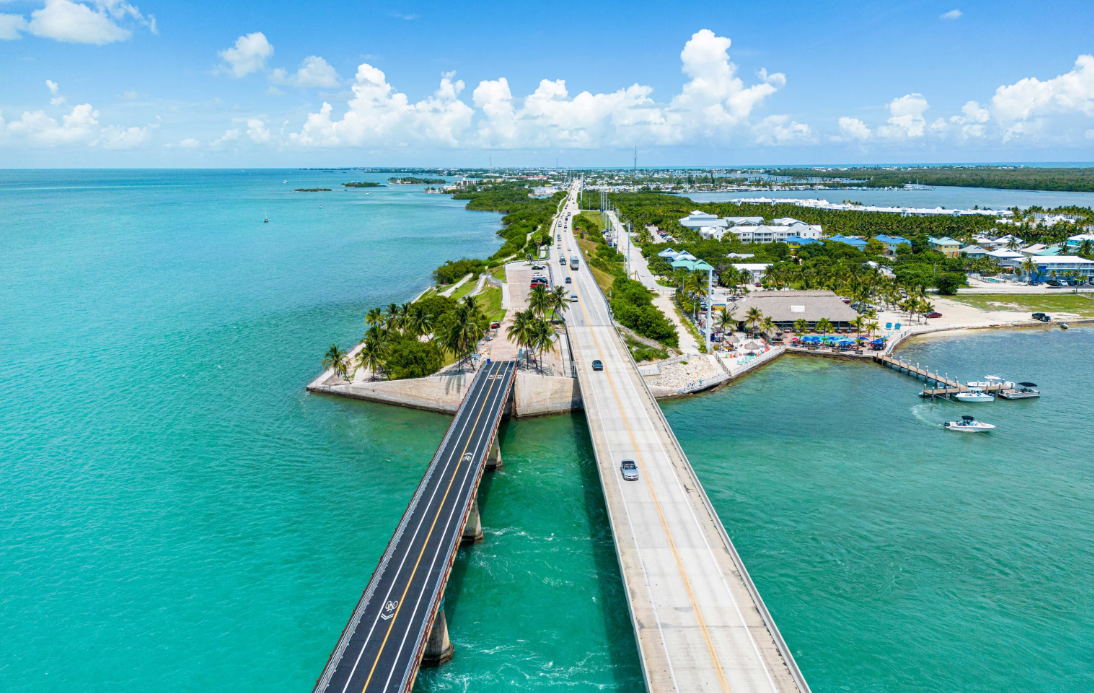
    The Florida Keys

    Day 2: Islamorada

    Morning: Drive to Islamorada

    • Scenic Drive: Enjoy the beautiful views along the Overseas Highway as you head to Islamorada (about 30 minutes from Key Largo).

    Midday: Visit the History of Diving Museum

    • Learn about the diving heritage of the Florida Keys at the History of Diving Museum, featuring exhibits on underwater exploration and marine conservation.

    Afternoon: Water Activities

    • Lunch at Morada Bay Beach Cafe: Dine with a view at this beachfront restaurant.
    • Kayaking or Paddleboarding: Rent equipment or join a guided tour to explore the mangroves and marine life in Florida Bay.

    Evening: Relax and Enjoy Local Culture

    • Dinner at The Green Turtle Inn: A historic restaurant serving up fresh seafood and local favorites.
    • Experience the local nightlife at nearby bars featuring live music and a laid-back atmosphere.

    Day 3: Marathon

    Morning: Head to Marathon

    • Drive to Marathon (about 40 minutes from Islamorada) and enjoy the stunning ocean views along the way.

    Midday: Visit the Dolphin Research Center

    • Engage with dolphins and learn about marine conservation at the Dolphin Research Center. Participate in interactive programs for an unforgettable experience.

    Afternoon: Explore Sombrero Beach

    • Relax at Sombrero Beach, known for its soft sand and clear waters. Perfect for swimming, sunbathing, and picnicking.
    • Lunch at The Stuffed Pig: Enjoy a delicious brunch with a local twist at this popular eatery.

    Evening: Discover Historic Pigeon Key

    • Take a ferry to Pigeon Key and explore this historic island, home to the original workers of the Old Seven Mile Bridge.
    • Dinner at Keys Fisheries: Savor fresh seafood in a casual waterfront setting.

    Day 4: Key West

    Morning: Drive to Key West

    • Head to Key West (about 1.5 hours from Marathon), the southernmost point in the continental U.S.

    Midday: Explore the Town

    • Breakfast at Blue Heaven: Famous for its outdoor dining and delicious pancakes.
    • Visit the Ernest Hemingway Home and Museum: Tour the former residence of the famous author and meet the six-toed cats.

    Afternoon: Dive into History and Culture

    • Lunch at Sloppy Joe’s Bar: Experience this iconic bar where Hemingway himself was a regular.
    • Tour the Key West Lighthouse and Keeper’s Quarters: Climb the lighthouse for panoramic views of the island.

    Evening: Sunset Celebration at Mallory Square

    • Experience the famous sunset celebration at Mallory Square, featuring street performers, food vendors, and beautiful views of the sunset.
    • Dinner at Latitudes: End your day with a meal at this upscale restaurant on Sunset Key, accessible by ferry.

    Day 5: Departure and Optional Activities

    Morning: Leisurely Breakfast and Last-Minute Sightseeing

    • Breakfast at The Bagel Factory: Grab a quick bite before you head out.
    • Optional Activities: Consider a snorkeling or diving trip to the Dry Tortugas National Park for a day of exploration or visit the Truman Little White House for a dose of history.

    Departure

    • Head back along the Overseas Highway, taking in the last views of the stunning Florida Keys.

    Tips for Your Road Trip:

    • Pack Essentials: Bring sunscreen, swimwear, and comfortable clothing for outdoor activities.
    • Stay Hydrated: The Florida sun can be intense; keep water handy.
    • Book Accommodations in Advance: Summer is a popular time for visitors, so make sure to secure your lodging ahead of time.
    • Check for Events: Look up local events or festivals happening during your visit for an authentic experience.

    The Florida Keys offer a perfect blend of adventure, relaxation, and natural beauty. Whether you’re snorkeling among vibrant coral reefs, indulging in fresh seafood, or enjoying stunning sunsets, a road trip through the Keys is an experience that will create lasting memories. Happy travels!


    See Also:

  • Dining with a View: The Best Waterfront Restaurants in Florida

    Florida’s beautiful coastlines, tranquil lakes, and vibrant waterways offer some of the most scenic dining experiences in the United States. Whether you’re looking for fresh seafood or a cozy atmosphere, Florida’s waterfront restaurants provide the perfect backdrop for a memorable meal. Here’s a guide to some of the best waterfront dining spots across the Sunshine State, where you can enjoy delicious cuisine while soaking in breathtaking views.

    1. The Chart House – Key West

    Nestled on the waterfront in Key West, The Chart House offers stunning views of the sunset over the water. This iconic restaurant specializes in fresh seafood, with menu highlights like the macadamia nut-crusted mahi-mahi and the signature clam chowder. Diners can enjoy their meals on a spacious outdoor deck, surrounded by tropical foliage and the gentle sound of waves.

    2. The Fish House – Miami

    Located in the bustling city of Miami, The Fish House boasts an impressive selection of fresh seafood, including daily catches and house specialties. With its beautiful views of Biscayne Bay, guests can savor dishes like grilled snapper and stone crab claws while enjoying the lively atmosphere. The restaurant’s outdoor patio is the perfect spot to watch boats glide by as you dine.

    3. The Reef – Amelia Island

    Situated on the picturesque Amelia Island, The Reef offers a casual yet elegant dining experience with stunning ocean views. The menu features fresh, locally sourced seafood, such as shrimp and grits and blackened mahi-mahi. Guests can relax on the beachside deck, listening to the sounds of the ocean while enjoying a cold drink and a delicious meal.

    Best Waterfront Restaurants in Florida

    4. The Beach House – Bradenton Beach

    The Beach House, located on Anna Maria Island, is renowned for its stunning views of the Gulf of Mexico. This waterfront restaurant specializes in fresh seafood, with dishes like grilled scallops and lobster mac and cheese. Diners can enjoy their meals on the spacious outdoor patio, complete with beautiful sunset views and the sound of waves lapping at the shore.

    5. Rusty Pelican – Tampa

    The Rusty Pelican, located in Tampa Bay, offers a sophisticated dining experience with breathtaking views of the city skyline and the water. The restaurant’s menu features a wide range of seafood options, including sushi, grilled fish, and lobster. Guests can enjoy fine dining on the patio, where they can watch the sunset over the bay while sipping on crafted cocktails.

    6. Captain Anderson’s Restaurant – Panama City Beach

    Captain Anderson’s Restaurant is a family-owned establishment known for its fresh seafood and welcoming atmosphere. Located on the waterfront, this restaurant offers stunning views of the marina. The menu includes a variety of seafood dishes, such as grilled shrimp and fried calamari. Dining here feels like a local experience, with fishermen often bringing in their daily catches to the restaurant.

    7. Ocean 60 – Amelia Island

    Ocean 60 is a hidden gem on Amelia Island that features both indoor and outdoor seating with ocean views. The restaurant focuses on fresh seafood and innovative dishes, with highlights including the sea scallops and lobster bisque. The relaxed atmosphere, combined with stunning views, makes Ocean 60 a perfect spot for a leisurely lunch or dinner.

    8. The Salty Dog Café – Hilton Head Island

    Though technically in South Carolina, The Salty Dog Café is a must-mention for Florida visitors heading to the nearby coast. Located on Daufuskie Island, this iconic spot offers outdoor seating with views of the marina. Known for its laid-back atmosphere, guests can enjoy seafood specialties like crab cakes and shrimp tacos while soaking in the beautiful coastal scenery.

    Conclusion

    Dining at waterfront restaurants in Florida offers not just a meal but an experience enriched by stunning views and fresh seafood. From the vibrant atmosphere of Miami to the tranquil shores of Amelia Island, these dining spots cater to every palate while showcasing the beauty of the Sunshine State. Whether you’re a local or just visiting, be sure to indulge in the unique flavors and breathtaking vistas that Florida’s waterfront restaurants have to offer.


    See Also:

  • Fixing Leaky Mobile Home Roofs: Common Problems and Solutions

    Mobile homes, while often affordable and efficient, can face unique challenges when it comes to roofing. Leaks in mobile home roofs are not uncommon and can lead to significant damage if not addressed promptly. This guide explores common roofing issues in mobile homes, how to identify leaks, and effective DIY repair methods to prevent further damage.

    1. Common Roofing Issues in Mobile Homes

    A. Age and Wear

    As mobile homes age, their roofs may experience wear and tear, leading to vulnerabilities. Common signs of aging include:

    • Cracks and splits in the roofing material
    • Discoloration or fading of the roof surface
    • Loose seams or flashing around vents and edges

    B. Poor Installation

    Improper installation can lead to roofing issues over time. Common installation problems include:

    C. Weather-Related Damage

    Mobile home roofs can be susceptible to damage from extreme weather conditions:

    • Heavy Rain: Persistent rain can lead to pooling and eventual leaks if the roof is not properly sloped.
    • Snow and Ice: Accumulation can create pressure points that may cause cracks or weaken the roof material.
    • High Winds: Strong winds can lift shingles or other roofing materials, creating entry points for water.

    D. Punctures and Holes

    Punctures can be caused by falling branches, hail, or other debris. Even small holes can lead to leaks, so it’s essential to address them quickly.

    Fixing Leaky Mobile Home Roof

    2. Identifying Leaks in Mobile Home Roofs

    A. Visual Inspection

    Regular inspections can help identify potential leak sources:

    • Ceilings and Walls: Look for stains, discoloration, or bubbling paint on ceilings and walls, which can indicate water intrusion.
    • Roof Surface: Inspect the roof for visible damage, such as cracks, holes, or loose seams.

    B. Check for Moisture

    Use a moisture meter to check for damp areas on the roof and interior surfaces. High moisture readings can signal hidden leaks.

    C. Perform a Water Test

    If you suspect a leak but can’t find it, conduct a water test:

    1. Choose a Rainy Day: Wait for a day with steady rainfall, or use a garden hose to simulate rain.
    2. Check Interior: As water falls on the roof, inspect the interior for any signs of dripping or moisture.
    3. Locate the Source: Once you see water coming in, trace it back to its source on the roof.

    3. DIY Repair Methods for Leaky Roofs

    A. Clean and Prepare the Roof

    Before making any repairs, clean the roof surface to ensure good adhesion:

    • Remove Debris: Clear leaves, branches, and any other debris from the roof.
    • Clean the Surface: Use a mild detergent and water to scrub the roof, then rinse thoroughly. Allow it to dry completely before proceeding with repairs.

    B. Sealant Repairs

    For small cracks or gaps, a high-quality roofing sealant can be effective:

    1. Choose the Right Sealant: Look for a sealant specifically designed for mobile home roofs or one that is compatible with your roofing material.
    2. Apply Sealant: Use a caulk gun to apply the sealant over the cracks or gaps, ensuring a smooth, even layer.
    3. Smooth the Edges: Use a putty knife to smooth out the sealant for better adhesion.

    C. Patching Holes

    For larger holes or punctures, a patch may be necessary:

    1. Gather Materials: Use a piece of roofing material that matches your existing roof (such as EPDM rubber or metal flashing).
    2. Cut the Patch: Cut a patch larger than the hole, leaving at least an inch of overlap on all sides.
    3. Apply Roofing Adhesive: Spread a generous amount of roofing adhesive around the hole and on the patch’s underside.
    4. Press the Patch: Firmly press the patch into place, ensuring there are no air bubbles or gaps.
    5. Seal the Edges: Apply roofing sealant around the edges of the patch for extra protection.

    D. Replace Damaged Sections

    If the roof has extensive damage, you may need to replace sections:

    1. Remove the Damaged Material: Carefully remove the damaged roofing section, taking care not to disturb surrounding areas.
    2. Install New Roofing Material: Cut a new piece of roofing material to fit and secure it in place with roofing nails or screws.
    3. Seal Joints: Apply roofing sealant to the seams and edges to prevent future leaks.

    4. Preventative Measures

    A. Regular Inspections

    Conduct regular inspections of your mobile home roof, especially after severe weather events. Early detection of issues can save you time and money in repairs.

    B. Routine Maintenance

    Keep your roof in good condition by performing routine maintenance:

    • Clean Gutters: Ensure gutters are clear to allow proper water drainage.
    • Trim Overhanging Trees: Trim branches that hang over your mobile home to prevent punctures from falling debris.

    C. Invest in Upgrades

    Consider upgrading your roofing material if it’s older or has had frequent issues. Modern materials may offer better durability and resistance to weather-related damage.

    Conclusion

    Addressing leaks in your mobile home roof is essential to maintaining its integrity and ensuring a safe living environment. By understanding common roofing issues, knowing how to identify leaks, and employing effective DIY repair methods, you can prevent further damage and extend the life of your mobile home. Regular maintenance and proactive measures can help you avoid significant problems in the future, keeping your home safe and comfortable.


    See Also:


  • Comparing Lot Rents in Florida: Which Regions Offer the Best Value for Mobile Home Owners?

    Florida is a prime destination for mobile home living, thanks to its warm climate, diverse communities, and the affordability of mobile homes. However, lot rents can vary significantly from one region to another, impacting the overall cost of living for mobile homeowners. In this article, we will conduct a comparative analysis of lot rents across various regions in Florida, identifying areas that offer the best value for mobile home residents.

    1. South Florida

    Key Areas: Miami, Fort Lauderdale, West Palm Beach

    Average Lot Rent: $800 – $1,200 per month
    South Florida is known for its vibrant lifestyle, beautiful beaches, and bustling cities. However, the cost of living can be high, especially in urban areas like Miami and Fort Lauderdale. Mobile home park lot rents in these regions tend to be on the higher end of the spectrum due to demand and proximity to amenities. While residents enjoy access to entertainment, dining, and cultural attractions, those seeking affordability may want to look further north or inland.

    2. Central Florida

    Key Areas: Orlando, Kissimmee, Ocala

    Average Lot Rent: $600 – $900 per month
    Central Florida offers a balance between affordability and access to attractions. Orlando, known for its theme parks and entertainment options, has mobile home parks with relatively moderate lot rents. Kissimmee and Ocala provide more affordable options, with rents often below $800. Central Florida is a popular choice for retirees and families alike, with ample recreational opportunities and community amenities.

    Comparing Lot Rents in Florida

    3. North Florida

    Key Areas: Jacksonville, Gainesville, Tallahassee

    Average Lot Rent: $500 – $800 per month
    North Florida generally has some of the most affordable lot rents in the state. Jacksonville, being the largest city, has a wide range of mobile home parks with competitive rents, while Gainesville and Tallahassee offer even lower rates. This region is ideal for those looking for a quieter lifestyle, with a mix of urban and rural environments. The cost of living is significantly lower than in South Florida, making it a great option for budget-conscious residents.

    4. The Panhandle

    Key Areas: Pensacola, Panama City Beach, Destin

    Average Lot Rent: $400 – $700 per month
    The Florida Panhandle is known for its stunning beaches and natural beauty, offering some of the most affordable lot rents in the state. Pensacola and Panama City Beach have mobile home parks with rents often below $700. This region attracts retirees and vacationers, with a slower pace of life and access to outdoor activities. Residents enjoy a sense of community and often participate in local events and gatherings.

    5. Southwest Florida

    Key Areas: Fort Myers, Naples, Sarasota

    Average Lot Rent: $600 – $1,000 per month
    Southwest Florida boasts beautiful beaches and a wealth of outdoor activities. Lot rents in this region can vary widely, with Naples typically being on the higher end due to its luxury market. However, Fort Myers and Sarasota offer more affordable options, often around the $600 mark. The region is popular among retirees and families looking for a vibrant community and access to quality amenities.

    Conclusion

    When comparing lot rents across Florida, it’s clear that North Florida and the Panhandle offer the best value for mobile homeowners, with lower average rents and a peaceful lifestyle. Central Florida strikes a balance between affordability and access to urban amenities, while South Florida’s rents tend to be higher, reflecting the demand for its vibrant lifestyle. Southwest Florida presents a mix of affordable and higher-end options, appealing to various demographics.

    Ultimately, the best region for mobile home living in Florida depends on individual preferences, lifestyle needs, and budget considerations. By evaluating the cost of lot rents alongside available amenities, prospective mobile home residents can make informed decisions about where to settle down in the Sunshine State.


    See Also:

  • Negotiating Lot Rents: Tips for Mobile Home Owners in Florida

    Negotiating lot rents can be a daunting task for mobile homeowners in Florida, particularly as costs continue to rise in many parks. However, with the right strategies and a clear understanding of your lease agreement, you can successfully negotiate more favorable terms with park management. Here are practical tips to help you navigate the process effectively.

    1. Understand Your Lease Agreement

    Review Lease Terms

    Before initiating any negotiations, take the time to thoroughly review your lease agreement. Understanding the terms and conditions of your lease is crucial for effective negotiation.

    • Rent Increase Clauses: Identify any clauses related to rent increases. Many agreements specify how much and how often rent can be raised.
    • Duration of Lease: Check the duration of your lease. Longer leases may offer more stability, while shorter leases may allow for more frequent negotiations.
    • Included Services: Understand what services and amenities are included in your lot rent. This can include water, trash collection, maintenance, and access to community facilities.

    Negotiating Lot Rents

    Know Your Rights

    Familiarize yourself with Florida’s laws regarding mobile home parks and tenant rights. This knowledge can empower you during negotiations and help you understand what is reasonable to ask for.

    • Florida Statute 723: This statute regulates mobile home parks in Florida, outlining tenants’ rights and park owners’ responsibilities. Knowing this information can give you leverage in negotiations.

    2. Research Comparable Lot Rents

    Market Comparison

    Gather data on what other mobile home parks in your area charge for lot rent. This information can help you establish a fair range for negotiations.

    • Online Listings: Check real estate websites and local listings for comparable mobile home parks and their lot rents.
    • Talk to Neighbors: Speak with other residents in your park or nearby parks to gather insights on their lot rents and experiences with negotiations.

    Understand Local Market Trends

    Stay informed about local real estate trends that might affect lot rents, such as demand, nearby developments, or economic factors. Understanding these trends can help you argue for a reasonable rate based on current market conditions.

    3. Prepare Your Case for Negotiation

    List Improvement Suggestions

    If you have made improvements to your mobile home or the lot itself, be sure to highlight these during negotiations. Improvements can justify a lower lot rent or at least prevent an increase.

    • Landscaping: If you have improved the landscaping or aesthetics of your lot, document these changes.
    • Upgrades: Highlight any upgrades to utilities or structures that enhance the overall value of the park.

    Build a Value Proposition

    Create a list of reasons why negotiating your lot rent is beneficial for both you and the park management. Emphasizing your positive contributions to the community can strengthen your case.

    • Community Stability: As a long-term resident, you contribute to the park’s stability, which benefits all residents and the management.
    • Timely Payments: If you consistently pay your rent on time, emphasize your reliability as a tenant.

    4. Initiate the Conversation

    Schedule a Meeting

    Once you’re prepared, request a meeting with park management to discuss your lot rent. Ensure you choose a time when they are likely to be receptive and open to discussion.

    • Professionalism: Approach the meeting with professionalism. Treat it as a business discussion rather than a personal confrontation.

    Present Your Case

    During the meeting, present your case clearly and confidently. Use the data you’ve gathered to back up your requests.

    • Be Specific: Clearly state what you’re asking for, whether it’s a reduction in lot rent, a cap on future increases, or additional services included in your rent.
    • Listen: Allow park management to share their perspective and reasoning. Listening can foster a more collaborative environment.

    5. Discuss Improvements and Amenities

    Highlight Community Enhancements

    If you believe improvements to the community could justify your request, be prepared to discuss these with park management.

    • Shared Amenities: Discuss whether the amenities provided align with the lot rent you are paying. If certain amenities are lacking or not being maintained, this can be a valid point for negotiation.
    • Maintenance Issues: If there are unresolved maintenance issues in the park, bring these to management’s attention as a basis for your negotiation.

    Suggest Shared Improvements

    Propose ideas for community enhancements that could benefit all residents, possibly leading to a more stable or lower rent structure.

    • Community Events: Suggest organizing community events to build camaraderie among residents, which can enhance the park’s overall appeal and stability.
    • Safety Improvements: Discuss any potential safety improvements, such as better lighting or security measures, that could improve the living environment for everyone.

    6. Be Open to Compromise

    Flexibility in Negotiations

    Be prepared to compromise during negotiations. Park management may have their own constraints and may not be able to meet all your requests.

    • Alternative Solutions: If they cannot lower the rent, consider negotiating for other benefits, such as enhanced maintenance services or improvements to community amenities.
    • Long-Term Agreements: Consider proposing a longer lease agreement in exchange for a more favorable rent rate.

    7. Follow Up in Writing

    Document the Agreement

    After the negotiation, summarize the key points discussed and any agreements made in writing. This creates a record that both parties can refer to later.

    • Confirmation Letter: Send a follow-up email or letter thanking the management for the meeting and outlining the agreed-upon terms. This documentation can help prevent misunderstandings in the future.

    Stay Engaged

    Continue to engage with park management on a regular basis. Keeping an open line of communication can foster a positive relationship and make future negotiations easier.

    Conclusion

    Negotiating lot rents can be challenging for mobile homeowners in Florida, but with careful preparation and a strategic approach, it’s possible to achieve a favorable outcome. By understanding your lease agreement, researching comparable rents, and presenting a well-prepared case, you can confidently navigate negotiations with park management. Remember to stay professional, be open to compromise, and document all agreements for a smoother process in the future.


    See Also:


  • Hurricane Safety in Florida: Are Mobile Homes Safe During a Storm?

    Living in Florida comes with its fair share of sunshine and outdoor activities, but it also means preparing for the hurricane season. Mobile homes, while affordable and convenient, raise specific safety concerns when a storm approaches. Understanding the risks and being prepared can make a significant difference in ensuring your safety and the integrity of your home during severe weather.

    Understanding the Risks

    Mobile homes are generally more vulnerable to hurricane damage compared to traditional site-built homes. Here are some of the primary risks associated with mobile homes during storms:

    • Wind Damage: Mobile homes are typically lighter and less anchored than conventional homes, making them susceptible to high winds. Strong gusts can cause structural failure or even lift homes off their foundations.
    • Flooding: Hurricanes often bring heavy rainfall and storm surges, leading to flooding. Mobile homes located in flood-prone areas are at greater risk of water damage.
    • Debris Impact: Flying debris during a hurricane can cause significant damage to mobile homes, particularly windows and exterior walls.

    Storm Preparedness

    Preparation is critical for mobile home residents. Here are essential steps to take before a storm hits:

    Hurricane Safety in Florida

    1. Know Your Evacuation Routes: Familiarize yourself with local evacuation routes and listen to local authorities for evacuation orders. Mobile home residents are often encouraged to evacuate during severe storms due to safety concerns.
    2. Create an Emergency Kit: Prepare an emergency kit that includes water, non-perishable food, first-aid supplies, flashlights, batteries, important documents, and medications.
    3. Secure Your Property: Before a storm, secure or bring indoors any outdoor furniture, decorations, or equipment that could become projectiles in high winds.
    4. Check Tie-Downs: Ensure that your mobile home is properly anchored with tie-downs and bracing. Consult a professional if you’re unsure about the stability of your home’s installation.
    5. Install Storm Shutters: If possible, install storm shutters or plywood over windows to protect against debris. This can help minimize damage during the storm.

    Safety Standards for Mobile Home Construction

    Mobile home safety standards have evolved over the years, especially in hurricane-prone areas like Florida. The U.S. Department of Housing and Urban Development (HUD) sets national standards for mobile home construction, which include guidelines for structural integrity and resistance to wind loads.

    In Florida, the Florida Building Code (FBC) includes additional regulations for mobile homes to withstand hurricane conditions. These standards involve:

    • Wind Load Requirements: Mobile homes are designed to meet specific wind load requirements based on their location. Homes in high-wind zones must adhere to stricter standards.
    • Anchoring Systems: Mobile homes must be installed with appropriate anchoring systems to minimize movement during high winds. This includes ground anchors and tie-downs.
    • Elevated Foundations: In flood-prone areas, mobile homes may be required to be elevated to reduce the risk of flooding. Elevated foundations help protect against storm surges and heavy rain.

    Conclusion

    While mobile homes can be at greater risk during hurricanes, understanding the safety concerns and implementing proper preparedness measures can enhance safety. Knowing when to evacuate and following local guidelines are vital to protecting yourself and your loved ones during storm season. With the proper precautions and awareness of safety standards, mobile home residents in Florida can navigate hurricane season with greater confidence and peace of mind.


    See Also:

  • Rebuilding After the Storm: What Mobile Home Owners Need to Know After a Hurricane in Florida

    Hurricanes can be devastating, especially for mobile homeowners in Florida, where storms can cause significant damage in a matter of hours. If you find yourself in the aftermath of a hurricane, it’s crucial to understand the steps you need to take for recovery. This guide provides essential information on insurance claims, repairing or replacing damaged homes, and available financial assistance options.

    1. Assessing the Damage

    Safety First

    Before entering your mobile home, ensure it is safe. Check for hazards such as downed power lines, gas leaks, or structural instability. If you have any doubts, contact local authorities or emergency services for assistance.

    Document the Damage

    Once it’s safe, conduct a thorough assessment of your mobile home:

    • Take Photos and Videos: Document all damage to your home and personal belongings, both inside and out. This visual evidence will be crucial when filing insurance claims.
    • List Damaged Items: Make an inventory of damaged or lost items, including furniture, appliances, and personal belongings. Include estimated replacement costs for each item.

    2. Insurance Claims

    Review Your Insurance Policy

    Understanding your insurance coverage is vital to navigating the claims process:

    • Types of Coverage: Mobile home insurance policies can vary. Familiarize yourself with your coverage details, including dwelling coverage, personal property coverage, and any additional living expenses coverage.
    • Flood Insurance: If you live in a flood-prone area, ensure you have flood insurance, as standard mobile home insurance typically does not cover flood damage.

    rebuilding after the storm

    Filing a Claim

    Once you have assessed the damage, it’s time to file your claim:

    • Contact Your Insurance Provider: Call your insurance company as soon as possible to report the damage and start the claims process.
    • Submit Documentation: Provide the necessary documentation, including your photos, inventory list, and any other required forms. Keep copies of all correspondence for your records.
    • Meet with the Adjuster: Your insurance company will likely send an adjuster to assess the damage. Be present during the visit to discuss the damage and provide any additional information they may need.

    Understand the Claims Process

    The claims process can take time, so it’s essential to be patient and proactive:

    • Stay in Touch: Maintain communication with your insurance adjuster for updates on your claim status.
    • Request an Appeal: If you disagree with the adjuster’s assessment or the settlement offer, you can appeal the decision. Gather supporting evidence and request a review.

    3. Repairing or Replacing Your Mobile Home

    Determine the Best Course of Action

    After filing your insurance claim, evaluate whether you should repair or replace your mobile home:

    • Repairing: If the damage is minor and the home is structurally sound, repairs may be the most cost-effective option. Consult with licensed contractors to assess the extent of the repairs needed.
    • Replacing: If your mobile home is severely damaged or destroyed, replacing it may be a better long-term solution. Research local dealers and manufacturers for new mobile homes or used options in good condition.

    Hiring Contractors

    When repairing or replacing your mobile home, hiring licensed and reputable contractors is crucial:

    • Get Multiple Estimates: Obtain quotes from several contractors to compare prices and services. Ensure each contractor is licensed, insured, and has experience working on mobile homes.
    • Check References: Ask for references and read reviews to ensure the contractor has a good reputation in the community.

    4. Financial Assistance Options

    Federal and State Assistance

    In the aftermath of a hurricane, various assistance programs can help mobile homeowners:

    • FEMA Assistance: The Federal Emergency Management Agency (FEMA) offers disaster assistance to eligible homeowners and renters. This can include grants for temporary housing, home repairs, and other disaster-related expenses. Visit the FEMA website for information on how to apply.
    • State Disaster Relief Programs: Florida may have additional state-level assistance programs available for hurricane recovery. Check the Florida Division of Emergency Management for details.

    Low-Interest Loans

    If you need financial assistance for repairs or replacement, consider low-interest loans:

    • SBA Disaster Loans: The U.S. Small Business Administration (SBA) offers low-interest loans to homeowners and renters affected by disasters. These loans can cover repairs, replacement costs, and personal property losses.
    • Local Nonprofits and Charities: Reach out to local organizations and charities that may provide financial assistance or resources for disaster recovery.

    5. Preparing for Future Storms

    Once you’ve navigated the recovery process, consider taking steps to prepare for future storms:

    • Upgrade Your Insurance: Review your insurance policy annually and consider additional coverage options, such as flood insurance or hurricane windstorm coverage.
    • Secure Your Home: Invest in upgrades to reinforce your mobile home against future storms. This may include tie-downs, stronger windows, or a more resilient roof.
    • Create an Emergency Plan: Develop a plan for future hurricanes, including evacuation routes, emergency contacts, and essential supplies.

    Conclusion

    Recovering from a hurricane can be overwhelming, especially for mobile homeowners in Florida. By understanding the steps to take after a storm, including assessing damage, filing insurance claims, and exploring financial assistance options, you can rebuild your life and home. Additionally, preparing for future storms can help protect your investment and ensure you are ready when the next hurricane approaches. Stay safe and resilient as you navigate the recovery process.


    See Also:


  • Mobile Home Fixer-Uppers: How to Find Affordable Projects in Florida

    Looking to break into the mobile home market on a budget or start a rewarding renovation project? Buying a mobile home fixer-upper in Florida can be an excellent opportunity. Whether you’re a first-time buyer or an investor, these affordable projects allow you to enter the market at a lower cost while potentially reaping significant rewards. Here’s how you can find these hidden gems, evaluate their worth, and turn them into profitable investments.

    Where to Find Mobile Home Fixer-Uppers in Florida

    1. Online Marketplaces: Websites like Zillow, Realtor.com, and Craigslist often have listings for mobile homes in need of renovation. These platforms allow you to filter results for specific criteria, including price range and condition.
    2. FSBO (For Sale By Owner): FSBO listings can be a goldmine for fixer-uppers, as sellers may offer homes at lower prices without agent fees. Check online listings, social media groups, and local classified ads for FSBO mobile homes.
    3. Mobile Home Parks: Many Florida mobile home parks have homes for sale that need some TLC. Contact park managers or search park-specific websites to find affordable renovation projects.
    4. Auction Websites: Some mobile homes are available through foreclosure auctions or bank-owned sales. Sites like Auction.com and HUD Home Store often have mobile homes at a fraction of their market value.
    5. Drive Through Communities: Take a drive through mobile home communities or neighborhoods where you’re interested in buying. You may spot “for sale” signs that aren’t listed online.

    mobile home fixer-upper

    Evaluating a Mobile Home Fixer-Upper

    When considering a fixer-upper, it’s important to evaluate the condition of the home to determine whether it’s a good investment. Here’s what to look for:

    • Foundation and Structure: Inspect the foundation, flooring, and walls for any signs of damage or instability. Repairing structural issues can be costly, so it’s essential to understand the extent of any damage.
    • Roof and Windows: Check for leaks or damage to the roof, as well as the condition of the windows. These repairs are crucial to ensure the home is weatherproof and energy-efficient.
    • Plumbing and Electrical Systems: Outdated or damaged plumbing and electrical systems can lead to major expenses. Ensure these systems are functional or plan for the cost of updating them.
    • Overall Layout and Design: Consider the home’s layout and how much work is required to bring it up to modern standards. Minor cosmetic repairs like painting or flooring are affordable, but a complete interior overhaul could be a larger investment.

    Turning Your Fixer-Upper into a Profitable Investment

    Once you’ve purchased your mobile home fixer-upper, it’s time to maximize its value:

    1. Create a Budget: Set a realistic budget for renovations, keeping in mind that costs can vary based on the size and condition of the home. Prioritize essential repairs like structural and system updates, and allocate the rest for cosmetic improvements.
    2. DIY Where Possible: Save on renovation costs by tackling smaller projects yourself, such as painting, landscaping, and minor repairs. This can significantly increase your profit margin.
    3. Hire Professionals for Major Work: For more complex repairs, such as electrical or plumbing updates, hire licensed professionals to ensure the work meets Florida’s safety standards.
    4. Focus on Curb Appeal: The exterior of your mobile home is the first thing potential buyers will see, so invest in improvements like landscaping, new siding, or a fresh coat of paint to enhance its curb appeal.
    5. Resell or Rent for Profit: Once renovations are complete, you can either sell the mobile home for a profit or rent it out for a steady income stream. Florida’s growing demand for affordable housing makes mobile homes an appealing option for both buyers and renters.

    Conclusion

    Investing in a mobile home fixer-upper in Florida offers a cost-effective entry into the housing market with the potential for significant returns. By finding the right property, evaluating its condition, and making strategic renovations, you can transform a fixer-upper into a profitable investment. Whether you choose to flip the home or rent it out, mobile home renovations in Florida offer a world of opportunity for savvy buyers.


    See Also:

Reset password

Enter your email address and we will send you a link to change your password.

Get started with your account

to save your favourite homes and more

Sign up with email

Get started with your account

to save your favourite homes and more

By clicking the «SIGN UP» button you agree to the Terms of Use and Privacy Policy
Powered by Estatik