Category: Blog

  • Mobile Home Insurance for Hurricanes: What Florida Residents Need to Know

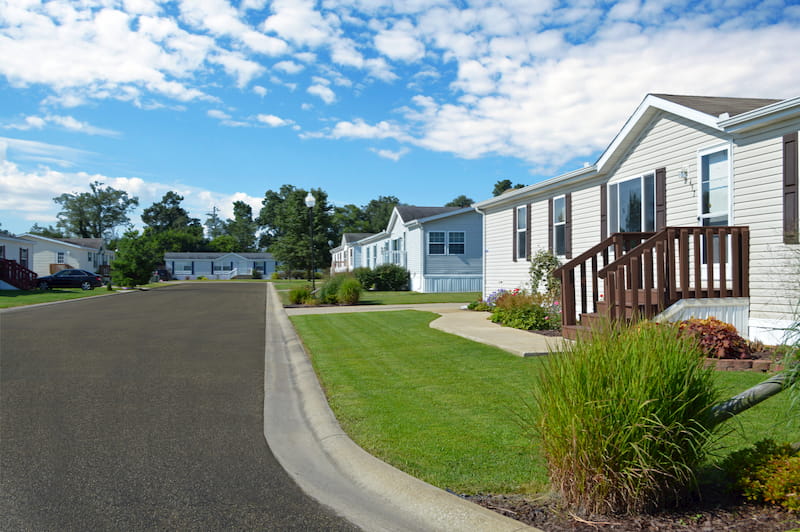
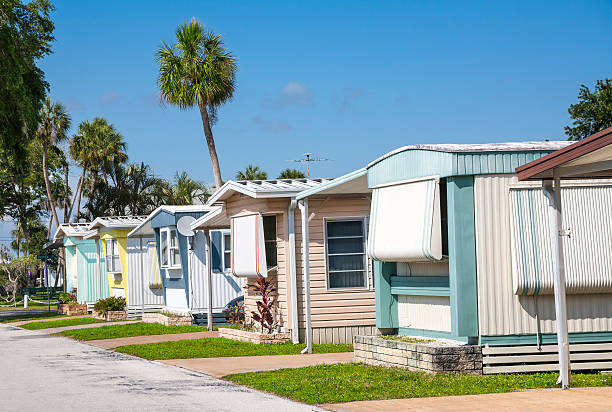
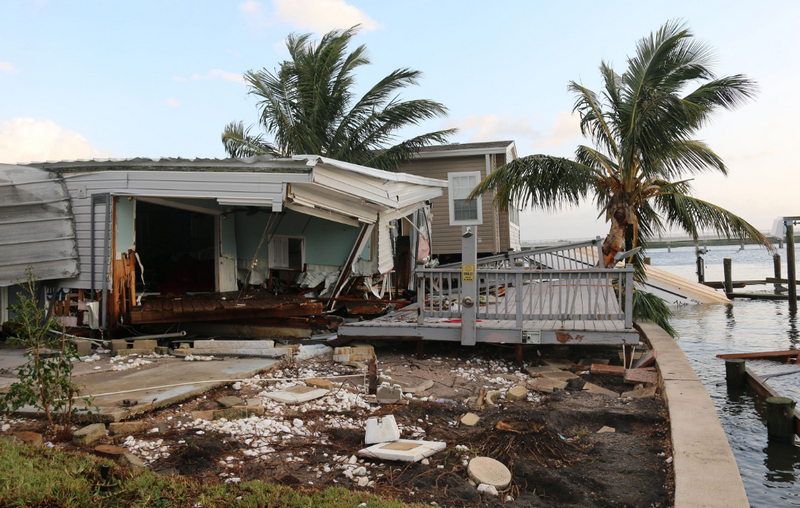
    Mobile homes in Florida face unique challenges during hurricane season. Given their lightweight structures, mobile homes are more vulnerable to high winds and flooding. For residents, adequate insurance coverage is essential. Mobile home insurance is designed to protect against these natural disasters, yet many owners lack a comprehensive understanding of its terms and benefits. Here, key aspects of mobile home insurance for hurricanes are discussed to ensure all residents are well-prepared.

    Understanding Mobile Home Insurance Coverage

    In Florida, standard mobile home insurance typically covers damages caused by wind, hail, and fire. However, damage from flooding may not be included in the primary policy. Additional coverage, such as a separate flood insurance policy, is often needed to cover this risk. Standard policies can include structural coverage, personal property protection, and liability insurance. Coverage limits and policy specifics vary by provider, making it essential to read the policy thoroughly.
    mobile home insurance for hurricanes

    Types of Coverage Needed for Hurricane Season

    A comprehensive policy should include several types of coverage for full protection. Structural coverage should protect the mobile home’s frame, roof, and exterior fixtures. Personal property coverage is necessary to replace or repair belongings damaged by hurricanes. Liability coverage is also recommended to cover potential injury claims from visitors during or after a storm. Additional coverage for living expenses is often available and should be considered. This coverage assists with temporary housing costs if evacuation becomes necessary due to storm damage.

    Additional Coverage Options to Consider

    Many insurance companies offer additional hurricane-specific options. Flood insurance, which is not typically included, should be considered by all Florida residents. Windstorm insurance may also be available, which is especially useful in hurricane-prone areas. Extended replacement cost coverage can protect against inflation in repair costs due to high demand after hurricanes. These additional options can provide more peace of mind during hurricane season, even if they increase the monthly premium.

    The Role of Deductibles in Hurricane Insurance

    Insurance deductibles are a key factor to consider when choosing a policy. Deductibles are the amounts paid out of pocket before coverage begins. In hurricane-prone areas, insurance companies often apply a separate hurricane deductible. This deductible is usually a percentage of the total coverage amount. Florida residents should confirm their deductible structure and choose an amount they can afford to pay. High deductibles lower premiums but increase upfront costs when a claim is filed.

    Evaluating Insurance Providers for Hurricane Coverage

    Florida residents should evaluate several insurance providers to find the best fit. Each provider may have different policies, coverage limits, and premiums. An insurance provider should have experience with hurricane claims, as well as a reputation for reliable service. Online reviews, financial stability ratings, and recommendations from other mobile homeowners should be considered. A provider’s response time to claims should also be evaluated, as timely assistance is critical after a hurricane.

    Understanding Policy Exclusions for Hurricanes

    Policy exclusions are terms that limit the situations in which coverage applies. Many mobile home insurance policies include exclusions for specific types of storm damage. Understanding these exclusions is essential for full preparedness. Certain exclusions may apply to items kept outside the home, like sheds or vehicles. Flooding is typically excluded and must be covered by a separate policy. Careful review of exclusions allows residents to make informed choices and avoid costly surprises after a storm.

    The Importance of Flood Insurance in Florida

    Flooding is a major risk during hurricanes, but it is often not covered under standard policies. Separate flood insurance should be considered to protect the mobile home and belongings. Flood insurance is typically offered through the National Flood Insurance Program (NFIP) and private insurers. The NFIP provides policies specifically designed for high-risk flood zones. With flood insurance, residents are better protected against the significant damage that storm surges can cause.

    How Windstorm Insurance Protects Mobile Homes

    Windstorm insurance specifically covers damage caused by strong winds, including those from hurricanes. For mobile homeowners, windstorm insurance offers critical protection against severe weather. Wind damage can affect roofs, windows, and siding, leading to costly repairs. In many Florida areas, separate windstorm policies are required due to the high hurricane risk. A windstorm policy provides a focused layer of protection against common storm-related damage.

    Reviewing Your Policy Annually

    Policy reviews should be conducted at least once a year. Mobile home values and coverage requirements can change over time. Hurricane season in Florida brings unpredictable weather, so yearly policy adjustments are recommended. Increases in property value, updates to local regulations, and changes in weather patterns may require additional coverage. Reviewing the policy ensures that residents stay prepared for evolving risks and avoid coverage gaps.

    Keeping an Inventory of Insurance Claims

    An inventory of all personal belongings should be kept and updated regularly. In case of damage, this inventory will simplify the claims process. Photos, receipts, and item descriptions should be included in the inventory. Digital backups are recommended, especially in case physical records are lost. This documentation helps speed up claims and ensures all damaged or lost items are accounted for. Keeping this information in a secure and accessible place is advised.

    How to File a Hurricane Insurance Claim

    A hurricane insurance claim should be filed promptly after a storm. Providers should be contacted as soon as it is safe to do so. Damage should be documented with photos, including close-ups of specific areas and overall property views. A detailed list of damages should be submitted along with the claim. Claims should be tracked through each stage until resolved. Adjusters may require access to the property, so coordinating an inspection time with the provider is essential.

    Temporary Housing Coverage for Mobile Home Owners

    Temporary housing coverage is especially valuable in the aftermath of a hurricane. If the mobile home becomes uninhabitable, temporary housing expenses can be covered. This coverage may include hotel stays, food expenses, and other related costs. For Florida mobile home residents, temporary housing coverage offers security during difficult times. Each policy may have different limits on these expenses, so terms should be reviewed carefully.

    Policy Adjustments After Storm Damage

    After significant damage, the insurance policy should be re-evaluated. Repair costs may increase, and the home’s overall value may change. Policy adjustments ensure continued protection against future storms. In Florida, rebuilding after a hurricane can be costly, so the policy should reflect these expenses. An insurance agent can provide guidance on adjusting limits to maintain adequate coverage.

    Choosing a Higher Coverage Limit

    Higher coverage limits may be worth considering in hurricane-prone areas. Higher limits increase the level of protection for the mobile home and personal belongings. For Florida mobile homeowners, this may mean adding protection against common types of damage, such as roof or structural repairs. A higher limit is especially beneficial when rebuilding costs are high. While higher premiums may be required, the investment in peace of mind can be worthwhile.

    Essential Steps Before and During Hurricane Season

    Before hurricane season, all insurance information should be reviewed and organized. Emergency contacts, policy numbers, and claim filing information should be readily available. An evacuation plan should be created and discussed with family members. Personal documents should be stored in a waterproof container, and emergency supplies should be stocked. With these preparations, mobile home residents can reduce risks and ensure a safer hurricane season.

    Getting Support from Insurance Agents

    Insurance agents can provide valuable assistance with hurricane coverage. A knowledgeable agent will help residents understand policy terms, deductibles, and exclusions. After a storm, an agent can guide residents through the claims process, ensuring prompt support. Many agents in Florida specialize in hurricane insurance and can offer tailored advice. Consulting with an agent ensures that mobile home residents are properly covered for hurricane season.

    Staying Informed on Hurricane-Related Insurance Laws

    Florida’s insurance laws are often updated to reflect hurricane risks and homeowner needs. Staying informed on changes can help mobile homeowners adjust their policies accordingly. Legal changes may impact deductibles, exclusions, or claim procedures. Reliable sources, such as government websites or local news, should be consulted for updates. Insurance providers may also send updates to policyholders on relevant legal changes.

    Final Thoughts on Hurricane Insurance

    In Florida, mobile home insurance is essential to withstand hurricane season. A well-rounded policy with windstorm, flood, and liability coverage provides the best protection. Deductibles, exclusions, and coverage limits must be understood to avoid unexpected costs. Each resident should maintain an up-to-date policy that matches the home’s current value and risk level. By taking these steps, mobile home residents can protect themselves and their property through each hurricane season.
     

    See Also:

  • Storm-Proofing Your Florida Mobile Home: Essential Tips and Supplies

    In Florida, preparing mobile homes for storm seasons is essential. Hurricanes and tropical storms strike Florida with significant frequency and intensity. Mobile homes face greater vulnerability due to their lightweight construction and materials. With preparation, however, the risks of storm damage can be reduced. In this article, effective strategies for storm-proofing mobile homes and essential supplies to keep on hand are discussed.

    Conducting a Home Inspection

    A home inspection should be conducted well before storm season begins. Doors, windows, and roofing should be checked for potential weaknesses. Particular attention should be paid to any damaged or aging materials. Any part of the mobile home showing signs of wear or damage must be repaired or reinforced. Frequent inspections ensure that all areas of the home are prepared to withstand high winds and rain.

    Reinforcing Doors and Windows

    Doors and windows are common weak points during storms. Storm shutters or impact-resistant windows should be installed, as they can significantly increase storm resistance. If these are not affordable, plywood can be used as an alternative for temporary reinforcement. Plywood sheets should be cut to fit window and door dimensions in advance. Window film or hurricane fabric can be applied for added protection. Each option provides a layer of security against flying debris and powerful wind.

    storm-proofing mobile homes

    Strengthening the Roof

    The roof is one of the most vulnerable parts of any structure during storms. Roof straps and anchors can be installed to secure the roof firmly to the home. Roof seams should be checked for leaks and sealed if necessary. Metal roofing, which is both durable and lightweight, is recommended for mobile homes in storm-prone areas. When installed properly, metal roofing is more resistant to wind and rain than traditional shingles. Roof inspections should be routine before and during hurricane season.

    Anchoring the Mobile Home

    Anchoring is one of the most important steps in mobile home storm-proofing. Homes that are not properly anchored are at risk of being uplifted by strong winds. The installation of tie-downs should be verified, and additional tie-downs added if necessary. Steel anchors are the most effective choice, as they provide maximum security. Over time, anchors and tie-downs may loosen, so periodic checks are essential.

    Securing Outdoor Items

    Loose outdoor items can become dangerous projectiles in high winds. Before a storm, all outdoor furniture, decorations, and loose items should be brought indoors. Larger items that cannot be moved should be anchored or secured. A clean and debris-free yard reduces the risk of flying objects that could damage the mobile home or surrounding properties. When items are properly secured, there is less risk of injury to people or pets nearby.

    Preparing Emergency Supplies

    Emergency supplies are vital during storm preparation. Essential supplies include non-perishable food, water, a flashlight, batteries, a first-aid kit, and medication. Personal documents should be gathered and stored in a waterproof bag. Supplies should be sufficient to last for at least three days. A battery-powered or hand-crank radio is recommended for weather updates. All emergency supplies should be kept in an easily accessible place, preferably close to the exit of the mobile home.

    Creating a Storm Evacuation Plan

    Evacuation plans should be created in case a storm becomes severe. This plan must include the route to the nearest evacuation shelter and important contact numbers. All family members should be informed of this plan and know where to go if separated. Practicing evacuation drills can help everyone understand their roles. Important documents, medications, and supplies should be gathered in advance. Mobile home residents should always have a backup plan in case the main evacuation route becomes impassable.

    Understanding Storm Alerts and Warnings

    Knowing how to interpret storm alerts and warnings is critical. The National Weather Service (NWS) issues different levels of alerts based on storm intensity and proximity. Alerts range from “Advisory” (indicating possible impact) to “Warning” (indicating imminent danger). All alerts and updates should be monitored through reliable sources such as the NWS or FEMA. Understanding these warnings can help residents prepare in time. Alerts provide vital information on when to shelter in place or evacuate.

    Investing in Insurance for Storm Protection

    Insurance is another key component of storm preparedness. Standard mobile home insurance typically covers storm damage, but flood insurance may require an additional policy. Windstorm insurance should also be considered, as it covers damage from hurricane-force winds. Before hurricane season, policies should be reviewed to ensure they meet coverage needs. Documentation and photos of the mobile home should be kept as proof in case of damage. Coverage helps in mitigating the financial impact of severe storms.

    Reviewing and Updating Storm Supplies

    Preparedness supplies must be regularly reviewed and updated. Batteries and non-perishable foods can expire over time, so these items should be replaced as needed. Important documents and insurance information should be reviewed for accuracy and kept up to date. Essential items like flashlights, radios, and first-aid kits should be tested and replaced if necessary. Storm supplies should be checked at the start of each hurricane season to ensure they are ready to use.

    Essential Storm-Proofing Supplies Checklist

    For maximum readiness, the following supplies should be kept on hand:

    1. Storm Shutters – Essential for protecting windows and doors.
    2. Plywood Sheets – Used to cover windows and doors when storm shutters are unavailable.
    3. Roof Straps and Anchors – Secures the roof to the mobile home’s structure.
    4. Steel Tie-Downs and Anchors – Reinforce the home’s foundation to prevent uplift.
    5. Emergency Kit – Includes essentials such as food, water, medication, and a flashlight.
    6. Battery-Powered Radio – Necessary for receiving weather updates if power is lost.
    7. Waterproof Storage Bags – Protects important documents from water damage.
    8. Portable Phone Charger – Keeps communication devices operational during outages.
    9. Tool Kit – Assists in emergency repairs and securing items.
    10. First-Aid Kit – Basic medical supplies in case of injuries.

    This checklist provides a strong foundation for storm-proofing efforts. With these items, residents can protect both their mobile home and their family.

    Additional Tips for Effective Storm Preparation

    When preparing for storms, mobile homeowners should remain informed and proactive. Joining local emergency alert systems and weather apps can keep residents updated on storm developments. Regular meetings with neighbors and local community members can provide additional resources. Mobile home parks often have emergency plans and shelters, so becoming familiar with park policies is important.

    Staying Informed and Safe

    Storm season requires Florida mobile home residents to remain vigilant. Each preparation step and supply is aimed at maximizing safety. Mobile homes may be more vulnerable to storms, but with proper preparation, the risks can be minimized. Every Florida resident should remain informed, prepared, and resilient during storm season.

    By following these guidelines, mobile homeowners can protect their property and loved ones during the storm season in Florida


    See Also:


  • All-Age vs. 55+ Mobile Home Parks in Florida: Which Is Right for You?

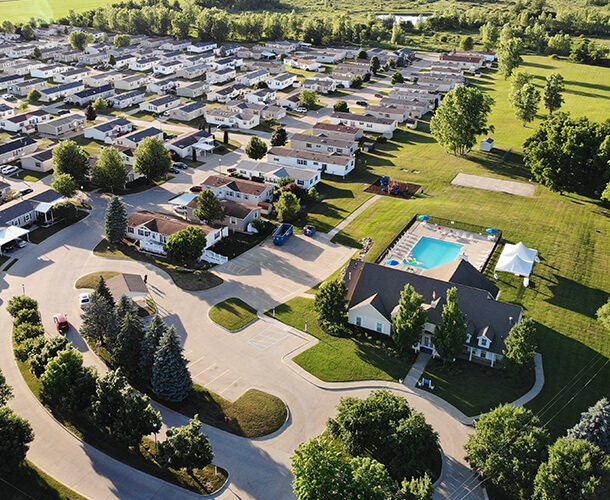
    Choosing where to live is a significant decision, especially in Florida’s mobile home market. Two popular options are all-age mobile home parks and age-restricted (55+) parks. Each type offers unique benefits and features. In this article, we will compare all-age and 55+ mobile home parks. We will explore the community atmosphere, amenities, and suitability for various lifestyles.

    Understanding All-Age Mobile Home Parks

    All-age mobile home parks welcome residents of all ages. These communities create a diverse living environment. Families, young professionals, and retirees all coexist in these parks.

    Community Atmosphere

    In all-age parks, you will find a lively and dynamic community. The presence of children and young adults creates a vibrant atmosphere. Families enjoy spending time outdoors, with kids playing and adults socializing.

    Community events often cater to all ages. From holiday celebrations to potluck dinners, there is something for everyone. This inclusivity fosters friendships across generations.

    55+ Mobile Home Parks in Florida

    Amenities

    All-age mobile home parks usually offer family-friendly amenities. Playgrounds, swimming pools, and sports courts are common features. These amenities encourage residents to engage in recreational activities together.

    Residents can also enjoy walking trails and picnic areas. Such spaces are perfect for family gatherings and outdoor events. The diverse amenities cater to the interests of all community members.

    Suitability for Various Lifestyles

    All-age mobile home parks suit various lifestyles. Families with children find these parks appealing. The availability of amenities encourages a family-friendly atmosphere.

    Younger individuals and professionals may also thrive in these communities. The dynamic environment provides opportunities for social interaction and activities.

    Additionally, retirees can enjoy the flexibility of living among younger residents. This interaction often fosters connections and friendships that enhance life.

    Understanding 55+ Mobile Home Parks

    55+ mobile home parks cater to older adults. These age-restricted communities provide a quieter environment. Residents must be at least 55 years old to live in these parks.

    Community Atmosphere

    The atmosphere in 55+ parks is often more tranquil. Residents typically share similar life experiences and interests. This commonality can create a strong sense of community and belonging.

    Many 55+ parks prioritize peace and relaxation. They provide a comfortable space for retirees to enjoy their golden years. Events often focus on activities that appeal to older adults, such as game nights and crafting.

    Amenities

    Amenities in 55+ mobile home parks cater to the needs of older adults. Many parks offer fitness centers, swimming pools, and social clubs. These features encourage active living while providing opportunities for socialization.

    Residents can participate in organized events like bingo nights, dances, and potlucks. Such activities foster camaraderie and connections among neighbors.

    Some parks also offer additional services, such as maintenance and landscaping. These services allow residents to focus on enjoying their retirement without worrying about upkeep.

    Suitability for Various Lifestyles

    55+ mobile home parks suit retirees and older adults. Residents often seek a peaceful living environment that accommodates their needs. These parks offer a slower-paced lifestyle, ideal for relaxation.

    The social opportunities in 55+ parks are also appealing. Many residents enjoy forming friendships with neighbors. Shared interests and life experiences foster connections that enhance community living.

    For individuals seeking a community with like-minded peers, 55+ parks offer an ideal environment. The focus on social activities and shared experiences enhances overall satisfaction.

    Comparing the Two Types of Parks

    When deciding between all-age and 55+ mobile home parks, consider key differences. Understanding these distinctions will help you choose the best option for your lifestyle.

    Community Interaction

    In all-age parks, residents interact across generations. This diversity enriches the community experience. Families with children add vibrancy and energy to the atmosphere.

    In contrast, 55+ parks promote interaction among older adults. This environment is conducive to building friendships based on shared experiences. Residents often find camaraderie with peers navigating similar life stages.

    Amenities and Activities

    All-age parks typically offer a wider variety of amenities. They focus on family-friendly activities, with pools, playgrounds, and sports courts. These features encourage residents of all ages to engage in recreation.

    On the other hand, 55+ parks emphasize amenities that cater to older adults. Fitness centers, social clubs, and organized events are common. These amenities promote an active and fulfilling lifestyle for retirees.

    Lifestyle Considerations

    Consider your lifestyle and preferences when choosing a park type. If you value a vibrant, diverse community, all-age parks may suit you better. These parks foster connections among residents of all ages.

    However, if you prefer a quieter atmosphere, a 55+ park may be more suitable. These communities focus on peace and relaxation, providing an ideal environment for retirees.

    Making the Right Choice

    Choosing between all-age and 55+ mobile home parks ultimately depends on your lifestyle. Consider what matters most to you in a community. Reflect on your preferences and priorities.

    Assess Your Needs

    Think about your current and future needs. Are you looking for a vibrant, family-oriented atmosphere? If so, an all-age park might be the best choice.

    Alternatively, if you seek peace and relaxation, a 55+ park could be more suitable. Assess your priorities and make a decision that aligns with your lifestyle.

    Visit Potential Parks

    Before making a decision, visit potential parks. Take the time to explore different communities. Talk to residents and ask questions about their experiences.

    Pay attention to the amenities and activities offered. Ensure the community aligns with your lifestyle and preferences. This firsthand experience will help you make an informed choice.

    Consider Long-Term Plans

    Think about your long-term plans as you make your decision. Consider how your needs may change over time. If you plan to retire soon, a 55+ park may be ideal.

    However, if you anticipate needing a more diverse environment, an all-age park may suit you better. Be realistic about your future lifestyle and how it aligns with each park type.

    Conclusion

    Choosing between all-age and 55+ mobile home parks in Florida can be challenging. Each option offers unique benefits and features. All-age parks provide a vibrant, diverse community atmosphere, while 55+ parks cater to older adults seeking peace and relaxation.

    Assess your lifestyle, needs, and preferences. Take the time to explore potential parks and engage with residents. Making an informed decision will lead to a satisfying living experience in Florida’s mobile home market. Ultimately, the right choice will enhance your quality of life and create a sense of belonging in your new community.


    See Also:

  • The Benefits of Living in an All-Age Mobile Home Park in Florida

    Choosing the right place to live is crucial for your lifestyle and well-being. An all-age mobile home park in Florida offers unique benefits. These communities provide a mix of advantages that appeal to individuals and families. In this article, we will explore the key benefits of living in an all-age mobile home park in Florida.

    1. Diverse Communities

    One of the most significant advantages of living in an all-age mobile home park is the diversity. These parks attract residents of various ages and backgrounds.

    Mix of Residents

    In an all-age park, you will find families with children, young adults, and retirees. This mix creates a vibrant and dynamic community atmosphere. Residents can learn from each other and share experiences.

    Community Activities

    All-age mobile home parks often host various community activities. These may include social events, games, and holiday celebrations. Residents can participate in activities that interest them, fostering connections and friendships.

    Supportive Environment

    Living among diverse neighbors creates a supportive environment. Residents can help one another with challenges. Whether you need help with a task or want advice, there’s likely someone willing to lend a hand.

    all-age mobile home park in Florida

    2. Family-Friendly Amenities

    All-age mobile home parks often provide family-friendly amenities. These features make life more enjoyable for all residents, regardless of age.

    Recreation Areas

    Most parks have recreational areas, such as playgrounds, sports courts, and picnic spots. Families can enjoy outdoor activities together, creating lasting memories. Children have safe spaces to play and make friends.

    Swimming Pools

    Many all-age mobile home parks feature swimming pools. This amenity offers a place for residents to relax and cool off. It also provides opportunities for family gatherings and community events.

    Clubhouses

    Clubhouses serve as a central hub for activities and events. They often host game nights, movie screenings, and community meetings. Residents can gather here, fostering a sense of belonging and camaraderie.

    3. Flexible Living Options

    Living in an all-age mobile home park provides flexible living options. This flexibility is appealing to various buyers and renters.

    Variety of Home Styles

    All-age mobile home parks typically offer various home styles and sizes. Whether you need a small unit or a larger family home, options are available. This variety allows residents to choose a home that suits their needs and budget.

    Affordability

    Mobile homes are often more affordable than traditional houses. This affordability makes them an attractive option for first-time buyers, retirees, and families. Residents can enjoy homeownership without breaking the bank.

    Short-Term and Long-Term Rentals

    Many parks allow both short-term and long-term rentals. This flexibility appeals to different living situations. Residents can choose to rent for a season or stay long-term based on their needs.

    4. Safe and Secure Environment

    Safety is a priority for many individuals and families. All-age mobile home parks often provide a safe and secure living environment.

    Gated Communities

    Many all-age parks feature gated entrances. This added security can give residents peace of mind. Gated communities restrict access, ensuring that only residents and their guests enter the park.

    Community Watch Programs

    Some mobile home parks implement community watch programs. These initiatives promote safety by encouraging residents to look out for one another. A strong community watch fosters a sense of security and belonging.

    Low Crime Rates

    All-age mobile home parks often have lower crime rates compared to other neighborhoods. The close-knit community dynamics discourage criminal activity. Residents tend to know each other, creating a safer environment.

    5. Active Lifestyle Opportunities

    Living in an all-age mobile home park promotes an active lifestyle. Many parks encourage physical activity through various amenities and programs.

    Fitness Facilities

    Some mobile home parks offer fitness facilities or gyms. Access to exercise equipment allows residents to stay fit and healthy. Regular exercise can improve overall well-being.

    Organized Activities

    Parks often organize group activities, such as walking clubs and exercise classes. These programs encourage residents to engage with one another while staying active. Joining these activities can help you make new friends while improving your health.

    Nature Trails and Parks

    Many parks are located near nature trails and public parks. Residents can enjoy hiking, biking, and exploring the outdoors. Living near nature promotes a healthy lifestyle and offers stress relief.

    6. Sense of Community

    Living in an all-age mobile home park fosters a strong sense of community. This feeling is essential for many residents seeking connection and support.

    Neighborly Connections

    In all-age parks, residents often form close bonds with their neighbors. These connections can lead to lifelong friendships. A supportive network can enhance your living experience and create a sense of belonging.

    Shared Experiences

    Residents often share experiences related to community events or common interests. This shared experience fosters camaraderie and strengthens relationships. It’s not uncommon for neighbors to come together for celebrations or support each other during tough times.

    Volunteering Opportunities

    Many all-age mobile home parks encourage residents to volunteer. Opportunities may include organizing events or helping with park maintenance. Volunteering enhances community spirit and provides a sense of purpose.

    7. Proximity to Amenities and Services

    Living in an all-age mobile home park often means easy access to various amenities and services.

    Close to Schools

    For families with children, proximity to quality schools is essential. All-age mobile home parks are often located near well-rated schools. This convenience makes drop-off and pick-up easier for parents.

    Nearby Shopping and Dining

    Most parks are situated near shopping centers and restaurants. Residents have quick access to grocery stores, retail shops, and dining options. This convenience enhances daily living and reduces travel time.

    Healthcare Facilities

    Access to healthcare facilities is vital, especially for families and retirees. Many all-age mobile home parks are located near hospitals and clinics. This proximity ensures residents can receive medical attention when needed.

    Conclusion

    Living in an all-age mobile home park in Florida offers numerous benefits. These parks provide diverse communities, family-friendly amenities, and flexible living options. Additionally, they promote safety, an active lifestyle, and a strong sense of community.

    If you’re considering relocating, an all-age mobile home park might be an ideal choice. Embrace the advantages of living in a vibrant community that welcomes residents of all ages. With the right environment, you can enjoy a fulfilling and enriching lifestyle in Florida.


    See Also:


  • Top 5 Mistakes to Avoid When Selling Your Mobile Home in Florida

    Selling a mobile home in Florida can be a rewarding experience. However, it can also be challenging. Many sellers make common mistakes that can hinder their success. Understanding these pitfalls is crucial. This article discusses the top five mistakes to avoid when selling your mobile home in Florida.

    1. Setting the Wrong Price

    One of the most significant mistakes sellers make is setting the wrong price. Pricing your mobile home too high can drive potential buyers away. Conversely, pricing it too low can lead to losses.

    Conduct a Comparative Market Analysis

    Before setting your price, conduct a comparative market analysis (CMA). A CMA involves researching similar homes in your area. This research helps you understand what buyers are willing to pay.

    Consider Market Conditions

    Market conditions fluctuate, so consider the current real estate climate. In a seller’s market, you can price your home higher. In a buyer’s market, you may need to lower your expectations.

    Get a Professional Appraisal

    Consider hiring a professional appraiser to assess your mobile home’s value. An expert can provide an accurate evaluation based on market data. This step can prevent you from underpricing or overpricing your home.

    Mistakes to Avoid When Selling Your Mobile home

    2. Neglecting Necessary Repairs

    Neglecting necessary repairs is another common mistake. Many sellers believe they can sell their home “as-is.” However, buyers often shy away from homes needing significant work.

    Identify and Address Repairs

    Before listing your mobile home, identify any repairs needed. Inspect plumbing, electrical systems, and structural elements. Addressing these issues can improve your home’s appeal.

    Focus on Curb Appeal

    Curb appeal matters. First impressions are critical. Ensure the exterior of your mobile home looks well-maintained. Trim the landscaping, clean the yard, and paint the exterior if necessary.

    Be Honest About Repairs

    If your mobile home has issues you cannot address, be honest with potential buyers. Disclose all known problems upfront. Transparency builds trust and can prevent complications during negotiations.

    3. Failing to Market Effectively

    Effective marketing is essential for attracting buyers. Failing to market your mobile home can result in long selling times. Consider various strategies to promote your home.

    Use Online Listings

    In today’s digital age, online listings are crucial. Use popular real estate websites to list your mobile home. High-quality photos and detailed descriptions can attract more interest.

    Utilize Social Media

    Social media platforms are powerful marketing tools. Share your listing on Facebook, Instagram, and other channels. Consider joining local groups to reach potential buyers in your area.

    Host Open Houses

    Hosting open houses can create buzz around your mobile home. Advertise the event through online channels and local community boards. Open houses allow buyers to explore your home in person.

    4. Overlooking Legal Considerations

    Legal considerations are essential when selling a mobile home in Florida. Many sellers overlook these factors, leading to complications later.

    Understand Local Laws

    Familiarize yourself with local laws regarding mobile home sales. Florida has specific regulations governing mobile home transfers. Understanding these laws helps you navigate the selling process smoothly.

    Prepare Necessary Documents

    Ensure you have all necessary documents ready. These may include the title, maintenance records, and inspection reports. Having these documents accessible can streamline the transaction.

    Consider Working with a Realtor

    If you’re unsure about the legal aspects of selling your mobile home, consider hiring a realtor. A knowledgeable agent can guide you through the process and ensure compliance with all laws.

    5. Ignoring Negotiation Strategies

    Negotiation is a vital part of selling a mobile home. Ignoring negotiation strategies can lead to unfavorable terms or lost opportunities.

    Be Open to Offers

    When you receive offers, be open-minded. Even if the offer is lower than your asking price, consider it. Engaging in negotiations can help you reach a mutually beneficial agreement.

    Know Your Bottom Line

    Before entering negotiations, determine your bottom line. Knowing the lowest price you’re willing to accept empowers you during discussions. This knowledge helps prevent emotional decision-making.

    Stay Professional

    Keep emotions in check during negotiations. Stay professional and avoid becoming confrontational. A calm and composed approach can lead to more productive discussions.

    Conclusion

    Selling your mobile home in Florida can be a smooth process if you avoid common mistakes. Setting the right price, addressing necessary repairs, and marketing effectively are essential steps. Additionally, understanding legal considerations and employing negotiation strategies can enhance your selling experience.

    By steering clear of these pitfalls, you can increase your chances of a successful sale. Focus on preparation and transparency to attract potential buyers. With the right approach, you can achieve a successful sale and move on to your next adventure.


    See Also:

  • The Best Time of Year to Sell a Mobile Home in Florida

    Selling a mobile home in Florida can be a profitable venture, but timing is crucial. Understanding seasonal trends helps you attract buyers and secure the best price. This article explores the best times of year to list your mobile home for sale.

    Understanding the Florida Mobile Home Market

    Florida’s mobile home market has unique characteristics. The state’s warm climate attracts many people, especially during winter months. Seasonal trends can impact buyer demand and pricing. Understanding these trends helps you sell effectively.

    The Importance of Timing

    Timing your sales can significantly influence your results. Listing your mobile home during peak seasons can lead to higher offers. Conversely, selling during slow periods may result in lower offers and longer selling times.

    Spring: A Strong Start

    Spring is often considered the best time to sell a mobile home in Florida. This season typically runs from March to May. During these months, many factors come into play.

    Increased Buyer Activity

    As the weather warms up, buyer activity increases. Many people search for new homes during spring. Families often want to settle before the school year begins. This heightened interest can lead to more offers on your mobile home.

    Seasonal Events and Promotions

    Spring also brings various events and promotions in Florida. Festivals, fairs, and community events can attract potential buyers. This influx of visitors may result in more inquiries about available homes.

    best times of year to list your mobile home

    Longer Days and Better Weather

    Longer days and pleasant weather create ideal conditions for showings. Buyers are more likely to visit your home in spring. Bright sunshine showcases your mobile home in its best light.

    Summer: A Mixed Bag

    Summer can be a mixed bag for selling a mobile home in Florida. The season lasts from June to August, and several factors affect the market.

    Increased Competition

    Many sellers list their homes during summer. This increase in competition can make it challenging to stand out. To attract buyers, you may need to invest in marketing efforts.

    Seasonal Heat and Hurricane Preparedness

    Florida’s summer heat can deter some buyers. Additionally, the hurricane season begins in June, leading many to postpone home purchases. Buyers often prioritize finding homes with hurricane-resistant features during this time.

    Vacation Season

    Summer is vacation season in Florida. Tourists flock to the state, increasing foot traffic in popular areas. If your mobile home is in a tourist-friendly location, you might see more interest from buyers.

    Fall: A Transition Period

    Fall marks a transition period in Florida’s mobile home market. This season runs from September to November. While it may not be the peak season, there are still advantages to selling during fall.

    Reduced Competition

    As summer ends, competition among sellers decreases. Many people remove their homes from the market. This reduction can provide an opportunity to attract serious buyers.

    Ideal Weather Conditions

    The weather in fall is generally mild and pleasant. Cooler temperatures encourage more buyers to explore homes. Consider hosting open houses to showcase your mobile home.

    Preparing for the Winter Season

    As fall progresses, buyers often think about relocating before winter. Many are eager to finalize their purchases and settle in. This urgency can work in your favor when listing your home.

    Winter: The High Season

    Winter is a busy time in Florida’s mobile home market. This season runs from December to February and offers unique selling opportunities.

    The Snowbird Effect

    Florida attracts many “snowbirds” during winter months. These seasonal residents often seek mobile homes for part-time living. This influx increases demand for mobile homes.

    Holiday and New Year Opportunities

    The holiday season brings many visitors to Florida. Many families visit friends or relatives and explore housing options. This influx can lead to more inquiries and potential offers.

    Showcase Your Home’s Winter Appeal

    Highlight your mobile home’s features during winter. Showcase how it provides a warm escape from colder climates. Emphasizing comfort and relaxation can attract buyers looking for a winter retreat.

    Best Months to List Your Mobile Home

    Based on seasonal trends, certain months are more advantageous for listing your mobile home.

    March and April

    March and April are ideal months to list your mobile home. The weather is pleasant, and buyer activity peaks during this time. Listing during these months can help you reach a broad audience.

    September and October

    If you miss the spring market, consider listing in September or October. These months often see less competition, and buyers remain active. The mild weather also makes showings more appealing.

    December

    Listing in December can be effective due to holiday visitors. Many families consider relocating during this time. Buyers looking for winter homes may be more active in the market.

    Preparing Your Mobile Home for Sale

    Regardless of when you choose to sell, preparing your mobile home is essential. Proper preparation can make your home more appealing to potential buyers.

    Clean and Declutter

    Start by cleaning and decluttering your mobile home. A clean space feels inviting and allows buyers to envision their belongings. Consider hiring a professional cleaner for a thorough job.

    Make Necessary Repairs

    Identify and address any necessary repairs. Fix leaky faucets, squeaky doors, and cosmetic issues. A well-maintained home is more attractive to buyers.

    Stage Your Home

    Staging your mobile home can enhance its appeal. Arrange furniture to maximize space and showcase your home’s potential. Adding decorative touches can create a welcoming atmosphere.

    Enhance Curb Appeal

    Don’t forget about curb appeal. Trim the landscaping, paint the exterior, and clean outdoor spaces. First impressions matter, and an attractive exterior can draw buyers in.

    Marketing Your Mobile Home

    Once your home is ready, effective marketing is crucial. Use various channels to reach potential buyers.

    Online Listings

    List your mobile home on popular real estate websites. High-quality photos and detailed descriptions attract more interest. Consider using social media to share your listing.

    Host Open Houses

    Organize open houses to showcase your mobile home. Promote these events online and through local community boards. Open houses provide an opportunity for buyers to explore your home in person.

    Work with a Realtor

    Consider working with a real estate agent specializing in mobile homes. They can provide valuable insights and help you navigate the selling process. An experienced agent can assist with pricing and marketing strategies.

    Conclusion

    Timing your sale can significantly impact the outcome of selling your mobile home in Florida. Understanding seasonal trends helps you determine the best times to list your property.

    Spring often presents the best opportunities, followed by fall and winter. Regardless of when you choose to sell, preparing your home and marketing it effectively is essential. By following these tips, you can attract buyers and secure the best price for your mobile home in Florida’s dynamic market.


    See Also:


  • How to Negotiate Lot Rent in Florida’s Mobile Home Parks

    Negotiating lot rent in Florida’s mobile home parks can lead to significant savings. Many residents find themselves uncertain about how to approach this process. This guide offers practical tips and insights on effectively negotiating lot rent with park owners or managers.

    1. Understand the Basics of Lot Rent

    Lot rent is the monthly fee paid to the mobile home park owner. This fee covers the space your home occupies and various services. Knowing what you pay for is essential before entering negotiations.

    What Lot Rent Typically Includes

    Lot rent often covers utilities, maintenance, and access to amenities. However, the specifics can vary from one park to another. Before negotiating, review your lease to understand what is included.

    Factors Influencing Lot Rent

    Various factors can influence lot rent rates. These include location, amenities, and park reputation. Understanding these elements helps you gauge the fairness of your current lot rent.

    2. Research Local Market Trends

    Before negotiating, research the market rates for lot rent in your area. This information provides valuable context during discussions with park management.

    Mobile Home Lot Rent

    Compare Similar Parks

    Visit or contact other mobile home parks in your area. Gather information about their lot rent rates and included services. Comparing your current park with others can strengthen your negotiating position.

    Online Resources

    Use online platforms to research mobile home parks. Websites like Zillow or local real estate listings can provide insights into lot rent trends.

    3. Know Your Rights

    Understanding your rights as a mobile home resident in Florida is crucial. Familiarize yourself with local laws regarding rent control and tenant protections.

    Florida’s Rent Control Laws

    Florida does not have statewide rent control laws. However, some local jurisdictions may have regulations. Check with your city or county government for any specific rules that apply to mobile home parks.

    Tenant Protections

    Florida law protects tenants from unjust evictions and discrimination. Knowing your rights gives you leverage in negotiations. Familiarize yourself with the Florida Mobile Home Act for more details.

    4. Assess Your Lease Terms

    Carefully review your current lease agreement before negotiating. Understanding its terms can help you identify areas for negotiation.

    Lease Length

    The length of your lease can affect your negotiating power. If your lease is nearing expiration, you may have more leverage to negotiate lower rent.

    Renewal Clauses

    Check for any renewal clauses that outline potential rent increases. If the lease allows for increases, negotiate these terms before signing.

    Special Assessments

    Some parks may impose special assessments for improvements or repairs. Clarify how these affect your rent and negotiate any unexpected fees.

    5. Prepare for the Discussion

    Preparation is key to successful negotiations. Gather relevant documents and data before approaching park management.

    Documentation

    Collect evidence to support your case. This may include market research, lease agreements, and any previous communications with management.

    Set Clear Goals

    Determine what you want to achieve from the negotiation. Whether it’s a lower monthly rent or more included services, be clear about your objectives.

    6. Approach Park Management

    Once you feel prepared, it’s time to approach park management. Choose a suitable time to discuss your concerns.

    Schedule a Meeting

    Request a meeting with the park manager or owner. This allows for a focused discussion without distractions. Be polite and professional in your approach.

    Be Respectful

    Always approach negotiations with respect. Park management is more likely to respond positively if you maintain a friendly demeanor.

    7. Present Your Case

    During the meeting, present your case clearly and concisely. Use your research and documentation to support your arguments.

    Use Data to Back Your Claims

    Refer to your market research when discussing lot rent. Present data about similar parks to highlight your points. This approach can demonstrate that your request is reasonable.

    Discuss Long-Term Residency

    If you are a long-term resident, emphasize your commitment to the park. Park owners often value stable tenants and may be more willing to negotiate.

    8. Offer Compromises

    Negotiation is about finding common ground. Be prepared to offer compromises to reach a mutually beneficial agreement.

    Suggest Alternatives

    If the park manager is reluctant to lower rent, suggest alternatives. This could include waiving certain fees or providing additional services in exchange for maintaining current rent rates.

    Consider Lease Length

    Propose a longer lease in exchange for reduced rent. A longer commitment can provide stability for both parties, making it a win-win situation.

    9. Follow Up

    After the initial negotiation, follow up to keep the conversation going. This can help solidify any agreements made.

    Document Agreements

    If you reach an agreement, ask for it in writing. Documenting the terms helps avoid misunderstandings in the future.

    Stay Engaged

    Continue to engage with park management. Regular communication can help maintain a positive relationship and pave the way for future negotiations.

    10. Be Prepared to Walk Away

    Sometimes, negotiations may not yield the desired outcome. Be prepared to walk away if the terms are unsatisfactory.

    Assess Your Options

    If negotiations fail, explore other mobile home parks in the area. Knowing your options provides leverage and helps you avoid settling for unfavorable terms.

    Evaluate Your Budget

    Consider how much you can afford. If the lot rent exceeds your budget, it may be time to explore more affordable options.

    11. Know When to Seek Help

    If negotiations become challenging or contentious, don’t hesitate to seek help. Various organizations can offer support.

    Mediation Services

    Consider using mediation services for tenant disputes. These services can help facilitate productive discussions between you and park management.

    Legal Advice

    If you believe your rights are being violated, consult a lawyer. Legal professionals specializing in tenant law can provide guidance on your options.

    Conclusion

    Negotiating lot rent in Florida’s mobile home parks requires preparation and strategy. Understanding your rights, researching market trends, and approaching park management respectfully can lead to successful negotiations.

    Use the tips in this guide to effectively advocate for fair lot rent. By following these steps, you can secure better terms and enhance your living experience in your mobile home park. Whether it’s achieving a lower monthly rate or negotiating better lease terms, being proactive can save you money in the long run.


    See Also:

  • What Does Mobile Home Lot Rent Typically Include in Florida?

    Mobile home living can be an affordable and convenient housing option in Florida. Many people choose to live in mobile home parks for the community, amenities, and lifestyle. One essential aspect to understand is the lot rent. This fee covers various services and amenities. In this article, we will explore what mobile home lot rent typically includes in Florida.

    1. Understanding Mobile Home Lot Rent

    Lot rent is a monthly fee that residents pay to live in a mobile home park. This fee is separate from the cost of purchasing the mobile home itself. Lot rent can vary widely based on location, park amenities, and services provided. Understanding what is included in the lot rent helps residents budget effectively.

    Why Lot Rent Matters

    Lot rent often represents a significant portion of monthly expenses. Knowing what you receive in return for your payment is crucial. This understanding can influence your decision to move into a particular mobile home community.

    2. Utilities

    Utilities are often included in the lot rent. However, the extent of coverage can vary from park to park.

    Water and Sewer

    Many mobile home parks include water and sewer services in the lot rent. Residents typically do not receive separate bills for these utilities. However, some parks may charge a flat fee based on usage.

    Mobile Home Lot Rent

    Electricity

    Electricity may or may not be included in the lot rent. Some parks cover the cost of electricity, while others require residents to pay for it separately. Always ask the park manager about their policies regarding electricity costs.

    Gas

    If the mobile home uses gas for heating or cooking, gas charges may be included in the rent. Alternatively, some parks may require residents to set up their own accounts with gas companies.

    Internet and Cable

    In some mobile home parks, internet and cable services are included in the lot rent. These amenities can enhance the living experience. However, not all parks provide these services, so it’s essential to clarify beforehand.

    3. Park Maintenance

    Park maintenance is another crucial component covered by lot rent. This includes various services that keep the community in good condition.

    Landscaping

    Many mobile home parks provide landscaping services. This includes lawn care, tree trimming, and flower bed maintenance. Residents typically enjoy a well-maintained outdoor space without having to manage it themselves.

    Road Maintenance

    Road maintenance is essential for safety and accessibility. Lot rent often covers the upkeep of roads within the mobile home park. This includes repairs to potholes, resurfacing, and ensuring proper drainage.

    Common Areas

    Common areas, such as clubhouses and recreational facilities, require regular maintenance. Lot rent usually contributes to the upkeep of these spaces. Residents benefit from clean and accessible community areas.

    4. Trash Removal

    Trash removal is typically included in the lot rent. Mobile home parks usually have designated trash collection services. Residents can place their waste in specific containers or designated areas.

    Recycling Services

    Many parks also offer recycling services. This is an essential amenity for environmentally conscious residents. Regular recycling collection can help keep the community clean and promote sustainability.

    Bulk Trash Pickup

    Some mobile home parks provide bulk trash pickup services. This includes the collection of larger items, such as furniture or appliances. Residents should check with their park manager about the schedule and any additional fees that may apply.

    5. Access to Community Facilities

    Access to community facilities is a significant benefit of living in a mobile home park. Lot rent often includes access to various amenities.

    Clubhouses

    Many parks feature clubhouses for residents. These spaces often host social events, meetings, and activities. Access to a clubhouse can foster a sense of community among residents.

    Swimming Pools

    Some mobile home parks offer swimming pools as part of their amenities. Residents can enjoy recreational swimming and social gatherings at the pool. This amenity is especially appealing in Florida’s warm climate.

    Recreational Areas

    Recreational areas, such as playgrounds, picnic spots, and sports courts, may be included in the lot rent. These spaces provide opportunities for residents to enjoy outdoor activities and socialize with neighbors.

    Fitness Facilities

    In some parks, fitness facilities may be available. This can include gyms, walking trails, or exercise classes. Access to these facilities encourages residents to maintain an active lifestyle.

    6. Security Services

    Some mobile home parks offer security services as part of the lot rent. This can enhance the safety and peace of mind of residents.

    Gated Access

    Gated mobile home parks often provide additional security features. These parks may have controlled access points that require keycards or codes for entry. This can help ensure that only residents and authorized guests can access the community.

    Security Patrols

    Regular security patrols can be part of the lot rent. These patrols may monitor the community during the night or at specific times. Increased security measures can contribute to a safer living environment.

    7. Social Activities and Events

    Many mobile home parks organize social activities and events for residents. These events often foster a sense of community and belonging.

    Scheduled Activities

    Park management may schedule activities such as bingo nights, potlucks, or holiday celebrations. Participating in these activities can help residents connect with their neighbors.

    Clubs and Organizations

    Some parks have clubs or organizations focused on various interests. These may include gardening clubs, book clubs, or hobby groups. Joining a club can provide social interaction and shared interests among residents.

    8. Additional Fees and Considerations

    While lot rent covers many services, residents should be aware of potential additional fees.

    Special Assessments

    Some parks may impose special assessments for major repairs or improvements. This could include upgrades to facilities or infrastructure. Residents should inquire about any potential assessments during the rental agreement process.

    Lease Agreements

    Always read the lease agreement carefully. This document outlines what services and amenities are included in the lot rent. Understanding the terms can help avoid misunderstandings in the future.

    Future Increases

    Lot rent can increase over time. This may happen due to inflation, increased maintenance costs, or additional amenities. Residents should ask about the park’s policy regarding lot rent increases.

    9. Conclusion

    Understanding what mobile home lot rent typically includes in Florida is essential for potential residents. Lot rent often covers utilities, park maintenance, trash removal, and access to community facilities. Additionally, amenities such as security services and social activities can enhance the living experience.

    When considering a mobile home park, ask about all the included services. Understanding these aspects helps residents budget effectively and enjoy their community fully. By choosing the right park and understanding the lot rent structure, residents can make the most of their mobile home living experience in Florida.

    See Also:


  • 5 Tips for Finding Affordable Mobile Homes in Florida’s Competitive Market

    Finding affordable mobile homes in Florida’s competitive market can be challenging. With increasing demand, prices can rise quickly. However, using effective strategies can help you secure a budget-friendly mobile home. This article explores five practical tips to navigate Florida’s mobile home market successfully.

    1. Research Different Locations

    Florida has diverse regions, each with unique housing markets. Researching different locations can uncover hidden gems.

    Explore Less Popular Areas

    Cities like Orlando and Miami attract many buyers, leading to higher prices. Consider smaller towns and rural areas. Places like Brooksville or Sebring may offer lower prices and less competition.

    Check Mobile Home Parks

    Mobile home parks often provide more affordable options than standalone homes. Research parks in various areas. Some parks cater specifically to retirees, while others appeal to families.

    Evaluate Local Amenities

    Consider local amenities when exploring locations. Access to schools, hospitals, and grocery stores can impact your living experience. Finding a balance between affordability and convenience is essential.

    Investigate Neighborhood Trends

    Keep an eye on neighborhood trends. Areas undergoing revitalization may offer affordable homes with the potential for appreciation.

    Affordable Mobile Homes in Florida

    2. Set a Realistic Budget

    Establishing a budget is crucial when searching for mobile homes. This budget should consider not only the purchase price but also additional costs.

    Calculate Total Costs

    Include expenses such as insurance, property taxes, and maintenance in your budget. Remember that mobile homes may require different insurance than traditional homes. Understanding these costs will give you a clearer picture of affordability.

    Get Pre-Approved for Financing

    Before you start shopping, get pre-approved for financing. This process provides a clear understanding of your price range. Pre-approval also strengthens your position when negotiating with sellers.

    Be Prepared for Down Payments

    Many sellers expect a down payment. Having this money saved can increase your chances of securing a deal. Aim for at least 10% of the purchase price to strengthen your offer.

    Factor in Renovation Costs

    If you consider a fixer-upper, budget for renovation costs. Older mobile homes may need repairs or upgrades. Knowing these expenses upfront can help you avoid financial strain later.

    3. Utilize Online Resources

    Online resources can significantly simplify your search for affordable mobile homes. Many websites and tools cater specifically to mobile home buyers.

    Explore Real Estate Websites

    Use popular real estate websites like Zillow and Realtor.com to search for mobile homes. These sites offer filters for price ranges, locations, and home features.

    Join Online Forums and Groups

    Social media platforms like Facebook have groups dedicated to mobile home buying. Joining these groups can provide valuable insights and listings. You can connect with other buyers and sellers who share your interests.

    Check Local Classifieds

    Websites like Craigslist and local classifieds often have listings for mobile homes. These listings can sometimes be more affordable than traditional real estate sites. Be cautious and verify the legitimacy of the listings before engaging.

    Subscribe to Alert Notifications

    Set up alert notifications on real estate websites for your specific criteria. This feature can notify you when new mobile homes hit the market. Being among the first to know can give you a competitive edge.

    4. Negotiate with Sellers

    Negotiating with sellers can lead to a better price. Many sellers expect some level of negotiation, so don’t hesitate to engage.

    Do Your Homework

    Research comparable homes in the area. Knowing the market value can provide leverage during negotiations. If a seller’s price is higher than the average, use this information to make your case.

    Be Respectful and Professional

    Approach negotiations with respect. Building a positive rapport can lead to better outcomes. Sellers are often more willing to negotiate with buyers who are polite and professional.

    Offer a Fair Price

    When making an offer, suggest a fair price based on your research. Offering too low may offend the seller, while a reasonable offer can spark negotiation.

    Be Willing to Walk Away

    Sometimes, walking away is the best strategy. If negotiations aren’t progressing, be prepared to look elsewhere. This approach can demonstrate seriousness and confidence.

    5. Work with Experienced Professionals

    Partnering with professionals can streamline your search for affordable mobile homes. Their expertise can provide valuable insights and guidance.

    Hire a Real Estate Agent

    Consider working with a real estate agent experienced in mobile homes. They can help you navigate listings, negotiate offers, and understand the local market. An agent can also provide access to properties that may not be listed online.

    Consult with Mobile Home Specialists

    Some agents specialize in mobile homes specifically. These specialists understand the nuances of the market. They can offer targeted advice on financing, park regulations, and potential issues with specific homes.

    Consider Home Inspectors

    Before purchasing a mobile home, hire a home inspector. An inspection can reveal potential problems that may not be visible during your initial walkthrough. Knowing these issues can influence your negotiations and save you money in the long run.

    Seek Financial Advisors

    Financial advisors can help you understand your budget and financing options. They can also assist in creating a plan to save for a down payment or future renovations.

    Conclusion

    Finding affordable mobile homes in Florida’s competitive market is achievable with the right strategies. Research different locations to uncover hidden opportunities. Set a realistic budget that considers all costs, including renovations and financing. Utilize online resources to streamline your search and connect with potential sellers. Don’t shy away from negotiating, as this can significantly impact your final price.

    Working with experienced professionals, such as real estate agents and inspectors, can also provide valuable support. By following these tips, you can navigate Florida’s mobile home market successfully. With patience and persistence, you can find the perfect budget-friendly mobile home that meets your needs.


    See Also:

  • Affordable Mobile Homes in Florida: Buying New vs. Pre-Owned

    When considering mobile homes in Florida, buyers face a crucial decision: should you buy new or pre-owned? Each option has its pros and cons. Understanding these differences can help you make an informed choice. This article explores the advantages and disadvantages of both new and pre-owned mobile homes, focusing on affordability, maintenance costs, resale value, and benefits for first-time buyers.

    1. Affordability

    Affordability is often the primary concern for homebuyers. Mobile homes generally offer a lower price point than traditional homes. However, new and pre-owned homes vary significantly in cost.

    New Mobile Homes
    New mobile homes come with modern features and energy-efficient appliances. They are typically more expensive upfront. Prices for new mobile homes in Florida range from $50,000 to over $100,000, depending on size and amenities. Financing options are available, but monthly payments may be higher due to the initial cost.

    Pre-Owned Mobile Homes
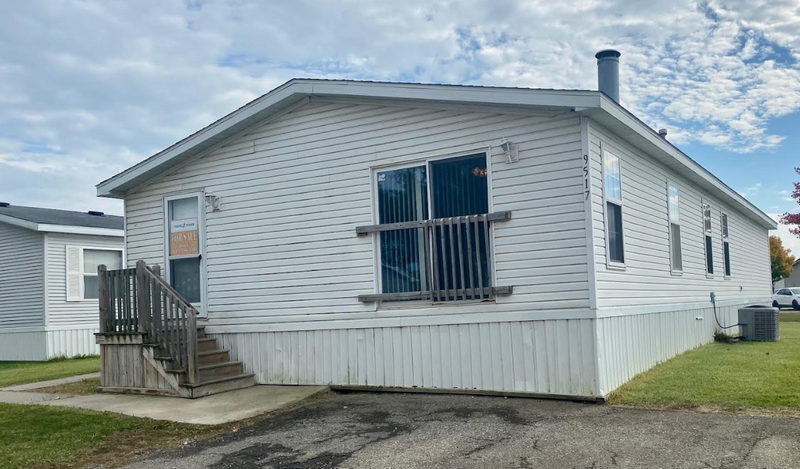
    Pre-owned mobile homes tend to be more affordable. Prices can range from $20,000 to $70,000, depending on the age and condition of the home. First-time buyers often find better deals with used homes, allowing for more budget flexibility. This affordability can help buyers invest in renovations or upgrades after purchase.

    2. Maintenance Costs

    Maintenance costs can impact your overall budget significantly. Understanding the potential expenses associated with each type of home can help you plan effectively.

    pre-owned mobile homes

    New Mobile Homes
    New mobile homes generally require fewer immediate repairs. They come with warranties that cover major appliances and systems for several years. New homes are built to modern standards, reducing the likelihood of structural issues. However, you should still budget for routine maintenance, such as landscaping and HVAC servicing.

    Pre-Owned Mobile Homes
    Pre-owned homes may require more maintenance. Depending on the age and condition, older homes can have plumbing, electrical, or roofing issues. Buyers should inspect these systems before purchasing. While you can often negotiate repairs with the seller, any issues will impact your budget. First-time buyers should factor in the potential costs of updates and repairs.

    3. Resale Value

    Resale value is a crucial consideration for many buyers. The value of a mobile home can fluctuate based on several factors. Understanding these factors can help you make a more informed decision.

    New Mobile Homes
    New mobile homes typically have a higher initial resale value. However, like all homes, they can depreciate over time. New homes may lose value quickly in the first few years due to market fluctuations. After a few years, resale values may stabilize, depending on the market demand.

    Pre-Owned Mobile Homes
    Pre-owned mobile homes may depreciate faster than new ones, especially if they are older. However, many older homes have already experienced significant depreciation. This means that their value may stabilize sooner. Buyers should research the local market to understand resale potential. Some pre-owned homes are in high demand and may retain their value better than others.

    4. Advantages of Buying New Mobile Homes

    Buying a new mobile home has several advantages, especially for first-time buyers.

    Customization Options
    Many manufacturers allow buyers to customize their new homes. This means you can choose the layout, finishes, and features that suit your preferences. Customization adds personal value and makes the home truly yours.

    Energy Efficiency
    New mobile homes come with modern energy-efficient features. This can lead to lower utility bills and a reduced environmental footprint. Energy-efficient appliances and insulation standards save money in the long run.

    Low Maintenance
    As mentioned, new homes require less immediate maintenance. This can be a significant benefit for first-time buyers who may not have the experience or funds to handle repairs.

    Warranties
    New mobile homes often come with warranties. These warranties cover major components, giving buyers peace of mind. If issues arise, the manufacturer or dealer typically handles repairs at no cost.

    5. Advantages of Buying Pre-Owned Mobile Homes

    Pre-owned mobile homes also offer unique benefits that may appeal to buyers.

    Lower Purchase Price
    As stated, pre-owned homes are generally more affordable. This allows buyers to enter the housing market without a large financial commitment. First-time buyers can save money for other expenses, such as closing costs or renovations.

    Established Communities
    Buying a pre-owned home often means purchasing in an established community. This can provide immediate access to amenities and social opportunities. New mobile home parks may still be developing, while established communities offer a more settled atmosphere.

    Potential for Upgrades
    Many pre-owned homes come with upgrades already in place. Previous owners may have remodeled kitchens or bathrooms, saving you time and money. Inspect the home to see what features might enhance your living experience.

    Room for Negotiation
    Buying a pre-owned home often allows for negotiation. Buyers can discuss repairs, price reductions, or closing costs. This flexibility can benefit first-time buyers who may need extra financial leeway.

    6. Conclusion

    Ultimately, the choice between new and pre-owned mobile homes depends on your personal circumstances. New homes offer modern features, warranties, and low maintenance. However, they come at a higher initial cost. Pre-owned homes are generally more affordable and can provide opportunities for negotiation. They may require more maintenance but offer established communities and potential upgrades.

    First-time buyers in Florida should weigh their options carefully. Consider your budget, lifestyle, and long-term plans. By doing so, you can make a confident choice that meets your needs. Whether you choose a new or pre-owned mobile home, both options can lead to fulfilling homeownership experiences.


    See Also:


Reset password

Enter your email address and we will send you a link to change your password.

Get started with your account

to save your favourite homes and more

Sign up with email

Get started with your account

to save your favourite homes and more

By clicking the «SIGN UP» button you agree to the Terms of Use and Privacy Policy
Powered by Estatik