Category: Blog

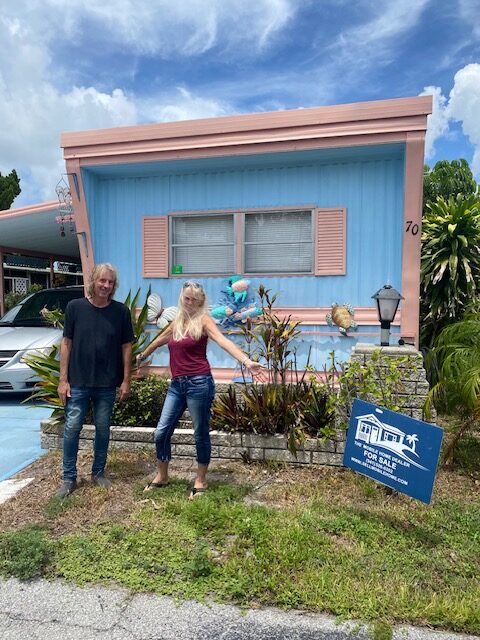
  • How to Spot a Great Fixer-Upper Mobile Home

    Fixer-upper mobile homes offer excellent opportunities for savvy buyers. With the right upgrades, these homes can become valuable investments or comfortable residences. However, not all fixer-uppers are created equal, and spotting a truly great one requires keen attention to specific features and factors. Here’s a comprehensive guide on what to look for when considering a fixer-upper mobile home.

    1. Assess the Home’s Structural Integrity

    Structural integrity is the most critical factor in any fixer-upper mobile home. Examine the framework of the mobile home thoroughly. Look for signs of warping, sagging, or any significant damage. A sound structure ensures the home’s potential for longevity and successful upgrades.

    2. Check for Roof Condition and Leaks

    A good roof is essential for any home, and mobile homes are no exception. Inspect the roof for leaks, missing shingles, or soft spots. Roofing repairs can be costly, so a relatively sound roof is a huge plus. Look for areas that may show water damage, as this can indicate potential leaks or the need for extensive repair.

    3. Examine the Windows and Doors

    Windows and doors should be sealed tightly to provide insulation and prevent drafts. Test the windows and doors to see if they open and close smoothly. Older or damaged windows may require replacement, which can be costly. Doors should fit correctly and have no signs of water damage around the frames.
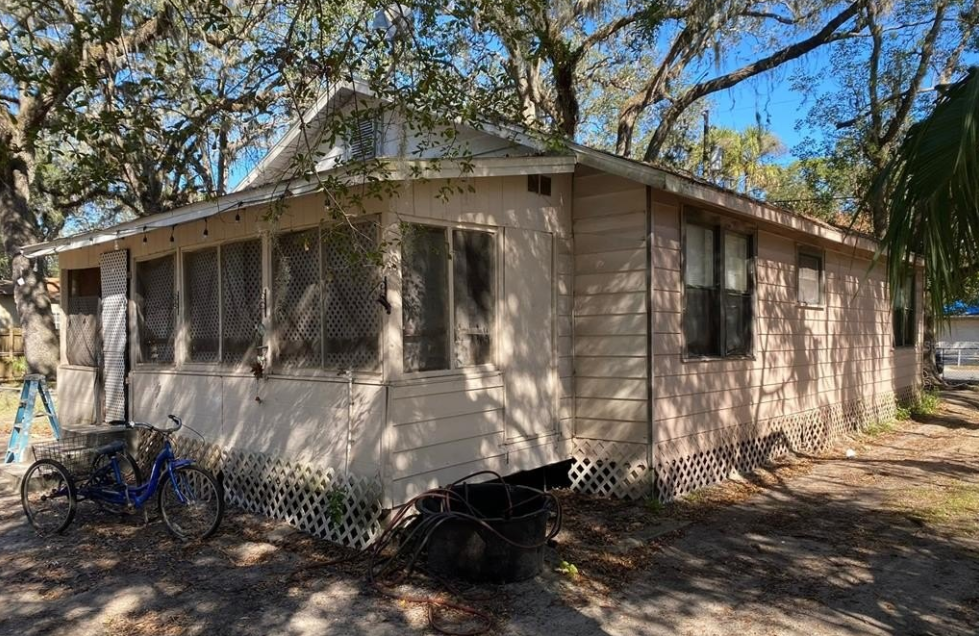
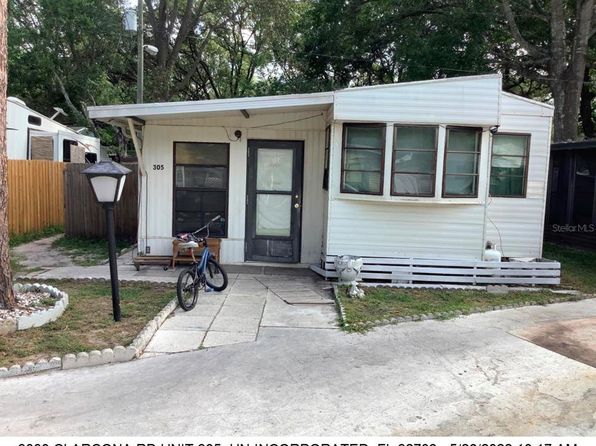
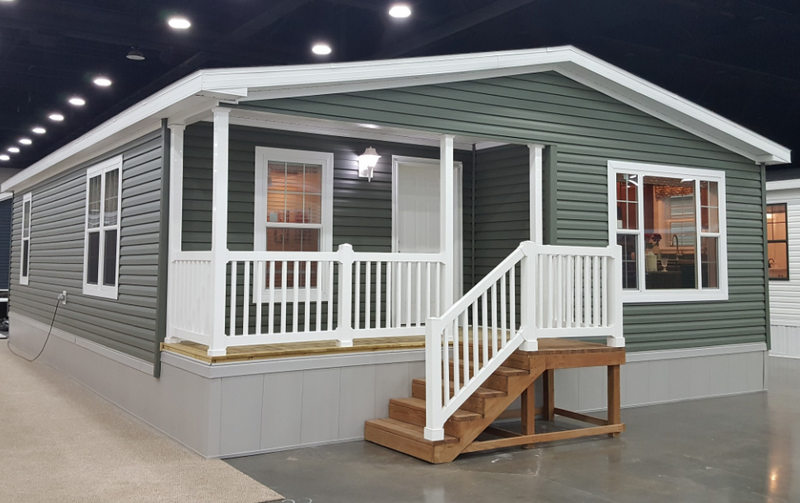
    Fixer-Upper Mobile Home

    4. Evaluate the Plumbing System

    Plumbing issues can become major expenses, especially in older mobile homes. Check under sinks and look for signs of leaks or corrosion on pipes. Test the faucets to ensure they have adequate water pressure. If possible, ask the seller about the age of the plumbing system and if it has experienced any past issues.

    5. Inspect the Electrical Wiring and Outlets

    Electrical issues are common in older mobile homes, but they can be costly to repair. Look for signs of exposed wiring, flickering lights, or outlets that don’t work. These could indicate outdated or damaged electrical systems. Ensure the breaker box is labeled and appears organized. It’s wise to consider hiring a licensed electrician for a detailed inspection.

    6. Analyze the Flooring Condition

    Flooring in mobile homes often shows signs of wear, especially in high-traffic areas. Walk across the floors to check for soft spots, squeaks, or signs of damage. Replacing floors can be expensive, especially if  the subfloor needs repair. However, minor repairs or cosmetic upgrades, such as new laminate, are manageable.

    7. Assess the Home’s Insulation and Energy Efficiency

    Energy efficiency can help reduce long-term costs for heating and cooling. Insulation, especially in walls and floors, plays a key role in maintaining comfort. Ask about the insulation type or check for visible signs of insulation if possible. Older mobile homes may need insulation upgrades to reduce utility bills.

    8. Inspect the Exterior Siding and Skirting

    Siding protects the mobile home from weather, pests, and wear. Inspect the exterior siding for signs of damage, such as holes, dents, or rust. Skirting, located around the bottom, protects pipes and adds curb appeal. Check the skirting for damage, as repairs or replacements can help prevent water damage and pests.

    9. Consider the Age and Model of the Mobile Home

    Older mobile homes may require more upgrades due to outdated materials and technology. Models from the 1970s or earlier often lack modern features like energy-efficient windows or advanced insulation. However, older models can still be excellent investments if they’re structurally sound. Consider the age of the home when estimating renovation costs.

    10. Look for Signs of Pest Damage

    Pests can cause severe damage if left untreated, especially in wood-based materials. Look for signs of termites, rodents, or other pests. Small holes, gnaw marks, and droppings indicate pest issues. Consider hiring a pest control expert to assess the home if you suspect infestations.

    11. Evaluate the HVAC System and Ventilation

    Heating and cooling are essential for comfortable living, especially in mobile homes that may heat or cool unevenly. Inspect the HVAC system for signs of wear or age, and ask when it was last serviced. Test the vents for airflow and inspect any visible ductwork for leaks. If the home lacks an HVAC system, factor in the cost of adding one.

    12. Inspect the Mobile Home’s Foundation

    A solid foundation is crucial for any mobile home, as it ensures stability and longevity. Look for signs of shifting, such as cracked walls or doors that don’t close properly. A well-maintained foundation reduces repair costs and adds value to the home. If the foundation appears questionable, consult a professional.

    13. Check for Water Damage and Mold

    Water damage can cause extensive problems, especially if mold develops. Examine walls, ceilings, and floors for signs of discoloration or softness, which can indicate water damage. Mold, often appearing as black or green spots, poses health risks and may require extensive remediation. Addressing water issues early can save significant money.

    14. Review Local Building Codes and Regulations

    Mobile homes often face stricter regulations than traditional homes, especially regarding renovations. Check local building codes to ensure that planned upgrades comply with requirements. Permits may be necessary for electrical work, plumbing, or structural changes. Researching codes early prevents future complications and legal issues.

    15. Inspect Cabinets and Built-In Furniture

    Built-in furniture, such as cabinets or counters, may show wear in a fixer-upper. Check for signs of warping, loose hinges, or broken parts. Built-ins can add value if they’re in good condition, while damaged ones may require repair or replacement. Upgrading cabinets and counters can enhance the home’s appeal without a huge investment.

    16. Evaluate the Location and Lot Fees

    Location affects the value and appeal of a mobile home significantly. Consider nearby amenities, crime rates, and lot fees in the area. Many mobile home parks charge lot fees, which cover amenities like maintenance or security. A great fixer-upper in a desirable location will likely appreciate over time.

    17. Determine the Home’s Resale Potential

    If you plan to sell a mobile home in the future, consider its resale potential. Homes in popular parks or areas with growth opportunities generally appreciate. Additionally, modern or well-maintained homes tend to attract buyers. By choosing a home with resale value, you maximize your investment’s return.

    18. Look for the Quality of Available Utilities

    Access to reliable utilities affects both comfort and resale value. Test the water pressure, check electricity access, and confirm the availability of gas if needed. Poor utilities can deter buyers and require costly repairs. A home with consistent utilities provides a strong foundation for comfortable living.

    19. Ask About Past Repairs and Renovations

    If possible, ask the seller about any previous repairs or renovations. A home with recent upgrades, such as a new roof or plumbing, may need fewer repairs. Knowledge of past renovations helps you gauge the home’s overall condition. Understanding repair history can also reveal potential issues that might arise later.

    20. Research the Cost of Renovations and Repairs

    Before purchasing a fixer-upper, research the cost of necessary renovations. Costs vary by area, materials, and the extent of repairs. Use online estimators or consult local contractors to create an accurate budget. By understanding the cost of repairs, you can determine if the investment is financially viable.

    21. Take Your Time to Make a Decision

    Spotting a great fixer-upper mobile home requires patience and thorough research. Avoid rushing the process, as this can lead to missed issues or oversights. Taking your time allows you to find a mobile home that fits both your budget and vision. Remember, a great deal now can save you considerable expenses in the long run.

    Conclusion

    Finding a great fixer-upper mobile home can be a rewarding investment with the right approach. By examining factors like structural integrity, plumbing, electrical systems, and overall costs, you can spot valuable properties. Patience, research, and a clear renovation budget will help you make a sound decision. With these tips, you’re on your way to finding a fixer-upper mobile home that will become a comfortable, valuable living space.
     

    See Also:

  • How to Find the Best Deals on Mobile Homes for Snowbirds in Florida

    Snowbirds flock to Florida every winter to escape the harsh cold and enjoy the warm, sunny weather. With Florida’s abundance of mobile home communities, it’s no wonder snowbirds find mobile homes an ideal choice. However, finding the best deals on mobile homes in Florida requires knowledge, research, and timing. Let’s dive into practical steps and tips to help you snag the best deal on a mobile home in Florida.

    1. Start Your Search Early

    Starting early gives you an advantage in finding the best deals. Begin your search six to twelve months before you plan to move. The demand for mobile homes surges as the winter season approaches, making early planning essential. With a head start, you can explore multiple listings and avoid peak-season price hikes.

    2. Know the Key Areas for Snowbirds

    Snowbirds favor specific areas in Florida for their climate, amenities, and community feel. Popular areas include Sarasota, Naples, Fort Myers, and The Villages. Each area offers unique features that cater to retirees and seasonal residents. Knowing where you want to be will help you narrow your search. Each location has different pricing and community types, so do thorough research on your preferred areas.

    3. Look for Deals in 55+ Communities

    Florida has numerous mobile home parks exclusively for residents aged 55 and above. These communities often provide snowbird-friendly amenities such as clubhouses, pools, and social events. Mobile homes in 55+ communities sometimes cost less than those in family parks. Owners in these communities frequently offer off-season deals for snowbirds. Additionally, many seniors sell their homes at discounted prices to relocate or downsize, which can present opportunities.

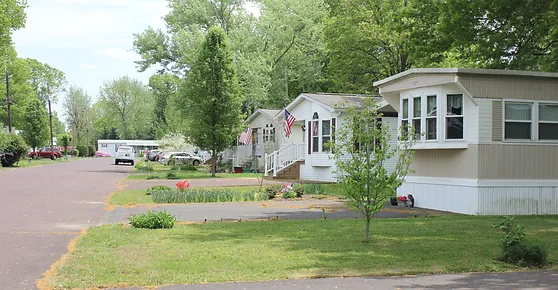
    Best Deals on Mobile Homes florida

    4. Use Online Platforms for Research

    Several online platforms list mobile homes for sale across Florida. Sites like Zillow, Trulia, and Realtor.com offer comprehensive listings with prices and photos. Specialty websites like MobileHome.net and MHBay focus specifically on mobile homes. Many listings specify if they cater to seasonal residents, making it easier to find snowbird-friendly homes. Regularly checking these sites will keep you updated on new listings and price changes.

    5. Visit Mobile Home Parks Directly

    If possible, plan a trip to Florida to visit mobile home parks in person. Visiting in person lets you get a feel for the community, amenities, and overall atmosphere. Many parks post homes for sale on bulletin boards or at the park office. Staff members often know which homes may be coming on the market soon. A personal visit can reveal hidden gems that aren’t listed online.

    6. Check Out For Sale by Owner (FSBO) Options

    Some homeowners prefer selling their mobile homes without a realtor, known as For Sale by Owner (FSBO). FSBO properties often sell for lower prices since owners avoid realtor fees. Sites like Craigslist and Facebook Marketplace list many FSBO mobile homes. You can also check local community bulletin boards or mobile home park offices for FSBO listings. When buying directly from the owner, negotiate the price and terms, as most FSBO sellers are open to offers.

    7. Join Snowbird and Mobile Home Community Groups

    Joining online snowbird and mobile home community groups can be valuable. Sites like Facebook and forums dedicated to snowbirds often have members selling their homes. These groups sometimes post exclusive deals or homes for sale that don’t appear on major listing sites. Networking with other snowbirds can also provide insider tips on the best communities and locations in Florida.

    8. Consider Off-Season Purchases

    Buying during the off-season can save you a significant amount. Florida’s peak season for snowbirds is late fall and winter when demand is highest. However, many sellers offer lower prices in spring and summer to sell quickly. If you can buy during the warmer months, you’ll likely have better negotiating power. The summer months are also an excellent time for mobile home parks to offer discounts on lot rentals to attract new residents.

    9. Negotiate on Price and Terms

    Don’t be afraid to negotiate when purchasing a mobile home. Many sellers are open to offers, especially if they’re motivated to sell quickly. Research comparable mobile homes in the area to know the going rate, and use this as leverage. Try to negotiate additional perks, such as furniture or reduced lot rent. Sellers may also agree to help with closing costs if you’re flexible with other terms.

    10. Work with a Specialized Realtor

    Realtors who specialize in mobile homes can provide valuable insights and access to exclusive listings. A specialized realtor will know the market, communities, and pricing trends specific to mobile homes in Florida. Many mobile home communities have preferred realtors familiar with their park rules and sale procedures. Working with a knowledgeable realtor can streamline your search and help you find the best deals.

    11. Attend Mobile Home Open Houses and Events

    Mobile home parks often host open houses and events where prospective buyers can tour homes for sale. These events provide a great way to see multiple properties and meet community members. Open houses also allow you to compare different homes and gather pricing information. Some parks even host special “Snowbird Days” where sellers offer discounts to seasonal residents.

    12. Evaluate Total Costs Beyond the Purchase Price

    Remember to evaluate costs beyond the initial purchase price. Monthly lot rent, utility fees, and community dues vary by park and can add up quickly. Many mobile homes require routine maintenance, which can incur additional costs. Some parks may charge seasonal fees for amenities snowbirds frequently use. By understanding the full scope of costs, you’ll avoid unexpected expenses after purchasing.

    13. Look for Homes in Need of Minor Repairs

    Many sellers offer significant discounts on homes needing minor repairs or upgrades. If you’re handy or willing to invest in minor improvements, consider buying a fixer-upper. Simple repairs, like painting or updating fixtures, can enhance the home’s appearance and value without major expense. Some parks even provide maintenance services or recommend local contractors for repairs.

    14. Consider Resale Value if Planning to Sell Later

    If you might sell the home in the future, consider its resale value. Homes in popular parks or highly desirable locations often retain or appreciate in value. Upgraded homes, especially in well-maintained communities, tend to sell faster. Choosing a mobile home in a sought-after area will give you a return on investment if you sell later.

    15. Look for Low Lot Rent Options

    Monthly lot rent can be a significant expense for snowbirds living in mobile home parks. Parks with lower lot rent may be less flashy but can still offer great amenities. Research lot rent prices and check if they include utilities or maintenance. Many parks offer discounts for seasonal renters or extended leases, which can save you money over time.

    16. Verify Park Rules and Regulations

    Each mobile home park has its own set of rules, and these vary widely. Some parks have strict age restrictions, while others have pet policies or rental restrictions. Verify the park’s regulations to ensure they align with your lifestyle and preferences. Understanding these rules beforehand will prevent conflicts and ensure you feel comfortable in your new community.

    17. Attend Seasonal Mobile Home Auctions

    Mobile home auctions are excellent places to find affordable homes. These auctions often occur in Florida, and some target snowbirds specifically. Auctions can provide excellent bargains, especially if the seller is eager to close the sale quickly. Check local listings or online auction sites for upcoming events in Florida.

    18. Speak with Current Residents

    Talking to current residents provides invaluable information about the community. Residents can share insights on living in the park, potential issues, and how well the park is maintained. They can also share advice on where to find the best deals or which homes are worth considering. Building relationships with residents helps you better understand the lifestyle before committing.

    19. Evaluate the Community’s Amenities

    Each mobile home park offers different amenities, and these amenities can impact the home’s price and your experience. Some parks feature pools, golf courses, and organized events, while others have basic facilities. Determine which amenities matter most to you and whether they justify any added expense. Amenities not only enhance your lifestyle but can also add to the home’s resale value.

    20. Take Your Time to Make an Informed Decision

    Finding the best deal on a mobile home requires patience and careful planning. Avoid rushing into a purchase simply because the price looks good. Make an informed decision by evaluating all factors, including location, community, and overall costs. Taking your time ensures you find a mobile home that suits your needs, budget, and lifestyle perfectly.

    Conclusion

    Florida offers endless opportunities for snowbirds seeking affordable mobile homes, but finding the best deals takes a strategic approach. By starting early, exploring different communities, and negotiating wisely, you can secure a great home at an affordable price. Embrace this journey with patience and persistence, and soon, you’ll find the perfect Florida mobile home to enjoy each winter.


    See Also:


  • Average Lot Rent Costs in Florida: A Guide for Mobile Home Owners

    Mobile home living is a popular choice in Florida. Many residents appreciate the affordability and flexibility that mobile homes provide. However, lot rent is a significant consideration for mobile homeowners. Understanding average lot rent costs is essential for budgeting and planning. This article explores lot rent in Florida, factors influencing costs, and tips for mobile homeowners.

    Understanding Lot Rent

    Lot rent refers to the fee paid by mobile homeowners to lease the land where their home is located. This rent is usually paid monthly. It is important to note that lot rent varies significantly depending on location, amenities, and community regulations.

    In Florida, mobile home parks offer different amenities and features. Some parks include swimming pools, fitness centers, and clubhouses. These amenities may influence the overall lot rent. Understanding the services included in lot rent is crucial for making informed decisions.

    Average Lot Rent Costs in Florida

    Average Lot Rent Costs in Florida

    The average lot rent in Florida varies widely. As of 2023, the typical range is between $300 and $1,200 per month. Many factors contribute to this range, including location and park amenities.

    In rural areas, lot rent is generally lower. Many parks in these locations charge between $300 and $600 per month. In contrast, urban areas often have higher lot rents. Mobile home parks in cities like Miami and Orlando may charge $800 to $1,200 monthly.

    Factors Influencing Lot Rent

    Several factors influence the cost of lot rent in Florida. Location is one of the most significant determinants. Parks situated in desirable areas often have higher rents. Proximity to beaches, shopping centers, and entertainment venues increases demand.

    Amenities also play a crucial role in determining lot rent. Parks offering additional services typically charge higher fees. Features like swimming pools, fitness centers, and clubhouses attract residents. The availability of services can enhance the living experience for residents.

    Community rules and regulations may also affect lot rent. Some parks enforce stricter guidelines, which can increase operational costs. These costs may be passed on to residents through higher lot rents.

    Regional Variations in Lot Rent

    Lot rent costs can vary significantly across different regions in Florida. In the Panhandle, for example, lot rents tend to be lower. Many mobile home parks in this area charge between $300 and $500 per month. The cost of living is generally lower, making it an attractive option for retirees and families.

    In contrast, South Florida has higher lot rent costs. Mobile home parks in this region often charge $800 to $1,200 monthly. The proximity to popular tourist destinations and a vibrant economy drives demand for housing in these areas.

    Central Florida also presents a mixed picture. Lot rents range from $400 to $800, depending on the community’s amenities and location. Parks near attractions such as Disney World tend to have higher rents due to increased demand.

    The Importance of Research

    Research is essential when considering mobile home lot rent. Prospective buyers and renters should compare various mobile home parks. This research helps to identify suitable options within their budget.

    Online resources and local real estate websites can provide valuable information. These platforms often list available mobile homes and their respective lot rents. Reading reviews and testimonials from current residents can offer insights into the community’s quality.

    Visiting potential parks in person is highly recommended. This approach allows individuals to assess the community’s amenities and overall environment. Engaging with current residents can provide a clearer picture of living conditions.

    Negotiating Lot Rent

    Negotiating lot rent is a possibility in some mobile home parks. While not all parks allow for negotiation, it can be beneficial to ask. Many park managers are open to discussions about lot rent, especially for long-term residents.

    Residents who have established a positive relationship with management may have better chances of negotiating. Demonstrating a history of timely payments and good behavior can strengthen the case for lower rent.

    It is important to approach negotiations professionally and respectfully. Presenting reasons for a rent reduction can be helpful. These reasons may include comparing rents with similar parks in the area.

    Understanding Lease Agreements

    Before signing a lease agreement, it is crucial to read the document carefully. Lease agreements outline the terms of the lot rental, including rent amounts and rules. Understanding these terms can prevent misunderstandings in the future.

    Mobile home park leases may have clauses that allow for rent increases. Many parks implement annual rent increases based on inflation or operational costs. Being aware of these potential increases is essential for budgeting.

    Additionally, the lease should specify the responsibilities of both the tenant and the park management. Knowing what is included in the lot rent, such as utilities and maintenance, can help residents plan their expenses effectively.

    Budgeting for Lot Rent

    Budgeting for lot rent is a vital part of mobile home ownership. Residents should factor lot rent into their overall housing budget. Understanding monthly expenses helps to ensure financial stability.

    In addition to lot rent, residents should consider other costs associated with mobile home living. Utilities, property taxes, and maintenance fees should also be accounted for. These additional costs can significantly impact the overall budget.

    Setting aside funds for unexpected repairs and emergencies is advisable. Mobile homeowners should prepare for potential issues that may arise. Having an emergency fund can provide peace of mind in uncertain situations.

    Potential Cost-Saving Strategies

    There are several strategies mobile homeowners can consider to save on lot rent costs. Some parks offer discounts for long-term leases or senior citizens. Taking advantage of these opportunities can lead to substantial savings.

    Another cost-saving strategy is to share the lot with another mobile home. Many parks allow two homes on one lot, which can significantly reduce individual costs. However, this arrangement requires clear communication and agreement between parties.

    Residents should also stay informed about park policies and fees. Understanding the park’s rules can help prevent unexpected charges. Engaging with park management can lead to opportunities for savings, such as promotions or discounts.

    The Future of Lot Rent Costs

    The future of lot rent costs in Florida remains uncertain. Factors such as economic conditions, demand for housing, and population growth will influence prices. As more people seek affordable housing, demand for mobile homes is likely to increase.

    Developments in infrastructure and local amenities can also impact a lot rent costs. Communities that invest in improvements may see a rise in demand, leading to higher rents. Mobile homeowners should remain informed about local trends and developments.

    Conclusion

    Understanding average lot rent costs in Florida is essential for mobile homeowners. Lot rent can significantly affect overall housing expenses. Various factors, including location, amenities, and community regulations, influence costs.

    Researching mobile home parks, negotiating rents, and budgeting effectively is crucial for residents. Awareness of lease agreements and potential cost-saving strategies can help owners manage expenses.

    As the demand for mobile homes continues to grow, staying informed about market trends is vital. By understanding these dynamics, mobile homeowners can navigate the complexities of lot rent in Florida.


    See Also:


  • Day in the Life of a Mobile Home Sales Agent: What to Expect

    A mobile home sales agent plays a crucial role in the housing market. Many individuals seeking affordable housing rely on their expertise. The daily routine of these agents is diverse and dynamic. This article explores a typical day in the life of a mobile home sales agent. Various tasks, challenges, and rewards are highlighted.

    Early Morning: Preparing for the Day

    The day begins early for a mobile home sales agent. Morning routines may include reviewing emails and responding to client inquiries. Information about new listings and potential leads is gathered. Agents often check market trends to stay updated. This preparation helps agents remain competitive in the market.

    After reviewing emails, agents may plan their day. A schedule is created, outlining appointments and showings. Flexibility is essential, as unexpected changes may arise. Agents may also prepare marketing materials for upcoming listings. This work often includes taking photos and writing descriptions.

    life of a mobile home sales agent

    Morning Meetings and Networking

    Networking is a vital part of a mobile home sales agent’s role. Many agents attend morning meetings with their teams. These meetings may focus on sharing updates and discussing strategies. Collaboration with colleagues is encouraged, as agents often learn from each other’s experiences.

    After meetings, agents may connect with industry contacts. Relationships with local lenders, park managers, and contractors are crucial. Networking events and local business gatherings are often attended. Building a robust professional network can lead to valuable referrals and partnerships.

    Mid-Morning: Client Showings and Open Houses

    Once the day is planned, client showings begin. Agents drive to various mobile home parks and communities. Scheduled showings often take place during this time. Clients are guided through homes, showcasing features and amenities.

    Open houses are also hosted during mid-morning hours. These events allow potential buyers to explore listings without an appointment. Marketing efforts focus on attracting local buyers. Advertising through social media and local listings helps increase visibility.

    During showings, agents answer questions and provide information about the homes. Details about financing options, community rules, and park amenities are often shared. Building rapport with clients is essential. Trust is established through open communication and genuine engagement.

    Lunchtime: Catching Up and Planning Ahead

    Lunch offers a chance to catch up on tasks. Some agents prefer to work during lunch, checking emails and returning calls. Others take this time to relax and recharge. A balanced approach is essential to maintain productivity.

    Planning for upcoming appointments is often done during lunch. Agents review notes from client meetings and prepare for future showings. Keeping organized helps agents manage their time effectively. A well-structured day can lead to successful transactions.

    Afternoon: Conducting Market Research

    Market research is an ongoing task for mobile home sales agents. In the afternoon, time may be dedicated to analyzing local market trends. Data about pricing, inventory, and buyer preferences is reviewed. This information is crucial for making informed recommendations to clients.

    Agents may also visit new mobile home parks and communities. Familiarity with various neighborhoods helps agents provide accurate advice. Exploring different areas enables agents to offer clients more options. Understanding the local market is vital for success in mobile home sales.

    Client Meetings and Follow-Ups

    Afternoon appointments may include client meetings and follow-ups. After showings, agents often connect with clients to discuss their thoughts. Feedback is collected to help refine the search process. Listening to client preferences is essential for finding the perfect home.

    Agents may also follow up with previous clients. Checking in can lead to referrals and repeat business. Many agents maintain relationships with past clients, providing ongoing support. Staying connected helps build a loyal client base.

    Evening: Preparing for the Next Day

    As the day winds down, agents often reflect on their achievements. Successes and challenges are evaluated. Adjustments to strategies may be made based on the day’s experiences. This self-assessment fosters personal and professional growth.

    Preparation for the next day is crucial. Agents may schedule appointments and set goals for upcoming meetings. Time is spent reviewing client notes and updating listings. Ensuring that all details are organized promotes efficiency.

    The Importance of Adaptability

    The life of a mobile home sales agent requires adaptability. Each day presents unique challenges and opportunities. Agents must be prepared to adjust their plans based on client needs and market conditions. Flexibility is a vital trait that contributes to long-term success.

    Agents may encounter unexpected changes in appointments or listings. Remaining calm and composed helps agents handle such situations effectively. Adapting to the ever-changing landscape of the real estate market is crucial.

    Building Relationships with Clients

    A successful mobile home sales agent focuses on building strong relationships with clients. Trust and rapport are established through open communication. Many clients appreciate agents who understand their unique needs.

    Agents often go above and beyond to provide exceptional service. This dedication can lead to positive referrals and repeat business. Satisfied clients often recommend agents to friends and family, helping to expand their network.

    Continued Education and Professional Development

    Professional development is essential for mobile home sales agents. The real estate industry is constantly evolving, with new regulations and market trends. Continuing education helps agents stay informed and competitive.

    Many agents participate in workshops, webinars, and training sessions. Staying updated on industry best practices benefits both agents and their clients. This commitment to learning enhances agents’ expertise and professionalism.

    The Rewards of Being a Mobile Home Sales Agent

    Despite the challenges, being a mobile home sales agent offers many rewards. The satisfaction of helping clients find their dream homes is unparalleled. Building meaningful connections with clients and communities is fulfilling.

    Success in this career can lead to financial stability and growth. Many agents enjoy flexible schedules, allowing for a healthy work-life balance. The ability to create a positive impact on people’s lives is a significant motivator.

    Conclusion

    A day in the life of a mobile home sales agent is dynamic and multifaceted. From early morning preparations to evening reflections, various tasks and responsibilities shape their routine. Networking, client interactions, market research, and adaptability are essential components of their work.

    The demand for mobile home sales agents continues to grow in Florida. This increase is driven by the need for affordable housing and the appeal of mobile home communities. Agents play a vital role in connecting buyers and sellers, guiding them through the process.

    As the real estate market evolves, mobile home sales agents must stay informed and adaptable. Their commitment to building relationships and providing exceptional service is essential. Through dedication and professionalism, these agents contribute to the vibrant mobile home market in Florida.


    See Also:


  • Why Mobile Home Sales Agents Are in High Demand in Florida

    The demand for mobile home sales agents has been increasing significantly across Florida. A variety of factors have driven this need, from the growing popularity of mobile homes to a shifting real estate market. More individuals and families have chosen mobile homes as affordable alternatives to traditional housing, and their demand has created a surge in the need for knowledgeable sales agents. In this article, the reasons behind this trend will be explored, highlighting why Florida mobile home sales agents are in high demand and why this trend is likely to continue.

    1. Florida’s Growing Mobile Home Market

    The mobile home market has been expanding in Florida due to the affordability and flexibility it offers. In many areas, real estate prices have been rising, making traditional homeownership challenging for some. Mobile homes provide a lower-cost alternative that attracts a wide demographic, including young families, retirees, and seasonal residents.

    Mobile Home Sales Agents in florida

    The growth in the mobile home market has naturally led to a greater need for experienced sales agents. Buyers now rely on agents to find homes, navigate financing, and understand park regulations. Agents with specialized knowledge in the Florida mobile home market are highly valued for their expertise and local insights.

    2. Rising Real Estate Costs and Affordability Concerns

    Real estate costs have surged across Florida, impacting affordability. Traditional homes in desirable areas have become unaffordable for many buyers, especially first-time homebuyers and retirees. Mobile homes present an appealing alternative, offering budget-friendly housing options with manageable maintenance costs.

    Because of this trend, mobile home sales agents are in demand to meet the needs of affordability-seeking buyers. A good agent can offer guidance on affordable options, financing plans, and available mobile home communities. This specialized support is essential as more buyers opt for mobile homes as an economical solution.

    3. Appeal of 55+ Communities and Retirement Living

    Florida has long been a retirement destination, with a strong appeal for those seeking 55+ communities. These communities provide an affordable, community-focused lifestyle that appeals to retirees. Most 55+ parks are situated in desirable locations with amenities tailored to senior living, making them a popular choice.

    Because demand for these communities has been on the rise, mobile home agents with experience in 55+ community sales have become essential. Sales agents help retirees find the ideal community and assist with navigating age restrictions, park rules, and purchase processes. Without knowledgeable agents, retirees may struggle to locate communities that meet their lifestyle and budget preferences.

    4. Mobile Homes as Vacation Properties

    Mobile homes have also gained popularity as vacation properties, especially in coastal regions. Many seasonal residents from northern states find mobile homes to be ideal for winter escapes. The affordability and ease of ownership make these homes highly appealing for part-time residents.

    The demand for mobile home sales agents has grown as buyers seek agents who can help find vacation properties in prime Florida locations. Agents with expertise in seasonal market trends, along with knowledge of weather-resistant mobile home options, are sought after by vacation home buyers. A strong agent is essential to assist seasonal buyers in finding the right mobile home for their unique needs.

    5. Increasing Need for Affordable Housing Options

    Affordable housing shortages are increasingly an issue in many Florida cities. Mobile homes have become a viable solution for residents who need affordable living without compromising on comfort. They provide low-cost housing that serves both individual buyers and families seeking accessible homeownership.

    This need for affordable housing has driven up demand for mobile home sales agents who specialize in budget-conscious buyers. Agents help match clients with mobile homes in communities where affordability and safety are balanced. The expertise of these agents ensures that buyers find housing that meets both budgetary and lifestyle needs.

    6. Knowledge of Park Regulations and Community Rules

    Mobile home parks in Florida come with specific rules, fees, and regulations that can be confusing for first-time buyers. Some communities may have restrictions related to pets, parking, or age, while others may charge fees for maintenance and utilities. Buyers who are new to mobile homes often rely on sales agents to guide them through these details.

    Because mobile home sales agents understand these park-specific rules, their expertise has become invaluable. Buyers who are uncertain about the differences between parks can benefit from an agent’s guidance. Agents help streamline the buying process, ensuring that all regulations and requirements are fully understood by potential buyers.

    7. Assistance with Financing and Insurance

    Financing and insuring mobile homes can differ from traditional home purchases, with various programs and requirements. Mobile homes, depending on age and condition, may qualify for different loan options. Insurance policies also vary based on the mobile home’s age, location, and whether it’s in a flood zone.

    With these factors in mind, mobile home sales agents with knowledge of financing and insurance are highly valued. Buyers seek agents who can help navigate lending options and find affordable insurance policies. Without this guidance, buyers may struggle to secure financing or find coverage for their mobile homes.

    8. Familiarity with Hurricane Preparedness and Mobile Home Safety

    Florida’s hurricane season affects all forms of housing, and mobile homes require specific safety measures to withstand storms. Buyers must know whether a mobile home is adequately anchored and has storm-resistant features. This information is crucial to ensuring both safety and property protection.

    Mobile home sales agents with knowledge in hurricane preparedness are sought after in Florida, where safety is a top priority. They can advise on properties with secure anchoring, reinforced structures, and proximity to evacuation routes. For buyers, working with an agent who understands hurricane safety provides peace of mind.

    9. Streamlining the Selling Process for Mobile Homeowners

    The selling process for mobile homes can be complex, with specific market factors to consider. Many owners seek professional assistance to list and sell their mobile homes. Sales agents with mobile home experience help sellers price their properties correctly, attract qualified buyers, and navigate closing processes.

    For mobile homeowners who want to sell quickly, the expertise of a dedicated sales agent is essential. By working with an agent, sellers benefit from market knowledge and strategic listings that reach the right buyer audience.

    10. The Rise of Mobile Home Investment Opportunities

    Investors have shown increased interest in mobile homes, viewing them as profitable rental opportunities. In many Florida communities, mobile homes have become attractive for rental income, particularly in seasonal and retirement communities. The potential for generating consistent income has led investors to explore mobile home purchases.

    Mobile home sales agents with investment expertise are needed to assist buyers with rental properties. These agents offer valuable guidance on market conditions, demand in specific areas, and projected returns. With a professional agent’s assistance, investors can make informed decisions and choose profitable properties.

    11. Growing Popularity of Eco-Friendly and Sustainable Mobile Homes

    The interest in eco-friendly and sustainable homes has extended to the mobile home market. Buyers are increasingly looking for energy-efficient mobile homes that use green materials and renewable energy options. Florida’s focus on environmental protection has only increased the demand for such properties.

    Agents knowledgeable in eco-friendly options have become highly valued by buyers. Their understanding of sustainable materials, energy-efficient upgrades, and green certifications is crucial in meeting buyer demands. Florida buyers interested in minimizing their environmental impact now rely on agents to find mobile homes that meet their sustainability goals.

    Conclusion

    The high demand for mobile home sales agents in Florida is driven by a combination of affordability, lifestyle choices, and market trends. Buyers and sellers alike have come to rely on knowledgeable agents to assist in all aspects of mobile home transactions. From assisting retirees in 55+ communities to helping seasonal buyers find vacation properties, agents are providing essential services.

    The growth of the mobile home market shows no signs of slowing in Florida. Sales agents who specialize in mobile homes are increasingly valuable as they support buyers through complex processes. Whether dealing with regulations, hurricane safety, financing, or sustainability, mobile home sales agents are helping clients make informed choices.

    In a growing market where mobile home ownership continues to rise, the need for experienced and knowledgeable agents is expected to remain high. Buyers and sellers in Florida can look to mobile home sales agents as trusted professionals who simplify transactions and ensure successful sales. The role of these agents is more than transactional—it is instrumental in guiding residents toward affordable, safe, and fulfilling mobile home ownership.


    See Also:


  • Should You Sell Your Mobile Home As-Is? Understanding Fixer-Uppers in Florida

    Selling a mobile home in Florida comes with important decisions, particularly when the property is in need of repairs. The choice to sell a mobile home “as-is” can simplify the process for sellers but also presents certain considerations. For Florida mobile homeowners with fixer-uppers, understanding the benefits, potential drawbacks, and market conditions is essential.

    Selling “as-is” allows the buyer to purchase the home in its current condition without the seller completing repairs. This option is often chosen when the seller prefers a quick sale or lacks resources for renovations. Here’s a breakdown of what Florida sellers should know about selling a mobile home as-is.

    1. What Does Selling As-Is Mean?

    When a mobile home is sold “as-is,” the buyer agrees to purchase the property in its current condition. No repairs or modifications are required from the seller before or after the sale. Any issues, such as structural damage or cosmetic flaws, are fully accepted by the buyer at the time of purchase.

    Florida mobile home fixer-upper

    Inspections may still be conducted by the buyer, but these will not affect the seller’s responsibilities. All known issues should be disclosed by the seller, as full transparency helps prevent potential legal issues. In Florida, selling as-is provides simplicity and speed for sellers who want to avoid the time and cost of repairs.

    2. Benefits of Selling Your Mobile Home As-Is in Florida

    For many sellers, choosing to sell as-is offers several distinct benefits. These advantages can be particularly appealing for those dealing with significant repairs or a time-sensitive sale.

    • Saves Time and Money
      By selling as-is, costly repairs and renovations are avoided. This option is especially helpful for sellers who may not have the resources or time to address structural or cosmetic issues. It allows a faster, cost-effective process, as no funds need to be set aside for repairs.
    • Attracts Investors and DIY Buyers
      Florida’s real estate market includes investors and buyers interested in fixer-uppers. Many buyers are drawn to homes needing repairs as they offer potential savings. A buyer who is willing to make improvements may find value in purchasing a mobile home as-is.
    • Speeds Up the Selling Process
      Without renovations, a mobile home can be listed and sold more quickly. Many buyers prefer moving forward without waiting for repairs. For sellers in a time-sensitive situation, selling as-is provides a faster transaction. Florida’s market conditions can make a quick sale advantageous.
    • Reduces Stress
      Preparing a home for sale can be stressful, especially if it requires multiple repairs. Selling as-is reduces this stress by eliminating the need to manage or oversee repair projects. Sellers can focus on the transaction itself rather than handling extensive work.

    3. Potential Drawbacks of Selling As-Is

    While selling as-is offers advantages, some drawbacks must also be considered. Lower sale prices and limited buyer interest are possible concerns for sellers.

    • Lower Sale Price
      A mobile home in need of repairs is likely to sell for a lower price. Buyers may negotiate down based on the repairs required, resulting in reduced profits for the seller. For homes in poor condition, this may be a significant drawback.
    • Limited Buyer Interest
      Not all buyers are interested in a fixer-upper. Some may avoid homes requiring additional investment, preferring move-in-ready properties. This limits the pool of potential buyers, potentially resulting in longer listing times.
    • Repairs and Upgrades Could Increase Value
      For mobile homes with moderate repair needs, completing minor upgrades could increase the sale price. Small improvements, such as painting, flooring upgrades, or fixture replacements, may boost interest from buyers. Selling as-is eliminates these potential increases in value.
    • Disclosure Obligations Remain
      Florida requires sellers to disclose any known defects or issues. Even if sold as-is, the seller is obligated to be honest about the home’s condition. Failure to disclose known issues may result in legal complications later. Being transparent with buyers is essential for a smooth sale.

    4. Common Fixer-Upper Issues in Florida Mobile Homes

    Understanding common repair needs in Florida mobile homes can help sellers evaluate the pros and cons of selling as-is. Frequent issues in fixer-upper mobile homes include water damage, structural problems, and outdated features.

    • Water Damage and Leaks
      Florida’s climate creates a higher risk of water damage. Roof leaks, damaged ceilings, and weakened flooring may result from moisture buildup. These issues can be costly, and potential buyers may expect to address them. For sellers, these repairs may not be feasible.
    • Outdated Electrical and Plumbing Systems
      Older mobile homes may have outdated wiring or plumbing. Homes built before 1980 may lack modern systems or materials. Replacement and updating costs can add up, making as-is sales more attractive. Buyers interested in fixer-uppers may already anticipate these upgrades.
    • Wear and Tear on Interiors
      Floors, walls, and cabinetry often show wear in older mobile homes. Cosmetic flaws, such as scratches or peeling paint, may require updates to appeal to buyers. However, many buyers are willing to accept these issues if the home is sold at a reduced price.
    • Aging Exterior and Skirting
      Exterior wear is common in mobile homes, with damage to siding, skirting, or roofing materials. Florida’s humidity and occasional hurricanes can increase exterior issues, which may impact curb appeal. Selling as-is with an older exterior may lead to reduced offers but avoids repair costs.

    5. Market Considerations for Selling As-Is in Florida

    The local Florida market plays a crucial role in determining the success of an as-is sale. Certain market factors make as-is sales more favorable at specific times.

    • Buyer Demand for Fixer-Uppers
      In a competitive housing market, buyers are often more willing to accept fixer-uppers. Investors and first-time homebuyers may actively seek mobile homes needing repairs. High demand in Florida’s housing market can make as-is sales more successful.
    • Price Comparisons with Move-In-Ready Homes
      The pricing difference between as-is and move-in-ready homes can affect buyer interest. Buyers may find value in purchasing a fixer-upper if nearby homes are more expensive. By adjusting the price attractively, sellers can appeal to budget-conscious buyers.
    • Location and Accessibility
      Florida’s location-specific demands impact as-is sales. Areas with high retirement populations may favor move-in-ready properties. In family-friendly communities or vacation areas, as-is sales may attract younger buyers or investors.
    • Seasonal Demand
      The timing of a sale can impact buyer interest. During Florida’s peak tourist season, demand for mobile homes often increases. Listing as-is homes during these times may lead to quicker offers.

    6. Preparing for an As-Is Sale

    To ensure a smooth as-is sale, Florida sellers should take certain preparatory steps. Simple tasks, such as cleaning and organizing, can improve the home’s appearance without extensive investments.

    • Conduct a Pre-Sale Inspection
      An inspection provides information on the home’s condition. This knowledge enables sellers to communicate accurately with buyers. Inspectors can identify issues that might arise during buyer inspections, helping to avoid surprises.
    • Set a Competitive Price
      An appropriate price is essential for attracting offers. By comparing similar mobile home listings, sellers can gauge what buyers are willing to pay for as-is homes. Adjusting the price competitively improves interest.
    • Highlight Positive Features
      Even in an as-is sale, positive aspects should be highlighted. Location, size, and functional features can be emphasized in listings. For example, proximity to beaches or local amenities may increase the home’s appeal.
    • Disclose Known Issues Transparently
      Disclosing known issues is not only required by Florida law but also fosters buyer trust. Buyers appreciate honesty, and full disclosure reduces the risk of post-sale issues. Transparency benefits both parties in the long term.

    Conclusion

    Selling a mobile home as-is in Florida provides both benefits and challenges. This option allows for a quicker, cost-effective sale, appealing to those who wish to avoid repairs. However, potential drawbacks, such as lower sale prices and limited buyer interest, should also be considered.

    By understanding the pros and cons, Florida sellers can make informed decisions based on their specific situations. An as-is sale can be a practical choice for many, especially when flexibility and speed are prioritized.

    Evaluating the market, the condition of the home, and the type of buyer interest expected will help sellers successfully navigate the sale. In Florida, selling as-is can be a straightforward approach for those seeking a quick, simplified transaction.


    See Also:


  • Choosing Between 55+ and Family-Friendly Mobile Home Parks in Florida

    When selecting a mobile home park in Florida, deciding between a 55+ and a family-friendly community is essential. Different lifestyles, amenities, and social environments can be found in each type of park. Understanding the benefits and limitations of both options is key for potential mobile home buyers.

    Florida offers a variety of mobile home communities, from quiet retirement parks to vibrant family-friendly spaces. The right choice depends on lifestyle preferences, budget, and long-term goals.

    Understanding 55+ Mobile Home Parks

    A 55+ mobile home park is designed for residents aged 55 and older. This type of community provides a quiet, relaxed atmosphere with limited disruptions. Many Florida retirees choose 55+ parks to enjoy an active but peaceful lifestyle.

    55+ mobile home park

    Strict age requirements are often enforced. Typically, at least one resident in each household must be 55 or older. Children and younger families are not allowed to live full-time, although guests are usually permitted for limited stays.

    The Benefits of 55+ Mobile Home Parks

    Several appealing benefits can be found in 55+ mobile home parks. A quieter environment, a close-knit community, and senior-friendly amenities are common in these parks. Many residents enjoy a slower pace of life in these communities.

    1. Peaceful Living Environment
      A 55+ mobile home park provides a more peaceful setting. Fewer disruptions are experienced due to the absence of younger families or children. In Florida, where people often seek relaxation, this environment is ideal for retirees.
    2. Community Events and Activities
      Organized events and social gatherings are a common feature in 55+ parks. Group activities, such as fitness classes, games, and excursions, are provided regularly. This fosters a sense of belonging and creates lasting friendships among residents.
    3. Senior-Friendly Amenities
      Amenities tailored for senior living are often available. Pools, clubhouses, fitness centers, and golf courses cater to the interests of the 55+ community. These amenities enhance the quality of life and promote an active lifestyle.
    4. Security and Peace of Mind
      Security is prioritized in many 55+ mobile home parks. Gated entrances, security patrols, and neighborly watchfulness contribute to residents’ peace of mind. A safer environment is thus created, which is reassuring for seniors living alone or with partners.

    Limitations of 55+ Mobile Home Parks

    While 55+ parks provide benefits, limitations exist. Restricted family access, age requirements, and specific social dynamics may not suit everyone’s needs.

    1. Limited Access for Family Members
      Younger family members are generally restricted from living full-time in 55+ parks. Occasional visits are allowed, but prolonged stays by children or younger adults are typically limited. This may not suit individuals with close family ties who want frequent family visits.
    2. Age Requirements
      Strict age requirements prevent younger residents from joining these communities. While this creates a more serene environment, it may exclude some couples or families who wish to live in a mixed-age setting.
    3. Social Expectations
      Social dynamics may not align with everyone’s preferences. Those who prefer a more diverse social setting may feel confined within a 55+ park. The community atmosphere might be more reserved compared to family-friendly parks.

    Understanding Family-Friendly Mobile Home Parks

    Family-friendly mobile home parks allow people of all ages to live together in a community setting. These parks accommodate families, singles, and seniors alike, providing a diverse social environment.

    Florida’s family-friendly parks offer amenities that cater to all age groups. Schools, parks, and shopping centers are often located nearby, making these communities convenient for families.

    The Benefits of Family-Friendly Mobile Home Parks

    Family-friendly mobile home parks offer benefits that appeal to all age groups. A lively environment, flexible living arrangements, and access to diverse amenities make these parks attractive.

    1. Community Diversity
      A mix of residents creates a vibrant and lively atmosphere. Children, adults, and seniors live together, adding diversity to the community. Those who enjoy a dynamic social setting may find this appealing.
    2. Amenities for All Ages
      Family-friendly parks typically provide amenities for all ages. Playgrounds, pools, community centers, and sports facilities cater to families with children and single residents. These features make family-friendly parks more adaptable.
    3. Proximity to Schools and Services
      Family-friendly mobile home parks are often located near schools, daycare centers, and family-oriented services. Access to educational institutions is particularly beneficial for families with school-aged children.
    4. Flexible Living Arrangements
      No age restrictions apply in family-friendly parks. This flexibility makes it easier for residents to accommodate different living arrangements. Young adults, multi-generational families, and singles are welcomed, which enhances the park’s inclusiveness.

    Limitations of Family-Friendly Mobile Home Parks

    While family-friendly mobile home parks offer flexibility and diversity, some limitations exist. Noise levels, fewer senior-focused amenities, and a busier environment may not suit all preferences.

    1. Higher Noise Levels
      More active environments are typical in family-friendly parks. Play areas, family gatherings, and children’s activities may contribute to increased noise levels. Residents seeking peace and quiet may find this challenging.
    2. Less Tailored to Seniors
      Fewer senior-specific amenities are available in family-friendly parks. Community events and facilities may be geared towards younger residents and families rather than retirees. Seniors who seek senior-focused activities may prefer a 55+ park.
    3. Greater Traffic and Activity
      Family-friendly parks may experience higher levels of activity. More traffic and movement around the community can lead to a busier atmosphere. Those who prefer a slower pace may find this environment overwhelming.

    Comparing Costs: 55+ vs. Family-Friendly Parks

    Costs vary between 55+ and family-friendly mobile home parks in Florida. Factors such as location, amenities, and demand influence park costs. It is crucial to research each park’s fees and additional expenses.

    1. Monthly Lot Rent
      Monthly lot rent can differ greatly between the two types of parks. 55+ parks may have lower rent due to senior discounts or incentives, while family-friendly parks may vary based on location and services.
    2. Amenity Fees
      Amenity fees may be higher in family-friendly parks due to the wide range of facilities offered. In 55+ parks, fees may be reduced if fewer facilities are available or if amenities cater specifically to seniors.
    3. Maintenance and Utility Costs
      Costs for maintenance and utilities can also vary. Family-friendly parks may have higher communal maintenance costs, while 55+ parks may have reduced rates or shared expenses.

    Making the Right Choice for Your Lifestyle

    The choice between a 55+ and family-friendly mobile home park depends on individual preferences and lifestyle needs. Considering factors like amenities, social atmosphere, and budget is essential.

    1. Consider Daily Lifestyle Preferences
      Daily lifestyle should be considered when choosing a mobile home park. Individuals who enjoy a quiet, slow-paced environment may prefer 55+ parks. Those seeking a dynamic setting with a mix of age groups may find family-friendly parks more suitable.
    2. Evaluate the Social Environment
      The social environment in each type of park differs significantly. Retirees seeking companionship with other seniors often feel more comfortable in 55+ communities. Residents who enjoy community diversity may prefer family-friendly options.
    3. Assess Long-Term Goals
      Long-term goals should also guide the decision. A 55+ park may suit retirees looking for stability and peace. Families or younger couples may find family-friendly parks more adaptable to changing needs.
    4. Research Local Regulations
      Local regulations may affect mobile home parks in Florida, including zoning laws and age restrictions. Understanding these regulations can prevent future complications and ensure a smoother transition into the chosen community.

    Conclusion

    Choosing between a 55+ and a family-friendly mobile home park in Florida is a personal decision that should be made with care. Both types of parks offer unique benefits and limitations, depending on one’s lifestyle and future plans.

    Evaluating needs, preferences, and budgets helps ensure the right fit for an enjoyable and fulfilling mobile home living experience in Florida.


    See Also:


  • Top 10 Mobile Home Repairs You Should Know About in Florida

    In Florida, mobile homes face unique challenges due to the state’s climate, including heat, humidity, and frequent storms.. Each repair listed here addresses common issues in Florida, from moisture damage to storm readiness. Addressing these areas helps ensure a safe, comfortable, and well-maintained mobile home.

    1. Roof Repairs and Sealing

    Roof repairs are among the most crucial for mobile homes in Florida. The roof is often the first part of a home exposed to harsh conditions, including heavy rains and high winds. Over time, leaks and wear can develop, compromising the home’s protection. Regular inspections are needed to identify any gaps, worn areas, or signs of damage.

    Roof sealing is also essential for waterproofing. Roof coatings that are water-resistant and reflective can reduce heat absorption. By sealing the roof, a longer lifespan and better protection against water intrusion are provided.


    2. Skirting Repairs

    Mobile home skirting protects the area underneath from moisture, debris, and pests. In Florida, where humidity is high, skirting often experiences wear and tear more quickly. Skirting should be inspected for holes, cracks, and gaps, as these allow moisture or pests to enter.

    Replacing damaged panels or reinforcing existing ones can prevent future problems. Additionally, proper ventilation should be ensured to minimize moisture buildup, which can lead to mold and rust.

    3. Window and Door Sealing

    Windows and doors in older mobile homes may have ineffective seals that allow drafts and moisture to enter. Florida’s humidity and high temperatures make good sealing essential. Inspecting window and door seals regularly is necessary to prevent air leaks.

    Weatherstripping is an affordable fix that improves insulation and energy efficiency. Sealing reduces energy costs and keeps the home cooler during hot months. This repair also keeps out dust and pests, enhancing indoor air quality.

    4. Plumbing Leak Fixes

    Mobile home plumbing systems are often prone to leaks, especially in older models. These leaks can occur in the bathroom, kitchen, or under the home. In Florida, where moisture can cause mold and wood rot, timely plumbing repairs are essential.

    Regular checks for leaks under sinks, around toilets, and near water heaters are recommended. Replacing faulty faucets or pipes, tightening joints, and adding sealant are all effective ways to prevent leaks from worsening.

    5. Floor Repairs

    Floors in mobile homes are often affected by wear and moisture, especially in humid climates like Florida’s. Sagging or soft spots can develop in high-traffic areas, posing safety risks. In areas where moisture exposure is common, such as bathrooms and kitchens, damage can appear more quickly.

    Damaged flooring should be replaced with water-resistant materials such as laminate or vinyl. These materials stand up to moisture better than carpet or wood. By choosing durable flooring, future repair needs are reduced.

    6. HVAC Maintenance

    In Florida, air conditioning is essential, especially during the long, hot summer months. Regular HVAC maintenance is required to ensure the system runs efficiently. Clogged filters, worn-out parts, or duct leaks can all cause the system to work harder, leading to higher energy costs.

    The HVAC system should be inspected at least twice a year, with filters replaced as needed. Proper maintenance not only lowers costs but also keeps the mobile home comfortable and cool.

    7. Exterior Wall and Siding Repairs

    Exterior siding protects the home from weather, pests, and physical damage. Florida’s intense heat and frequent storms can cause wear on siding, leading to cracks, gaps, or warping. Siding that is damaged or worn compromises the home’s insulation and protection against moisture.

    Inspecting exterior walls for damage and applying fresh paint or protective coatings is essential. Replacing damaged panels or sections and sealing gaps will enhance the home’s durability and appearance.

    8. Vapor Barrier Installation or Replacement

    Vapor barriers installed underneath mobile homes prevent moisture from rising and damaging the subfloor. In Florida’s humid climate, vapor barriers can be especially beneficial for reducing mold and moisture buildup. Older mobile homes may not have an effective vapor barrier, or the existing one may need replacement.

    Replacing or installing a vapor barrier helps protect the home’s foundation and structural integrity. Moisture-resistant barriers are recommended for best results in Florida’s environment.

    9. Electrical System Updates

    Older mobile homes may have outdated wiring that does not meet current safety standards. In Florida’s storm-prone areas, power surges or outages may increase the risk of electrical issues. Faulty wiring can lead to potential safety hazards, such as electrical fires or circuit overloads.

    Regular inspections by a licensed electrician should be conducted to identify outdated or faulty wiring. Replacing old electrical panels, installing surge protectors, and adding GFCI outlets in wet areas will improve safety.

    10. Storm Shutter Installation

    Florida’s hurricane season poses a risk to mobile homes, which are more vulnerable to wind and debris damage. Storm shutters provide essential protection for windows and doors during high winds and storms. Older mobile homes may not come with adequate storm protection.

    Installing storm shutters on all windows and doors ensures that the home is better protected. Storm panels and impact-resistant glass are also options to consider for added security against flying debris.

    Preventative Maintenance Tips for Mobile Homes in Florida

    Preventative maintenance is key to prolonging the lifespan of a mobile home. A regular inspection schedule for essential areas, such as the roof, HVAC system, and plumbing, can reduce repair costs over time. Taking proactive steps to identify issues before they worsen keeps the home in good condition.

    Conclusion

    Addressing these ten essential repairs will improve both the safety and comfort of an older mobile home. By focusing on durability, energy efficiency, and storm readiness, a mobile home can be maintained to handle Florida’s unique climate challenges. Proper upkeep will not only enhance the home’s functionality but also its overall value.


    See Also:


  • The Best Upgrades for Older Mobile Homes in Florida

    Owning an older mobile home in Florida presents unique opportunities for upgrades that improve comfort, safety, and efficiency. Renovations are often essential due to Florida’s humid climate, frequent storms, and evolving standards for home comfort. From energy-saving windows to hurricane-resistant additions, certain upgrades can transform an older mobile home into a more enjoyable and valuable space. Each upgrade below has been selected for its relevance to the needs of Florida residents and the unique requirements of mobile homes.

    Upgrade 1: Energy-Efficient Windows

    Energy-efficient windows are one of the most effective upgrades for older mobile homes. Florida’s climate demands good insulation against heat and humidity. Single-pane windows, commonly found in older mobile homes, are often inadequate in preventing energy loss. By replacing these with double-pane or energy-efficient windows, energy costs are reduced, and indoor temperatures are better regulated.

    older mobile home upgrades

    Upgrade 2: Improved Insulation

    Improved insulation is essential in making an older mobile home more comfortable and energy-efficient. Many older mobile homes lack sufficient insulation, especially in walls, floors, and ceilings. Adding insulation in these areas prevents heat from entering during the summer and maintains warmth in cooler weather. By improving insulation, the strain on air conditioning systems is reduced, lowering energy bills.

    Upgrade 3: Reinforced Roofing

    A strong, reinforced roof is critical for Florida’s storm-prone climate. Many older mobile homes lack the structural strength needed to withstand heavy rain, wind, or debris. Roof upgrades with durable, waterproof materials can provide enhanced protection. Metal roofing, for example, is an excellent option that offers durability and requires minimal maintenance. By reinforcing the roof, a higher level of safety and durability is provided.

    Upgrade 4: Tie-Down and Anchoring Systems

    Tie-downs and anchoring systems are vital for stabilizing mobile homes during hurricanes and strong winds. Older mobile homes may not have sufficient anchoring systems, putting them at risk during storms. Newer tie-downs and reinforced anchors can secure the home more effectively, reducing the likelihood of structural movement or detachment. This upgrade adds an essential layer of safety for residents and the property itself.

    Upgrade 5: Skirting Replacement

    Skirting replacement is another upgrade that enhances both the appearance and function of an older mobile home. Mobile home skirting protects the underside from moisture, pests, and debris. Florida’s humidity can quickly deteriorate basic skirting materials, leading to increased maintenance needs. By installing high-quality, moisture-resistant skirting, the home is better shielded from environmental damage.

    Upgrade 6: Vapor Barrier Installation

    Installing a vapor barrier can significantly improve the moisture resistance of an older mobile home. Florida’s high humidity often causes moisture to accumulate under homes, leading to mold and damage. Vapor barriers prevent moisture from entering the subfloor area, maintaining a healthier and more durable environment. This simple upgrade can extend the lifespan of a mobile home’s foundation and prevent costly repairs.

    Upgrade 7: High-Quality Flooring

    High-quality flooring is a popular upgrade that adds durability and aesthetic appeal. Older mobile homes often have outdated vinyl or carpet, which can wear down quickly in humid climates. Laminate, tile, or luxury vinyl plank flooring are preferred for their water resistance and durability. These options also add a modern touch to the home’s interior while standing up to Florida’s challenging environment.

    Upgrade 8: Smart Thermostat Installation

    Smart thermostats are an excellent addition to an older mobile home, enhancing comfort and energy efficiency. These devices allow precise control of heating and cooling, making temperature regulation easier. By setting specific temperature ranges, energy use can be optimized. This upgrade is especially beneficial in Florida, where cooling costs can be high.

    Upgrade 9: LED Lighting

    LED lighting is an easy yet impactful upgrade for older mobile homes. Replacing outdated light bulbs with LED fixtures improves energy efficiency and reduces electricity bills. LEDs emit less heat than traditional bulbs, which can help keep indoor temperatures lower. They also last longer, making them a cost-effective choice.

    Upgrade 10: New Plumbing Fixtures

    New plumbing fixtures are a valuable upgrade that improves water efficiency and aesthetics. Older mobile homes often have outdated faucets and showerheads that are less efficient. Modern, low-flow fixtures can reduce water usage and enhance the appearance of the bathroom and kitchen. This upgrade is practical for both savings and improved home aesthetics.

    Upgrade 11: HVAC System Maintenance or Replacement

    An HVAC system upgrade can drastically improve an older mobile home’s comfort levels. Many older mobile homes have outdated or inefficient air conditioning systems, leading to high energy bills and inconsistent cooling. By upgrading to a more energy-efficient model or servicing the existing system, comfort can be increased while reducing electricity usage.

    Upgrade 12: Hurricane Shutters

    Hurricane shutters are essential for protecting windows during storms. Florida’s hurricane season presents a significant risk to homes with vulnerable windows. By installing hurricane shutters, windows are shielded from debris and high winds. This upgrade can prevent damage and improve safety, especially during storm season.

    Upgrade 13: Exterior Paint and Weatherproofing

    Exterior paint and weatherproofing can refresh the appearance of an older mobile home and protect it from moisture damage. Florida’s high humidity and frequent rain can wear down the exterior finish, leading to mold and mildew. Weather-resistant paint and sealants provide added protection and a cleaner, updated look.

    Upgrade 14: Modern Kitchen Cabinets

    Modernizing kitchen cabinets can greatly enhance the appeal of an older mobile home. Older cabinets may have outdated finishes or may lack functional storage. New cabinets can increase storage space and make the kitchen more organized and visually appealing. Choosing water-resistant materials is beneficial, as it helps prevent warping in Florida’s humid environment.

    Upgrade 15: Gutter Installation

    Gutter installation is a simple yet effective way to manage rainwater around a mobile home. Older mobile homes may not have an adequate drainage system, leading to erosion and water pooling. Gutters help direct water away from the home, protecting the foundation and minimizing moisture buildup. This upgrade is particularly valuable in Florida, where rain is frequent and heavy.

    Upgrade 16: Ceiling Fan Installation

    Ceiling fans are a practical addition to improve air circulation in an older mobile home. Florida’s warm climate often requires cooling, and ceiling fans provide an efficient solution. By installing ceiling fans in living rooms and bedrooms, airflow is improved, and reliance on air conditioning can be reduced. This upgrade adds both comfort and style to the home.

    Upgrade 17: Energy-Efficient Appliances

    Energy-efficient appliances contribute significantly to reducing energy costs and improving convenience. Many older mobile homes have outdated refrigerators, stoves, and washing machines that consume more electricity. Replacing these with energy-efficient models lowers monthly bills and enhances the home’s functionality. This upgrade benefits both the environment and the homeowner’s budget.

    Upgrade 18: Bathroom Ventilation Fans

    Bathroom ventilation fans are important for managing humidity levels in older mobile homes. Many older homes lack proper ventilation, leading to mold and mildew issues in bathrooms. By installing an exhaust fan, moisture is removed effectively, protecting walls and floors from damage. This upgrade helps maintain a healthy environment within the home.

    Upgrade 19: Solar Panels

    Solar panels are an increasingly popular upgrade that can help offset energy costs. Florida’s abundant sunshine makes solar power a viable energy source. By installing solar panels, the home’s reliance on grid power is reduced, leading to lower electricity bills. This eco-friendly upgrade also adds value to the property.

    Upgrade 20: Exterior Landscaping

    Exterior landscaping is a final touch that enhances curb appeal and creates a pleasant outdoor environment. Simple additions like potted plants, walkways, or garden beds can make a significant difference. Landscaping improves the home’s aesthetics and provides enjoyable outdoor spaces for relaxation.

    Final Thoughts on Upgrading Older Mobile Homes in Florida

    Upgrading an older mobile home in Florida can be a rewarding experience that improves comfort, efficiency, and property value. By focusing on energy efficiency, durability, and hurricane-resistant features, mobile homeowners can create a safer and more enjoyable living space. Each upgrade mentioned here addresses a unique need, making them ideal for the challenges presented by Florida’s climate. With these improvements, an older mobile home can be transformed into a modern, comfortable, and resilient residence.


    See Also:

  • Mobile Home Renovation Trends in Florida: What’s In and What’s Out

    Mobile home renovations have become increasingly popular in Florida as homeowners look to upgrade comfort, efficiency, and aesthetics. Mobile homes are ideal for making stylish upgrades without excessive costs, and many trends focus on creating a modern, functional, and relaxing space. Here, the latest trends in mobile home renovations are highlighted, showing what’s currently in style and what is becoming less popular among Florida’s mobile home communities.

    In: Open Floor Plans

    Open floor plans are highly sought after in mobile home renovations. This trend maximizes space and creates a more welcoming feel. By removing non-load-bearing walls, a seamless flow between kitchen, dining, and living areas is achieved. The open-concept design not only adds to the visual appeal but also improves functionality in smaller spaces.

    Mobile Home Renovation Trends in Florida

    Out: Dark Wood Paneling

    Dark wood paneling, once a staple in mobile home interiors, is now seen as outdated. This type of paneling can make rooms appear cramped and dim. Instead, lighter wall colors or textured wallpapers are preferred, as they create a sense of space and airiness. Painted wood or drywall options are also chosen to modernize the home’s appearance and brighten interiors.

    In: Eco-Friendly Materials and Energy Efficiency

    Eco-friendly materials are in high demand as homeowners aim to reduce their environmental impact. Energy-efficient windows, doors, and appliances are widely used in mobile home renovations. Sustainable materials like bamboo flooring, recycled metal, and low-VOC paints are increasingly popular. Eco-friendly choices lower energy costs, which is especially beneficial in Florida’s hot climate.

    Out: Basic Vinyl Flooring

    Basic vinyl flooring has been largely phased out due to its limited design options and environmental concerns. Laminate, tile, and luxury vinyl plank are more popular for durability and design flexibility. High-quality, water-resistant flooring is now preferred, especially in areas prone to humidity and moisture. Florida’s mobile homeowners are moving away from basic vinyl in favor of more stylish and sustainable options.

    In: Minimalistic Design and Clean Lines

    Minimalistic design, which focuses on clean lines and simple decor, is highly favored. This approach removes clutter and unnecessary items, creating a more spacious and tranquil environment. Minimalism also emphasizes quality over quantity, ensuring each item serves a purpose. This style fits well in mobile homes where efficient use of space is critical.

    Out: Overly Decorative and Cluttered Spaces

    Cluttered spaces with excessive decoration are seen as outdated. Heavy furniture and knick-knacks are less popular due to their space-consuming nature. Instead, the focus is on functional furniture and minimal decor that enhances rather than overwhelms the space. Florida’s mobile homeowners are embracing open, uncluttered spaces for a more modern look.

    In: Multi-Functional Furniture

    Multi-functional furniture has gained popularity for maximizing limited space. Pieces like fold-out desks, storage ottomans, and modular sofas are used to serve multiple functions. This trend is practical for mobile homes, where every inch of space matters. By incorporating furniture with storage capabilities, the need for additional storage units is reduced.

    Out: Bulky, Non-Essential Furniture

    Bulky furniture is no longer preferred in mobile home renovations. Large, heavy pieces consume valuable space and restrict movement. Instead, lightweight, streamlined furniture is used to create a more spacious feel. Furniture that can be easily moved or adjusted is favored for its flexibility in small living areas.

    In: Outdoor Living Spaces

    Outdoor living spaces have become a top priority in Florida mobile home renovations. Decks, patios, and small gardens are created to extend the home’s livable area. Outdoor spaces provide areas for relaxation and entertainment, adding both functionality and aesthetic appeal. Many homeowners include outdoor seating, grills, and plants to create a welcoming environment.

    Out: Plain, Unused Yards

    Plain yards with minimal landscaping are becoming less common. Homeowners are now investing in well-designed outdoor spaces that enhance the property’s value. Landscaping with native plants, creating pathways, or installing fences are popular updates. These elements make outdoor spaces more inviting and functional.

    In: Smart Home Technology

    Smart home technology is increasingly installed in mobile homes across Florida. Devices like smart thermostats, security cameras, and automated lighting improve convenience and safety. Energy-efficient technology is also preferred to control cooling costs in Florida’s warm climate. Home automation options are chosen for both security and energy management benefits.

    Out: Standard Electrical Systems

    Traditional, manual electrical systems are being replaced with smart technology. Standard lighting and thermostat systems are no longer preferred as they lack modern convenience. Smart technology allows for better energy efficiency and remote control capabilities, which are ideal for mobile homeowners looking for cost-effective options.

    In: Light and Neutral Colors

    Light and neutral color schemes are trending in mobile home interiors. Colors like white, beige, and soft gray create a bright and airy atmosphere. These shades reflect light, making small spaces appear larger. Neutral tones also provide a versatile backdrop for different decor styles and seasonal updates.

    Out: Bold, Dark Colors

    Bold, dark colors are losing favor in mobile home decor. These tones can make spaces feel cramped and heavy. Instead, lighter and softer colors are chosen to create a calm, open environment. Florida’s mobile homeowners are opting for lighter colors to help keep interiors cool and spacious.

    In: Energy-Efficient Windows and Doors

    Energy-efficient windows and doors are highly valued for their ability to regulate indoor temperatures. Insulated windows reduce energy consumption by maintaining cooler interiors, which is essential in Florida. Energy-efficient doors also provide added insulation and security, making them a worthwhile investment for mobile homes.

    Out: Standard Single-Pane Windows

    Single-pane windows, which lack insulation, are less commonly used. These windows are ineffective at keeping out heat, increasing energy bills in Florida’s climate. Insulated, double-pane windows are preferred for their energy-saving properties. This upgrade is essential for reducing cooling costs and improving home comfort.

    In: Coastal-Inspired Themes

    Coastal-inspired themes are widely popular in Florida, reflecting the state’s natural beauty. Colors like soft blues, sandy beiges, and seafoam greens are commonly used. Coastal decor includes natural elements like seashells, driftwood, and nautical accents. This theme complements Florida’s beach lifestyle and brings a relaxing vibe to mobile homes.

    Out: Traditional, Overly Formal Decor

    Traditional and formal decor styles are falling out of favor. Heavy curtains, ornate furniture, and dark colors are being replaced with lighter, casual styles. Florida’s mobile homeowners prefer relaxed, beach-inspired decor over overly formal elements that feel out of place.

    In: Space-Saving Kitchen Designs

    Space-saving kitchen designs are essential in mobile home renovations. Pull-out pantries, compact appliances, and wall-mounted storage are used to maximize efficiency. Open shelving is also popular for its visual appeal and accessibility. In small spaces, these design elements help create a functional, organized kitchen.

    Out: Standard Cabinets and Oversized Appliances

    Standard cabinets and large appliances are being phased out in mobile homes. These elements consume too much space and create a cluttered look. Instead, modular or built-in storage solutions are used to improve flow. Compact appliances are preferred to maximize counter space.

    In: Hurricane-Resistant Upgrades

    Hurricane-resistant upgrades are now standard in Florida mobile home renovations. Reinforced roofing, tie-down systems, and storm shutters are among the popular improvements. These features provide added protection against Florida’s frequent storms. Many mobile homeowners are investing in these upgrades for safety and peace of mind.

    Out: Basic Safety Measures

    Basic safety measures, like minimal tie-downs and standard windows, are no longer sufficient. Florida’s unpredictable weather requires more substantial protective features. Without hurricane-resistant upgrades, mobile homes are vulnerable to storm damage. Homeowners are moving away from basic measures in favor of robust solutions.

    In: Improved Bathroom Fixtures

    Upgraded bathroom fixtures are trending in mobile home renovations. Features like walk-in showers, modern faucets, and energy-efficient lighting are popular. These upgrades increase both comfort and resale value. Homeowners are also installing water-saving fixtures to reduce consumption and monthly bills.

    Out: Standard, Low-Cost Fixtures

    Standard bathroom fixtures are becoming less common in renovations. Low-cost fixtures can wear down quickly and lack aesthetic appeal. Instead, homeowners prefer durable and stylish fixtures that enhance the bathroom’s look. Investment in quality fixtures provides long-term satisfaction and durability.

    Final Thoughts on Mobile Home Renovation Trends

    Florida’s mobile home renovation trends reflect a move toward sustainability, functionality, and style. Open floor plans, minimalistic designs, and energy-efficient upgrades are popular choices. By adopting these trends, mobile homeowners can create a comfortable and modern living space. With hurricane-resistant features, smart technology, and improved outdoor spaces, mobile homes in Florida are being transformed into functional and resilient homes.


    See Also:


Reset password

Enter your email address and we will send you a link to change your password.

Get started with your account

to save your favourite homes and more

Sign up with email

Get started with your account

to save your favourite homes and more

By clicking the «SIGN UP» button you agree to the Terms of Use and Privacy Policy
Powered by Estatik