Category: Blog

  • Finding Mobile Home Parks with Low Lot Rent in Florida

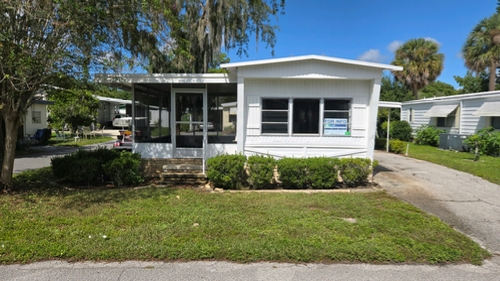
    Florida has long been a favorite destination for retirees, snowbirds, and families looking for affordable living. Mobile home parks stand out for their cost-effectiveness and community living among the many housing options. However, finding a mobile home park with low lot rent can be challenging, especially in popular areas. You can secure a budget-friendly lot in the Sunshine State with careful research and planning.

    Why Consider Mobile Home Parks in Florida?

    Florida offers sunny weather, beautiful beaches, and a relaxed lifestyle. Mobile home parks are attractive because they are affordable compared to traditional housing. Lot rents cover essential amenities like water, trash pickup, and park maintenance. Some parks also provide recreational facilities, pools, and organized activities.

    Mobile home parks often foster a sense of community—neighbors bond over shared experiences, creating a supportive environment. Many parks cater to specific age groups, such as 55+ communities, making them ideal for retirees.
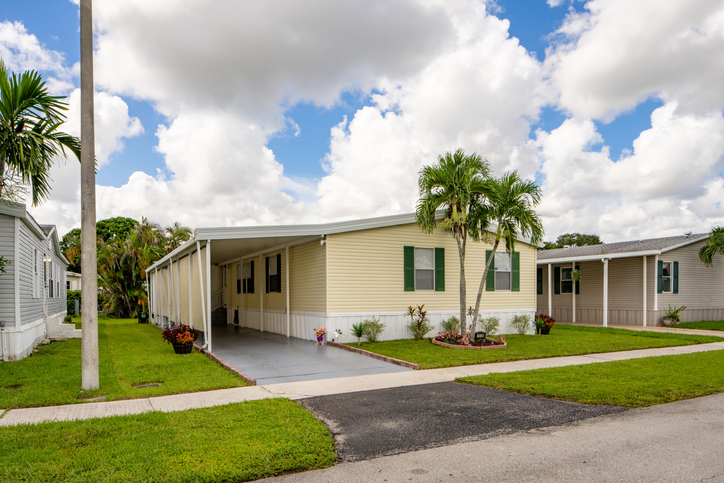
    Mobile Home Parks with Low Lot Rent in Florida

    Understanding Lot Rent

    Lot rent refers to the monthly fee paid for leasing the land where your mobile home sits. It varies depending on location, park amenities, and demand. In Florida, lot rents can range from $200 to over $1,000 monthly. Lower rents are often found in smaller towns or less tourist-heavy areas.

    Remember that lot rent often includes services like lawn care, sewer, and access to park facilities. Before committing, understand what the rent covers to avoid surprises.

    Top Tips for Finding Low Lot Rent Mobile Home Parks

    1. Research Locations

    Choosing the right location is crucial when searching for affordable lot rent. Due to demand, famous cities like Orlando, Tampa, and Miami tend to have higher rents. Consider areas with lower living costs, such as Ocala, Sebring, or Lakeland. These towns offer a slower pace of life and plenty of affordable mobile home parks.

    Explore rural areas or smaller communities. Lot rents in these regions are lower, and you might still enjoy proximity to larger cities.

    2. Use Online Resources

    Online tools can make your search easier. Websites like MHVillage, Zillow, and Realtor.com list mobile home parks across Florida. Use filters to sort by price range, amenities, and location. You can also read reviews to understand the park’s quality and community atmosphere.

    Social media platforms like Facebook often have groups dedicated to mobile home living. Members share tips, listings, and personal experiences, and joining these groups can help you uncover hidden gems.

    3. Visit Parks in Person

    Pictures and descriptions online don’t always tell the full story. Visiting mobile home parks allows you to evaluate their cleanliness, safety, and overall vibe. Speak with residents to gain firsthand insights into the community and its management.

    While on-site, ask about lot rent increases. Some parks have rent stabilization policies, while others may raise rates annually. Understanding these details can save you money over time.

    4. Look for Resident-Owned Communities

    Resident-owned communities (ROCs) are mobile home parks where residents collectively own the land. These communities often have lower lot rents since profits don’t go to an outside landlord. Instead, fees cover shared expenses like maintenance and utilities.

    Search specifically for ROCs if you’re seeking long-term affordability. These parks also tend to have a stronger sense of community, as residents actively participate in management decisions.

    5. Negotiate or Look for Specials

    Some mobile home parks offer move-in specials or discounts for new residents. These promotions might include reduced rent for the first few months or waived fees. Don’t hesitate to ask park managers about current offers.

    Sometimes, you can negotiate a lower lot rent, especially in parks with vacant lots. Be polite but firm when discussing potential discounts.

    6. Avoid High-Tourism Areas

    Like Orlando and the Keys, Florida’s tourism hubs typically have higher lot rents. Instead, focus on regions less frequented by tourists. Inland areas and small coastal towns often have more affordable options while still offering access to Florida’s natural beauty.

    7. Consider Older Parks

    Newer mobile home parks often have higher lot rents due to modern amenities and upgraded facilities. Older parks, however, may offer lower rents. While they might lack some luxury features, they can still provide a comfortable and affordable living environment.

    Check the park’s condition before committing. Ensure that roads, utilities, and common areas are well-maintained. Older doesn’t always mean neglected, and many older parks are charming and well-kept.

    8. Work with a Real Estate Agent

    Real estate agents specializing in mobile home properties can be invaluable. They have access to listings and contacts that might be private. Agents can also guide you through lease agreements, ensuring you understand all terms and conditions.

    Look for agents familiar with Florida’s mobile home market. Their expertise can help you find parks with reasonable rents that meet your specific needs.

    9. Budget for Additional Costs

    When comparing lot rents, account for other costs like property taxes, insurance, and utilities. Some parks require residents to pay for services like electricity or cable separately. Ensure that the total monthly expense aligns with your budget.

    If you’re moving into a park with an HOA (Homeowners Association), consider those fees as well. While they add to your costs, HOA fees often cover community amenities and events.

    Examples of Low Lot Rent Areas in Florida

    • Ocala: Known for its horse farms and quiet lifestyle, Ocala has numerous mobile home parks with affordable lot rents.
    • Sebring: This small town offers peaceful living and low housing costs, making it popular with retirees.
    • Lakeland: Conveniently located between Tampa and Orlando, Lakeland has a mix of affordable parks and urban amenities.
    • Brooksville: A charming area with low rents and access to nature, including state parks and hiking trails.
    • Silver Springs: Close to Ocala, this area is known for its scenic beauty and reasonable lot rents.

    Red Flags to Watch For

    When searching for affordable mobile home parks, watch out for potential issues. Poorly managed parks can lead to problems down the road, even if rents are low.

    • Frequent Rent Increases: Look for parks with a history of stable rents.
    • Lack of Maintenance: Parks with neglected facilities may lead to costly repairs for your home.
    • Restrictive Rules: Some parks have strict regulations regarding visitors, pets, or home modifications.
    • Hidden Fees: Ensure all costs are disclosed upfront, including utility fees or extra charges for amenities.

    Final Thoughts

    Finding mobile home parks with low lot rent in Florida requires effort and attention to detail. Focusing on less crowded areas, utilizing online resources, and visiting parks in person can help you identify affordable options. Review all costs, amenities, and park policies to ensure the community fits your needs.

    With patience and persistence, you can enjoy the benefits of mobile home living in Florida without breaking your budget.


    See Also:


  • Top 5 Energy-Efficient Features for Mobile Homes in Florida

    Living in Florida comes with unique challenges, especially regarding energy efficiency. Mobile homes can be more susceptible to heat, humidity, and high utility costs. Integrating energy-efficient features can reduce these expenses and create a more comfortable living environment. Here are the top five energy-efficient upgrades for mobile homes in Florida.

    1. Energy-Efficient Windows

    Old windows often allow heat to enter and cool air to escape. Upgrading to energy-efficient windows can dramatically reduce your energy bills. Look for double or triple-glazing windows and a low-E (low emissivity) coating. These features block heat and harmful UV rays while keeping your home cooler. You can also add weatherstripping to existing windows for a more affordable option. Properly sealed windows improve efficiency and enhance comfort during Florida’s hot summers.

    2. Cool Roofing Materials

    Mobile homes with traditional roofs tend to absorb heat, making interiors uncomfortably warm. Installing excellent roofing materials can solve this problem. These roofs reflect sunlight instead of absorbing it, reducing heat buildup. Choose materials such as reflective coatings, metal roofing, or light-colored shingles. A cool roof can lower indoor temperatures by several degrees, reducing air conditioning usage. Plus, these roofs last longer since they experience less heat damage.

    energy-efficient features

    3. LED Lighting

    Lighting is an often overlooked aspect of energy efficiency. Replacing traditional incandescent bulbs with LED lights is an easy, affordable upgrade. LEDs consume significantly less electricity and last much longer than standard bulbs. They also generate less heat, which helps maintain a cooler indoor environment. Focus on replacing frequently used lights first, like those in the kitchen, living room, and exterior areas. Over time, this small change can lead to noticeable savings.

    4. Improved Insulation

    Many older mobile homes lack proper insulation, which allows cool air to escape and warm air to enter. Upgrading insulation can make a big difference. Focus on areas like walls, under the flooring, and the roof. Spray foam, fiberglass, and rigid foam boards are great options for mobile homes. Good insulation reduces the load on your HVAC system, which saves energy and extends its lifespan. It’s an investment that pays off in both comfort and cost savings.

    5. Energy-Efficient Appliances

    Outdated appliances often consume excessive electricity. Replacing them with ENERGY STAR-certified models can cut your utility bills. These appliances use advanced technologies to perform efficiently while consuming less energy. Focus on key items like refrigerators, air conditioners, and washing machines. While the upfront cost may seem high, the long-term savings make them a wise choice. Additionally, some utility companies offer rebates for upgrading to energy-efficient models.

    Renovating Your Mobile Home Kitchen: Budget-Friendly Ideas

    Renovating your kitchen can breathe new life into your mobile home without breaking the bank. A few strategic upgrades can make your kitchen more functional and visually appealing. Here are budget-friendly ideas to transform your kitchen into a modern, welcoming space.

    1. Refresh Cabinets with Paint or New Hardware

    Cabinets often dominate the look of a kitchen. Instead of replacing them, consider giving them a fresh coat of paint. Choose light colors like white, cream, or pastel shades to make the space feel larger and brighter. Another easy upgrade is replacing cabinet hardware. Swapping out old knobs and handles for modern styles can make a huge impact. Both updates are cost-effective and can be completed in a weekend.

    2. Update Countertops with Affordable Materials

    Replacing countertops doesn’t have to cost a fortune. Consider using budget-friendly materials like laminate or butcher block. These options mimic the look of more expensive surfaces like granite or quartz. Alternatively, you can apply a countertop refinishing kit to refresh existing surfaces. These kits provide a durable finish that transforms the look of your kitchen without requiring a total replacement.

    3. Improve Lighting for a Modern Touch

    Good lighting can make a small kitchen feel more extensive and more inviting. Swap outdated fixtures for energy-efficient LED options. Under-cabinet lighting adds both style and functionality by illuminating workspaces. Pendant lights over an island or dining area create a focal point. You don’t need an electrician for every upgrade—plug-in and battery-operated options are widely available and easy to install.

    4. Install a Backsplash for Visual Interest

    A backsplash can dramatically enhance your kitchen’s design. Peel-and-stick tiles are an affordable option that requires no professional help. They come in various colors and styles, allowing you to customize your look. Ceramic or subway tiles are affordable and timeless if you prefer a more traditional approach. A backsplash improves aesthetics and protects your walls from stains and splatters.

    5. Replace Flooring on a Budget

    Worn-out flooring can make even the most admirable kitchen feel outdated. Vinyl planks and peel-and-stick tiles are affordable, durable, and easy to install yourself. They come in various styles, including those that mimic hardwood or stone. If your budget is tight, focus on high-traffic areas first. Replacing the flooring can instantly modernize your kitchen while increasing its functionality.

    6. Upgrade Faucets and Sinks

    A modern faucet can serve as a statement piece while improving functionality. Look for budget-friendly options with features like pull-down sprayers or water-saving designs. If replacing the sink is out of your budget, consider re-coating it with an epoxy-based refinishing kit. These kits allow you to give your sink a fresh, updated appearance for a fraction of the cost.

    7. Add Open Shelving for Storage

    Open shelving provides a stylish way to display items while increasing storage. You can repurpose old wood planks or purchase affordable shelves from home improvement stores. Use them to showcase dishes, mugs, or decorative items. Open shelving also makes small kitchens feel more spacious by reducing visual clutter.

    8. Decorate with Budget-Friendly Accessories

    Small decorative touches can make a big difference. Add a colorful rug, coordinated dish towels, or artwork to personalize your space. Consider using removable wallpaper on one wall to create an accent area. These low-cost updates allow you to refresh your kitchen’s look without significant renovations.

    Combining Energy Efficiency and Kitchen Renovations

    While upgrading your kitchen, incorporate energy-efficient features wherever possible. For instance, old appliances can be replaced with ENERGY STAR-certified models to save electricity. Install LED lights under cabinets for a modern look and reduce energy use. Choosing eco-friendly materials like recycled countertops or bamboo flooring can enhance both your kitchen’s appearance and sustainability.

    Focusing on these budget-friendly and energy-efficient upgrades can create a functional, stylish, and cost-effective kitchen. Whether you’re enhancing energy efficiency or renovating on a budget, small changes can significantly impact your mobile home.


    See Also:


  • How Safe are Mobile Homes During Hurricanes?

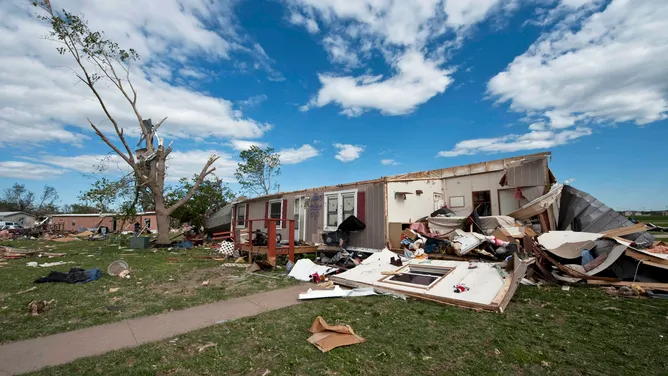
    Mobile homes are an affordable housing option, but they come with certain risks, especially during hurricanes. Many people wonder how safe mobile homes are in such extreme weather conditions. Hurricanes are powerful storms that can cause severe damage, and mobile homes can be vulnerable due to their lightweight structure and limited foundation. However, understanding the factors that affect their safety can help you take the necessary steps to protect yourself and your property.

    1. Mobile Homes vs. Traditional Homes in Hurricanes

    Mobile homes are generally more susceptible to damage during hurricanes than traditional site-built homes. This is because mobile homes are often constructed with lighter materials and are anchored to the ground with less robust foundations. Traditional houses, on the other hand, are usually built to higher standards with more durable materials.

    how safe mobile homes

    Mobile homes are more likely to be affected by the high winds and flying debris associated with hurricanes. The winds can easily lift a poorly anchored mobile home or cause it to overturn. However, not all mobile homes are equally vulnerable. The level of safety depends on the mobile home’s age, construction quality, and how well it is anchored.

    2. The Importance of Anchoring and Skirting

    One of the most critical factors in determining the safety of a mobile home during a hurricane is how well it is anchored. Mobile homes must be securely fastened to their foundations to prevent them from being blown away or overturned.

    Mobile homes are typically anchored using tie-downs or anchors that are attached to the ground or a concrete slab. These anchors help keep the mobile home in place during high winds. If your mobile home is not anchored correctly, it becomes more vulnerable to storm damage.

    Additionally, skirting around the base of the mobile home can help reduce the wind’s ability to get underneath it. Proper skirting provides additional stability and minimizes the chances of uplift.

    3. Age and Condition of the Mobile Home

    The age and condition of a mobile home are crucial when evaluating its safety during a hurricane. Older mobile homes, particularly those built before 1976, may not be as safe as newer models. This is because mobile home building codes and safety standards have significantly improved in recent years.

    In 1976, the U.S. government implemented stricter safety standards for mobile homes, including requirements for better anchoring and more durable materials. Mobile homes built after this date are generally safer and more resilient against severe weather conditions. If you own an older mobile home, investing in upgrades, such as enhanced anchoring systems, new roofing, and better windows, is essential to improve its safety.

    4. Hurricane-Resistant Mobile Homes

    Some newer mobile homes are specifically designed to be more resistant to hurricanes. These homes are built to higher standards and are often marketed as “hurricane-rated” or “storm-resistant.” These mobile homes may have reinforced frames, more robust materials, and better anchoring systems.

    Buying a mobile home in a hurricane-prone area is worth considering homes designed to withstand extreme weather. Look for homes that meet or exceed local building codes for wind resistance. Many of these homes are designed to handle winds up to 140 miles per hour or more, which is typical for strong hurricanes.

    5. Location and Community Considerations

    The safety of a mobile home during a hurricane is also influenced by its location. If your mobile home is in a well-established mobile home park with good infrastructure, it may be safer than if it is located in a more remote area.

    Mobile home parks in hurricane-prone areas should have specific safety protocols, such as evacuation plans and emergency shelters. Many parks also enforce rules that require homes to be adequately anchored, which can provide an added layer of safety.

    Before purchasing a mobile home, check the safety measures in place in the community. Ensure that the park is well-maintained and has a solid track record of responding to hurricanes and other natural disasters.

    6. Preparing Your Mobile Home for a Hurricane

    Proper preparation is vital to reducing the risk of damage to your mobile home during a hurricane. Here are some critical steps to take before a storm hits:

    • Install strong anchors and tie-downs: Ensure your mobile home is anchored securely to the ground. If necessary, hire professionals to inspect and upgrade the anchoring system.
    • Reinforce windows and doors: Install storm shutters or plywood over windows to protect them from flying debris. Reinforce doors with heavy-duty locks and deadbolts.
    • Check the roof: Ensure that the roof is in good condition and secure. High winds can cause shingles to lift, leading to water damage inside the home.
    • Remove outdoor objects: Secure or remove outdoor furniture, debris, and other items that could become projectiles in high winds.
    • Have an evacuation plan: Know the evacuation routes from your mobile home park and plan to leave early if a hurricane warning is issued.

    While these preparations can help mitigate some risks, the safest option in the event of a significant hurricane is to evacuate the area entirely.

    7. When to Evacuate

    Evacuating before a hurricane makes landfall is the safest option, particularly if you live in a mobile home. If local authorities issue an evacuation order, leaving as soon as possible is crucial. Mobile homes, even those that are properly anchored, are still more likely to be damaged than traditional homes.

    If you are still determining whether your mobile home is in a safe location, pay attention to the wind speed and storm surge warnings. If the winds are expected to exceed 100 miles per hour or if a storm surge is predicted, evacuate immediately.

    8. Insurance and Coverage Options

    Insurance is essential to owning a mobile home, especially in hurricane-prone areas. Standard homeowner’s insurance policies do not typically cover damage caused by hurricanes, so additional coverage is essential.

    Consider purchasing flood insurance and a separate mobile home policy that covers wind damage. Many insurance companies offer policies specifically for mobile homes, including hurricane-related coverage. Make sure you fully understand your policy’s coverage limits and exclusions.

    9. The Role of Community Planning

    In some cases, mobile home parks have unique disaster preparedness plans. These plans may include evacuation shelters, emergency supplies, and guidance on when to evacuate. It’s essential to be aware of these plans and follow them in the event of a hurricane.

    Some mobile home communities may also have weather-resistant shelters or designated safe areas where residents can go during a hurricane. Please speak with your park management about their hurricane preparedness plans and what steps they take to ensure the safety of residents.

    10. Conclusion

    While mobile homes are more vulnerable during hurricanes than traditional homes, there are many ways to improve their safety. Proper anchoring, hurricane-resistant features, and thorough preparation can significantly reduce the risks. However, in the case of a significant storm, evacuation is still the safest option.

    If you live in a hurricane-prone area, ensure your mobile home is as safe as possible. Take advantage of any available community resources and always stay informed about weather conditions. With the proper precautions, you can reduce the potential damage and keep yourself and your family safe during hurricane season.


    See Also:

  • How to Determine if a Fixer-Upper Mobile Home is Worth It

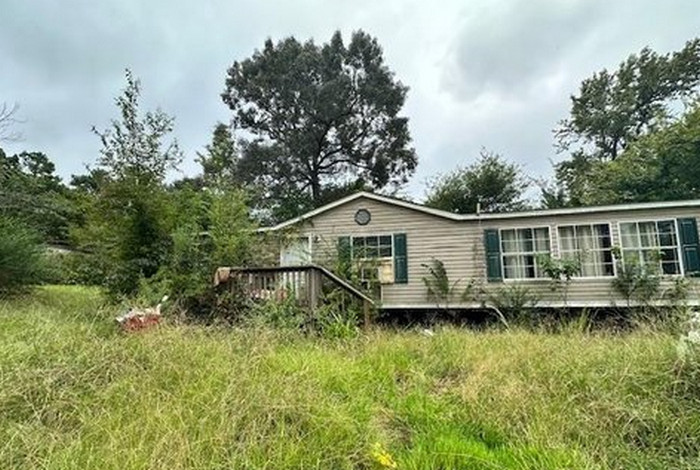
    Buying a fixer-upper mobile home can be an appealing option for those seeking affordable housing or investment opportunities. However, deciding whether a fixer-upper mobile home is worth the effort requires careful evaluation. Not all fixer-uppers are created equal, and you’ll need to assess the costs, potential rewards, and risks before making a purchase. Here’s a guide to help you determine if a fixer-upper mobile home is worth it.

    fixer-upper mobile home is worth

    1. Assess the Location

    The first step in determining if a fixer-upper mobile home is worth the investment is evaluating the location. The location of a mobile home plays a significant role in its future value. Mobile homes in desirable communities or areas with strong property demand are more likely to appreciate over time.

    Key factors to consider when evaluating the location include:

    • Proximity to essential services: Check how close the mobile home is to grocery stores, schools, hospitals, and public transport.
    • Safety: Investigate the crime rates in the area. A safe neighborhood is crucial for long-term property value.
    • Growth potential: Research whether the area is experiencing growth or development, as this can increase the value of your mobile home.
    • Mobile home park quality: If the mobile home is in a park, consider the park’s reputation and management. A well-maintained park with good amenities can add significant value.

    2. Calculate the Repair Costs

    Calculate the repair costs before you commit to purchasing a fixer-upper mobile home. Renovating a mobile home can range from minor repairs to major structural work. Assessing these costs early will help you determine if the investment is worth it.

    Consider the following repair areas:

    • Structural issues: Look for signs of foundational problems, such as cracks in the walls, uneven floors, or sagging roofs.
    • Plumbing and electrical systems: Ensure that the plumbing and electrical systems are in good working condition. Replacing these systems can be costly.
    • Roofing: Mobile homes often require roof repairs or replacements, which can add up quickly.
    • HVAC system: Check if the heating, ventilation, and air conditioning systems function correctly. An outdated or broken HVAC system can be expensive to replace.
    • Cosmetic repairs: Don’t overlook cosmetic improvements like paint, flooring, or kitchen upgrades. These can make a big difference in the home’s appearance and value.

    Get estimates from contractors to determine the true cost of repairs. When calculating your budget, be sure to factor in both material and labor costs.

    3. Evaluate the Home’s Age and Condition

    The age of the mobile home can significantly affect its value and the cost of repairs. Older mobile homes may require more extensive work, including updating plumbing, electrical systems, or structural elements. The house’s condition is equally important, as homes with extensive wear and tear will need more work.

    When assessing the home’s age and condition, consider the following:

    • Manufacturing date: Older homes, especially those built before 1976, may not meet modern safety or energy efficiency standards. These homes may require more extensive updates.
    • Frame and chassis: Examine the mobile home’s frame and chassis for signs of rust or damage. A damaged frame can be a dealbreaker, as repairs can be costly.
    • Exterior condition: Inspect the roof, siding, and windows. These elements are essential for the home’s structural integrity and weather resistance.

    The mobile home may still be worth the investment if it is older but has a sound basic structure. However, if the structure is compromised, you should reconsider.

    4. Consider the Resale Value

    Before purchasing a fixer-upper mobile home, consider its resale value after repairs. If you plan to sell the house in the future, you’ll want to ensure that your investment will provide a return.

    Factors that influence the resale value of a mobile home include:

    • Upgrades and renovations: High-quality repairs and upgrades, such as modern appliances, new flooring, and fresh paint, can increase the resale value.
    • Comparable sales: Look at the prices of similar homes in the same area. If other homes in the mobile home community or neighborhood sell for less than you expect to spend on repairs, it may not be a profitable investment.
    • Park fees and lot rent: If the home is in a mobile home park, consider the lot rent and park fees. High monthly fees can deter future buyers, lowering the home’s resale value.

    Understanding the potential resale value helps determine whether the fixer-upper will be worthwhile. It may be worth pursuing if the resale value is higher than the total cost of repairs and purchase.

    5. Assess Your Time and Skills

    Renovating a fixer-upper mobile home can be time-consuming. If you plan to do the repairs yourself, you need to assess your own skills and availability. While doing some of the work yourself can save money, not all repairs are DIY-friendly. Complex tasks, such as electrical, plumbing, or foundation work, often require professional expertise.

    Evaluate your:

    • Experience: Do you have the skills to complete the necessary repairs? If not, are you willing to hire contractors to handle specific tasks?
    • Time commitment: Do you have the time to dedicate to the renovation process? Consider the length of time it will take to complete the repairs and any potential disruptions to your daily life.
    • Budget: If you hire contractors, ensure your budget allows for both labor and materials. Contractor fees can add up quickly.

    If you are unable or unwilling to dedicate the time or effort, purchasing a mobile home that requires less work may be more cost-effective.

    6. Investigate Financing Options

    Financing a fixer-upper mobile home can be more challenging than financing a new or move-in-ready home. Many lenders are hesitant to finance mobile homes that require significant repairs. However, there are options available.

    Consider the following:

    • Personal loans: You can secure a personal loan to cover the cost of repairs. These loans typically have higher interest rates but are easier to qualify for.
    • Renovation loans: Some lenders offer renovation loans, such as the FHA 203(k) loan, which combines the cost of purchasing the mobile home with funds for repairs.
    • Title loans: If you already own a mobile home, you can obtain a title loan to cover repair costs.
    • Mobile home park financing: If the home is in a mobile home park, the park management may offer financing options for repairs.

    Explore all financing options to ensure that you have the necessary funds to purchase and renovate the mobile home.

    7. Assess the Return on Investment (ROI)

    Ultimately, when deciding to invest in a fixer-upper mobile home, consider the potential return on investment (ROI). After considering the purchase price, repair costs, and resale value, calculate your expected ROI. If the ROI is favorable, the fixer-upper may be worth it.

    To calculate ROI, subtract the total costs of purchasing and renovating the mobile home from the expected resale value. Divide this number by your total costs, then multiply by 100 to get the percentage.

    For example, if you purchase a mobile home for $10,000 and spend $15,000 on repairs, your total investment would be $25,000. If you can sell the home for $35,000, your ROI would be:

    ($35,000 – $25,000) / $25,000 = 0.40 or 40%

    A high ROI indicates that the fixer-upper is a good investment. A low ROI may mean that the home isn’t worth the effort.

    Conclusion

    Determining if a fixer-upper mobile home is worth it requires careful evaluation. Start by assessing the location, repair costs, and the home’s age and condition. Consider the potential resale value, your own time and skills, and financing options. Finally, the expected return on investment is calculated to make an informed decision. With thorough research and planning, you can determine whether a fixer-upper mobile home is a wise investment for your budget and needs.


    See Also:


  • How to Find Foreclosed Mobile Homes in Florida

    Florida has many mobile homes, offering affordable housing options for residents. Many of these homes are located in established mobile home communities, which can be an excellent choice for those looking for an affordable home. However, if you’re looking for even lower prices, foreclosed mobile homes can offer significant savings. Buying a foreclosed mobile home in Florida can be a wise investment, but it requires knowing where and how to find it. This article will explore how to find foreclosed mobile homes in Florida.

    foreclosed mobile homes in Florida

    Understand the Foreclosure Process

    Before you start looking for foreclosed mobile homes, it’s essential to understand the foreclosure process. When a homeowner defaults on their mortgage, the lender can take legal action to seize the property. The mobile home is then sold to recover the debt owed, usually at a public auction.

    Like traditional homes, mobile homes can be foreclosed on. The process may involve bank-owned properties or government-owned assets. Understanding the foreclosure process will help you determine how to find and purchase these homes.

    1. Search Online Real Estate Platforms

    The internet is an excellent tool for finding foreclosed mobile homes in Florida. Several websites specialize in listings for foreclosed properties, including mobile homes. These platforms allow you to search by location, price, and other filters to find the perfect home. Some popular online real estate platforms to check include:

    • Zillow: Zillow’s website lists foreclosed mobile homes across Florida. You can filter search results to focus on foreclosures in specific areas and price ranges.
    • Realtor.com: Realtor.com offers a wide selection of foreclosures, including mobile homes. You can also find listings for mobile home communities.
    • Foreclosure.com: This specialized foreclosure website provides a comprehensive database of foreclosed mobile homes for sale in Florida.
    • HUD Homes: The U.S. Department of Housing and Urban Development (HUD) often lists government-owned mobile homes for sale. You can find foreclosed properties through the HUD website.

    These platforms typically have up-to-date listings, allowing you to explore photos, detailed descriptions, and essential information about each property.

    2. Contact Local Real Estate Agents

    Real estate agents specializing in mobile homes can be invaluable when searching for foreclosures. These professionals often have access to listings not available online and may have inside knowledge of upcoming foreclosures. They can help guide you through the process of purchasing a foreclosed mobile home in Florida.

    Look for agents who have experience working with mobile homes or foreclosures in Florida. They can assist you in finding properties, negotiating prices, and navigating legal paperwork. It’s worth noting that some real estate agents may charge a commission, but their expertise can make the process smoother.

    3. Check County and City Websites

    Many counties and cities in Florida have websites that list foreclosure auctions, including mobile homes. These auctions are typically held when a mobile home is repossessed or foreclosed upon. Public auctions offer an opportunity to purchase a mobile home directly from a lender or government entity.

    Regularly checking local government websites lets you stay updated on upcoming auctions and foreclosure sales. Depending on the area, These sales may occur at the county courthouse or online. Some counties also list available properties on third-party auction sites.

    4. Visit Bank and Credit Union Websites

    Banks and credit unions often repossess mobile homes after foreclosure. These financial institutions may list foreclosed properties on their websites. To find foreclosed mobile homes in Florida, start by checking the websites of large banks or credit unions.

    Some examples of banks and credit unions to research include:

    • Wells Fargo
    • Bank of America
    • Chase
    • SunTrust (now Truist)
    • Local credit unions

    Many of these institutions provide information on their foreclosed properties and auction dates. If you find a mobile home you’re interested in, contact the bank or credit union to get additional details on the bidding process and purchase requirements.

    5. Attend Foreclosure Auctions

    Foreclosure auctions are a key place to find foreclosed mobile homes in Florida. These auctions are held when properties are repossessed by banks, lenders, or government agencies. At a foreclosure auction, properties are sold to the highest bidder.

    Most foreclosure auctions in Florida are public, and anyone can attend. Some of the auctions are held in person at county courthouses, while others are conducted online. You can find details about upcoming auctions on county websites or reach out to the courthouse for more information. When attending an auction, be sure to:

    • Research the property ahead of time.
    • Know your maximum bid limit.
    • Have the required funds available.
    • Understand the auction process.

    It’s important to know that buying a foreclosed mobile home at auction can be risky. The house is often sold as-is, and you may not have the opportunity to inspect it beforehand. However, you can sometimes find great deals at these auctions.

    6. Look for Bank-Owned Mobile Homes

    Bank-owned mobile homes are often called “Real Estate Owned” (REO) properties. These homes have gone through the foreclosure process and are now owned by the bank. REO properties are typically listed for sale at a price below market value, making them attractive to buyers looking for a bargain.

    Check with local banks and mortgage lenders in Florida to find bank-owned mobile homes. Some banks maintain a list of REO properties on their websites, while others may require you to contact them directly for more information. Working with a real estate agent specializing in REOs can also help you find these properties.

    7. Check with Mobile Home Parks and Communities

    Mobile home communities in Florida sometimes have foreclosed mobile homes available for sale. The park management or a third-party investor often sells these homes. If you want to purchase a mobile home within a specific community, contact the management office to inquire about available foreclosures.

    Many mobile home parks also have listings for homes that are for sale by the park or private sellers. Some communities may offer financing options, which can be helpful if you don’t have enough funds to buy the mobile home outright.

    8. Consider Government-Funded Programs

    The federal government occasionally offers foreclosure sales through programs like the U.S. Department of Housing and Urban Development (HUD). HUD often sells foreclosed mobile homes that were financed with government-backed loans. These properties are typically sold at competitive prices and can offer significant savings for buyers.

    You can search for HUD homes through the HUD Home Store website. This site lists foreclosures available for purchase throughout Florida. Additionally, check with state and local housing authorities, as they may also have programs or listings for foreclosed mobile homes.

    9. Look for Investors or Wholesalers

    Some investors or wholesalers specialize in buying and selling foreclosed properties, including mobile homes. These individuals may have access to off-market deals that are not listed on public platforms. You can often find these investors through local real estate networking events or by contacting local real estate investment groups.

    Working with an investor or wholesaler can help you find foreclosed mobile homes that are not readily available to the public. However, you should carefully vet these parties to ensure that the transactions are legitimate.

    Conclusion

    Finding foreclosed mobile homes in Florida requires patience and research. Search online real estate platforms, local government websites, and bank listings. Attend foreclosure auctions and contact mobile home communities to inquire about available foreclosures. Consider working with a real estate agent specializing in mobile homes to help streamline the process. With the right tools and resources, you can find a foreclosed mobile home that fits your budget and housing needs.


    See Also:

  • Is It Safe to Buy a Mobile Home in a Hurricane-Prone Area?

    Hurricane-prone areas are some of the most popular locations for mobile homes. Many people seek affordable housing options in places like Florida, Louisiana, and Texas. However, living in a mobile home in such areas comes with risks. Mobile homes are often more vulnerable to strong winds and flooding than traditional houses. This raises the question: is buying a mobile home in a hurricane-prone area safe? Let’s break down the factors you should consider before deciding.

    Understanding the Risks

    The primary concern when buying a mobile home in a hurricane-prone area is the risk of severe weather. Hurricanes bring high winds, heavy rains, and flooding, all of which can cause significant damage. Due to their lighter construction and less robust foundations, mobile homes are particularly vulnerable during storms.

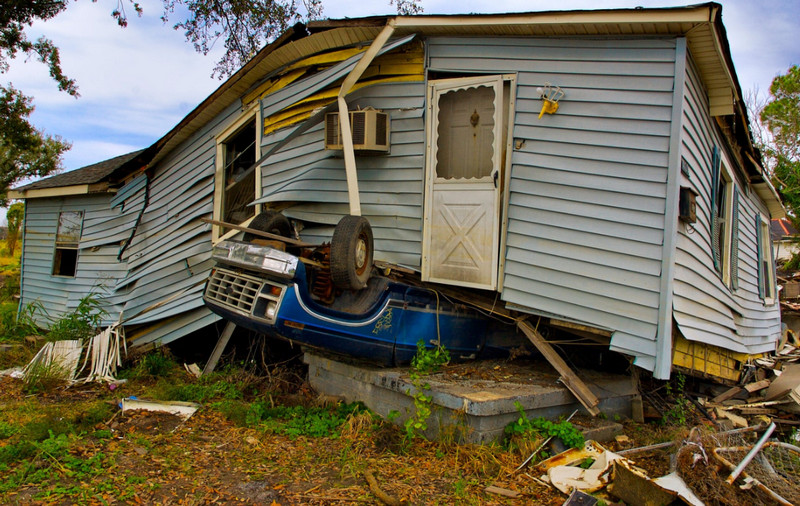
    Wind speeds in hurricanes can exceed 100 mph, which is enough to tear off roofs, collapse walls, or even flip a mobile home. Additionally, if the area is prone to flooding, mobile homes can be at risk of water damage, especially in low-lying locations.

    mobile home in a hurricane-prone area

    How Mobile Homes Are Built to Withstand Hurricanes

    Mobile homes built in recent years have better safety features than older models. Advances in construction techniques, materials, and building codes have improved their durability. Many mobile homes must meet specific wind load standards, depending on their location.

    For example, mobile homes must meet stricter wind resistance requirements in coastal areas subject to hurricanes. The Florida Building Code, for instance, mandates that mobile homes in hurricane-prone areas must be anchored securely to the ground and able to withstand winds up to 130 mph or higher.

    In addition to wind resistance, newer mobile homes are designed with water resistance in mind. Raised foundations, improved sealants, and flood-resistant materials help protect homes from water damage.

    Factors to Consider Before Buying a Mobile Home in a Hurricane Zone

    1. Location Matters
      The location of the mobile home is critical when living in a hurricane-prone area. If the mobile home is situated in a floodplain or near a body of water, it may be more susceptible to flooding. Some mobile home communities are located in areas designated explicitly for higher-risk storms, which can increase the likelihood of damage.
      On the other hand, mobile homes in higher elevations or inland areas may be safer. These homes are less likely to experience severe flooding or storm surges. It’s essential to research the exact location of the mobile home before making a purchase. A local real estate agent or insurance agent can help you understand the risk of natural disasters in your area.
    2. The Age and Condition of the Mobile Home
      The age and condition of the mobile home play a significant role in its safety during a hurricane. Older mobile homes may need to meet modern building codes or have the structural integrity necessary to withstand strong winds. Newer mobile homes with updated materials and standards offer much more protection.
      If you are considering a used mobile home, be sure to have it inspected by a professional before purchasing. A thorough inspection can identify potential weaknesses, such as outdated anchoring systems, worn-out roofing, or structural damage, that could make the home more vulnerable to a storm.
    3. Anchoring and Foundation
      Proper anchoring is crucial for mobile homes in hurricane-prone areas. Mobile homes are typically anchored to the ground using tie-downs or anchors that prevent them from being lifted by strong winds. In hurricane-prone regions, these anchors must meet specific standards to ensure the home remains secure.
      Additionally, the foundation should be solid and stable. Mobile homes can be placed on concrete slabs, piers, or other foundation types. In flood-prone areas, homes should be elevated to reduce the risk of water damage. Be sure to check whether the mobile home is anchored according to local building codes.
    4. Hurricane-Resistant Features
      Mobile homes built in hurricane-prone areas often have hurricane-resistant features. These may include impact-resistant windows, reinforced roofs, and storm shutters that can protect the house during a storm.
      Some mobile home communities also offer storm shelters or designated evacuation routes. These community amenities provide additional peace of mind during a hurricane.
    5. Insurance Considerations
      One of the most important factors when living in a hurricane-prone area is the cost and availability of insurance. Standard homeowners insurance may not cover hurricane damage, especially in areas prone to frequent storms. You will likely need to purchase specific flood and windstorm insurance to protect your home thoroughly.
      Researching insurance options and costs before buying a mobile home is essential. The insurance cost can vary greatly depending on the location and the home’s construction. Ensure that the insurance cost fits within your budget, as it may increase significantly in hurricane-prone areas.
    6. Evacuation Plan
      Even the most resilient mobile homes may not withstand the strongest hurricanes. Having an evacuation plan in place is essential. Before purchasing a mobile home in a hurricane-prone area, ensure you know local evacuation routes and shelters. Mobile home communities in hurricane zones should have clear plans for evacuating residents during a storm.
      It’s also a good idea to ensure that the mobile home is equipped with emergency supplies, including water, non-perishable food, flashlights, and first aid kits. Being prepared can make a significant difference during an emergency.

    Pros of Buying a Mobile Home in a Hurricane-Prone Area

    Buying a mobile home in a hurricane-prone area has several advantages despite the risks.

    1. Affordability: Mobile homes are generally more affordable than traditional houses. This is particularly appealing in areas where the cost of living is high due to the risk of hurricanes.
    2. Flexibility: If you choose to live in a mobile home community, you can often find flexible leasing options. This allows you to move if necessary or relocate after a storm.
    3. Resilient Communities: Many mobile home communities in hurricane-prone areas are designed with storm resilience in mind. Residents often know how to prepare for hurricanes and work together to ensure everyone’s safety.

    Cons of Buying a Mobile Home in a Hurricane-Prone Area

    The risks of living in a mobile home in a hurricane-prone area cannot be ignored.

    1. Vulnerability to Severe Weather: Even with modern construction techniques, mobile homes are still more vulnerable to strong winds and flooding than traditional homes.
    2. Higher Insurance Costs: Insurance for mobile homes in hurricane zones can be expensive. Flood insurance and windstorm insurance are often necessary to ensure your home is fully protected.
    3. Evacuation: In extreme cases, mobile home residents may be forced to evacuate during a hurricane, disrupting their lives and increasing their financial burden.

    Conclusion: Is It Safe to Buy a Mobile Home in a Hurricane-Prone Area?

    Buying a mobile home in a hurricane-prone area can be safe, but it requires careful consideration. Make sure to choose a mobile home that meets modern building codes and is anchored securely. Research the location, understand the risks, and take steps to prepare your home for a hurricane.

    If you decide to purchase a mobile home, be sure to invest in comprehensive insurance and have a solid evacuation plan in place. With the right precautions, a mobile home in a hurricane-prone area can be a safe and affordable housing option. However, always weigh the risks and take the necessary steps to protect yourself and your property.


    See Also:

  • Cheap Mobile Homes vs. Apartments: What’s the Best Value?

    Two of the most popular affordable living options are cheap mobile homes and apartments. Both offer unique benefits and drawbacks, and your decision largely depends on what you value most: price, space, flexibility, or community. This article will compare mobile homes and apartments to help you make the best choice for your lifestyle and budget.

    What Is a Mobile Home?

    A mobile home, also called a manufactured home, is a prefabricated house built in a factory and transported to a site. They are typically located in mobile home parks or manufactured home communities. These homes are often smaller and more affordable than traditional houses but offer more significant space and flexibility than apartments.

    Mobile homes come in various sizes, including single-wide, double-wide, and even triple-wide models. They can be rented or bought, and many mobile home communities allow homeowners to lease the land they occupy. This often results in lower upfront costs than owning or renting an apartment.

    Mobile Homes vs. Apartments

    What Is an Apartment?

    An apartment is a self-contained residential unit that’s part of a larger building or complex. Apartments are typically rented and are often located in urban areas. They can range from studio apartments to multi-bedroom units. Some apartment complexes offer amenities such as pools, gyms, or even pet parks.

    While apartments offer the convenience of shared facilities and often include utilities, they are generally smaller than mobile homes. Rent prices can vary widely depending on the location and size, but apartments often have additional costs for parking, utilities, and sometimes maintenance fees.

    Initial Costs: Mobile Homes vs. Apartments

    The initial cost is one of the most significant factors when deciding between a mobile home and an apartment.

    Mobile homes can be cheaper to buy upfront than apartments. Depending on the size and features, a mobile home can cost anywhere from $30,000 to $80,000 for a new one. Older or used mobile homes can cost even less. Renting a mobile home space in a park usually ranges from $300 to $1,000 monthly, depending on the location.

    Apartments tend to have higher upfront costs. Rent in urban areas can easily exceed $1,500 per month for a one-bedroom apartment, with additional fees for security deposits, utilities, and sometimes parking. If you’re looking to buy an apartment, the cost of a condominium or a unit in an apartment building can range from $100,000 to over $500,000, depending on the area.

    Monthly Expenses: Mobile Homes vs. Apartments

    Regarding monthly expenses, mobile homes often have the edge compared to apartments.

    For those who buy a mobile home, monthly costs typically include the loan payment (if applicable), utilities, and rent for the space in the mobile home park. The total monthly payment can be lower than the cost of renting an apartment. Depending on the area, mobile homeowners can also save on property taxes and insurance costs.

    Renting an apartment usually includes rent, utilities, and sometimes additional fees for things like parking or storage. If you live in a city with high demand for apartments, rent may increase over time, putting a strain on your budget. While some apartment complexes cover utilities, many require tenants to pay for electricity, gas, and water separately, which can add up.

    Space and Privacy: Mobile Homes vs. Apartments

    Regarding space and privacy, mobile homes often have a clear advantage.

    Mobile homes provide more square footage compared to typical apartments. A single-wide mobile home can range from 500 to 900 square feet, while a double-wide can offer anywhere from 1,000 to 2,000 square feet. This extra space gives you more freedom to move around and personalize your living area.

    Apartments, especially in urban areas, tend to be smaller. A studio apartment may only offer 300 to 500 square feet, while a one-bedroom apartment might have between 600 and 900 square feet. Even larger apartments rarely match the space that a mobile home offers.

    Privacy is another consideration. In a mobile home, you often have more privacy due to the physical separation between units. Many mobile home communities have well-spaced lots, so you don’t have neighbors right on top of you. Shared walls and common spaces in apartments can lead to more noise and less privacy.

    Flexibility and Mobility: Mobile Homes vs. Apartments

    One of the main advantages of mobile homes is their mobility. While you can move an entire mobile home to a new location, it can be expensive and complicated. However, this flexibility can be a huge advantage if you’re not tied to a particular area. Renting land in a mobile home community also gives you more control over your living situation than renting an apartment, where your lease terms are generally fixed.

    Apartments offer less flexibility. Typically, you sign a lease for a fixed term, which may be as short as six months or as long as a year. Breaking your lease can lead to penalties, and many apartments have strict rules about renewal. If you need to relocate for work or personal reasons, leaving an apartment can be more complicated than leaving a mobile home.

    Community and Lifestyle: Mobile Homes vs. Apartments

    Living in a mobile home community can offer a sense of camaraderie. Many mobile home parks are tight-knit communities where neighbors know each other and often share similar interests. These communities often provide amenities like parks, swimming pools, or recreational facilities, and there is a greater sense of belonging.

    In contrast, apartment living can be more impersonal. While some apartment complexes host community events or offer amenities, the transient nature of apartment living can make it harder to build relationships with neighbors. You may encounter more turnover and less continuity than in a mobile home community.

    Maintenance: Mobile Homes vs. Apartments

    One of the significant differences between mobile homes and apartments is the level of maintenance required.

    With a mobile home, you are responsible for most maintenance tasks. This includes caring for the exterior, plumbing, and appliances, which can lead to additional expenses. However, this also means you have more control over the upkeep of your home and can make improvements as you see fit.

    The landlord or property management company is typically responsible for most maintenance tasks in an apartment. If something breaks, you simply need to report it, which should be fixed at no cost. However, this can lead to repair delays, and you may have to wait for maintenance to arrive.

    Long-Term Investment: Mobile Homes vs. Apartments

    Regarding long-term investment, mobile homes offer a more favorable option. Mobile homes can appreciate value, especially if they are well-maintained and situated in a desirable location. The land beneath your mobile home (if you own it) can also increase in value over time.

    Apartments generally need to appreciate in value the way a mobile home can. If you own an apartment, its value may increase depending on the market, but the overall building value and the surrounding area often limit it. Renters in apartments typically only see a return on their payments if the apartment is part of a larger investment strategy.

    Conclusion: Which Offers the Best Value?

    The best value depends on your needs, budget, and lifestyle preferences.

    Mobile homes are often better for those seeking more space, privacy, and long-term affordability. They are ideal for people who want to own their home while keeping monthly costs low. If you plan on staying in one location for an extended period, a mobile home can offer great value.

    On the other hand, apartments are best for those who need flexibility, don’t mind smaller spaces, and prefer the convenience of property management handling maintenance. They may also be the right choice for those who want to live in a specific urban area without worrying about the logistics of owning a mobile home.

    Ultimately, the best option depends on your specific needs. Whether you choose a cheap mobile home or an apartment, both offer affordable living solutions for different types of lifestyles. Consider your priorities, such as space, community, and long-term investment, when deciding.


    See Also:

  • How to Find Affordable Mobile Home Parks in Florida

    Finding an affordable place to live in Florida can be challenging, especially with the state’s rising real estate prices. However, mobile home parks provide a cost-effective alternative for those who enjoy Florida’s sunny climate without breaking the bank. Whether you’re looking for a place to retire or a more affordable living option, mobile home parks offer great opportunities. In this article, we’ll guide you on how to find affordable mobile home parks in Florida.

    Affordable Mobile Home Parks in Florida

    1. Understand What to Look for in a Mobile Home Park

    When searching for a mobile home park, consider your priorities. Different parks offer different amenities, fees, and locations. Look for factors that suit your lifestyle and budget.

    Key factors to consider:

    • Monthly Rent: Most mobile home parks charge rent for the land while you own the mobile home itself. Understand the costs involved.
    • Amenities: Some parks offer amenities like swimming pools, clubhouses, or golf courses. Decide if these are essential for you.
    • Age Restrictions: Some parks are for 55+ residents, while others may allow younger families.
    • Location: Consider proximity to work, shopping, healthcare, and family.

    2. Research Online Mobile Home Listings

    The internet offers numerous resources to help you find affordable mobile home parks in Florida. Websites dedicated to real estate and mobile home listings are a great place to start. Some popular sites to consider include:

    • MobileHomeParkStore.com: This site offers a directory of mobile home parks for sale or rent across Florida.
    • MHBay.com: MHBay lists mobile homes for sale and available land for rent, including in Florida.
    • Zillow and Realtor.com: While these sites focus on traditional homes, they also have mobile homes and home parks listings.

    These websites allow you to filter by location, price range, and amenities. Use these filters to narrow your search to affordable options that meet your needs.

    3. Visit Local Real Estate Agents

    Real estate agents who specialize in mobile homes can be an invaluable resource. These professionals are familiar with the local market and can help you find affordable mobile home parks. Many agents also work with mobile home communities, making it easier to explore available options.

    Tips for working with an agent:

    • Provide a clear budget: Let the agent know your price range to ensure they show you affordable options.
    • Ask for community recommendations: Agents may have insider knowledge of mobile home parks that offer good deals or hidden gems.
    • Inquire about land ownership: Some mobile home parks offer land ownership, while others require land rent. Determine which option is best for you.

    4. Check Mobile Home Community Listings

    Some mobile home communities advertise available spaces directly through their websites or local newspapers. These listings may not appear on major real estate platforms but can be a great source of affordable options. Local communities often offer lower rents compared to larger, more commercialized parks.

    Many parks post flyers or advertisements in community centers or grocery stores. These flyers can provide insights into the costs and features of mobile home communities in your area. Look for these opportunities, especially in smaller towns or rural regions.

    5. Visit Parks in Person

    Once you’ve identified a few mobile home parks, it’s important to visit them in person. Touring the park gives you a clear idea of its environment, amenities, and community. You can also speak with residents, which is an excellent way to get a feel for the park’s atmosphere.

    What to look for during a visit:

    • Condition of the property: Check for cleanliness and maintenance of roads, common areas, and landscaping.
    • Noise level: Pay attention to the noise levels. It may not be the best fit if the park is too loud or quiet.
    • Resident demographics: Some parks cater to retirees, while others are family-friendly. Choose a park that aligns with your lifestyle.
    • Community atmosphere: Talk to residents to see if the park feels welcoming and safe.

    6. Contact the Park Management

    Reach out to the management of any mobile home parks you’re considering. They can provide important information such as:

    • Monthly rent rates for the land
    • Available units for sale or rent
    • Security and rules regarding pets, guests, or renovations
    • Details on amenities and services

    Inquire about any special promotions or discounts they may offer. Some parks may lower rents for longer leases or offer lower rates during the off-season.

    7. Look for Mobile Home Parks with Senior Living Options

    If you’re seeking affordable living as a retiree, consider mobile home parks catering to seniors. Many parks in Florida offer 55+ more affordable communities with lower monthly rents. These communities often have age restrictions and are quieter, offering a peaceful environment for retirees.

    Seniors often find mobile home parks appealing due to the relaxed atmosphere and access to amenities like clubhouses, fitness centers, and swimming pools. The Florida lifestyle and affordable housing options make these parks ideal for retirees on fixed incomes.

    8. Consider the Cost of Living in Different Regions of Florida

    Florida’s cost of living varies significantly between different regions. While coastal areas like Miami and Tampa are popular and often more expensive, inland and northern Florida tend to offer more affordable mobile home park options.

    Affordable areas to consider:

    • Central Florida: Cities like Lakeland, Sebring, and Winter Haven offer affordable mobile home parks.
    • Northeast Florida: Jacksonville and surrounding areas are known for having lower living costs.
    • Panhandle: Cities such as Pensacola and Panama City offer more affordable housing options, including mobile home parks.

    By expanding your search to less popular areas, you may find more affordable mobile home parks.

    9. Use Social Media and Community Groups

    Social media platforms like Facebook often have local groups dedicated to mobile home listings or community recommendations. Groups like “Florida Mobile Home Sales” or “Florida Mobile Home Communities” allow users to post listings, reviews, and advice. You can also ask for recommendations from people with firsthand experience with mobile home parks.

    These community-driven resources are a great way to learn about hidden gems and avoid common pitfalls. Many group members share personal stories and may even alert you to affordable mobile home parks as soon as they become available.

    10. Compare Multiple Parks

    After you’ve visited several parks and gathered information, take the time to compare your options. Don’t rush into a decision. Look at the amenities, location, and rent prices of each park. Consider whether the park aligns with your lifestyle and long-term goals.

    Things to compare:

    • Rent and fees
    • Availability of mobile homes for sale or rent
    • Community atmosphere
    • Proximity to healthcare, shopping, and other services
    • Maintenance policies and services

    11. Be Aware of Hidden Fees

    When evaluating mobile home parks, be sure to ask about hidden fees that could affect your overall cost. Some parks charge additional fees for amenities such as storage, pets, or parking. Others may require you to pay extra for trash collection or water and sewer services. Make sure you fully understand all costs before committing to a park.

    Conclusion

    Finding affordable mobile home parks in Florida requires some research and effort, but it is well worth the investment. With the right approach, you can find a park that fits your budget and lifestyle. Consider the location, amenities, and monthly rent, and take the time to visit parks in person. By using online resources, working with real estate agents, and networking with community groups, you can find an affordable mobile home park that offers a comfortable, fulfilling living experience.


    See Also:

  • Why Mobile Homes Are a Great Option for Retirement

    Retirement brings a new chapter of life, and finding the right home can shape this experience. Many retirees seek affordable, low-maintenance housing that offers comfort and community. Mobile homes and mobile home communities have become popular choices for seniors looking to downsize while enjoying an active lifestyle. Here, we explore why mobile homes are an excellent retirement option.

    1. Affordability

    One of the most significant advantages of mobile homes is their affordability. Traditional houses can be costly to purchase and maintain, while mobile homes offer a more budget-friendly alternative. For retirees living on fixed incomes, this affordability provides financial security. Mobile homes typically cost a fraction of what a site-built home would, and they often come with lower property taxes. This reduced financial burden allows retirees to allocate their resources toward travel, hobbies, and other retirement goals.

    Used mobile home for retirement, Mobile home for retirement near me, 55 and over Mobile Home parks near me

    2. Low Maintenance and Simplified Living

    Mobile homes require less maintenance than traditional homes, which is a significant benefit for retirees. With smaller square footage, cleaning and upkeep become easier, freeing up more time to relax and enjoy retirement. Many mobile home communities also offer maintenance services, such as lawn care and common area upkeep. This support relieves homeowners from the burdens of routine maintenance and allows them to focus on leisure activities.

    3. Strong Sense of Community

    Many mobile home communities cater specifically to retirees, fostering a close-knit and supportive atmosphere. Retirees living in these communities often find it easy to form friendships and participate in community events. Common areas, such as clubhouses, swimming pools, and fitness centers, provide perfect spots for socializing and staying active. Many communities also host events like potlucks, holiday gatherings, and group outings, creating a vibrant social environment for retirees.

    4. Access to Amenities

    Retirement-focused mobile home communities typically offer a range of amenities designed to enhance residents’ quality of life. Standard amenities include pools, fitness centers, walking trails, and clubhouses. Some even offer golf courses, tennis courts, and wellness centers. These amenities encourage an active lifestyle and provide recreation and social interaction opportunities. For retirees who enjoy physical activity and wellness, mobile home communities offer an affordable way to access premium facilities.

    5. Flexibility and Freedom

    Mobile homes provide retirees with flexibility in terms of location and lifestyle. Retirees can quickly move their mobile homes if they wish to relocate to a different area or climate. This flexibility is particularly appealing to those who enjoy traveling or want to explore new locations. Additionally, some retirees choose to own multiple mobile homes in different regions, allowing them to enjoy seasonal living.

    6. Safety and Security

    Many mobile home communities prioritize security and offer gated entrances, surveillance, and on-site management. This added security provides peace of mind for retirees, especially those living alone. The close-knit nature of these communities also means neighbors look out for one another, creating a safe and supportive environment. With a focus on senior living, these communities often have age restrictions, fostering a quiet and mature atmosphere ideal for retirees.

    7. Downsizing Made Simple

    For many retirees, downsizing from a larger home to a mobile home is a practical and satisfying choice. Mobile homes typically offer sufficient space for one or two people without the excess rooms found in traditional houses. Downsizing simplifies life by reducing the number of possessions and cutting down on cleaning and maintenance tasks. This streamlined lifestyle aligns well with retirees who seek simplicity and minimal stress in their living arrangements.

    8. Energy Efficiency and Lower Utility Bills

    Modern mobile homes are designed with energy efficiency in mind, making them cost-effective to heat and cool. Many mobile homes use energy-efficient appliances, windows, and insulation materials. This efficiency reduces monthly utility bills, helping retirees stretch their budgets further. In Florida, for example, energy-efficient mobile homes help residents stay cool without high energy costs.

    9. Independence and Privacy

    Mobile homes allow retirees to maintain their independence and privacy, especially compared to some other retirement living options. Unlike assisted living facilities or apartments, mobile homes provide a private, standalone residence. Retirees enjoy the freedom of having their own space while still being close to a community of peers. This balance between privacy and community appeals to many retirees who value their independence.

    10. Pet-Friendly Environment

    Many mobile home communities are pet-friendly, which is an attractive feature for retirees with pets. Having a pet can provide companionship, improve mental well-being, and encourage physical activity. Mobile home communities often have pet-friendly areas or dog parks, allowing pet owners to bond and socialize with others. This pet-friendly environment is ideal for retirees who consider their pets part of the family.

    Popular Mobile Home Communities for Retirees in Florida

    1. Cypress Lakes, Lakeland

    Cypress Lakes is a popular 55+ community offering resort-style amenities, including two golf courses, swimming pools, and a fitness center. With its vibrant social scene and high-quality amenities, Cypress Lakes appeals to active retirees who want a lively community.

    2. Hacienda Village, Winter Springs

    This 55+ community offers an affordable, peaceful living environment with amenities like a pool, clubhouse, and shuffleboard courts. Hacienda Village is ideal for retirees who want a quiet yet engaging place to call home.

    3. Spanish Lakes, Port St. Lucie

    Spanish Lakes is a network of 55+ mobile home communities across Florida. Residents enjoy access to golf, tennis, and social events. Spanish Lakes communities are well-suited to retirees looking for affordable, active living options with various amenities.

    4. Bay Indies, Venice

    Bay Indies is located near the Gulf Coast and offers a relaxing lifestyle with amenities like swimming pools, a fitness center, and walking trails. This community is perfect for retirees who want to live near the beach while staying active.

    Tips for Choosing the Right Mobile Home Community

    1. Evaluate the Amenities: Choose a community with amenities that align with your interests, like fitness facilities, pools, or golf courses.
    2. Check the Location: When selecting a location, consider its proximity to healthcare facilities, shopping centers, and family members.
    3. Review Community Rules: Each community has its own rules, so make sure they match your lifestyle and preferences.
    4. Visit the Community: Visit potential communities to get a feel for the atmosphere, amenities, and resident culture.
    5. Understand Fees and Costs: Most mobile home communities have monthly amenities and land use fees. Make sure you understand the costs involved.

    Challenges to Consider

    While mobile homes offer many benefits for retirees, there are a few potential downsides to consider.

    1. Depreciation: Mobile homes may depreciate over time, unlike traditional homes. However, many retirees find that the low-cost offsets this factor.
    2. Land Ownership: In many mobile home communities, residents own the home but rent the land, which adds a monthly fee.
    3. Weather Vulnerability: Mobile homes are more vulnerable to extreme weather than site-built homes. In Florida, hurricanes can pose a risk. However, many newer mobile homes are built to withstand high winds and storms.
    4. Limited Financing Options: Securing traditional financing for a mobile home can take time. Some retirees may need to explore alternative financing methods.

    Conclusion

    Mobile homes provide an affordable, low-maintenance, and community-oriented lifestyle ideal for retirees. With access to amenities, a strong sense of community, and simplified living, mobile homes offer retirees comfort and independence. While there are challenges, like land fees and potential depreciation, the benefits often outweigh these concerns. For retirees seeking flexibility, affordability, and an active lifestyle, mobile homes are a fantastic option for a fulfilling retirement experience.


    See Also:


  • The Pros and Cons of Buying a Fixer-Upper Mobile Home

    Buying a fixer-upper mobile home is a unique path to homeownership and investment. Mobile homes are known for their affordability, and a fixer-upper can make this option even more accessible. However, purchasing a mobile home that needs repairs has its challenges. In this article, we’ll explore the pros and cons of buying a fixer-upper mobile home, particularly in the context of mobile home communities. Whether you’re an investor, a first-time buyer, or just curious, understanding these advantages and disadvantages can help you make a wise decision.

    Pros of Buying a Fixer-Upper Mobile Home

    1. Lower Purchase Price

    One of the primary benefits of buying a fixer-upper mobile home is the lower initial cost. Since the home requires repairs, sellers usually offer it at a reduced price. For budget-conscious buyers, this lower price point makes homeownership more attainable. This is particularly attractive for people looking to enter the housing market without a significant financial burden.

    Fixer-Upper Mobile Home

    2. Customization Opportunities

    A fixer-upper mobile home allows you to create a living space tailored to your preferences. Instead of settling for someone else’s design, you can choose everything from paint colors to fixtures. This customization is appealing if you want a home that reflects your taste.

    3. Potential for Increased Value

    With the right renovations, a fixer-upper mobile home can increase in value. You can create a more valuable property by updating the home’s structure, appliances, and features. This increase in value is beneficial if you plan to sell the home in the future or rent it out.

    4. Opportunity to Learn New Skills

    Taking on a fixer-upper can help you develop valuable home repair and renovation skills. Working on a mobile home can teach you how to handle various maintenance, from painting to basic plumbing. These skills are beneficial not only for this home but for future projects.

    5. Access to Mobile Home Communities

    Many mobile homes are located in communities offering pools, clubhouses, and social events. Buying a fixer-upper mobile home in one of these communities gives you access to these benefits. Mobile home communities also provide a sense of community, which can be a positive aspect of living in these spaces.

    6. Lower Property Taxes

    Compared to traditional homes, mobile homes typically have lower property taxes. This can make a fixer-upper mobile home an even more affordable investment. In addition, some mobile home parks allow homeowners to rent the land, reducing property tax obligations further.

    Cons of Buying a Fixer-Upper Mobile Home

    1. Cost of Repairs and Renovations

    The biggest drawback of buying a fixer-upper mobile home is the cost of repairs. While the purchase price may be low, renovations can add up quickly. It’s crucial to estimate these costs before buying to avoid financial strain. Unforeseen repairs can become costly, such as replacing an old roof or fixing plumbing issues.

    2. Limited Financing Options

    Financing a fixer-upper mobile home can be challenging. Traditional mortgage lenders often hesitate to finance mobile homes, especially if they require significant repairs. This means buyers may need to explore alternative financing options, which could come with higher interest rates or shorter repayment periods.

    3. Age and Condition of the Mobile Home

    Many fixer-upper mobile homes are older models, which may need to meet modern building standards. Homes built before 1976, for instance, may need to comply with HUD safety regulations, which can limit renovation options. It’s essential to assess the age and condition of the mobile home before purchasing it.

    4. Resale Value and Appreciation

    Mobile homes tend to appreciate less than traditional homes, and some even depreciate over time. While renovations can add value, a fixer-upper mobile home may need to be understood at a different rate than a site-built home. This can affect your potential return on investment if you plan to sell the property in the future.

    5. Park Fees and Rules

    Many mobile homes are located in parks where residents rent the land. These parks often charge monthly fees to cover maintenance and amenities. In addition, some parks have strict rules on renovations or resales, which can limit your options. Understanding the community’s rules and fees before investing in a mobile home there is essential.

    6. Limited Space and Structural Constraints

    Mobile homes have less structural flexibility than traditional homes. This means that extensive renovations, like adding rooms or altering layouts, can be challenging or impossible. Buyers looking to make significant structural changes should be aware of these limitations.

    Key Considerations When Buying a Fixer-Upper Mobile Home

    1. Inspect the Property Carefully

    Before buying a fixer-upper mobile home, it’s essential to conduct a thorough inspection. Check for foundation, plumbing, roof, and electrical system issues. An inspection can help you understand the home’s condition and estimate the repair costs.

    2. Budget for Repairs

    Create a detailed budget that includes necessary repairs and upgrades. Set aside a contingency fund to cover unexpected costs, as repairs often uncover hidden issues. Staying within a budget ensures you don’t overspend on a property that may not have a high resale value.

    3. Research the Mobile Home Community

    Each mobile home community has its own rules, fees, and amenities. Some communities cater to retirees, while others focus on families or seasonal residents. Make sure the community aligns with your lifestyle and preferences. Review the park’s rules on renovations and rentals to ensure your investment strategy fits.

    4. Consider Resale Potential

    Think about the long-term prospects of your investment. Even if you plan to live in the home for many years, it’s helpful to consider how easy it will be to resell or rent out in the future. Homes in popular areas or well-maintained communities tend to have better resale potential.

    5. Know the Age of the Mobile Home

    The age of a mobile home can affect its value, financing options, and renovation potential. Homes built before 1976 may have fewer renovation options due to outdated materials and designs. Newer mobile homes typically offer better energy efficiency and meet higher safety standards, which can reduce maintenance costs.

    Examples of Florida Mobile Home Communities with Fixer-Upper Options

    1. Beacon Hill Colony, Lakeland

    This 55+ community offers a range of amenities and social activities. Fixer-uppers in this community provide access to community perks and are an excellent investment for retirees.

    2. Whispering Pines, Kissimmee

    Whispering Pines is a family-friendly community near Orlando’s attractions. Fixer-upper mobile homes in this location appeal to investors interested in renting to seasonal residents or families.

    3. Bay Lake Estates, Nokomis

    Located near the Gulf Coast, Bay Lake Estates offers residents access to beautiful beaches and warm weather. Fixer-upper mobile homes in this community may attract buyers looking for affordable coastal living.

    4. Spanish Lakes Fairways, Fort Pierce

    Spanish Lakes Fairways is another 55+ community with golf courses and other amenities. Fixer-uppers here are popular with retirees who want a comfortable lifestyle at a lower price point.

    Conclusion: Weighing the Pros and Cons

    Buying a fixer-upper mobile home has both rewards and challenges. Lower initial costs, customization options, and potential resale value make these homes attractive for budget-conscious buyers and investors. However, the costs of repairs, limited financing options, and park fees can be drawbacks.

    Before purchasing, carefully inspect the property, budget for repairs, and research the mobile home community. Understand your long-term goals and assess whether a fixer-upper aligns with them. A fixer-upper mobile home can be a rewarding and affordable investment with the right approach. But weighing the pros and cons is essential to ensure you make a well-informed decision.


    See Also:

Reset password

Enter your email address and we will send you a link to change your password.

Get started with your account

to save your favourite homes and more

Sign up with email

Get started with your account

to save your favourite homes and more

By clicking the «SIGN UP» button you agree to the Terms of Use and Privacy Policy
Powered by Estatik