Category: Blog

  • The Rise of Custom Mobile Homes: Design Your Dream Home

    Custom mobile homes are changing how people think about housing. These personalized, transportable spaces offer flexibility, style, and affordability. They have become an increasingly popular choice for homeowners seeking unique designs without sacrificing mobility or cost-efficiency.

    What Are Custom Mobile Homes?

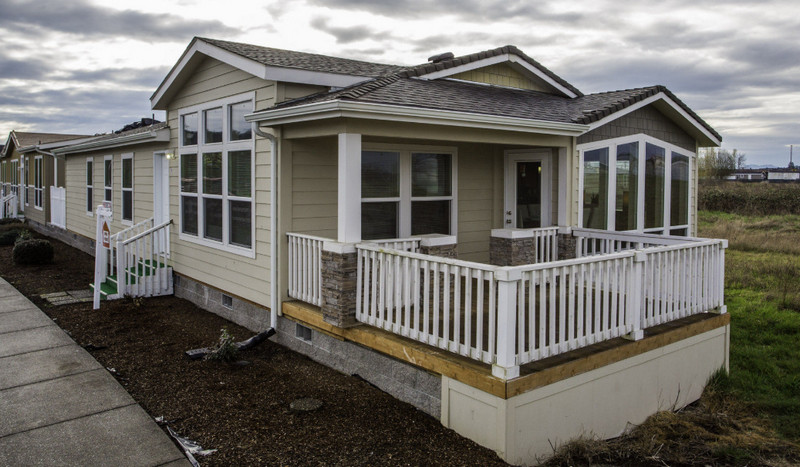
    Custom mobile homes are factory-built homes designed to meet individual preferences. Unlike standard mobile homes, they allow buyers to choose layouts, finishes, and features. Builders construct these homes off-site and deliver them ready for installation or mobility.
    Custom mobile homes

    Why Are Custom Mobile Homes Gaining Popularity?

    1. Affordability

    Custom mobile homes are more affordable than traditional houses. Depending on size and features, prices range from $50,000 to $150,000. Buyers avoid the higher costs of custom-built conventional homes while still achieving personalized designs.

    2. Flexibility in Design

    Homeowners can create spaces tailored to their lifestyles. From open floor plans to specialized features, these homes meet diverse needs.

    3. Mobility

    These homes are built on a chassis, allowing easy relocation. Owners can move their home without starting over in a new location.

    4. Faster Construction Times

    Building a custom mobile home takes weeks instead of months or years. Factory-controlled conditions streamline construction and minimize delays.

    5. Energy Efficiency

    Many custom mobile homes feature energy-efficient designs. Builders use high-quality insulation, energy-saving appliances, and sustainable materials to reduce utility costs.

    How Customization Works

    Choosing a Floor Plan

    Builders provide a range of customizable floor plans. Buyers can adjust layouts to include more bedrooms, larger kitchens, or open living areas.

    Selecting Materials and Finishes

    Customization extends to materials, colors, and finishes. Owners choose flooring, countertops, cabinetry, and exterior siding to reflect their personal style.

    Adding Special Features

    Buyers can add unique elements like fireplaces, skylights, or smart home technology. Custom features make these homes feel luxurious and functional.

    Optimizing Space

    Custom mobile homes use innovative storage solutions. Built-in shelves, hidden compartments, and multipurpose furniture maximize every square foot.

    Benefits of Designing a Custom Mobile Home

    Personalized Living Space

    You create a home that suits your taste and lifestyle. Every detail reflects your vision and preferences.

    Efficient Use of Space

    Custom designs make small spaces feel larger. Thoughtful layouts and multifunctional areas enhance usability and comfort.

    Cost Control

    Buyers have control over the budget. You can choose upgrades or keep it simple, tailoring costs to your financial goals.

    Adaptability

    Custom mobile homes adapt to changing needs. You can design spaces for growing families, remote work, or retirement.

    Mobility Without Sacrificing Style

    These homes combine the portability of mobile housing with the sophistication of custom design.

    Challenges to Consider

    Zoning and Placement Restrictions

    Local zoning laws may limit where you can place a custom mobile home. Research regulations before starting the design process.

    Transportation Costs

    Moving a custom mobile home requires specialized equipment and can be expensive. Plan for these costs during budgeting.

    Limited Resale Value

    Mobile homes often depreciate over time. Customization can make resale challenging if your design doesn’t appeal to buyers.

    Utility Connections

    Setting up utilities like water, electricity, and sewage can be complex and costly. Proper planning ensures a smooth transition.

    The Process of Building a Custom Mobile Home

    1. Research Builders

    Choose a reputable manufacturer with experience in custom mobile homes. Look for reviews and, if possible, visit model homes.

    2. Define Your Budget

    Determine your budget. Include the cost of land, transportation, and setup in your calculations.

    3. Select a Floor Plan

    Start with a base model and customize the layout to meet your needs. Work with the builder to finalize your design.

    4. Choose Finishes and Features

    Pick materials, colors, and features that reflect your style. Consider upgrades like energy-efficient appliances or premium flooring.

    5. Oversee Construction

    Stay involved during the building process. Regular updates ensure the home matches your vision and meets quality standards.

    6. Plan for Delivery and Installation

    Coordinate transportation and site preparation. Secure permits, utilities, and a foundation if required.

    Popular Trends in Custom Mobile Homes

    Open Floor Plans

    Open layouts create a sense of space and allow natural light to flow throughout the home.

    Smart Home Features

    Many buyers add smart thermostats, lighting, and security systems. These upgrades increase convenience and energy efficiency.

    Sustainable Materials

    Eco-friendly materials like bamboo flooring and reclaimed wood are popular. They reduce environmental impact while adding style.

    Luxurious Kitchens and Bathrooms

    Upgraded kitchens with granite countertops and spa-like bathrooms with soaking tubs are becoming common in custom designs.

    Outdoor Living Spaces

    Some designs include decks, patios, or rooftop terraces. These additions extend living areas and create a connection to nature.

    Who Benefits Most from Custom Mobile Homes?

    First-Time Homebuyers

    Custom mobile homes offer an affordable entry into homeownership. Buyers can create a home tailored to their needs without exceeding their budget.

    Retirees

    Retirees enjoy downsizing to a manageable space. Custom designs allow them to include features for aging comfortably, like wider doorways or walk-in showers.

    Remote Workers

    With the rise of remote work, many buyers create home offices in their designs. These spaces promote productivity without sacrificing comfort.

    Adventure Seekers

    Mobile homes appeal to those who value flexibility. Custom designs make it possible to live stylishly while exploring new places.

    Financial Considerations

    Initial Costs

    Custom mobile homes are more affordable than traditional homes, but costs vary based on size, materials, and features.

    Financing Options

    Financing for mobile homes differs from standard mortgages. Personal loans, chattel loans, or manufacturer financing are common.

    Long-Term Value

    While mobile homes may not be appreciated like traditional homes, customization adds value in terms of livability and satisfaction.

    Insurance Costs

    Insurance rates for mobile homes can be higher than standard homes due to their mobility and construction materials.

    Maintenance Expenses

    Proper maintenance ensures your custom mobile home remains in excellent condition. Budget for repairs and upkeep.

    Tips for Designing Your Dream Mobile Home

    1. Prioritize Functionality Focus on creating a space that works for your daily life. Choose features that improve comfort and convenience.
    2. Think About the Future Consider how your needs might change over time. Design flexible spaces that can adapt to new circumstances.
    3. Maximize Natural Light Large windows, skylights, and open layouts make small spaces feel bright and spacious.
    4. Invest in Quality Choose durable materials and finishes that will stand the test of time. High-quality construction pays off in the long run.
    5. Plan Your Site Secure a suitable location with access to utilities and adhere to zoning regulations.
    6. Work with Professionals. Collaborate with experienced builders and designers. Their expertise ensures a smooth process and a beautiful result.

    The Future of Custom Mobile Homes

    The demand for custom mobile homes is expected to grow. As housing costs rise, these affordable, stylish options attract more buyers. Advances in technology will further enhance customization, sustainability, and energy efficiency.

    Final Thoughts

    Custom mobile homes offer a unique opportunity to design a space tailored to your lifestyle. They combine affordability, mobility, and personalization in one package. Whether you’re a first-time buyer, retiree, or adventurer, these homes make it possible to live your dream without breaking the bank.


    See Also:
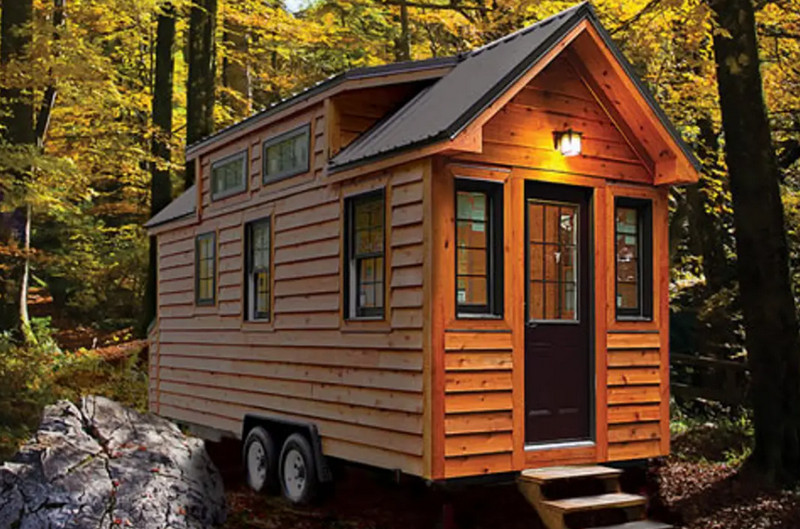
     

  • Are Tiny Mobile Homes Worth the Investment?

    The idea of living in a tiny mobile home has gained massive popularity in recent years. Many see it as a pathway to minimalism, sustainability, and financial freedom. However, before making the leap, it’s essential to consider whether this lifestyle and financial investment align with your long-term goals.

    What Are Tiny Mobile Homes?

    Tiny mobile homes are small, transportable living spaces, typically under 400 square feet. They can be mounted on trailers for mobility or set up as semi-permanent residences. People choose these homes for their affordability, portability, and environmentally friendly features.

    Tiny Mobile Homes

    The Appeal of Tiny Mobile Homes

    1. Affordability

    Tiny homes cost significantly less than traditional houses. On average, a tiny home costs $30,000 to $70,000, depending on customization and materials. This is a fraction of the cost of an average house in most urban areas.

    2. Mobility

    These homes can travel with you. If you crave adventure or want to avoid long-term commitments to one location, a mobile home makes it possible. Owners often enjoy the flexibility of moving without selling property or dealing with complex relocation logistics.

    3. Sustainability

    Tiny homes typically have a smaller carbon footprint. Many are built with eco-friendly materials, incorporate solar power, or use rainwater collection systems. Living in a tiny space naturally encourages less consumption and waste.

    4. Minimalism

    The limited space forces you to prioritize essential belongings. Many owners find joy in decluttering and simplifying their lives. This lifestyle helps reduce distractions and focuses on what truly matters.

    Downsides to Tiny Mobile Homes

    1. Space Limitations

    Living in 400 square feet or less can feel cramped, especially if you share the space. Storage options are limited, and many people struggle to adjust to smaller living quarters.

    2. Zoning and Parking Restrictions

    Legal challenges often arise when living in a tiny mobile home. Some municipalities classify them as RVs and restrict full-time residency. Finding places to park long-term or ensuring compliance with local codes can become a hassle.

    3. Resale Value

    Unlike traditional homes, tiny mobile homes don’t typically appreciate in value. Since they are often categorized as personal property, they depreciate over time, similar to vehicles.

    4. Limited Amenities

    While they offer innovative solutions to space issues, tiny homes often lack the comfort of full-sized amenities. For example, kitchens, bathrooms, and storage spaces may feel inconveniently small.

    5. Weather Vulnerability

    Because they’re small and lightweight, tiny mobile homes are less stable in extreme weather conditions. Strong winds, heavy snow, or severe storms can pose significant risks.

    Financial Considerations

    Initial Costs

    The price of a tiny mobile home varies based on size, materials, and custom features. Some owners choose to build their homes, which reduces costs but requires time and technical expertise. Professional builders offer pre-designed or custom units that tend to cost more.

    Ongoing Expenses

    Living in a tiny mobile home doesn’t eliminate all costs. Owners still need to pay for utilities, maintenance, insurance, and parking. Depending on where you park, monthly lot fees can range from $300 to $1,000.

    Financing Challenges

    Financing tiny homes isn’t as straightforward as obtaining a mortgage. Many banks won’t offer traditional home loans for tiny homes, classifying them as personal property instead. This forces buyers to rely on personal loans or pay in cash.

    Resale Potential

    Most tiny homes depreciate over time, making them less attractive as a long-term investment. Unlike traditional real estate, they rarely build equity, meaning resale won’t yield significant profits.

    Lifestyle Adjustments

    Embracing Minimalism

    Living in a tiny home demands a shift in lifestyle. Owners need to let go of non-essential possessions and adopt creative storage solutions. This process can feel liberating for some but overwhelming for others.

    Shared Spaces

    Sharing a tiny home with a partner, family, or pets requires patience and communication. Lack of privacy and personal space can strain relationships, especially during extended periods indoors.

    Mobility vs. Stability

    While mobility is a major selling point, constantly moving can disrupt routines and make building community connections difficult. Settling down in one location may offer stability that tiny home living doesn’t provide.

    Are They Truly Sustainable?

    Lower Resource Usage

    Tiny homes use fewer materials to build and require less energy to heat or cool. Many owners adopt renewable energy systems, further reducing environmental impact.

    Waste Reduction

    Living in a smaller space naturally curtails excessive consumption. Owners tend to buy fewer products and focus on reusing or recycling more effectively.

    Challenges in Practice

    However, sustainability depends on individual choices. If owners frequently relocate, fuel usage can offset some environmental benefits. Additionally, poorly built tiny homes might require more repairs, leading to resource waste over time.

    Who Benefits Most From Tiny Mobile Homes?

    Young Professionals

    For those seeking affordable housing or looking to save for future investments, tiny homes offer a practical solution. They provide a way to avoid expensive rents and build financial security early in life.

    Retirees

    Empty-nesters often downsize to reduce living expenses and simplify their lifestyles. Tiny homes allow retirees to maintain independence while traveling or living closer to family.

    Adventure Seekers

    Travel enthusiasts love the flexibility tiny homes offer. Owning a mobile home eliminates the need for hotels or rentals during road trips, making it a cost-effective way to explore.

    Eco-Conscious Individuals

    For those passionate about sustainability, tiny homes align with their values. Eco-friendly designs help reduce environmental impact while promoting a minimalist lifestyle.

    Is It a Good Investment?

    Personal Value

    The worth of a tiny home depends heavily on your personal goals. If you prioritize experiences, mobility, or minimalism, the investment may pay off in life satisfaction.

    Financial Perspective

    From a financial standpoint, tiny mobile homes aren’t ideal for building wealth. They depreciate over time and rarely offer returns comparable to traditional real estate investments.

    Long-Term Usability

    Consider whether the tiny home lifestyle suits your needs in the future. If you plan to expand your family or need more space as you age, tiny living might not remain viable.

    Tips for Prospective Buyers

    1. Research Zoning Laws Before buying, check local regulations to ensure you can live in a tiny mobile home legally.
    2. Choose Quality Over Cost Invest in durable materials and reliable builders to avoid costly repairs down the line.
    3. Plan for Parking Secure a spot where you can park long-term or explore communities designed for tiny home living.
    4. Factor in Hidden Costs Remember to account for insurance, utilities, maintenance, and transportation when calculating your budget.
    5. Start Small If unsure, consider renting a tiny home for a trial period to test the lifestyle before committing fully.

    Final Thoughts

    Tiny mobile homes can offer incredible freedom, cost savings, and lifestyle benefits. They cater to a growing desire for minimalism and environmental responsibility. However, they aren’t without challenges. Carefully weigh the pros and cons to determine if a tiny home aligns with your financial goals and living preferences. For the right person, they can be a fulfilling investment, not just in money but in life itself.


    See Also:

  • Common Mobile Home Roof Problems and Fixes for Florida Residents

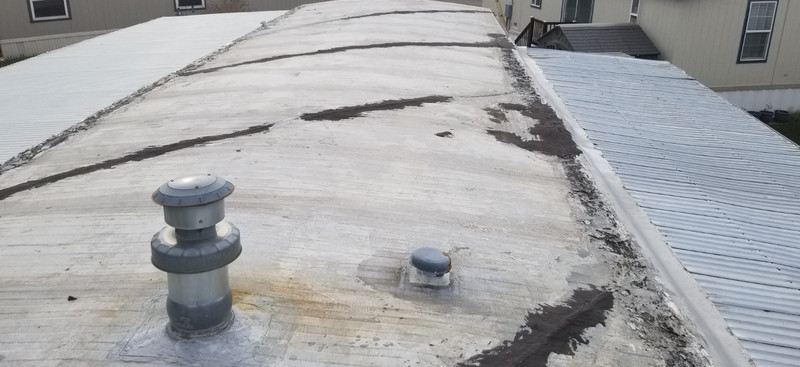
    Mobile homes offer affordable living in Florida, but they come with their own set of challenges. One of the most significant issues mobile homeowners face is roof maintenance and repair. Florida’s climate can be harsh on roofing materials, and mobile homes are especially vulnerable due to their lighter, often less durable roof structures. Understanding common roof problems and how to fix them can save Florida residents time and money. This article covers the most common mobile home roof issues and their solutions.

    1. Leaks and Water Damage

    Water leaks are one of the most frequent roofing issues in mobile homes. These leaks often develop where seams or joints exist in the roof. Mobile homes have a variety of roofing systems, including metal, rubber, and shingle roofs, and each type faces different challenges. Florida’s heavy rainstorms, high humidity, and occasional hurricanes can quickly worsen a small leak, causing extensive damage if not repaired.

    common mobile home roof problems

    Causes of Leaks:

    • Damaged Seals: Over time, seals around vents, skylights, and chimneys can break down, allowing water to enter.
    • Aging Roof Material: Metal, rubber, or shingle roofs degrade with age, especially under Florida’s hot sun and rain.
    • Clogged Gutters: If gutters are clogged, water can pool on the roof, leading to leaks.

    Fixing Roof Leaks:

    • Inspect the Roof: Regularly check the roof for cracks, tears, or holes, particularly around vents and seams.
    • Seal Gaps and Cracks: Use a high-quality roofing sealant to patch any cracks or gaps around vents, skylights, or seams.
    • Replace Damaged Roofing: If the damage is extensive, replacing sections of roofing material may be necessary. Metal roofs often require resealing, while rubber roofs may need a full re-coating.
    • Clean the Gutters: Ensure your gutters are clear of leaves and debris to prevent water buildup.

    2. Roof Blisters

    Blisters on a mobile home roof are often caused by trapped moisture or air underneath the roofing material. This problem is more common in rubber roofs, which are susceptible to blistering from Florida’s intense sun. The blisters can cause the roof to lose its protective properties and may eventually lead to leaks.

    Causes of Blisters:

    • Moisture Trapped Under the Roof: If water gets under the roofing material during installation or from leaks, it can create air pockets that form blisters.
    • Poor Ventilation: Heat and moisture build-up can cause the roof material to bubble without proper airflow in the attic or roof structure.

    Fixing Roof Blisters:

    • Puncture and Drain the Blister: If you spot a blister, carefully puncture it to allow trapped air or water to escape.
    • Apply a Roof Patch: After draining the blister, apply a roofing patch and sealant to prevent further damage.
    • Ensure Proper Ventilation: If blistering is caused by poor ventilation, consider installing roof vents to improve airflow.

    3. Cracked or Missing Shingles

    If your mobile home has a shingled roof, cracked or missing shingles can be a severe problem. Florida’s hot and humid conditions cause shingles to deteriorate faster than in other climates. Wind and heavy rains from storms can lift and tear shingles, exposing the roof deck to water damage.

    Causes of Cracked or Missing Shingles:

    • High Winds: Florida’s frequent storms, especially hurricanes, can tear or loosen off shingles.
    • UV Radiation: The constant sun can cause shingles to dry out, crack, and become brittle over time.
    • Improper Installation: If shingles were poorly installed, they might be more prone to damage.

    Fixing Cracked or Missing Shingles:

    • Replace Damaged Shingles: Remove the damaged or missing shingles and replace them with new ones. For a proper seal, be sure to use shingles that match the existing roof.
    • Check for Underlying Damage: When replacing shingles, check for any underlying roof deck damage, which may need repair before installation.

    4. Roof Sagging

    A sagging roof is a serious issue that can indicate structural damage. This problem occurs when the roof’s framework or decking weakens due to age, water damage, or excessive weight. In Florida, prolonged exposure to moisture from rain or humidity can weaken roof supports.

    Causes of Roof Sagging:

    • Water Damage: Leaks can rot the wooden beams or trusses over time, leading to sagging.
    • Excessive Weight: Heavy snow or debris buildup on the roof can strain the structure.
    • Poor Construction: Improper installation or low-quality materials may prevent the roof from sagging.

    Fixing Roof Sagging:

    • Inspect the Rafters and Beams: If the roof is sagging, inspect the rafters and beams to identify areas of damage. Replace any rotted or damaged wood.
    • Reinforce the Structure: Additional structural support may be necessary if the sag is extensive. Consult a contractor to ensure the repairs meet safety standards.
    • Apparent Excess Weight: Remove any heavy debris from the roof to prevent further structural stress.

    5. Roof Rust and Corrosion (for Metal Roofs)

    Many mobile homes in Florida have metal roofs. These roofs are durable but can develop rust and corrosion, particularly when exposed to the high humidity and salt air found along Florida’s coasts. Rust can weaken the metal, leading to holes or leaks.

    Causes of Rust:

    • Moisture: Florida’s humidity and rain can promote rusting on metal roofs.
    • Salt Air: Coastal areas in Florida expose metal roofs to salty air, accelerating the rusting process.

    Fixing Roof Rust:

    • Clean the Roof: Remove dirt and debris to ensure the surface is clean before addressing rust.
    • Remove Rust: Scrub the rust with a wire brush or sandpaper. For more extensive corrosion, you may need to use a rust remover.
    • Apply a Rust-Proof Coating: After cleaning the rust, apply a rust-resistant coating to prevent future corrosion.
    • Seal Holes: If rust has caused holes, apply a roofing patch or sealant to close them.

    6. Hail Damage

    While hail storms are less common than other weather events, they can still occur in Florida. When hail strikes a mobile home roof, it can cause dents, cracks, and punctures, leading to potential leaks and structural issues.

    Causes of Hail Damage:

    • Large Hailstones: Hailstones can cause significant damage to a roof, particularly if it is older or made of a fragile material.
    • High Winds: Hail storms in Florida can also bring high winds that worsen the damage.

    Fixing Hail Damage:

    • Inspect for Dents and Cracks: After a hailstorm, thoroughly inspect the roof for any signs of damage. Look for dents, cracks, or punctures in the roofing material.
    • Patch and Seal: Small cracks or holes can be patched with roofing sealant. For larger holes, a more extensive repair or replacement may be required.

    Preventive Measures for Roof Maintenance

    While repairs are inevitable over time, preventive measures can extend the lifespan of your mobile home roof. Here are some tips to keep your roof in good condition:

    1. Clean the Roof Regularly: Remove debris, leaves, and branches from your roof and gutters to prevent water damage.
    2. Inspect the Roof After Storms: Florida’s frequent storms can cause roof damage. After heavy rains or hurricanes, check your roof for leaks or damage.
    3. Coat the Roof: Apply a roof coating to protect the material from UV rays, rain, and debris. Roof coatings can also help prevent leaks and rust.
    4. Ensure Proper Ventilation: Poor ventilation in the attic can cause moisture buildup and damage the roof. Ensure your home has adequate ventilation.

    Conclusion

    Due to the state’s climate, mobile home roofs in Florida face unique challenges. From leaks and blisters to rust and sagging, these problems can worsen quickly without prompt attention. Regular maintenance and inspections are key to preventing major roof issues. If problems arise, timely repairs using the right materials can extend the life of your roof. By staying proactive, Florida homeowners can protect their mobile homes from costly roof repairs and maintain a safe, comfortable living space.


    See Also:


  • Mobile Home Plumbing Repairs: What Every Florida Homeowner Needs to Know

    Owning a mobile home in Florida offers a great way to experience the state’s warm climate while keeping living costs affordable. However, mobile homes come with unique challenges, especially regarding plumbing. Plumbing issues can be frustrating and costly if not addressed quickly. Understanding how to maintain and repair your mobile home’s plumbing system is essential for any Florida homeowner. This article will cover common plumbing issues, maintenance tips, and how to handle repairs.

    Common Plumbing Problems in Mobile Homes

    Mobile home plumbing is different from that in traditional houses. Plumbing systems in mobile homes often use lightweight materials and a more compact design. This setup can make repairs trickier. However, understanding the most common problems can help spot issues early and avoid costly repairs.

    mobile home plumbing repairs

    1. Leaky Pipes

    Leaky pipes are one of the most frequent plumbing issues in mobile homes. Over time, pipes can deteriorate due to the mobile home’s movement, changes in temperature, or poor installation. Leaks can also develop at the connections between pipes, mainly if the system is not installed correctly.

    High moisture levels can also exacerbate leaks in Florida’s humid climate. A small leak may not seem like a big issue initially, but it can cause water damage and mold growth over time. Be sure to check pipes regularly for signs of moisture, discoloration, or damp spots.

    2. Clogged Drains

    Clogged drains are another common problem. In mobile homes, plumbing systems are more compact, and drains may have a different flow capacity than those in larger homes. Over time, hair, grease, soap scum, and debris can build up in the pipes, causing clogs.

    In Florida, tree roots can also invade pipes, leading to blockages. When this happens, professional help may be required to clear the pipes. Regularly cleaning your drains and avoiding flushing non-degradable items can help reduce clogs.

    3. Frozen Pipes

    Florida’s winters are usually mild, but occasional cold snaps can cause pipes to freeze. This is particularly true for mobile homes with plumbing systems in uninsulated areas, such as under the house. Frozen pipes are a serious issue because they can burst, causing significant water damage.

    While freezing temperatures are uncommon, they can still pose a risk to your plumbing. Insulating exposed pipes or using heat tape can help prevent freezing during cold weather.

    4. Low Water Pressure

    Low water pressure is often a result of sediment build-up inside the pipes or faulty pressure regulators. Mobile homes, especially older models, can experience poor water flow due to years of mineral deposits or rusty pipes. This issue can make it difficult to shower or perform household chores. Regular flushing the water lines and checking for leaks can help maintain proper water pressure.

    5. Water Heater Problems

    In Florida, many mobile homes use electric water heaters, which can sometimes malfunction due to age or sediment build-up. A faulty water heater can lead to insufficient hot water or too hot water. Sediment from hard water can accumulate inside the tank, reducing the heater’s efficiency and eventually causing it to fail. Regular maintenance, such as flushing the tank annually, can help prevent these issues.

    Plumbing Maintenance Tips for Mobile Homes

    Proper maintenance is critical to avoiding costly repairs. Mobile home plumbing systems require special attention because they are smaller and often more vulnerable to wear and tear. Here are some maintenance tips to keep your plumbing system in top shape:

    1. Inspect Pipes Regularly

    Regularly inspect your pipes for any signs of leaks or damage. Check under sinks, walls, and cabinets for visible signs of leaks. Pay close attention to the connections between pipes, as these are often where leaks start. Use a flashlight to check under the home for any exposed pipes at risk of damage. If you notice any leaks or wear, repair them immediately to avoid further damage.

    2. Clean Your Drains

    To prevent clogs, regularly clean your drains. Avoid pouring grease or food scraps down the sink, and use drain covers to catch hair and debris. Clean out your drains with a mild, non-corrosive cleaner. For more thorough cleaning, consider using a plumber’s snake to remove stubborn clogs or hire a professional to flush out your system every few years.

    3. Insulate Exposed Pipes

    If you have exposed pipes underneath your mobile home, insulate them to prevent freezing. Even in Florida, cold weather can cause problems for unprotected pipes. Use foam pipe insulation or heat tape to keep pipes warm during winter. This will help prevent freezing and bursting during rare cold spells.

    4. Maintain Your Water Heater

    Your water heater should be flushed annually to remove sediment build-up. This will keep the heater working efficiently and prolong its lifespan. Regularly check the temperature setting on the thermostat and ensure it is set to 120°F for safety and energy efficiency. If your water heater is over 10 years old, consider having it professionally inspected to ensure it still functions correctly.

    5. Monitor Water Pressure

    Monitor the water pressure in your mobile home to ensure it remains consistent. If the pressure is too high, it can strain the pipes and lead to leaks. If it is too low, it can affect the performance of faucets and showers. Install a pressure regulator if your mobile home does not have one, and replace it if malfunctioning.

    How to Handle Mobile Home Plumbing Repairs

    Plumbing repairs can be costly, primarily if they take time to address. However, there are steps you can take to minimize costs and avoid major issues.

    1. Know When to Call a Professional

    Some plumbing repairs are simple and can be handled with a DIY approach. However, more complicated issues, such as leaking pipes, water heater repairs, or extensive clogs, often require professional help. If you are unsure of the extent of the problem, it’s always best to consult a plumber. They can diagnose the issue and provide a detailed repair estimate.

    Be cautious when attempting DIY repairs. Improperly fixing plumbing issues can make them worse and lead to more expensive repairs later on.

    2. Emergency Repairs

    Plumbing emergencies like burst pipes can cause significant water damage if they are not addressed quickly. If you experience a plumbing emergency, immediately turn off the water supply to prevent flooding. Contact a professional plumber as soon as possible to minimize damage. In Florida, some plumbing companies offer emergency services to address urgent issues, so be sure to have their contact information on hand.

    3. Consider Upgrading Your Plumbing System

    If your mobile home is older and constantly experiencing plumbing problems, an upgrade may be worth considering. Modern materials such as PEX (cross-linked polyethylene) can replace older, more fragile piping systems. Although the initial investment may be higher, upgrading your plumbing system can reduce the risk of future issues and provide long-term savings.

    Conclusion

    Mobile home plumbing repairs in Florida can be challenging, but with proper maintenance and timely repairs, you can avoid costly fixes and extend the lifespan of your plumbing system. Regular inspections, drain cleaning, and preventative measures such as pipe insulation are essential to keeping your plumbing in good working order. When issues arise, knowing when to call a professional plumber is crucial to preventing further damage. By staying proactive and maintaining your mobile home’s plumbing, you can avoid disruptions and enjoy a comfortable home for years.


    See Also:

  • Finding Affordable Mobile Home Repair Services in Florida

    Mobile home ownership offers many advantages, including affordability and flexibility. However, when repairs are needed, they can sometimes be costly. Whether you need to fix a leaky roof, replace plumbing, or address structural damage, finding affordable mobile home repair services in Florida is crucial. Florida’s unique climate and frequent storms also present ongoing maintenance challenges. This article explores how to find cost-effective repair services for your mobile home in Florida.

    Why Mobile Home Repairs Can Be Expensive

    Mobile home repairs can be costly for several reasons. First, mobile homes are often built with lighter materials that may wear down faster than those used in traditional homes. Also, since mobile homes are designed for transport, they may not be as sturdy as site-built homes. Over time, this can lead to issues such as cracked walls, leaking roofs, or faulty wiring.

    Another factor that makes repairs more expensive is the specialized knowledge required. Repair technicians must be familiar with mobile home construction and their particular systems. While traditional contractors may be able to handle basic repairs, those familiar with mobile home construction are more likely to ensure long-lasting fixes.

    Affordable Mobile Home Repair Services in Florida

    Tips for Finding Affordable Mobile Home Repair Services

    Here are some practical strategies to help you find affordable repair services for your mobile home in Florida.

    1. Get Multiple Estimates

    One of the best ways to save money on mobile home repairs is to get multiple estimates. Contractors may offer varying prices for the same work. It’s wise to get quotes from at least three repair services. This gives you a good idea of the fair market rate and allows you to choose a contractor who offers the best value for your needs.

    When requesting estimates, be specific about the repairs needed. Provide as much detail as possible so the contractor understands precisely what the job involves. If you receive a low estimate, ensure it’s based on a thorough inspection, not just a quick, incomplete assessment.

    2. Look for Local Contractors Specializing in Mobile Homes

    In Florida, many contractors specialize in mobile home repairs. These professionals have experience with mobile homes’ unique needs and can often offer more affordable services than general contractors. Look for repair companies that list mobile home repairs as their primary service. Their expertise can save you time and money by preventing mistakes and ensuring a well-done job.

    You can find these specialists through online searches, local business directories, or mobile home parks. Ask your neighbors for recommendations if you live in a mobile home park. Many of them may have worked with local repair technicians and can share their experiences.

    3. Check for Discounts or Financing Options

    Many mobile home repair companies offer discounts for first-time customers or senior citizens. In Florida, some companies may even provide special rates during off-peak seasons, such as summer. Ask contractors if they have any available discounts or promotional offers.

    Some repair services offer financing options, especially for larger projects like roof replacement or major plumbing work. If you can’t afford to pay for repairs upfront, financing allows you to spread out the cost over several months. Be sure to read the terms carefully before committing to financing.

    4. DIY Repairs for Minor Issues

    For more minor repairs, consider tackling the job yourself. Many mobile home repairs are simple enough for homeowners with basic skills to handle. Fixing minor leaks, patching holes in walls, or applying weatherproofing seals can often be done without professional help.

    Before starting a DIY project, do some research. Online videos, forums, and guides can help you learn how to handle specific mobile home repairs. However, be realistic about your abilities. Attempting a job you’re not equipped for can lead to more damage and higher repair costs in the future.

    If you’re unsure about a repair, start with something small to gain confidence and experience. Always prioritize safety; if the job feels beyond your skill level, don’t hesitate to call a professional.

    5. Utilize Mobile Home Warranty Services

    Some mobile homes come with a warranty that covers certain repairs. If you’ve recently purchased your home, check to see if it’s still under warranty. Some mobile home insurance policies offer repair coverage for specific issues even if your warranty is not from the manufacturer. Review your policy and warranty details to see if repairs are included.

    Some companies may offer extended warranties or service plans even if your warranty has expired. These plans often cover repair services for things like plumbing, HVAC systems, and electrical issues. Investing in a service plan could save you money in the long term, especially if your home requires frequent repairs.

    6. Look for Non-Profit Organizations Offering Assistance

    In Florida, several non-profit organizations offer home repair services, including for mobile homes. These organizations assist low-income families or seniors who may struggle to afford necessary repairs. Some programs offer free or discounted repairs, while others help find affordable contractors.

    Examples of organizations that may offer repair assistance include Habitat for Humanity, local community development agencies, or state programs designed to help homeowners maintain their properties. Check with your local government or community centers to see if these services are available in your area.

    7. Research Online Reviews and Reputation

    When hiring a mobile home repair service, reputation matters. Take the time to read online reviews and testimonials from past clients. Websites like Google, Yelp, or Angie’s List can help you understand the contractor’s reliability and the quality of their work. Look for contractors with a high rating and a proven track record of completing jobs on time and within budget.

    Don’t hesitate to ask contractors for references. Speaking with past clients can give you further insight into the company’s professionalism and ability to meet expectations.

    8. Avoid Over-Repairing or Over-Improving Your Mobile Home

    When repairing your mobile home, be careful not to overspend on upgrades that won’t add value. Mobile homes generally don’t appreciate as traditional houses do. Therefore, investing in high-end finishes or expensive upgrades is not always worth it.

    Stick to essential repairs that improve the home’s safety and livability. Focus on roof repairs, plumbing, insulation, and foundation stability. These repairs can prevent more serious issues from arising and help maintain the home’s value without unnecessarily increasing costs.

    Common Mobile Home Repairs in Florida

    In Florida, mobile homes face unique challenges due to the state’s climate and frequent storms. Here are some common mobile home repairs:

    • Roof Repairs: Florida’s intense heat and storms can cause damage to mobile home roofs. Regular maintenance and timely repairs are essential to prevent leaks and water damage.
    • Plumbing Issues: Florida’s humid climate can lead to rust and corrosion in mobile home plumbing. Leaky pipes and clogged drains are common problems that require attention.
    • HVAC Repairs: The hot, humid climate also strains air conditioning systems. Regular maintenance is needed to keep your HVAC system running efficiently.
    • Structural Damage: Over time, mobile homes may experience foundation shifts. This can lead to issues with walls, floors, and doors that require professional attention.
    • Pest Control: Florida’s warm environment is ideal for pests like termites, rodents, and ants. If you notice any signs of infestation, you must act quickly to prevent further damage.

    Conclusion

    Finding affordable mobile home repair services in Florida requires careful planning and research. Getting multiple estimates, focusing on specialized contractors, and looking for discounts are all effective ways to save money. Additionally, DIY repairs, home warranties, and non-profit organizations can help reduce costs. Always be cautious when hiring contractors and focus on essential maintenance to maintain the safety and livability of your mobile home. With the right approach, you can keep your mobile home in good condition without breaking the bank.


    See Also:
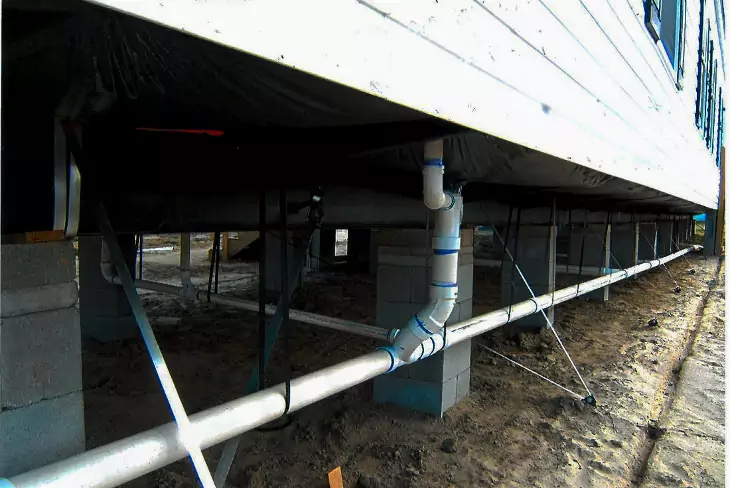
     

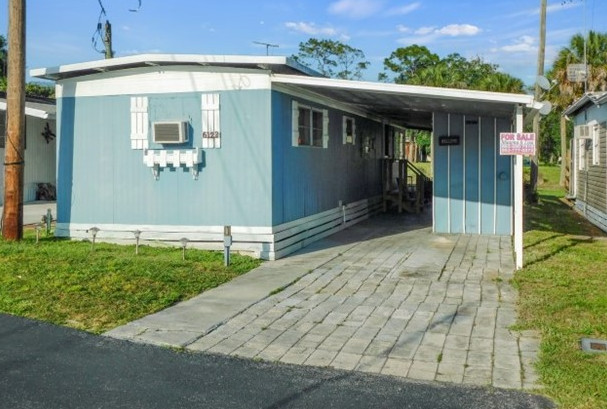
  • Are Mobile Homes Under $10,000 Worth Buying? What to Expect

    Mobile homes offer an affordable housing option for many people, especially those looking to live in areas with high property costs. But are mobile homes under $10,000 worth buying? While the price tag might seem appealing, several factors should be considered. In this article, we will explore the potential benefits and risks of buying a mobile home in this price range and what you can expect from such an investment.

    Understanding Mobile Homes Under $10,000

    Mobile homes under $10,000 are typically older models or homes requiring significant repairs. These homes may be sold by private owners, mobile home parks, or even at auctions. The low price point often reflects the home’s age, condition, and location. Buyers should be prepared to invest time and money into repairs or upgrades to make the home livable.

    mobile homes under $10000

    What You Can Expect from Mobile Homes Under $10,000

    1. Age of the Home

    Most mobile homes under $10,000 are older models, often 20 years or more old. The construction standards and materials used in these homes may not meet modern codes or energy efficiency standards. They may also have outdated features, such as single-pane windows or older electrical systems. Older homes can be challenging to maintain, and parts may be hard to find.

    2. Condition of the Home

    Homes priced below $10,000 will often require extensive repairs. Issues like leaking roofs, damaged plumbing, or outdated HVAC systems are common. Some homes may have structural problems, such as sagging floors or warped walls. While fixing these issues is possible, it can be expensive and time-consuming. Before buying, make sure to thoroughly inspect the home or have a professional inspection to assess the condition.

    3. Location of the Home

    Mobile homes under $10,000 are often found in less desirable locations. They may be situated in rural areas or in older mobile home parks or have fewer amenities. The location can impact your living experience and may also affect the home’s long-term value. Before purchasing, research the area’s safety, convenience, and proximity to schools, shopping, and employment.

    4. Limited Financing Options

    Financing for mobile homes under $10,000 can be more challenging to secure. Traditional lenders may hesitate to approve loans for homes that are considered too old or in poor condition. Buyers often must pay cash or seek financing through specialized mobile home lenders. If you secure financing, the terms may not be as favorable as they would be for a newer home.

    5. High Maintenance Costs

    While mobile homes under $10,000 are affordable upfront, they can become costly over time. Older homes often have higher utility bills due to outdated insulation and inefficient systems. Additionally, maintenance costs for repairs, upgrades, and routine upkeep can quickly add up. If you’re not prepared for these ongoing expenses, the initial low cost of the home may not be worth it in the long run.

    Benefits of Buying a Mobile Home Under $10,000

    Despite the potential risks, there are some benefits to purchasing a mobile home in this price range.

    1. Affordable Housing

    Affordability is the most obvious advantage of buying a mobile home under $10,000. For individuals or families on a tight budget, these homes offer a chance to own property without taking on a large mortgage. The low price tag can be especially appealing in areas where traditional housing costs are out of reach.

    2. Ownership and Stability

    Renting can be expensive, especially if you live in an area with high rental rates. Owning a mobile home, even one under $10,000, offers stability. You won’t have to worry about rent increases, and you’ll be free to change your property as you see fit. Additionally, owning a home means you’ll have the potential to build equity over time, even if the home’s value doesn’t increase significantly.

    3. Potential for Renovation

    Mobile homes under $10,000 allow those with renovation skills to invest in sweat equity. You can transform a run-down mobile home into a comfortable, functional space with some work. Many buyers choose this route as a way to add value to their investment. With careful planning, you could make the home more livable and increase its market value.

    4. Lower Property Taxes

    Mobile homes tend to have lower property taxes compared to traditional homes. This can make homeownership more affordable over the long term. While the taxes will vary by location, mobile homeowners generally expect to pay significantly less than those who own site-built homes.

    Risks and Challenges of Buying a Mobile Home Under $10,000

    While there are some benefits, there are also notable risks and challenges to consider when considering mobile homes under $10,000.

    1. Unexpected Repair Costs

    As mentioned earlier, mobile homes in this price range often require significant repairs. This can quickly lead to unexpected costs. Even if the house seems structurally sound, issues like electrical problems, plumbing leaks, or HVAC failures could arise after purchase. The cost of repairing or replacing significant systems can quickly exceed the initial investment.

    2. Limited Resale Value

    Older mobile homes generally have a lower resale value than newer models. This means that even after investing money in repairs or upgrades, you may be unable to sell the home for a later profit. Mobile homes in poor condition or located in undesirable areas may be challenging to sell. If you plan to sell a home in the future, it’s essential to consider how the market for mobile homes operates in your area.

    3. Difficulty with Financing

    Financing a mobile home under $10,000 can be a significant hurdle. Traditional mortgage lenders may not be willing to provide loans for homes in this price range, especially if the home is older or in poor condition. Some buyers may be able to secure loans through mobile home-specific lenders or government programs, but the interest rates and terms may need to be more favorable. With financing options, you may be able to pay cash for the home, which could be a barrier for many potential buyers.

    4. Community Restrictions

    If the mobile home is located in a park, community rules and restrictions may limit what you can do with the property. Some mobile home parks have strict regulations on maintenance, improvements, and even the types of homes allowed in the park. Before buying, make sure to review the park’s rules and ensure that they align with your plans for the property.

    How to Make the Most of Buying a Mobile Home Under $10,000

    If you decide to move forward with buying a mobile home under $10,000, there are several steps you can take to make the most of your investment.

    1. Get a Thorough Inspection: Before buying, have the home inspected by a professional. This will help you identify any hidden issues and avoid surprises down the road.
    2. Budget for Repairs: Plan for repair costs in advance. Even if the home seems in good condition, setting aside money for unforeseen problems is essential.
    3. Consider Long-Term Costs: When determining whether a home is a good investment, factor in utility bills, maintenance costs, and property taxes.
    4. Look for Opportunities to Renovate: Buying a mobile home under $10,000 can be a great way to build equity through renovation if you have the skills and resources.

    Conclusion

    Mobile homes under $10,000 can be worth buying if you’re willing to invest time, effort, and money to address potential repairs and upgrades. These homes offer an affordable entry into homeownership but come with risks such as high maintenance costs, limited financing options, and a potentially low resale value. Carefully consider your budget, your ability to make repairs, and your long-term plans before committing to this type of purchase. With the right approach, a mobile home under $10,000 can provide an affordable and stable living situation.


    See Also:


  • The Best Hurricane Shutters for Mobile Homes in Florida

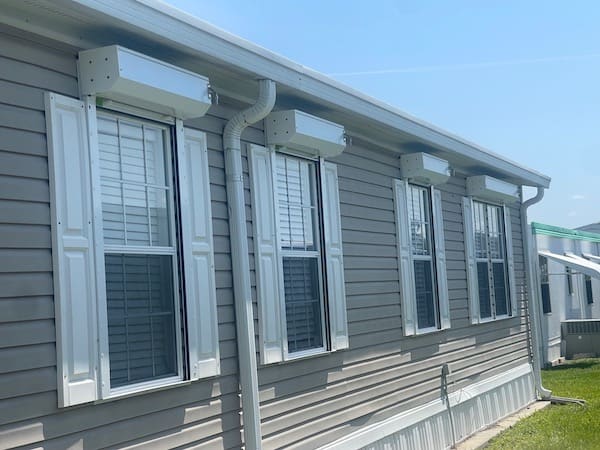
    Hurricane shutters are essential for mobile homeowners in Florida. They protect your windows and doors from high winds and flying debris during storms. Choosing the right shutters for your mobile home can prevent costly damage and ensure your safety.

    Florida’s frequent hurricanes make proper preparation crucial, and installing high-quality shutters is one of the best steps you can take. This guide explores the most effective hurricane shutters for mobile homes and provides tips for selecting the right option.

    Hurricane shutters provide a barrier against wind and debris. They reduce the risk of broken glass and keep your home’s interior safe.

    Hurricane Shutters for Mobile Homes

    Types of Hurricane Shutters

    Accordion Shutters

    Accordion shutters are a popular choice for mobile homes. They are permanently attached to the sides of windows and doors. They slide into place like an accordion, providing full coverage when needed.

    Pros:

    • Easy to deploy during a storm
    • Require minimal storage space
    • Durable and low-maintenance

    Cons:

    • It can be expensive to install
    • It may not blend well with your home’s appearance

    Accordion shutters are ideal for mobile homeowners who want a convenient, long-lasting solution.

    Roll-Down Shutters

    Roll-down shutters are mounted above windows and doors and roll down into place when needed. They can be operated manually or with a motorized system.

    Pros:

    • Provide excellent protection against wind and debris
    • Easy to deploy with motorized systems
    • Offer additional security when not in use

    Cons:

    • Installation costs are high
    • Require routine maintenance to ensure smooth operation

    Roll-down shutters are perfect for homeowners seeking premium protection and ease of use.

    Storm Panels

    Storm panels are made from metal, polycarbonate, or aluminum. They are mounted over windows and doors before a storm and removed afterward.

    Pros:

    • Affordable and widely available
    • Solid and effective against debris
    • Lightweight and easy to store

    Cons:

    • It is time-consuming to install before each storm
    • Require storage space when not in use

    Storm panels are a cost-effective option for mobile homeowners on a budget.

    Bahama Shutters

    Bahama shutters are permanently mounted above windows at an angle. They provide shade and storm protection when closed.

    Pros:

    • Double as a sunshade when not in use
    • Easy to deploy in case of a storm
    • Enhance your home’s aesthetic appeal

    Cons:

    • Limited strength compared to other options
    • Not suitable for doors

    Bahama shutters are ideal for homeowners seeking style and essential storm protection.

    Colonial Shutters

    Colonial shutters are hinged on either side of the window and close in the middle. They remain attached permanently, making deployment easy.

    Pros:

    • Stylish and add to your home’s curb appeal
    • Simple to operate
    • Durable and reliable during storms

    Cons:

    • Installation can be costly
    • Not ideal for large windows or sliding doors

    Colonial shutters work well for mobile homes with smaller windows.

    Plywood Shutters

    Plywood shutters are a temporary and inexpensive solution. Cut and fit plywood sheets to cover your windows and doors before a storm.

    Pros:

    • Extremely affordable
    • Widely available at hardware stores
    • Effective in emergencies

    Cons:

    • Time-consuming to install
    • Heavy and difficult to handle
    • Require storage and deteriorate over time

    Plywood shutters are best for homeowners needing a quick, short-term solution.

    Factors to Consider When Choosing Hurricane Shutters

    Budget determines how much you’re willing to spend. Some shutters, like storm panels and plywood, are affordable, while roll-down and accordion shutters can be costly.

    Consider how quickly you can deploy the shutters before a storm. Permanent options like accordion and roll-down shutters save time and effort.

    Choose shutters made from strong, impact-resistant materials. Aluminum, steel, and polycarbonate are excellent options for durability.

    If aesthetics matter, select shutters that complement your mobile home’s design. Bahama and colonial shutters enhance curb appeal while providing protection.

    Ensure your shutters comply with Florida’s building codes and hurricane standards. Look for products tested and approved for high wind speeds.

    Temporary shutters, such as storm panels and plywood, require storage when not in use. Consider whether you have adequate space for them.

    Installation Tips for Hurricane Shutters

    Hire a professional for installation to ensure the shutters are securely mounted and meet safety standards.

    Take precise measurements of your windows and doors to avoid gaps allowing wind or debris to enter.

    Clean and inspect your shutters periodically to ensure they’re in good working condition. Lubricate hinges and tracks as needed.

    Familiarize yourself with deploying the shutters before hurricane season. This saves time during an actual storm.

    Benefits of Installing Hurricane Shutters

    Protects your home by preventing shattered windows and reducing interior damage.

    Reduces insurance costs, as some insurers offer discounts for homes with hurricane shutters.

    Adds value to your mobile home, increasing its resale appeal.

    Knowing your home is protected during hurricane season provides peace of mind.

    Conclusion

    Choosing the best hurricane shutters for your mobile home in Florida depends on your needs and budget. Accordion and roll-down shutters offer convenience and durability, while storm panels and plywood are cost-effective options. Consider factors like ease of use, aesthetics, and compliance with local codes to make an informed decision.

    Installing high-quality hurricane shutters protects your home and provides peace of mind during Florida’s hurricane season. Take the time to research and invest in the right solution for lasting protection.


    See Also:


  • The Cost of Insuring Mobile Homes Against Hurricanes in Florida

    Florida’s beautiful weather comes with a price: frequent hurricanes. Mobile homeowners face unique challenges during these storms. Protecting your investment with adequate insurance is essential, but it comes at a cost. Understanding these costs, how they’re calculated, and ways to save can help you secure the right coverage without overpaying.

    Why Mobile Homes Need Hurricane Insurance

    Mobile homes are more vulnerable to hurricane damage than traditional homes. High winds, heavy rain, and flying debris can cause significant destruction. Insurance helps cover repair or replacement costs, ensuring you’re not financially devastated after a storm.

    Florida law requires mobile homeowners to carry insurance for homes financed through a lender. Even if your home is fully paid, insurance offers peace of mind during hurricane season.

    mobile home insurance florida

    Factors Affecting Insurance Costs

    The cost of insuring a mobile home against hurricanes depends on several factors. Insurers consider these elements when calculating premiums:

    1. Location

    Your home’s location plays a significant role in determining costs. Homes closer to the coast face higher hurricane risks and have higher premiums. Inland areas generally cost less to insure as they’re less exposed to severe wind and storm surges.

    2. Age and Condition of the Home

    Older mobile homes often cost more to insure due to outdated construction standards. Modern mobile homes, built after 1994 when Florida adopted stricter codes, are designed to withstand hurricanes better. Insurers may offer discounts for homes meeting these standards.

    3. Wind Mitigation Features

    Homes with wind-resistant features, such as reinforced roofs and impact-resistant windows, receive lower premiums. Adding these features can reduce your risk and save money on insurance.

    4. Replacement Value vs. Actual Cash Value

    Replacement value policies cover the full cost of replacing your mobile home. Actual cash value policies, however, factor in depreciation, paying less for older homes. Replacement value policies typically have higher premiums but provide better coverage.

    5. Deductible Amount

    Your deductible is the amount you pay out-of-pocket before insurance kicks in. Higher deductibles lower your premiums but increase your financial responsibility after a claim.

    6. Type of Coverage

    Comprehensive policies covering wind, water, and other damage cost more than basic policies. Some policies may exclude flood damage, requiring separate coverage.

    Average Costs of Mobile Home Hurricane Insurance in Florida

    The average cost of insuring a mobile home against hurricanes in Florida ranges from $800 to $3,000 annually. However, premiums vary widely based on location, home value, and coverage level. Coastal areas like Miami or Tampa often see higher premiums than inland cities like Ocala or Gainesville.

    A typical policy for a mobile home valued at $100,000 might cost around $1,500 per year. Depending on flood risk, adding flood insurance can increase annual costs by $400 to $600.

    Required and Recommended Coverages

    1. Windstorm Coverage

    Windstorm coverage protects against hurricane winds that can damage roofs, walls, and windows. This coverage is essential in Florida, where hurricanes are common.

    2. Flood Insurance

    Standard policies often exclude flood damage, a major concern during hurricanes. Purchase separate flood insurance through FEMA’s National Flood Insurance Program or private insurers.

    3. Comprehensive Mobile Home Insurance

    A comprehensive policy combines wind, flood, fire, and theft coverage. It provides broader protection, though it costs more than basic policies.

    Ways to Lower Insurance Costs

    1. Upgrade Your Mobile Home

    Modernizing your home can reduce premiums. To secure your home during storms, install impact-resistant windows, reinforced doors, and tie-downs.

    2. Choose a Higher Deductible

    Opting for a higher deductible lowers your premium. However, ensure you can afford the out-of-pocket cost if you file a claim.

    3. Bundle Policies

    Many insurers offer discounts for bundling mobile home insurance with auto or other policies. Ask your provider about these savings.

    4. Shop Around

    Compare quotes from multiple insurers to find the best rates. Look for companies specializing in mobile home insurance, as they may offer better deals.

    5. Maintain a Good Credit Score

    Insurers often consider your credit score when determining premiums. A higher score can lead to lower rates.

    6. Ask About Discounts

    Some insurers offer discounts for retirees, military members, or homes with specific safety features. Don’t hesitate to ask about available savings.

    Filing a Hurricane Insurance Claim

    If your mobile home suffers hurricane damage, follow these steps to file a claim:

    1. Document the Damage: Take photos and videos of all affected areas. Provide detailed records to your insurer.
    2. Contact Your Insurance Provider: Report the damage as soon as possible. Provide all necessary information, including your policy number and a description of the damage.
    3. Make Temporary Repairs: Cover holes or leaks to prevent further damage. Save receipts for materials, as your insurer may reimburse you.
    4. Work with an Adjuster: An insurance adjuster will assess the damage and estimate repair costs. Be present during the inspection to ensure all damage is noted.
    5. Receive Compensation: Once the claim is approved, your insurer will issue payment for repairs or replacement.

    Challenges with Hurricane Insurance

    Insuring a mobile home in Florida comes with challenges, especially during hurricane season:

    • Rising Premiums: Increased storm activity has led to higher premiums in recent years.
    • Policy Exclusions: Some policies exclude certain types of damage, such as flooding. Read the fine print to avoid surprises.
    • Limited Availability: Some insurers avoid high-risk areas, making finding coverage in coastal regions harder.

    Importance of Preparing Your Home

    While insurance provides financial protection, preparing your mobile home for hurricanes can reduce damage and claims. Take these steps before storm season:

    • Install Tie-Downs: Secure your home to its foundation to prevent it from shifting or overturning during high winds.
    • Reinforce Windows and Doors: Use storm shutters or plywood to protect windows and doors from flying debris.
    • Clear Surrounding Areas: Remove loose items like outdoor furniture or tools that could become projectiles in strong winds.
    • Maintain Your Roof: Repair any leaks or weak spots before storm season to minimize wind and water damage.

    Conclusion

    Insuring your mobile home against hurricanes in Florida is essential for financial security and peace of mind. The costs vary based on location, home features, and coverage levels, but proactive steps can help lower premiums. You can protect your home and family during Florida’s hurricane season by combining adequate insurance with proper preparation.


    See Also:

  • A Guide to Florida’s Luxury Mobile Home Parks

    Florida is known for its sunny weather, stunning beaches, and relaxed lifestyle. While mobile homes are often associated with affordability, luxury mobile home parks offer a different experience. These communities combine comfort, high-end amenities, and a strong sense of community, making them attractive for retirees, seasonal residents, and those seeking upscale living without the high costs of traditional housing.

    What Are Luxury Mobile Home Parks?

    Luxury mobile home parks provide more than a place to park a home. They feature well-maintained facilities, resort-style amenities, and beautifully landscaped grounds. These communities often cater to specific lifestyles, including active adults, retirees, and families. Residents enjoy access to pools, fitness centers, golf courses, and organized activities.

    These parks also emphasize security and privacy. Many are gated and include 24-hour security, ensuring a safe environment.

    luxury mobile home parks

    Features of Florida’s Luxury Mobile Home Parks

    1. Resort-Style Amenities

    Luxury mobile home parks often include amenities rivaling those of high-end resorts. Residents can access swimming pools, hot tubs, tennis courts, and golf courses. Many communities also feature clubhouses where residents gather for events, parties, or classes.

    Some parks include marinas, offering boat docks for those who love water activities. Others feature private beaches or nature trails, adding to the overall experience.

    2. Spacious and Modern Homes

    Luxury mobile homes in these parks have updated designs and high-end finishes. They feature features like open floor plans, stainless steel appliances, granite countertops, and energy-efficient systems. Many homes also include screened patios or decks, perfect for enjoying Florida’s weather.

    3. Active Lifestyles

    These communities cater to active lifestyles, offering fitness programs, yoga classes, and organized group activities. Residents can join hobby clubs, attend movie nights, or participate in arts and crafts workshops. Golf tournaments, fishing trips, and community outings are also standard.

    4. Age-restricted or Family-Friendly Options

    Many luxury parks in Florida are designed for residents aged 55 and older, creating quiet environments perfect for retirees. Other parks welcome families and provide kid-friendly amenities like playgrounds and game rooms.

    Popular Luxury Mobile Home Parks in Florida

    1. Colony Cove (Ellenton)

    Colony Cove on the Gulf Coast offers waterfront living with access to the Manatee River. This 55+ community features six heated pools, tennis courts, and a marina. The park also hosts regular events like potlucks, dances, and outdoor concerts.

    2. The Hamptons (Auburndale)

    The Hamptons is a golf-centric mobile home park designed for active adults. It includes an 18-hole golf course, a clubhouse, and a restaurant. Residents enjoy scenic views, well-maintained walking paths, and many social events.

    3. Vista del Lago (Winter Garden)

    Located near Orlando, Vista del Lago provides a luxurious yet family-friendly environment. It offers three pools, a fitness center, and access to nearby theme parks. The community has a relaxed atmosphere with plenty of recreational activities.

    4. Lake Fairways Country Club (North Fort Myers)

    This 55+ community offers a country club lifestyle with golf, tennis, and a heated swimming pool. Lake Fairways also features a spacious clubhouse for social events and gatherings. Residents enjoy proximity to Fort Myers’ shopping and dining options.

    5. Hawaiian Village (Bradenton)

    Hawaiian Village is known for its tropical landscaping and resort-like amenities. This 55+ park includes a pool, fitness center, and shuffleboard courts. Residents often participate in yoga classes, bingo nights, and holiday parties.

    How to Choose the Right Luxury Mobile Home Park

    1. Determine Your Priorities

    Consider what amenities and features matter most to you. Do you value golf courses, water access, or organized activities? Make a list of must-haves before starting your search.

    2. Visit the Community

    Visit the parks you’re considering to get a feel for the environment. Talk to current residents to learn about their experiences. Pay attention to the maintenance of common areas and homes.

    3. Consider the Location

    Location plays a significant role in choosing a mobile home park. Do you prefer coastal living, access to urban areas, or a quiet rural setting? Think about how close you want to be to shopping, healthcare, and entertainment.

    4. Understand the Costs

    Luxury mobile home parks often have higher lot rents due to their amenities. Ensure you understand all fees, including HOA dues, maintenance charges, and utility costs. Compare these expenses with your budget to make an informed decision.

    5. Check for Restrictions

    Many luxury parks have rules regarding pets, visitors, and home modifications. Review these guidelines to ensure they align with your lifestyle.

    Benefits of Living in a Luxury Mobile Home Park

    1. Cost-Effective Luxury

    Living in a luxury mobile home park provides an upscale lifestyle at a fraction of the cost of traditional housing. Lot rents and home prices are significantly lower than those for single-family homes or condos.

    2. Sense of Community

    These parks foster a strong sense of belonging. Residents often form friendships through shared activities, clubs, and events. The supportive environment makes these communities ideal for retirees and those new to the area.

    3. Low Maintenance

    Mobile homes require less maintenance than traditional homes. Many parks handle landscaping, trash collection, and common area upkeep, giving residents more free time.

    4. Access to Amenities

    Residents enjoy access to a wide range of amenities without the hassle of upkeep. From pools to fitness centers, everything is ready for use.

    Red Flags to Watch Out For

    While luxury mobile home parks offer many benefits, it’s essential to remain cautious. Look out for the following:

    • Frequent Lot Rent Increases: Some parks raise rents yearly, which can strain your budget.
    • Poor Management: Unresponsive or ineffective management can lead to unresolved issues.
    • Hidden Fees: Ensure all costs are disclosed upfront, including utility charges and amenity fees.
    • Restrictive Rules: Some parks have overly strict rules that might not suit your lifestyle.

    Conclusion

    Luxury mobile home parks in Florida offer an appealing mix of comfort, affordability, and community living. Whether you’re looking for an active retirement or a family-friendly environment, these communities provide something for everyone. Take time to research, visit parks, and understand the costs before deciding. You can enjoy a high-quality lifestyle in the Sunshine State with the right choice.


    See Also:


  • How to Protect Your Mobile Home from Florida’s Humidity

    Florida’s year-round humidity can damage mobile homes. High moisture levels cause mold, mildew, structural damage, and health issues. Protecting your home from these effects requires proactive measures and regular maintenance. You can ensure your home remains safe, comfortable, and in good condition by staying vigilant.

    Understand the Impact of Humidity

    Florida’s humidity levels often exceed 70%, creating a breeding ground for mold and mildew. Excess moisture can damage wood, weaken insulation, and warp floors. It also invites pests like termites, which thrive in damp environments. Managing humidity effectively is essential to maintain your home’s value and livability.

    Steps to Protect Your Mobile Home

    1. Seal Doors and Windows

    Check the seals around your doors and windows for gaps or cracks. Poorly sealed openings allow moisture to seep inside, increasing humidity levels. Replace worn-out weatherstripping or use caulk to seal gaps. Tight seals also improve energy efficiency, keeping your home cooler and reducing air conditioning costs.

    How to Protect Your Mobile Home

    2. Use a Dehumidifier

    A dehumidifier reduces indoor moisture levels, making your home less susceptible to mold and mildew. Choose a dehumidifier based on your home’s size and humidity levels. Portable units work well for small spaces, while whole-home dehumidifiers are ideal for larger mobile homes. Empty the water reservoir regularly or opt for models with automatic drainage.

    3. Install Vapor Barriers

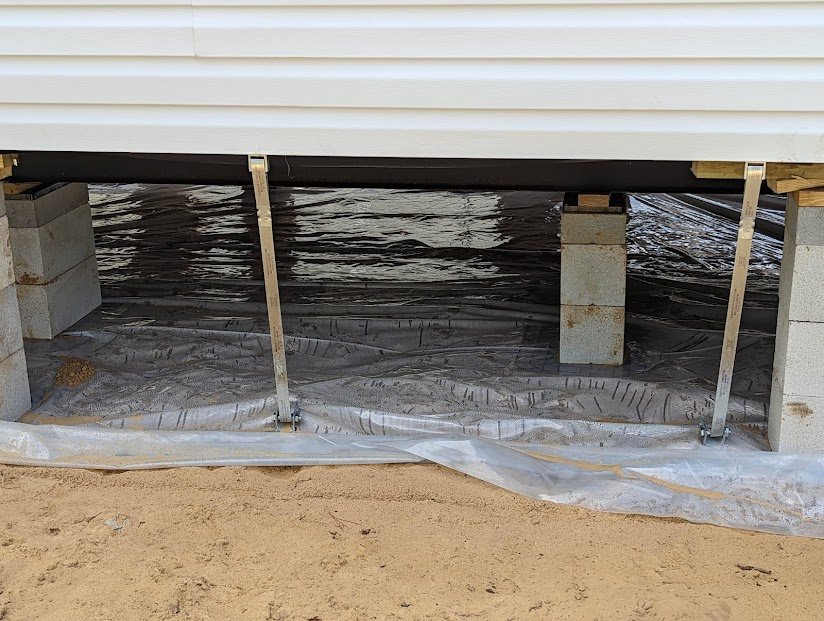
    Vapor barriers act as shields against ground moisture. Install them beneath your mobile home to prevent dampness from rising into your floors. These barriers are typically made from durable plastic sheets and are easy to install. Ensure they cover the entire underside of your home for maximum protection.

    4. Maintain Proper Ventilation

    Good ventilation helps air circulate, preventing moisture buildup. Use exhaust fans in kitchens and bathrooms to remove steam from cooking and showers. Open windows on cooler days to let fresh air in. Ceiling fans can also help circulate air and reduce humidity levels indoors.

    5. Check the Roof Regularly

    A leaky roof can introduce significant amounts of moisture into your mobile home. Inspect your roof for cracks, missing shingles, or damaged flashing. Repair any issues immediately to avoid water damage. Consider adding a roof coating to seal the surface and reflect sunlight, which reduces interior temperatures and humidity.

    6. Inspect Your Skirting

    Mobile home skirting helps regulate temperature and humidity beneath your home. Damaged or poorly installed skirting allows moisture to accumulate under the structure. Check for cracks, gaps, or loose panels and repair them promptly. Ventilated skirting can improve airflow while still providing protection.

    7. Monitor Indoor Humidity Levels

    Use a hygrometer to measure indoor humidity levels. Aim to keep the humidity between 30% and 50% to prevent mold and structural issues. If levels rise above this range, take corrective actions like using a dehumidifier or increasing ventilation.

    8. Use Mold-Resistant Materials

    If you’re renovating or repairing your mobile home, choose mold-resistant materials. Mold-resistant drywall, paint, and insulation effectively minimize the impact of Florida’s humidity. These materials are more durable and require less maintenance over time.

    9. Clean Air Conditioning Filters Regularly

    Air conditioning systems help control indoor humidity, but dirty filters can reduce their effectiveness. Clean or replace filters every 30 to 60 days to maintain efficiency. Also, check for any leaks in your air conditioning system that might contribute to moisture buildup.

    10. Avoid Overwatering Landscaping

    Landscaping near your mobile home can inadvertently raise humidity levels. Avoid overwatering plants or lawns near the structure. Ensure that water drains away from your home by grading the soil to slope outward. Installing gutters and downspouts can also help direct water away from the foundation.

    Preventing Mold and Mildew

    Mold and mildew thrive in humid conditions, making them common problems in Florida mobile homes. They can damage surfaces, cause unpleasant odors, and pose health risks. Here’s how to combat mold and mildew effectively:

    • Clean Surfaces Regularly: Wipe down walls, ceilings, and other surfaces with a solution of water and white vinegar.
    • Fix Leaks Immediately: Repair plumbing or roof leaks as soon as they occur to prevent moisture buildup.
    • Use Desiccants: Place moisture-absorbing products like silica gel or activated charcoal in closets and enclosed spaces.
    • Keep Fabrics Dry: Wash and dry curtains, rugs, and upholstery frequently to remove any trapped moisture.

    Long-Term Maintenance Tips

    Protecting your mobile home from Florida’s humidity requires consistent effort. Establish a maintenance routine to keep your home in top condition:

    • Schedule Annual Inspections: Hire professionals to inspect your roof, plumbing, and skirting for potential moisture issues.
    • Monitor Exterior Paint: Repaint your home every few years with moisture-resistant paint to prevent water infiltration.
    • Upgrade Insulation: Invest in high-quality insulation that resists humidity and keeps your home comfortable.
    • Check Flooring: Inspect for signs of warping or soft spots, which could indicate hidden moisture damage.

    Benefits of Protecting Your Home

    By taking proactive steps, you’ll enjoy numerous benefits, including:

    • Lower Maintenance Costs: Preventing humidity damage reduces the need for costly repairs.
    • Healthier Living Environment: Controlling moisture eliminates mold and mildew, improving air quality.
    • Enhanced Durability: Proper maintenance extends the lifespan of your mobile home.
    • Energy Efficiency: Sealing gaps and improving ventilation reduce energy usage and utility bills.

    Conclusion

    Florida’s humidity can be harsh on mobile homes, but you can protect your investment with consistent care and intelligent strategies. Sealing openings, improving ventilation, and promptly addressing moisture issues can create a safe and comfortable living space. A little effort now can save you significant time and money.

    See Also:

Reset password

Enter your email address and we will send you a link to change your password.

Get started with your account

to save your favourite homes and more

Sign up with email

Get started with your account

to save your favourite homes and more

By clicking the «SIGN UP» button you agree to the Terms of Use and Privacy Policy
Powered by Estatik