Category: Blog

  • Why Millennials Are Choosing Mobile Homes in Florida

    Millennials are reshaping housing trends in the United States. In Florida, more millennials are opting to live in mobile homes. This choice reflects economic, lifestyle, and environmental priorities that align with the mobile home lifestyle.

    1. Affordability in a Competitive Housing Market

    Florida’s housing market has grown increasingly expensive in recent years. Many millennials face challenges like student debt and stagnant wages. Mobile homes offer an affordable alternative to traditional housing, making homeownership more accessible.

    The average cost of a mobile home is significantly lower than that of a site-built house. This allows millennials to own property without excessive mortgage payments. Lower costs also make it possible to save for other financial goals, such as retirement or travel.

    2. Flexibility and Mobility

    Millennials value flexibility in their lifestyles. Mobile homes provide the option to relocate easily compared to fixed-location houses. This appeals to millennials who prioritize career mobility or travel opportunities.
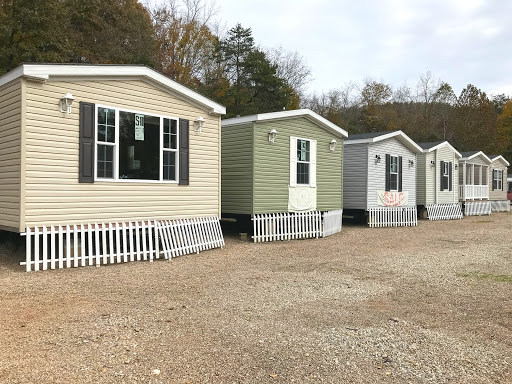
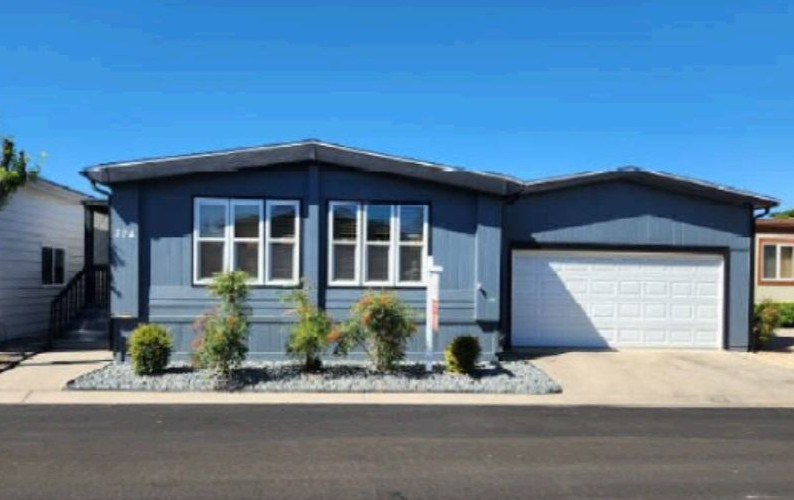
    mobile home for millennials

    Many mobile home communities allow leasing land, offering additional financial freedom. Renting lots instead of owning land reduces financial obligations. Mobile homes adapt well to a generation that values experiences over long-term ties to one location.

    3. Reduced Environmental Impact

    Environmental concerns are important to millennials. Mobile homes typically have a smaller ecological footprint than traditional houses. They use fewer materials during construction and require less energy to maintain.

    Living in a mobile home also encourages minimalist and eco-friendly living. Millennials appreciate the opportunity to reduce waste and conserve resources. Tiny living spaces inspire creative solutions for sustainable lifestyles.

    4. Community Living

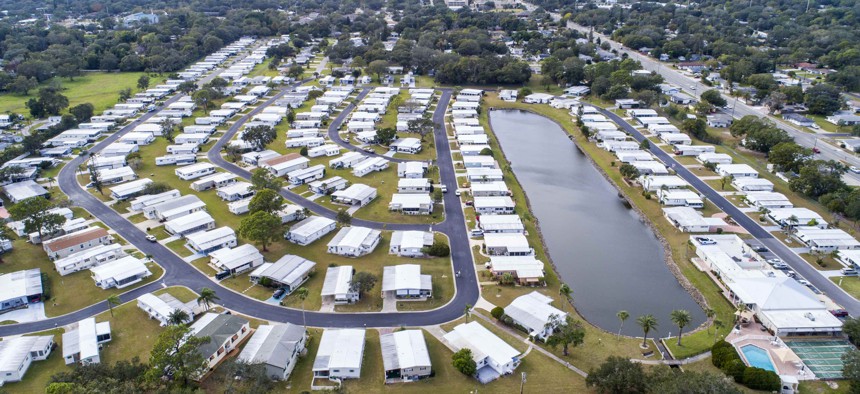
    Mobile home parks foster a sense of community that appeals to many millennials. These communities often organize social events and provide shared amenities. Millennials value these interactions and the sense of belonging they create.

    Living near neighbors with shared values and interests enhances the overall experience. It’s easier to build friendships and support networks in these close-knit environments. The community aspect aligns with millennials’ preference for collaboration and connection.

    5. Opportunity to Customize

    Millennials enjoy personalizing their living spaces. Mobile homes are highly customizable, offering flexibility in design and layout. This allows homeowners to create a space that reflects their unique tastes and needs.

    Renovations are often more affordable compared to traditional homes. Millennials can invest in upgrades without overspending. The ability to tailor a home to individual preferences makes mobile homes an attractive option.

    6. Simplified Living

    Minimalism has gained popularity among millennials. Due to their smaller size, mobile homes naturally encourage simplified living. Millennials can focus on experiences and relationships instead of accumulating material possessions.

    Simplified living also reduces the financial burden of maintaining a larger home. With fewer belongings, it’s easier to keep spaces organized and stress-free. The simplicity of mobile home living aligns with millennials’ desire for a more intentional lifestyle.

    7. Access to Urban and Rural Areas

    Florida offers a mix of urban and rural living options. Mobile homes provide affordable housing close to major cities or scenic rural locations. This flexibility appeals to millennials who want a balance between work and leisure.

    Living near cities allows easy access to job opportunities, entertainment, and amenities. Conversely, rural locations provide peace and proximity to nature. Mobile homes enable millennials to choose a lifestyle that suits their needs.

    8. Lower Maintenance Costs

    Traditional homes often have high maintenance expenses. Mobile homes are easier and cheaper to repair, reducing the financial strain of homeownership for millennials.

    Mobile homes also require less time for cleaning and upkeep. This frees up time for work, hobbies, and social activities. Lower maintenance demands make mobile homes a practical choice for busy millennials.

    9. Emphasis on Homeownership

    Homeownership remains a significant goal for many millennials. Rising real estate costs have made this dream harder to achieve. Mobile homes offer an attainable path to ownership, even for those with modest incomes.

    Owning a mobile home allows millennials to build equity over time. It also provides stability compared to renting. This sense of ownership aligns with millennials’ long-term financial and personal goals.

    10. Variety of Amenities

    Modern mobile home communities offer a range of amenities, including pools, fitness centers, and clubhouses. These perks enhance the quality of life without adding costs for millennials.

    Shared amenities reduce the need for personal investments in recreational facilities. Millennials can enjoy a comfortable lifestyle within a budget, and access to amenities adds value to the mobile home experience.

    11. Support for Remote Work

    The rise of remote work has transformed the housing needs of millennials. Mobile homes provide an affordable solution for creating dedicated home office spaces, and many can efficiently accommodate work-from-home setups.

    Florida’s sunny climate and scenic locations enhance the remote work lifestyle. Millennials can enjoy a better work-life balance while living affordably, and mobile homes’ flexibility aligns with the demands of remote work.

    12. Availability of Financing Options

    Financing a mobile home is often more straightforward than securing a mortgage for a traditional house. Loan terms for mobile homes are typically shorter and more flexible, making it easier for millennials to enter the housing market.

    Some lenders specialize in mobile home loans, providing tailored solutions. Lower down payments and monthly costs make financing manageable, and accessible financing options remove barriers to homeownership for millennials.

    13. Access to Scenic Living

    Florida is known for its natural beauty, from beaches to wetlands. Mobile homes provide affordable access to scenic locations, so millennials can enjoy the benefits of nature without paying high real estate prices.

    Many mobile home parks are near state parks, lakes, or coastal areas. This proximity supports outdoor activities like hiking, kayaking, or fishing. Millennials can prioritize health and wellness through easy access to nature.

    14. Strong Resale Potential

    Mobile homes are becoming more popular, increasing their resale value. Millennials see this as an opportunity to invest in a growing market. Modern mobile homes with upgrades often attract buyers quickly.

    Communities with solid amenities and locations hold their value well. Selling a mobile home is often faster than selling a traditional house. Millennials appreciate the flexibility and potential profit when upgrading or relocating.

    15. Florida’s Favorable Tax Climate

    Florida has no state income tax, which benefits mobile home residents. This tax advantage allows millennials to allocate more money to savings or investments. Lower property taxes for mobile homes further reduce financial burdens.

    Florida’s overall cost of living remains attractive compared to other states. Millennials find it easier to manage finances in this favorable economic environment, and tax benefits strengthen the appeal of mobile homes in Florida.

    Conclusion

    Millennials are embracing mobile homes in Florida for affordability, flexibility, and lifestyle benefits. These homes align with millennial values like sustainability, community, and simplified living. By choosing mobile homes, millennials are redefining homeownership for their generation.
     

    See Also:

  • How to Save Money While Living in a Florida Mobile Home

    Living in a mobile home in Florida can be an affordable and flexible housing option. However, managing your finances wisely ensures even greater savings. With smart strategies, you can cut costs and build financial security while enjoying your home.

    1. Energy Efficiency Tips

    Florida’s warm climate often leads to high electricity bills due to air conditioning. To lower electricity consumption, start by sealing windows and doors to prevent cool air from escaping. Also, use energy-efficient light bulbs and appliances.

    Consider installing a programmable thermostat to regulate indoor temperatures efficiently. Keep your curtains or blinds closed during the hottest part of the day. Fans can also help circulate air, reducing your reliance on air conditioning.

    2. Water Conservation

    Water bills can be another area in which to cut costs. Fix leaks promptly to avoid wasting water. Install low-flow faucets and showerheads to reduce usage without sacrificing comfort.

    Collect rainwater in barrels for outdoor watering needs, like gardens or washing your car. Limit lawn irrigation by planting native Florida plants, which require less water. Efficient water use benefits both your wallet and the environment.

    save money on mobile home

    3. Affordable Maintenance Solutions

    Maintenance costs can add up, but routine care prevents expensive repairs. Clean your gutters regularly to avoid water damage. Inspect your roof periodically for wear, especially after storms.

    Learn basic DIY repair skills to handle minor issues yourself. Many online tutorials can guide you through simple maintenance tasks. For larger jobs, shop around for affordable contractors with good reviews.

    4. Reduce Property Taxes and Insurance Costs

    Mobile homes in Florida typically have lower property taxes, but exemptions can save you even more. Apply for the Homestead Exemption if you own your home and live there full-time. Seniors, veterans, and disabled individuals may qualify for additional discounts.

    Shop around for insurance policies tailored to mobile homes. Compare quotes and look for discounts for bundling policies or installing safety features. Strengthening your home against hurricanes can also lower premiums.

    5. Explore Community Resources

    Many mobile home communities offer amenities like pools, gyms, and social events. Instead of paying for external services, take advantage of these perks. Participate in community yard sales to find secondhand items or make extra money selling your own.

    Join local groups or online forums to exchange tips and resources with other mobile home residents. Sharing tools or splitting bulk purchases with neighbors can reduce costs. Being part of a supportive community can enhance your lifestyle and budget.

    6. Budget-Friendly Interior Upgrades

    Decorating your mobile home doesn’t need to break the bank. Use thrift stores or discount shops to find affordable furniture and decor. Add a fresh coat of paint for an inexpensive way to brighten your space.

    Repurpose old items creatively for functional or decorative purposes. DIY projects save money and give your home a personalized touch. Keep improvements simple and within budget to avoid overspending.

    7. Save on Groceries

    Food expenses can be a significant part of your budget, but intelligent shopping habits make a difference. Plan meals to avoid impulse purchases. Buy non-perishable items in bulk and take advantage of sales.

    Grow your vegetables or herbs if space allows. Farmers’ markets can offer fresh produce at reasonable prices. Avoid eating out frequently by preparing meals at home, which is both healthier and cheaper.

    8. Cut Transportation Costs

    Living in Florida means you’ll likely need a vehicle, but you can minimize related expenses by carpooling with neighbors or coworkers to save on gas. Also, maintain your car regularly to avoid costly repairs.

    Combine errands into a single trip to reduce fuel usage. Look for discounts on auto insurance for good driving records or multiple vehicles. If feasible, consider using public transportation or biking for short distances.

    9. Lower Entertainment Expenses

    Florida offers many free or low-cost recreational activities. Instead of expensive attractions, visit state parks, beaches, or local festivals. Check your mobile home community for free movie nights or social events.

    Use your local library for free books, movies, and activities. Take advantage of discounts or free admission days at museums and attractions. Spending wisely on entertainment allows you to enjoy Florida without straining your budget.

    10. Manage Debt and Save Strategically

    Paying off high-interest debt should be a priority. To reduce financial stress, focus on eliminating credit card balances and loans. Create a realistic budget and stick to it for consistent savings.

    Set up an emergency fund to cover unexpected expenses, like home repairs or medical bills. Take advantage of Florida’s lack of state income tax to allocate more money to savings. Financial planning provides peace of mind and long-term stability.

    11. Embrace Minimalist Living

    Living in a mobile home often means downsizing, which can lead to significant savings. Limit unnecessary purchases and focus on essentials. Sell unused items to declutter and generate extra income.

    Invest in multifunctional furniture or storage solutions to maximize space efficiently. A minimalist lifestyle reduces costs and simplifies daily living and appreciating what you have fosters contentment and financial discipline.

    12. Explore Renewable Energy Options

    Solar energy is an excellent option in sunny Florida. Installing solar panels can reduce your electricity bills over time. Some utility companies offer incentives for solar installations, lowering initial costs.

    Portable solar chargers are a budget-friendly alternative for charging small devices. If installing panels isn’t feasible, look for community solar programs. Renewable energy investments save money and promote environmental sustainability.

    13. Protect Against Weather Damage

    Florida’s weather can be unpredictable, so preparation is essential. Secure your mobile home with tie-downs to protect it from strong winds. Install storm shutters or impact-resistant windows for added safety.

    Keep an emergency kit with flashlights, batteries, and first-aid supplies. Check weather forecasts regularly to prepare for hurricanes or heavy storms. Preventive measures reduce damage and costly repairs.

    14. Take Advantage of Discounts

    Many retailers and services offer discounts for Florida residents, seniors, or military members. Always ask about discounts before making purchases. Use loyalty programs and apps to save on groceries, gas, and other essentials.

    Search for coupons or promo codes when shopping online or in stores. Combine discounts with sales for even more significant savings. Small discounts add up over time and contribute to your overall financial health.

    15. Rent Wisely

    If you rent your lot, negotiate your lease terms whenever possible. Research the average rental rates in your area to ensure fair pricing. Consider sharing costs with roommates or splitting expenses with family.

    Stay informed about tenant rights and responsibilities to avoid unexpected fees. Keeping good communication with your landlord can also lead to cost-saving arrangements. Renting smartly helps you manage your budget effectively.

    Conclusion

    Living in a Florida mobile home offers numerous opportunities to save money while enjoying a comfortable lifestyle. You can maximize your savings by adopting energy-efficient habits, managing expenses strategically, and exploring community resources. Focus on smart financial planning to build stability and achieve your long-term goals.


    See Also:


  • Pros and Cons of Living in a Park Model Home

    Park model homes have become increasingly popular for those seeking affordable housing, especially in vacation communities, mobile home parks, and retirement destinations. These compact, efficient homes offer several benefits but also have a few drawbacks. Considering living in a park model home, it’s important to weigh the pros and cons before deciding. This article will explore both sides of the equation, helping you make an informed choice.

    What is a Park Model Home?

    A park model home is a manufactured home designed to be placed in a park or recreational community. These homes are typically smaller than traditional homes, ranging from 300 to 400 square feet. They often have basic amenities like a kitchen, bathroom, living area, and sleeping spaces. Park model homes are usually built on a trailer frame, making them mobile, but they are often placed in one location for long-term use. These homes are intended for seasonal or year-round living, but they are not meant to be moved frequently.

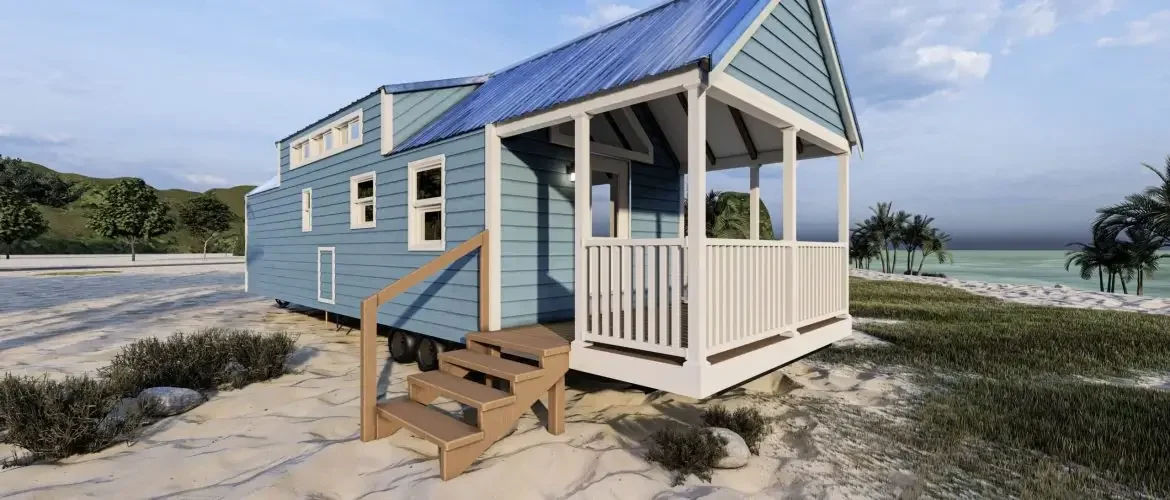
    living in a park model home

    The Pros of Living in a Park Model Home

    1. Affordability

    The cost is one of the most significant advantages of living in a park model home. These homes are much more affordable than traditional homes, both in terms of upfront purchase price and ongoing costs. The price of a park model home typically ranges from $30,000 to $80,000, far less than a conventional home.

    The lower price tag means you can get into homeownership without a hefty mortgage. Additionally, the smaller size means lower property taxes and utility bills. This affordability makes park model homes a great option for retirees, snowbirds, or individuals looking for a budget-friendly living arrangement.

    2. Minimal Maintenance

    Park model homes are easier to maintain than larger traditional homes. With less square footage, you won’t have as many rooms or areas to upkeep. Many park model homes are built with low-maintenance materials and designed for easy upkeep.

    For example, the small yards or outdoor areas typically associated with park model homes require less landscaping and maintenance. This makes these homes ideal for people who want to downsize and avoid the time and money that goes into maintaining a larger property.

    3. Energy Efficiency

    Park model homes are often more energy-efficient than traditional homes. Due to their smaller size, they require less energy to heat and cool, leading to lower utility bills. Many park model homes come equipped with energy-efficient appliances and insulation that help maintain comfortable indoor temperatures year-round. These features are especially beneficial in places with hot summers and mild winters.

    Since these homes are typically built in a factory setting, manufacturers can implement energy-efficient designs and materials that meet modern environmental standards. If you’re looking for a sustainable, eco-friendly option, a park model home can be a great choice.

    4. Community Living

    Many park model homes are located within recreational vehicle (RV) parks or manufactured home communities. These parks often offer a tight-knit, friendly atmosphere where neighbors know each other and socialize regularly. This can be a big draw for retirees and snowbirds, as it allows for a sense of community and social connection.

    In addition, many of these parks provide amenities like swimming pools, fitness centers, clubhouses, and organized activities. For individuals seeking an active, social lifestyle, a park model home can be a great way to live in a community that fosters friendships and interaction.

    5. Flexibility and Mobility

    Although park model homes are not designed to be moved frequently, they do offer a certain level of flexibility. They are built on trailers, so you can technically relocate them if necessary. This flexibility makes park model homes a great choice for those who may want to travel or relocate in the future.

    For example, if you purchase a park model home in a recreational area but later decide to move to another location, you can typically arrange to have the home moved. This is particularly advantageous for people who enjoy traveling, such as retirees who like to spend time in different parts of the country.

    6. Ideal for Downsizing

    Many people are choosing to downsize to simpler, more minimalist lifestyles. Park model homes are an ideal solution for those looking to reduce their living space while enjoying homeownership’s benefits. The smaller size allows you to declutter, live more efficiently, and focus on experiences rather than material possessions.

    Additionally, the compact design of a park model home encourages thoughtful and efficient use of space. You can personalize the home to fit your specific needs, and the open floor plans often make the space feel larger than it is.


    The Cons of Living in a Park Model Home

    1. Limited Space

    One of the biggest drawbacks of living in a park model home is the limited space. With an average size of 300 to 400 square feet, park model homes are significantly smaller than traditional homes. This can be a challenge if you have a family, a lot of possessions, or if you enjoy entertaining guests.

    While the smaller size may be ideal for individuals or couples, larger families may struggle to fit comfortably in such a confined space. The lack of extra rooms can also make storing belongings or creating private areas within the home difficult.

    2. Lack of Privacy

    Because park model homes are often located within a larger community or RV park, privacy can be an issue. These homes are placed close together, with little separation between them. This means that you might have neighbors just a few feet away, which can lead to noise and a lack of personal space.

    If privacy is a priority for you, living in a park model home may not be the best option. In a larger, more traditional home, you may have more room between you and your neighbors, creating a greater sense of solitude.

    3. Limited Customization

    Although park model homes are designed with some degree of customization, they are generally less customizable than traditional homes. The designs are often limited to a few floor plans, and there may not be as many options for upgrades or changes as you would find in a conventional home.

    While you can make cosmetic improvements or alterations within the home, structural changes may be difficult or costly. If you like to make significant changes to your living space, you may feel restricted by the design limitations of a park model home.

    4. Potential Zoning and Land Use Issues

    Park model homes are typically placed in RV parks or manufactured home communities, and zoning laws can affect where you can place your home. Not all areas permit park-model homes, and there may be restrictions on where these homes can be located.

    If you plan to place your park model home on private land, it’s important to check with local zoning authorities to ensure that park model homes are allowed. Some areas may have strict rules regarding the placement of these homes, which could limit your options for where you can live.

    5. Depreciation

    Unlike traditional homes, which generally appreciate in value over time, park model homes tend to depreciate. This means that your park model home may lose value as it ages. While you can still sell the home in the future, you may still need to recoup your full investment.

    This depreciation could be a disadvantage for individuals hoping to build equity over time. However, depreciation may not be a major concern if your goal is simply to have a cost-effective, low-maintenance living situation.

    6. Financing Challenges

    Financing a park model home can be more complicated than funding of a traditional home. Many banks and lenders treat park model homes as personal property, not real estate. This means securing a loan for a park model home can be more complex, and the terms may be less favorable than those of a traditional mortgage.

    Researching financing options thoroughly is important and considering working with lenders specializing in manufactured homes is important. However, the financing process can still be more challenging than buying a traditional home.

    Conclusion

    Living in a park model home offers many advantages, including affordability, minimal maintenance, and a sense of community. However, it also has a few downsides, such as limited space, a lack of privacy, and potential zoning issues. Before deciding to live in a park model home, it’s important to consider your lifestyle, needs, and long-term goals. A park model home could be a great choice if you’re looking for an affordable, low-maintenance home in a social community. However, a traditional home may be a better fit if you value space, privacy, and long-term investment.


    See Also:

  • What to Expect When Buying a Double-Wide Trailer

    Double-wide trailers, or manufactured homes, offer a great alternative to traditional houses. They provide more space than single-wide trailers, often have more modern amenities, and are generally more affordable than conventional homes. If you’re considering buying a double-wide trailer, you should know what to expect throughout the process. This guide will walk you through what to anticipate, from choosing the right model to understanding the costs and maintenance.

    What is a Double-Wide Trailer?

    A double-wide trailer is a manufactured home consisting of two separate sections that are transported to the site and then connected. These homes are larger than single-wide trailers, offering more living space and room for customization. The average double-wide home typically offers between 1,000 and 2,500 square feet of space, making them ideal for families or individuals who need more room without the expense of traditional homes.

    buying a double-wide trailer

    Choosing the Right Double-Wide Trailer

    Before purchasing a double-wide trailer, it’s essential to determine your needs and preferences. This will help you select the right model for your lifestyle and budget. Here’s what to consider:

    Size and Layout

    Double-wide trailers come in various sizes and layouts. Some are more compact, with two or three bedrooms, while others may have multiple bathrooms, larger living rooms, and upgraded kitchens. It’s important to evaluate how much space you need, considering that larger homes tend to cost more.

    Floor Plan Options

    Manufacturers offer a variety of floor plans, with designs ranging from basic layouts to high-end models. You may have options for open-concept living spaces, separate dining rooms, or even optional luxury features like fireplaces and walk-in closets. Consider how much space you want for entertaining, storage, and family needs.

    New vs. Used

    When buying a double-wide trailer, you must decide whether to purchase a new or used model. New trailers come with the latest features, energy-efficient designs, and warranties. However, they come at a higher cost. Used trailers, on the other hand, may offer savings, but you’ll need to assess the home’s condition carefully. Consider the potential repairs, updates, or improvements costs if you choose a used trailer.

    Energy Efficiency

    Modern double-wide trailers are typically built with better insulation and energy-efficient appliances, which can help you save on utility bills. Look for trailers that have Energy Star-rated appliances, energy-efficient windows, and superior insulation. These features will provide a more comfortable living environment and lower energy costs in the long run.

    Financing a Double-Wide Trailer

    One of the first questions potential buyers have is how to finance a double-wide trailer. Unlike traditional homes, manufactured homes are often considered personal property rather than real estate, affecting your financing options. Here’s what to expect:

    Loan Types

    Manufactured home loans come in two main types: chattel and real estate loans.

    1. Chattel Loans: These loans are for buyers who own the land where the trailer will be placed or are placing the trailer in a mobile home park. Chattel loans typically have higher interest rates and shorter terms than real estate loans, but they may be easier to secure.
    2. Real Estate Loans: If you plan to buy both the land and the trailer, you may qualify for a traditional mortgage. This type of loan often offers better interest rates and longer terms, but you’ll need to demonstrate that the home is permanently affixed to the land.

    Down Payment

    Depending on your credit score and the type of loan, down payments can range from 5% to 20%. Government-backed loans, such as those from the Federal Housing Administration (FHA), may require smaller down payments for qualified buyers.

    Credit Score and Loan Approval

    Like other home loans, your credit score will play a role in securing financing for a double-wide trailer. A higher credit score will give you lower interest rates and more favorable loan terms. If your credit is better, you may still be able to secure a loan but expect higher interest rates.

    Total Cost

    The total cost of buying a double-wide trailer includes not just the purchase price of the home but also other expenses. These can include land costs, permits, installation, utilities, and ongoing maintenance fees (such as park rent, if applicable). When considering a purchase, consider these additional expenses into your budget.

    Site Selection and Installation

    Once you’ve decided on a model and secured financing, the next step is choosing a site for your double-wide trailer. The location you choose will depend on whether you plan to place the trailer on your own land or in a mobile home park. Here’s what to keep in mind:

    Land Ownership

    If you own the land where your double-wide trailer will be placed, you must ensure that the site is zoned for a manufactured home. Local zoning laws can vary, so check with your local authorities to confirm that the land is approved for mobile home installation. You will also need to prepare the land, which could involve clearing, leveling, and adding necessary utilities like water, electricity, and sewage connections.

    Mobile Home Parks

    You may opt for a mobile home park if you don’t own land. These parks offer a designated place for your trailer, and some may even offer additional amenities such as clubhouses, fitness centers, and swimming pools. However, depending on the location and amenities, you’ll be required to pay lot rent, ranging from $300 to $1,000 or more per month.

    Installation

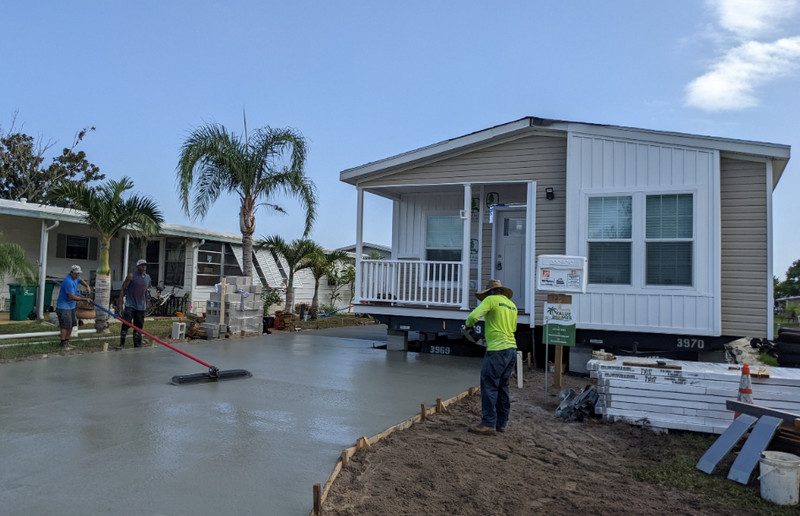
    After selecting the location, the trailer will be delivered to the site. Installation includes anchoring the home to the ground, connecting utilities, and setting up any additional features. Professional installation is critical to ensure the home is safe, properly sealed, and ready for occupancy. You may also need to work with contractors for any additional construction, such as building a deck or installing skirting around the trailer’s base.

    Costs Beyond the Purchase Price

    While the purchase price of a double-wide trailer is relatively low compared to a traditional home, ongoing costs must be considered. These can include:

    Lot Rent

    If your trailer is located in a mobile home park, lot rent is an ongoing monthly cost. Lot rent can range from $300 to $1,000 per month, depending on the park’s location and amenities. In some cases, you may be able to negotiate the rent with the park owner.

    Insurance

    Just like a regular home, a double-wide trailer needs insurance. Mobile home insurance covers damage to the home and liability in case of accidents. Insurance rates can vary, so it’s a good idea to shop around for the best coverage at an affordable price.

    Maintenance

    While double-wide trailers require less upkeep than traditional homes, they still need regular maintenance. This includes maintaining the roof, HVAC system, plumbing, and electrical systems. Periodic inspections can help detect issues early, preventing costly repairs later on.

    Utilities

    Utility costs for a double-wide trailer can vary depending on your location and setup. These include water, sewage, electricity, and sometimes propane for heating. If your trailer is part of a mobile home park, some of these utilities may be included in the lot rent.

    Resale Value of a Double-Wide Trailer

    Double-wide trailers depreciate in value over time, unlike traditional homes, which tend to appreciate. However, well-maintained double-wide trailers in desirable locations can hold their value better than others. If you decide to sell your trailer, factors such as location, condition, and demand in the local market will influence its resale price.

    Final Thoughts

    A double-wide trailer can be a great option for individuals or families seeking affordable housing in Florida. While the upfront cost is lower than a traditional home, you must consider additional expenses such as lot rent, insurance, and maintenance. Understanding the financing options, site requirements, and long-term costs is key to making an informed decision. With proper planning and research, a double-wide trailer can offer a comfortable and cost-effective living solution.


    See Also:


  • The Most Affordable Mobile Home Parks in Florida

    Florida is a popular destination for retirees, snowbirds, and families looking for affordable living in a warm climate. While traditional homes and condos can be expensive, mobile homes offer a cost-effective alternative. Mobile home parks across Florida provide an excellent opportunity to enjoy the state’s beauty without breaking the bank. In this article, we’ll explore some of Florida’s most affordable mobile home parks, offering a closer look at where you can find affordable housing in this sunny state.

    Why Choose a Mobile Home Park in Florida?

    Mobile home parks in Florida offer many benefits, particularly for those seeking affordable living. Mobile homes are typically much cheaper than traditional homes or condos. The cost of a mobile home can range from $50,000 to $150,000, which is far more affordable than single-family homes in many parts of the state. Additionally, mobile home parks often have lower lot rents than monthly mortgage payments, further reducing living expenses.

    affordable mobile home parks

    Beyond the cost savings, mobile home parks foster a close-knit community where residents can socialize, enjoy amenities, and live in a relaxed environment. Many parks offer additional features such as pools, clubhouses, fitness centers, and organized activities, making it easy for residents to stay active and connected.

    Factors That Make Mobile Home Parks Affordable

    Several factors contribute to the affordability of mobile home parks in Florida:

    1. Lower Upfront Costs
      Mobile homes are more affordable than traditional homes. Even in prime locations, they remain a budget-friendly option.
    2. Affordable Lot Rent
      Many mobile home parks offer reasonable monthly lot rents, typically ranging from $300 to $1,000. These rents are generally lower than monthly mortgage payments.
    3. Maintenance-Free Living
      Mobile home parks often manage landscaping, common areas, and road maintenance, reducing residents’ responsibilities.
    4. Energy-Efficient Designs
      Modern mobile homes are designed to be energy-efficient, helping residents save on utility bills.
    5. Community Amenities
      Mobile home parks often provide additional amenities such as pools, recreation areas, and clubhouses, all included in the lot rent.

    1. The Villages

    The Villages is one of Florida’s largest and most well-known retirement communities. Located in central Florida, The Villages is a sprawling community offering a variety of housing options, including affordable mobile homes. The community features over 100,000 residents and caters primarily to retirees looking for an active and social lifestyle.

    Affordability:

    The Villages offers mobile homes starting at around $50,000, making it one of the most affordable retirement communities in Florida. Lot rents are also reasonable, starting at approximately $500 per month.

    Community Features:

    The Villages offers various amenities, such as golf courses, swimming pools, fitness centers, walking trails, and community clubs. There are plenty of opportunities to stay active and socialize with neighbors.

    Why It’s Affordable:

    The Villages’ large scale allows for competitive pricing and a variety of housing options, making it an excellent choice for retirees on a budget.

    2. Sarasota National Mobile Home Park

    Located on Florida’s Gulf Coast, Sarasota National is an affordable mobile home park for those looking to live near beautiful beaches. Sarasota offers a relaxed lifestyle, excellent weather, and a variety of cultural and recreational activities.

    Affordability:

    Mobile homes at Sarasota National start at about $60,000, with lot rents ranging from $400 to $600 monthly. These prices make it a great option for those seeking an affordable yet picturesque location in Florida.

    Community Features:

    The park offers amenities such as a heated pool, fitness center, shuffleboard courts, and planned activities for residents. Its location near Sarasota’s beaches and golf courses adds to its appeal.

    Why It’s Affordable:

    Sarasota National is relatively small compared to other Florida communities, helping keep costs down. The park’s prime location by the Gulf also adds value while maintaining affordability.

    3. Sunshine Village Mobile Home Park (Clearwater)

    Clearwater, a city along Florida’s west coast, is known for its white sandy beaches and thriving downtown. Sunshine Village Mobile Home Park in Clearwater is an affordable option for those looking to live in a vibrant area without spending a fortune.

    Affordability:

    Mobile homes at Sunshine Village start at around $45,000, with lot rents averaging between $400 and $600 per month. The park offers a cost-effective alternative to more expensive housing options in Clearwater.

    Community Features:

    Sunshine Village offers a swimming pool, clubhouse, and organized community events. Clearwater’s downtown area and beautiful beaches are just a short drive away.

    Why It’s Affordable:

    Sunshine Village benefits from being a smaller community. Its focus is on providing affordable housing for retirees and families, and its proximity to the Gulf Coast is an added bonus.

    4. Palm Hill Mobile Home Park (Largo)

    Located in Largo, near St. Petersburg, Palm Hill Mobile Home Park is an affordable, well-maintained park that attracts retirees and snowbirds. Largo offers a laid-back lifestyle with access to urban amenities and stunning beaches.

    Affordability:

    Mobile homes in Palm Hill start at approximately $50,000, with monthly lot rents ranging from $400 to $700. This affordability is ideal for those seeking a cost-effective home in a prime Florida location.

    Community Features:

    Palm Hill boasts a variety of amenities, including a heated pool, fitness center, clubhouse, and active social clubs. It is also a pet-friendly park, which is a major draw for animal lovers.

    Why It’s Affordable:

    Palm Hill is a well-established mobile home park that has streamlined its operations to provide affordable housing without sacrificing quality or amenities.

    5. Holiday Village Mobile Home Park (Fort Myers)

    Fort Myers, located along the Gulf Coast, is a popular destination for retirees. Holiday Village Mobile Home Park offers affordable housing options in this desirable area, making it a top choice for budget-conscious residents.

    Affordability:

    Mobile homes at Holiday Village typically range from $40,000 to $80,000, with lot rents averaging around $500 to $700 per month. This makes it an affordable choice for retirees looking to live in a coastal city.

    Community Features:

    The park offers a pool, clubhouse, planned social activities, and a welcoming community for retirees. Fort Myers’ excellent weather, beaches, and outdoor recreation make it a great place to live.

    Why It’s Affordable:

    Holiday Village offers affordable mobile homes and a vibrant community atmosphere. Its location in Fort Myers keeps prices lower than in other beachfront areas, making it a great deal.

    6. Pine Ridge Mobile Home Park (New Port Richey)

    New Port Richey, located north of Tampa, is known for its charming small-town atmosphere and access to outdoor activities. Pine Ridge Mobile Home Park is an affordable option for those looking to live in this peaceful area.

    Affordability:

    Mobile homes at Pine Ridge start at around $50,000, with lot rents typically ranging from $400 to $600 per month. This makes it one of the more affordable parks in the Tampa Bay area.

    Community Features:

    Pine Ridge offers a clubhouse, fitness room, library, and organized activities for residents. The park is close to beaches, shopping, and medical facilities, offering a convenient lifestyle.

    Why It’s Affordable:

    New Port Richey’s quieter, suburban setting keeps prices lower than those of Florida’s more tourist-heavy cities. Pine Ridge offers a well-maintained community at an affordable price.

    7. Lakeview Mobile Home Park (Sebring)

    Located in central Florida, Sebring is a quieter, more rural area known for its small-town charm and affordability. Lakeview Mobile Home Park offers low-cost living in this scenic area.

    Affordability:

    Mobile homes at Lakeview start at around $35,000, with lot rents typically ranging from $350 to $500 monthly. This makes it one of the most affordable mobile home parks in Florida.

    Community Features:

    Lakeview offers various amenities, including a clubhouse, community events, and a peaceful lakefront setting. The park provides a serene lifestyle for those looking to escape the hustle and bustle of city life.

    Why It’s Affordable:

    Sebring’s rural location and slower pace of life allow Lakeview to offer low-cost mobile homes. It’s an excellent choice for those on a tight budget seeking a quiet, affordable retirement destination.

    Conclusion

    Florida has a wide range of affordable mobile home parks catering to retirees, snowbirds, and families looking for cost-effective housing options. From The Villages in central Florida to Lakeview in Sebring, these parks offer a variety of amenities, affordable lot rents, and a welcoming community. Whether you’re looking to retire near the beach, enjoy an active social life, or simply live in a budget-friendly area, a mobile home park in Florida suits your needs. By considering factors such as location, amenities, and affordability, you can find the perfect mobile home park that meets your needs while allowing you to enjoy everything Florida offers.


    See Also:


  • Mobile Homes vs. Condos: Which Is Better in Florida?

    Regarding finding affordable housing in Florida, two popular options stand out: mobile homes and condos. Both offer unique benefits, but your choice depends on your preferences, lifestyle, and budget. Whether you’re looking for a vacation spot or a permanent home, it’s essential to weigh the pros and cons of each option. In this article, we’ll compare mobile homes and condos in Florida to help you make an informed decision.

    Mobile Homes: What You Need to Know

    Mobile homes, or manufactured homes, are pre-built homes designed to be placed on a plot of land or in a mobile home park. They offer flexibility and can be more affordable than traditional housing. In Florida, mobile homes are popular for retirees, snowbirds, and first-time buyers seeking cost-effective living.

    mobile homes and condos florida

    Benefits of Mobile Homes

    1. Affordability
      Mobile homes are often much cheaper than condos, especially in popular areas of Florida. A mobile home can cost between $50,000 and $150,000, while condos can easily cost $200,000 or more, depending on the location.
    2. Space and Privacy
      Unlike condos, mobile homes typically provide more space and privacy. You own the entire home and often have more outdoor space, ideal for those who enjoy gardening, outdoor activities, or pets.
    3. Low Maintenance
      Mobile homes are often easier to maintain than traditional homes or condos. Since the properties are smaller, they generally require less upkeep. Many mobile home parks also take care of common areas, such as landscaping and road maintenance.
    4. Community Living
      Many mobile home parks are designed specifically for retirees or people who want to live in a tight-knit, community-oriented environment. These parks often have amenities such as clubhouses, swimming pools, and organized activities, making socializing and meeting new people easy.
    5. Customization
      Some mobile homes offer customization options, allowing owners to add personal touches. Depending on the model and age of the home, there may be room to make changes or upgrades.

    Drawbacks of Mobile Homes

    1. Lot Rent
      If you choose to live in a mobile home park, you’ll have to pay lot rent in addition to the cost of the home itself. Lot rents can vary widely depending on location and amenities, but they typically range from $300 to $1,000 per month.
    2. Depreciation
      Unlike traditional homes, mobile homes generally depreciate over time. This means they may not be a good investment if you plan to sell.
    3. Limited Amenities
      Mobile homes typically don’t offer condos’ luxury amenities, such as on-site fitness centers or concierge services. While mobile home parks may provide some amenities, they are generally more basic.
    4. Resale Value
      Because mobile homes depreciate, selling them may take longer, and you might not recover as much as you originally paid. The resale value can also be affected by the home’s condition, the community, and market trends.

    Condos: What You Need to Know

    Condos, short for condominiums, are individual units within a larger building or complex. The unit’s residents typically own them, but the land and common areas are owned collectively by all condo owners. In Florida, condos are often sought after by individuals or families looking for a low-maintenance, high-amenity lifestyle.

    Benefits of Condos

    1. Prime Locations
      Condos in Florida are often located in desirable areas, such as near the beach, downtown areas, or near major attractions. A condo can provide easy access to shopping, dining, and entertainment.
    2. Luxury Amenities
      Many condo communities offer many amenities, such as swimming pools, gyms, spas, concierge services, and gated security. These amenities can significantly improve your quality of life and save money on outside memberships.
    3. Maintenance-Free Living
      One of the biggest selling points of condos is their low maintenance. The condo association handles the upkeep of the building, landscaping, and shared spaces, so you don’t have to worry about repairs, lawn care, or other tasks associated with homeownership.
    4. Better Investment
      Condos typically appreciate in value over time, unlike mobile homes, which can lose value. If you’re looking for a long-term investment, a condo may provide a better return when it comes time to sell.
    5. Social Opportunities
      Condos often offer a social environment with access to organized activities, shared spaces, and close interactions with neighbors. This can be a great way to make new friends and be part of a community.

    Drawbacks of Condos

    1. Higher Initial Cost
      Condos are generally more expensive than mobile homes, especially in prime Florida locations. The cost of a condo can be significantly higher, with some condos reaching upwards of $500,000 or more.
    2. Monthly HOA Fees
      In addition to your mortgage payment, condo owners must pay monthly Homeowners Association (HOA) fees. These fees can range from $100 to $1,000 or more per month and cover building maintenance, amenities, and insurance. HOA fees can increase over time, making them a recurring cost.
    3. Limited Privacy
      Since condos are often part of larger buildings, you may have less privacy than a mobile home. Shared walls, elevators, and communal spaces can limit your sense of personal space. Noise from neighbors or visitors in common areas can also be an issue.
    4. Rules and Restrictions
      Condo associations typically have strict rules regarding the use of common areas, pets, and renovations. This may be a disadvantage if you value flexibility in your living space. Some condo communities also limit the ability to rent out your unit, affecting potential rental income.
    5. Resale Complications
      Although condos generally appreciate over time, their resale value can be influenced by market conditions and the overall condition of the building. If the complex experiences issues, such as poor management or high vacancy rates, it can negatively impact your selling ability.

    Comparing Mobile Homes and Condos in Florida

    When choosing between mobile homes and condos in Florida, there are several factors to consider:

    Cost

    Mobile homes are more affordable upfront, making them an attractive option for buyers on a budget. While condos may offer more luxury and amenities, the higher purchase price and ongoing HOA fees may be better for those looking to save money.

    Lifestyle

    Mobile homes often provide a quieter, more private lifestyle with larger outdoor spaces. Conversely, condos offer a more social, community-oriented living experience, with shared spaces and luxury amenities.

    Location

    Condos are typically located in prime areas, offering easy access to beaches, downtown areas, and entertainment. Mobile homes can be more spread out, and while they are often located in peaceful settings, they may not be as centrally located as condos.

    Maintenance

    Condos offer maintenance-free living, as the condo association takes care of common areas. Mobile homes, while generally requiring less upkeep than traditional homes, still involve some responsibility, especially if they are located in parks with limited services.

    Investment Potential

    Condos are more likely to appreciate in value over time, making them a better investment for those looking for long-term financial growth. Mobile homes, however, tend to depreciate, and their resale value can be lower than that of condos.

    Amenities

    Condos typically offer luxury amenities such as pools, gyms, and security services. Mobile home parks may provide amenities such as clubhouses or community centers, but they are usually more essential compared to condos.

    Which Is Better for You?

    Ultimately, deciding between a mobile home and a condo in Florida depends on your budget, lifestyle, and long-term goals.

    • A mobile home may be the better choice if you’re seeking an affordable, private space with lower upfront costs and are okay with basic amenities.
    • A condo might be more suitable if you’re looking for luxury, convenience, and a maintenance-free lifestyle in a prime location.

    Both options have advantages, so it’s essential to weigh the pros and cons before making your decision. With careful consideration, you can find the perfect home in sunny Florida that meets your needs.


    See Also:

  • Why Retirees Are Choosing Affordable Mobile Homes in Florida

    Florida has long been a favorite destination for retirees, offering warm weather, beautiful landscapes, and a relaxed lifestyle. Recently, more retirees are choosing affordable mobile homes as their preferred housing option. These homes combine practicality, comfort, and cost savings, making them an attractive choice for retirement living.

    Florida: A Retirement Haven

    Florida’s appeal to retirees is undeniable. The state’s lack of income tax policy, sunny climate, and vibrant social scene are just a few reasons retirees flock here. Cities like Naples, Tampa, and Sarasota offer access to healthcare, recreational activities, and a community of like-minded individuals. Mobile homes provide an economical way to enjoy these benefits.

    Affordable Mobile Homes in Florida

    The Rising Popularity of Mobile Homes Among Retirees

    Mobile homes have evolved significantly, offering high-quality construction and modern amenities. Many retirees see them as a perfect fit for their lifestyle and financial goals.

    1. Affordability

    Mobile homes are much cheaper than traditional houses. In Florida, the average cost of a mobile home ranges between $50,000 and $100,000, significantly lower than the price of single-family homes.

    2. Low Maintenance

    Mobile homes require less upkeep, reducing the time and money spent on maintenance. Their smaller size makes cleaning and repairs manageable.

    3. Community Living

    Most mobile home parks cater to retirees, creating a supportive and social environment. Many parks offer organized events, clubs, and shared spaces.

    4. Customizable Living Spaces

    Modern mobile homes feature customizable floor plans, allowing retirees to design spaces tailored to their needs.

    5. Access to Amenities

    Mobile home communities often include amenities like pools, clubhouses, fitness centers, and walking trails, enhancing the quality of life.

    Financial Benefits of Mobile Homes for Retirees

    1. Lower Upfront Costs

    Mobile homes are significantly more affordable than traditional homes. Retirees on fixed incomes can stretch their savings further.

    2. Reduced Property Taxes

    Mobile homes typically have lower property taxes because they are classified as personal property instead of real estate.

    3. Affordable Lot Rent

    Most mobile home parks charge monthly lot rent, which is usually much cheaper than mortgage payments for traditional homes.

    4. Energy Efficiency

    Many modern mobile homes are designed with energy efficiency in mind, helping retirees save on utility bills.

    5. Avoiding Costly Renovations

    Mobile homes come move-in ready, eliminating the need for expensive home renovations or updates.

    Advantages of Living in Florida Mobile Home Parks

    1. Social Opportunities

    Mobile home parks designed for retirees encourage social interaction. Activities like bingo nights, potlucks, and exercise classes foster a sense of community.

    2. Proximity to Nature

    Many parks are located near beaches, lakes, or nature reserves, offering retirees easy access to outdoor recreation.

    3. Safety and Security

    Gated mobile home parks often provide enhanced security, giving residents peace of mind.

    4. Flexible Living Arrangements

    Parks often allow seasonal or year-round living, letting retirees customize their lifestyle.

    5. Convenient Locations

    Mobile home parks are often near shopping centers, healthcare facilities, and entertainment venues, ensuring easy access to essential services.

    The Role of Weather in Retirement Choices

    Florida’s warm climate is a major draw for retirees. The state offers year-round sunshine, perfect for outdoor activities like golfing, fishing, and walking. Mobile homes with features like screened porches and outdoor patios enhance this lifestyle.

    Overcoming Common Misconceptions About Mobile Homes

    1. They Are Not “Temporary” Homes

    Modern mobile homes are built to last, using high-quality materials and meeting strict HUD standards.

    2. They Provide a Comfortable Living Space

    Today’s mobile homes offer spacious layouts, modern kitchens, and stylish designs, rivaling traditional homes.

    3. They Can Be an Investment

    While mobile homes may depreciate over time, those in desirable locations or parks often maintain value well.

    Popular Florida Locations for Retiree Mobile Homes

    1. The Villages

    This massive retirement community offers mobile homes with access to golf courses, pools, and over 3,000 social clubs.

    2. Sarasota

    Known for its cultural attractions and stunning beaches, Sarasota boasts many mobile home parks tailored to retirees.

    3. Tampa Bay Area

    Mobile home parks in Tampa Bay provide urban convenience with proximity to beaches and entertainment venues.

    4. Ocala

    Ocala offers affordable mobile home living in a peaceful, rural setting with access to state parks and horse farms.

    5. Fort Myers

    This Gulf Coast city combines waterfront living with affordable mobile home options in vibrant retirement communities.

    What to Consider When Choosing a Mobile Home

    1. Park Amenities and Rules

    Review the park’s amenities and rules to ensure they match your lifestyle. Some parks may have age or pet restrictions.

    2. Lot Rent and Fees

    Research the park’s lot rent and any additional fees. Ensure the total cost fits your retirement budget.

    3. Maintenance Requirements

    Check if the park covers landscaping and other maintenance tasks or if you are responsible for upkeep.

    4. Location

    Choose a park near healthcare, shopping, and recreational facilities. Proximity to family may also be a consideration.

    5. Home Features

    Look for features like energy-efficient windows, modern appliances, and accessible layouts to ensure long-term comfort.

    Challenges to Keep in Mind

    While mobile homes offer many benefits, retirees should also be aware of potential challenges.

    1. Lot Rent Increases

    Lot rents may increase annually. Research the park’s rent history before making a decision.

    2. Storm Preparedness

    Florida’s hurricane season can pose risks. Ensure your mobile home is storm-rated and consider additional safety measures.

    3. Limited Resale Value

    Mobile homes may depreciate over time. This makes them less ideal for those prioritizing equity growth.

    4. Zoning Restrictions

    Some areas have zoning laws restricting mobile home placement. Verify local regulations before purchasing.

    Final Thoughts

    Affordable mobile homes in Florida provide retirees with a practical, enjoyable, and community-oriented lifestyle. They offer an excellent balance of comfort and cost savings, making them an ideal choice for those looking to stretch their retirement income. With countless parks and picturesque locations, mobile home living in Florida is a dream come true for many retirees.

    Take the time to research, visit parks, and evaluate options carefully. With the right approach, you can find a mobile home that meets your needs and allows you to enjoy your golden years in the Sunshine State fully.


    See Also:


  • Affordable Mobile Homes with Waterfront Views in Florida

    Florida, known for its sunny climate and beautiful coastlines, offers countless opportunities to live near water. Mobile homes with waterfront views are a budget-friendly option for enjoying Florida’s natural beauty. Affordable waterfront mobile homes combine scenic living with practicality, whether on a lake, river, or canal.

    Why Choose a Mobile Home with a Waterfront View?

    Mobile homes with waterfront views offer a unique mix of affordability, beauty, and accessibility. These homes provide:

    1. Relaxation and Serenity
      Living near water creates a calming environment. The sound of waves or flowing water enhances your daily life.
    2. Affordability
      Mobile homes are much more cost effective than traditional waterfront homes. They allow budget-conscious buyers to enjoy premium locations.
    3. Proximity to Nature
      Waterfront mobile homes often sit near parks, fishing spots, and wildlife habitats. These features appeal to nature enthusiasts.
    4. Community Living
      Many waterfront mobile home parks foster a sense of community. Residents enjoy shared amenities and organized activities.
    5. Investment Potential
      Waterfront properties generally hold their value. Affordable mobile homes in sought-after locations may appreciate over time.

    Best Waterfront Locations for Mobile Homes in Florida

    Florida’s diverse geography provides many options for waterfront living. Popular areas include:

    Affordable waterfront mobile homes florida

    1. Gulf Coast

    The Gulf Coast offers sandy beaches and calm waters. Naples, Sarasota, and Fort Myers feature waterfront mobile home parks.

    2. Atlantic Coast

    On Florida’s east coast, areas like Cocoa Beach, Daytona Beach, and Port St. Lucie combine ocean views with affordability.

    3. Central Florida Lakes

    Central Florida has many freshwater lakes, including Lake Okeechobee and Lake Harris. Mobile homes in this region provide a scenic lakefront living.

    4. Florida Keys

    The Florida Keys offer breathtaking views and tropical vibes. Although properties here can be pricier, some mobile home parks offer affordable options.

    5. Rivers and Canals

    Cities like Ocala, Homosassa, and Crystal River have homes along rivers and canals. These locations offer excellent fishing and boating opportunities.

    Features of Waterfront Mobile Home Parks

    Many mobile home parks in Florida provide residents with more than just a place to live. Key features include:

    1. Boat Docks and Ramps
      Waterfront parks often include docks and ramps for easy access to fishing, boating, and kayaking.
    2. Community Pools and Clubhouses
      Shared amenities enhance the lifestyle and foster social connections among residents.
    3. Fishing Piers
      Some parks feature private piers for residents, making fishing a convenient pastime.
    4. Waterfront Trails
      Parks near lakes or rivers may have walking paths, perfect for enjoying the scenery.
    5. Pet-Friendly Policies
      Many parks welcome pets, allowing your furry friends to enjoy waterfront living too.

    How to Find Affordable Waterfront Mobile Homes

    1. Search Online Listings

    Use platforms like MHVillage, Zillow, or Realtor.com to find waterfront mobile homes. These sites let you filter for budget-friendly options.

    2. Work with a Local Realtor

    Realtors familiar with Florida’s mobile home market can help identify affordable waterfront properties. Their expertise simplifies your search.

    3. Visit Parks in Person

    Touring parks allow you to see the views, amenities, and homes up close. Meeting park managers can provide more details.

    4. Network with Residents

    Talk to people already living in waterfront mobile home parks. They can offer insights on pricing, community culture, and hidden costs.

    5. Consider Resale Homes

    Used mobile homes in established parks often cost less than new units. They may still offer great waterfront locations.

    Factors to Consider When Choosing a Waterfront Mobile Home

    1. Lot Rent and Fees

    Some parks charge lot rent, which may vary based on the location and amenities. Ensure you understand all monthly fees.

    2. Flood Risks

    Waterfront homes in Florida face potential flood risks. Research elevation levels and ask about flood insurance requirements.

    3. Park Rules and Restrictions

    Some parks enforce rules about home appearance, pets, and rentals. Confirm these align with your preferences.

    4. Maintenance Costs

    Waterfront properties often require more upkeep due to exposure to saltwater or humidity. Budget for additional maintenance expenses.

    5. Access to Utilities

    Confirm the home has reliable connections for water, electricity, and sewage. Some rural locations may require septic systems or wells.

    Affordable Waterfront Mobile Home Parks in Florida

    Several mobile home parks across Florida offer waterfront living at reasonable prices. Here are some examples:

    1. Harbor Lights Mobile Home Park (St. Petersburg)

    • Location: Boca Ciega Bay, Gulf Coast
    • Features: Fishing docks, boating access, and a clubhouse
    • Average Lot Rent: $700/month

    2. Lakeshore Mobile Home Park (Winter Haven)

    • Location: Chain of Lakes, Central Florida
    • Features: Lakefront views, fishing, and water sports
    • Average Lot Rent: $500/month

    3. Tropic Isle Co-Op (Palmetto)

    • Location: Manatee River
    • Features: Resident-owned community with boat slips and a heated pool
    • Average Lot Rent: $600/month

    4. Crystal Lake Village (Wauchula)

    • Location: Crystal Lake
    • Features: Gated community, fishing, and nature trails
    • Average Lot Rent: $450/month

    5. Silver Shores (Key Largo)

    • Location: Florida Keys
    • Features: Oceanfront views, marina access, and tropical landscaping
    • Average Lot Rent: $800/month

    Benefits of Affordable Waterfront Living

    Living in a mobile home with a waterfront view offers many advantages:

    1. Access to Recreation
      Enjoy boating, fishing, kayaking, or simply relaxing by the water without leaving home.
    2. Community Connections
      Waterfront mobile home parks often host events, creating opportunities to build friendships.
    3. Lower Cost of Living
      Mobile homes have lower purchase prices, property taxes, and maintenance costs than traditional homes.
    4. Peaceful Environment
      Waterfront living provides a tranquil escape from the hustle and bustle of urban life.

    Tips for Maximizing Waterfront Living

    1. Protect Against Moisture
      Waterfront homes are prone to humidity and mold. Use dehumidifiers and inspect regularly for water damage.
    2. Invest in Insurance
      Waterfront homes may require flood or hurricane insurance. Protect your investment with comprehensive coverage.
    3. Maintain Outdoor Spaces
      Keep decks, docks, and patios in good condition. These spaces add value and enhance your outdoor experience.
    4. Embrace Outdoor Activities
      Enjoy your location by exploring water sports, fishing, and nature walks.

    Final Thoughts

    Affordable mobile homes with waterfront views in Florida provide an excellent way to enjoy a scenic lifestyle without overspending. You can find the perfect location to suit your budget and preferences with careful research and planning. Whether you prefer a serene lakefront setting or an oceanfront escape, Florida offers plenty of options to make your dream of waterfront living a reality.


    See Also:

  • How to Find Mobile Home Parks with Low Lot Rent in Florida

    Mobile home parks in Florida offer affordable living options, but finding those with low lot rent can be challenging. The state’s popularity with retirees and seasonal residents means high demand for mobile home communities. However, with the right strategies, you can identify parks offering affordable lot rents that suit your budget.

    Understand Mobile Home Lot Rent

    Lot rent, or lot lease, is the monthly fee mobile homeowners pay to park their homes on rented land. This fee typically includes access to park amenities, maintenance of common areas, and utility hookups. The cost varies widely based on location, park features, and the size of the lot.

    affordable lot rents

    Why Florida?

    Florida has one of the highest concentrations of mobile home parks in the United States. Many parks cater to retirees and snowbirds seeking affordable, community-oriented living. Warm weather, no state income tax, and abundant amenities make Florida an attractive option for mobile homeowners.

    Tips for Finding Low Lot Rent in Florida

    1. Research Locations

    Lot rent prices often depend on the location. Urban areas and coastal regions usually have higher rents due to demand and land value. Focus your search on inland areas or smaller towns where lot rents tend to be lower. Examples of budget-friendly regions include:

    • Ocala: Known for its horse farms and quiet atmosphere.
    • Lakeland: Offers a mix of amenities and lower costs.
    • Sebring: A peaceful, affordable area with many mobile home parks.

    2. Use Online Resources

    Several websites and platforms specialize in mobile home listings and park directories. These resources often include lot rent details and park amenities. Popular options include:

    • MHVillage: Provides extensive mobile home listings, including details about lot rents.
    • MobileHome.net: Features park directories and homes for sale or rent in Florida.
    • Zillow: Lists mobile homes and may include information on lot rents in certain parks.

    Use filters on these sites to search specifically for communities with lower lot rents.

    3. Look for Resident-Owned Communities

    Resident-owned communities (ROCs) are mobile home parks where residents collectively own the land. Lot rents in ROCs are often lower because they operate as nonprofits, prioritizing affordability over profit. While the upfront cost of purchasing a share in the community may be higher, the lower monthly rent can save money over time.

    4. Visit Parks in Person

    Seeing parks first hand helps you assess their value. While online listings are helpful, visiting allows you to talk directly to park managers. Ask about lot rent, included utilities, and potential fee increases. Walk through the park to evaluate cleanliness, maintenance, and amenities.

    5. Ask About All-Inclusive Rent

    Some parks offer all-inclusive lot rents, bundling utilities like water, trash, and sewer into the monthly fee. These options can save money compared to parks where utilities are billed separately. Always clarify what is included in the rent when comparing options.

    6. Network with Current Residents

    Current residents provide valuable insights about lot rents and park management. When visiting parks, strike up conversations with people living there. They may share tips on how to find low-rent parks or recommend nearby alternatives.

    7. Consider Age-Restricted Communities

    Many 55+ communities in Florida offer lower lot rents due to their specific target demographic. These parks often provide quiet, senior-friendly environments with amenities like clubhouses and pools. If you meet the age requirement, these parks can be an affordable option.

    8. Negotiate Rent Terms

    In smaller or less competitive parks, negotiating lot rent may be possible. Approach park managers with reasonable offers, especially if you’re planning a long-term stay. Some parks may provide discounts for paying rent annually or upfront.

    9. Check for Seasonal Rates

    Florida’s popularity with seasonal residents means some parks offer discounted lot rents during off-peak months. If your schedule is flexible, renting seasonally can lower costs significantly.

    10. Look for Smaller Parks

    Large parks with extensive amenities often charge higher lot rents to cover their operational costs. Smaller, less commercialized parks tend to have lower fees while still offering essential services.

    Factors That Influence Lot Rent

    1. Amenities Offered

    Parks with pools, gyms, organized activities, or waterfront access typically charge higher lot rents. Determine which amenities you truly need. Opting for parks with fewer extras can lower your monthly costs.

    2. Proximity to Urban Centers

    Close to cities like Tampa, Orlando, or Miami increases rent prices. Parks farther from major urban centers generally offer more affordable rates.

    3. Utility Inclusions

    Lot rents that include utilities or other services may initially appear higher. Calculate the overall cost to see if these inclusions save you money.

    4. Market Demand

    Florida’s housing market fluctuations can affect lot rents. Areas with high seasonal demand may see temporary rent increases.

    Red Flags to Watch For

    Frequent Rent Increases

    Before committing, review the park’s history of rent hikes and speak with residents about their experience with annual increases.

    Hidden Fees

    Some parks advertise low lot rents but add extra fees for services like trash pickup or clubhouse access. Always ask for a breakdown of costs.

    Poor Maintenance

    Low lot rent might come at the expense of park upkeep. Look for signs of neglect, like unkempt common areas or damaged roads.

    Restrictive Rules

    Some parks have strict rules about home appearance, pets, or visitor policies. Ensure you’re comfortable with their regulations before signing a lease.

    Examples of Affordable Parks in Florida

    While specific parks vary by availability, here are some areas known for offering affordable lot rents:

    1. Ocala Forest Campsites – Located near Ocala, this park offers low rents in a nature-focused setting.
    2. Lakeland Estates – A smaller community with reasonable rates and proximity to local amenities.
    3. Sebring Village – Affordable lot rents and an active, senior-friendly environment.

    Use these examples as starting points and expand your search based on your desired location and amenities.

    Final Tips for Finding the Best Deal

    • Start your search early to have more options.
    • Keep an eye out for promotions or move-in specials offered by parks.
    • Join online forums or social media groups focused on Florida mobile home living.

    Conclusion

    Finding mobile home parks with low lot rent in Florida requires research, networking, and careful comparison. Focus on locations, amenities, and community types that match your needs while staying within budget. By visiting parks, speaking with residents, and using online resources, you can secure an affordable lot in the Sunshine State.


    See Also:


  • Prebuilt Homes vs. Mobile Homes: What’s the Difference?

    The housing market offers buyers a wide variety of options, including prebuilt and mobile homes. These housing types provide unique benefits but cater to different needs and lifestyles. Understanding the differences can help you make an informed decision about which suits you best.

    What Are Prebuilt Homes?

    Prebuilt homes, also called modular homes, are factory-built structures assembled in sections. Builders transport these sections to a permanent location, where workers piece them together. They follow local building codes and resemble traditional houses once complete.

    What Are Mobile Homes?

    Mobile homes, also known as manufactured homes, are entirely built in factories on a permanent chassis. They can be transported to different locations, making them versatile and portable. Unlike modular homes, they follow federal HUD codes rather than local building regulations.

    prebuilt and mobile homes florida

    Key Differences Between Prebuilt and Mobile Homes

    1. Construction Standards

    Prebuilt homes must meet local and state building codes. Mobile homes follow the federal HUD Code, which governs design, durability, and safety. This distinction affects the materials, construction methods, and overall quality of each type.

    2. Foundation Requirements

    Prebuilt homes require a permanent foundation, similar to traditional homes. Mobile homes can sit on temporary or semi-permanent foundations, such as piers or blocks. This makes mobile homes easier to relocate.

    3. Design and Customization

    Prebuilt homes offer extensive customization options, including layouts, materials, and finishes. Mobile homes typically have limited design flexibility, focusing on affordability and efficiency.

    4. Mobility

    Mobile homes are designed for transportation. Their chassis allows them to move from one location to another with ease. Prebuilt homes, once installed, cannot be relocated without extensive disassembly and costs.

    5. Cost

    Mobile homes are generally more affordable, with prices ranging from $40,000 to $80,000 for single-wide models. Prebuilt homes cost more, often starting at $100,000 and going higher depending on size and customization.

    6. Appreciation and Resale Value

    Prebuilt homes, like traditional houses, tend to appreciate in value over time. Mobile homes often depreciate, similar to vehicles, which affects long-term financial benefits.

    Advantages of Prebuilt Homes

    1. Quality and Durability

    Prebuilt homes adhere to local building codes, ensuring high construction standards. They often last as long as traditional homes.

    2. Customization Options

    Buyers can choose from various floor plans, finishes, and architectural styles. This flexibility allows homeowners to design their ideal space.

    3. Permanent Foundation

    Prebuilt homes sit on permanent foundations, making them eligible for standard home loans. This stability also contributes to higher resale values.

    4. Energy Efficiency

    Many prebuilt homes feature energy-efficient designs, including advanced insulation and energy-saving windows. These features reduce long-term utility costs.

    5. Better Financing Options

    Because prebuilt homes resemble traditional houses, lenders often provide conventional mortgages. These loans typically have lower interest rates.

    Disadvantages of Prebuilt Homes

    1. Higher Costs

    Prebuilt homes cost more upfront compared to mobile homes. Buyers must budget for land, foundation, and utilities.

    2. Installation Time

    Although faster than traditional construction, installing a prebuilt home takes longer than setting up a mobile home.

    3. Limited Mobility

    Once installed, prebuilt homes are permanent structures. Relocating them requires significant effort and expense.

    Advantages of Mobile Homes

    1. Affordability

    Mobile homes are a cost-effective housing option. They provide livable spaces at a fraction of the cost of prebuilt homes.

    2. Portability

    Mobile homes can move with you. This flexibility appeals to those who value travel or anticipate relocations.

    3. Faster Setup

    Setting up a mobile home takes days or weeks, making it a quicker housing solution than prebuilt options.

    4. Simplified Maintenance

    Smaller spaces mean fewer areas to maintain. Mobile homes also use simpler materials, reducing upkeep costs.

    5. Low Property Taxes

    Since mobile homes are often classified as personal property, their owners pay lower taxes compared to prebuilt home owners.

    Disadvantages of Mobile Homes

    1. Depreciation

    Mobile homes lose value over time. This makes them less appealing for buyers looking to build equity.

    2. Limited Customization

    Mobile homes come in standard layouts with fewer options for personalization. Buyers may struggle to find unique designs.

    3. Zoning Restrictions

    Many areas have zoning laws that restrict mobile home placement. This can limit where you live or park your home.

    4. Financing Challenges

    Traditional mortgages aren’t available for mobile homes. Buyers often rely on personal loans or chattel loans with higher rates.

    5. Weather Vulnerability

    Mobile homes are more vulnerable to extreme weather conditions. High winds and heavy storms can cause significant damage.

    Financial Considerations

    Initial Costs

    Mobile homes are cheaper to buy and install. Prebuilt homes require more investment, but they offer better long-term value.

    Financing Options

    Prebuilt homes qualify for conventional mortgages. Mobile homes often require alternative financing methods, such as personal loans.

    Long-Term Value

    Prebuilt homes appreciate over time, making them a better investment. Mobile homes depreciate, limiting their financial benefits.

    Insurance Costs

    Insurance premiums are often higher for mobile homes due to their mobility and construction materials. Prebuilt homes enjoy lower rates.

    Who Should Choose a Prebuilt Home?

    1. Long-Term Residents

    If you plan to stay in one location, a prebuilt home offers stability and better investment potential.

    2. Families

    Prebuilt homes provide more space and customization options, making them ideal for growing families.

    3. Buyers Seeking Equity

    If building wealth through homeownership is important, prebuilt homes offer better appreciation and resale value.

    4. Energy-Conscious Homeowners

    Prebuilt homes often include energy-efficient features that reduce long-term utility expenses.

    Who Should Choose a Mobile Home?

    1. Budget-Conscious Buyers

    If affordability is a priority, mobile homes provide a cost-effective housing solution.

    2. Travelers

    Mobile homes suit individuals who value flexibility and the ability to relocate easily.

    3. Short-Term Residents

    For temporary housing needs, mobile homes are quicker and cheaper to set up.

    4. Simplicity Seekers

    If you prefer a smaller space with minimal maintenance, mobile homes are a practical choice.

    Factors to Consider Before Deciding

    Location

    Research local zoning laws and land availability. Some areas restrict mobile homes or require specific permits.

    Lifestyle

    Evaluate your current and future lifestyle. Consider factors like family size, work location, and travel preferences.

    Budget

    Calculate all associated costs, including purchase price, land, utilities, and insurance. Ensure the total aligns with your financial goals.

    Future Plans

    Think about how long you plan to stay at home. Your decision should match your long-term housing needs.

    Resale Potential

    Consider the potential for appreciation or depreciation. This can impact your financial return if you decide to sell.

    Final Thoughts

    Prebuilt and mobile homes serve different purposes. Prebuilt homes offer customization, permanence, and better long-term value. Mobile homes provide affordability, flexibility, and quick setup. Understanding the differences helps you choose the best option for your lifestyle and goals.


    See Also:

Reset password

Enter your email address and we will send you a link to change your password.

Get started with your account

to save your favourite homes and more

Sign up with email

Get started with your account

to save your favourite homes and more

By clicking the «SIGN UP» button you agree to the Terms of Use and Privacy Policy
Powered by Estatik