Category: Blog

  • Pros and Cons of Buying a New vs. Used Mobile Home

    When deciding between a new vs. used mobile home, weighing the pros and cons is vital. Each option has benefits and challenges; the best choice depends on your needs and budget. By carefully evaluating these factors, you can make an informed decision. Below, we explore the advantages and disadvantages of both new and used mobile homes.

    Why Consider a New Mobile Home?

    A new mobile home offers modern designs, up-to-date features, and energy-efficient construction. Builders use the latest materials and technology, often lowering utility bills. These homes also usually comply with current building codes, providing extra peace of mind.

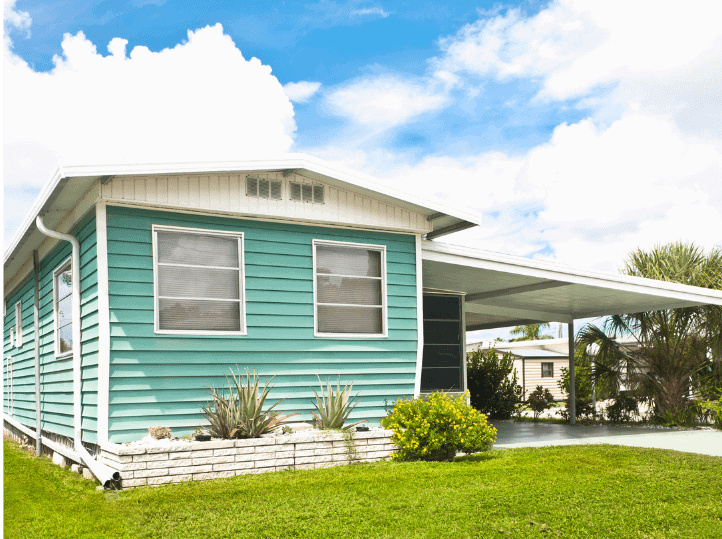
    New vs Used Mobile Home

    Another advantage of a new mobile home is the potential for customization. Buyers can select floor plans, finishes, and appliances to match their preferences. Warranties are typically included, covering structural issues or defects during the initial years.

    However, new mobile homes come with higher upfront costs. You may also experience depreciation, as the home loses value once it leaves the factory.

    Advantages of Buying a Used Mobile Home

    Used mobile homes often provide a more affordable entry into homeownership. They typically have a lower purchase price than new homes, making them attractive for buyers on a budget. Lower costs may also reduce the amount of financing needed.

    In many cases, used homes are already located on a plot of land. This eliminates the need to purchase or lease land separately, which saves time and money. Additionally, buying a pre-owned home can provide an opportunity to negotiate pricing with the seller.

    On the downside, used mobile homes may require repairs or upgrades. Older homes must meet energy efficiency or safety standards, increasing ongoing costs.

    Comparing Maintenance Costs

    Maintenance is important when choosing between a new vs. used mobile home. New homes usually need fewer repairs during the first few years. Modern materials and construction techniques ensure durability and reduce long-term expenses.

    Used homes, particularly older ones, may require more frequent maintenance. Roofing, plumbing, and electrical systems can wear out over time. Buyers should carefully inspect these systems before purchasing a used mobile home to avoid unexpected repair costs.

    A new mobile home might be better if you’re unprepared for regular upkeep.

    Depreciation and Resale Value

    Mobile homes tend to depreciate, but the rate of depreciation can vary. New mobile homes lose value more quickly than used ones, similar to how a new car depreciates after purchase. This rapid decline may concern buyers looking for a long-term investment.

    Used mobile homes, on the other hand, have already undergone the steepest depreciation. While they may still lose value, the rate is often slower. If resale potential matters to you, this is an essential factor to consider.

    Energy Efficiency and Features

    Energy efficiency is another area where new mobile homes excel. Many new models include energy-efficient windows, insulation, and appliances. These features can lower monthly utility bills and reduce your environmental footprint.

    Used mobile homes may lack modern energy-saving technology. Older models often have single-pane windows, outdated insulation, and less efficient heating or cooling systems. Retrofitting these homes with newer features is possible but adds to the cost.

    Financing Options for New vs. Used Mobile Homes

    Securing financing for a new mobile home can be easier than a used one. Lenders are often more willing to finance new homes due to their higher value and longer lifespan. Additionally, many manufacturers work with financing companies to provide loans directly to buyers.

    Financing used mobile homes can be more challenging, especially for older units. Lenders may require a larger down payment or charge higher interest rates. Cash buyers often have more bargaining power in the used mobile home market.

    Factors to Consider Before Buying

    1. Budget

    Your budget will likely play the largest role in your decision. New mobile homes cost more upfront, while used homes often require more maintenance and upgrades.

    2. Location

    A new mobile home might be a better choice if you own land. For those seeking convenience, a used home in a desirable location could save time and effort.

    3. Long-Term Goals

    Consider whether you’re buying for long-term living or a shorter investment. New homes offer better energy efficiency and fewer initial repairs, while used homes might suit those looking to minimize upfront costs.

    Inspecting a Used Mobile Home

    Thorough inspections are crucial when buying a used mobile home. Check the roof for leaks, the flooring for damage, and the walls for cracks. Pay attention to plumbing, electrical systems, and heating or cooling units. Hiring a professional inspector can help identify potential issues.

    The Final Choice: New vs. Used Mobile Home

    Choosing between a new and used mobile home depends on your needs, priorities, and financial situation. New homes offer customization, energy efficiency, and fewer repairs, but they come at a higher price. Used homes are budget-friendly and often located on existing plots, but they may require upgrades and maintenance.

    By weighing these factors carefully, you can decide which option aligns best with your goals.


    See Also:


  • Passive Income Strategies with Mobile Home Rentals

    Mobile home rental income offers a practical way to build a steady passive income stream. With affordable entry costs and high demand for budget-friendly housing, mobile homes can be a wise investment. You can turn these properties into reliable income-generating assets by carefully planning and managing rentals. Below, we explore practical strategies for earning passive income through mobile home rentals.

    Why Choose Mobile Home Rentals for Passive Income?

    Mobile homes offer an affordable entry point for real estate investors compared to traditional properties. Their lower cost means you can purchase multiple units and diversify your portfolio. Additionally, there is a strong demand for affordable housing in many areas, which keeps vacancy rates low. This combination of affordability and demand makes mobile home rentals an attractive option.

    Another advantage is the flexibility of ownership models. You can own both the mobile home and the land on which it sits or lease land while owning only the house. Each approach has benefits, depending on your financial goals and the local market.

    mobile home rentals florida

    Steps to Get Started in Mobile Home Rentals

    1. Research Local Markets

    Understanding your target market is the first step in mobile home investing. Look for areas with strong demand for affordable housing, such as regions with high apartment rents or tight rental markets. Check local zoning laws and regulations for mobile home parks to avoid legal complications.

    2. Choose the Right Property

    Finding the right property is crucial for success. Decide whether to invest in individual homes, parks, or land on which to build homes. Inspect properties thoroughly to ensure they meet safety and maintenance standards.

    3. Develop a Maintenance Plan

    Well-maintained properties attract quality tenants and reduce long-term expenses. Create a system for regular inspections and repairs to keep your units in good condition. Proper maintenance protects your investment and keeps tenants satisfied.

    Income Potential from Mobile Home Rentals

    Mobile home rental income can provide consistent cash flow when managed properly. Rent payments often exceed mortgage or financing costs, leaving you a monthly profit. Mobile homes also require less capital to purchase, meaning lower debt obligations.

    For example, if you purchase a mobile home for $50,000 and rent it for $800 monthly, your yearly rental income is $9,600. Subtract operating expenses, and you could still achieve a significant return on investment.

    Key Strategies to Maximize Rental Income

    1. Offer Competitive Rent

    Price your units competitively to attract tenants quickly—research comparable properties in the area to determine the correct rental rate. Keeping your units occupied ensures steady income without extended vacancies.

    2. Target Long-Term Tenants

    Long-term tenants reduce turnover costs and provide stability. To attract them, offer lease agreements that reward longer stays, such as slight discounts or perks for signing multi-year leases.

    3. Add Extra Services

    Consider offering additional services like trash collection, lawn care, or utilities. Including these services in the rent can make your property more appealing while providing extra revenue.

    Managing Mobile Home Rentals

    Efficient management is essential for passive income. Whether you self-manage or hire a property management company, having systems in place helps you avoid common pitfalls.

    Self-Management Tips

    If you prefer to manage the property yourself, invest time in learning about tenant screening, lease agreements, and local regulations. Good communication with tenants builds trust and reduces disputes.

    Hiring a Management Company

    If you prefer a hands-off approach, hire a property management company. They handle tasks like rent collection, maintenance, and tenant relations. While this comes with a cost, it can save you time and stress.

    The Role of Mobile Home Parks

    Owning or investing in mobile home parks adds another layer of income potential. Park owners collect lot rent from tenants who own their mobile homes. This model shifts maintenance responsibilities to tenants while providing a steady income from lot leases.

    You can also increase profits by upgrading park facilities, such as adding recreational areas or security features. Enhanced amenities attract more tenants and justify higher lot rents.

    Tax Benefits and Mobile Home Investments

    Investing in mobile homes comes with several tax benefits. Depreciation on the structure, mortgage interest deductions, and maintenance costs can lower your tax liability. Consult a tax professional to maximize these advantages while ensuring compliance with tax laws.

    Challenges and How to Overcome Them

    While mobile home rental income can be lucrative, there are challenges to consider. These include:

    • Tenant Turnover: Minimize turnover with thorough tenant screening and clear lease terms.
    • Repairs and Maintenance: Budget for regular upkeep to avoid unexpected costs.
    • Regulatory Issues: Stay informed about zoning laws and local mobile home regulations.

    Addressing these challenges, you can proactively protect your investment and maintain consistent income.

    Is Mobile Home Rental Income Right for You?

    Mobile home rentals are an excellent option for investors seeking passive income. Their affordability, high demand, and tax advantages make them appealing. However, success depends on careful planning and effective management. If you are ready to commit to this strategy, mobile homes can become a reliable source of income for years.


    See Also:

  • Insurance Tips for Mobile Home Owners in Florida

    Owning a mobile home in Florida comes with unique challenges, especially regarding insurance. Florida is known for its unpredictable weather, with hurricanes, floods, and heavy storms being common. This makes having the right insurance coverage crucial. Mobile homes face specific risks, and insurance coverage is vital to ensure the safety of your property and belongings. This article provides key insurance tips for mobile homeowners in Florida to help protect your home and assets.

    Why Mobile Home Insurance is Important

    Mobile home insurance protects your property from damage, theft, and natural disasters. It’s even more critical in Florida due to the state’s vulnerability to severe weather. Mobile homes are more susceptible to certain risks, so having the right coverage can make all the difference.

    • Protection from natural disasters: Hurricanes, storms, and flooding are frequent in Florida, making mobile home insurance a must.
    • Security for personal property: Personal belongings like electronics, furniture, and clothes need coverage against theft or damage.
    • Liability protection: In case of an accident on your property, liability insurance protects you from legal and medical expenses.

    insurance tips for mobile homeowners in Florida

    1. Understand Your Coverage Options

    Before selecting an insurance policy, it’s essential to understand the different types of coverage available for mobile homes. Mobile home insurance policies typically offer:

    • Dwelling Coverage covers the physical structure of your mobile home, including the walls, floors, roof, and foundation.
    • Personal Property Coverage: Covers personal belongings such as furniture, appliances, and electronics.
    • Liability Coverage: Protects you if someone is injured on your property or if you cause damage to someone else’s property.
    • Additional Living Expenses: Covers temporary housing costs if your mobile home is uninhabitable after a covered event.
    • Flood Insurance: Typically not included in standard policies, but essential in flood-prone areas.

    2. Choose the Right Coverage for Your Needs

    Selecting the right coverage is crucial to ensuring your mobile home is fully protected. When determining the amount of coverage you need, consider your home’s location, value, and personal needs.

    • Location: If your mobile home is in a high-risk area for hurricanes or flooding, ensure you have sufficient windstorm and flood insurance.
    • Value of your home: Ensure the dwelling coverage is enough to repair or replace your mobile home if it’s destroyed.
    • Personal belongings: Consider the value of your items and make sure your personal property coverage is adequate.
    • Liability: If you often host visitors or have pets, you may need higher liability limits to protect against potential accidents.

    3. Shop Around for the Best Rates

    Insurance premiums can vary significantly between providers, so shopping around is important to find the best deal. Here are a few tips to help you find the most affordable coverage:

    • Get multiple quotes: Contact insurance companies to compare rates and coverage options.
    • Check for discounts: Many insurers offer discounts for bundling policies, having safety features, or maintaining a claims-free history.
    • Consider local insurers: Some insurance companies specialize in Florida’s unique risks, especially regarding hurricanes and floods.

    4. Don’t Overlook Flood Insurance

    Flooding is one of the most significant risks for mobile homeowners in Florida. Standard mobile home insurance policies typically don’t cover flood damage, so purchasing a separate flood insurance policy is essential.

    • Risk of flooding: Florida is highly susceptible to floods, especially in coastal and low-lying areas.
    • Mandatory for specific areas: If you live in a flood zone, your mortgage lender may require you to purchase flood insurance.
    • Flood insurance coverage covers damage caused by rising waters, unlike water damage from other sources like broken pipes.

    5. Understand Hurricane and Windstorm Coverage

    Florida’s hurricane season lasts from June to November, making windstorms and hurricane coverage critical for mobile homeowners. Most Florida mobile home policies include this coverage, but it’s essential to understand how it works.

    • Windstorm coverage: Covers damage caused by high winds, including hurricanes. This includes damage to the roof, windows, and walls.
    • Hurricane deductible: Many policies have a separate deductible for hurricane-related claims, typically 2% to 5% of the home’s value.
    • Additional protection: Consider installing impact-resistant windows, reinforced doors, and roof straps to reduce hurricane damage and lower premiums.

    6. Review Coverage Limits and Deductibles

    When selecting a mobile home insurance policy, reviewing the coverage limits and deductibles is essential. These two factors affect how much you’ll pay in premiums and what you’ll need to pay out of pocket in case of a claim.

    • Coverage limits: Ensure coverage is sufficient to rebuild your mobile home and replace your personal property. Underestimating this amount can leave you underinsured.
    • Deductibles: The deductible is the amount you must pay before your insurer covers a claim. Choosing a higher deductible can lower your premium, but you’ll need to be prepared to pay more in case of a claim.
    • Flood and hurricane deductibles: These types of deductibles may be higher than the standard deductible for other claims.

    7. Consider Additional Coverage Options

    While basic mobile home insurance covers essential aspects, additional coverage can provide extra protection. Consider adding the following to your policy:

    • Personal Liability Insurance: Provides coverage if someone is injured on your property or if you accidentally cause damage to someone else’s property.
    • Guest Medical Insurance: Covers medical expenses for guests injured on your property, even if you aren’t found at fault.
    • Detached Structures: If you have sheds, carports, or fences, ensure they are included in your policy.
    • Loss of Use: Covers living expenses if you need to temporarily relocate due to damage to your home from a covered event.

    8. Maintain and Upgrade Your Mobile Home

    Proper maintenance and upgrades can reduce risks and lower your insurance premiums. Regular upkeep can also extend the life of your mobile home and help prevent costly repairs.

    • Upgrade electrical and plumbing: Modernizing these systems reduces the risk of fire or water damage, which may result in lower premiums.
    • Anchor your mobile home: In high-wind areas, ensuring your mobile home is properly anchored can help prevent extensive damage from hurricanes.
    • Install storm shutters: Adding storm shutters or impact-resistant windows can reduce the risk of damage and may lower insurance costs.

    9. Know What’s Not Covered

    Understanding the exclusions in your mobile home insurance policy is just as important as knowing what’s covered. Ensure you know any limits or exclusions that might affect your claims.

    • Pest damage: Most policies do not cover damage caused by pests like termites or rodents.
    • Negligence: Damage caused by neglect or failure to maintain the home may not be covered.
    • Routine wear and tear: Standard policies do not cover normal wear and tear or cosmetic damage.
    • Certain natural disasters: Some natural disasters, like earthquakes or landslides, may not be covered unless added separately.

    10. Review Your Policy Annually

    Insurance needs can change over time, so reviewing your policy at least once a year is essential. Changes in your lifestyle, home, or the local environment may require adjustments to your coverage.

    • Update coverage for improvements: If you’ve made significant improvements to your mobile home, such as adding a new roof or expanding the structure, update your coverage.
    • Check for new discounts. Many insurers offer new discounts each year for installing security systems or upgrading your home’s infrastructure.
    • Reevaluate your needs: As your home’s or personal property’s value changes, ensure your coverage limits are adjusted accordingly.

    11. Keep an Inventory of Your Belongings

    Having an inventory of your belongings will make it easier to file a claim in case of damage or theft. It will also help you avoid disputes about the value of your possessions.

    • Take photos: Regularly photograph your belongings, especially high-value items like electronics, furniture, and jewelry.
    • Record serial numbers: Keep a list of serial numbers for valuable electronics or appliances, as this can help identify stolen property.
    • Store safely: Keep a copy of your inventory in a secure, fireproof location or store it online for easy access.

    Conclusion

    Mobile home insurance in Florida is crucial to protect your home and belongings from the state’s unpredictable weather and other risks. By understanding your insurance options, comparing rates, and ensuring you have the right coverage, you can have peace of mind knowing your home is well-protected. Don’t forget to review your policy regularly, maintain your mobile home, and invest in additional coverage if necessary. With the right insurance plan, you can confidently enjoy your mobile home in Florida.


    See Also:


  • Affordable Flooring Options for Mobile Homes

    When you live in a mobile home, choosing the right flooring is essential for style and functionality. The floor you select must be durable, easy to maintain, and affordable. Fortunately, several affordable flooring options for mobile homes can help you enhance the look of your space without breaking the bank. This guide explores the best flooring choices for mobile homes, focusing on budget-friendly options that offer great value.

    Factors to Consider When Choosing Flooring for Mobile Homes

    Before diving into specific flooring options, it’s essential to consider a few key factors:

    • Durability: Mobile homes often face shifting, which can affect flooring materials. Choose options that can withstand movement.
    • Moisture resistance: Mobile homes may face moisture-related issues, especially in humid areas like Florida. Flooring needs to handle humidity and spills.
    • Ease of installation: Some flooring types are easier to install than others. DIY-friendly options can save on installation costs.
    • Maintenance: Consider how easy it is to clean and maintain your flooring over time. Some materials require more care than others.

    affordable mobile home flooring

    1. Vinyl Flooring

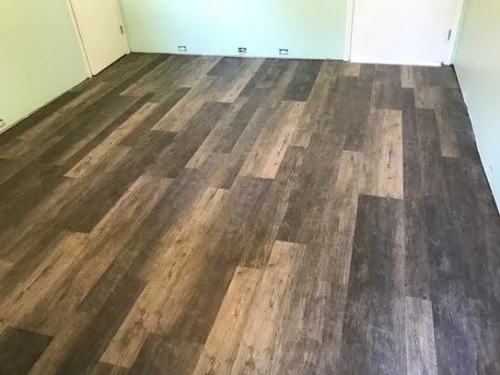
    Vinyl flooring is one of the most popular choices for mobile homes due to its durability, affordability, and ease of maintenance. Vinyl can mimic the look of wood, tile, or stone, offering a variety of aesthetics without the hefty price tag.

    • Durability: Vinyl is highly resistant to wear, moisture, and stains, making it an excellent choice for high-traffic areas.
    • Variety of styles: Vinyl comes in many styles, including sheet vinyl, vinyl planks, and vinyl tiles, allowing you to choose a look that suits your home.
    • Easy to install: Vinyl planks and tiles, even for DIYers, are often easy to install.
    • Cost-effective: Vinyl flooring ranges from $1 to $5 per square foot.

    Pros:

    • Water and stain-resistant.
    • Available in many designs and colors.
    • Affordable and easy to install.

    Cons:

    • Can be scratched or dented if not properly maintained.
    • May not add as much value to your home as other flooring options.

    2. Laminate Flooring

    Laminate flooring is another budget-friendly option that can provide the look of wood or tile at a fraction of the cost. It’s a synthetic material that mimics the appearance of natural wood.

    • Affordability: Laminate flooring is one of the least expensive options, typically costing between $1 and $4 per square foot.
    • Easy to install: Many laminate flooring options feature a click-lock installation system, making them popular choices for DIY projects.
    • Durability: Laminate is durable and resistant to scratches, fading, and stains. It is an excellent choice for high-traffic areas.
    • Variety of styles: Laminate is available in various finishes, from hardwood to stone looks.

    Pros:

    • Durable and easy to clean.
    • Comes in various designs that mimic real wood or stone.
    • Affordable and cost-effective.

    Cons:

    • Not as water-resistant as vinyl, so it’s not ideal for wet areas like bathrooms.
    • Can be damaged by standing water or excessive moisture.

    3. Carpet

    Carpet is a classic flooring that provides warmth and comfort, especially in living rooms and bedrooms. It’s relatively affordable and available in various textures, colors, and pile heights.

    • Affordable: Depending on the material and quality, basic carpet options can cost as little as $1 to $3 per square foot.
    • Comfort: Carpet adds a soft, cozy feel to rooms, making it ideal for areas where you want to relax, like living rooms and bedrooms.
    • Variety: Carpets are available in various colors, patterns, and textures, so you can find something that matches your mobile home’s style.
    • Easy to replace: If damaged, individual carpet sections can be replaced without redoing the entire room.

    Pros:

    • Comfortable and warm underfoot.
    • Available in a wide range of colors and styles.
    • Relatively easy to replace or update.

    Cons:

    • Can stain easily and is difficult to clean.
    • Not ideal for high-moisture areas like bathrooms and kitchens.
    • Requires regular maintenance, including vacuuming and occasional deep cleaning.

    4. Ceramic or Porcelain Tile

    While ceramic and porcelain tiles are generally more expensive than other options, affordable versions are available, especially when you opt for smaller tiles or simpler designs.

    • Durability: Tiles are incredibly durable and can last many years if installed correctly.
    • Water resistance: Ceramic and porcelain tiles are water-resistant, ideal for kitchens, bathrooms, and other moisture-prone areas.
    • Easy to maintain: Tiles are easy to clean and require minimal maintenance over time.
    • Variety of options: Tiles come in various colors, patterns, and sizes, so you can create a custom look for your space.

    Pros:

    • Water-resistant and easy to clean.
    • Long-lasting and durable.
    • Ideal for kitchens and bathrooms.

    Cons:

    • Installation can be more expensive and complex.
    • Can be cold and hard underfoot unless paired with a radiant heating system.
    • Tiles can crack or chip if not handled carefully.

    5. Cork Flooring

    Cork flooring is a sustainable, eco-friendly option that offers comfort and style. It’s softer than wood or tile, making it comfortable for standing or walking for long periods.

    • Eco-friendly: Cork is a renewable resource, making it an environmentally friendly flooring choice.
    • Comfortable: Cork is soft and cushioned, providing a more relaxed feel underfoot than tile or laminate.
    • Noise reduction: Cork has excellent sound-absorbing qualities, making it ideal for mobile homes where noise can travel.
    • Affordable: Cork flooring is relatively inexpensive, ranging from $2 to $5 per square foot.

    Pros:

    • Soft and comfortable to walk on.
    • Eco-friendly and sustainable.
    • Good for noise reduction.

    Cons:

    • Can be damaged by sharp objects or heavy furniture.
    • Needs periodic sealing to protect it from moisture.
    • Not as widely available as other flooring types.

    6. Vinyl Sheet Flooring

    Vinyl sheet flooring is another affordable option for mobile homes, particularly in kitchens and bathrooms. It comes in large rolls and offers seamless installation.

    • Water-resistant: Vinyl sheet flooring is highly water-resistant, making it an ideal choice for areas exposed to moisture.
    • Affordable: Vinyl sheet flooring is one of the most budget-friendly options, with prices typically ranging from $1 to $3 per square foot.
    • Easy to maintain: Vinyl is easy to clean and maintain, requiring only regular sweeping and occasional mopping.
    • Variety of designs: Vinyl sheet flooring comes in many patterns and styles, allowing you to create your desired look.

    Pros:

    • Affordable and easy to install.
    • Water-resistant and easy to clean.
    • Comfortable and soft underfoot.

    Cons:

    • Can be prone to tearing or scratching over time.
    • Seams may become worn or damaged with heavy use.
    • Limited aesthetic appeal compared to more upscale flooring options.

    7. Bamboo Flooring

    Bamboo is a sustainable and affordable flooring option that offers a unique, natural look. It is becoming increasingly popular due to its durability and eco-friendliness.

    • Durability: Bamboo is strong and durable, providing long-lasting performance in your mobile home.
    • Eco-friendly: Bamboo is a renewable resource, making it an environmentally friendly option for homeowners.
    • Variety: Bamboo comes in various styles and finishes, allowing you to choose a look that fits your home.
    • Affordability: Bamboo flooring is affordable, ranging from $2 to $6 per square foot.

    Pros:

    • Strong, durable, and eco-friendly.
    • Attractive natural look.
    • Easy to maintain and clean.

    Cons:

    • Can be scratched or dented easily.
    • Not ideal for high-moisture areas unless properly sealed.
    • Installation can be challenging for DIYers.

    Conclusion

    When choosing flooring for your mobile home, it’s important to consider both budget and functionality. The options listed here provide a variety of styles, durability levels, and price points to suit any home. Whether you’re looking for the water resistance of vinyl, the comfort of carpet, or the eco-friendly benefits of cork, there is a flooring solution that will meet your needs. By selecting the right material for your space and lifestyle, you can enhance your mobile home’s aesthetic and value while keeping costs low.


    See Also:

  • Best Times of the Year to Sell a Florida Mobile Home

    Selling a mobile home in Florida can be profitable if you time it right. The state’s real estate market fluctuates throughout the year, and understanding the best times to sell can help you maximize your sale price. This article explores the optimal times of the year to list your mobile home and tips for making the sale successful.

    Understanding Florida’s Real Estate Market

    Before determining the best times to sell, it’s essential to understand Florida’s unique real estate market. The state experiences high demand from snowbirds, retirees, and seasonal residents, which play a significant role in determining the best time to sell a mobile home.

    • Snowbird influx: Many people flock to Florida for the winter months, looking for vacation homes or affordable permanent residences.
    • Retirement destination: Florida is a top destination for retirees, which drives the demand for mobile homes.
    • Seasonal demand: Florida’s housing market is heavily influenced by seasons, with more buyers active in certain months.

    Winter Months: Peak Season for Snowbirds

    The winter months, particularly from December to April, are often the best time to sell a mobile home in Florida. Snowbirds—individuals who live in northern states during the summer and head to Florida in the winter—actively seek homes during this period.

    best time of the year to sell a mobile home

    • Higher demand: Snowbirds typically rent or buy homes to enjoy Florida’s warm weather, which leads to more buyers.
    • Market activity: Demand increases during these months since many mobile home parks cater to retirees and snowbirds.
    • Favorable climate: Florida’s mild winter weather appeals more to those looking to avoid harsh winters up north.

    Spring: Transition Period and Increased Interest

    Spring spans from March to May, another intense selling period in Florida. As the weather warms, many people consider moving to Florida.

    • Increased interest: Buyers start looking for homes in the spring, anticipating their summer relocation.
    • Ideal selling conditions: The weather is pleasant, and buyers are eager to find homes before the summer heat hits.
    • Preparing for summer: People often seek a mobile home before the intense Florida heat arrives, making spring an ideal time for sales.

    Summer Months: Slower Sales but Opportunity for Relocation

    From June to August, the summer months generally see slower sales in Florida. High temperatures and the approaching hurricane season can make buyers hesitant. However, there are still opportunities for sellers to make a deal.

    • Hot market for relocators: Some people still want to relocate to Florida during summer, especially if they have family or job offers.
    • Lower competition: Since sales tend to slow down in summer, there may be less competition, benefiting motivated sellers.
    • Targeted buyers: Families with the flexibility to move during summer may be actively looking for a home.

    Fall: Pre-Hurricane Season and Low Inventory

    From September to November, fall is typically the slowest season for mobile home sales in Florida. Hurricane season peaks during this period, which often deters buyers. However, this time still presents opportunities if you know how to navigate the market.

    • Pre-hurricane concerns: Buyers are often wary of purchasing homes during hurricane season due to potential damage and repairs.
    • Low inventory: Since fewer homes are listed during the fall, your mobile home may stand out more to prospective buyers.
    • Cautious buyers: Some buyers may still be actively searching, particularly if they plan to move before the winter season.

    Best Times for Different Types of Buyers

    The best times to sell a mobile home in Florida depend on the type of buyers you are targeting. Understanding the needs of various groups can help you tailor your sale strategy.

    1. Snowbirds and Retirees

    • Best time: Late fall to early spring (October to April).
    • Why: Snowbirds typically buy or rent homes during Florida’s peak season, seeking refuge from colder climates.

    2. Families and Year-Round Residents

    • Best time: Spring and summer (March to June).
    • Why: Families often relocate during the summer when school is out. Spring also offers more flexibility for moving before summer.

    3. Investors and Renters

    • Best time: Fall and winter (October to February).
    • Why: Investors may look for deals during the off-peak season, and renters might seek a mobile home for the upcoming winter months.

    How to Maximize Your Sale Price

    You need to consider a few strategies to sell your mobile home quickly and for a good price. Timing is crucial, but so is preparing your home for potential buyers. Here are some tips to help maximize your sale price.

    1. Make Necessary Repairs

    • Upgrade systems: Ensure plumbing, electrical, and HVAC systems are working well.
    • Curb appeal: Freshen up the exterior with landscaping or a new coat of paint to attract buyers.
    • Fix visible damage: Repair any visible damage to walls, flooring, or appliances to create a polished look.

    2. Stage Your Mobile Home

    • Clean and declutter: A clean, organized home will help buyers envision themselves living there.
    • Showcase space: Highlight the most appealing features, such as large windows, storage space, or updated kitchens.
    • Neutral decor: Use neutral colors to make the space feel inviting and appealing to a broad audience.

    3. Price Strategically

    • Research the market: Look at comparable mobile homes in your area to set a competitive price.
    • Be realistic: Pricing your home too high can lead to long listing times, while pricing too low can undervalue your property.
    • Consider appraisals: A professional appraisal can help justify your asking price.

    4. Use Effective Marketing

    • Professional photos: High-quality photos can make your listing stand out online.
    • Advertise online: List your mobile home on popular real estate websites, social media, and local classifieds.
    • Highlight key features: Emphasize unique selling points such as upgraded appliances, location, or community amenities.

    5. Be Flexible with Negotiations

    • Willingness to negotiate: Be prepared for buyers to request a lower price or additional incentives.
    • Consider incentives: Offering to cover closing costs or providing a home warranty can attract more buyers.

    What to Avoid When Selling Your Mobile Home

    While many strategies exist to make your mobile home more marketable, certain actions can hurt your sales prospects. Avoid the following mistakes when selling your home.

    1. Overpricing

    • Why: Overpricing your mobile home can discourage potential buyers, resulting in long days on the market.
    • Solution: Price your home according to comparable sales in your area to remain competitive.

    2. Neglecting Necessary Repairs

    • Why: Failing to fix problems like leaky plumbing or damaged roofing can deter buyers.
    • Solution: Make essential repairs to show your home is well-maintained and ready to move into.

    3. Ignoring Curb Appeal

    • Why: A poorly maintained exterior can give buyers a better impression of your home.
    • Solution: Take care of basic landscaping, clean the driveway, and paint the exterior if needed.

    4. Delaying the Sale

    • Why: Waiting too long to list your mobile home can result in missed opportunities, especially during peak seasons.
    • Solution: List your home when demand is high and avoid waiting until the market slows.

    Conclusion

    Timing is crucial when selling a mobile home in Florida. The best times to sell are typically during the winter and spring, when demand is highest. However, understanding your target buyer and market trends can help you choose the optimal time to list your home. You can maximize your chances of a successful sale by making necessary repairs, staging your home, strategically pricing, and marketing effectively. Avoid common pitfalls and stay proactive throughout the process to get the best possible price for your mobile home.


    See Also:


  • Hidden Costs to Consider When Purchasing a Mobile Home

    Purchasing a mobile home can seem like an affordable alternative to traditional homeownership, but it comes with hidden costs. Many buyers focus on the initial price, but overlooking additional expenses can lead to unexpected financial strain. This guide helps you navigate the hidden costs of buying a mobile home.

    1. Land and Lot Fees

    One of the most significant hidden costs involves the land or lot fees. These fees can add up quickly if you purchase a mobile home that requires renting land in a park.

    • Monthly lot rent: In mobile home parks, you will pay monthly rent for the land your home occupies.
    • Costs vary: Rent can range from $200 to $1,000, depending on location, amenities, and park rules.
    • Not included in mortgage: Lot rent is separate from your mortgage payment and may increase over time.

    2. Insurance Costs

    Mobile home insurance is often more expensive than traditional homeowners insurance. You must protect your home and its contents, especially in hurricane-prone areas like Florida.

    • Insurance policies: Mobile home policies typically cover the home structure, personal property, and liability.
    • Premium costs: Insurance premiums can range from $300 to $2,000 annually, depending on coverage and location.
    • Flood insurance: Additional flood insurance may be required, especially in flood-prone areas.

    mobile home hidden costs

    3. Maintenance and Repairs

    Mobile homes require maintenance to keep them in good condition. Many people need to pay more attention to the ongoing costs of repairs and upkeep.

    • Roof maintenance: Mobile home roofs are often flat or low-pitched, requiring regular inspections and maintenance.
    • Plumbing and electrical: Older homes may require updates to meet modern standards.
    • Foundation repairs: Mobile homes can shift over time, so you may need foundation repairs to prevent structural damage.

    4. Utilities and Energy Costs

    Utility costs vary widely based on your mobile home’s size, age, and location. Older mobile homes often have inefficient insulation, leading to higher energy bills.

    • Heating and cooling: Poor insulation can lead to higher heating and cooling costs, especially in extreme climates.
    • Electricity and water: Utility rates can increase depending on your local provider.
    • Water and sewer: Some parks charge for water and sewer services, while others include them in lot fees.

    5. Financing Costs

    Financing a mobile home is not always straightforward, and interest rates tend to be higher than traditional homes.

    • Higher interest rates: Mobile home loans usually have higher interest rates because lenders consider them riskier investments.
    • Loan term: Loan terms for mobile homes tend to be shorter than for traditional mortgages, which means higher monthly payments.
    • Down payment: You may need to make a larger down payment, mainly if the home is older or in a park.

    6. Property Taxes

    While mobile homes are generally less expensive than traditional homes, they are still subject to property taxes.

    • Tax assessments: Property taxes are based on the home’s value, which can fluctuate over time.
    • Local tax rates vary depending on the county or municipality, and some areas have higher property tax rates than others.
    • Tax increases: Be prepared for annual increases, which can impact your budget.

    7. HOA or Park Fees

    Many mobile home parks charge homeowners additional fees for amenities and services. These fees are often overlooked but can add significant costs.

    • Monthly park fees: Parks may charge fees for maintenance, security, or amenities like a clubhouse or pool.
    • Homeowner’s association (HOA): Some mobile home communities are governed by an HOA, which may charge monthly or annual fees.
    • Fee increases: These fees can increase over time, sometimes unexpectedly.

    8. Moving and Setup Costs

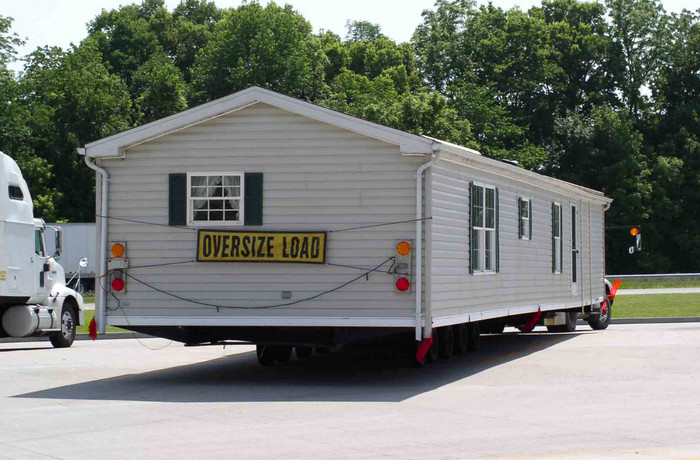
    If you purchase a mobile home that needs to be moved, you will incur additional expenses for transport and setup.

    • Transporting the home: The cost of moving a mobile home varies depending on its size and distance.
    • Setup costs: After the home is moved, you may need to pay for setup, including leveling, foundation work, and utility hookups.
    • Special permits: Some areas require permits for moving mobile homes, adding additional costs.

    9. Depreciation

    Unlike traditional homes, mobile homes tend to depreciate over time. This means the value of your investment may decline faster than you expect.

    • Declining value: Mobile homes generally lose value, especially as they age.
    • Market fluctuations: Local market conditions can impact the resale value of your home.
    • Financing challenges: Depreciation makes refinancing or selling your mobile home harder for a profit.

    10. Home Inspection Costs

    Before purchasing a mobile home, inspecting it to avoid hidden issues is wise. The cost of a professional home inspection is an additional upfront expense.

    • Inspection fees: Home inspection costs for mobile homes typically range from $300 to $500.
    • Potential repairs: An inspection may uncover foundation problems, plumbing leaks, or electrical hazards that need repair.
    • Negotiating repairs: You may need to negotiate the cost of repairs with the seller or adjust your offer.

    11. Upgrades and Customization

    To personalize your mobile home, be prepared for additional costs. Many buyers need to pay more attention to the price of upgrades or renovations.

    • Interior upgrades: Customizing interiors with new flooring, appliances, or paint can be costly.
    • Outdoor upgrades: If you own the land, add a deck, landscaping, or a fence.
    • Modernization: Older mobile homes may need to be updated to meet current standards or improve energy efficiency.

    12. Insurance Gaps

    While mobile home insurance covers certain aspects of the home, some areas might be excluded.

    • Personal property coverage: Not all policies cover personal belongings inside the mobile home, so you may need renter’s insurance.
    • Flooding or storm damage: Mobile homes are more vulnerable to weather damage, and standard insurance may not cover flooding or storms.
    • Additional coverage: You may need specialized coverage for extreme weather or other risks.

    13. Unforeseen Costs During Ownership

    Owning a mobile home comes with unexpected costs. Over time, issues may arise that were not initially apparent.

    • Repairs from wear and tear: As mobile homes age, they require more frequent repairs.
    • Replacement parts: Finding replacement parts for older mobile homes can be difficult and expensive.
    • Increased maintenance needs: Over time, wear and tear can require ongoing maintenance, increasing expenses.

    Conclusion

    While mobile homes offer affordability, they come with many hidden costs. It’s important to consider all expenses beyond the purchase price to avoid financial surprises. From land fees and insurance to maintenance and repairs, these costs can add up quickly. By understanding and preparing for these expenses, you can make a more informed decision when purchasing a mobile home. Always budget for the long-term costs to ensure your mobile home remains a wise investment.


    See Also:


  • Florida Mobile Home Market Trends in 2025

    Florida’s mobile home market continues to grow, driven by demand for affordable housing and an influx of new residents. The Sunshine State’s unique climate, lifestyle, and cost-effective living make it a hotspot for mobile home buyers and renters. Here are the key trends shaping the mobile home market in 2025.

    Growing Demand for Affordable Housing

    Florida’s population is expanding rapidly, increasing demand for affordable housing options like mobile homes. High home prices and rental rates are pushing people toward mobile home living.

    Mobile homes provide an affordable alternative to traditional housing. They offer lower costs for both ownership and monthly living expenses. As inflation affects other housing options, mobile homes remain appealing for budget-conscious buyers.

    Florida mobile home market

    Increased Popularity Among Retirees

    Florida has long been a retirement destination, and mobile homes are a favorite choice for retirees. This trend is expected to continue in 2025.

    • Retirees prefer mobile homes for their affordability and low maintenance.
    • Many mobile home communities cater specifically to seniors, offering amenities like clubhouses, pools, and organized activities.
    • Florida’s warm climate and tax benefits for retirees add to the appeal.

    Eco-Friendly Mobile Homes on the Rise

    Sustainability, including mobile homes, is becoming a key factor in the housing market. In 2025, buyers will seek eco-friendly options.

    • Manufacturers are using recycled materials and energy-efficient designs to attract environmentally conscious buyers.
    • Solar panels, energy-efficient windows, and smart home features are becoming standard in new mobile homes.
    • Buyers see eco-friendly mobile homes as cost-effective and environmentally responsible.

    Technological Advancements in Mobile Homes

    Technology is transforming mobile homes, making them more modern and functional. In 2025, innovative features will be a significant trend.

    • Smart thermostats, lighting, and security systems are increasingly common in mobile homes.
    • Homebuyers appreciate the convenience and energy savings that technology provides.
    • Mobile home parks are upgrading to offer Wi-Fi and charging stations for electric vehicles.

    Shift Toward Long-Term Rentals

    Renting mobile homes will become more popular in 2025, especially among young professionals and families. Long-term rental demand is rising.

    • Renters see mobile homes as an affordable option compared to traditional apartments.
    • Long-term leases provide stability without the commitment of homeownership.
    • Mobile home parks are adapting to cater to renters by adding more amenities.

    Urbanization of Mobile Home Parks

    Mobile home parks in urban and suburban areas are gaining attention in 2025. These parks provide affordable housing near city centers.

    • Urban mobile home parks offer proximity to jobs, schools, and public transportation.
    • Developers are creating mixed-use parks with retail, dining, and recreational facilities.
    • Younger demographics are showing interest in urban mobile home living.

    Florida’s Regional Market Differences

    The mobile home market in Florida varies by region, with distinct trends shaping different areas in 2025.

    1. South Florida

    • South Florida sees high demand due to its vibrant cities and beaches.
    • Mobile home prices in this region are higher compared to other parts of Florida.
    • Many buyers here are seasonal residents or retirees seeking winter homes.

    2. Central Florida

    • Central Florida is attracting families and professionals with affordable prices and job opportunities.
    • This region is appealing because of proximity to Orlando’s attractions and growing cities like Lakeland.
    • Mobile home parks here offer diverse amenities and spacious layouts.

    3. North Florida

    • North Florida provides quieter living and lower costs, making it ideal for retirees and budget-conscious buyers.
    • This region is known for its natural beauty, including forests and rivers.
    • Buyers appreciate the slower pace and access to outdoor activities.

    Rising Prices and Investment Opportunities

    Mobile home prices in Florida are rising steadily in 2025. This growth is driven by high demand and limited supply.

    • Investors are increasingly interested in mobile homes as a profitable real estate option.
    • Parks are being redeveloped to cater to modern buyers, boosting property values.
    • Despite rising prices, mobile homes remain more affordable than traditional housing.

    Focus on Community Living

    Community living is a defining feature of Florida’s mobile home market in 2025. Residents value the sense of belonging these parks offer.

    • Mobile home parks host social events, creating a friendly and inclusive environment.
    • Shared amenities like clubhouses, pools, and fitness centers foster community interaction.
    • Buyers and renters are drawn to parks emphasizing safety, camaraderie, and a sense of neighborhood.

    Regulatory Changes and Challenges

    Florida’s mobile home market in 2025 will face some regulatory changes and challenges, including zoning laws and hurricane safety requirements.

    • Local governments are implementing stricter zoning regulations for new mobile home developments.
    • Mobile homes must meet updated hurricane safety standards to protect against severe weather.
    • While these regulations add costs, they enhance safety and long-term durability.

    Tips for Navigating the 2025 Mobile Home Market

    Buyers, renters, and investors can benefit from these tips for navigating the Florida mobile home market:

    • Research Communities: Visit parks to find one that matches your lifestyle and preferences.
    • Plan Your Budget: Account for costs like lot rent, utilities, and maintenance fees.
    • Check Amenities: Look for parks that offer the facilities you value most, such as pools or fitness centers.
    • Stay Informed: Keep up with market trends and regulations to make informed decisions.
    • Act Quickly: High demand means mobile homes sell and rent quickly, so act fast when you find the right option.

    Conclusion

    Florida’s mobile home market in 2025 is dynamic, offering opportunities for buyers, renters, and investors. With growing demand, technological advancements, and a focus on sustainability, mobile homes are a practical and appealing housing choice. Understanding market trends and regional differences can help you make the most of this thriving market. Whether you seek affordable living, community connections, or investment opportunities, Florida’s mobile home market is poised to deliver.


    See Also:


  • Short-Term vs. Long-Term Mobile Home Rentals in Florida

    Florida is a popular destination for mobile home renters seeking sunshine, beaches, and vibrant communities. When choosing a rental, deciding between short-term and long-term options is crucialshort-term and long-term rental options. Each type offers unique benefits and challenges depending on your needs, budget, and lifestyle.

    Understanding Short-Term Mobile Home Rentals

    Short-term rentals are designed for stays ranging from a few days to several months. These rentals are ideal for vacations, snowbirds, or temporary housing.

    Advantages of Short-Term Rentals

    • Flexibility: Renters can choose their length of stay, making it suitable for short vacations or extended visits.
    • Minimal Commitment: Short-term rentals allow you to enjoy Florida without being tied to a lengthy lease.
    • Fully Furnished: Most short-term mobile homes come fully furnished, saving you the hassle of moving furniture.
    • Prime Locations: Many short-term rentals are near popular tourist destinations, beaches, and attractions.


    Disadvantages of Short-Term Rentals

    • Higher Costs: Nightly or weekly rates can be significantly higher than long-term rental prices.
    • Limited Availability: Demand peaks during tourist seasons, making it easier to find options if you book in advance.
    • Fewer Customization Options: Short-term renters often need help making home changes or personalizing the space.


    Understanding Long-Term Mobile Home Rentals

    Long-term rentals typically require leases of six months or more. These rentals are ideal for individuals seeking stability or extended stays.

    Advantages of Long-Term Rentals

    • Lower Monthly Costs: Monthly rates for long-term rentals are often cheaper than short-term rates.
    • Stability: Long-term leases offer a consistent place to live, ideal for retirees or those relocating to Florida.
    • Community Integration: Long-term renters can build relationships with neighbors and become part of the local community.
    • Customization: Renters often have more freedom to personalize their living spaces.

    Disadvantages of Long-Term Rentals

    • Higher Commitment: Long-term leases require a longer commitment, which may not suit travelers or seasonal visitors.
    • Utility Setup: Long-term renters are often responsible for setting up and managing utilities.
    • Fewer Amenities: Some long-term rentals may need more amenities in short-term options, such as housekeeping or community events.

    Factors to Consider When Choosing a Rental Type

    1. Duration of Stay

    A short-term rental is ideal if your stay is brief. Long-term rentals are more cost-effective for extended stays.

    2. Budget

    Short-term rentals usually have higher upfront costs, while long-term rentals require ongoing commitments but lower monthly expenses.

    3. Purpose of Stay

    Short-term rentals are better for vacations, while long-term options suit relocations or lifestyle changes.

    4. Location Preferences

    Short-term rentals are often closer to tourist hotspots, while long-term rentals are more common in residential areas.

    5. Amenities

    Evaluate the amenities you value most. Short-term rentals often include utilities, furniture, and housekeeping, while long-term rentals may not.

    Popular Locations for Mobile Home Rentals in Florida

    For Short-Term Rentals

    • Orlando: Ideal for visiting theme parks and attractions.
    • Miami: Perfect for beaches, nightlife, and cultural experiences.
    • Tampa Bay: Great for beach vacations and waterfront dining.

    For Long-Term Rentals

    • The Villages: A popular community for retirees.
    • Sebring: Known for its quiet neighborhoods and outdoor activities.
    • Ocala: Offers affordable options and is in proximity to natural parks.

    Costs of Short-Term vs. Long-Term Rentals

    Short-Term Rental Costs

    • Nightly rates can range from $80 to $200, depending on location and amenities.
    • Weekly rates may offer discounts but still exceed long-term monthly rates.
    • Utilities and services are usually included, adding convenience but increasing overall cost.

    Long-Term Rental Costs

    • Depending on size and location, monthly rates range from $800 to $1,500.
    • Renters may need to pay for utilities, which adds to the total expense.
    • Some parks offer discounts for multi-month leases, making them more affordable.

    Who Should Choose Short-Term Rentals?

    1. Vacationers

    Short-term rentals are perfect for those exploring Florida’s beaches, theme parks, or cultural attractions.

    2. Snowbirds

    Seasonal visitors escaping colder climates benefit from short-term rentals during winter months.

    3. Temporary Workers

    Professionals on short-term assignments or projects in Florida find short-term rentals convenient.

    Who Should Choose Long-Term Rentals?

    1. Retirees

    Retirees looking to settle in Florida enjoy the stability and community of long-term rentals.

    2. Relocators

    Those moving to Florida for work or family reasons benefit from the affordability of long-term rentals.

    3. Families

    Families seeking a steady environment and access to schools or local amenities prefer long-term leases.

    Finding the Right Mobile Home Rental

    1. Online Platforms

    Websites like Zillow, Airbnb, and RV Trader list short-term and long-term rental options.

    2. Community Forums

    Join Facebook groups or snowbird forums for recommendations and insider tips on mobile home rentals.

    3. Contact Mobile Home Parks

    Call park management to inquire about available rentals and compare terms and amenities.

    4. Use Local Realtors

    Realtors familiar with mobile home communities can help match you with the perfect rental.

    Tips for Renting a Mobile Home in Florida

    • Book Early: Rentals fill quickly, especially during peak seasons like winter and spring.
    • Inspect the Home: Visit or request a virtual tour to ensure the property meets your expectations.
    • Read the Lease Carefully: Understand all terms, including fees, duration, and cancellation policies.
    • Ask About Utilities: Confirm whether utilities are included or require a separate setup.
    • Check the Community Rules: Some parks restrict pets, vehicles, or guests.

    Making the Most of Your Rental Experience

    1. Participate in Community Activities

    Many mobile home parks host social events and group activities. Join these to meet neighbors and enjoy your stay.

    2. Explore Local Attractions

    Take advantage of Florida’s natural beauty and cultural landmarks. Visit beaches, state parks, and nearby towns.

    3. Maintain the Rental

    Treat the rental as your own home. Regular upkeep ensures a pleasant living experience and protects your deposit.

    Conclusion

    Choosing between short-term and long-term mobile home rentals in Florida depends on your needs, budget, and lifestyle. Short-term rentals provide flexibility and convenience for vacationers and seasonal visitors. Long-term rentals offer stability and affordability for those seeking an extended stay. By considering factors like costs, duration, and amenities, you can make an informed decision and enjoy a rewarding rental experience in the Sunshine State.


    See Also:

  • Why Choose a Mobile Home Park for Your Summer Getaway?

    Florida’s mobile home parks combine affordability, convenience, and community. These parks cater to both vacationers and long-term residents. Whether you seek relaxation, adventure, or recreational activities, a mobile home park is tailored to your needs.

    When choosing a park, consider location, amenities, and community culture. Doing thorough research ensures a fulfilling and enjoyable experience.

    Top Mobile Home Parks on the Gulf Coast

    The Gulf Coast is a favorite destination for summer visitors. Known for its stunning beaches, calm waters, and sunny weather, this region offers mobile home parks that combine top-notch amenities with natural beauty.

    1. Siesta Bay RV Resort, Fort Myers

    Siesta Bay RV Resort provides a luxurious experience with tennis courts, swimming pools, and organized activities. Its proximity to Gulf beaches and shopping areas makes it a top choice for summer visitors.

    florida mobile home parks

    2. Harbor Lakes RV Resort, Port Charlotte

    Located in a tranquil setting, this park is ideal for those who enjoy fishing and boating. It features a clubhouse, a heated pool, and a calendar of social events to keep residents entertained.

    3. Buttonwood Bay RV Resort, Sebring

    Nestled along a serene lakefront, this park is perfect for those seeking outdoor activities. Residents enjoy fishing, hiking, and a friendly community atmosphere.

    Best Mobile Home Parks on the Atlantic Coast

    The Atlantic Coast combines stunning natural beauty with rich cultural and recreational opportunities. Mobile home parks in this region are ideal for those who love the beach and vibrant local communities.

    1. Ocean Breeze Resort, Jensen Beach

    Ocean Breeze Resort boasts breathtaking ocean views and a vibrant social calendar. Its modern clubhouse and beach proximity make it a haven for summer visitors.

    2. Treasure Coast RV Resort, Fort Pierce

    This park is perfect for nature enthusiasts. It offers spacious lots, a dog-friendly environment, and access to wildlife preserves and fishing spots.

    3. Whispering Palms RV Resort, Sebastian

    Whispering Palms offers a peaceful atmosphere with a heated pool and shuffleboard courts. It’s also conveniently located near the Indian River Lagoon.

    Northern Florida Retreats

    Northern Florida’s cooler temperatures and lush landscapes make it an appealing summer destination. Parks in this region offer a slower pace and proximity to state parks and rivers.

    1. Flamingo Lake RV Resort, Jacksonville

    Flamingo Lake offers lakeside living with kayaking, fishing, and many organized activities. It’s a perfect choice for nature lovers.

    2. Holiday Travel RV Resort, Ocala

    This park is surrounded by natural beauty and features spacious lots, a heated pool, and nearby hiking and horseback riding trails.

    3. Campers Holiday Mobile Home Park, Brooksville

    Ideal for retirees, this park offers tranquility and access to local attractions like the Withlacoochee State Forest.

    Central Florida Highlights

    Known for its theme parks, lakes, and diverse attractions, Central Florida is a hub for summer fun. Mobile home parks in this region provide convenient access to Orlando’s attractions and the surrounding areas.

    1. The Villages

    This sprawling community offers amenities like golf courses, pools, and entertainment venues. Its central location allows leisurely day trips to Orlando and Tampa.

    2. Sun-N-Fun RV Resort, Sarasota

    This resort is a favorite among active travelers, featuring pools, fitness centers, and daily activities. Its proximity to Gulf beaches adds to its charm.

    3. Orange City RV Resort

    This park blends relaxation and recreation with spacious lots, a heated pool, and a welcoming community. It’s close to natural springs and scenic trails.

    Tips for Choosing the Right Mobile Home Park

    1. Prioritize Location

    Choose a park near activities and attractions that align with your interests, whether beaches, state parks, or cultural landmarks.

    2. Assess Amenities

    To enhance your stay, look for essential amenities like pools, clubhouses, and organized activities.

    3. Consider Community Culture

    Some parks cater to families, while others focus on retirees or active adults. Pick a park that matches your lifestyle.

    4. Evaluate Costs

    Research rental fees and additional costs like utilities or pet charges. Many parks offer discounts for extended stays.

    Why Mobile Home Parks Are Perfect for Summer Getaways

    1. Community Engagement

    Mobile home parks often host events and activities, making meeting neighbors easy and building relationships.

    2. Outdoor Recreation

    Many parks provide on-site amenities like pools, fishing docks, and tennis courts for fun and relaxation.

    3. Proximity to Attractions

    From beaches to cultural landmarks, Florida’s mobile home parks put you close to the action.

    4. Pet-Friendly Options

    Many parks welcome pets and provide amenities like dog parks and walking trails.

    How to Make the Most of Your Summer Stay

    1. Take Advantage of Park Amenities

    Enjoy the pools, fitness centers, and recreational facilities offered by your park.

    2. Explore Local Attractions

    Visit nearby beaches, state parks, and cultural sites to make your summer memorable.

    3. Stay Cool and Comfortable

    Choose parks with shaded lots and air-conditioned homes to beat the Florida heat.

    4. Plan Ahead

    Make reservations early, as popular parks fill up quickly during summer.

    Conclusion

    Florida’s mobile home parks are perfect for summer getaways, offering affordability, vibrant communities, and access to the state’s natural beauty. Whether you prefer beachside living or tranquil retreats, these parks provide something for everyone.

    You can enjoy an unforgettable summer in the Sunshine State by selecting the right park and planning your stay


    See Also:


  • How to Secure a Mobile Home Rental for Snowbird Season

    Snowbird season draws thousands of travelers to warmer climates, creating high demand for mobile home rentals. Planning is essential to find the right home. Follow these steps to secure a mobile home rental and ensure a hassle-free experience.

    Start Your Search Early

    Begin your search several months before the snowbird season starts. Rentals fill quickly, especially in popular destinations. Early planning gives you more options and better prices.

    Use online platforms to explore available rentals. Websites like Zillow, RV Trader, and Airbnb offer a range of mobile home listings.

    Join snowbird forums and Facebook groups. These communities often share rental leads and insider tips.

    Choose the Right Location

    Decide which region fits your needs best. Florida, Arizona, and Texas are popular destinations for snowbirds.

    Consider the climate, attractions, and activities in your chosen area. Choose a location that matches your lifestyle and interests.

    Research local amenities, including healthcare facilities, grocery stores, and recreational options. Proximity to these services adds convenience.

    secure a mobile home rental florida

    Set a Budget

    Determine how much you can afford for a rental. Include rent, utilities, and additional fees in your budget.

    Look for cost-effective options, such as off-season discounts or long-term rental agreements. Many parks offer lower rates for extended stays.

    Avoid overspending by limiting discretionary expenses, like entertainment and dining out.

    Check Mobile Home Parks

    Many mobile home parks cater specifically to snowbirds. Research parks in your preferred area.

    Visit their websites to learn about available rentals, amenities, and rules. Popular parks often have waitlists, so apply early.

    Contact park management to ask about availability and pricing. They may provide additional rental options that need to be listed online.

    Inspect the Mobile Home

    Request a virtual tour or visit the property in person. Ensure the home meets your standards and needs.

    Check for essential features, including a functional kitchen, comfortable living space, and working utilities.

    Inspect the exterior for damage or maintenance issues. Ask the owner about recent repairs and upkeep.

    Understand the Rental Agreement

    Carefully review the rental agreement. Ensure you understand all terms, including rental duration and payment requirements.

    Check for hidden fees, such as cleaning charges or utility costs. If necessary, ask the landlord for clarification.

    Confirm the cancellation policy in case of unforeseen circumstances. Flexible terms provide added peace of mind.

    Negotiate Rental Terms

    Some landlords may be open to negotiation. Ask for discounts on long-term rentals or lower rates during off-peak months.

    Offer to pay upfront for a longer stay to secure a better price. Landlords often value reliability.

    Be respectful but firm in your requests. Negotiation can save money without compromising the quality of your rental.

    Secure Your Reservation

    Once you find the right mobile home, act quickly to secure it. Provide a deposit to hold your spot.

    Confirm the payment method with the landlord. Use secure options, such as checks or online payment platforms.

    Request a written confirmation of your reservation. Keep all receipts and documents for future reference.

    Prepare for the Move

    Plan your travel dates and route. Share this information with family or friends for added safety.

    Pack essentials, including clothing, medications, and important documents. Ensure you have everything you need for a long-term stay.

    Arrange for mail forwarding or use a P.O. box near your rental. This ensures you receive important correspondence.

    Get to Know the Community

    Research the local area before moving in. Familiarize yourself with nearby restaurants, shops, and attractions.

    Introduce yourself to neighbors and park residents. Building relationships creates a supportive community experience.

    Join social events or clubs within the mobile home park. These activities help you settle in and make friends.

    Plan for Utilities and Services

    Confirm whether utilities are included in your rental agreement. If not, set up accounts for electricity, water, and internet.

    Consider using mobile hotspot devices if Wi-Fi is unavailable. Reliable internet ensures you stay connected.

    Arrange for garbage collection or recycling services if not provided by the park.

    Ensure Safety and Security

    Check that the mobile home has working smoke and carbon monoxide detectors. Replace batteries if necessary.

    Secure all windows and doors with locks. If needed, add extra security measures, such as a portable alarm system.

    Familiarize yourself with the park’s emergency procedures. Know the nearest exits, storm shelters, and contact numbers.

    Prepare for Unexpected Situations

    Purchase travel insurance to cover emergencies. This protects against unexpected cancellations or health issues.

    Keep an emergency fund for unforeseen expenses, such as repairs or medical needs.

    Have a backup plan in case your rental agreement falls through. Research alternative accommodations as a precaution.

    Maximize Your Stay

    Take advantage of amenities within the mobile home park. Use pools, fitness centers, or clubhouses to enhance your experience.

    Explore local attractions and activities. Visit nearby beaches, parks, and cultural landmarks during your stay.

    Participate in group events, fitness classes, or outdoor recreation.

    Tips for Finding the Perfect Rental

    • Be Flexible: Adjust your travel dates to find better deals and availability.
    • Stay Persistent: Follow up with landlords and park managers if you don’t get immediate responses.
    • Use Multiple Platforms: Search websites, forums, and community groups for the best options.

    Conclusion

    Securing a mobile home rental for snowbird season requires planning, research, and persistence. You’ll find the perfect home for your winter escape by starting early and following these steps. Enjoy the warm weather, vibrant communities, and memorable experiences of snowbird living.


    See Also:

Reset password

Enter your email address and we will send you a link to change your password.

Get started with your account

to save your favourite homes and more

Sign up with email

Get started with your account

to save your favourite homes and more

By clicking the «SIGN UP» button you agree to the Terms of Use and Privacy Policy
Powered by Estatik