Category: Blog

  • How much does it cost to live in a mobile home park in Florida?

    How much does it cost to live in a mobile home park in Florida?

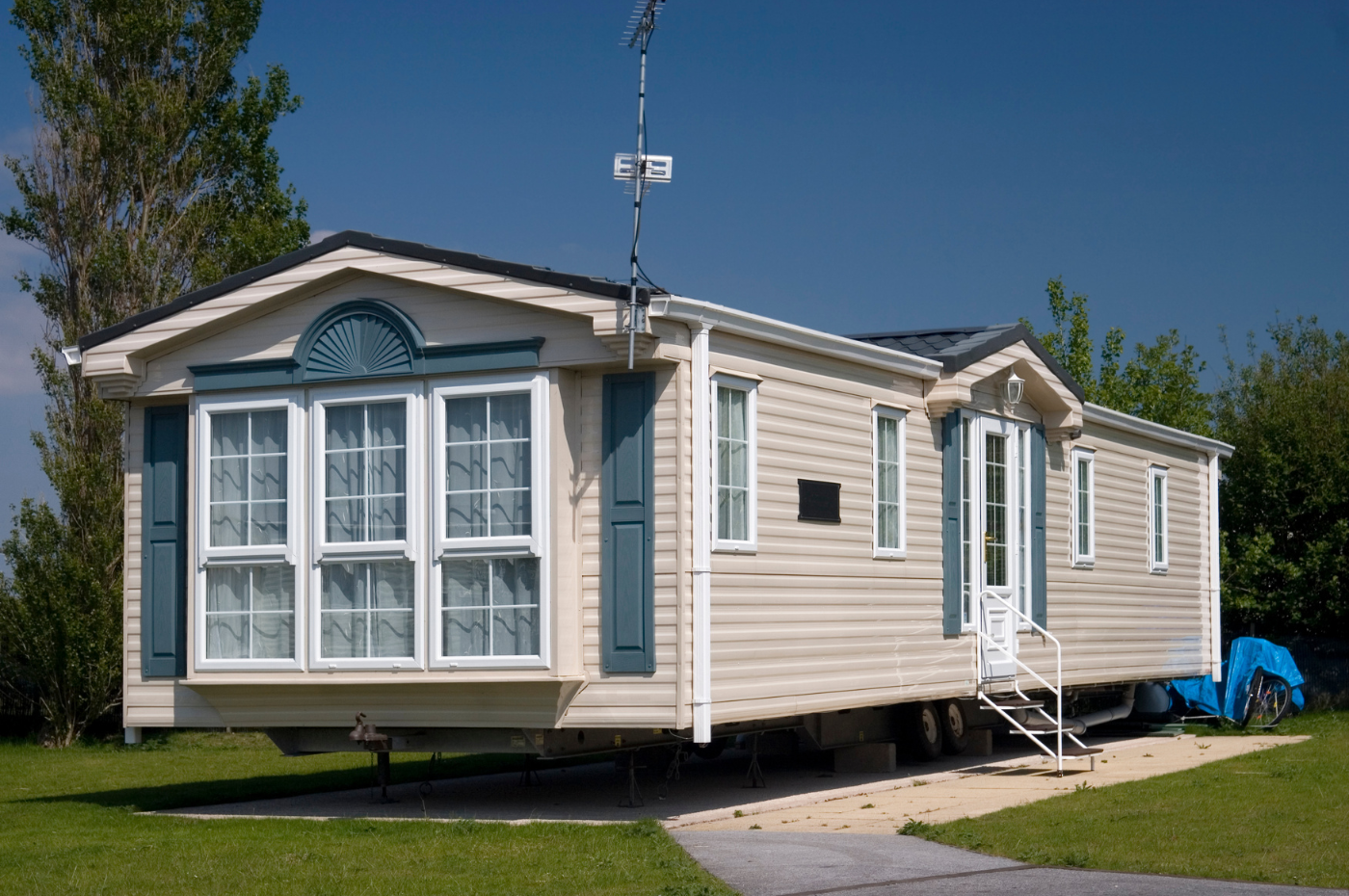
    If you’re wondering How much does it cost to live in a mobile home park in Florida?, you’re asking one of the key questions for anyone considering manufactured-home investment or residency in the Sunshine State. In this article, we break down monthly costs, hidden fees, and regional differences. We also offer a FAQ section and publish practical advice for buyers and renters.

    What “living cost” includes in a mobile home park

    When you ask How much does it cost to live in a mobile home park in Florida?, you must include several expense categories. Price isn’t just your lot rent. You also pay:

    • Lot or pad rent (site lease)
    • Utilities (electric, water, sewer, trash)
    • Insurance and taxes
    • Maintenance and repairs
    • Community or amenity fees
    • Other pass-through charges

    In many cases, these add up substantially above just your rent.

    Typical lot rent ranges in Florida

    Lot rent, or “space rent,” varies widely across Florida. As noted by SellMobileHome, average lot rents range from $300 to over $1,200 per month depending on location and services. sellmobilehome.com In less desirable or rural areas, lots may cost as low as $300–$500. In high-demand coastal counties or upscale parks, rent may exceed $1,000. sellmobilehome.com+2 Some parks target retirees or snowbirds and include premium amenities, driving rent upward.

    Other sources note that many parks nationwide charge lot rent in the range of $200 to $800 monthly, depending on what’s included. Homes Direct+1 That broad range helps frame how flexible or constrained your budget must be.
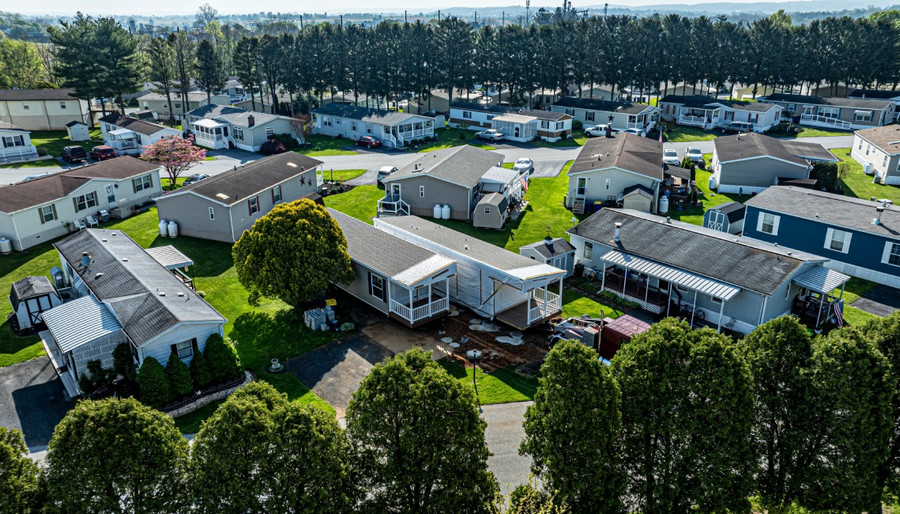
    How much does it cost to live in a mobile home park in Florida

    Utility, insurance, and ancillary fees

    Lot rent rarely covers everything. You should expect the following extra costs:

    • Electricity: Metered usage may be your responsibility.
    • Water and sewer: Some parks include them; others pass through your portion.
    • Trash and lawn care: Many parks remove and maintain common areas.
    • Flood, wind, or homeowner’s insurance: If your mobile home is on a pad, you still need coverage.
    • Property taxes (if applicable): Some mobile homes are taxed like real property, others not.
    • Park assessments or reserve fund contributions: For improvements, road repair, or community maintenance.
    • Other pass-through charges: Such as stormwater, infrastructure fees, or common area utilities.

    Combined, utilities and these fees might add $100–300 or more per month depending on usage, region, and whether gas, water, and sewer are included.

    Regional differences and coastal vs inland costs

    Florida is not uniform. Costs vary significantly between regions:

    • Coastal areas and big metro counties tend to push lot rent higher, often above $800–1,200 per month in desirable parks.
    • Inland, rural, or less developed counties may see lot rents in the $300–600 range.
    • Retirement or 55+ communities often command higher rent because of amenities, social activities, and better infrastructure.
    • Flood zones, hurricane exposure, and insurance markets in coastal counties may raise costs (higher insurance premiums, stricter codes).
    • Private equity–owned park trends: Florida leads in parks acquired by investment firms, which often raise lot rents sharply. Axios+1

    Thus your county, ZIP code, and park class strongly influence how much your total cost will be.

    Sample cost scenarios

    Here are a few illustrative scenarios:

    Scenario Lot Rent Utilities & fees Insurance / taxes / extras Total Estimate
    Rural central Florida park $400 $100 $50 to $100 ~$550–600
    Suburban park near Tampa $700 $150 $100 ~$950
    Premium coastal park $1,200 $200 $150 ~$1,550+
    Inland 55+ community $600 $120 $80 ~$800

    These examples show that How much does it cost to live in a mobile home park in Florida? depends heavily on location, park status, and services.

    Trends in lot rent increases

    Lot rents in Florida have been rising fast. Reports suggest that between 2015 and 2023, median lot rent in many Florida parks nearly doubled. Axios Residents in some communities say they can no longer afford their park in counties like Riverview. WUSF In fact, many parks have older residents struggling under escalating fees.

    Rising rents make long-term affordability harder. When rent is your largest monthly outlay, unexpected increases can push people to relocate, sell, or abandon their homes.

    Ways to control your cost

    If you want to minimize expenses, here are strategies:

    • Choose parks farther from coastal or premium areas
    • Prioritize parks that include utilities and services
    • Look for parks with resident ownership or non-profit structures, which may resist sharp rent hikes
    • Inspect annual rent escalator clauses in your lease
    • Monitor and manage your utility consumption
    • Maintain your home to reduce repair costs
    • Negotiate with park owners, especially in slower markets

    These choices help limit how much you must pay beyond lot rent.

    Summary and outlook

    In summary, when you ask How much does it cost to live in a mobile home park in Florida?, expect that your base lot rent may range from $300 to $1,200 or more. Add utility costs, fees, insurance, and assessments, pushing total monthly spending often between $600 and $1,600. Coastal parks and premium communities command the highest rates. Current trends show lot rents rising, especially under private equity ownership of parks.

    If you plan carefully, compare parks, read leases, and manage usage, you may enjoy mobile home life in Florida affordably. But it’s wise to build in buffer in your budget for rising rents or surprise costs.

    Frequently Asked Questions

    Q: What is typical lot rent in a Florida mobile home park?

    A: Many Florida parks charge lot rent between $300 and $1,200 per month, depending on location and amenities. sellmobilehome.com+1

    Q: Do utilities come included in lot rent?

    A: Sometimes, but not always. Many parks pass through electricity, water, and sewer to the tenant.

    Q: What extra fees should I expect beyond rent?

    A: Insurance, taxes, maintenance, common area fees, and pass-through utility charges are common.

    Q: Is living inland cheaper than coastal?

    A: Yes. Parks inland tend to charge lower rent than premium coastal areas.

    Q: Do some parks increase rent yearly?

    A: Yes, many leases include annual escalation clauses or percentage-based hikes.

    Q: Are there parks owned by residents?

    A: Yes. Resident-owned or cooperative parks sometimes resist steep rent increases.

    Q: How much will insurance cost?

    A: Insurance can run tens to a few hundred dollars monthly, based on value, flood/hurricane risk, and location.

    Q: Can lot rent go above $1,200?

    A: Yes. In high-end coastal or luxury parks, lot rent may exceed $1,200 per month.

    Q: Are lot rents rising in Florida?

    A: Yes. Reports show many lot rents have nearly doubled in recent years. Axios+1

    Q: How do I compare parks to pick the best cost?

    A: Compare advertised lot rent, utility inclusions, lease terms, escalator clauses, amenities, an
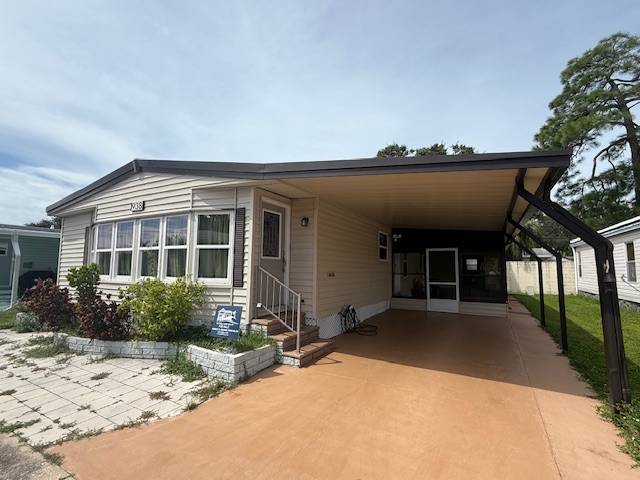
  • Who Should Buy a Mobile Home: A Complete Guide

    Who Should Buy a Mobile Home: A Complete Guide

    Who should buy a mobile home is a question many people ask before making a housing choice. Mobile homes offer flexibility, affordability, and comfort that meet different needs. By looking closely at who gains the most from them, we can see why they are a strong option for many.

    Why Mobile Homes Appeal to Many Buyers

    Mobile homes attract people who want affordable housing without losing comfort. Many buyers prefer them because they cost less than site-built homes. At the same time, they provide privacy, space, and community living.

    People with limited budgets often find mobile homes ideal. Families and retirees also see them as practical. For some, they work as starter homes. For others, they serve as long-term living options.

    Mobile homes are also available in a range of designs. Buyers can choose layouts that match their lifestyle. The variety of choices makes them flexible for many situations.

    who should buy a mobile home

    Who Should Buy a Mobile Home for Retirement

    Retirees often ask: Who should buy a mobile home? The answer points clearly to them. Retired people need housing that is affordable and easy to maintain. Mobile homes meet these needs well.

    A retiree may want:

    • A quiet place in a 55+ community
    • Lower monthly living costs
    • Simple maintenance compared to larger houses

    Mobile homes also offer social living. Many communities provide shared amenities like clubhouses and activities. For retirees who want both comfort and interaction, this option works.

    Young Families Looking for Space

    Young families may not afford site-built homes right away. A mobile home gives them the chance to own property without high costs. Many homes include multiple bedrooms, yards, and safe neighborhoods.

    Parents often want:

    • Affordable housing payments
    • Room for children to grow
    • Safe community features

    Because of these points, mobile homes work as a stepping stone. Families can build equity and later decide if they want to move or stay.

    Who Should Buy a Mobile Home as a First-Time Buyer

    First-time buyers often struggle with high property prices. They may not want to rent forever. Mobile homes give them a starting point.

    They often benefit from:

    • Lower down payments
    • Manageable monthly costs
    • Quick move-in options

    This choice helps new buyers gain experience with ownership. It also gives them flexibility if they want to sell or upgrade later.

    People Who Value Flexible Living

    Not everyone wants a fixed long-term house. Some people move often for work or lifestyle. For them, mobile homes fit because they can relocate with less stress.

    Buyers who move for jobs or enjoy seasonal living find this appealing. They may use a mobile home as a second property or vacation spot.

    Budget-Conscious Buyers

    Housing costs can weigh down a budget. Mobile homes help buyers keep expenses under control. They allow for ownership without heavy financial strain.

    Budget buyers often see benefits like:

    • More affordable property taxes
    • Lower insurance rates
    • Reduced utility costs

    This makes mobile homes appealing for those focused on money management.

    Who Should Buy a Mobile Home for Downsizing

    Empty nesters often need less space once children move out. Downsizing becomes a smart choice. Mobile homes let them move into smaller spaces without giving up comfort.

    They offer:

    • Easier upkeep
    • Lower bills
    • Cozy living spaces

    This helps older homeowners free themselves from the costs of maintaining large houses.

    Investors Seeking Rental Income

    Some buyers purchase mobile homes as rental units. Affordable purchase prices mean faster returns on investment. In growing communities, this can generate steady income.

    Mobile homes in good locations often stay rented. They provide reliable cash flow with less upfront cost than traditional rentals.

    Who Should Buy a Mobile Home for Vacation Use

    Some people want a second property but cannot afford expensive vacation homes. A mobile home in a resort area offers a practical option.

    Owners can enjoy:

    • Seasonal stays without high hotel costs
    • A permanent spot to return to each year
    • The chance to rent out when not in use

    This makes mobile homes attractive for part-time living or leisure use.

    Short FAQ on Mobile Homes

    1. Who should buy a mobile home instead of a traditional house?

    People who want affordable living and flexibility often choose mobile homes.

    2. Can young families live comfortably in mobile homes?

    Yes, many mobile homes provide enough space for children and family needs.

    3. Do retirees benefit from mobile homes?

    Yes, they enjoy lower costs and community-focused living.

    4. Are mobile homes good for first-time buyers?

    Yes, they offer lower purchase prices and easier financing.

    5. Can mobile homes be used for investment?

    Yes, many buyers rent them for income in high-demand areas.

    6. Is a mobile home a good downsizing option?

    Yes, it works well for empty nesters who want less space and lower bills.

    7. Can a mobile home be a vacation property?

    Yes, many people buy them for seasonal use or leisure housing.

    8. Are mobile homes affordable long-term?

    Yes, they save on taxes, insurance, and utilities compared to larger homes.

    9. Who should avoid buying a mobile home?

    People who want large permanent houses may prefer site-built homes.

    10. Do mobile homes appreciate in value?

    They often maintain value, and in some areas, they increase if well-kept.

    Conclusion

    Mobile homes work for many groups: retirees, families, first-time buyers, and budget-conscious people. They also appeal to investors and those seeking vacation properties. By asking who should buy a mobile home, we see that the answer covers a wide range of buyers. For many, they offer the right mix of comfort, affordability, and flexibility.

  • 10 Reasons to Buy a Mobile Home in Florida Today

    10 Reasons to Buy a Mobile Home in Florida Today

    Finding affordable housing has never been easier, and here are 10 reasons to buy a mobile home that prove why this option continues to grow in popularity. Buyers across Florida are discovering that manufactured homes combine comfort, cost savings, and convenience in ways traditional housing often cannot match.

    Mobile homes continue to grow in demand because they meet both practical needs and lifestyle goals. Whether you are downsizing, buying your first property, or seeking a seasonal home, this housing option deserves attention.

    Lower Purchase Price Compared to Traditional Homes

    One of the top 10 reasons to buy a mobile home is the affordable entry cost. Traditional houses can feel out of reach for many buyers. A mobile home lets you step into ownership without draining your savings.

    The lower price tag makes it easier to start building equity sooner. Many buyers use this advantage to invest in other goals while enjoying a comfortable living space.

    10 Reasons to Buy a Mobile Home in Florida

    Faster Move-In Time

    Mobile homes usually require less time from purchase to move-in. Many are available in established communities, so you can settle quickly.

    This speed is appealing to buyers eager for immediate housing. Instead of waiting months for construction or renovations, you can start enjoying your home right away.

    Flexibility in Lifestyle Choices

    Mobile homes give you options that fit changing lifestyles. Whether you want a full-time residence, a retirement retreat, or a seasonal home, they offer flexibility.

    Many communities provide amenities like clubhouses, pools, and planned activities. This setup allows owners to match their housing to their lifestyle without unnecessary stress.

    Energy Efficiency and Lower Utility Costs

    Newer mobile homes are built with modern materials designed for energy efficiency. These features help reduce heating and cooling expenses.

    Over time, the savings on utilities add up. That means more money stays in your pocket each month.

    Less Maintenance Than Larger Homes

    Smaller square footage makes cleaning and upkeep easier. With fewer rooms and simpler designs, owners spend less time on maintenance.

    This practical advantage appeals to retirees and busy professionals alike. By saving time on chores, you gain more freedom to focus on the things you enjoy.

    Affordable Lot Rent Options

    Many communities offer reasonable lot rental fees. This makes budgeting simpler since expenses are predictable.

    Lot rent often includes community amenities, adding value without raising costs. It is a smart way to balance comfort and affordability.

    Community Living and Amenities

    Mobile home communities often create a friendly environment. Neighbors connect through shared spaces and planned activities.

    Amenities may include swimming pools, fitness centers, or walking trails. This kind of living adds convenience without requiring extra investment from homeowners.

    Opportunities for Downsizing

    Downsizing is one of the most common 10 reasons to buy a mobile home. Many people reach a point where a large house no longer makes sense.

    A smaller space simplifies daily life. It reduces expenses and frees time, making it an ideal choice for retirees or those seeking a simpler lifestyle.

    Financing and Ownership Options

    Financing a mobile home is more accessible than many expect. Lenders and brokerage firms provide support for buyers entering this market.

    Ownership can take different forms, including purchasing the home and leasing the land. This variety makes mobile home ownership practical for many financial situations.

    Growing Market Demand

    The demand for affordable housing continues to rise. Mobile homes fill this gap effectively.

    This trend means owning a mobile home is not just a personal win but also a sound financial move. Many buyers view it as a secure investment in their future.

    Quick Recap of Benefits

    • Mobile homes provide:
    • Lower purchase price
    • Flexible living arrangements
    • Reduced maintenance
    • Energy-efficient options

    These combined benefits explain why more people are turning to mobile homes as their housing solution.

    Frequently Asked Questions

    What are the main 10 reasons to buy a mobile home?

    Lower cost, faster move-in, energy savings, flexibility, less upkeep, community living, downsizing, lot rent, financing, and market demand.

    Are mobile homes safe in Florida weather?

    Yes, modern mobile homes are built to updated safety standards and regulations.

    Do I need land to own a mobile home?

    No, many buyers place their home in leased-land communities with lot rent agreements.

    Can I finance a mobile home purchase?

    Yes, lenders and brokers provide financing tailored for mobile home buyers.

    How long do mobile homes last?

    With proper care, a mobile home can last several decades.

    Are there age restrictions in mobile home communities?

    Some communities are age-restricted, while others are open to all ages.

    What amenities do mobile home parks offer?

    Parks may include pools, fitness centers, social events, and walking trails.

    Do mobile homes require a lot of maintenance?

    No, they typically require less upkeep compared to larger traditional houses.

    Can I resell a mobile home later?

    Yes, you can sell your mobile home through licensed brokers like The Mobile Home Dealer.

    Why choose The Mobile Home Dealer?

    We provide professional guidance, marketing support, and buyer connections across Florida.

    Conclusion

    Mobile homes offer practical, affordable, and flexible living options. The 10 reasons to buy a mobile home outlined here show why they are gaining popularity across Florida. From cost savings to community living, these homes fit many lifestyles and budgets.

    Whether you are downsizing, buying your first home, or seeking a seasonal escape, this choice delivers comfort and financial sense. The Mobile Home Dealer is here to help you find the right property for your needs.

  • How Long Can You Finance a Mobile Home?

    How Long Can You Finance a Mobile Home?

    How long can you finance a mobile home is a question every buyer should ask before committing. Financing affects affordability, monthly payments, and long-term costs. Lenders offer different loan types, each with its own repayment period. Knowing your options helps you select the right plan for your budget.

    Why Loan Terms Matter

    Loan terms decide how much you pay each month. Shorter loans mean higher payments but less interest overall. Longer loans keep payments smaller but add more interest over time. Buyers should weigh both outcomes before deciding.

    Loan Types for Mobile Homes

    Lenders use different loan types for mobile homes. Each has unique requirements, terms, and conditions. Some loans resemble traditional mortgages, while others function more like personal loans.

    Here are the main loan options:

    • Chattel loans: Common for homes in parks or leased land. Terms are usually 15–20 years.
    • FHA Title I loans: Government-backed and flexible, often lasting up to 20 years.
    • VA loans: For veterans and active-duty members, usually with terms up to 25 years.
    • Conventional loans: Private lenders may stretch terms to 30 years if land is included.

    How Long Can You Finance a Mobile Home. Keep reading.

    How Long Can You Finance a Mobile Home with Chattel Loans?

    Many buyers select chattel loans for mobile homes placed on rented land. Terms usually range between 15 and 20 years. While shorter than a standard mortgage, they are easier to access. Chattel loans close faster and often need smaller down payments. Still, interest rates tend to be higher than mortgage loans.

    Conventional Mortgages and Longer Terms

    When a mobile home sits on owned land, conventional lenders may treat it like real property. Terms can stretch up to 30 years, matching site-built home loans. This option lowers monthly payments but requires strong credit. Lenders also require the home to be newer and permanently fixed to the land.

    Factors Affecting Financing Length

    The length of your loan depends on several conditions. Lenders review the home’s type, age, and your credit profile. Down payments and income stability also shape loan terms.

    Key factors include:

    • Home classification (real property or personal property)
    • Age and condition of the home
    • Land ownership status
    • Credit score and history
    • Debt-to-income ratio

    Balancing Monthly Payments and Loan Length

    A longer loan spreads costs but increases overall interest. A shorter loan saves interest but requires higher payments. Buyers should balance what they can pay monthly with how much debt they want long-term.

    Government-Backed Options

    FHA and VA programs make mobile home financing more accessible. FHA Title I loans cover homes in parks, with terms often capped at 20 years. VA loans extend longer for eligible veterans, sometimes reaching 25 years. Both programs protect lenders, making approval easier for qualified buyers.

    Refinancing for Better Terms

    Refinancing can change the length of your loan. Many owners refinance to lower payments or interest. Moving from a chattel loan to a mortgage may extend repayment up to 30 years. Refinancing also helps if rates drop or credit improves.

    Common Mistakes Buyers Make

    Financing a mobile home requires planning. Many buyers make mistakes by ignoring loan details or rushing approval. Avoiding these mistakes can save thousands over time.

    Typical mistakes include:

    • Choosing the wrong loan type for your situation
    • Accepting a high interest rate without comparing lenders
    • Ignoring fees and hidden costs
    • Stretching terms too long without planning the payoff

    Frequently Asked Questions

    1. How long can you finance a mobile home with a chattel loan?

    Usually between 15 and 20 years.

    2. What is the maximum term for FHA Title I loans?

    Up to 20 years for most mobile homes.

    3. Can you finance a mobile home for 30 years?

    Yes, if the home is on owned land and qualifies as real property.

    4. Do VA loans cover mobile homes?

    Yes, VA loans may extend up to 25 years for eligible buyers.

    5. What affects loan length approval?

    Credit score, income, down payment, and home type all matter.

    6. Are chattel loans more expensive?

    Yes, they often carry higher interest rates than mortgages.

    7. Can refinancing extend my term?

    Yes, refinancing into a mortgage can reach up to 30 years.

    8. Does land ownership change financing options?

    Yes, owning land opens access to conventional mortgage loans.

    9. Can older mobile homes get long-term loans?

    Older homes may face shorter terms or higher rates.

    10. Is a longer loan always better?

    Not always. Longer terms lower payments but increase total interest.

    Final Thoughts

    Understanding how long can you finance a mobile home helps buyers plan ahead. Lenders provide terms from 15 to 30 years, depending on loan type and property status. By comparing options and avoiding common mistakes, buyers can select financing that matches their budget and long-term goals.

  • Why a Tiny Manufactured Home Can Be the Perfect Choice for Affordable Living

    Why a Tiny Manufactured Home Can Be the Perfect Choice for Affordable Living

    A tiny manufactured home offers an affordable and practical housing solution for people seeking comfort in a smaller space. Many buyers today look for a balance between cost, convenience, and modern style. These homes meet that demand while remaining accessible to a wide range of households. With thoughtful planning, they provide everything a traditional home does but in a more compact design.

    Why Choose a Tiny Manufactured Home?

    A tiny manufactured home appeals to buyers who want a simple lifestyle without excess space. These homes are built with smart layouts that make everyday living more efficient.

    They are also attractive for families on a budget. Buyers can enjoy lower monthly costs compared to traditional houses. Since they require less land, they are often placed in communities that provide extra amenities.

    In addition, these homes are built in controlled environments. This process helps maintain consistent quality while reducing building delays caused by weather. For buyers seeking affordable and reliable housing, this is a strong advantage.

    Key Benefits of Downsizing

    Living in a smaller home brings many benefits. Downsizing does not mean sacrificing comfort or function. Instead, it creates opportunities for simpler living.

    Some common benefits include:

    • Lower housing costs each month
    • Less time needed for cleaning and upkeep
    • Reduced energy usage and utility bills
    • Stronger focus on what matters most

    With fewer distractions and less clutter, residents often find more freedom in daily life.

    Why a Tiny Manufactured Home Can Be the Perfect Choice for Affordable Living

    Practical Features That Buyers Love

    These homes often come with features that improve daily comfort. While compact, they maximize every inch of space. Built-in storage, multi-purpose rooms, and modern finishes make them highly practical.

    ✅ Open layouts that create a sense of more room
    ✅ Energy-efficient windows and insulation for lower costs
    ✅ Stylish kitchens with updated appliances
    ✅ Comfortable bedrooms and modern bathrooms

    By combining these features, manufacturers create homes that feel larger than their size suggests.

    Tiny Manufactured Home vs. Traditional Housing

    Many buyers compare a tiny manufactured home to a standard house. The differences are clear but offer many benefits. Traditional homes often require higher maintenance, higher taxes, and more land.

    By contrast, a manufactured home provides flexibility and affordability. Families can purchase them outright or finance them with lower loan amounts. Since the space is smaller, costs for heating, cooling, and cleaning remain minimal.

    This option appeals to people who want less financial stress while still enjoying the comfort of homeownership.

    Community Living Advantages

    Many manufactured homes are placed within communities designed for convenience. These communities often provide shared amenities that add value.

    • Clubhouses for events and gatherings
    • Swimming pools and recreational areas
    • Walking paths and open green spaces
    • On-site management and maintenance support

    Living in these areas creates a sense of belonging. Residents benefit from nearby services while enjoying a lower-cost lifestyle.

    Designing Your Ideal Tiny Manufactured Home

    Even with limited square footage, buyers can personalize their space. Layouts vary, and many manufacturers allow customization. This gives homeowners control over design and finishes.

    Some common choices include:

    • Selecting modern or classic kitchen cabinetry
    • Choosing flooring types that match lifestyle needs
    • Adjusting bedroom layouts for comfort
    • Adding porch or deck space for outdoor living

    By tailoring these details, buyers create a home that feels truly personal.

    Financial Advantages

    A major reason many people consider manufactured homes is affordability. Traditional houses often require larger down payments and higher mortgages.

    Tiny manufactured homes reduce financial pressure in several ways:

    • Lower purchase price compared to standard homes
    • Reduced property taxes and insurance costs
    • Lower utility bills from efficient energy use
    • Less money spent on repairs and maintenance

    This financial relief allows owners to direct funds toward savings or other priorities.

    Long-Term Value and Stability

    Though smaller, these homes can still provide long-term stability. With regular maintenance, they remain in good condition for many years. Communities often support long-term residency, which adds to their appeal.

    For buyers who want stability without high costs, a tiny manufactured home presents an ideal solution.

    Common Myths About Small Homes

    Some people hesitate because of misconceptions. They may think smaller homes lack comfort or modern features. Yet, modern models show that this is far from true.

    These homes often include:

    ✅ Spacious kitchens with updated appliances
    ✅ Comfortable living areas with open layouts
    ✅ Storage solutions to keep rooms organized
    ✅ Stylish bathrooms with modern fixtures

    Manufacturers continue to improve designs, making these homes practical for all ages.

    Frequently Asked Questions

    What is a tiny manufactured home?

    It is a factory-built home designed with compact layouts that maximize space and comfort.

    How affordable are they compared to traditional houses?

    They usually cost far less, with lower taxes, insurance, and utility bills.

    Can I finance a tiny manufactured home?

    Yes, financing is available through specialty lenders, and some buyers choose cash purchases.

    Do these homes come with modern features?

    Yes, most include updated kitchens, bathrooms, and energy-efficient systems.

    How long does it take to set one up?

    Since they are factory-built, setup time is much faster than site-built houses.

    Are they durable in different climates?

    Yes, they are built to meet safety and construction codes for their location.

    Can I place one on my own land?

    Yes, many owners install them on private land or inside communities.

    Do they lose value quickly?

    Like other housing, value depends on condition, location, and demand.

    How much maintenance do they require?

    Maintenance is often lower than traditional homes, thanks to smaller size and modern construction.

    Who usually buys these homes?

    They attract young families, retirees, and individuals seeking affordable, simple living.

    Conclusion

    A tiny manufactured home combines affordability, comfort, and style in a compact package. With smart layouts, modern features, and financial benefits, it suits many buyers. For those seeking a practical and stable housing option, this choice delivers long-term comfort without high costs.

  • Low Priced Mobile Homes for Sale: Your Complete Buying Guide

    Low Priced Mobile Homes for Sale: Your Complete Buying Guide

    Low priced mobile homes for sale offer an affordable way to own a property in Florida. With the right approach, buyers can find a home that suits their needs and budget. This guide explains where to find these homes, what to check before buying, and why choosing a mobile home can be a smart financial decision.

    Why Buyers Look for Low Priced Mobile Homes for Sale

    Many people want affordable housing without sacrificing comfort. Mobile homes make that possible. Florida offers several communities where buyers can find budget-friendly options.

    These homes provide flexibility, and some are in well-maintained neighborhoods with excellent amenities. Buyers can enjoy a home they own while keeping monthly costs lower than many traditional properties.

    When searching, consider location, park fees, and the overall condition of the home. A good balance of these factors can save money over time.

    low priced mobile homes for sale

    Where to Find the Best Deals

    The Mobile Home Dealer specializes in connecting buyers with affordable properties. With expert knowledge of the Florida market, we make the process simple and stress-free.

    Here are a few ways to find good deals:

    • Online Listings – Check reputable websites with updated inventory.
    • Local Mobile Home Dealers – Speak directly with licensed brokers who know the market.
    • Community Listings – Many parks list available homes at competitive prices.
    • Direct Owner Sales – Buying directly from owners may lower overall costs. 

    By working with a trusted broker, buyers gain access to verified listings and guidance through the entire purchase.

    Factors to Consider Before Buying

    Before making a decision, review these points carefully:

    • Home age and condition
    • Park rules, fees, and community amenities
    • Location and proximity to essential services
    • Resale potential and expected maintenance costs 

    A proper inspection is always recommended. Doing so helps avoid unexpected repairs and ensures the home fits long-term plans.

    Benefits of Choosing a Mobile Home

    Affordable mobile homes give buyers more control over their budgets while still providing comfortable living spaces.

    Some key benefits include:

    • Lower purchase prices compared to traditional homes
    • Flexible financing options for qualified buyers
    • Shorter buying process and quicker move-in times
    • Well-kept communities with shared amenities
    • Opportunity to live in desirable Florida locations 

    With rising housing costs, mobile homes are becoming an attractive solution for many buyers.

    Tips for Finding Quality Homes

    Finding a great deal requires research and planning. Buyers should compare several options before making an offer.

    Consider these tips:

    • Work with licensed brokers for verified listings
    • Check multiple locations to compare prices
    • Ask about park fees and additional costs upfront
    • Look for homes in well-maintained communities
    • Visit homes in person whenever possible 

    These steps make the buying process smoother and help buyers find the best value for their money.

    Common Mistakes to Avoid

    Some buyers focus only on the purchase price and forget other costs. Avoid these mistakes to prevent financial surprises later:

    • Ignoring monthly lot fees
    • Overlooking needed repairs
    • Skipping inspections
    • Choosing poor locations without future resale potential 

    Planning carefully leads to better decisions and greater satisfaction with the purchase.

    Financing Options for Buyers

    Affordable financing makes mobile home ownership easier. Lenders offer several options for qualified buyers.

    Possible financing paths include:

    • Chattel Loans – For homes on leased land
    • Personal Loans – Flexible but may have higher rates
    • FHA and VA Programs – Available for certain homes and buyers 

    Each financing choice has pros and cons. Speaking with a licensed mobile home dealer can help match buyers with the best option.

    FAQs About Low Priced Mobile Homes for Sale

    1. Where can I find low priced mobile homes for sale in Florida?

    You can find them through The Mobile Home Dealer, community listings, and verified online platforms.

    2. Are mobile homes a good investment?

    Yes, especially for those seeking affordable housing with lower monthly expenses.

    3. Do I need perfect credit to buy a mobile home?

    No, several financing options are available for buyers with different credit scores.

    4. Can I negotiate the price?

    Yes, many sellers are open to negotiation depending on market conditions.

    5. Are lot fees included in the price?

    Usually not. Lot rent is often billed separately, so confirm details before buying.

    6. Do mobile homes require inspections?

    Yes, inspections help identify potential issues and ensure the home is safe.

    7. How long does the buying process take?

    It can take a few weeks, but timelines vary depending on financing and park approval.

    8. Are mobile homes safe during storms?

    Modern mobile homes follow strict safety codes, but location and construction affect durability.

    9. Can I move a mobile home after purchase?

    Yes, but moving costs can be high, so check feasibility before deciding.

    10. How do I start the buying process?

    Contact The Mobile Home Dealer for available listings, financing help, and guidance from start to finish.

    Final Thoughts

    Low priced mobile homes for sale in Florida give buyers affordable housing options with excellent benefits. With careful planning and guidance from The Mobile Home Dealer, finding the right home becomes easier. Whether you’re buying your first home or downsizing, mobile homes offer comfort and value without overspending.

  • How Are Mobile Homes Built: A Complete Guide

    How Are Mobile Homes Built: A Complete Guide

    How are mobile homes built? This question comes up often for buyers and sellers alike. Mobile homes follow a structured building process, which ensures durability, safety, and functionality. Each stage is planned to meet strict housing standards while keeping costs practical.

    This article explains the step-by-step process of building mobile homes, from design to final inspection. We will look at the materials, construction stages, and features that make these homes a popular choice across the country.

    Understanding How Are Mobile Homes Built

    How are mobile homes built from start to finish? The construction starts inside specialized factories. Building mobile homes in a controlled environment allows manufacturers to maintain consistent quality and efficiency.

    Manufacturers follow housing codes and safety guidelines. Every home must meet the Department of Housing and Urban Development (HUD) standards before leaving the factory. These requirements ensure the finished homes are safe, reliable, and ready for transport.

    Design and Planning Stage

    Before any construction begins, manufacturers create a detailed plan. Every mobile home starts with a blueprint. The plan defines:

    • ✔ Home size and layout
    • ✔ Number of rooms and bathrooms
    • ✔ Electrical and plumbing systems
    • ✔ Roof and flooring structure 

    Once approved, the factory schedules the build and prepares materials for assembly.

    How are mobile homes built

    Frame Construction

    The process begins with the frame, which forms the foundation of the mobile home. Steel beams are used for strength and stability. These beams support the entire structure and allow the home to be moved when needed.

    After the frame is built, wheels and axles are attached for transportation purposes. The flooring system is added next, forming the base for the rest of the structure.

    Building the Walls and Roof

    Walls are constructed using wood or metal studs. Manufacturers add insulation between studs to maintain proper temperature control. Drywall or wall panels are then installed, followed by exterior siding.

    The roof structure is designed to withstand wind and rain. Shingles or metal sheets are placed on top for added protection. Proper ventilation systems are included to manage airflow.

    Installing Electrical, Plumbing, and HVAC Systems

    Once the walls are in place, crews install the essential systems that make the home functional:

    • ✔ Electrical wiring for outlets, lighting, and appliances
    • ✔ Plumbing lines for sinks, showers, and toilets
    • ✔ Heating and cooling systems for year-round comfort 

    All systems are tested to confirm proper operation and safety compliance.

    Interior Finishing

    The interior of the mobile home receives careful attention. Teams install flooring, cabinets, countertops, and fixtures. Kitchens and bathrooms are fitted with sinks, faucets, and appliances.

    The final touches include painting, trim work, and detailed inspections of every feature. At this stage, the mobile home looks complete and ready for delivery.

    Final Inspection and Quality Control

    Before leaving the factory, each mobile home undergoes a full inspection. Inspectors check structural strength, safety systems, and energy efficiency.

    This process ensures every home meets HUD regulations and the manufacturer’s quality standards. Once approved, the home is wrapped, secured, and prepared for transport to its destination.

    Why Mobile Homes Are Popular

    Mobile homes remain a popular choice because they are affordable, efficient, and customizable. Buyers gain more control over layout and design while saving money compared to traditional housing.

    Some reasons people choose mobile homes:

    • ✔ Lower cost per square foot
    • ✔ Faster construction timeline
    • ✔ Energy-efficient materials
    • ✔ Flexible floor plan options 

    FAQs About How Mobile Homes Are Built

    1. How long does it take to build a mobile home?

    It usually takes four to six weeks, depending on size and features.

    2. What materials are used in mobile home construction?

    Steel, wood, drywall, insulation, and siding are commonly used materials.

    3. Are mobile homes built to meet safety codes?

    Yes. All homes must follow strict HUD safety and construction codes.

    4. Can mobile homes withstand strong storms?

    Modern mobile homes are designed to handle strong winds and heavy rain.

    5. Do mobile homes come with insulation?

    Yes. Manufacturers install insulation in walls, ceilings, and floors.

    6. How are mobile homes transported after construction?

    Homes are built on steel frames with wheels, allowing easy delivery to the site.

    7. Can I customize the floor plan of a mobile home?

    Yes. Many manufacturers allow customization of layouts, materials, and finishes.

    8. Are mobile homes energy efficient?

    Yes. Most modern homes include insulated walls, energy-saving windows, and efficient HVAC systems.

    9. Do mobile homes require regular maintenance?

    Yes. Regular inspections of roofing, siding, and systems keep the home in good shape.

    10. Are mobile homes permanent structures?

    Mobile homes can be placed on permanent foundations or remain movable if preferred.

    Conclusion

    Understanding how are mobile homes built helps buyers and sellers make informed decisions. From the frame to final inspection, each step ensures quality, safety, and comfort. Mobile homes remain a reliable and cost-effective housing option for many families.


  • FHA Loan and Manufactured Home Guide: Financing Tips and Approval Process

    FHA Loan and Manufactured Home Guide: Financing Tips and Approval Process

    Buying a manufactured home can be affordable, and an FHA loan and manufactured home financing option makes it easier for many buyers. The Federal Housing Administration (FHA) insures loans, helping buyers qualify with lower down payments and flexible credit requirements.

    This guide explains how FHA loans work for manufactured homes, their benefits, requirements, and tips for securing approval.

    What Is an FHA Loan and Manufactured Home Financing?

    An FHA loan and manufactured home financing option allows buyers to purchase or refinance factory-built homes. FHA-approved lenders provide these loans while the FHA insures them, reducing risk for lenders and making approval easier for borrowers.

    These loans typically cover:

    • Buying a new manufactured home
    • Purchasing both the home and the land
    • Refinancing an existing loan
    • Making necessary repairs or upgrades

    This makes FHA loans appealing to buyers who want affordable housing options without stricter conventional loan requirements.

    FHA Loan and Manufactured Home

    Benefits of Using an FHA Loan for Manufactured Homes

    FHA loans offer flexibility that helps many buyers qualify more easily. Some key benefits include:

    • Lower down payments — Often as low as 3.5%

    • Lower credit score requirements — Approval possible with scores around 580

    • Fixed interest rates — Protects buyers from sudden payment increases

    • Option to finance land — Covers both the home and lot when purchased together

    These benefits make FHA loans a common choice among manufactured home buyers.

    FHA Loan and Manufactured Home Eligibility Requirements

    To qualify for an FHA loan and manufactured home, you must meet certain conditions:

    • The home must be built after June 15, 1976
    • It must have an FHA-approved foundation
    • The home must meet HUD safety and construction standards
    • You need a minimum credit score, typically 580 or higher
    • Your debt-to-income ratio should stay within FHA limits

    Buyers must also work with an FHA-approved lender to process the loan.

    Steps to Apply for an FHA Loan for Manufactured Homes

    Applying for FHA financing involves several steps. Following these steps can improve your chances of approval:

    1. Check your credit score
      Lenders review your score before pre-approval.

    2. Find an FHA-approved lender
      Not all lenders handle FHA loans for manufactured homes.

    3. Prepare financial documents
      Gather pay stubs, tax returns, and bank statements.

    4. Get a home appraisal
      The home must meet FHA and HUD property standards.

    5. Submit your application
      Your lender guides you through the process until approval.

    FHA Loan Limits for Manufactured Homes

    FHA sets borrowing limits based on whether you’re financing just the home or both the home and land. These limits change yearly and vary by location.

    • Single-unit manufactured home only: Lower loan amounts

    • Manufactured home with land: Higher maximum limits

    • Refinancing existing loans: Limits based on remaining balance

    Check the latest FHA guidelines before applying to confirm current limits.

    Common Challenges When Financing a Manufactured Home

    While FHA loans are helpful, some buyers face issues during the process. Challenges may include:

    • Difficulty finding FHA-approved foundations
    • Appraisal delays due to HUD inspection standards
    • Limited lender options in certain areas
    • Higher interest rates than some conventional loans

    Planning early and working with an experienced FHA-approved lender can reduce these challenges.

    Tips to Improve FHA Loan Approval Chances

    If you’re applying for an FHA loan and manufactured home, preparation can make a big difference:

    • Pay down existing debts to improve your debt-to-income ratio
    • Save for a higher down payment to strengthen your application
    • Choose a lender experienced in manufactured home financing
    • Make sure the home meets HUD and FHA property standards

    These steps increase your approval odds and may help you secure better loan terms.

    FHA Loan vs. Other Manufactured Home Financing Options

    While FHA loans are popular, they’re not your only option. Buyers sometimes compare FHA financing with:

    • Conventional loans — Require higher credit scores and larger down payments

    • VA loans — For eligible veterans and military families

    • USDA loans — Offer rural buyers zero down payment options

    Choosing between these depends on your credit, income, and the property you’re financing.

    Frequently Asked Questions (FAQ)

    1. What is an FHA loan for manufactured homes?

    An FHA loan helps buyers finance a manufactured home with lower credit and down payment requirements.

    2. Do FHA loans cover both the home and the land?

    Yes, you can finance both the home and the land together under an FHA loan.

    3. What credit score do I need for approval?

    Most FHA lenders require at least a 580 credit score, though some may accept slightly lower.

    4. Can I refinance my manufactured home using an FHA loan?

    Yes, FHA refinancing options are available for qualified manufactured homes.

    5. Does the home need to be on a permanent foundation?

    Yes, FHA requires an approved permanent foundation to qualify for financing.

    6. Are there size limits for manufactured homes?

    Yes, the home must meet HUD size and safety standards to be FHA-approved.

    7. Can I get an FHA loan for an older manufactured home?

    Only homes built after June 15, 1976, are eligible for FHA financing.

    8. How much down payment is required?

    The minimum is typically 3.5% if your credit score meets FHA guidelines.

    9. Are FHA loan limits the same everywhere?

    No, limits vary by location and are updated yearly by the FHA.

    10. How long does the FHA approval process take?

    On average, FHA loan approval can take 30 to 45 days, depending on the lender.

    Final Thoughts

    An FHA loan and manufactured home financing option helps many buyers afford quality housing with flexible requirements and lower upfront costs. By understanding eligibility, preparing your documents, and working with experienced lenders, you can improve your chances of securing financing and owning a manufactured home.

  • Is a Manufactured Home the Same as a Mobile Home? Understanding the Key Differences

    Is a Manufactured Home the Same as a Mobile Home? Understanding the Key Differences

    Many homeowners wonder: is a manufactured home the same as a mobile home? The answer involves understanding construction dates, federal regulations, and building standards that separate these housing types.

    The Basic Definition Difference

    The terms “mobile home” and “manufactured home” often confuse buyers and sellers alike. Both describe factory-built housing units constructed off-site and transported to their final location. However, the key difference lies in when they were built and which building codes apply.

    Mobile homes were built before June 15, 1976. These homes followed different construction standards and safety requirements. Manufactured homes, on the other hand, were built after this date and must meet strict federal guidelines established by the HUD Code.

    The distinction matters for several reasons:

    • Insurance coverage varies between the two types
    • Financing options differ significantly
    • Resale values are affected by classification
    • Safety standards and building codes apply differently

    Is a manufactured home the same as a mobile home

    Understanding Mobile Home Construction Standards

    Mobile homes built before 1976 followed local or state building codes. These standards varied widely across different regions. Consequently, older mobile homes may lack modern safety features and energy efficiency standards.

    Most mobile homes featured single-pane windows and minimal insulation. The electrical systems often used aluminum wiring instead of copper. Plumbing systems typically relied on plastic pipes that may not meet current standards.

    Fire safety measures were less stringent in pre-1976 construction. Many mobile homes lacked smoke detectors and proper egress windows. The structural integrity also differed from modern manufactured homes.

    The HUD Code Revolution for Manufactured Homes

    The Housing and Urban Development (HUD) Code transformed factory-built housing after 1976. This federal standard ensures manufactured homes meet specific safety, design, and construction requirements. The code covers everything from structural elements to plumbing and electrical systems.

    Manufactured homes must display a red HUD label certifying compliance. This certification process includes rigorous inspections during construction. The standardized approach improved quality control across all manufacturers.

    Modern manufactured homes feature improved insulation and energy-efficient windows. The electrical systems use copper wiring and meet national electrical codes. Plumbing systems utilize materials that comply with modern standards.

    Is a Manufactured Home the Same as a Mobile Home in Terms of Quality?

    Quality differences between manufactured homes and mobile homes are significant. Manufactured homes built after 1976 generally offer superior construction and materials. The HUD Code mandates minimum standards for structural integrity and safety features.

    Wind resistance standards for manufactured homes exceed those of older mobile homes. Modern units must withstand winds up to certain speeds depending on their location. The foundation systems also meet stricter requirements for stability.

    Interior features in manufactured homes often match site-built home standards. Kitchen appliances, flooring materials, and bathroom fixtures reflect contemporary preferences. The overall design aesthetics have evolved to resemble traditional homes more closely.

    Financing and Insurance Considerations

    Lenders treat manufactured homes and mobile homes differently when evaluating loan applications. Manufactured homes built after 1976 qualify for more financing options. FHA loans, VA loans, and conventional mortgages are available for qualifying manufactured homes.

    Mobile homes face more limited financing choices. Many lenders consider older units higher risk investments. Interest rates for mobile home loans typically exceed those for manufactured homes.

    Insurance coverage also varies between the two housing types. Manufactured homes can qualify for homeowners insurance policies. Mobile homes may require specialized mobile home insurance with different coverage terms.

    The classification affects property taxes in many jurisdictions. Manufactured homes on permanent foundations may qualify for real property taxation. Mobile homes often face personal property tax treatment instead.

    Legal and Regulatory Framework

    Federal oversight of manufactured housing began with the National Manufactured Housing Construction and Safety Standards Act. This 1974 legislation established the framework for HUD Code implementation. The law preempts state and local building codes for manufactured homes.

    State regulations still govern mobile homes built before 1976. These homes must comply with applicable local codes and zoning requirements. Renovation projects may trigger modern code compliance requirements.

    The legal distinction between manufactured homes and mobile homes affects:

    • Zoning classifications and permitted locations
    • Building permit requirements for modifications
    • Inspection protocols for safety compliance
    • Resale disclosure requirements

    Common Misconceptions About Mobile and Manufactured Homes

    Many people incorrectly assume all factory-built homes are “trailers.” This misconception stems from early mobile home designs that resembled travel trailers. Modern manufactured homes bear little resemblance to their predecessors.

    Another myth suggests manufactured homes always depreciate like automobiles. Well-maintained manufactured homes on owned land can appreciate over time. The key factors include location, condition, and local market conditions.

    Some buyers believe manufactured homes cannot be customized or expanded. Many manufacturers offer extensive customization options during the ordering process. Post-construction modifications are possible with proper permits and professional installation.

    The assumption that all manufactured housing is temporary is also incorrect. Permanent foundations and utility connections make modern manufactured homes suitable for long-term residence.

    Market Value and Resale Considerations

    Manufactured homes typically retain value better than older mobile homes. The improved construction standards and modern features appeal to more buyers. Location plays a significant role in determining resale potential.

    Manufactured homes on owned land generally command higher prices than those in rental communities. The ownership of the underlying property provides long-term stability for buyers. Financing availability also improves for homes on owned lots.

    Age affects both mobile and manufactured home values. Homes built in the 1990s and later often feature more desirable layouts and amenities. Earlier manufactured homes may require updates to compete in today’s market.

    Market conditions vary by region and local demand for affordable housing. Some areas show strong appreciation for well-maintained manufactured homes. Others may see slower value growth compared to site-built properties.

    Modern Manufactured Home Features

    Today’s manufactured homes include features that rival site-built construction. Open floor plans, vaulted ceilings, and large windows create spacious interiors. Kitchen islands, walk-in closets, and master suites are common amenities.

    Energy efficiency has improved dramatically in recent decades. Double-pane windows, enhanced insulation, and efficient HVAC systems reduce utility costs. Some manufacturers offer ENERGY STAR certified models with premium efficiency ratings.

    Smart home technology integration is becoming standard in new manufactured homes. Wi-Fi ready wiring, programmable thermostats, and security systems come pre-installed. These features appeal to tech-savvy buyers seeking modern conveniences.

    Exterior designs now mimic traditional architectural styles. Ranch, colonial, and craftsman-inspired facades are available options. The goal is creating homes that blend seamlessly into established neighborhoods.

    Installation and Setup Requirements

    Proper installation is critical for both manufactured homes and mobile homes. Licensed installers must follow specific procedures for foundation preparation and utility connections. The setup process affects the home’s structural integrity and warranty coverage.

    Foundation requirements differ based on local codes and manufacturer specifications. Permanent foundations may increase financing options and property classifications. Temporary setups are suitable for some locations but limit certain benefits.

    Utility connections require professional installation to meet safety codes. Electrical, plumbing, and HVAC systems must be properly integrated with local infrastructure. Permits are typically required for these connections.

    The installation process includes:

    • Site preparation and leveling
    • Foundation or blocking system installation
    • Transportation and placement of home sections
    • Utility connection and system activation
    • Final inspections and certificate of occupancy

    Choosing Between Mobile and Manufactured Homes

    Buyers considering factory-built housing should understand the differences between mobile and manufactured homes. Budget constraints may make older mobile homes attractive, but long-term costs could offset initial savings.

    Manufactured homes offer better financing options and insurance coverage. The improved construction standards provide peace of mind for safety-conscious buyers. Resale potential is generally stronger for manufactured homes.

    Location restrictions may limit choices for both housing types. Some communities prohibit mobile homes while allowing manufactured homes. Zoning laws and homeowners association rules affect placement options.

    Professional inspections are recommended for both mobile and manufactured homes. Qualified inspectors can identify potential issues and maintenance needs. This information helps buyers make informed purchasing decisions.

    FAQ Section

    What year separates mobile homes from manufactured homes?

    June 15, 1976 is the cutoff date. Homes built before this date are mobile homes, while those built after are manufactured homes.

    Can mobile homes be converted to manufactured home status?

    No, the classification is permanent and based on the original construction date and applicable building codes at that time.

    Do manufactured homes qualify for traditional mortgages?

    Yes, manufactured homes meeting certain criteria can qualify for FHA, VA, and conventional financing options.

    Are manufactured homes built to the same standards as site-built homes?

    Manufactured homes follow HUD Code standards, which differ from but are comparable to local building codes for site-built homes.

    Can you add onto a mobile home or manufactured home?

    Additions are possible but require permits and must meet applicable building codes and manufacturer specifications.

    Do manufactured homes appreciate in value?

    Well-maintained manufactured homes on owned land can appreciate, though typically at slower rates than site-built homes.

    What insurance do I need for a manufactured home?

    Manufactured homes can qualify for homeowners insurance, while mobile homes may require specialized mobile home insurance policies.

    Can mobile homes be moved after installation?

    Moving is possible but expensive and may require structural modifications to meet current transportation standards.

    Are there size differences between mobile and manufactured homes?

    Both can vary in size, but modern manufactured homes offer more size options and configurations than older mobile homes.

    What financing is available for mobile homes built before 1976?

    Financing options are limited, typically requiring personal property loans with higher interest rates and shorter terms.

    The question “is a manufactured home the same as a mobile home” has a clear answer based on construction dates and building standards. While both represent factory-built housing, manufactured homes built after 1976 offer superior quality, safety features, and financing options. Understanding these differences helps buyers make informed decisions about their housing needs and investment potential.

  • Tiny Mobile Homes Guide: Designs, Costs, and Tips for Comfortable Living

    Tiny Mobile Homes Guide: Designs, Costs, and Tips for Comfortable Living

    Tiny mobile homes give people simple, flexible, and affordable living options. These compact houses make it easier to live comfortably while saving money and space.

    This guide explains how to choose, design, and maintain tiny mobile homes. We cover costs, layouts, storage tips, and ways to stay comfortable in small spaces.

    Why Tiny Mobile Homes Fit Modern Living

    Living in tiny mobile homes means less stress and lower costs. They help reduce clutter while offering flexibility for travel and relocation.

    People choose these homes for many reasons:

    • Lower housing expenses
    • Freedom to move easily
    • Simple, minimal living
    • Smaller environmental impact

    With proper planning, these compact homes provide comfort without sacrificing style.

    Tiny Mobile Homes

    Planning for Your Tiny Mobile Homes Lifestyle

    Before buying or building, plan based on your lifestyle. Set a clear budget and decide where you want to live. Then, find designs that match your needs.

    You might need space for an office, a larger kitchen, or a cozy sleeping area. Choose a floor plan that fits your daily routines.

    Make a list of must-have features:

    • Comfortable sleeping arrangements
    • A kitchen that suits your cooking needs
    • A bathroom that saves space
    • Sufficient storage for essentials

    If you travel often, look for lightweight models that are easy to tow. If staying in one spot, consider adding decks, porches, or solar power systems.

    Creative Designs for Tiny Mobile Homes

    Good design maximizes space without making rooms feel cramped. Multi-functional furniture, hidden storage, and flexible layouts keep small homes practical.

    Consider adding these smart design elements:

    • Shelves above doors or along walls
    • Foldable tables that save space
    • Built-in seating with storage below
    • Loft beds for better floor space

    You can make rooms appear bigger using light paint colors, mirrors, and wide windows. Natural light creates an open, airy feel, even in small spaces.

    Managing Comfort in Tiny Mobile Homes

    Small homes heat and cool faster, so comfort depends on proper planning. Install efficient systems to regulate indoor temperatures year-round.

    Tips for staying comfortable include:

    • Use insulation to control heat and cold
    • Install compact heaters or mini-split systems
    • Add ceiling fans for better airflow
    • Keep humidity balanced with small dehumidifiers

    Fresh air is important, so include windows or vents. Sealing gaps and using weather strips can also reduce energy loss.

    Maintaining Tiny Mobile Homes Over Time

    Regular care extends the life of your home. Cleaning is easier with less space, but upkeep matters more in smaller homes.

    Key maintenance tips:

    • Check seals on doors, windows, and roofs
    • Inspect plumbing and wiring yearly
    • Secure bolts and fasteners on the frame
    • Repaint or reseal exterior walls as needed

    If you plan to move your home, prepare before towing. Secure items inside, test brakes and lights, and confirm all permits.

    Cost Breakdown for Tiny Mobile Homes

    Costs depend on size, style, and customization. While tiny mobile homes cost less than traditional houses, there are extra expenses to consider.

    Your total budget may include:

    • Purchase or construction price
    • Delivery and setup fees
    • Utility hookups and permits
    • Upgrades such as solar panels or custom storage

    Estimated pricing ranges:

    • Basic models: lower cost
    • Park-style models: mid-range cost
    • Fully customized homes: higher cost

    Over time, you save on utilities, maintenance, and property expenses.

    Zoning and Legal Considerations

    Before purchasing, review local zoning laws. Some areas allow mobile living freely, while others have strict regulations.

    Steps to stay compliant:

    • Contact zoning offices for approved parking areas
    • Request any required habitability permits
    • Confirm access to water, power, and sewage
    • Get insurance covering mobility and structure

    Following local rules helps you avoid costly problems later.

    Tips for Maximizing Small-Space Living

    Living small works best with good organization. Every item needs a place, and each feature should serve more than one purpose.

    Practical tips include:

    • Use vertical storage for less clutter
    • Keep furniture simple and functional
    • Limit what you bring inside the home
    • Choose lightweight, durable materials

    With thoughtful design, even compact spaces feel open and comfortable.

    FAQs About Tiny Mobile Homes

    What are tiny mobile homes?

    They are compact houses on wheels, built for easy relocation and efficient living.

    Can I live in a tiny mobile home year-round?

    Yes, with proper insulation, heating, and cooling systems, full-time living is possible.

    How big are tiny mobile homes?

    Most range between 100 and 400 square feet, depending on design and layout.

    Do I need special permits to park them?

    Some areas require permits. Always check with local authorities before setting up.

    Are tiny mobile homes energy-efficient?

    Yes, many use less power and allow solar or off-grid options for lower energy costs.

    Can I customize the interior layout?

    Absolutely. You can add lofts, hidden storage, and flexible furniture arrangements.

    Are these homes safe for travel?

    Yes, if built on a certified trailer with proper towing equipment and brakes.

    How much do tiny mobile homes cost?

    Basic models are affordable, but custom builds and upgrades increase overall costs.

    Do I need insurance for tiny mobile homes?

    Yes, specialized insurance protects your home, especially when moving between locations.

    Where can I park a tiny mobile home?

    You can park in RV parks, mobile home communities, or private land where zoning allows.

    Final Thoughts

    Tiny mobile homes provide an affordable, flexible housing option for people seeking simplicity. With good planning, smart design, and careful budgeting, you can make compact living comfortable and practical.

    Whether you want to travel or settle in one place, tiny mobile homes let you create a lifestyle that fits your needs while keeping costs low.

Reset password

Enter your email address and we will send you a link to change your password.

Get started with your account

to save your favourite homes and more

Sign up with email

Get started with your account

to save your favourite homes and more

By clicking the «SIGN UP» button you agree to the Terms of Use and Privacy Policy
Powered by Estatik