Author: Raden Payas

  • The Pros and Cons of Buying a Repo Mobile Home

    The Pros and Cons of Buying a Repo Mobile Home

    Buying a repo mobile home is one of the most affordable ways to own a house. It allows many families to get a quality home at a lower price. Lenders repossessed these homes after the original buyers stopped making payments. Now, they are available for sale, often below market value.

    Repo mobile homes can be a great opportunity if you’re working with a limited budget. But just like any home purchase, it’s important to weigh the good and the bad. Let’s look at both the pros and cons of buying a repo mobile home so you can decide if it’s the right move for you.

    What Is a Repo Mobile Home?

    Before you buy, it’s important to know what a repo mobile home is. When a buyer can’t keep up with loan payments, the lender may take back the home. The lender then resells it to recover the money. These homes often go to auction or are listed at discounted prices.

    Most repo homes have already been lived in. So, you can expect signs of use. But with proper inspection and planning, buying a repo mobile home can be a smart choice.

    Benefits of Buying a Repo Mobile Home

    Buying a repo mobile home offers several advantages. Here are the top reasons why people consider them:
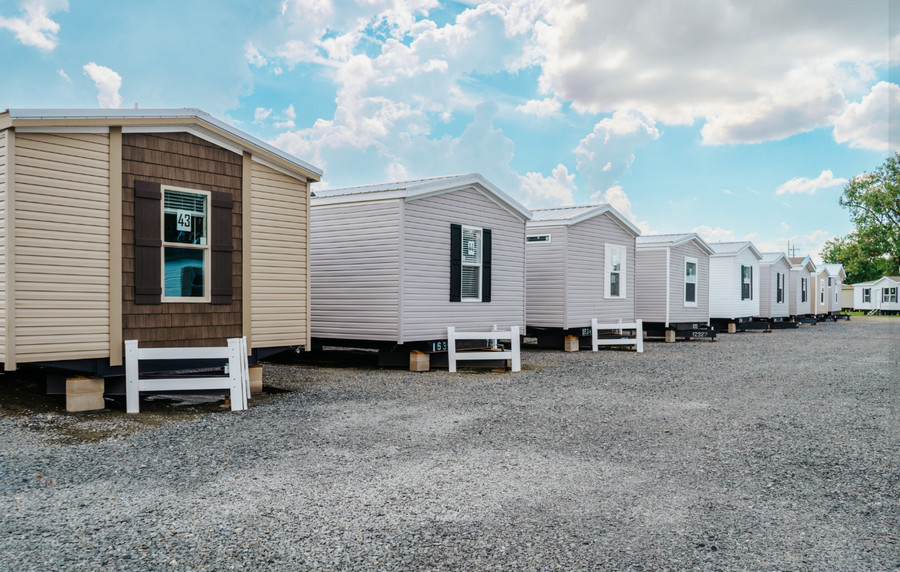
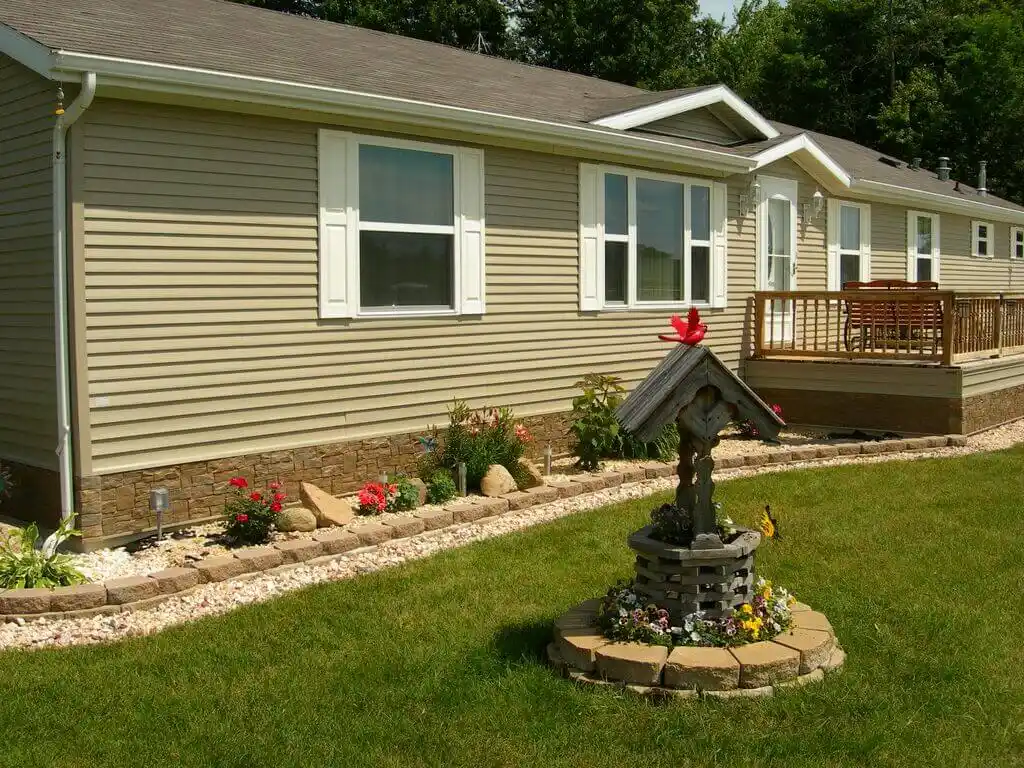
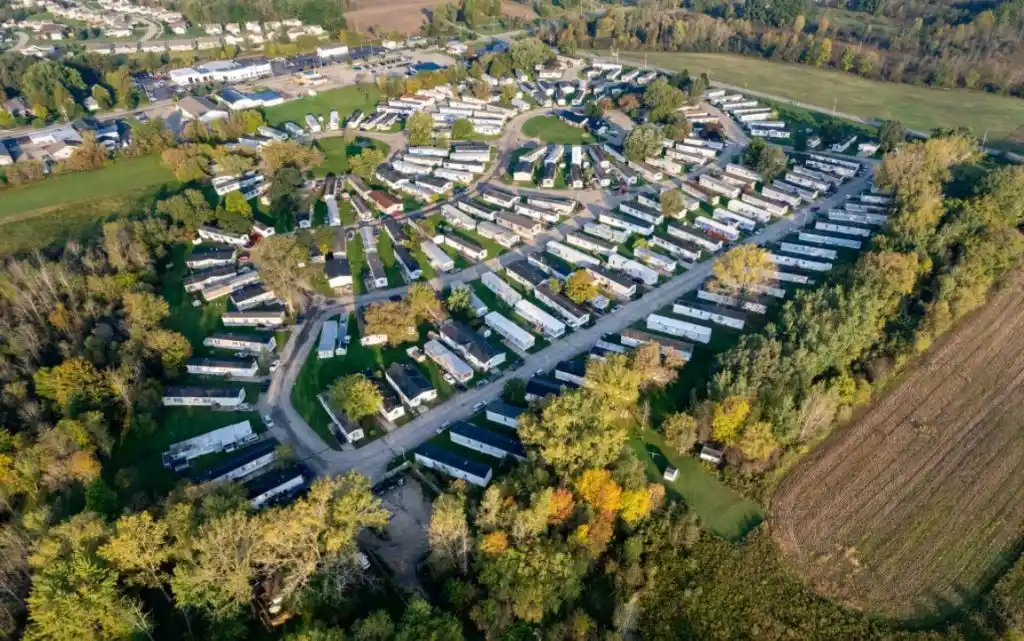
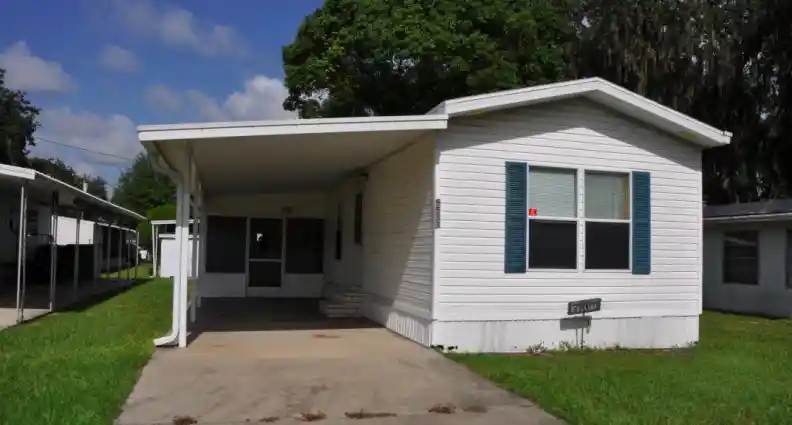
    buying a repo mobile home

    Affordable Pricing

    One of the main perks is the lower cost. Repo homes usually sell for less than new mobile homes. That means you can get more space for your money.

    Potential for Quick Deals

    Since banks want to recover losses fast, deals can close quickly. If you’re ready to buy, you could move in sooner than expected.

    Room for Upgrades

    Even if the home needs updates, you might still save overall. The money you save on the sale can go into improvements.

    Easier to Find Financing Options

    Lenders may be open to financing repo homes, especially if they owned the home in the first place.

    In summary, repo mobile homes offer:

    • Lower purchase prices
    • Faster closings
    • Budget room for upgrades
    • Access to some financing 

    What to Watch Out for When Buying a Repo Mobile Home

    While the savings are real, buying a repo mobile home comes with some risks.

    Possible Hidden Damage

    Some homes may have been poorly maintained. Before buying, always hire a certified inspector. Look for:

    • Water damage
    • Electrical issues
    • Plumbing problems
    • Foundation concerns 

    Limited Choices

    There may not be many repo homes in your area. You might have to act fast or wait for a good match.

    Repairs and Cleanup

    Sometimes, you’ll need to spend time and money fixing damage left by the previous owners. This could include:

    • Broken fixtures
    • Stained walls or flooring
    • Mold or pests 

    Complicated Paperwork

    Repossession sales can involve extra steps. Be sure the title is clear and all documents are in order.

    Where to Find a Repo Mobile Home

    Ready to look for a home? Here are some places to check:

    • Bank websites: Many lenders list repo homes online.
    • Government housing auctions: HUD and other agencies list foreclosed mobile homes.
    • Mobile home dealers: Reputable dealers often help buyers find repo homes.
    • Social media groups: Facebook Marketplace and local groups can lead to good deals. 

    Tips for Buying a Repo Mobile Home

    To make the best choice, follow these tips:

    • Inspect thoroughly: Never skip a home inspection.
    • Ask for repair estimates: Know what upgrades will cost.
    • Work with experts: Mobile home dealers understand the process.
    • Check the park rules: If the home stays in a park, read all community rules. 

    Pros of Buying a Repo Mobile Home

    Here’s a quick summary of the benefits:

    • Lower price
    • Quick purchase process
    • Potential to customize
    • Great for budget-conscious buyers 

    Cons of Buying a Repo Mobile Home

    Keep these downsides in mind:

    • Limited availability
    • Unknown damage
    • Extra repairs needed
    • Complicated paperwork

    Is Buying a Repo Mobile Home Right for You?

    Buying a repo mobile home could be a smart move. It’s one of the best ways to own a home without stretching your budget. You’ll need to do your homework, but many buyers feel the savings are worth it.

    Always compare your options. Visit several homes and ask plenty of questions. Work with a trusted dealer who knows the local market.

    If you’re ready to take the next step, reach out to The Mobile Home Dealer. We’re here to help you find a quality repo mobile home that fits your needs and budget.

    Frequently Asked Questions

    1. What is a repo mobile home?
      A repo mobile home is one that has been repossessed by the lender after the buyer defaulted on the loan.
    2. Is buying a repo mobile home safe?
      Yes, if you inspect the home and verify the paperwork, it can be a safe option.
    3. Are repo mobile homes cheaper than new ones?
      Yes, they usually cost less than new mobile homes.
    4. Can I get financing for a repo mobile home?
      Some lenders do offer loans for repo homes, especially those they previously financed.
    5. Where can I find repo mobile homes for sale?
      Check with banks, real estate websites, and mobile home dealers like The Mobile Home Dealer.
    6. Do repo mobile homes come with warranties?
      Most do not. Since they are sold as-is, you should inspect the home carefully.
    7. What kind of repairs might be needed?
      Common repairs include plumbing, electrical fixes, flooring, and paint.
    8. How long does it take to buy a repo mobile home?
      The process is usually quicker than traditional home sales if your paperwork is ready.
    9. Can I move a repo mobile home to a different lot?
      Yes, but you’ll need to check local laws and hire a professional mover.
    10. Who should I contact for help buying a repo mobile home?
      Reach out to The Mobile Home Dealer for guidance and current listings.

    If you’re considering buying a repo mobile home, now’s a great time to act. You could save big while finding a home that fits your lifestyle. Visit www.sellmobilehome.com and browse our listings today.
     

    See Also:

  • Requirements to Live in Mobile Home Park in Florida

    Requirements to Live in Mobile Home Park in Florida

    Understanding the requirements to live in a mobile home park can help make your move smooth and simple. Many parks in Florida offer peaceful living, friendly neighbors, and affordable housing options. But before you settle in, there are a few steps each resident must follow.

    Florida has a wide range of mobile home parks. Some cater to retirees, while others welcome all ages. Each park sets its own rules, but many follow similar guidelines. These rules help keep the parks clean, safe, and pleasant for everyone.

    Age Restrictions and Community Type

    Many parks in Florida are classified as 55+ communities, meaning they are age-restricted. This doesn’t mean everyone must be 55, but usually, at least one resident in the home must meet that age.

    In these communities:

    • At least 80% of homes must have one person aged 55 or older.
    • Younger spouses or caregivers are often allowed.
    • Children are usually not permitted as full-time residents.

    There are family parks as well, which welcome residents of all ages. These communities often have more playgrounds, schools nearby, and younger residents.

    Requirements to Live in Mobile Home Park

    Background Checks and Applications

    One of the most common requirements to live in a mobile home park is passing a background check. This step helps park managers keep their communities safe and quiet.

    You’ll likely need to:

    • Fill out an application with basic personal information.
    • Provide ID and proof of income.
    • Agree to a credit check.
    • Agree to a criminal background check.
    • Pay an application fee.

    Many parks look for steady income and no serious criminal history. A low credit score may not block you, but it could raise questions.

    Income and Employment Verification

    Most parks want to make sure you can pay your lot rent on time. They will ask for proof of income. You don’t always need to be employed full-time, but stable income matters.

    You can use:

    • Pay stubs
    • Social Security letters
    • Pension statements
    • Disability income
    • Bank statements showing regular deposits

    If you’re retired or on a fixed income, that is usually acceptable as long as you meet the park’s income requirements.

    Mobile Home Condition and Approval

    If you plan to move your own home into a park, it must meet certain standards. Many parks won’t accept older or damaged homes.

    Some common rules include:

    • Home must be HUD-approved (built after June 15, 1976)
    • Exterior must be clean and well-kept
    • Skirting, tie-downs, and steps must be up to code
    • Roof and siding must be in good shape
    • No broken windows or missing panels

    Before moving in, the park may inspect the home. If it needs repairs, you might have to fix them first.

    Rules About Pets and Vehicles

    Many parks allow pets, but there are limits. Each park sets its own pet policy.

    These may include:

    • Limit on the number of pets
    • Breed restrictions (often no large or aggressive breeds)
    • Size or weight limits
    • Pet registration and approval

    As for vehicles, parks usually allow one or two per home. They may also limit RVs, boats, or trailers unless there’s a special area for them.

    Other Common Park Rules

    Beyond the major requirements to live in a mobile home park, there are everyday rules all residents must follow. These help keep the community safe and peaceful.

    Common rules include:

    • Quiet hours at night
    • No illegal activity
    • Keep yards and porches clean
    • Follow parking guidelines
    • No subletting without approval
    • Follow community speed limits

    Breaking these rules can lead to warnings, fines, or eviction.

    Florida Law and Resident Rights

    Florida has laws that protect mobile home park residents. The Florida Mobile Home Act outlines the relationship between homeowners and park owners. It ensures fair treatment, proper notice for rent changes, and legal eviction procedures.

    Key rights include:

    • Right to written notice of rent increases (at least 90 days)
    • Right to receive a copy of park rules and lease terms
    • Right to contest unfair eviction in court
    • Right to sell or transfer your home with park approval

    Knowing your rights can help you feel more confident as a resident.

    Benefits of Living in a Florida Mobile Home Park

    While there are a few requirements to meet, many people love life in mobile home parks. These communities offer low-maintenance living, lower costs, and often a friendly neighborhood feel.

    Many parks also include:

    • Clubhouses for events
    • Pools and recreation areas
    • Lawn maintenance
    • Trash pickup and security
    • Community activities and gatherings

    Florida’s warm weather makes outdoor living comfortable most of the year, adding to the appeal.

    Preparing for the Application Process

    If you’re getting ready to apply, here are a few tips:

    • Gather all paperwork before visiting the park office
    • Ask for a full list of park rules
    • Bring proof of income or employment
    • Prepare references, if requested
    • Read the lease and application closely

    These small steps will help you get approved more quickly.

    FAQ: Requirements to Live in a Mobile Home Park in Florida

    1. Do all parks in Florida have age limits?
      No, only some parks are 55+ communities. Many are open to all ages.
    2. Can I live in a park if I have pets?
      Yes, but parks may have limits on pet size or breed.
    3. What kind of income do I need?
      You need a steady income to cover lot rent. Retirement income often qualifies.
    4. Do parks check credit scores?
      Many do, but a low score doesn’t always mean rejection.
    5. Is a background check required?
      Most parks require a criminal and financial background check.
    6. Can I move my own mobile home into a park?
      Yes, if the home meets park standards and passes inspection.
    7. What is lot rent?
      It’s the monthly fee for the land your mobile home sits on.
    8. Do parks allow roommates or visitors?
      Many allow them, but long-term guests may need approval.
    9. How long does the approval process take?
      It usually takes a few days to one week.
    10. Are all mobile home parks the same?
      No, each park has its own rules, rent, and requirements.

    Meeting the requirements to live in a mobile home park in Florida is often simple. With a steady income, a clean background, and a well-kept home, you can enjoy peaceful and affordable living in the Sunshine State. These parks offer strong communities and easy living for people from all walks of life.

    To learn more about mobile home living or to find your next home, visit The Mobile Home Dealer.


    See Also:

  • Repossessed Mobile Homes in Florida: What Buyers Need to Know

    Repossessed Mobile Homes in Florida: What Buyers Need to Know

    Repossessed mobile homes in Florida offer affordable housing options for those who want a lower price. These homes are often sold by banks or lenders after previous owners fall behind on payments. While the term “repossessed” might sound negative, many of these homes are in great shape and ready to move into.

    With rising housing costs in many areas, buying a mobile home can be a smart move. In Florida, many buyers are looking to repossessed homes to save money and find the right fit for their budget and lifestyle.

    Where to Find Repossessed Mobile Homes in Florida

    There are several places where you can search for these homes. Some buyers go through real estate agents, while others work with lenders or online marketplaces.

    Here are common sources:

    • Bank and credit union websites
    • Local real estate auctions
    • Government housing agencies
    • Online listings like MHBay, Zillow, and Craigslist
    • Mobile home dealers with repo inventory 

    Buyers should compare multiple listings before making a decision. Some homes are sold “as is,” while others might be updated or inspected first.

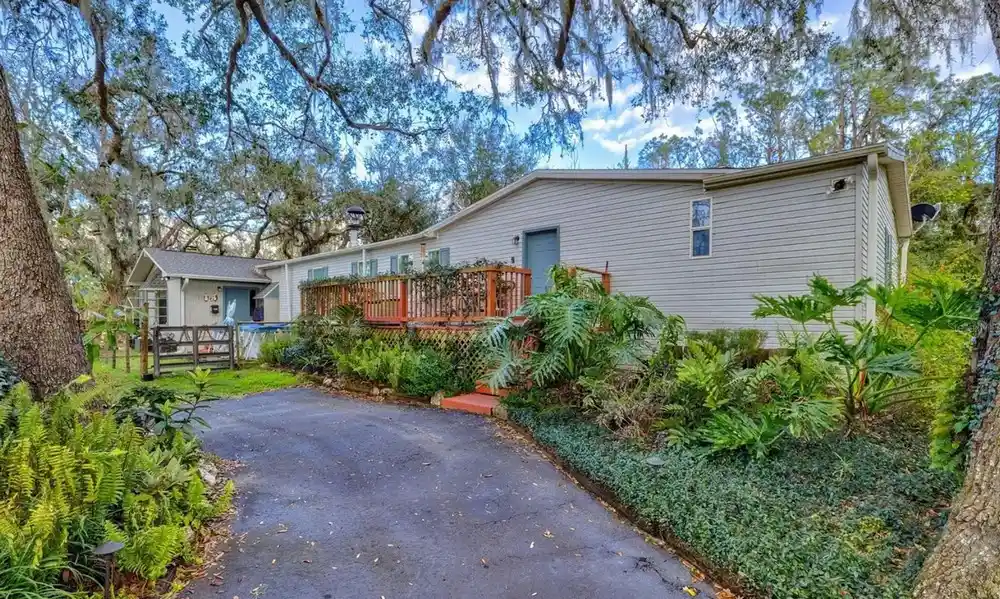
    Repossessed mobile homes in Florida

    Why Repossessed Mobile Homes Make Sense

    Many people choose repossessed mobile homes in Florida because they offer several clear benefits. Even though they were repossessed by lenders, these homes often remain in good condition.

    Some reasons to consider include:

    • Lower price than new homes
    • Quick availability
    • Chance to buy in desirable locations
    • Flexible financing options through some lenders 

    Since Florida has many mobile home parks and communities, there is often a good supply to choose from. With a little research, buyers can find a quality home at a fair price.

    Things to Check Before You Buy

    Even though repossessed mobile homes in Florida can be a great deal, it’s still important to do your homework. Some homes may need minor repairs, while others might need more work.

    Here are a few things to check:

    • Roof and ceiling condition
    • Plumbing and electrical systems
    • Foundation or tie-down setup
    • Heating and cooling systems
    • Floor and wall condition 

    If you’re not sure how to check these, you can hire a mobile home inspector. That way, you’ll know what you’re getting into before making an offer.

    Tips for Buying a Repossessed Mobile Home

    Before you move forward with a purchase, keep these tips in mind:

    • Get a written copy of the home’s title
    • Make sure all taxes are paid and current
    • Check if the home is in a park or on private land
    • Ask about lot rent if it’s in a mobile home community
    • Have cash or financing ready before bidding or buying 

    This process is usually faster than buying a traditional home. Still, it helps to be organized and ask questions ahead of time.

    Common Features in Florida Repossessed Mobile Homes

    Repossessed mobile homes in Florida often come with a variety of features. Even older models may have strong bones and basic upgrades.

    Common features you may find include:

    • Central air conditioning
    • Full kitchens with appliances
    • Two or three bedrooms
    • Built-in storage and large closets
    • Covered patios or carports 

    Some homes may need minor cleaning or updates. Others might be nearly move-in ready.

    Florida Laws That Affect Repossessed Mobile Homes

    Before buying, it’s smart to understand how Florida treats repossessed mobile homes legally. In Florida, mobile homes can be classified as personal property or real estate. This depends on whether the home is on leased land or land the owner owns.

    You should:

    • Make sure the title is clear
    • Check if the home has been retired to real property
    • Ask about property taxes and zoning 

    These rules can affect how you register the home and what type of insurance you need.

    How to Finance Repossessed Mobile Homes in Florida

    Even though these homes cost less, you may still need financing. Luckily, some lenders work with repossessed mobile homes and offer loan options.

    Common loan sources:

    • Banks that handled the repo
    • Credit unions with mobile home loans
    • Private mobile home lenders
    • FHA Title I loans (if home meets conditions) 

    Many lenders want to see that the home is in good shape and in a permanent location. If you already have land, that can make the process even smoother.

    What Makes Florida a Great Place for Mobile Homes

    Florida continues to grow as a popular location for mobile homes. Warm weather, no state income tax, and thousands of parks make it ideal for affordable housing.

    More reasons why people choose Florida:

    • Plenty of retirement communities
    • Many parks with pools, clubhouses, and events
    • Active local markets for buying and selling
    • Coastal living options at a lower price 

    With so many options across the state, it’s easy to find a location that fits your lifestyle.

    FAQ: Repossessed Mobile Homes in Florida

    1. What is a repossessed mobile home?
      It’s a home taken back by a lender after the owner stopped paying the loan.
    2. Are repossessed homes safe to live in?
      Yes, many are in good shape and only need minor repairs or cleaning.
    3. Can I get financing for one?
      Yes, some lenders offer loans for repossessed mobile homes in Florida.
    4. Do I need to live in a park?
      Not always. Some homes are sold on private land, while others are in parks.
    5. Can I inspect the home first?
      Most sellers allow inspections. It’s a smart step to take before you buy.
    6. Do I pay property taxes on these homes?
      Yes, unless the home is on leased land, then you may only pay personal property tax.
    7. Is insurance required?
      Yes, most lenders and parks require mobile home insurance.
    8. Can I move the home to a new location?
      Some homes can be moved. Always check local rules and home conditions first.
    9. How long does it take to close the sale?
      Some sales finish in a few days, others may take a few weeks.
    10. Are repossessed homes listed online?
      Yes, many are posted on real estate sites and auction platforms.

    If you’re looking for a smart way to buy affordable housing, repossessed mobile homes in Florida are worth a look. With proper research, you can find a clean and well-built home at a price that fits your budget. Whether you plan to live in it or rent it out, these homes offer great value in today’s market.

    For help with buying, selling, or moving mobile homes, contact The Mobile Home Dealer today.


    See Also:

  • What Is a Runner Foundation for Mobile Home Use?

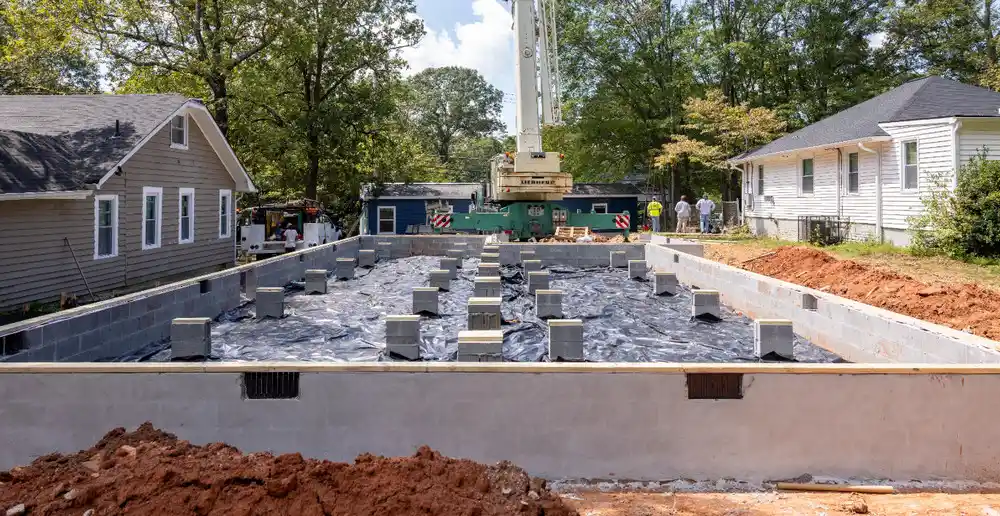
    A runner foundation for mobile home support gives stability and strength to the structure. It is one of the most common options used when setting up a mobile home.

    This type of foundation includes two parallel concrete strips. These run the length of the mobile home and support the weight along both sides. Many mobile home owners choose this setup for its lower cost and simple construction.

    If you are planning to set up a new home or move an existing one, this article helps explain why a runner foundation might be a great fit.

    Benefits of a Runner Foundation for Mobile Home Owners

    Many people choose runner foundations because they are practical and affordable. Here’s why they work well:

    • Lower cost than full slab foundations
    • Simple to install in many soil types
    • Strong support along the main beams
    • Easy access for future repairs under the home
    • Meets code in most areas, depending on soil and frost lines

    With proper setup, a runner foundation helps your home stay level and secure for many years. It also works well with mobile home skirting to protect the underside.

    Because of its advantages, many installers recommend this type of base for single and double-wide homes.

    runner foundation for mobile home

    How a Runner Foundation Is Installed

    The process is straightforward. Most licensed installers can complete it in just a few days.

    Here’s what happens:

    1. Workers clear and level the site
    2. They dig trenches for the runners
    3. Concrete is poured into forms along the trenches
    4. Steel or wood beams are placed above the runners
    5. The mobile home is moved in and placed on piers or blocks

    This setup gives your home a strong footing on both sides. Although the middle of the home is open, added blocks or footers can help support the center if needed.

    Since this method is simpler than full slabs or basements, it saves time and labor.

    Is a Runner Foundation Right for Every Mobile Home?

    Not every site will work well for a runner foundation. Before you choose this type, it helps to check:

    • Local building codes and zoning
    • Frost depth and soil stability
    • Slope and drainage of the lot
    • Size and type of your mobile home

    Runner foundations are more common in warmer states. In colder places, frost protection might require extra work. Still, even with added insulation or deeper trenches, it can be more affordable than full basements.

    Always talk with a local installer. They will check your soil and city codes to help you make the right choice.

    Common Materials Used in Runner Foundations

    Several materials go into a runner foundation for mobile home support. Each one plays an important role in keeping your home stable.

    These include:

    • Concrete – Used for the long runners, it forms the main structure
    • Steel – Rebar or mesh inside the concrete strengthens the runner
    • Wood or metal beams – Support the mobile home above the runners
    • Concrete blocks or piers – Used to support the beams and carry the weight

    With the right materials, your foundation will last for decades with little maintenance.

    Key Benefits of Mobile Homes on Runner Foundations

    This type of setup helps protect your mobile home in several ways. Here are more benefits:

    • Better air circulation under the home
    • Simpler plumbing and electrical access
    • Strong support in key areas
    • Lower risk of settling when done right

    Since air can move under the home, it helps prevent moisture problems. Plus, future repairs are easier because the area below is accessible.

    When to Consider Other Foundation Types

    While runner foundations work well in many places, some owners choose other options. These may include:

    • Full concrete slabs
    • Pier and beam setups
    • Basement or crawl space foundations

    You might need one of these if your area gets deep frost or if your lot has heavy clay soil. Still, most homeowners find a runner setup works just fine and meets all local codes.

    Long-Term Care for Runner Foundations

    Once your runner foundation is installed, very little work is needed to keep it in good shape.

    Here are a few simple tips:

    • Check for cracks or damage each year
    • Make sure drainage pulls water away from the runners
    • Look under the home after heavy storms
    • Avoid heavy machinery near the foundation

    If anything shifts or settles, a professional can make small adjustments. Since these changes are rare, many homeowners enjoy peace of mind.

    What to Ask Before Installation

    If you’re thinking about using a runner foundation for mobile home support, ask these questions first:

    • Will this setup meet local zoning rules?
    • Is my soil firm enough for concrete runners?
    • How long will the installation take?
    • Will this support my specific home size and weight?
    • How does pricing compare to other options?

    Asking early helps you avoid surprises later. It also helps you stay on budget.

    FAQ: Runner Foundation for Mobile Home

    1. What is a runner foundation?
      It’s two long concrete strips that support the weight of a mobile home.
    2. Is it cheaper than other foundations?
      Yes, it usually costs less than full slabs or basements.
    3. Can you use it in cold states?
      Yes, but it may need deeper runners and added insulation.
    4. How long does it take to install?
      Most crews finish in two to three days, depending on the weather.
    5. Does it support double-wide homes?
      Yes, with added center piers or supports.
    6. Is a permit needed to install one?
      Most cities require a permit. Check with your local office.
    7. How long does it last?
      Concrete runners can last 30 years or more with little care.
    8. Can you move the home later?
      Yes, homes on runners can be moved with the right equipment.
    9. Do I need skirting with a runner foundation?
      Skirting helps protect pipes and keeps animals out. It’s a smart choice.
    10. Can I add tie-downs to a runner foundation?
      Yes, tie-downs can be added for extra wind protection.

    If you are setting up a mobile home and want a solid, affordable base, a runner foundation may be the right pick. It works well with many soil types and helps keep your home stable year-round. For help with selling or setting up your mobile home, visit The Mobile Home Dealer.


    See Also:


  • Top 5 Mobile Home Parks in Sebring, Florida

    Top 5 Mobile Home Parks in Sebring, Florida

    If you’re searching for the best mobile home parks in Sebring, you’re in for a great surprise.

    Sebring, located in central Florida, is a quiet and welcoming place. It draws in retirees and seasonal residents year-round. The warm climate, peaceful atmosphere, and friendly neighbors make it a perfect spot for mobile home living.

    In this article, we highlight five top-rated communities that offer affordable homes, relaxing settings, and enjoyable features.

    1. Tanglewood – A Standout Among Mobile Home Parks in Sebring

    Tanglewood is one of the most talked-about mobile home parks in Sebring. Residents love its active and social vibe.

    This 55+ community has everything you need for a relaxed and fun lifestyle. It offers:

    • A large clubhouse with events and activities 
    • A heated pool and hot tub 
    • Tennis and shuffleboard courts 
    • A fitness center 
    • Beautiful walking trails 

    Homes here sit on wide lots with extra space for privacy. Tanglewood also includes gated access, so residents feel safe and secure.

    The park’s location is another plus. It’s close to shops, restaurants, and medical care. Many residents say the strong sense of community keeps them happy and active year-round.

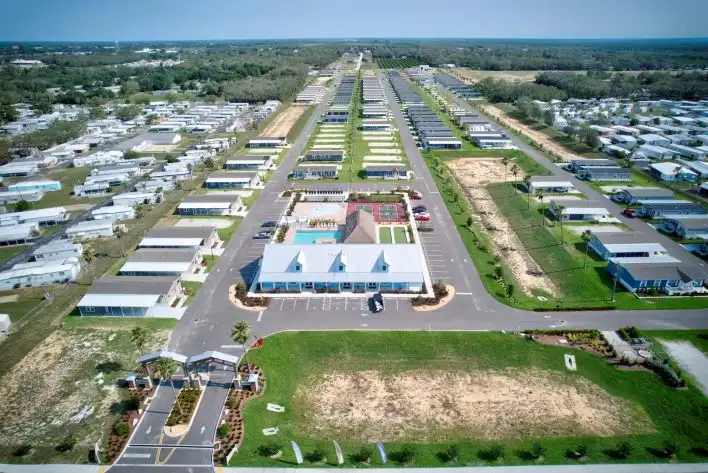
    mobile home parks in Sebring

    2. Highlands Mobile Village

    Highlands Mobile Village is another popular park in Sebring. It offers quiet surroundings while staying close to the city center.

    This community is known for its clean grounds and peaceful feel. You’ll find:

    • Large lots with mature shade trees 
    • A small but friendly clubhouse 
    • Bingo nights and group dinners 
    • Organized seasonal activities 
    • Easy access to Lake Jackson 

    People living here enjoy the calm setting while being near everything they need. Many describe Highlands Mobile Village as peaceful, clean, and affordable.

    It’s ideal for retirees who want a quiet life with the option to join activities when they choose.

    3. Sebring Village

    Sebring Village is a top pick for anyone looking for a 55+ community with a great mix of peace and fun.

    This park offers:

    • Pet-friendly rules 
    • A pool and spa 
    • Weekly game nights and dances 
    • Pickleball and shuffleboard courts 
    • Wide streets for walking or biking 

    Sebring Village stands out because of its welcoming vibe. Residents are quick to introduce themselves and include newcomers in activities.

    The park also provides an RV storage area and low monthly lot rent. If you want comfort, convenience, and great neighbors, this is a great option.

    4. Francis I Mobile Estates

    Francis I Mobile Estates is smaller than some other parks but offers a quiet and relaxing setting.

    It’s perfect for anyone looking for:

    • A tight-knit group of residents 
    • Well-kept lots and lawns 
    • Affordable lot rent 
    • A location near shopping centers 
    • Close access to major roads 

    While it doesn’t offer as many amenities as larger parks, Francis I makes up for it with charm and simplicity.

    If you want a smaller park where everyone knows each other, this is a top pick.

    5. Oak Ridge Mobile Home Park

    Oak Ridge Mobile Home Park rounds out our list of the top mobile home parks in Sebring.

    It features:

    • A scenic location with open green space 
    • Affordable homes and rent 
    • A laid-back pace of life 
    • Nearby golf courses and lakes 
    • Friendly management 

    Many residents say they felt right at home from the start. The park remains quiet and peaceful but is still close to downtown Sebring.

    It’s great for retirees or anyone who wants a slower pace with great weather.

    Why People Love Mobile Home Parks in Sebring

    People from across the country choose Sebring for its charm and simplicity. The area offers a lot for mobile home owners.

    Here’s why it’s popular:

    • Mild winters and sunny days 
    • Low cost of living 
    • Lots of outdoor activities 
    • Friendly communities 
    • Access to lakes, golf, and local shops 

    Many parks offer extras like clubhouses, pools, and organized events. Residents can be as social or private as they like.

    Tips Before Choosing a Mobile Home Park

    Before moving in, think about your lifestyle and daily needs. Some parks focus on activities. Others offer quiet settings.

    Ask yourself:

    • Do you want to join events or stay private? 
    • Do you need pet-friendly rules? 
    • How close do you want to be to stores or doctors? 
    • Do you prefer gated parks? 
    • Is age-restricted living right for you? 

    Tour the park, talk to residents, and check online reviews. This helps make sure the park fits your needs.

    Things to Do Around Sebring, Florida

    Living in Sebring gives you access to fun and relaxing activities all year.

    Popular spots include:

    • Lake Jackson – Great for boating, fishing, or relaxing 
    • Sebring International Raceway – A famous racetrack that hosts events 
    • Highlands Hammock State Park – Perfect for hiking and nature watching 
    • Local golf courses – Plenty of options with sunny skies year-round 
    • Downtown Sebring – Full of shops, cafes, and local charm 

    With warm weather and low stress, life here moves at a relaxed pace.

    FAQ: Mobile Home Parks in Sebring

    1. Are there age-restricted mobile home parks in Sebring?
      Yes, many parks are 55+ communities, but some are open to all ages.
    2. What’s the average lot rent in Sebring parks?
      It ranges from $300 to $600, depending on the park and location.
    3. Can I have pets in Sebring mobile home parks?
      Most parks allow pets, but some have breed or size limits.
    4. Do Sebring parks offer amenities like pools and clubhouses?
      Many do, especially the larger 55+ communities.
    5. Are mobile home parks in Sebring safe?
      Most have good reputations, and some are gated for extra peace of mind.
    6. Can I buy and rent out a mobile home in these parks?
      Some parks allow rentals, but others may have rules against it.
    7. Is Sebring a good place for retirees?
      Yes, it’s known for quiet living, sunny weather, and affordable costs.
    8. How close are the parks to hospitals and shopping?
      Most are just minutes from stores, clinics, and medical centers.
    9. Are there seasonal residents in these parks?
      Yes, many snowbirds spend the winter months in Sebring.
    10. Do parks require background checks?
      Yes, most parks require background checks for all new residents.

    If you’re looking at mobile home parks in Sebring, you’re making a great choice. This peaceful Florida town offers friendly people, warm weather, and great communities. Whether you want an active lifestyle or a quiet retreat, there’s a perfect park waiting for you.

    To learn more or to sell your mobile home fast, visit The Mobile Home Dealer.


    See Also:

  • Single Wide Mobile Home Skirting Ideas for Better Curb Appeal and Comfort

    Single Wide Mobile Home Skirting Ideas for Better Curb Appeal and Comfort

    Looking for single wide mobile home skirting ideas that improve both looks and function? You’re in the right place.

    Skirting serves more than just a decorative purpose. It helps regulate temperature, keeps animals out, and can even boost your home’s value. With the right skirting, your single wide mobile home can look cleaner, more complete, and better protected.

    Let’s look at some skirting ideas that are easy to install, budget-friendly, and durable.

    Why Skirting Matters for Single Wide Mobile Homes

    Skirting wraps around the base of your mobile home. It creates a barrier between the ground and your home’s underside.

    This barrier helps with:

    • Insulation: It can reduce heating and cooling costs.
    • Protection: Keeps moisture, pests, and debris away.
    • Appearance: Gives the home a more finished, tidy look.

    Choosing the right skirting makes your home more efficient and appealing.

    single wide mobile home skirting ideas

    Popular Single Wide Mobile Home Skirting Ideas

    There are many materials you can use. Some are great for low budgets. Others last longer or look more like a traditional house.

    1. Vinyl Skirting

    Vinyl skirting is one of the most popular choices. It’s affordable, easy to find, and comes in various colors.

    Pros:

    • Lightweight and simple to install
    • Weather-resistant
    • Budget-friendly

    Cons:

    • Can crack in cold weather
    • May need replacing after a few years

    If you want a low-cost solution that still looks neat, vinyl is a solid choice.

    2. Faux Stone Skirting

    Looking for style? Faux stone skirting gives a natural look without the high price of real stone.

    Benefits include:

    • High curb appeal
    • Durable in different climates
    • Easy to clean

    Though more expensive than vinyl, faux stone lasts longer and adds charm to your mobile home.

    3. Metal Skirting

    Metal skirting—usually aluminum or galvanized steel—offers strong protection. It’s a smart choice in areas with wild animals or rough weather.

    Why people choose it:

    • Harder to damage
    • Fire-resistant
    • Long-lasting

    This option works best if you want security and strength.

    4. Concrete or Brick Panels

    Some owners prefer a solid look. Concrete or brick panels can make your home appear permanent.

    Advantages:

    • Very sturdy
    • High-end look
    • Fire- and weather-resistant

    This option can cost more upfront, but it lasts decades with little upkeep.

    5. Recycled Materials

    Looking to save money and reduce waste? You can use leftover wood, tin, or plastic for a unique skirting look.

    Ideas include:

    • Painted pallets
    • Corrugated metal sheets
    • Repurposed siding

    Just be sure the material is safe and secure for your climate.

    Creative Design Tips to Match Your Style

    You don’t need to stick to plain skirting. Use your single wide mobile home skirting ideas to show off your style.

    Try these:

    • Paint the skirting to match your trim
    • Add vents for better airflow
    • Use vertical panels for a modern look
    • Mixed materials, like wood and stone

    Mixing style and function helps your home stand out.

    Budget-Friendly Skirting Options

    Good skirting doesn’t need to break the bank. Here are ways to save money while still doing the job right:

    • Shop clearance or surplus materials
    • Install it yourself to avoid labor costs
    • Use pre-made kits that include all tools
    • Paint low-cost materials to improve their look

    Staying within budget is easier when you plan ahead.


    How to Install Skirting on a Single Wide Mobile Home

    Want to try installing it yourself? It’s doable with some basic tools and patience.

    Steps to follow:

    1. Measure the perimeter of your home
    2. Choose your material based on weather and style
    3. Prepare the ground by leveling it and clearing debris
    4. Install top and bottom tracks
    5. Cut panels to size and slide them in
    6. Add vents and an access door for maintenance 

    Check your local codes before starting, as some areas have specific rules.

    Skirting Maintenance Tips

    Once your skirting is in place, keep it looking and working well.

    Use these tips:

    • Check for cracks or holes every few months
    • Clean with a hose or soft brush
    • Look for loose panels after storms
    • Trim nearby plants that may cause damage

    Taking care of your skirting adds years to its life.

    When to Replace Your Skirting

    Over time, even strong materials can wear out. Replace your skirting if you see:

    • Warped or broken panels
    • Mold or rot
    • Gaps that let in animals
    • Increased energy bills

    A fresh look can also increase your home’s value if you’re thinking of selling.

    FAQ: Single Wide Mobile Home Skirting Ideas

    1. What is the purpose of skirting on a single wide mobile home?
      It protects the underside from pests, moisture and helps with insulation.
    2. What is the cheapest type of mobile home skirting?
      Vinyl skirting is usually the most affordable and easy to install.
    3. Can I install the skirting myself?
      Yes, with basic tools and a good plan, many homeowners install skirting on their own.
    4. How long does vinyl skirting last?
      It can last 5–10 years, depending on weather and maintenance.
    5. Does skirting improve energy efficiency?
      Yes, it helps keep temperatures stable and can lower energy bills.
    6. What is the best skirting for cold climates?
      Insulated vinyl or metal skirting works well in colder regions.
    7. Can I paint the mobile home skirting?
      Yes, many types, like vinyl, metal, or world can be painted.
    8. Do I need vents in my skirting?
      Yes, vents prevent moisture buildup and help air flow.
    9. How much does mobile home skirting cost?
      Prices range from $300 to $1,500, depending on size and material.
    10. Is skirting required by law?
      In many places, yes. Always check local codes before skipping it.


    Adding or updating your single-wide mobile home skirting is one of the best ways to improve both appearance and protection. Whether you prefer a classic look or something bold, the right skirting can make a big difference.

    For more ideas or help selling your mobile home, visit The Mobile Home Dealer.


    See Also:


  • How to Find Affordable Mobile Homes in Parrish, Florida

    How to Find Affordable Mobile Homes in Parrish, Florida

    Finding affordable mobile homes in Parrish, Florida, can be easier than you think. Many options offer comfortable living at a lower price than traditional homes. Whether you are looking for a cozy retirement spot or an affordable home for your family, mobile homes are a great choice.

    Why Choose a Mobile Home in Parrish, Florida?

    Parrish is a growing community with a welcoming atmosphere. It has great weather, friendly neighbors, and plenty of activities. Mobile homes in Parrish provide a cost-effective way to enjoy Florida living without breaking the bank.

    Benefits of mobile homes in Parrish include:

    • Lower purchase prices than traditional houses
    • Access to mobile home communities with amenities
    • Lower maintenance costs
    • Affordable lot rent compared to high mortgage payments

    Affordable Mobile Homes in Parrish

    Where to Look for Affordable Mobile Homes in Parrish

    There are several ways to find affordable mobile homes in Parrish. Knowing where to search can help you find the best deals.

    1. Mobile Home Dealer Websites

    Many dealers specialize in selling mobile homes at affordable prices. Websites like The Mobile Home Dealer (www.sellmobilehome.com) list available homes, pricing, and community details.

    2. Local Classifieds and Online Listings

    Websites such as Craigslist, Facebook Marketplace, and Zillow often have mobile homes for sale. You can filter your search by price, location, and home size.

    3. Mobile Home Parks and Communities

    Visiting mobile home parks in Parrish can help you find available homes. Some parks have listings on their websites or office boards.

    4. Auctions and Foreclosures

    Foreclosed mobile homes can be an affordable option. Checking local banks and auction websites may lead to discounted homes.

    What to Check Before Buying a Mobile Home

    Before purchasing a mobile home, make sure to check these important factors:

    • Condition – Inspect the home for any damage or needed repairs.
    • Community Rules – Some parks have age restrictions or pet policies.
    • Lot Rent – If the home is in a park, find out the monthly lot rent.
    • Title and Ownership – Verify that the seller has a clear title to the home.
    • Utilities and Services – Ensure water, electricity, and other utilities are available.

    Best Mobile Home Communities in Parrish

    Many mobile home parks in Parrish offer affordable living with great amenities. Some of the best communities include:

    • Veranda Springs – A 55+ community with a clubhouse, pool, and social activities.
    • Riverside Club – Offers waterfront views and golf course access.
    • Kingswood Mobile Home Park – A well-maintained park with reasonable lot rent.

    Financing Options for Affordable Mobile Homes in Parrish

    If you need financing for a mobile home, several options are available:

    • Chattel Loans – These loans are for mobile homes not attached to land.
    • FHA Loans – Government-backed loans with low down payments.
    • Personal Loans – Some buyers use personal loans for mobile home purchases.
    • Owner Financing – Some sellers offer financing with flexible terms.

    Tips for Finding the Best Deal

    To get the best price on a mobile home, follow these tips:

    • Compare Prices – Check multiple listings to ensure you get a fair deal.
    • Negotiate – Many sellers are willing to negotiate the price.
    • Consider Older Homes – Well-maintained older models can be cheaper.
    • Look Off-Season – Prices may be lower during slow selling periods.

    Maintaining Your Mobile Home

    Mobile homes require regular maintenance to stay in good condition. Keep your home in top shape by:

    • Sealing the roof to prevent leaks
    • Checking plumbing and electrical systems
    • Keeping skirting in good condition
    • Cleaning HVAC systems regularly

    Frequently Asked Questions

    1. How much do mobile homes in Parrish cost?
      Prices vary, but affordable mobile homes in Parrish can range from $30,000 to $150,000.
    2. Can I finance a mobile home?
      Yes, you can use chattel loans, FHA loans, or personal loans.
    3. Are mobile homes in Parrish a good investment?
      Yes, they offer affordable living and can appreciate in value in good locations.
    4. Do mobile home parks allow pets?
      Some do, but it depends on the community’s rules.
    5. What is the average lot rent in Parrish?
      Lot rent varies but usually ranges from $400 to $800 per month.
    6. Are there age-restricted mobile home communities?
      Yes, some communities are 55+ while others welcome all ages.
    7. Do mobile homes need homeowners insurance?
      It is not required by law, but it is highly recommended.
    8. How do I know if a mobile home has a clear title?
      Request the title from the seller and check with local authorities.
    9. Can I move a mobile home to another location?
      Yes, but moving a mobile home is expensive and requires permits.
    10. Where can I find used mobile homes in Parrish?
      Check online listings, mobile home dealers, and community bulletin boards.


    See Also:


  • Mobile Home Wall Panels: The Best Materials and Styles

    Mobile Home Wall Panels: The Best Materials and Styles

    Mobile home wall panels play a key role in the comfort and appearance of a home. The right panels improve insulation, add style, and make maintenance easier. With many materials and designs available, choosing the best option depends on budget, durability, and personal taste.

    The Best Materials for Mobile Home Wall Panels

    Vinyl Panels

    Vinyl panels are popular because they are durable and easy to clean. They resist moisture, making them great for kitchens and bathrooms. They also come in various colors and textures to fit different styles.

    Benefits of Vinyl Panels:

    • Affordable compared to other materials
    • Resistant to moisture and stains
    • Available in different colors and patterns

    Wood Panels

    Wood panels add a warm, natural look to mobile homes. They are available in real wood or engineered wood options, such as plywood or MDF. While they require some maintenance, they provide a classic and cozy feel.

    mobile home wall panels

    Benefits of Wood Panels:

    • Natural appearance with unique grain patterns
    • Can be painted or stained to match decor
    • Durable when properly maintained

    Drywall Panels

    Drywall panels give mobile homes a traditional home-like feel. They provide a smooth surface that can be painted or wallpapered. Though they are not as water-resistant as vinyl, they offer great customization options.

    Benefits of Drywall Panels:

    • Smooth finish that can be painted or wallpapered
    • Provides a solid and sturdy feel
    • Allows for easy repairs and modifications

    Fiberglass Panels

    Fiberglass panels are strong and resistant to moisture. They are ideal for high-humidity areas like bathrooms. Their smooth surface makes cleaning simple, but they are less customizable compared to drywall.

    Benefits of Fiberglass Panels:

    • Waterproof and mold-resistant
    • Easy to clean and maintain
    • Lightweight but durable

    The Best Styles for Mobile Home Wall Panels

    Smooth and Modern

    For a sleek look, smooth wall panels work best. They create a clean, modern style that fits any interior. This style works well with drywall and vinyl panels.

    Textured and Rustic

    Textured panels add depth and character to a mobile home. Wood panels with grain patterns or embossed vinyl panels give a rustic charm.

    Classic and Traditional

    Traditional designs include beadboard or wainscoting. These styles add detail without overwhelming the space. They work well with wood and vinyl panels.

    Bright and Airy

    Light-colored panels make a mobile home feel more spacious. White or pastel tones reflect light, making small rooms appear larger.

    How to Choose the Right Mobile Home Wall Panels

    When selecting manufactured home wall panels, consider these factors:

    • Budget: Some materials are more affordable than others.
    • Durability: Choose moisture-resistant panels for humid areas.
    • Maintenance: Some panels require regular cleaning or refinishing.
    • Installation: Some options are easy to install without professional help.

    Tips for Installing Mobile Home Wall Panels

    • Measure the walls accurately before purchasing materials.
    • Use proper adhesives or fasteners to ensure stability.
    • Seal seams and edges to prevent moisture damage.
    • Consider hiring a professional for more complex installations.

    Maintenance and Cleaning of Mobile Home Wall Panels

    • Vinyl: Wipe with a damp cloth and mild soap.
    • Wood: Dust regularly and use wood cleaner when needed.
    • Drywall: Repaint when necessary and fix cracks promptly.
    • Fiberglass: Use a non-abrasive cleaner for a spotless look.

    FAQ

    1. What is the most durable material for mobile home wall panels?

    Fiberglass and vinyl panels are the most durable and resistant to moisture.

    2. Can I paint manufactured home wall panels?

    Yes, drywall and wood panels can be painted for a fresh look.

    3. Are wood panels a good choice for mobile homes?

    Yes, they add warmth and style but require maintenance to prevent damage.

    4. How do I replace old mobile home wall panels?

    Remove the old panels, check for damage behind them, and install new ones with proper adhesives or fasteners.

    5. Can I install drywall in a mobile home?

    Yes, drywall works well but needs additional support in some cases.

    6. What is the best option for a bathroom?

    Vinyl or fiberglass panels are best because they resist moisture.

    7. How do I clean vinyl wall panels?

    Use a damp cloth with mild soap to remove dirt and stains.

    8. Can I use wallpaper on mobile home wall panels?

    Yes, wallpaper works well on smooth surfaces like drywall or vinyl panels.

    9. Are mobile home wall panels expensive?

    Prices vary, but vinyl and MDF panels are usually affordable.

    10. How do I fix a crack in a drywall panel?

    Use joint compound to fill the crack, then sand and repaint the area.

    Choosing the right mobile home wall panels improves both the function and appearance of your home. Whether you prefer a modern, rustic, or traditional style, there is a material that fits your needs.


    See Also:

  • Best Loans for Mobile Homes in 2025: What You Need to Know

    Best Loans for Mobile Homes in 2025: What You Need to Know

    Mobile homes provide an affordable housing option for many buyers, but finding the right loans for mobile homes can be challenging. In 2025, several financing choices can help make purchasing a mobile home easier and more affordable. Understanding the best loan options will help you make a smart financial decision.

    Types of Loans for Mobile Homes in 2025

    There are several financing options available, each with its own requirements and benefits. Here are the best loan types:

    1. FHA Loans

    FHA loans offer a low down payment and flexible credit requirements. These loans are government-backed and provide affordable financing for mobile home buyers.

    Key Benefits:

    • Low down payment (as low as 3.5%)
    • More lenient credit score requirements
    • Fixed interest rates

    2. VA Loans

    VA loans are ideal for veterans and active military members. These loans offer competitive interest rates and no down payment, making them an excellent choice for those who qualify.

    Key Benefits:

    • No down payment required
    • No private mortgage insurance (PMI)
    • Competitive interest rates

    3. Chattel Loans

    If you are purchasing a mobile home without land, a chattel loan is a good option. This type of loan is specifically designed for mobile homes and often has shorter repayment terms.

    Key Benefits:

    • Easier approval process
    • Suitable for homes in mobile home parks
    • Faster closing times

    best loans for mobile homes

    4. USDA Loans

    For those buying in rural areas, USDA loans provide a great financing option. These loans offer no down payment and low interest rates.

    Key Benefits:

    • No down payment
    • Lower interest rates
    • Designed for rural homebuyers

    How to Qualify for a Mobile Home Loan

    Lenders consider several factors before approving a loan. Here are the main requirements:

    • Credit Score: A higher score improves loan approval chances.
    • Down Payment: Some loans require as little as 3.5%.
    • Debt-to-Income Ratio: Lenders check your ability to repay.
    • Property Type: Loans vary based on whether the home is attached to land.

    Best Lenders for Mobile Home Loans in 2025

    1. Rocket Mortgage

    Rocket Mortgage provides FHA and VA loans, making it a strong choice for mobile home buyers.

    2. 21st Mortgage Corporation

    Specializing in mobile home loans, this lender offers financing with no minimum credit score requirements.

    3. Vanderbilt Mortgage and Finance

    This lender provides chattel loans and land-home packages for mobile home buyers.

    4. Manufactured Nationwide

    They offer USDA and VA loans with competitive rates for mobile home buyers.

    Steps to Apply for a Mobile Home Loan

    Follow these steps to secure financing:

    1. Check Your Credit Score – A higher score means better loan terms.
    2. Determine Your Budget – Know how much you can afford.
    3. Compare Lenders – Look for the best interest rates and terms.
    4. Gather Documents – Have proof of income, credit history, and identification ready.
    5. Submit Your Application – Complete the lender’s process and wait for approval.

    Common Mistakes to Avoid When Applying for Mobile Home Loans

    • Not Checking Your Credit Score – Low scores may lead to high interest rates.
    • Ignoring Loan Terms – Shorter terms can mean higher payments.
    • Not Comparing Lenders – Different lenders offer different rates.
    • Skipping a Down Payment – A down payment can lower monthly costs.

    FAQ: Loans for Mobile Homes

    1. Can I get a mortgage for a mobile home?

    Yes, if the home is attached to land and meets lender requirements.

    2. What credit score is needed for a mobile home loan?

    Most lenders prefer a score of 620 or higher, but some accept lower scores.

    3. Are FHA loans available for mobile homes?

    Yes, FHA loans are available for mobile homes with a foundation and land.

    4. Can I buy a mobile home with no down payment?

    Yes, VA and USDA loans offer zero down payment options.

    5. What is the best loan for mobile homes in parks?

    Chattel loans are the best option for homes in mobile home parks.

    6. How long can I finance a mobile home?

    Loan terms range from 10 to 30 years, depending on the lender and loan type.

    7. Do mobile home loans have high interest rates?

    Interest rates vary, but government-backed loans usually offer lower rates.

    8. Can I refinance a mobile home loan?

    Yes, refinancing can lower monthly payments and interest rates.

    9. Do all lenders offer mobile home loans?

    No, only specific lenders provide loans for mobile homes.

    10. Can I use a personal loan to buy a mobile home?

    Yes, but personal loans often have higher interest rates.


    See Also:

  • 5-Bedroom Mobile Homes: Are They Worth the Investment?

    5-Bedroom Mobile Homes: Are They Worth the Investment?

    5-bedroom mobile homes offer space and comfort without the high cost of traditional housing. Many families find them to be a smart choice. These homes provide affordability, flexibility, and convenience. But are they worth the investment? Let’s explore their benefits and considerations.

    The Appeal of 5-Bedroom Mobile Homes

    A 5-bedroom mobile home provides the space a growing family needs. Whether for a large household, home office setup, or guest rooms, these homes offer a solution. Here’s why people choose them:

    • Affordability – They cost less than site-built homes.
    • Flexibility – You can place them in various locations.
    • Efficiency – Newer models have energy-saving features.
    • Customization – You can modify interiors to suit your needs.

    Are 5-Bedroom Mobile Homes a Smart Financial Choice?

    5-bedroom mobile homes

    Many buyers ask if a 5-bedroom mobile home holds its value. The answer depends on maintenance, location, and market demand. Unlike traditional houses, mobile homes may depreciate, but they offer other financial advantages:

    • Lower upfront cost – Save money compared to a standard house.
    • Affordable property taxes – Mobile homes often have lower tax rates.
    • Less maintenance expense – Repairs typically cost less than in a site-built home.

    Space and Comfort Without the High Cost

    A major advantage of a 5-bedroom mobile home is its spacious layout. Larger families need multiple rooms for sleeping, working, or hobbies. Compared to traditional houses, mobile homes offer:

    • More rooms for a lower price
    • Open floor plans for better functionality
    • Modern designs with upgraded features

    Common Features of 5-Bedroom Mobile Homes

    These homes often include:

    • Master suite with private bath
    • Walk-in closets
    • Large kitchen with modern appliances
    • Energy-efficient windows and insulation
    • Open-concept living areas

    Where Can You Place a 5-Bedroom Mobile Home?

    Zoning laws and community rules determine placement. Here are a few options:

    • Mobile home parks – Some allow large models.
    • Private land – If zoning permits, you can place it on your property.
    • Lease land – Some communities rent land for mobile homes.

    Customization and Upgrades

    Many manufacturers offer custom options. Buyers can upgrade features like flooring, kitchen appliances, and bathroom fixtures. Popular upgrades include:

    • Hardwood or vinyl plank flooring
    • Granite or quartz countertops
    • Stainless steel appliances
    • Smart home technology

    Potential Drawbacks to Consider

    While these homes have many advantages, buyers should think about potential downsides:

    • Depreciation – Mobile homes may lose value over time.
    • Financing challenges – Loans for mobile homes differ from traditional mortgages.
    • Limited placement options – Not all areas allow large mobile homes.

    How to Maintain Your Mobile Home’s Value

    Proper maintenance helps preserve the home’s worth. Consider these tips:

    • Keep the exterior clean and painted
    • Ensure the foundation remains stable
    • Upgrade appliances and fixtures over time
    • Perform regular inspections for leaks or damages

    Are They Right for You?

    A 5-bedroom mobile home fits families needing space without a high mortgage. They work well for multi-generational living, home offices, or rental opportunities. Buyers should compare costs, financing options, and long-term plans before deciding.

    Frequently Asked Questions

    1. Can a 5-bedroom mobile home be moved easily?
      It depends on the size and structure. Larger mobile homes may require professional movers.
    2. Do mobile homes hold their value?
      They may depreciate, but proper maintenance and location can help retain value.
    3. Are 5-bedroom mobile homes energy efficient?
      Many newer models include energy-saving features like insulation and efficient windows.
    4. Can I get a mortgage for a mobile home?
      Financing options exist, but loans differ from traditional mortgages.
    5. Where can I place a 5-bedroom mobile home?
      Options include mobile home parks, private land, and leased property, depending on zoning laws.
    6. How much does a 5-bedroom mobile home cost?
      Prices vary by brand, features, and location, but they are typically more affordable than site-built homes.
    7. Can I customize a 5-bedroom mobile home?
      Yes, manufacturers offer various customization options, including flooring, appliances, and layouts.
    8. What is the lifespan of a mobile home?
      With proper care, a mobile home can last 30 to 50 years.
    9. Are mobile homes safe in extreme weather?
      Modern mobile homes meet safety codes, but additional measures like tie-downs may be needed in storm-prone areas.
    10. Do mobile homes have good resale value?
      Resale value depends on location, condition, and market demand.


    See Also:


Reset password

Enter your email address and we will send you a link to change your password.

Get started with your account

to save your favourite homes and more

Sign up with email

Get started with your account

to save your favourite homes and more

By clicking the «SIGN UP» button you agree to the Terms of Use and Privacy Policy
Powered by Estatik