Author: Raden Payas

  • Why Florida is the Ultimate Destination for Snowbirds

    In the realm of seasonal migration, there exists a phenomenon known as snowbirding, where individuals, often retirees, flock to warmer climates during the winter months to escape the chill of their native lands. Among the myriad destinations available to these seasonal travelers, one shines brighter than the rest: Florida. With abundant sunshine, diverse landscapes, and many activities, Florida has cemented itself as the premier destination for snowbirds seeking refuge from the winter blues.

    1. Sunshine State

    Florida’s nickname, the “Sunshine State,” is no mere moniker; it’s a testament to the state’s consistent and inviting weather. With an average of 230 days of sunshine annually, Florida provides a welcome respite from the dreary winter days experienced in many other parts of the country. Snowbirds can revel in the warmth and brightness of Florida’s climate, soaking up Vitamin D and rejuvenating their spirits under clear, blue skies.florida snowbirds

    2. Varied Landscapes

    From pristine beaches to lush wetlands, Florida boasts a diverse landscape tapestry that caters to every preference. Snowbirds can choose to bask on the powdery sands of the Gulf Coast, where the gentle waves lap against the shore, or explore the untamed beauty of the Everglades, a UNESCO World Heritage Site teeming with exotic wildlife. Whether one seeks relaxation or adventure, Florida offers an array of natural wonders to explore and enjoy.

    3. Cultural Melting Pot

    Florida’s cultural landscape is as vibrant as its natural surroundings. Snowbirds can immerse themselves in a melting pot of cultures, from the vibrant Latin influences of Miami’s Little Havana to the charming Southern hospitality of quaint coastal towns. The state’s diverse population ensures a wide range of culinary delights, artistic expressions, and cultural experiences waiting to be discovered.

    4. Outdoor Recreation

    For snowbirds with a penchant for outdoor adventure, Florida is a paradise waiting to be explored. The state offers many recreational activities, from world-class golf courses to scenic hiking trails for every interest and skill level. Water enthusiasts can indulge in sailing, fishing, or kayaking along Florida’s extensive coastline, while nature lovers can marvel at the breathtaking beauty of the state’s numerous parks and nature reserves.

    5. Retirement Haven

    Florida’s reputation as a retirement haven is well-deserved, thanks to its favorable tax policies, affordable cost of living, and abundance of retirement communities tailored to the needs of active seniors. Snowbirds looking to escape the harsh winters of their northern homes often find solace in Florida’s welcoming communities, where they can enjoy a relaxed and fulfilling lifestyle surrounded by like-minded individuals.

    6. Cultural Attractions

    Beyond its natural beauty, Florida boasts an array of cultural attractions that appeal to snowbirds of all ages and interests. From world-renowned theme parks like Walt Disney World and Universal Studios to prestigious museums and art galleries, the state offers endless entertainment options to suit every taste. Snowbirds can immerse themselves in the magic of Disney, explore the wonders of space at the Kennedy Space Center, or admire masterpieces at the Salvador Dali Museum – the possibilities are endless.

    7. Health and Wellness

    Florida’s commitment to health and wellness makes it an ideal destination for snowbirds seeking to prioritize their well-being. The state has numerous wellness retreats, spas, and fitness centers where snowbirds can rejuvenate their bodies and minds through yoga, meditation, and holistic treatments. Additionally, Florida’s abundance of fresh produce and seafood makes it easy for snowbirds to maintain a healthy diet and lifestyle while enjoying the local culinary offerings.

    8. Community Spirit

    One of the most compelling reasons Florida is the best destination for snowbirds is its strong sense of community. Whether snowbirds settle in a bustling urban center or a quaint coastal town, they will find a warm and welcoming community eager to embrace them. From social clubs and recreational activities to volunteer opportunities and neighborhood gatherings, Florida offers snowbirds the chance to forge meaningful connections and create lasting friendships.

    The Bottom Line

    Florida’s abundant sunshine, diverse landscapes, cultural richness, and wealth of activities make it the ultimate destination for snowbirds seeking refuge from the winter cold. Whether one seeks relaxation, adventure, or cultural immersion, Florida offers an unparalleled experience that leaves snowbirds longing to return year after year. Embracing the sun in the Sunshine State, snowbirds can truly bask in the beauty and warmth of Florida’s hospitality and charm.
     

    See Also:

  • Mobile Home Dealer vs. Real Estate Agent: What’s the Difference?

    In real estate, various professionals play distinct roles in facilitating property transactions. Among these are mobile home dealers and real estate agents. While both are involved in property transactions, they serve different purposes and cater to different housing market segments. Understanding their differences is crucial for anyone looking to buy or sell property, particularly in the context of mobile homes.

    Role and Responsibilities

    Mobile Home Dealer

    A mobile home dealer specializes in selling, purchasing, and sometimes renting mobile homes. Their primary responsibility is to connect buyers with mobile homes that meet their needs and preferences. They typically operate within a specific geographic area and have extensive knowledge of the mobile home market in that region.mobile home dealer

    Mobile home dealers work closely with manufacturers, wholesalers, and individual sellers to source mobile homes for their inventory. They may also offer financing options or work with lending institutions to facilitate the purchase process for buyers. Additionally, mobile home dealers may provide appraisals, inspections, and maintenance services to ensure that the homes they sell are in good condition.

    Real Estate Agent

    On the other hand, a real estate agent is a licensed professional who assists clients in buying, selling, or renting residential and commercial properties. Unlike mobile home dealers, real estate agents work with a broader range of properties, including single-family homes, condominiums, townhouses, and vacant land.

    Real estate agents represent clients throughout the entire property transaction process. They help sellers determine the market value of their property, market it to potential buyers, negotiate offers, and facilitate the closing process. For buyers, real estate agents assist in finding suitable properties, scheduling viewings, making offers, and navigating the complexities of the purchasing process.

    Licensing and Regulation

    Mobile Home Dealer

    In most jurisdictions, mobile home dealers must obtain a special license or permit to operate legally. The state or local government typically issues this license and may have specific requirements related to training, background checks, and financial responsibility. Mobile home dealers must adhere to regulations governing the sale and transfer of mobile homes, which may vary from one jurisdiction to another.

    Real Estate Agent

    Real estate agents are also subject to licensing and regulation, but the requirements vary depending on the state or country in which they operate. In the United States, real estate agents must complete pre-licensing education, pass a state-administered exam, and meet ongoing continuing education requirements to maintain their license. They are also bound by a code of ethics established by professional organizations such as the National Association of Realtors (NAR).

    Target Market

    Mobile Home Dealer

    Mobile home dealers typically cater to individuals or families seeking affordable housing options. Mobile homes are often more affordable than traditional stick-built homes, making them attractive to first-time homebuyers, retirees, and individuals on a budget. Mobile home dealers may also serve investors looking to purchase mobile homes for rental income or resale.

    Real Estate Agent

    Real estate agents work with a broader spectrum of clients, including buyers and sellers of various properties. They may represent clients selling or purchasing primary residences, vacation homes, investment properties, or commercial real estate. Real estate agents often tailor their services to meet clients’ needs and preferences, whether looking for luxury properties, fixer-uppers, or properties in specific neighborhoods.

    Expertise and Specialization

    Mobile Home Dealer

    Mobile home dealers specialize in the unique characteristics of mobile homes, including their construction, financing options, and legal considerations. They have a deep understanding of the mobile home market, including trends in pricing, demand, and availability. Mobile home dealers may also specialize in specific types of mobile homes, such as single-wide or double-wide models. They may offer expertise in modular homes or manufactured housing communities.

    Real Estate Agent

    Real estate agents have a broader expertise encompassing various properties and transactions. They know market trends, pricing strategies, negotiation techniques, and legal regulations governing real estate transactions. Real estate agents may also specialize in specific types of properties (e.g., residential or commercial) or work exclusively with buyers or sellers. Some real estate agents specialize in niche markets such as luxury properties, waterfront homes, or eco-friendly properties.

    Conclusion

    While mobile home dealers and real estate agents are involved in facilitating property transactions, they serve distinct roles and cater to different housing market segments. Mobile home dealers specialize in selling and purchasing mobile homes, offering expertise in construction, financing, and legal considerations. On the other hand, real estate agents work with a broader range of properties and clients, providing comprehensive services for buyers and sellers of residential and commercial real estate.

    Understanding the differences between mobile home dealers and real estate agents is essential for anyone navigating the property market, particularly in the context of mobile homes. By working with the right professional who aligns with their needs and preferences, buyers and sellers can navigate the complexities of property transactions more effectively and confidently to achieve their real estate goals.


    See Also:

  • Prefabricated Homes VS Mobile Homes: What’s the Difference?

    Prefabricated and mobile homes are popular for those seeking affordability, flexibility, and sustainability in alternative housing solutions. While both offer advantages over traditional stick-built homes, they are distinctly different in their construction, design, and legal classification. Understanding these differences is crucial for individuals considering either option for their living arrangements. This article delves into the disparities between prefabricated and mobile homes, exploring their features, benefits, and drawbacks.

    Definition and Construction

    Prefabricated Homes

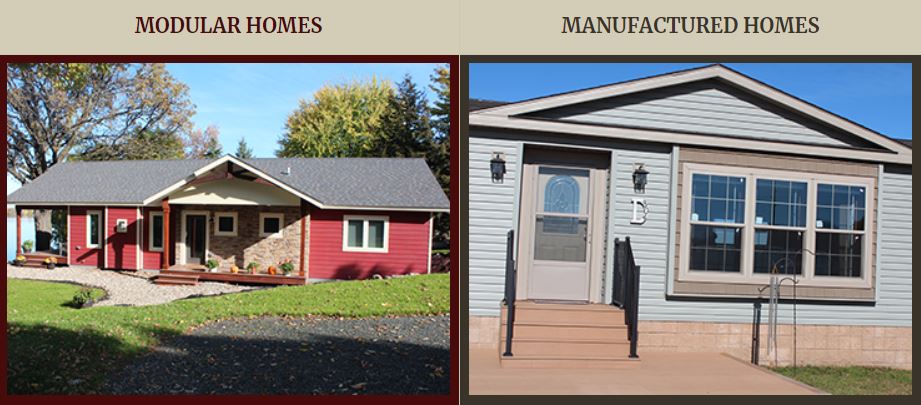
    Prefabricated homes, also known as prefab homes or modular homes, are constructed off-site in a factory setting. These homes are built in sections or modules and then transported to the desired location for assembly. Each module is typically built with precision using advanced machinery, ensuring high quality and consistency in design. Once delivered, these modules are assembled on a permanent foundation to create a complete dwelling. Prefab homes can range from simple, single-story structures to elaborate, multi-story residences with custom features.

    prefabricated home

    Mobile Homes

    Mobile homes, often manufactured homes or trailers, are factory-built dwellings designed to be transported to various locations. Unlike prefabricated homes, mobile homes are constructed on a steel chassis with wheels, allowing them to quickly move from one site to another. These homes are typically built in a single-wide or double-wide format, with various floor plans and amenities available. Mobile homes are commonly associated with trailer parks or manufactured housing communities, although they can also be placed on private land.

    Design and Customization

    Prefabricated Homes

    One of the critical advantages of prefabricated homes is their customization level. Since these homes are constructed in modules, homeowners can choose from various floor plans, layouts, and design options. From the exterior siding to the interior finishes, buyers can personalize their prefab home to suit their preferences and lifestyle. Additionally, prefab homes can be designed to meet specific energy efficiency and sustainability standards, incorporating features such as solar panels, energy-efficient appliances, and eco-friendly materials.

    Mobile Homes

    While mobile homes also offer some customization, their design options may be more limited than prefabricated homes. Since mobile homes are constructed on a chassis with specific size constraints, floor plans, and layouts are often standardized to accommodate transportation and assembly. However, manufacturers may offer various upgrades and options for interior finishes, appliances, and fixtures to allow for personalization. Despite these limitations, mobile homes can still provide individuals and families with comfortable and functional living spaces.

    Legal Classification and Regulations

    Prefabricated Homes

    Prefabricated homes are typically subject to the same building codes and regulations as traditional stick-built homes. Since they are permanently installed on a foundation, prefab homes are considered real property and are subject to property taxes. Additionally, the construction process for prefab homes must adhere to local building codes and zoning regulations, ensuring safety and structural standards compliance. Homeowners may also need to obtain permits and approvals from local authorities before installing a prefab home.

    Mobile Homes

    Mobile homes are classified as personal property rather than real estate, which means they are subject to different regulations and taxation rules. In many jurisdictions, mobile homes are governed by specific codes and standards set forth by the Department of Housing and Urban Development (HUD) in the United States. These regulations cover various aspects of mobile home construction, including safety, structural integrity, and energy efficiency. Additionally, mobile home parks and communities may have their own rules and regulations governing the placement and maintenance of mobile homes within their premises.

    Affordability and Accessibility

    Prefabricated Homes

     Prefabricated homes are often praised for their affordability compared to traditional stick-built homes. Since prefab homes are constructed in a controlled factory environment, labor and material costs can be more predictable and efficient, resulting in potential cost savings for homeowners. Additionally, the modular construction process can be completed more quickly than traditional on-site construction, reducing construction time and expenses. This makes prefab homes viable for individuals and families seeking a more affordable housing solution without sacrificing quality or customization.

    Mobile Homes

    Mobile homes are renowned for their affordability and accessibility, particularly for individuals with limited budgets or those seeking alternative housing. The relatively low cost of mobile homes and flexible financing options make them attractive for first-time homebuyers or retirees looking to downsize. Additionally, mobile homes are readily available from numerous manufacturers and dealerships, making them accessible to a wide range of consumers. However, it’s essential to consider additional expenses such as land rental fees, utilities, and maintenance costs when budgeting for a mobile home.

    Durability and Longevity

    Prefabricated Homes

    Prefabricated homes are designed to meet the same structural and safety standards as traditional stick-built homes, ensuring durability and longevity. Using high-quality materials and advanced construction techniques can result in prefab homes that are sturdy, weather-resistant, and built to last. Additionally, prefab homes are often engineered to withstand various environmental conditions, including high winds, earthquakes, and extreme temperatures. With proper maintenance and care, prefab homes can provide comfortable and reliable housing for many years.

    Mobile Homes

    Mobile homes are generally considered less durable than pre-fabricated or stick-built homes due to their construction on a steel chassis with wheels. While modern mobile homes incorporate advanced materials and construction methods to enhance durability, they may still be more susceptible to wear and tear. Transportation, installation, and exposure to the elements can impact the structural integrity of mobile homes. However, with regular maintenance and upkeep, mobile homes can still offer comfortable living spaces for their occupants.

    Final Thoughts

    In summary, while pre-fabricated and mobile homes offer unique advantages and disadvantages, they are fundamentally different in their construction, design, and legal classification. Prefabricated homes are built off-site in modules and permanently installed on a foundation, offering customization, durability, and compliance with building codes. On the other hand, mobile homes are constructed on a chassis with wheels and are considered personal property, providing affordability, accessibility, and mobility.

    Choosing between prefabricated and mobile homes depends on various factors, including budget, lifestyle, location, and personal preferences. Individuals and families should carefully consider their needs and priorities when evaluating these alternative housing options to determine which option best suits their requirements. Whether opting for a prefab or mobile home, both provide viable, affordable, flexible, and sustainable solutions.

    See Also:

  • Is a Mobile Home the Best Option for a Newlywed Couple?

    Entering into marriage marks the beginning of a new chapter filled with hopes, dreams, and decisions, including where to reside. For many newlywed couples, housing is a significant consideration, with various options, including traditional houses, apartments, and mobile homes. In this article, we’ll explore the pros and cons of opting for a mobile home as the primary residence for a newlywed couple.

    home for newlywed couple

    Pros of Choosing a Mobile Home

    1. Affordability: Mobile homes are often more affordable than traditional houses, making homeownership accessible to young couples just starting. The initial purchase price and ongoing maintenance costs are typically lower, allowing newlyweds to allocate their finances towards other priorities, such as saving for the future or starting a family.
    2. Flexibility: Mobile homes offer greater flexibility in terms of location. They can be placed on leased land in a mobile home park or on a private lot, providing the couple with options to choose the setting that best suits their preferences and lifestyle. This flexibility can be particularly appealing for couples needing to relocate frequently due to career opportunities or personal reasons.
    3. Lower Utility Costs: Mobile homes are generally smaller than traditional homes, resulting in lower utility costs. Heating, cooling, and electricity expenses are more manageable, contributing to overall savings for the couple. Mobile home construction advancements have also improved energy efficiency, reducing utility expenses.
    4. Simplified Maintenance: Maintaining a mobile home typically requires less time, effort, and expense than a traditional house. With more square footage and more straightforward construction, cleaning, repairs, and yard maintenance tasks are generally more manageable for newlyweds with limited experience or resources.
    5. Community Living: Living in a mobile home park provides community interaction and socialization opportunities. Newlywed couples can connect with neighbors with similar life stages and experiences, fostering a sense of belonging and support within the community. This communal environment can be especially beneficial for couples new to an area and seeking to establish connections.

    Cons of Choosing a Mobile Home

    1. Limited Appreciation Potential: Unlike traditional houses, mobile homes typically do not appreciate value over time. They may depreciate, especially if they are not well-maintained or in a declining neighborhood. This lack of appreciation potential can disadvantage newlywed couples looking to build equity and long-term wealth through homeownership.
    2. Financing Challenges: Securing financing for a mobile home can be more challenging than traditional houses. Many lenders have stricter requirements for mobile home loans, including higher down payments, shorter loan terms, and higher interest rates. This can pose difficulties for newlyweds with limited financial resources or less-than-perfect credit scores.
    3. Limited Space and Storage: While mobile homes offer affordability and flexibility, they are generally smaller in size compared to traditional houses. This limited space can challenge newlywed couples, especially as they accumulate belongings and potentially expand their family. Storage options may be limited, requiring creative solutions to maximize space utilization.
    4. Resale Limitations: Selling a mobile home can be more challenging than a traditional house. The pool of potential buyers may be smaller, and resale values stay relatively high over time. Additionally, the mobile home’s age, condition, and location can impact its marketability, potentially resulting in a longer selling process.
    5. Land Lease Risks: For couples opting to place their mobile home in a mobile home park, there are risks associated with leasing the land. Rent increases, changes in park management, and restrictive park rules and regulations can affect the couple’s long-term stability and enjoyment of their home. Additionally, they may face challenges if they decide to move the mobile home to a different location in the future.

    Conclusion

    Choosing the right housing option is a significant decision for any newlywed couple, with various factors to consider, including affordability, flexibility, and long-term investment potential. While mobile homes offer certain advantages such as affordability, flexibility, and simplified maintenance, they also come with limitations such as limited appreciation potential, financing challenges, and resale limitations. Ultimately, choosing a mobile home as the best option for a newlywed couple depends on their preferences, financial situation, and long-term goals. By carefully weighing the pros and cons, couples can make an informed decision that aligns with their needs and aspirations for their future together.

    See Also:

  • Are Mobile Homes Just for Retired and Seniors? Debunking the Stereotype

    Mention “mobile homes,” and what might pop into your mind. Images of retirees sunning themselves on porches in quiet communities, perhaps? While it’s true that senior living communities often embrace manufactured homes, the reality is far more diverse. Mobile homes aren’t just for retirees – they offer a surprisingly versatile and affordable housing option for people of all ages and walks of life.

    Beyond Retirement: A Look at the Mobile Home Landscape

    The perception of mobile homes as solely retirement havens stems from several factors. Historically, manufactured homes were marketed as budget-friendly options for seniors seeking downsizing after retirement. Additionally, the rise of age-restricted “55+” communities further solidified this association.mobile home seniors

    However, this narrow view fails to capture the full potential of mobile homes. In recent years, the industry has undergone a significant transformation. Modern manufactured homes boast sleek designs, spacious layouts, and energy-efficient features that rival their traditional counterparts. Moreover, the affordability factor extends beyond retirement budgets, appealing to young professionals, first-time homeowners, and budget-conscious families alike.

    Reasons Why Mobile Homes Aren’t Just for Seniors

    1. Affordability: The average cost of a new manufactured home is significantly lower than that of a traditional single-family home. This makes them an attractive option for young couples, single individuals, and growing families seeking entry into the housing market. With lower purchase prices and often minimal land costs, mobile homes can free up the budget for other aspects of life, like education, travel, or starting a business.
    2. Customization and Comfort: Modern manufactured homes come in a variety of styles and sizes, offering ample space and layouts to suit diverse needs. From cozy one-bedroom units to spacious multi-bedroom models, there’s a mobile home to fit every lifestyle. Additionally, many manufacturers offer customization options, allowing buyers to personalize their homes with desirable features and finishes.
    3. Community Living: While senior communities exist, mobile home parks cater to various demographics. Family-friendly communities with playgrounds, community centers, and swimming pools offer safe and nurturing environments for young children. Additionally, some parks cater to specific interests, attracting like-minded individuals who share hobbies or professions.
    4. Mobility and Flexibility: Contrary to their name, mobile homes aren’t exactly mobile in the traditional sense. However, unlike traditional homes, they can be relocated under certain circumstances. This offers flexibility for those who might need to move for work, family reasons, or simply a change of scenery.
    5. Sustainability and Eco-Friendliness: Modern manufactured homes are often built with sustainable materials and energy-efficient features. This translates to lower utility bills and reduced environmental impact, making them a responsible choice for eco-conscious individuals and families.

    Challenges and Considerations

    While mobile homes offer numerous advantages, there are also some challenges to consider:

    • Financing: Obtaining financing for mobile homes can be more complex than for traditional homes. However, with proper research and preparation, qualified buyers can secure favorable loan options.
    • Resale Value: Resale values of mobile homes can be lower than those of traditional homes, though this varies depending on factors like location, condition, and community regulations.
    • Zoning and Regulations: Zoning regulations in some areas might restrict the placement of mobile homes. It’s crucial to research local regulations before diving into the mobile home market.

    Breaking the Stereotype

    The misconception that mobile homes are solely for retirees is slowly fading. As younger generations embrace alternative housing options and prioritize affordability, flexibility, and sustainability, mobile homes are gaining well-deserved recognition. They offer a viable and often advantageous path to homeownership for individuals and families across the spectrum.

    So, the next time you see a mobile home, remember, it might not be housing retired couples playing shuffleboard. It could be a young family starting their first chapter, a solopreneur building their dream business, or an eco-conscious couple seeking a responsible lifestyle choice. The possibilities are as diverse as the people who choose to call mobile homes their own.

    Ready to Explore the Mobile Home Option?

    If you’re considering mobile homes, here are some resources to get you started:

    • Mobile Home Communities: Research communities in your area and compare amenities, pricing, and regulations.
    • Manufactured Home Dealers: Connect with reputable dealers who can guide you through the selection and purchase process.
    • Financing Options: Explore loan options from lenders specializing in manufactured home financing.
    • Industry Resources: Websites like the Manufactured Housing Institute (MHI) offer valuable information and tools for buyers.

    Remember, every housing journey is unique. Don’t let outdated stereotypes limit your options. With its affordability, flexibility, and modern amenities, the world of mobile homes might just surprise you with its potential


    See Also:

  • Is Buy-to-Rent a Mobile Home Good Investment?

    The housing market is a vast and ever-evolving landscape, with investors constantly seeking new opportunities. One option that has recently gained traction is the “buy-to-rent” strategy with mobile homes. But before you jump on this bandwagon, it’s crucial to weigh the pros and cons carefully.

    The Allure of Mobile Home Rentals

    Mobile homes offer several enticing benefits for potential landlords:

    • Lower Entry Costs: Compared to traditional homes, mobile homes generally boast lower purchase prices, making them accessible to a wider range of investors. This affordability can be particularly attractive for first-time investors or those with limited capital.
    • Higher Potential Yields: Mobile homes often command higher rental income relative to their purchase price, leading to potentially higher yields. This can be attributed to the lower cost of land ownership (in most cases) and the generally strong demand for affordable housing options.
    • Easier Maintenance: Mobile homes, due to their smaller size and simpler construction, typically require less maintenance than traditional houses. This translates to lower upkeep costs and less time spent on repairs.
    • Faster Occupancy: The affordability and availability of mobile homes often attract tenants quickly, leading to shorter vacancy periods and steadier cash flow.

    Challenges to Consider

    However, the buy-to-rent mobile home strategy is not without its drawbacks:

    • Depreciation: Unlike traditional homes, which tend to appreciate over time, mobile homes typically depreciate. This means you could potentially lose money when it comes time to sell.
    • Financing Limitations: Securing financing for mobile homes can be more challenging than traditional homes. Some lenders may not offer mortgages for mobile homes or offer them at higher interest rates.
    • Park Restrictions: If you place your mobile home in a park, you will be subject to the park’s rules and regulations. These can include limitations on renovations, rent control, and pet ownership, which may impact your investment flexibility and tenant appeal.
    • Stigma and Resale Challenges: Mobile homes still face a stigma in some parts of society, making them harder to sell. Also, finding buyers for used mobile homes can be more challenging than traditional homes.mobile home investment - buy-to-rent

    Making an Informed Decision

    So, is buy-to-rent a mobile home a good investment? The answer, like most things in life, is: it depends. Here are some key factors to consider:

    • Your Investment Goals: Are you looking for long-term capital appreciation or short-term cash flow? Mobile homes tend to be better suited for the latter.
    • Your Risk Tolerance: Can you handle the potential for depreciation and resale challenges?
    • Your Market Research: Have you thoroughly researched the local market for mobile home rentals and resale values?
    • Your Property Management Skills: Are you comfortable handling tenant relations and property maintenance, or will you hire a property manager?

    Beyond the Basics

    If you’re still interested in pursuing the buy-to-rent mobile home strategy, here are some additional tips to boost your chances of success:

    • Focus on Quality: Choose newer mobile homes that are in good condition to minimize repair costs and maximize tenant appeal.
    • Location Matters: Select a mobile home park in a desirable location with high occupancy rates and good amenities.
    • Negotiate Wisely: Don’t be afraid to negotiate the purchase price of the mobile home and the lot rent.
    • Maintain Well: Regularly maintain the mobile home to ensure its safety and longevity.
    • Screen Tenants Carefully: Thorough tenant screening can help minimize eviction issues and property damage.

    The Bottom Line

    Buy-to-rent a mobile home can be a profitable investment strategy, but it’s not without risks. Careful consideration, thorough research, and a solid market understanding are essential for success. By weighing the pros and cons and making informed decisions, you can increase your chances of achieving your investment goals with mobile homes.

    Remember, real estate investing, like any investment, carries inherent risks. This article is for informational purposes only and should not be considered financial advice. Always consult with a qualified financial advisor before making any investment decisions.

    I hope this information helps you decide whether a buy-to-rent mobile home is the right investment for you. Please feel free to leave any questions or comments below.


    See Also:

  • How to Prepare Your Mobile Home Against Hurricanes

    Living in a mobile home has its unique charms, but when hurricane season rolls around, a different kind of vigilance takes hold. These cozy dwellings, while built to withstand everyday elements, require extra attention to face the fury of a hurricane. Don’t panic! With the right preparation, you can transform your mobile haven into a hurricane-ready fortress.

    Know Your Enemy

    Before bracing yourself, understand the threat level. Research your area’s hurricane history and learn about wind and flood zones. Familiarize yourself with evacuation routes and designated shelters. Keep an eye on weather forecasts and official advisories closely.

    hurricane preparation

    Fortress From Within

    • Window Armor: Flying debris is a major threat. Invest in sturdy storm shutters or plywood cut to exact window sizes. Secure them firmly with screws or heavy-duty nails. Remember, taped windows provide minimal protection.
    • Door Duty: Reinforce entry doors with additional deadbolts and bracing hardware. Sliding glass doors are particularly vulnerable; consider installing impact-resistant glass or covering them with plywood.
    • Seal the Leaks: Check for cracks or gaps around window sills, roof edges, and plumbing connections. Seal them with silicone caulk to prevent wind and rain infiltration. Don’t forget vents and utility lines – secure them with weatherproof tape or sealant.
    • Furniture Fiefdom: Secure furniture, appliances, and heavy objects to prevent them from becoming projectiles. Use straps, brackets, or furniture anchors appropriate for the weight and type of item.
    • Flooding Foes: If your area is prone to flooding, elevate electrical equipment and valuables to higher shelves or cabinets. Turn off the main water valve to minimize interior flooding risks.

    Reinforcing the Outer Shell

    • Anchor Ahoy: Inspect your tie-downs, the lifeline anchoring your mobile home to the ground. Replace rusty or worn-out anchors and tighten them properly using a torque wrench. Ensure tie-downs are securely attached to both the frame and ground anchors.
    • Roof Reinforcement: Inspect your roof for loose shingles, cracked flashing, or any potential weak points. Consult a professional for repairs or additional bracing if necessary. Consider installing hurricane-resistant roof straps for extra peace of mind.
    • Clear the Clutter: Trim overhanging branches and remove loose objects from your yard like lawn furniture, grills, or propane tanks. These can become dangerous projectiles in high winds. Store them securely inside or in a sturdy shed.

    Beyond the Bricks and Mortar

    • Hurricane Kit Hero: Prepare an emergency kit stocked with non-perishable food, bottled water, a first-aid kit, medications, flashlights, batteries, a portable radio, and sanitation supplies. Tailor the kit to your specific needs and family size.
    • Documentation Dynamo: Compile important documents like insurance papers, IDs, and medical records in a waterproof container. Keep them readily accessible in case of evacuation.
    • Pet Pals: Don’t forget your furry family members! Prepare pet crates, food, and identification tags for them. Familiarize yourself with pet-friendly shelters in your area.
    • Communication Champion: Charge your phone, portable batteries, and any communication devices. Plan how you will stay updated on weather information and communicate with loved ones if power outages occur.

    Evacuation Expertise

    While securing your mobile home is crucial, sometimes evacuation is the safest option. Heed evacuation orders issued by local authorities without delay. Have a predetermined evacuation route and ensure your vehicle is in good condition with a full tank of gas.

    Post-Storm Recovery

    Once the storm passes, be cautious when venturing outside. Stay away from downed power lines and report any damage to your mobile home or utilities immediately. Document any losses with photos and videos for insurance purposes.

    Remember, preparing for a hurricane is not a one-time event. Make hurricane preparedness a part of your annual routine. By following these steps and staying informed, you can turn your mobile home into a safe haven and weather any storm with confidence.

    Bonus Tips

    • Consider installing hurricane shutters for enhanced window protection.
    • Invest in a generator for backup power in case of outages.
    • Learn basic first aid and emergency response skills.
    • Participate in community hurricane preparedness drills and programs.

    Living in a mobile home doesn’t have to be a hurricane worry. By approaching preparation with proactive planning and attention to detail, you can transform your cozy haven into a storm-resistant sanctuary for your family and belongings.

    Stay safe and weather the storm with confidence!


    See Also:

  • Things to Consider When Buying a Mobile Home in Sarasota for the First Time

    Sarasota, Florida, is a dream destination for many people, with its stunning beaches, vibrant arts scene, and laid-back lifestyle. If you’re considering making Sarasota your home, you might be surprised to learn that buying a mobile home can be a great option. Mobile homes offer a more affordable way to live in Sarasota, and many communities boast amenities like swimming pools, clubhouses, and even golf courses.

    But before you jump into buying a mobile home, there are a few things you need to consider. Here are some of the most important factors to keep in mind:

    1. Budget

    Knowing your budget is essential for any purchase, but it’s even more important when buying a mobile home. The price of mobile homes in Sarasota can vary widely depending on the size, age, condition, and location of the home. You’ll also need to factor in the cost of lot rent, which can range from $500 to $1,000 per month or more.buying a mobile homes sarasota

    2. Location

    Sarasota is a large and diverse city, so you’ll need to decide where you want to live. Consider your lifestyle and needs when choosing a location. Do you want to be close to the beach? The downtown area? Shopping and dining? Once you’ve narrowed down your options, research the different mobile home communities in those areas.

    3. Homeownership vs. Land Lease

    There are two main ways to own a mobile home in Sarasota: owning the home and the land it sits on, or owning the home and leasing the land from a mobile home park. Each option has its own advantages and disadvantages. Owning the land gives you more control over your property, but it can also be more expensive. Leasing the land is typically cheaper, but you’ll have to abide by the park’s rules and regulations.

    4. The Condition of the Home

    Before you buy a mobile home, it’s important to have it inspected by a qualified professional. This will help you identify any potential problems with the home, such as structural damage, roof leaks, or plumbing issues. It’s also a good idea to get a home warranty to protect yourself from unexpected repairs.

    5. The Mobile Home Park

    If you’re planning to lease the land, it’s important to choose a mobile home park that you’re happy with. Research the park’s amenities, rules, and regulations, and talk to current residents to get their feedback. You’ll also want to make sure the park is financially stable and well-maintained.

    6. Financing

    Financing a mobile home can be a bit different than financing a traditional home. There are a few different types of loans available, so it’s important to shop around and compare rates. You may also be able to get a loan from the mobile home park itself.

    7. Insurance

    . The cost of insurance will vary depending on the age, condition, and location of your home.

    8. Maintenance and Repairs

    Mobile homes require regular maintenance and repairs, just like any other home. Be prepared to budget for ongoing costs, such as lawn care, pest control, and appliance repairs.

    9. Resale Value

    Mobile homes typically depreciate over time, so it’s important to keep this in mind if you’re planning on selling your home in the future. However, there are a few things you can do to improve the resale value of your home, such as making cosmetic upgrades or adding new amenities.

    10. The Community

    One of the best things about living in a mobile home park is the sense of community. Many parks have social events and activities for residents, which can be a great way to meet new people and make friends.

    Living the Sarasota Dream in a Mobile Home

    Buying a mobile home in Sarasota can be a great way to achieve the Florida lifestyle without breaking the bank. Just be sure to do your research and consider all of the factors mentioned above before making a decision. With careful planning, you can find the perfect mobile home and enjoy all that Sarasota has to offer.

    Additional Tips for First-Time Mobile Home Buyers in Sarasota

    1. Hire a buyer’s agent who specializes in mobile homes.
    2. Get pre-approved for a loan before you start shopping.
    3. Be patient. Finding the right mobile home can take time, so be patient and don’t rush into a decision.
    4. Negotiate. Don’t be afraid to negotiate the price of the home and the lot rent.
    5. Get everything in writing. Make sure all agreements, including the purchase price, lot rent, and park rules, are in writing.
    6. Enjoy your new home! Once you’ve found the perfect mobile home, it’s time to relax and enjoy the Florida sunshine.

    Bonus Tip: Consider hiring a mobile home inspector to give the home a thorough checkup before you buy it. This can help you identify any potential problems that could save you money in the long run.

    I hope these additional tips help you find the perfect mobile home in Sarasota!

    Living the Sarasota Dream in a Mobile Home

    Buying a mobile home in Sarasota can be a great way to achieve the Florida lifestyle without breaking the bank. Just be sure to do your research and consider all of the factors mentioned above before making a decision. With careful planning, you can find the perfect mobile home and enjoy all that Sarasota has to offer.

    In addition to the tips above, here are a few other things to keep in mind when buying a mobile home in Sarasota:

    • The weather in Sarasota is hot and humid, so make sure your home has good air conditioning.
    • There are a variety of mobile home parks in Sarasota, so you’re sure to find one that meets your needs and budget.

    I hope this blog article has been helpful. If you have any questions, please feel free to leave a comment below.


    See Also:

  • Sun-Kissed Sarasota: Top 10 Mobile Home Parks with Stellar Amenities

    Sarasota, Florida, basking on the Gulf Coast, is a haven for sunshine seekers and snowbirds alike. But beyond the pristine beaches and vibrant arts scene, Sarasota boasts a thriving community of mobile home parks. These parks offer an affordable and amenity-rich lifestyle, perfect for families, retirees, and anyone seeking a slice of Floridian paradise.

    But with over 100 mobile home parks in Sarasota, choosing the right one can be overwhelming. Worry not! We’ve curated a list of the top 10 mobile home parks in Sarasota that stand out for their exceptional amenities and welcoming communities.

    1. Bahia Vista Estates

    Imagine sparkling lagoons, lush landscaping, and vibrant social events – that’s Bahia Vista Estates. This 55+ community caters to active adults with a resort-style pool, fitness center, tennis courts, shuffleboard, and a packed calendar of activities. Residents rave about the friendly atmosphere and on-site amenities like a library, billiards room, and even a fishing pier.mobile home parks

    2. Bay Indies Mobile Home Park

    Craving waterfront living? Look no further than Bay Indies Mobile Home Park. Situated on the Intracoastal Waterway, this park offers stunning marina views, kayak launch access, and a heated pool overlooking the glistening water. Residents enjoy a fishing pier, a clubhouse with a fitness center, and plenty of organized activities like potlucks and game nights.

    3. The Winds of Saint Armands

    Location, location, location! The Winds of Saint Armands places you in the heart of the action, steps away from renowned shopping, dining, and cultural attractions. This upscale park boasts a resort-style pool, fitness center, and beautifully landscaped grounds. Residents relish the vibrant atmosphere and easy access to all that Sarasota offers.

    4. Camelot Lakes Mobile Home Park

    Calling all nature lovers! Camelot Lakes Mobile Home Park is nestled amidst serene lakes and lush greenery. Residents enjoy a fishing pier, boat ramp access, and a clubhouse with a pool and game room. The park fosters a strong sense of community with regular potlucks, movie nights, and holiday celebrations.

    5. Palm Terrace Mobile Home Park

    Seeking a family-friendly haven? Palm Terrace Mobile Home Park fits the bill perfectly. This all-ages park boasts a playground, basketball court, and a sparkling pool perfect for summertime fun. Residents appreciate the quiet location, friendly atmosphere, and proximity to excellent schools and shops.

    6. Villa Del Sol Mobile Home Park

    Picture a tropical oasis. Villa Del Sol Mobile Home Park delivers with its palm-fringed grounds, heated pool, and tiki bar. This 55+ community offers a vibrant social scene with organized activities, shuffleboard courts, and a spacious clubhouse. Residents relish the friendly atmosphere and year-round sunshine.

    7. Buckingham Club

    Experience luxury living at Buckingham Club. This gated community features a stunning clubhouse with a fitness center, billiards room, and resort-style pool. Residents enjoy tennis courts, shuffleboard, and a calendar packed with social events. Buckingham Club offers a sophisticated atmosphere and top-notch amenities.

    8. Aloha Gardens

    Escape to your own island paradise at Aloha Gardens. This tropical-themed park features a heated pool, tiki bar, and lush landscaping. Residents enjoy organized activities like bingo, card games, and themed pool parties. Aloha Gardens fosters a laid-back atmosphere perfect for those seeking a relaxed Florida lifestyle.

    9. Camelot East Village

    Camelot East Village offers the best of both worlds – affordability and excellent amenities. This all-ages park boasts a sparkling pool, playground, and spacious clubhouse. Residents appreciate the quiet location, friendly atmosphere, and proximity to shopping and dining.

    10. Royal Palms Mobile Home Park

    Seeking a pet-friendly paradise? Royal Palms Mobile Home Park welcomes your furry friends with open arms. This all-ages park features a dog park, spacious green spaces, and a sparkling pool. Residents enjoy a clubhouse with a game room and a strong sense of community.

    Living the Mobile Home Dream in Sarasota

    Choosing a mobile home park in Sarasota isn’t just about finding a place to live; it’s about embracing a unique and fulfilling lifestyle. Imagine waking up to the sound of waves lapping against the shore, spending your days enjoying resort-style amenities, and your evenings connecting with friendly neighbors. It’s a life filled with sunshine, laughter, and endless possibilities. So, pack your bags, embrace the adventure, and discover the joy of living in one of Sarasota’s top mobile home parks.

    Additional Tips for Mobile Home Living in Sarasota

    • Research park rules and regulations carefully. Each park has its own set of rules regarding pets, noise levels, and other aspects of living.
    • Consider the cost of living. Mobile home park fees vary depending on location, amenities, and lot size. Factor in utilities, property taxes, and insurance when budgeting.
    • Get to know your neighbors. Mobile home communities often have a strong sense of community, so don’t be afraid to introduce yourself and participate in social events.
    • Enjoy the Sarasota lifestyle! Take advantage of the city’s beaches, museums, restaurants, and natural beauty. Embrace the sunshine and make the most of your time in this vibrant haven.

    We hope this blog has helped you discover the top mobile home parks in Sarasota that offer the best amenities and a lifestyle you’ll love. Remember, finding the perfect park is all about understanding your needs and choosing a community that resonates with you. So, start your search, embrace the possibilities, and get ready to live the mobile home dream in sunny Sarasota!

    Disclaimer: Information and amenities listed for each park are based on publicly available information and may change. It is recommended to contact the park directly to confirm details and availability.


    See Also:

  • Should You Buy A Double Wide Or Single Wide Mobile Home In Sarasota Florida?

    Are you planning to buy a mobile home but can’t decide what to buy? If you are new to mobile homes and are considering living in the Sarasota Florida area, continue reading.

    When looking to purchase your new Sarasota Florida mobile home one needs to decide if they should buy a single-wide or double-wide mobile home.

    Buying a mobile home whether used or new requires a lot of time, effort, and headaches sometimes! The market is full of a wide range of mobile homes one can find interesting to buy! There are specific factors to guide you of course! Your budget is the primary one perhaps, as well as the size of your family. 

    Bay Indies-Venice Florida
    Bay Indies-Venice Florida

    If you are a lover of mobile homes you might find difficulty in choosing a single or double-wide mobile home for your family or perhaps even triple-wide! Let’s discuss single-wide vs double-wide homes and understand how they can be compared! Single wide vs double wide mobile homes, which is better to buy?

    Both home sizes provide both pros and cons but before you decide which size you prefer you should know the difference between the two mobile homes so that you are able to make the best decision you can when purchasing in the Sarasota Florida area.

    A single-wide mobile home, also known as a “single” is a singular-section mobile home without an adjoining section from the factor. Generally speaking, these homes are going to be 12 feet wide and can vary in length from 30 feet to as long as 54 feet long. To calculate the square footage of the home a Buyer needs to multiply the length of the home by the width of the home to get a good idea of exactly how large the property is.

    Most single-wide mobile homes will either be one or two bedrooms and usually one full bathroom.

    These homes will have a straight hallway that runs the majority of the home where off to one side will be the bathroom and additional bedroom. On one end of the home will be the master, or only, bedroom and on the other end the home will open up into the kitchen and living area.

    A double-wide mobile home, also known as simply a “double” is a multi-section mobile home with the exact same side on either side of the home. These sides are then banded together in the middle of the home in order to create a doublewide mobile home. Generally speaking, doublewide mobile homes will be 24 feet wide and can range in length from 32 feet long to as long as 60 + feet. Much like the single-wide, the double-wide will be calculated the same way for square footage by multiplying the total width by the total length of the property.

    Most doublewide mobile homes will have two or three bedrooms and one and a half to two full bathrooms.

    Doublewide mobile homes usually have a more open floor plan with the hallway going to the bedrooms and bathrooms in the middle of the home. The kitchen is usually larger than a single-wide as is the living room, both of these rooms are usually on opposite sides of the home providing the property with a much more spacious floor plan.

    As one can quickly see, a doublewide is exactly what it sounds like in that it is double the size of a single-wide mobile home providing more space and a more open floor plan.

    With additional space does come additional costs that every Buyer should be conscious of.

    In the state of Florida, when buying a double-wide mobile home, one will have to pay for two titles and two registrations when registering the home whereas with a single wide the Buyer only pays for one. This expense will be twice the cost for the doublewide as compared to if the Buyer had a single-wide home.

    Electricity will generally be more expensive in a doublewide mobile home as well since it is taking twice the power to operate the home as opposed to a single wide.

    Lastly, some mobile home parks in the Sarasota Florida area will have higher lot rent for a doublewide mobile home as opposed to the lot rent associated with a single-wide mobile home.

    Sun Shine RV Resort
    Sun Shine RV Resort

    Pros and Cons of single-wide and double-wide mobile homes

    Single-wide Pros

    • Less expensive
    • Lower taxes
    • Quick construction and set-up (for new manufactured homes)
    • Low maintenance costs
    • Easy to move (for new mobile homes 20 years old and younger)

    Singe-wide cons

    • Smaller and limited floor space
    • Harder to sell
    • Limited design and upgrades

    Pros for double-wide

    • More floor space
    • Easier to sell
    • Flexibility in a floor plan
    • Design flexibility

    Cons of double-wide

    • More expensive
    • Higher taxes
    • Longer construction/installment period
    • Expensive to set up
    • Expensive to move

    When looking to buy a mobile home throughout the Sarasota Florida area there are plenty of doublewides and single-wide mobile homes to choose from, knowing the cost difference, as well as the size difference, is a good place to start when shopping for your new mobile home.!

    The Mobile Home Dealer are licensed mobile home brokers in Sarasota Florida and the surrounding areas. We provide professional buy and/or sell assistance to our clients. If you have any questions, please contact us by clicking this link. You may also visit our Facebook Page and send us a message.

    This is Mark Kaiser with The Mobile Home Dealer and we help mobile home Buyers and Sellers get to a better place in life.

    See Also:

Reset password

Enter your email address and we will send you a link to change your password.

Get started with your account

to save your favourite homes and more

Sign up with email

Get started with your account

to save your favourite homes and more

By clicking the «SIGN UP» button you agree to the Terms of Use and Privacy Policy
Powered by Estatik