Author: Raden Payas

  • The Lucrative Side Hustle of Mobile Home Sales in Florida

    In today’s fast-paced world, many individuals seek additional sources of income to supplement their primary earnings. With the advent of digital platforms and flexible work arrangements, the landscape of side hustles has expanded, offering diverse opportunities for those looking to boost their financial stability. Among these opportunities, becoming a mobile home sales agent in Florida stands out as a potentially profitable venture. This article delves into the reasons why this niche field presents an attractive option for individuals seeking a lucrative side hustle.
    side hustle.

    The Mobile Home Market in Florida: A Lucrative Niche

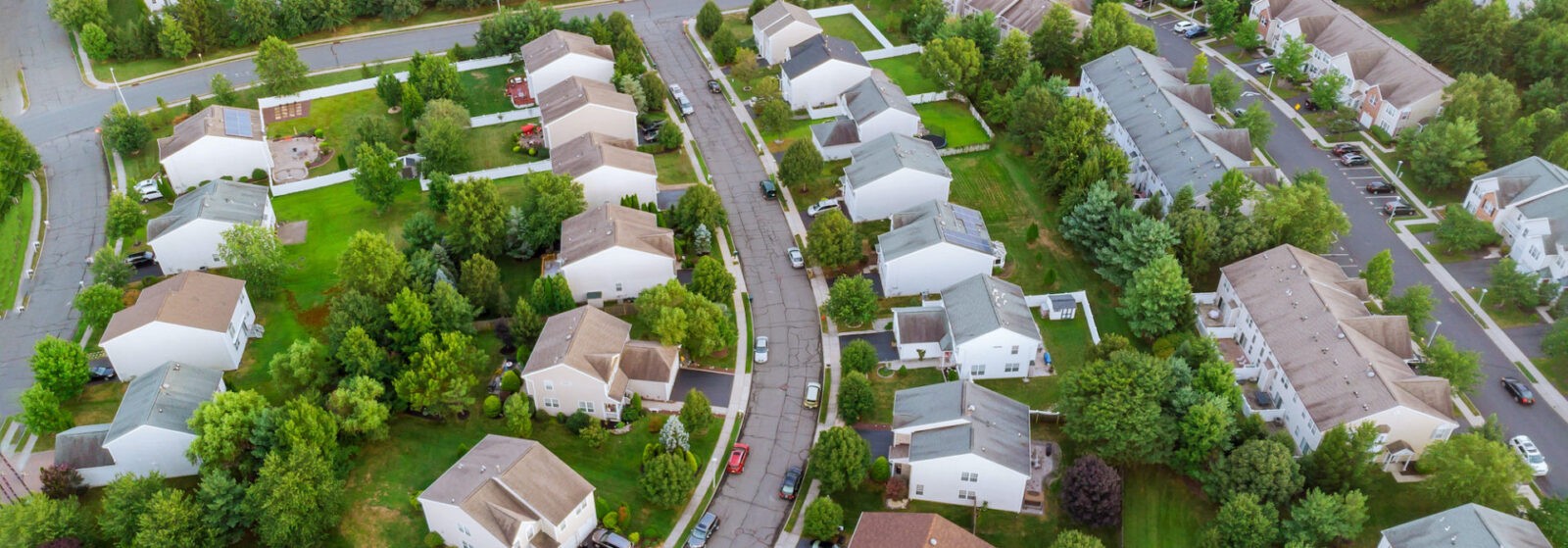
    Florida, renowned for its warm climate and vibrant lifestyle, has long been a hub for real estate investments. Within this realm, the mobile home market holds significant promise. Mobile homes, also known as manufactured homes, offer an affordable housing solution for many individuals and families, making them a popular choice in Florida’s diverse demographic landscape.

    Various factors fuel the demand for mobile homes in Florida. Firstly, the state’s growing population, driven by domestic and international immigration, continuously expands the pool of potential buyers. Additionally, retirees seeking affordable yet comfortable housing options are drawn to Florida’s sunny shores, contributing to the demand for mobile homes, which often cater to their specific needs.

    Flexibility and Low Overheads

    One of the primary attractions of pursuing mobile home sales as a side hustle is the flexibility it offers. Unlike traditional real estate ventures that may require a significant time investment, mobile home sales can be managed around existing commitments. Whether you’re a full-time professional, a stay-at-home parent, or a student looking to earn extra income, the flexible nature of this side hustle allows you to set your schedule and adapt to your other responsibilities.

    Moreover, entering the mobile home sales arena requires relatively low overhead costs compared to other businesses or real estate ventures. Unlike brick-and-mortar establishments, mobile home sales don’t typically necessitate hefty initial investments in physical infrastructure. With the rise of digital platforms and virtual communication tools, much of the sales process can be conducted remotely, minimizing the need for a dedicated office space.

    Growing Demand for Affordable Housing

    Affordable housing options are in high demand in an era marked by rising housing costs and economic uncertainties. Mobile homes, often priced lower than traditional houses, cater to this demand by providing a cost-effective alternative without compromising on comfort and quality of life.

    Mobile homes represent an attractive solution for many individuals and families, particularly those on a tight budget or seeking to downsize. This growing demand for affordable housing creates ample opportunities for mobile home sales agents to tap into a thriving market with considerable growth potential.

    Favorable Regulatory Environment

    Florida’s regulatory environment further enhances the appeal of mobile home sales as a side hustle. The state’s laws and regulations governing mobile home sales are designed to protect both buyers and sellers, fostering a transparent and conducive marketplace.

    Moreover, obtaining the necessary licenses and certifications to operate as a mobile home sales agent in Florida is relatively straightforward compared to other states. With the right training and accreditation, aspiring agents can quickly enter the field and build their clientele.

    Leveraging Digital Platforms for Marketing

    In today’s digital age, harnessing the power of online marketing is essential for any business, including mobile home sales. As a side hustle, mobile home sales agents can leverage various digital platforms to effectively reach potential buyers and promote their listings.

    From social media advertising to dedicated real estate websites, the options for online marketing are diverse and accessible. By showcasing available properties through high-quality photos, virtual tours, and engaging content, mobile home sales agents can attract prospective buyers and generate leads without relying solely on traditional marketing channels.

    Networking and Collaboration Opportunities

    While mobile home sales can be pursued independently, collaborating with other professionals in the real estate industry can amplify success. Establishing relationships with real estate agents, mortgage brokers, and property managers can open doors to new opportunities and referrals.

    Networking events, industry conferences, and online forums allow mobile home sales agents to connect with fellow professionals and exchange insights. Agents can expand their client base, gain valuable knowledge, and stay abreast of market trends and developments by tapping into these networks.

    Conclusion

    In conclusion, embarking on a journey as a mobile home sales agent in Florida offers a lucrative side hustle opportunity for individuals seeking to diversify their income streams. With its flexible nature, low overhead costs, and growing demand for affordable housing, the mobile home market presents a promising niche within the broader real estate landscape.

    By leveraging digital platforms for marketing, navigating the favorable regulatory environment, and tapping into networking opportunities, aspiring mobile home sales agents can unlock the full potential of this side hustle. Whether you’re looking to supplement your primary income or explore a new career path, mobile home sales in Florida promise financial stability and growth.


    See Also:

  • All-Aged Mobile Home Park vs. 55+ Community: Understanding the Differences

    In mobile home living, various options are available, catering to different age groups and lifestyles. The all-aged mobile home park and the 55+ community are two common types of communities. While both offer mobile home living, they cater to different demographics and come with unique features and benefits. In this article, we’ll delve into the key differences between these two types of communities to help you understand which might be the right fit for you.

    All-Aged Mobile Home Park

    What is an All-Aged Mobile Home Park?

    An all-aged mobile home park, also known as a family park, is a community where residents of all ages are welcome. These communities are typically designed to accommodate families with children, young adults, and seniors alike. One of the defining features of an all-aged mobile home park is its inclusivity, providing a diverse and vibrant living environment.

    Features of an All-Aged Mobile Home Park

    1. Diverse Community: One of the primary advantages of living in an all-aged mobile home park is the diversity of its residents. Families with children, young professionals, and retirees coexist, creating a dynamic and inclusive community.
    2. Amenities for All Ages: These communities often boast a wide range of amenities suitable for residents of all ages. From playgrounds and recreational areas for children to fitness centers and social clubs for adults, there’s something for everyone to enjoy.
    3. Community Events: All-aged mobile home parks frequently organize community events and activities, fostering a sense of belonging among residents. These events may include holiday celebrations, potlucks, movie nights, and more, providing opportunities for social interaction and camaraderie.
    4. Educational Opportunities: Families with school-aged children benefit from the proximity to educational institutions such as schools and daycare centers, making it convenient for parents and ensuring a supportive environment for children’s education.
    5. Mixed Age Groups: Interacting with individuals of different age groups can enrich residents’ lives by facilitating intergenerational connections and fostering mutual respect and understanding.

    What is a 55+ Community?

    In contrast, a 55+ community, also known as a senior mobile home park or retirement community, is exclusively reserved for residents aged 55 and older. These communities are designed to cater specifically to the needs and preferences of older adults, offering a serene and age-appropriate living environment.

    Features of a 55+ Community

    1. Age-Restricted Living: The defining feature of a 55+ community is its age restriction, ensuring that all residents are of a similar age demographic. This creates a sense of camaraderie and shared experiences among residents in similar life stages.
    2. Quiet and Peaceful Environment: 55+ communities are often designed to provide a tranquil and peaceful setting conducive to relaxation and retirement living. These communities may be located in serene natural surroundings or offer well-maintained landscapes and amenities for residents to enjoy.
    3. Senior-Friendly Amenities: Unlike all-aged mobile home parks, 55+ communities typically feature amenities tailored to the needs and interests of older adults. These may include amenities such as walking trails, golf courses, swimming pools, fitness centers, and social clubs geared toward senior residents.
    4. Healthcare Facilities: Some 55+ communities may offer on-site or nearby healthcare facilities, including clinics, pharmacies, and wellness centers, to cater to the healthcare needs of older adults.
    5. Active Adult Lifestyle: Despite being age-restricted, 55+ communities often promote an active adult lifestyle, encouraging residents to participate in various recreational activities, fitness programs, and social events tailored to their interests.

    Key Differences Between All-Aged Mobile Home Parks and 55+ Communities

    1. Age Restrictions: The most significant difference between the two types of communities is the age restriction. While all-aged mobile home parks welcome residents of all ages, 55+ communities are exclusively reserved for individuals aged 55 and older.
    2. Community Dynamics: All-aged mobile home parks are characterized by their diverse community dynamics, whereas 55+ communities offer a more homogenous living environment catering specifically to older adults.
    3. Amenities and Services: The amenities and services offered in each type of community differ to accommodate the respective age groups. All-aged mobile home parks may offer amenities suitable for families and individuals of all ages, while 55+ communities focus on senior-friendly amenities and services.
    4. Lifestyle Preferences: Choosing between an all-aged mobile home park and a 55+ community often comes down to lifestyle preferences. Families with children or individuals seeking a diverse community may prefer an all-aged mobile home park, while older adults looking for a peaceful retirement setting may opt for a 55+ community.
    5. Location and Setting: The location and setting of the community also play a crucial role in decision-making. All-aged mobile home parks may be situated in urban, suburban, or rural areas, catering to diverse preferences, while 55+ communities often prioritize serene and scenic locations conducive to retirement living.

    The Bottom Line

    In summary, choosing between an all-aged mobile home park and a 55+ community depends on various factors, including lifestyle preferences, age demographics, amenities, and location. All-aged mobile home parks offer a diverse and inclusive living environment suitable for families and individuals of all ages. At the same time, 55+ communities provide a tranquil and age-appropriate setting tailored to the needs of older adults. By understanding the key differences between these two types of communities, individuals can make informed decisions based on their preferences and lifestyle goals.

    Ultimately, whether you’re seeking a vibrant and diverse community or a peaceful retirement setting, there’s a mobile home living option suited to your needs and preferences. Whether it’s the bustling energy of an all-aged mobile home park or the serene tranquility of a 55+ community, mobile home living offers a unique and affordable housing solution for individuals and families across different age groups and lifestyles.


    See Also:

  • Buying a Used Single-Wide Mobile Home in Florida on a Rented Lot

    The single-wide mobile home is a beacon of financial feasibility for many individuals and families with affordable housing options. With their relatively low purchase prices and flexible living arrangements, these homes have become increasingly popular across the United States, particularly in states like Florida, where the climate encourages outdoor living. However, before purchasing a used single-wide mobile home in Florida, it’s crucial to understand the various costs involved to make an informed decision. In this article, we’ll delve into how much money you might need and what factors influence the overall cost.

    used single-wide mobile home

    Understanding the Basics

    A single-wide mobile home refers to a structure that is constructed off-site and transported to its permanent location, typically on a rented lot within a mobile home park or community. These homes are known for their compact size and affordability compared to traditional site-built homes. In Florida, where the real estate market can be competitive, and housing prices are on the rise, single-wide mobile homes offer a viable alternative for those seeking homeownership without breaking the bank.

    Initial Purchase Price

    The first and most significant cost associated with buying a used single-wide mobile home is the purchase price itself. Prices can vary depending on factors such as age, condition, size, location, and amenities. According to recent data, the average price range for a used single-wide mobile home in Florida falls between $10,000 and $50,000. Keep in mind that this figure is a rough estimate and can fluctuate based on market demand and other external factors.

    Additional Costs

    While the purchase price is a significant component, there are several other expenses to consider when budgeting for a used single-wide mobile home in Florida:

    1. Inspection Fees: Before finalizing the purchase, it’s essential to conduct a thorough inspection of the mobile home to assess its condition and identify any potential issues. Inspection fees typically range from $200 to $500, depending on the scope of the inspection and the expertise of the inspector.
    2. Closing Costs: Similar to traditional real estate transactions, buying a mobile home involves closing costs, which include fees for title searches, document preparation, and transfer taxes. These costs can amount to around 2% to 5% of the purchase price.
    3. Transportation and Setup: Once you’ve purchased the mobile home, you’ll need to arrange for its transportation to the rented lot and its setup. Transportation costs vary depending on the distance and accessibility of the lot, while setup costs encompass tasks such as foundation installation, leveling, and utility connections. On average, transportation and setup costs can range from $2,000 to $5,000.
    4. Lot Rent: Since you’ll be placing your mobile home on a rented lot within a mobile home park or community, you’ll need to factor in monthly lot rent expenses. Lot rent in Florida varies depending on the location, amenities, and services provided by the community. On average, lot rent can range from $200 to $800 monthly.
    5. Utilities: In addition to paying the lot rent, you’ll also be responsible for paying utilities such as electricity, water, sewer, and garbage disposal. These costs can vary depending on usage and local utility rates but typically amount to several hundred dollars per month.
    6. Homeowner’s Insurance: To protect your investment, purchase homeowner’s insurance for your mobile home. The insurance cost can vary depending on factors such as the home’s value, location, and coverage options but generally falls within the range of $500 to $1,500 annually.
    7. Property Taxes: As a homeowner, you’ll be responsible for paying property taxes on your mobile home. Property tax rates vary by county in Florida but typically range from 0.5% to 2% of the home’s assessed value.

    Total Cost Breakdown

    To provide a comprehensive overview, let’s break down the total estimated costs of purchasing a used single-wide mobile home in Florida on a rented lot:

    • Purchase Price: $10,000 – $50,000
    • Inspection Fees: $200 – $500
    • Closing Costs: 2% – 5% of purchase price
    • Transportation and Setup: $2,000 – $5,000
    • Lot Rent: $200 – $800 per month
    • Utilities: Several hundred dollars per month
    • Homeowner’s Insurance: $500 – $1,500 annually

    Final Thoughts

    While buying a used single-wide mobile home in Florida on a rented lot can offer significant cost savings compared to traditional homeownership, it’s essential to consider all the associated expenses to make an informed decision. By understanding the costs involved and budgeting accordingly, you can confidently embark on your journey toward affordable homeownership. Conduct thorough research, explore different options, and consult with real estate professionals to navigate the process smoothly. With careful planning and financial diligence, owning a mobile home in the Sunshine State can become a reality for you and your family.


    See Also:


  • 7 Reasons Why People Are Buying Mobile Homes in Florida

    Florida, with its warm climate, stunning beaches, and vibrant culture, has long been a magnet for those seeking a slice of paradise. Among the various housing options available in the Sunshine State, mobile homes have emerged as a popular choice for many. In recent years, there has been a noticeable uptick in the number of people opting for mobile homes in Florida. In this article, we delve into the reasons behind this trend and explore why mobile homes are capturing the hearts of so many individuals and families in the state.

    mobile homes in florida

    1. Affordability

    One of the primary factors driving the demand for mobile homes in Florida is affordability. Compared to traditional single-family homes or condominiums, mobile homes typically come with a lower price tag, making homeownership more accessible to a wider range of people. This affordability factor is particularly appealing to first-time homebuyers, retirees, and individuals looking for a cost-effective housing solution without compromising on quality of life.

    2. Flexibility and Customization

    Mobile homes offer a level of flexibility and customization that is often not possible with other types of housing. Many mobile home communities in Florida provide residents with the opportunity to personalize their homes according to their preferences and lifestyle needs. From choosing floor plans and interior designs to selecting amenities such as outdoor decks or screened-in porches, mobile home owners have the freedom to create a living space that reflects their individual taste and style.

    3. Community Living

    Another appealing aspect of mobile home living in Florida is the sense of community that it offers. Mobile home parks and communities often foster a close-knit and neighborly environment where residents can socialize, participate in community events, and form lasting friendships. This sense of camaraderie is especially valued by retirees and older adults who are looking to downsize and enjoy a more connected way of life in their golden years.

    4. Low Maintenance

    Maintaining a traditional single-family home can be time-consuming and expensive, especially when it comes to tasks such as yard work, landscaping, and exterior maintenance. Mobile homes, on the other hand, typically require less upkeep and are easier to maintain. With features such as vinyl siding, composite decking, and minimal landscaping requirements, mobile home owners in Florida can spend less time on chores and more time enjoying the sunshine and outdoor activities that the state has to offer.

    5. Resort-style Amenities

    Many mobile home communities in Florida offer resort-style amenities and recreational facilities that enhance the overall living experience. From swimming pools and fitness centers to tennis courts and community clubhouses, these amenities provide residents with ample opportunities for leisure and recreation without having to leave the comfort of their neighborhood. For retirees and active adults looking to enjoy a fulfilling retirement lifestyle, mobile home communities with premium amenities can be particularly attractive.

    6. Proximity to Beaches and Outdoor Activities

    Florida is renowned for its breathtaking beaches, lush landscapes, and abundance of outdoor recreational opportunities. Mobile home communities in the state often boast convenient access to these natural attractions, allowing residents to enjoy a laid-back coastal lifestyle with ease. Whether it’s spending a day lounging on the beach, exploring nature trails, or fishing in pristine waters, mobile home owners in Florida have endless opportunities to embrace an active and outdoor-centric way of life.

    7. Investment Potential

    While mobile homes are generally more affordable than traditional homes, they can also offer solid investment potential for savvy buyers. In Florida’s fast-growing real estate market, mobile homes in desirable locations can appreciate in value over time, providing homeowners with a valuable asset that can yield significant returns in the long run. Additionally, some mobile home communities offer rental opportunities for those looking to generate passive income or offset their housing expenses, further enhancing the investment appeal of mobile home ownership in Florida.

    Conclusion

    The allure of mobile home living in Florida is multifaceted, encompassing factors such as affordability, flexibility, community, and lifestyle amenities. For many individuals and families, mobile homes offer a compelling blend of comfort, convenience, and value, making them an attractive housing option in the Sunshine State. Whether it’s retirees seeking a laid-back retirement retreat or young families looking for an affordable entry into homeownership, the appeal of mobile homes in Florida continues to grow, promising a vibrant and fulfilling lifestyle against the backdrop of Florida’s sun-drenched landscapes and endless recreational opportunities.


    See Also:

  • Things to Consider Before Moving a Mobile Home in Florida

    With its sunny beaches, vibrant culture, and diverse communities, Florida has long been a popular destination for retirees, vacationers, and those seeking a change of pace. For many, the idea of living in a mobile home in Florida holds a unique appeal, offering affordability, flexibility, and a sense of independence. However, several crucial factors must be considered before embarking on moving a mobile home to the Sunshine State.

    The Appeal of Mobile Home Living in Florida

    Mobile homes, or manufactured homes, offer an attractive alternative to traditional housing. They are often more affordable than site-built homes, making homeownership a reality for many who might otherwise be priced out of the market. In Florida, where the cost of living can vary widely depending on the region, mobile homes provide an accessible housing option in both urban and rural areas.

    moving a mobile home

    Additionally, mobile homes offer flexibility in terms of location. Whether nestled in a cozy community or situated on a private lot, mobile homes allow residents to enjoy the Florida lifestyle without the constraints of a fixed foundation. This mobility particularly appeals to retirees or snowbirds who may wish to split their time between Florida and another location.

    Regulations and Restrictions

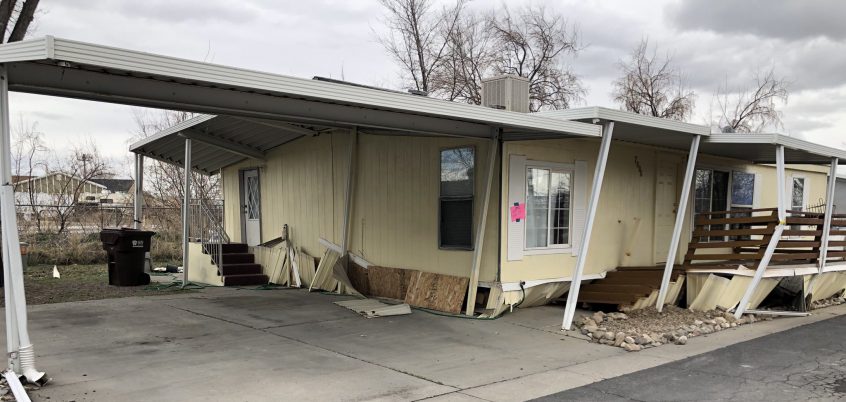
    Before making plans to move a mobile home to Florida, one must familiarize oneself with the state’s regulations and restrictions regarding manufactured housing. One of the most significant considerations is the age of the mobile home.

    In Florida, mobile homes over 20 years old are subject to stringent regulations regarding relocation. According to state law, mobile homes manufactured before June 15, 1976, commonly called “pre-HUD” homes, cannot be moved. Similarly, homes built after this date but more than 20 years old must meet specific requirements before relocation is permitted.

    Factors to Consider Before Moving a Mobile Home within the State of Florida

    For those considering the purchase or relocation of a mobile home in Florida that is more than 20 years old, several factors should be carefully evaluated:

    1. Structural Integrity: Older mobile homes may have experienced wear and tear over the years, potentially compromising their structural integrity. Before moving such a home, it is essential to assess its condition thoroughly. Hiring a licensed inspector to evaluate the home’s foundation, frame, roofing, and plumbing can provide valuable insights into its overall condition.
    2. Compliance with Building Codes: Mobile homes over 20 years old must meet current Florida building codes before being relocated. This may involve upgrades or modifications to ensure safety and structural standards compliance. Obtaining the necessary permits and approvals from local authorities is essential to avoid costly delays or complications during the relocation process.
    3. Transportation and Logistics: Moving a mobile home is a complex logistical undertaking that requires careful planning and coordination. Depending on size, weight, and condition, older homes may present additional challenges. Hiring a reputable mobile home moving company with experience handling older units can help ensure a smooth and efficient relocation process.
    4. Cost Considerations: Relocating a mobile home, particularly one over 20 years old, can be a significant financial investment. In addition to the cost of transportation and setup, there may be expenses associated with repairs, upgrades, and compliance with building codes. Prospective buyers should carefully evaluate these costs and factor them into their budget before deciding.
    5. Zoning and Land Use Regulations: Before relocating a mobile home to a specific site, verifying that the property is zoned for manufactured housing and complies with local land use regulations is essential. Some municipalities may have restrictions or requirements regarding the placement of mobile homes, including setback requirements, utility connections, and permitting processes.
    6. Community Restrictions: If the mobile home will be located within a community or park, it is crucial to review any applicable rules, regulations, and restrictions governing the use and occupancy of the property. Some communities may have age restrictions, pet policies, or architectural guidelines that must be adhered to.

    Requirements for Moving a Mobile Home Over 20 Years Old

    Moving a mobile home over 20 years old in Florida involves additional requirements and considerations due to the state’s regulations to ensure older units’ safety and structural integrity. Below are the specific requirements individuals need to fulfill when planning to relocate a mobile home that exceeds the 20-year threshold:

    1. Structural Inspection by a Licensed Engineer

    Before initiating the relocation process, owners of mobile homes over 20 years old must arrange for a comprehensive structural inspection conducted by a licensed engineer. This inspection is crucial for assessing the condition of the unit and identifying any structural deficiencies or safety hazards that may need to be addressed before relocation.

    2. Certification of Structural Integrity

    Following the structural inspection, owners must obtain certification from the licensed engineer confirming the structural integrity of the mobile home. This certification documents that the unit meets the necessary safety standards for transportation and placement on a new site.

    3. Compliance with Wind Resistance Standards

    Older mobile homes must comply with Florida’s wind resistance standards to mitigate the risks of hurricanes and strong winds. Owners may need to retrofit the unit with additional reinforcements or anchoring systems to ensure compliance with these standards.

    4. Permit Requirements

    Owners of mobile homes over 20 years old must obtain the requisite permits from local authorities before moving the unit. These permits typically include approvals for transportation, placement, and any necessary site preparation work, such as excavation or landscaping.

    5. Insurance Coverage

    Insurance coverage is crucial when moving a mobile home, especially older units that may be more susceptible to damage during transportation. Owners should ensure that their insurance policies adequately cover the relocation process, including any potential liabilities or damages that may arise.

    6. Coordination with Transportation Services

    Owners must coordinate with licensed mobile home transporters with experience handling older units. These professionals understand the unique challenges associated with relocating older mobile homes and can ensure the safe and compliant transportation of the unit to its new destination.

    7. Compliance with Local Zoning and Environmental Regulations

    In addition to state regulations, owners must comply with local zoning and environmental laws governing the placement of mobile homes. This may involve obtaining approvals from local zoning authorities and adhering to environmental protection guidelines to minimize the impact on surrounding ecosystems.

    8. Budget for Renovation and Upgrades

    Moving a mobile home over 20 years old often entails additional expenses for renovations and upgrades to ensure compliance with current safety and building codes. Owners should budget accordingly for these costs, including materials, labor, and any unforeseen expenses that may arise during the relocation process.

    9. Accessibility of Replacement Parts

    Given the age of the mobile home, owners should consider the accessibility of replacement parts for repairs and maintenance after relocation. Ensuring the availability of compatible components can help prevent delays and additional expenses in the future.

    10. Review of Community Regulations

    If relocating the mobile home to a community or park, owners should carefully review the regulations and guidelines set forth by the community association or park management. Some communities may have restrictions on the age or condition of mobile homes allowed within their premises, and adherence to these regulations is essential to avoid any issues post-relocation.

    Conclusion

    Moving a mobile home to Florida, especially one over 20 years old, requires careful consideration of various factors, including structural integrity, compliance with building codes, transportation logistics, cost considerations, zoning and land use regulations, and community restrictions. By thoroughly evaluating these factors and working with experienced professionals, prospective buyers can make informed decisions and ensure a smooth and successful relocation process. With proper planning and attention to detail, a mobile home in Florida can offer an affordable and enjoyable housing option amidst the state’s stunning landscapes and vibrant communities.


    See Also:

  • 5 Reasons Why You Should Never Buy a Mobile Home Without a Title

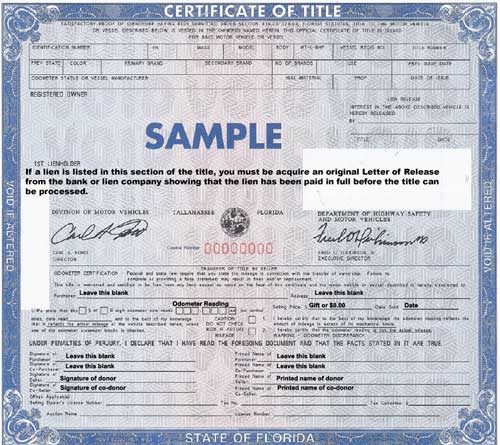
    Buying a mobile home can be an exciting venture, offering an affordable housing solution with mobility flexibility. However, amidst the enthusiasm, one crucial aspect often overlooked is the title. The mobile home title is a legal document that proves ownership and provides crucial information about the property. In this article, we will explore the reasons why you should never buy a mobile home without a title.

    1. Legal Ownership and Transfer of Title

    The title of a mobile home serves as proof of ownership. Without a proper title, you may find yourself in a legal quagmire. Purchasing a mobile home without a title means you cannot legally claim property ownership. In some cases, unscrupulous sellers may attempt to sell a mobile home without a title, leaving the buyer without a legal leg to stand on.

    mobile home title

    A title is essential for the legal transfer of ownership. It is a document that officially recognizes the buyer as the new owner and ensures a smooth transition of rights and responsibilities. Without this document, you might face complications when selling or transferring the mobile home in the future.

    2. Access to Essential Information

    The title of a mobile home contains crucial information about the property, including the vehicle identification number (VIN), make, model, year of manufacture, and details about any liens or loans against the property. This information is vital for making informed decisions about the purchase.

    Without a title, you are left in the dark about the mobile home’s history, potential liens, or outstanding debts. This lack of information can lead to unforeseen legal and financial challenges. Knowing the specifics of the mobile home’s background can help you assess its condition, evaluate its value accurately, and avoid any unpleasant surprises down the line.

    3. Secure Financing and Insurance

    When it comes to purchasing a mobile home, financing, and insurance are integral parts of the process. Lenders and insurance companies typically require a clear title as part of their due diligence. Without a title, securing financing for the purchase can be challenging.

    Lenders use the title as collateral, ensuring that the property being financed can be legally transferred to the borrower. Similarly, insurance companies may require proof of ownership to provide coverage for the mobile home. Without a title, you risk facing difficulties in obtaining the necessary financing and insurance, which are crucial components of responsible home ownership.

    4. Resale Value and Marketability

    Whether you plan to stay in your mobile home long-term or consider selling it in the future, having a title significantly impacts its resale value and marketability. Prospective buyers will likely be wary of a property without a clear title, as it raises questions about the legitimacy of ownership.

    A title is a reassurance for potential buyers that the property is free from legal encumbrances and that the seller has the right to transfer ownership. Without a title, you may find it challenging to sell the mobile home or may need to sell it at a significantly lower price to attract buyers willing to take on the associated risks.

    5. Legal Recourse and Protections

    In the absence of a title, you may find yourself without legal recourse in case of disputes or unforeseen circumstances. A title acts as a legal document that outlines the rights and responsibilities of the owner, providing a basis for legal action if needed.

    Without a title, you may be left vulnerable to potential fraud, disputes over ownership, or other legal issues. It is in your best interest to ensure that the mobile home you are purchasing comes with a clear title, providing you with the legal protections needed to safeguard your investment.

    Conclusion

    The decision to purchase a mobile home is a significant one, and it’s essential to approach it with due diligence and awareness of potential pitfalls. Never underestimate the importance of a title when buying a mobile home; it is the cornerstone of legal ownership, providing essential information, facilitating financing and insurance, enhancing resale value, and offering legal protections.

    Before committing to a purchase, thoroughly verify the existence and authenticity of the title. If a seller is unable to provide a title, consider it a red flag and proceed with caution. Protecting yourself from the outset will ensure a smoother and more secure mobile home ownership experience, allowing you to enjoy the benefits of this housing option without unnecessary legal complications.


    See Also:

  • Unlocking the Potential: How Retrofitting an Older Manufactured Home Can Benefit You

    Manufactured homes, often called mobile homes or trailers, have been popular housing choices for decades. Many people opt for these homes due to their affordability, flexibility, and quick installation. However, older manufactured homes may have outdated features, poor insulation, and inefficiencies that can impact comfort and energy costs. Retrofitting or upgrading these homes with modern improvements can bring many benefits, ranging from increased energy efficiency to enhanced comfort and safety. This article will explore the advantages of retrofitting an older manufactured home and how it can positively impact homeowners.

    mobile home retrofitting

    Understanding Retrofitting

    Retrofitting involves improving or upgrading an existing structure to enhance its performance, efficiency, and functionality. In older manufactured homes, retrofitting typically addresses insulation, energy efficiency, structural integrity, and overall comfort issues.

    Benefits of Retrofitting an Older Manufactured Home

    1. Improved Energy Efficiency

    One of the primary benefits of retrofitting an older manufactured home is improved energy efficiency. Older homes often need more insulation and have outdated heating and cooling systems, leading to higher energy bills. Retrofitting can include adding insulation to walls, floors, and ceilings, installing energy-efficient windows and doors, and upgrading heating, ventilation, and air conditioning (HVAC) systems. These improvements can significantly reduce energy consumption and lower utility costs over time.

    2. Enhanced Comfort

    Retrofitting can also enhance comfort levels within the home. Homeowners can maintain more consistent indoor temperatures year-round by addressing insulation deficiencies and sealing air leaks. Additionally, upgrading HVAC systems can provide better airflow and more precise temperature control, creating a more comfortable living environment for residents.

    3. Increased Property Value

    Retrofitting an older manufactured home can increase its property value. Energy-efficient upgrades and modern amenities appeal to homebuyers and can make the home more attractive on the real estate market. Additionally, retrofitting can address structural issues or code violations, enhancing the home’s value and desirability.

    4. Extended Lifespan

    By retrofitting an older manufactured home, homeowners can extend its lifespan and reduce the need for costly repairs in the future. Upgrading structural components, such as roofing, siding, and foundation systems, can enhance durability and resilience against weather-related damage. Modernizing plumbing, electrical, and HVAC systems can prevent potential issues and ensure the home remains functional for years.

    5. Health and Safety Benefits

    Retrofitting can also improve the health and safety of occupants. Upgrading to energy-efficient windows and doors can enhance indoor air quality by reducing drafts and preventing moisture buildup, which can lead to mold and mildew growth. Additionally, retrofitting can include installing carbon monoxide detectors, smoke alarms, and other safety features to protect against potential hazards.

    6. Environmental Impact

    Retrofitting older manufactured homes to improve energy efficiency can have a positive environmental impact. By reducing energy consumption, homeowners can lower their carbon footprint and contribute to environmental conservation efforts. Additionally, using sustainable building materials and practices during retrofitting further minimizes the home’s environmental impact.

    Retrofitting Options

    There are several retrofitting options available for older manufactured homes, depending on the specific needs and budget of the homeowner:

    1. Insulation Upgrades: Insulation to walls, floors, and ceilings can improve thermal performance and energy efficiency.
    2. Window and Door Replacement: Upgrading to energy-efficient windows and doors can enhance insulation and reduce air leaks.
    3. HVAC System Upgrades: Installing a high-efficiency HVAC system can improve comfort and reduce energy consumption.
    4. Roofing and Siding Replacement: Upgrading roofing and siding materials can improve durability and weather resistance.
    5. Plumbing and Electrical Upgrades: Updating plumbing and electrical systems can ensure safety and functionality.
    6. Energy-Efficient Appliances: Installing energy-efficient appliances can reduce energy consumption and utility costs.
    7. Solar Panel Installation: Adding solar panels can provide renewable energy and reduce utility bills.

    Conclusion

    Retrofitting an older manufactured home offers many benefits for homeowners, ranging from improved energy efficiency and comfort to increased property value and environmental sustainability. By investing in upgrades and improvements, homeowners can enhance their homes’ performance, longevity, and overall quality while enjoying lower utility costs and a more comfortable living environment. Whether addressing insulation deficiencies, upgrading HVAC systems, or installing energy-efficient appliances, retrofitting is a cost-effective way to modernize older manufactured homes and unlock their full potential.


    See Also:

  • Keeping Warm: Essential Mobile Home Heating Maintenance Tips

    As winter’s chill sets in, ensuring your mobile home’s heating system is in top condition becomes paramount. Mobile homes have unique heating challenges, often requiring special attention and maintenance to keep them warm and comfortable throughout the colder months. Whether you’re a new mobile homeowner or a seasoned one, understanding how to maintain your mobile home heating system can save you money, prevent breakdowns, and, most importantly, keep you warm when you need it the most.

    mobile home heating system

    Understanding Your Heating System

    Before diving into maintenance tips, it’s crucial to understand the type of heating system your mobile home uses. Most mobile homes are equipped with one of the following heating systems:

    1. Forced Air Furnaces: These are mobile homes’ most common heating systems. They distribute heat through ducts and vents powered by gas, oil, or electricity.
    2. Electric Baseboard Heaters: These heaters are mounted along the baseboard of each room and provide heat through convection.
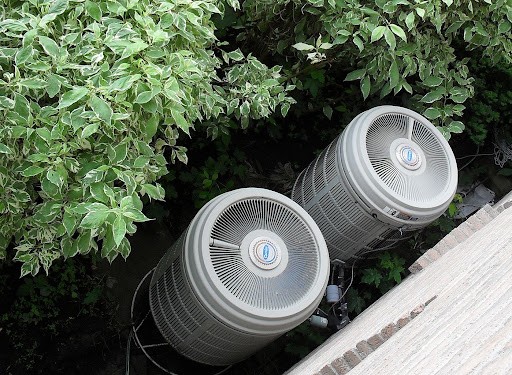
    3. Heat Pumps: Heat pumps provide heating and cooling by extracting heat from the air outside and transferring it inside during winter.
    4. Wood Stoves or Pellet Stoves: Some mobile homeowners opt for wood or pellet stoves for their heating needs, especially in rural areas.

    Each heating system has its maintenance requirements, but there are general tips that apply to most types.

    Maintenance Tips

    1. Regular Inspections

    Schedule annual inspections for your heating system, preferably before the start of winter. A professional HVAC technician can identify potential issues and perform necessary maintenance tasks.

    2. Clean or Replace Filters

    Clean or replace your furnace filters regularly, typically every one to three months, depending on usage. Clogged filters reduce airflow, making your heating system work harder and less efficiently.

    3. Check Thermostat Settings

    Ensure your thermostat is set correctly for the desired temperature. Consider investing in a programmable thermostat to optimize energy usage and maintain consistent comfort levels.

    4. Seal Air Leaks

    Inspect windows, doors, and any other openings for air leaks. Seal gaps with weatherstripping or caulking to prevent warm air from escaping and cold air from entering your home.

    5. Insulate Ductwork

    Properly insulate your ductwork to minimize heat loss as air travels from your furnace to the vents. Insulation helps maintain warmer air temperatures throughout your home and improves energy efficiency.

    6. Clean Vents and Registers

    Regularly clean vents and registers to remove dust, dirt, and debris that can obstruct airflow. Ensure that furniture or other objects do not block vents to allow for optimal air circulation.

    7. Monitor Carbon Monoxide Detectors

    Carbon monoxide (CO) leaks can be deadly. Install carbon monoxide detectors in your home and test them regularly to ensure they function correctly. If you suspect a CO leak, evacuate your home immediately and contact emergency services.

    8. Maintain Outdoor Units

    If you have a heat pump or an outdoor HVAC unit, keep it clear of debris such as leaves, branches, and snow. Proper airflow around the unit is essential for efficient operation.

    9. Schedule Professional Maintenance

    While there are maintenance tasks you can do yourself, such as changing filters and cleaning vents, some jobs require professional expertise. Schedule annual maintenance checks with a qualified HVAC technician to keep your heating system running smoothly.

    10. Monitor Energy Usage

    Keep track of your energy usage and bills to identify any unusual spikes, which could indicate potential issues with your heating system. Addressing problems early can prevent costly repairs down the road.

    11. Consider Insulating Skirting

    If your mobile home has skirting, consider insulating it to prevent cold air from infiltrating underneath your home. This can help maintain a warmer indoor temperature and reduce heating costs.

    12. Use Ceiling Fans Wisely

    In the winter, set your ceiling fans to rotate clockwise at a low speed to help distribute warm air more evenly throughout your home. This can reduce the workload on your heating system and improve overall comfort.

    13. Plan for Power Outages

    Mobile homes are susceptible to power outages during winter storms. Have a backup plan for heating, such as a generator or alternative heating source, to stay warm during emergencies.

    14. Keep Heating Vents Open

    Avoid closing heating vents or blocking them with furniture, curtains, or rugs. Blocked vents restrict airflow and can lead to uneven heating throughout your home.

    15. Monitor Humidity Levels

    Maintain optimal indoor humidity levels (between 30% and 50%) to maximize comfort and prevent dry skin and respiratory problems. Consider using a humidifier if your home’s air is too dry.

    Conclusion

    Proper maintenance of your mobile home’s heating system is essential for staying warm and comfortable during winter. By following these maintenance tips and staying proactive, you can ensure your heating system operates efficiently, prolong its lifespan, and avoid costly repairs. Remember, it’s always better to be proactive than reactive when it comes to your comfort and safety. Stay warm and cozy all winter with a well-maintained heating system in your mobile home.


    See Also:

  • Do I Need Insurance for My Mobile Home?

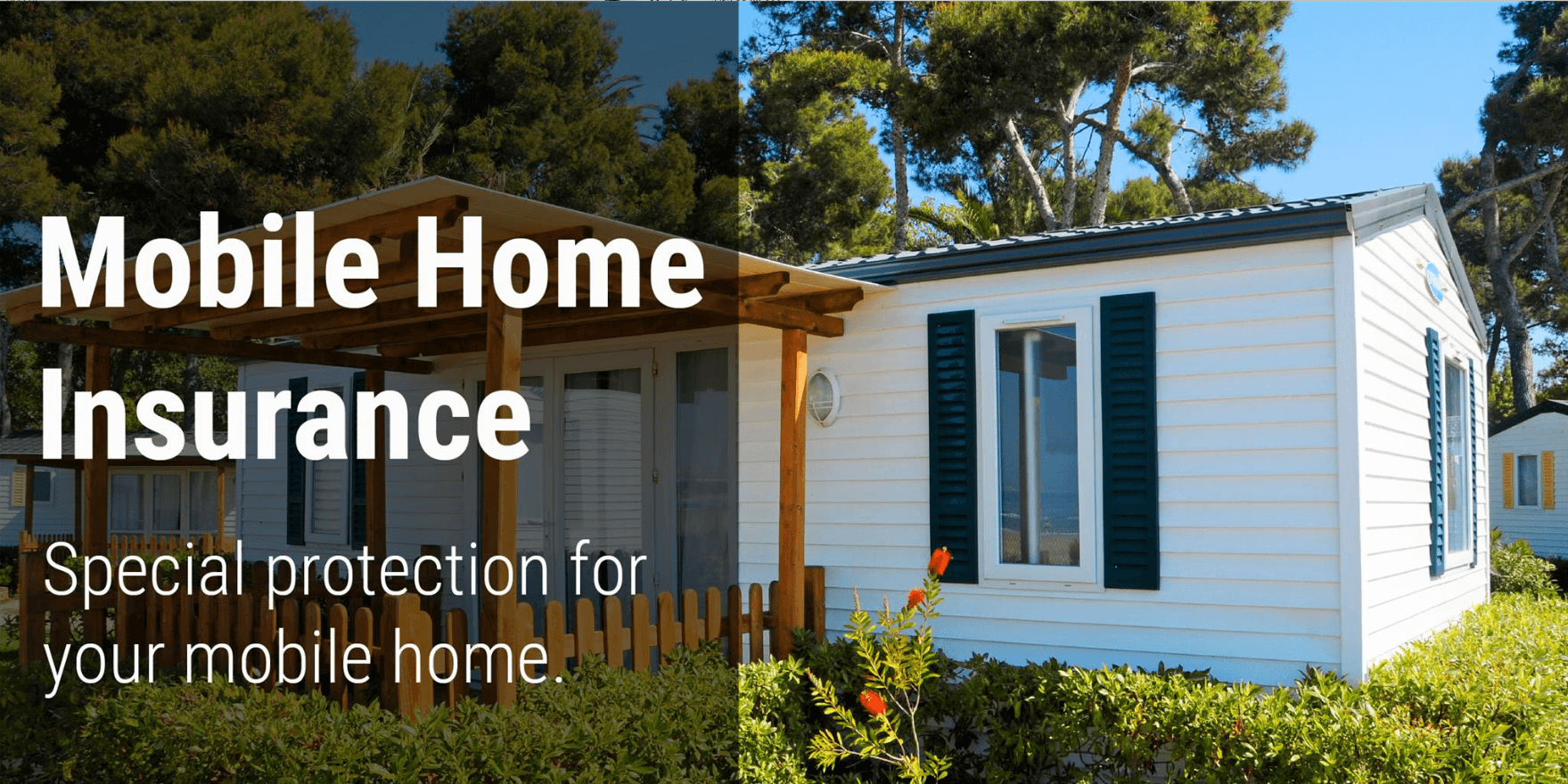
    Mobile homes, also known as manufactured homes, offer an affordable housing option for many individuals and families. While they provide comfort and convenience, it’s essential to consider the various aspects of homeownership, including insurance. The question often arises: “Do I need insurance for my mobile home?” In this article, we’ll delve into the importance of mobile home insurance, what it covers, and why it’s vital to protecting your investment and peace of mind.

    Understanding Mobile Home Insurance:

    Much like traditional homeowners insurance, mobile home insurance provides financial protection in unexpected circumstances such as natural disasters, accidents, or theft. It covers not only the structure itself but also personal belongings and liability coverage for injuries that may occur on your property.

    mobile-home-insurance

    Key Reasons to Have Mobile Home Insurance:

    • Protecting Your Investment:

    Your mobile home is a significant investment, and like any valuable asset, it’s crucial to safeguard it against potential risks. Mobile home insurance covers damages caused by fire, windstorms, hail, vandalism, and other perils, ensuring that you won’t face significant financial losses in an unforeseen disaster.

    • Personal Property Coverage

    In addition to protecting the structure of your mobile home, insurance also covers your personal belongings inside. This includes furniture, electronics, clothing, and other items that could be damaged or destroyed due to covered perils. Insurance ensures you can replace these items without bearing the full financial burden yourself.

    • Liability Protection

    Accidents can happen anywhere, including on your property. Mobile home insurance includes liability coverage, which protects you financially if someone is injured on your property and you’re found liable for their medical expenses or other damages. This coverage extends beyond your mobile home, including incidents that may occur anywhere on your property.

    • Additional Living Expenses

    Mobile home insurance can cover additional living expenses if your mobile home becomes uninhabitable due to a covered peril, such as a fire or severe storm. This includes temporary housing, meals, and other essential expenses while your home is being repaired or rebuilt, providing much-needed support during a challenging time.

    Factors to Consider When Purchasing Mobile Home Insurance

    • Location

    The location of your mobile home plays a significant role in determining the cost of insurance and the specific risks it may face. For example, homes in areas prone to hurricanes, tornadoes, or wildfires may require additional coverage or higher premiums to protect against these hazards adequately.

    • Age and Condition of the Home

    The age and condition of your mobile home can also impact insurance costs. Older homes may have outdated electrical or plumbing systems, which could increase the risk of fire or water damage. Additionally, homes that have been well-maintained and updated may qualify for discounts on insurance premiums.

    • Coverage Limits and Deductibles

    When purchasing mobile home insurance, it’s essential to carefully review the coverage limits and deductibles offered by different insurers. Coverage limits determine the maximum amount the insurance company will pay for covered losses. At the same time, deductibles represent the out-of-pocket expenses you must pay before insurance coverage kicks in. Finding the right balance between coverage limits and deductibles is crucial to ensuring adequate protection without breaking the bank.

    • Additional Coverage Options

    Consider additional coverage options beyond the basic policy, depending on your specific needs and preferences. This could include coverage for particular perils not included in the standard policy, such as flood insurance or earthquake insurance, as well as endorsements or riders for high-value belongings or additional liability protection.

    Conclusion

    In conclusion, mobile home insurance is vital for protecting your home, personal belongings, and financial well-being. Insurance offers peace of mind and financial security, from safeguarding against unforeseen disasters to providing liability coverage for accidents on your property. When considering whether you need insurance for your mobile home, weighing the potential risks, your specific needs, and the coverage options available to find the right policy for you is essential. By adequately protecting your investment with insurance, you can enjoy your mobile home knowing that you’re prepared for the future.


    See Also:

  • 10 Best Neighborhoods to Buy a Mobile Home in Florida

    Are you considering buying a mobile home in Florida but need help figuring out where to start your search? With its sunny weather, beautiful beaches, and diverse communities, Florida offers numerous opportunities for mobile home living. Whether you’re looking for a retirement destination, a vacation home, or a more affordable housing option, plenty of neighborhoods across the state cater to mobile home residents. In this guide, we’ll explore 10 of the best neighborhoods to buy a mobile home in Florida, each offering its unique charm and amenities.

    1. Bradenton

    Located on the Gulf Coast of Florida, Bradenton is a vibrant city known for its picturesque beaches, cultural attractions, and outdoor recreational opportunities. Mobile home communities in Bradenton offer residents access to amenities such as swimming pools, clubhouse facilities, and organized social activities. The city’s proximity to Sarasota and Tampa also provides convenient access to shopping, dining, and entertainment options.

    best neighborhoods in Florida

    2. Fort Myers

    Nestled along the Caloosahatchee River on Florida’s southwest coast, Fort Myers is a popular destination for mobile home living. Mobile home communities in Fort Myers often feature waterfront locations, allowing residents to enjoy beautiful views and easy access to boating and fishing opportunities. The city’s warm climate, vibrant downtown area, and abundance of golf courses make it an attractive option for retirees and outdoor enthusiasts alike.

    3. The Villages

    Located in central Florida, The Villages is one of the largest age-restricted communities in the country and an ideal destination for active adults seeking mobile home living. The Villages offers an array of amenities within the community, including golf courses, recreation centers, and shopping and dining options. With its focus on wellness and an active lifestyle, The Villages provides residents with opportunities for social engagement and outdoor recreation year-round.

    4. Orlando

    Known for its world-famous theme parks and attractions, Orlando is also home to several mobile home communities that offer affordable housing options in a convenient location. Mobile home residents in Orlando enjoy easy access to theme parks, shopping malls, restaurants, and entertainment venues, making it an excellent choice for families and retirees alike. The city’s diverse neighborhoods offer a range of amenities and lifestyles to suit different preferences.

    5. Naples

    Nestled along Florida’s southwest coast, Naples is a luxurious destination known for its upscale shopping, dining, and cultural attractions. Mobile home communities in Naples offer residents access to amenities such as golf courses, tennis courts, and private beach access. The city’s beautiful beaches, vibrant arts scene, and proximity to outdoor recreational opportunities make it an attractive option for mobile home living.

    6. Port Charlotte

    Located on Florida’s Gulf Coast between Sarasota and Fort Myers, Port Charlotte offers affordable mobile home living in a relaxed coastal setting. Mobile home communities in Port Charlotte often feature waterfront locations, providing residents with opportunities for boating, fishing, and other water-based activities. The city’s laid-back atmosphere, abundance of parks and nature preserves, and convenient access to amenities make it an appealing choice for retirees and outdoor enthusiasts.

    7. Clearwater

    Situated on Florida’s west coast, Clearwater is known for its stunning beaches, vibrant downtown area, and family-friendly attractions. Mobile home communities in Clearwater offer residents access to amenities such as swimming pools, tennis courts, and clubhouse facilities. The city’s warm climate, beautiful parks, and proximity to Tampa Bay make it an ideal destination for mobile home living.

    8. Ocala

    Located in north-central Florida, Ocala is known for its picturesque horse farms, natural beauty, and outdoor recreational opportunities. Mobile home communities in Ocala offer residents access to amenities such as golf courses, swimming pools, and nature trails. The city’s affordable housing options, friendly community atmosphere, and proximity to state parks and forests make it an attractive choice for mobile home living.

    9. Sarasota

    Situated on Florida’s Gulf Coast, Sarasota is known for its stunning beaches, vibrant arts scene, and cultural attractions. Mobile home communities in Sarasota offer residents access to amenities such as swimming pools, fitness centers, and organized social activities. The city’s warm climate, beautiful parks, and world-class cultural institutions make it a desirable destination for mobile home living.

    10. St. Petersburg

    Located on Florida’s Gulf Coast, St. Petersburg is known for its vibrant downtown area, beautiful waterfront parks, and cultural attractions. Mobile home communities in St. Petersburg offer residents access to amenities such as swimming pools, tennis courts, and clubhouse facilities. The city’s diverse neighborhoods, thriving arts scene, and proximity to Tampa Bay make it an attractive option for mobile home living.

    Final Thoughts

    Florida offers a wide range of neighborhoods and communities that cater to mobile home residents, each offering its unique charm and amenities. Whether you’re seeking waterfront living, an active adult community, or a convenient location near shopping and entertainment options, there’s a mobile home neighborhood in Florida to suit your preferences. Consider exploring these ten best neighborhoods to buy a mobile home in Florida to find the perfect place to call home in the Sunshine State.


    See Also:

Reset password

Enter your email address and we will send you a link to change your password.

Get started with your account

to save your favourite homes and more

Sign up with email

Get started with your account

to save your favourite homes and more

By clicking the «SIGN UP» button you agree to the Terms of Use and Privacy Policy
Powered by Estatik