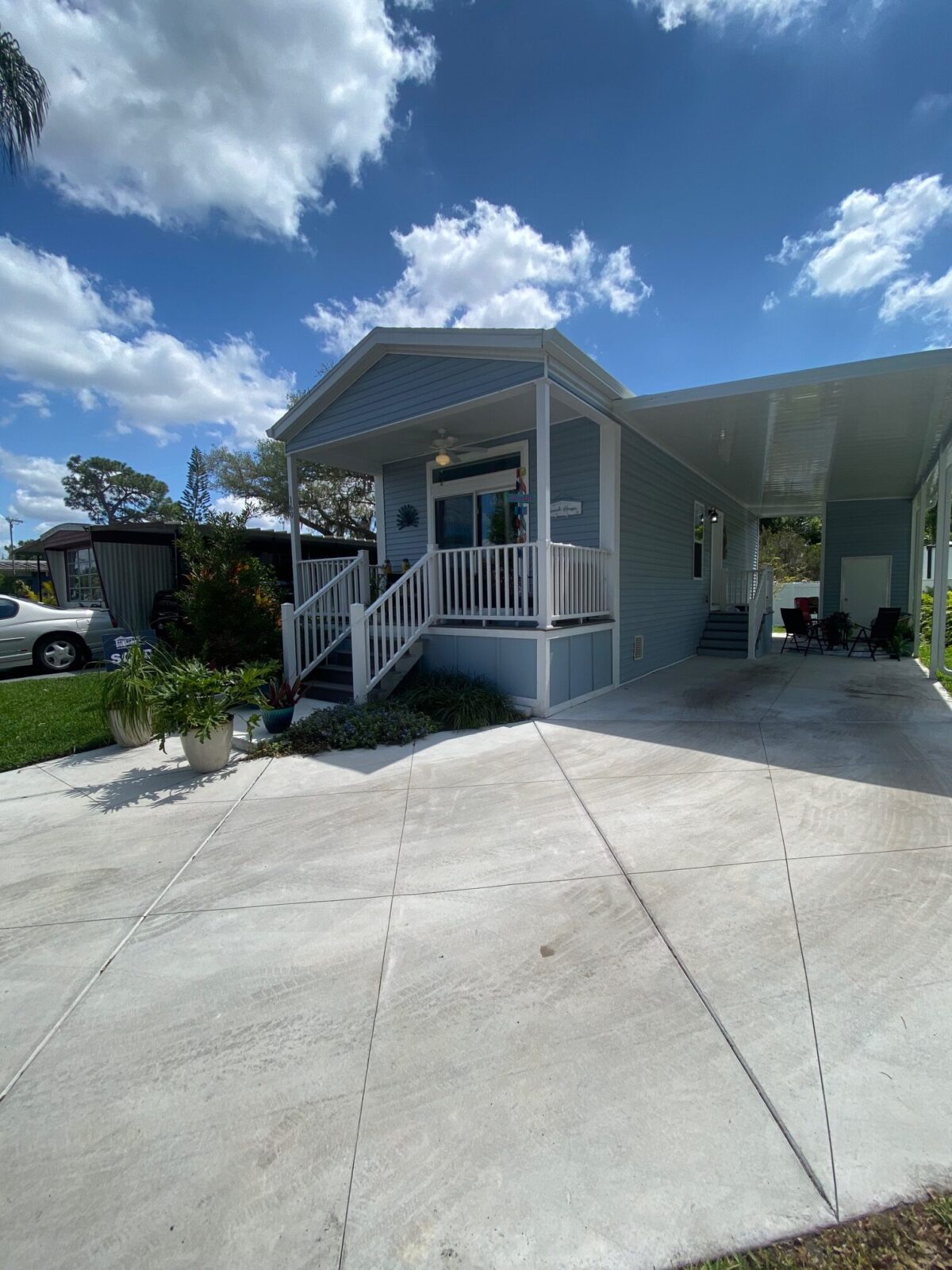
Author: Raden Payas

  • The Cheapest Way to Move a Mobile Home

    Moving a mobile home can be a daunting task. Unlike a traditional house, it requires specialized transportation and permits, making the process seem complex and expensive. However, with careful planning and some DIY know-how, you can significantly reduce the cost of your mobile home move. Here’s a comprehensive guide to navigating the cheapest way to move a mobile home, focusing on strategies to save money throughout the process.

    Understanding the Cost Factors

    Before diving into cost-saving tactics, it’s crucial to understand what factors influence the overall price of a mobile home move. The biggest expense comes from hiring a licensed mobile home transporter. The distance of your move is a major determinant – longer distances translate to higher fuel costs and potentially additional permits. The size and weight of your mobile home also play a role, with larger homes requiring specialized equipment and potentially route restrictions.

    The Cheapest Way to Move a Mobile Home

    The Cheapest Way to Move a Mobile Home: Planning and Preparation

    Even with these factors in mind, there are several strategies you can employ to make your mobile home move as cost-effective as possible. Here’s where the real planning and preparation come in:

    • Get Multiple Quotes: Don’t settle for the first quote you receive. Get estimates from several reputable mobile home transport companies in your area. Be sure to inquire about transport-only options, which exclude prep work like disconnecting utilities and skirting removal. You can handle these tasks yourself to save money.
    • Shorter is Sweeter: When considering your new location, prioritize shorter distances. The shorter the distance your mobile home needs to be transported, the lower the overall cost will be. If feasible, explore mobile home communities closer to your desired area.
    • DIY Prep Work: As mentioned earlier, consider tackling some of the prep work yourself to save on labor costs. This could involve disconnecting utilities, removing skirting (the material around the bottom of your home), and securing loose items inside the mobile home. However, remember safety is paramount. Don’t hesitate to hire a professional if you’re unsure about any task.

    Optimizing Your Mobile Home for Transport

    Once you’ve secured a transport-only quote, there are additional steps you can take to reduce costs further:

    • Lighten the Load: The weight of your mobile home directly impacts the cost of transport. Pack only essential belongings and consider donating or selling unwanted items before the move. The lighter your mobile home, the less it will cost to move.
    • Prepare the Exterior: Ensure your mobile home’s exterior is in good condition for transport. Address any loose awnings, damaged siding, or protruding objects that could create issues during the move.

    Additional Cost-Saving Considerations

    Here are some other factors to keep in mind when aiming for the cheapest way to move a mobile home:

    • Timing is Key: Consider moving during the off-season (typically fall and winter) when demand for mobile home transport services might be lower, potentially leading to better pricing.
    • Permits and Regulations: Research the permits and regulations required for the move in both your origin and destination locations. Factor in any permit costs into your overall budget.
    • Insurance: While not directly related to the transportation cost, consider mobile home relocation insurance to protect your investment during the move.

    The Cheapest Way to Move a Mobile Home Might Not Be Completely DIY

    While some aspects of a mobile home move can be DIY-friendly, it’s important to be realistic about your skills and limitations. Hiring a professional mobile home mover to handle the actual transportation is crucial. These companies have the expertise, equipment, and permits necessary to ensure a safe and legal move. However, by taking care of the prep work and optimizing your mobile home for transport, you can significantly reduce the overall cost compared to a full-service move.

    The Bottom Line

    Moving a mobile home can be a budget-conscious endeavor with careful planning and some DIY effort. By understanding the cost factors, focusing on the cheapest way to move a mobile home through preparation and optimization, and making informed decisions about professional services, you can navigate this process without breaking the bank. Remember, a successful mobile home move is a balance between cost-saving strategies and ensuring the safety of your home during transport.


    See Also:

  • Can You Refinance a Mobile Home? Unlocking Equity and Lowering Payments

    The affordability of mobile homes, also known as manufactured homes, makes them a popular housing option. But what if you’re looking to optimize your loan after some time in your mobile home?  Can you refinance a mobile home? The answer is yes but with some key considerations compared to refinancing a traditional house.

    Understanding the Refinance Landscape for Mobile Homes

    Refinancing a mobile home differs from that of a stick-built home. The crucial factor lies in how the mobile home is classified.  Mobile homes on their own are typically considered personal property. However, when permanently affixed to a foundation and situated on land you own, they can be considered real property, opening doors to traditional mortgage refinance options.

    can you refinance a mobile home

    Factors Affecting Your Ability to Refinance a Mobile Home

    Even if your mobile home qualifies as real property, additional conditions can influence your eligibility for refinancing. Here are some key factors lenders consider:

    • Location: Mobile homes in rural areas may have fewer lenders offering refinance options compared to urban centers.
    • Age and Condition: Older mobile homes or those in poor condition might be deemed ineligible for refinancing by some lenders.
    • Loan-to-Value Ratio (LTV): This ratio compares the amount you owe on your loan to the appraised value of your mobile home and land. A lower LTV (meaning you owe less than the home’s value) increases your chances of qualifying for a refinance.
    • Creditworthiness: A strong credit score demonstrates your ability to repay the loan and is crucial for securing favorable refinance terms.

    Types of Refinance Loans Available for Mobile Homes

    Once you’ve established your eligibility, you can explore the different refinance loan options available for mobile homes:

    • FHA 203(k) Rehabilitation Loan: This government-backed loan allows you to bundle the cost of renovations and repairs into your refinance, increasing your home’s value and potentially lowering your monthly payment.
    • FHA Title I Property Improvement Loan: Ideal for smaller repairs or upgrades, this FHA loan functions as a separate loan from your mortgage but can be rolled into a refinance.
    • USDA Rural Development Loan: For qualified borrowers in rural areas, the USDA offers refinance options with low down payments and competitive interest rates.
    • Conventional Loan: If your mobile home meets specific criteria (typically newer models on permanent foundations), you might qualify for a conventional loan with potentially lower interest rates than government-backed options.

    Exploring Cash-Out Refinance for Mobile Homes

    Cash-out refinance allows you to tap into the equity you’ve built up in your mobile home.  This means you can borrow a new loan amount exceeding your current mortgage balance and receive the difference in cash.  Remember,  cash-out refinances for mobile homes often have stricter limitations than traditional homes due to the perceived higher risk by lenders.

    Determining if Refinancing Makes Sense for Your Mobile Home

    Before diving into a refinance, consider your financial goals and the potential benefits:

    • Lowering your monthly payment: Refinancing to a lower interest rate can significantly reduce your monthly housing costs, freeing up cash flow for other expenses.
    • Shortening your loan term: Refinancing allows you to repay your loan faster and own your mobile home outright sooner.
    • Accessing cash: A cash-out refinance can provide funds for renovations, debt consolidation, or other financial needs.

    However, refinancing also comes with associated costs, including:

    • Origination fees: Paid to the lender to cover processing the refinance application.
    • Appraisal fee: To determine the current market value of your mobile home and land.
    • Title search and insurance: Ensure the property’s title is clear and protect your lender’s investment.

    Carefully weigh the potential benefits and costs to determine if refinancing aligns with your financial goals.

    Tips for Successfully Refinancing Your Mobile Home

    Here are some pointers to smoothen your mobile home refinance process:

    • Shop around for lenders: Compare rates and terms from multiple lenders to secure the most favorable offer.
    • Gather necessary documents: Be prepared to provide proof of income, credit score, and documentation related to your mobile home and land ownership.
    • Consider a specialized lender: Some lenders focus specifically on mobile home financing and might offer more competitive rates and terms.
    • Consult a financial advisor: If you need clarification on refinancing or have complex financial situations, a financial advisor can provide guidance tailored to your circumstances.

    By understanding the conditions, loan options, and financial implications, you can decide whether refinancing your mobile home is the right move for you.

    Challenges and Considerations for Mobile Home Refinancing 

    While refinancing a mobile home offers potential benefits, there are also challenges to consider:

    • Stricter Qualification Requirements: Compared to traditional mortgages, mobile home refinances often have tighter eligibility criteria, especially regarding credit score, LTV ratio, and home age/condition.
    • Limited Lender Options: Fewer lenders specialize in mobile home financing, limiting your choices and potentially leading to less competitive rates.
    • Higher Interest Rates: Mobile home refinance interest rates are generally higher than those for traditional homes due to the perceived higher risk associated with mobile homes by lenders.
    • Title Issues: The title for your mobile home and land might be complex, requiring additional documentation and potentially delaying the refinance process.

    Alternatives to Refinancing a Mobile Home

    If refinancing isn’t the best option for you, here are some alternative ways to achieve your financial goals:

    • Home Equity Loan: This loan allows you to borrow against the equity in your mobile home and receive the funds in a lump sum. However, you’ll make separate monthly payments on top of your existing mortgage payment.
    • Debt Consolidation Loan: If you’re looking to simplify your finances by combining multiple debts, a debt consolidation loan can offer a lower interest rate than your existing debts, potentially saving you money.
    • Increase Income: Exploring ways to increase your income can help you manage your current loan without refinancing.

    The Bottom Line:  Can You Refinance a Mobile Home?

    Refinancing a mobile home is a possibility, but it requires careful consideration.  By understanding the eligibility factors, loan options, potential challenges, and alternative approaches, you can make an informed decision that aligns with your financial situation and goals.

    Taking the Next Step

    If you’re interested in pursuing a mobile home refinance,  here are some recommended next steps:

    • Review your credit report: Ensure your credit score is in good standing, as this significantly impacts your refinance eligibility and interest rates.
    • Gather your financial documents: Prepare your income, current loan, and mobile home ownership documentation.
    • Research lenders: Compare rates and terms offered by different lenders specializing in mobile home refinancing.

    Consulting with a financial advisor experienced in mobile home financing can provide valuable guidance and personalized recommendations for your specific situation.  Remember, refinancing your mobile home can be a powerful financial tool, but it’s crucial to approach it with knowledge and a clear understanding of the process and its implications.


    See Also:

  • Can You Move a Mobile Home to Your Own Property?

    Many dream of owning their own land and placing a mobile home on it. Mobile homes, also known as manufactured homes, offer affordability, spacious living, and a sense of permanence on your own piece of ground. But before you dive headfirst into this venture, it’s crucial to ask:  “Can you move a mobile home to your own property?”

    Like most things in life, the answer isn’t a simple yes or no. Moving a mobile home to your own property is absolutely possible, but it requires careful planning, navigating regulations, and tackling logistical hurdles. This guide will equip you with the knowledge you need to determine if this path is right for you.

    Zoning and Permits: The Gatekeepers of Placement

    The very first step involves understanding the zoning regulations in your area.  Can you move a mobile home to your own property?” hinges on whether your land is zoned for manufactured homes.  Contact your local planning department to confirm zoning and inquire about any specific permits required for placing a mobile home. Don’t be afraid to ask questions – understanding these regulations upfront can save you time, money, and frustration.

    Can you move a mobile home to your own property

    Permits are another crucial element.  In most cases, you’ll need a permit to move the mobile home itself and a permit for setting it up on your property.  The specific permits required vary by location, so consulting your local building department is essential. They can advise you on the application process, fees, and necessary inspections.

    The Property Prepares: Setting the Stage for Your Mobile Home

    Assuming your land is zoned appropriately, and you’ve secured the necessary permits, it’s time to prepare your property for the mobile home’s arrival. This preparation involves several key steps:

    • Site Evaluation: A qualified professional should assess your land to ensure it can accommodate the size and weight of the mobile home. They’ll consider soil conditions, drainage, and potential foundation requirements.
    • Site Preparation: Based on the evaluation, your land might need grading, leveling, and foundation work. This ensures the mobile home sits level and has a stable base. Skirting, which encloses the underside of the home, may also be part of this preparation.
    • Utility Hookups: It is essential to disconnect utilities from the current location and arrange for hookups at the new site. This includes water, sewer, gas, and electrical lines. Planning for these connections beforehand streamlines the process.

    The Mobile Home Itself: Age, Condition, and Regulations

    The age and condition of the mobile home you intend to move into will also be factored into the equation.  Some states or municipalities restrict the age of mobile homes that can be relocated. Homes built before a certain date (often 1976) might not meet current safety and building code standards.  In such cases, the home might need to be brought up to code before possible relocation.

    A thorough inspection of the mobile home by a qualified professional is highly recommended. This inspection can identify any potential issues that might need to be addressed before the move.  Addressing these issues beforehand can prevent delays and unexpected costs during the relocation process.

    Calling in the Experts: Mobile Home Movers

    Moving a mobile home is a specialized task best left to professionals.  Licensed and insured mobile home movers possess the expertise, equipment, and permits necessary to transport your home to its new location safely.

    Researching reputable mobile home movers in your area is crucial.  Get quotes, inquire about their experience, and ensure they are licensed and insured.  Don’t be afraid to ask questions – a good mover will be transparent and address all your concerns.

    The Big Day: Moving Day Logistics

    Moving day itself is a complex orchestration. Here’s what to expect:

    • Preparation: The mobile home mover will disconnect utilities, secure the home for transport, and obtain any necessary permits for oversized loads.
    • Transportation: The actual move involves specialized equipment to transport the mobile home safely. Depending on the distance and route permits for oversized loads might be required.
    • Placement: Once at the new location, the mover will carefully position the mobile home on the prepared foundation and ensure proper leveling. Reconnecting utilities is also part of this process.

    Important Note: Throughout the moving process, clear communication with the mobile home mover is key. Discuss timelines, potential challenges, and any additional costs that might arise.

    Cost Considerations: Budgeting for Your Mobile Home Move

    The cost of moving a mobile home to your own property can vary depending on several factors, including:

    • Distance: The longer the distance the mobile home needs to be transported, the higher the cost.
    • Size and Weight: The size and weight of the mobile home will influence the moving equipment needed and the complexity of the move, impacting the cost.
    • Permits and Inspections: The fees associated with obtaining permits and inspections can add up. Obtaining quotes from different entities beforehand can help with budgeting.
    • Site Preparation:  The cost of preparing your land for the mobile home can vary depending on the required work, like grading, foundation installation, and utility hookups.
    • Condition of the Mobile Home:  If the mobile home requires repairs or upgrades to meet code requirements, these costs need to be factored in.

    By carefully considering these factors and getting quotes from qualified professionals, you can create a realistic budget for your mobile home relocation project.

    The Conclusion: Weighing the Pros and Cons

    While moving a mobile home to your own property offers the benefits of affordability and potentially more space, it’s not without its challenges. Here’s a quick recap to help you decide:

    Pros:

    • Affordability: Mobile homes generally offer a lower ownership cost than traditional site-built homes.
    • Customization: You can potentially personalize your land with landscaping and outdoor features to create your own unique space.
    • Sense of Permanence: Owning both the land and the mobile home provides a sense of stability and long-term ownership.

    Cons:

    • Regulations and Permits: Navigating zoning restrictions, permits, and inspections can be a complex process.
    • Moving Costs: Moving a mobile home, including permits, transportation, and site preparation, can be significant.
    • Financing Options: Financing options for mobile homes on private property can be more limited compared to traditional mortgages.

    Ultimately, the decision of whether to move a mobile home to your own property depends on your individual circumstances, budget, and risk tolerance.  By carefully researching the regulations, permits, and costs involved,  you can make an informed decision that aligns with your long-term goals.


    See Also:

  • Sunshine State, Manufactured Home: Exploring FHA Loans in Florida

    With its year-round sunshine and beautiful beaches, Florida is a dream destination for many. But that dream can extend beyond vacations and become a reality for homeownership, even with a manufactured home.  “Can you get an FHA loan for a mobile home?” is a common question for aspiring homeowners in the Sunshine State, and the answer is yes, with some key considerations.

    FHA loans, insured by the Federal Housing Administration, are popular for their lower down payment requirements than conventional mortgages. This makes them an attractive option for those looking for an affordable path to homeownership. But can you get an FHA loan for a mobile home in Florida? What are the specifics?

    FHA Loans and Manufactured Homes: A Perfect Match?

    The good news is that FHA loans can be used to finance manufactured homes, also known as HUD homes (Homes Urban Development).  However, there are some crucial details to understand before diving in.

    First, FHA loans for manufactured homes fall under the Title I Property Improvement loan program. This program allows financing for:

    • New or Used Manufactured Homes: Whether you’ve set your sights on a brand-new manufactured home or a gently used one, FHA loans can cover the cost.
    • Land Acquisition: The FHA program can also help finance the purchase of the land where you plan to place your manufactured home.
    • Existing Manufactured Home and Lot: If you already own the land on which your manufactured home sits, you can potentially refinance both the home and the lot with an FHA loan.

    Can you get an FHA loan for a mobile home

    There are two key distinctions within the Title I program to be aware of:

    • FHA Title I Property Improvement Loan (for Permanently Affixed Homes): This program applies to manufactured homes that are permanently attached to a foundation, similar to a traditional house. This option offers longer loan terms, typically up to 25 years.
    • FHA Title I Chattel Loan (for Non-Permanently Affixed Homes): This program is for manufactured homes not permanently affixed to the land. These loans typically have shorter terms, around 15 years.

    The crucial factor is whether the manufactured home is considered real or personal. Permanently affixed homes are treated like traditional houses, while non-permanently affixed homes are seen as similar to vehicles.

    Meeting FHA Requirements in Florida

    So, “Can you get an FHA loan for a mobile home in Florida?” becomes a question of whether the home meets the FHA’s requirements. Here’s what you need to know:

    • HUD Code Compliance: The manufactured home must be built after June 15th, 1976, and comply with the Department of Housing and Urban Development (HUD) construction standards. A certification label will be provided at home to indicate this.
    • Minimum Square Footage: The manufactured home must meet minimum size requirements, which vary depending on the number of bedrooms.
    • Location: The home must be in a permanently established mobile home park meeting FHA/HUD guidelines.

    Working with an FHA-approved lender familiar with financing manufactured homes in Florida is important. They can guide you through the process and ensure the chosen home meets all the requirements.

    Beyond the Basics: Additional Considerations

    While FHA loans can open doors to affordable homeownership in Florida, there are additional factors to consider:

    • Down Payment: While FHA loans boast lower down payment requirements than conventional mortgages, a minimum down payment is still required. The exact amount will depend on the lender and your creditworthiness.
    • Mortgage Insurance: FHA loans require mortgage insurance premiums (MIP), which can be factored into your monthly payment. There are two types of MIP: an upfront premium paid at closing and an annual premium included in your monthly mortgage payment.
    • Appraisal: Manufactured homes typically undergo an appraisal process that is different from traditional houses. A certified appraiser specializing in manufactured homes will determine the property’s value.
    • Park Fees and Regulations: Living in a mobile home park comes with monthly fees that cover park amenities and maintenance. Review the park’s rules and regulations to ensure they align with your lifestyle.

    The Sunshine State Awaits: Making an Informed Decision

    “Can you get an FHA loan for a mobile home in Florida?”  The answer is yes, with the right planning and considerations.  FHA loans can be a powerful tool for homeownership in Florida’s manufactured housing market. By understanding the program’s guidelines, working with an FHA-approved lender, and carefully evaluating the property and park situation, you can decide whether an FHA loan for a manufactured home is the right fit for your Florida dream.

    Securing an FHA Loan for Your Florida Manufactured Home

    Having established the feasibility of using FHA loans for manufactured homes in Florida, let’s delve deeper into the process. Here’s a roadmap to guide you through securing an FHA loan for your dream manufactured home:

    1. Team Up with an FHA-Approved Lender:

    • Finding the right lender is crucial. Look for lenders with experience in FHA loans for manufactured homes specifically.
    • They will be familiar with the program’s nuances and guide you through the application process.
    • Shop around and compare rates and terms offered by different lenders.

    2. Gather Your Documentation:

    • Be prepared to submit documents like tax returns, pay stubs, bank statements, and proof of employment.
    • The lender will also require information about the specific manufactured home you’re interested in, including its HUD certification label and details about the mobile home park.

    3. Pre-Qualification is Key:

    • Undergo pre-qualification with your chosen lender. This will give you an estimated loan amount you’re eligible for and strengthen your position when offering a manufactured home.

    4. Finding the Right Manufactured Home:

    • Search for FHA-approved manufactured homes in mobile home parks that meet FHA/HUD guidelines.
    • Work with a realtor specializing in manufactured homes for a smoother search process.
    • Carefully inspect the home for potential issues and ensure it meets your needs and preferences.

    5. The Offer and Purchase Agreement:

    • Once you’ve found the perfect manufactured home, work with your realtor to submit a competitive offer.
    • The purchase agreement should clearly outline the sale details, including the price, financing contingency, and closing date.

    6. Appraisal and Inspections:

    • An FHA-approved appraiser specializing in manufactured homes will assess the property’s value.
    • In some cases, additional inspections may be required, such as for the foundation or pest control.

    7. Loan Application and Approval:

    • Your lender will guide you through completing the formal FHA loan application.
    • The application package will be submitted to the FHA for review and approval. This process can take some time, so be prepared for a wait.

    8. Closing the Deal:

    • Once the loan is approved, you’ll receive a loan estimate detailing the final closing costs.
    • Review the closing documents carefully before signing.
    • Closing typically takes place at a title company or the lender’s office.

    Congratulations! You’ve successfully secured an FHA loan and are now the proud owner of your manufactured home in sunny Florida.

    Beyond the Loan: Tips for Success

    Owning a manufactured home with an FHA loan comes with additional considerations:

    • Maintaining Your Manufactured Home: Regular maintenance is crucial for preserving the value of your home. Stick to a maintenance schedule and address any issues promptly.
    • Park Amenities and Fees: Be familiar with the mobile home park’s amenities and monthly fees. Ensure the fees align with your budget and the amenities offered.
    • Community Guidelines: Review the park’s rules and regulations thoroughly. These may cover aspects like pet ownership, exterior modifications, and parking.

    Following these steps and remaining informed throughout the process, you can leverage FHA loans to achieve your dream of owning a manufactured home in Florida. Remember, the sunshine state awaits, and with careful planning, an FHA loan can pave the way for affordable and comfortable homeownership.

    Disclaimer: The Mobile Home Dealer is not a financial adviser, and this article is based only on financial publications from reputable online sources.


    See Also:

  • People Ask: Can a Mobile Home Collapse?

    Mobile homes, also known as manufactured homes, offer many people an affordable and convenient housing option. But with their distinct construction style, some residents might wonder—are mobile homes susceptible to collapse? The answer, like most things in life, is nuanced.

    Built to Withstand, But Vulnerable Under Certain Conditions

    Modern mobile homes adhere to strict federal building codes set by the Department of Housing and Urban Development (HUD). These codes ensure structural integrity and make them capable of withstanding everyday wear and tear.  However, mobile homes can be vulnerable under extreme circumstances, such as:

    Can a Mobile Home Collapse
    A collapsed mobile home
    • Severe Weather: Heavy snow accumulation, strong winds, or excessive rain can put a strain on the roof, potentially leading to collapse, especially for flat roofs that don’t allow for proper drainage.
    • Improper Installation: Mobile homes need to be securely anchored to their foundation. Failure to follow proper installation procedures, use of inadequate anchoring systems, or settling the foundation can compromise the home’s stability.
    • Deterioration: Over time, exposed parts of the mobile home, like the roof and siding, can deteriorate due to weather and neglect. This can weaken the structure and increase the risk of collapse.
    • Lack of Maintenance: Regular maintenance is crucial for any home, and mobile homes are no exception. Inspecting the roof, foundation, and anchoring system for signs of damage and addressing them promptly can prevent major issues.

    Staying Safe in Your Mobile Home

    While there’s a chance of collapse under extreme circumstances, there are steps you can take to minimize the risk and ensure your safety:

    • Know Your Wind Zone: The US is divided into wind zones with varying wind speed possibilities. Your mobile home should be anchored according to the wind zone regulations for your area.
    • Regular Inspections: Schedule annual inspections by qualified professionals to assess the condition of your home’s roof, foundation, anchoring system, and electrical wiring.
    • Winterize Your Home: If you live in an area with heavy snowfall, take steps to remove snow accumulation from the roof to prevent overloading.
    • Heed Weather Warnings: Pay close attention to weather forecasts and warnings. If a severe storm is expected, take precautions, such as securing outdoor furniture and seeking alternative shelter if necessary.
    • Maintain Your Home: Promptly address any minor leaks, cracks, or signs of wear and tear to prevent them from becoming bigger problems.

    Mobile Home Safety Beyond Collapse

    While collapse is a concern, other safety factors are important for mobile home residents:

    • Fire Safety: Mobile homes are more susceptible to fire than traditional houses. Install smoke and carbon monoxide detectors throughout your home and practice a fire escape plan with your family.
    • Mold and Moisture Issues: Mobile homes are susceptible to mold growth if not properly ventilated. Ensure proper ventilation, especially in kitchens and bathrooms, and address any moisture leaks immediately.

    Mobile Homes vs. Traditional Houses

    It’s important to remember that traditional houses are not without their vulnerabilities.  They can be susceptible to damage from strong winds, tornadoes, earthquakes, and floods.  Ultimately, mobile homes and traditional houses require proper maintenance and awareness of potential risks to ensure safety.

    Making an Informed Decision

    If you’re considering buying a mobile home, here are some additional tips:

    • Research the Age and History: Generally, older mobile homes may have a different level of structural integrity than newer ones. Research the age of the home and inquire about any major repairs or renovations it may have undergone.
    • Hire a Mobile Home Inspector: Before finalizing a purchase, have a qualified mobile home inspector assess the home’s condition.
    • Review Park Regulations: Mobile home parks often have anchoring, maintenance, and exterior modification regulations. Familiarize yourself with these regulations before buying.

    Living Safely and Securely in a Mobile Home

    By following safety precautions and conducting regular maintenance, mobile homes can be safe and secure places to live.  Understanding the potential risks and taking steps to mitigate them allows you to enjoy the affordability and convenience of mobile home living with peace of mind.

    Conclusion

    Mobile homes offer a valuable housing option for many, but it’s natural to have concerns about their safety. While there’s a possibility of collapse under extreme circumstances like severe weather or improper installation, modern mobile homes built to HUD code are generally sturdy.  The key to staying safe lies in proactive measures:

    • Understanding your wind zone and ensuring proper anchoring
    • Conducting regular inspections by qualified professionals
    • Performing preventative maintenance and addressing any signs of damage promptly
    • Being aware of weather forecasts and taking precautions during severe weather events

    Remember, safety goes beyond collapse.  Mobile home residents should also prioritize fire safety by installing smoke detectors and practicing escape plans, and be mindful of potential mold and moisture issues by ensuring proper ventilation.

    Ultimately, both mobile homes and traditional houses have vulnerabilities. With proper maintenance and awareness of potential risks, however, both can be safe and secure places to live.

    Living in a mobile home doesn’t mean sacrificing safety. By making informed decisions when buying, following safety guidelines, and taking preventative measures, you can turn your mobile home into a comfortable and secure haven for you and your family.


    See Also:

  • Best Flooring Options for Mobile Homes

    Mobile homes, also known as manufactured homes, offer many people a comfortable and affordable living option. However, due to their unique construction, specific considerations arise when it comes to renovations. Flooring is a prime example. Unlike traditional stick-built houses, mobile homes have weight restrictions and subfloors that might not handle certain materials. So, what’s the best flooring for a mobile home?

    This guide dives deep into the top flooring choices for mobile homes, considering factors like weight, moisture resistance, durability, and budget. We’ll also explore installation considerations and offer valuable tips to help you select the perfect floor for your mobile sanctuary.

    Understanding Mobile Home Subfloors

    Mobile homes typically have subfloors made from plywood or oriented strand board (OSB). These subfloors are designed to be lightweight and flexible, allowing the home to adapt to uneven terrain. However, this flexibility also means they might not be suitable for heavy materials like natural stone tiles.

    best flooring for a mobile home
    Mobile home flooring

    Critical Considerations for Mobile Home Flooring

    • Weight: Mobile homes have weight limitations. Opt for lightweight flooring materials to avoid putting undue stress on the structure.
    • Moisture Resistance: Mobile homes are susceptible to moisture issues from plumbing leaks or condensation. Choose materials that resist moisture damage, like vinyl or engineered wood.
    • Durability: Consider the amount of foot traffic each area gets. High-traffic areas require more durable flooring like laminate or luxury vinyl plank (LVP).
    • Installation: Mobile home flooring installations often require specific techniques. Think about your DIY skills or if you’ll hire a professional.
    • Budget: Flooring materials come in a wide range of price points. Determine your budget beforehand to narrow down your options.

    Top Flooring Choices for Mobile Homes

    1. Luxury Vinyl Plank (LVP): LVP is a top contender for mobile homes. It offers exceptional durability, mimicking the look of hardwood or stone at a fraction of the weight and cost. LVP is also water-resistant, easy to clean, and comes in a vast array of styles. Installation is generally a breeze using a click-lock system.
    2. Engineered Hardwood: Engineered hardwood provides the warmth and beauty of real wood with better moisture resistance than solid hardwood. Its multi-layered construction makes it more stable and less prone to warping or buckling, ideal for mobile home subfloors. Engineered hardwood offers a floating installation method, eliminating the need for glue or nails.
    3. Sheet Vinyl: A classic and budget-friendly choice, sheet vinyl is known for its affordability and ease of installation. It’s waterproof, making it perfect for kitchens, bathrooms, and laundry rooms. However, sheet vinyl may not be as durable as LVP or engineered hardwood and can show wear and tear more easily in high-traffic areas.
    4. Laminate: Laminate offers a beautiful wood-look finish at a reasonable price point. It’s relatively durable, scratch-resistant, and easy to maintain. However, laminate can be susceptible to moisture damage if seams aren’t properly sealed.  It’s also less comfortable underfoot than some other options.
    5. Carpet: Due to moisture concerns, carpet is not the most popular choice for mobile homes. However, it can still be a viable option for bedrooms or low-traffic areas. Choose moisture-resistant padding and ensure proper ventilation to prevent mold growth. Opt for short-pile carpets that are easier to clean and maintain.

    Additional Considerations

    • Transition Strips: Use transition strips to create a smooth and finished look when transitioning between different flooring types. Choose low-profile strips to avoid adding unnecessary weight.
    • Underlayment: For added comfort and soundproofing, consider using an underlayment pad beneath your chosen flooring, especially for laminate or LVP. Ensure the underlayment is compatible with your flooring material and suitable for mobile homes.
    • Existing Flooring Removal: If you’re replacing existing flooring, be mindful of the weight limitations and choose a disposal method that won’t damage the subfloor. Consult a professional if necessary.

    Beyond the Basics: Style and Design

    Once you’ve chosen your flooring material, consider the aesthetics. Explore the vast array of colors, patterns, and textures in each category. Here are some design tips:

    • Light and Bright: Lighter-colored floors create a sense of spaciousness, which is desirable in mobile homes.
    • Open Floor Plan: If your mobile home has an open floor plan, consider using the same flooring throughout to create a cohesive flow.
    • Area Rugs: Area rugs can add pops of color, define specific areas, and protect high-traffic zones.
    • Personalize: Don’t be afraid to personalize your space! Choose flooring that reflects your style and complements your décor.

    Conclusion

    Finding the best flooring for your mobile home doesn‘t require a one-size-fits-all approach. You can make an informed decision by understanding their unique characteristics and considering the factors discussed above.


    See Also:

  • People Ask: Are Manufactured Homes Durable?

    Manufactured homes, often called mobile homes, have recently gained significant popularity. They offer a compelling combination of affordability, comfort, and modern features. However, a common question lingers in the minds of potential buyers – are manufactured homes durable?

    This question stems from historical perceptions of mobile homes being less substantial than traditional site-built houses. However, the reality is far more nuanced. Modern manufactured homes are built with strict regulations and high-quality materials, making them surprisingly durable dwellings. Let’s delve deeper into this topic, debunking myths and highlighting the strengths of manufactured homes in terms of durability.

    Dispelling the Myths: Why Manufactured Homes Get a Bad Rap

    The perception of manufactured homes as less durable likely stems from a few factors:

    • Historical Association: Early mobile homes, built before the 1970s, often used less robust construction methods and materials. These older models might not have withstood the test of time as well as their modern counterparts.
    • Focus on Affordability: Mobile homes are frequently marketed as affordable, leading some to assume a trade-off in quality and durability.
    • Misconceptions About Building Materials: There’s a misconception that manufactured homes are built with flimsy materials. Modern manufactured homes utilize high-quality building materials like steel framing, engineered wood products, and durable siding options.

    These factors have contributed to the lingering perception that manufactured homes are less durable than traditional houses. However, reality paints a different picture.

    are manufactured homes durable

    The Durability of Modern Manufactured Homes

    Modern manufactured homes are built to last. Here’s what contributes to their durability:

    • Strict Regulations: Since 1976, all manufactured homes in the United States must comply with the Department of Housing and Urban Development (HUD) code. This code ensures homes meet specific safety and construction standards related to structural integrity, wind resistance, fire safety, and energy efficiency.
    • Quality Materials: Modern manufactured homes utilize high-quality building materials like steel frames, engineered wood products, and durable siding options. These materials are chosen for their strength, ability to withstand weather elements, and resistance to fire and pests.
    • Controlled Manufacturing Environment: Manufactured homes are built in controlled factory settings. This reduces exposure to weather elements during construction and allows for consistent quality control throughout the process.
    • Modern Construction Techniques: Modern manufactured homes employ advanced construction techniques that enhance their structural integrity. Techniques like floor trusses and strong roof systems contribute to a robust structure.

    Durability in Action:

    Studies have shown that properly maintained manufactured homes can last for several decades. The Manufactured Housing Institute (MHI) cites an average lifespan of 55.8 years for manufactured homes. However, with proper care and maintenance, some well-built manufactured homes have been known to last even longer.

    Factors Affecting the Durability of Manufactured Homes

    While modern manufactured homes are built to last, several factors can influence their lifespan:

    • Quality of Construction: The quality of construction plays a crucial role. Homes built by reputable manufacturers who are committed to quality materials and workmanship are likely to be more durable.
    • Maintenance: Regular maintenance is essential for maximizing a home’s lifespan. This includes inspecting the roof, foundation, and anchoring system for signs of damage and addressing them promptly.
    • Climate and Location: Homes located in areas with harsh weather conditions, such as strong winds, heavy snowfall, or extreme temperatures, may require additional maintenance or specific design features to ensure durability.
    • Site Preparation and Installation: Proper site preparation and a well-installed foundation are crucial for the long-term stability of a manufactured home.

    Maximizing the Durability of Your Manufactured Home

    If you’re considering a manufactured home, here are some tips to ensure its longevity:

    • Choose a Reputable Manufacturer: Research and select a manufacturer known for high-quality construction and adherence to HUD codes.
    • Invest in a Proper Foundation: A well-constructed foundation is essential for your home’s stability and long-term durability.
    • Prioritize Regular Maintenance: Regularly inspect the roof, foundation, anchoring, plumbing, and electrical systems. Address any issues promptly.
    • Consider Weather Conditions: If you live in an area with harsh weather, choose a home designed for those conditions or consider additional weatherization measures.

    By following these tips, you can ensure your manufactured home provides a safe and comfortable living space for many years.

    Manufactured Homes vs. Site-Built Homes: A Durability Comparison

    While both manufactured homes and site-built homes can be durable dwellings, there are some key differences to consider:

    • Construction Process (continued): Site-built homes face exposure to the elements during construction, which can introduce potential inconsistencies.
    • Susceptibility to Damage: Manufactured homes, due to their transportable nature, might be slightly more susceptible to foundation issues if not properly installed. With their permanent foundations, site-built homes are less prone to such issues.
    • Maintenance Needs: Both types of homes require maintenance. However, manufactured homes may require slightly less maintenance due to their controlled environment during construction and the use of prefabricated components.

    Ultimately, the durability of both manufactured and site-built homes depends on various factors like construction quality, maintenance practices, and environmental factors. Both types can offer a long lifespan when built and maintained properly.

    Beyond Durability: Additional Considerations for Manufactured Homes

    While durability is crucial, it’s not the only consideration when choosing a home. Here are some additional points to keep in mind:

    • Financing: Manufactured homes are often easier to finance than site-built homes due to lower purchase prices and the potential for land-lease agreements.
    • Appreciation: While site-built homes generally appreciate in value over time, some well-maintained manufactured homes in desirable locations can also experience value appreciation.
    • Customization: Modern manufactured homes offer a surprising degree of customization options, allowing you to personalize your living space.
    • Resale Potential: While the resale market for manufactured homes might differ slightly from site-built homes, properly maintained manufactured homes in desirable locations can still attract buyers.

    Conclusion: Durability and Beyond

    Modern manufactured homes are surprisingly durable dwellings built with high-quality materials and strict regulations. By choosing a reputable manufacturer, investing in a proper foundation, and prioritizing regular maintenance, you can ensure your manufactured home provides a safe and comfortable haven for decades.

    The decision between a manufactured or site-built home ultimately depends on your individual needs, priorities, and budget. Consider factors like durability, affordability, financing options, and your desired lifestyle when making your choice.

    Manufactured homes offer a compelling alternative for those seeking an affordable, comfortable, and surprisingly durable living space. By understanding the facts and dispelling common myths, you can make an informed decision about whether a manufactured home is the right choice for you.


    See Also:

  • Anchoring Your Haven: A Guide to Mobile Home Anchors

    Mobile homes, also known as manufactured homes, offer a comfortable and affordable living option for many. But unlike traditional houses with deep foundations, mobile homes sit on concrete slabs or piers. This raises a crucial question: how do you secure a mobile home from strong winds and potential disasters? The answer lies in a vital component – mobile home anchors.

    Why Anchoring Your Mobile Home Matters

    Imagine a high windstorm barreling through your neighborhood. An unanchored mobile home becomes incredibly vulnerable. The wind can lift the home, causing catastrophic damage or even complete destruction. Anchoring your mobile home provides stability and prevents such devastating scenarios. Here’s a breakdown of the benefits:

    • Safety: This is the primary concern. Anchors significantly reduce the risk of wind uplift and overturning during storms and high winds.
    • Insurance Requirements: Most mobile home insurance policies mandate proper anchoring for coverage.
    • Increased Value: A properly anchored mobile home is generally considered more secure and may fetch a higher price when selling.
    • Peace of Mind: Knowing your home is well-secured, especially during turbulent weather, offers peace of mind.

    Types of Mobile Home Anchors

    The type of anchor you choose depends on several factors, including your local wind zone, soil conditions, and the size and design of your mobile home. Here’s a look at the most common types:

    Mobile-Home-Anchors
    Mobile tie-downs
    • Earth Anchors: These are the most widely used anchors. They consist of a galvanized steel rod with a spiral or fluke-shaped end that gets driven or screwed into the ground. Earth anchors are suitable for most soil types except for solid rock.
    • Concrete Anchors: Concrete anchors are an option if your mobile home sits on a concrete slab. These anchors are pre-cast concrete blocks with embedded straps that attach to the home’s steel frame.
    • Helical Anchors: Designed for situations with poor soil conditions or limited space, helical anchors are screw-shaped piles driven deep into the ground, offering superior holding power.
    • Rock Anchors: If your home is on solid rock, specialized rock anchors are needed. These involve drilling into the rock and embedding a bolt with an expansion mechanism.

    Each anchor type has advantages and limitations. It is highly recommended that you consult a qualified professional to assess your specific situation and recommend the most suitable anchoring system.

    Understanding Wind Zones and Anchor Requirements

    The United States is divided into wind zones based on historical wind data. These zones determine the minimum anchoring requirements for mobile homes. Your local building department can provide information on your specific wind zone. The higher the wind zone, the stronger the anchoring system needed.

    Here are some critical factors influenced by wind zones:

    • Number of Anchors: The anchors required to increase with a higher wind zone.
    • Anchor Capacity: Each anchor’s holding power (measured in pounds) should be sufficient to withstand wind forces in your area.
    • Tie-Down Straps: The straps connecting the anchors to the mobile home frame must be strong enough and properly tensioned.

    Installing Mobile Home Anchors: DIY vs. Professional

    While some mobile homeowners with experience and knowledge might consider installing anchors themselves, hiring a licensed contractor experienced in mobile home anchoring is generally recommended. Here’s why:

    • Safety: Improperly installed anchors can compromise your home’s stability. Professionals ensure correct installation according to local codes and wind zone requirements.
    • Expertise: Understanding soil types, selecting the right anchor type and size, and ensuring proper tie-down techniques require expertise.
    • Warranty: Professional installation often comes with a warranty, providing peace of mind for your investment.

    However, if you’re determined to tackle the project yourself, be sure to:

    • Obtain Permits: Contact your local building department to understand any permitting needs.
    • Research and Planning: Thoroughly research the different anchor types, wind zone requirements, and installation procedures.
    • Invest in Quality Materials: Use only high-quality, code-compliant anchoring materials.
    • Follow Instructions: Meticulously follow the manufacturer’s installation instructions for your chosen anchor system.
    • Seek Guidance: Don’t hesitate to consult with an experienced contractor for advice or even partial assistance.

    Maintaining Your Mobile Home Anchors

    Once your mobile home is securely anchored, regular maintenance is crucial to ensure continued effectiveness. Here are some maintenance tips:

    • Visual Inspection: Periodically inspect the anchors, straps, and connections for any signs of damage, rust, or loose connections.
    • Tighten Tie-Downs: Over time, tie-down straps can loosen due to weather and settling. Maintain proper tension as recommended by the manufacturer.
    • Replace Damaged Components: If you find any damaged anchors, straps, or hardware.
    • Replace Damaged Components: If you find any damaged anchors, straps, or hardware, replace them immediately to maintain optimal security.
    • Post-Storm Inspection: After a major storm, thoroughly inspect your anchoring system for any signs of stress or failure.
    • Professional Inspection: Consider having a qualified professional periodically inspect your anchoring system, especially if you live in an area prone to severe weather.

    Additional Considerations for Mobile Home Anchors

    • Mobile Home Age: Older mobile homes may have different anchoring requirements than newer models. Consult your home’s manual or manufacturer for specific recommendations.
    • Moving Your Mobile Home: If you plan to relocate your mobile home, the existing anchors must be removed and reinstalled at the new location. This job is best left to professionals with the proper equipment and expertise.
    • Skirting and Access: Mobile home skirting (the panels around the base) may need to be partially removed to access the anchors for inspection or maintenance. Ensure proper reattachment of the skirting after completing the task.

    By understanding the importance of mobile home anchors, choosing the right type for your situation, and maintaining them properly, you can ensure the safety and security of your home for years to come. Remember, a well-anchored mobile home provides peace of mind and significantly increases your property’s value.


    See Also:


  • Are Mobile Homes Under $5,000 Worth It?

    Mobile homes have long been a popular option for those seeking affordable housing solutions. With prices often significantly lower than traditional homes, they offer an attractive entry point into homeownership. However, there’s a segment of the market that advertises mobile homes for under $5,000. This begs the question: Are mobile homes in this price range worth it? In this article, we’ll delve into the factors to consider when evaluating the value and viability of mobile homes under $5000.

    Understanding the Market

    Before diving into the specifics, it’s crucial to understand the broader market dynamics at play. Mobile homes, also known as manufactured homes, vary widely in price based on factors such as age, condition, location, size, and amenities. While $5,000 might seem like a remarkably low price for any home, it’s essential to recognize that homes in this price range often require significant repairs or renovations.

    mobile homes under $5000

    Condition of the Mobile Home

    One of the most critical factors when evaluating a mobile home priced under $5,000 is its condition. Many homes in this price range are sold “as-is,” meaning they come with existing issues that need attention. Common issues include roof leaks, plumbing, electrical, and structural deficiencies. Buyers must carefully assess the home’s condition and factor in the potential cost of repairs.

    Cost of Repairs and Renovations

    The cost of repairs and renovations can quickly add up, potentially exceeding the initial purchase price of the mobile home. It’s essential to obtain a thorough inspection by a qualified professional to identify any hidden issues that may not be immediately apparent. Creating a detailed budget for repairs and renovations can help buyers decide whether the investment is worthwhile.

    Location and Zoning Regulations

    Another crucial aspect to consider is the location of the mobile home and the zoning regulations that govern it. Some areas may have restrictions on where mobile homes can be placed or may require specific permits or inspections. Buyers should research local regulations and ensure compliance before purchasing a mobile home.

    Long-Term Viability

    When evaluating the value of a mobile home under $5,000, it’s essential to consider its long-term viability. Will the home require ongoing maintenance and repairs? Is it located in an area with increasing property values, or is it in a declining market? These factors can impact the home’s resale value and overall investment potential.

    Ownership and Financing

    Ownership of a mobile home under $5,000 may come with unique considerations compared to traditional homes. Some mobile homes are located in communities with monthly lot rents, while others may be on land the buyer owns outright. Additionally, financing options for mobile homes in this price range may be limited, requiring buyers to pay cash or explore alternative financing methods.

    Potential for Appreciation

    While mobile homes typically depreciate in value over time, there are exceptions. Homes in desirable locations or those that undergo extensive renovations may experience appreciation. However, buyers should approach any potential appreciation cautiously and not rely solely on it to justify the initial investment.

    Alternative Options

    Alternative options exist for buyers interested in affordable housing but hesitant about the challenges of mobile homes under $5,000. These include rent-to-own arrangements, tiny homes, modular homes, and exploring government programs or incentives for first-time homebuyers.

    Tips for Buyers

    For those considering purchasing a mobile home under $5,000, here are some essential tips:

    • Obtain a professional inspection before making an offer.
    • Research local zoning regulations and restrictions.
    • Create a detailed budget for repairs and renovations.
    • Consider the long-term costs and viability of homeownership.
    • Explore financing options and alternatives for affordable housing.

    The Bottom Line

    Mobile homes priced under $5,000 can be a viable option for those seeking affordable housing. However, buyers must conduct thorough due diligence, assess the home’s condition, consider long-term costs, and understand this market segment’s unique challenges and opportunities. With careful planning and realistic expectations, purchasing a mobile home under $5,000 can be a worthwhile investment in homeownership.


    See Also:

  • Become a Mobile Home Sales Agent with The Mobile Home Dealer

    Are you passionate about real estate and looking for a rewarding career opportunity? Have you considered becoming a mobile home Sales Agent ? If so, The Mobile Home Dealer is your gateway to a fulfilling and successful career in the booming mobile home market. In this article, we’ll explore why joining The Mobile Home Dealer as a Sales Agent  is a smart choice, offering benefits like higher commissions, comprehensive training and support, access to a vast database of buyers, stellar customer reviews, no license requirements, and a welcoming environment for anyone eager to excel in the industry.

    The Mobile Home Dealer

    1. Higher Commissions

    One of the most enticing aspects of joining The Mobile Home Dealer as a Sales Agent is the potential for higher commissions. Compared to traditional real estate transactions, mobile home sales often offer more favorable commission structures, allowing agents to earn competitive rewards for their hard work and dedication.

    2. Training and Support

    At The Mobile Home Dealer, we believe in equipping our Sales Agents with the knowledge and skills they need to succeed. That’s why we provide comprehensive training programs to educate agents on all aspects of mobile home sales, including market trends, negotiation strategies, legal considerations, and customer relationship management. Our experienced mentors and support team are always available to guide and assist agents throughout their journey.

    3. Access to a Database of Buyers

    As a Sales Agent with, you’ll gain access to our extensive database of buyers actively seeking mobile homes. This invaluable resource gives you a competitive edge by connecting you with motivated buyers and streamlining the sales process. With a pool of interested prospects at your fingertips, you can maximize your earning potential and close deals more efficiently.

    4. Great Customer Reviews

    The Mobile Home Dealer has built a reputation for excellence in customer service and satisfaction. Our commitment to delivering exceptional experiences to buyers and sellers alike has earned us rave reviews and positive feedback. As a Sales Agent representing The Mobile Home Dealer, you’ll benefit from our sterling reputation, gaining trust and credibility in the eyes of potential clients.

    5. No License Needed

    Unlike traditional real estate sales, mobile home sales typically do not require a real estate license in many states. This accessibility makes it easier for aspiring Sales Agents  to enter the industry without extensive licensing requirements or barriers. At The Mobile Home Dealer, we welcome individuals from diverse backgrounds and experiences, providing opportunities for anyone eager to thrive in mobile home sales.

    6. Anyone Is Welcome

    Whether you’re a seasoned real estate professional or a newcomer looking to start a rewarding career, The Mobile Home Dealer welcomes individuals of all backgrounds and skill levels. Our inclusive and supportive environment fosters growth, collaboration, and success, allowing agents to unleash their potential and achieve their goals.

    How to Get Started

    Joining The Mobile Home Dealer as a Sales Agent  is a straightforward process designed to set you up for success. Here’s how you can get started:

    1. Call Us: Dial our contact number above, or leave a comment below to express your interest in becoming a sales agent with The Mobile Home Dealer.
    2. Interview Process: Once we receive your application, our recruitment team will review it and schedule an interview to discuss your qualifications, aspirations, and fit with our company culture.
    3. Training and Onboarding: Upon acceptance into our team, you’ll undergo comprehensive training and onboarding to familiarize yourself with our processes, systems, and best practices.
    4. Start Selling: Armed with the knowledge, support, and resources provided by The Mobile Home Dealer, you’ll be ready to hit the ground running and start making an impact in the mobile home market.

    Final Words

    Becoming a mobile home Sales Agent with The Mobile Home Dealer offers a wealth of opportunities for growth, success, and fulfillment. From higher commissions and training support to access to a vast buyer database and a welcoming environment for all, our company provides the ideal platform for aspiring agents to thrive. If you’re ready to unlock your potential and embark on a rewarding career journey, join The Mobile Home Dealer today and start turning your real estate dreams into reality.


    See Also:

Reset password

Enter your email address and we will send you a link to change your password.

Get started with your account

to save your favourite homes and more

Sign up with email

Get started with your account

to save your favourite homes and more

By clicking the «SIGN UP» button you agree to the Terms of Use and Privacy Policy
Powered by Estatik