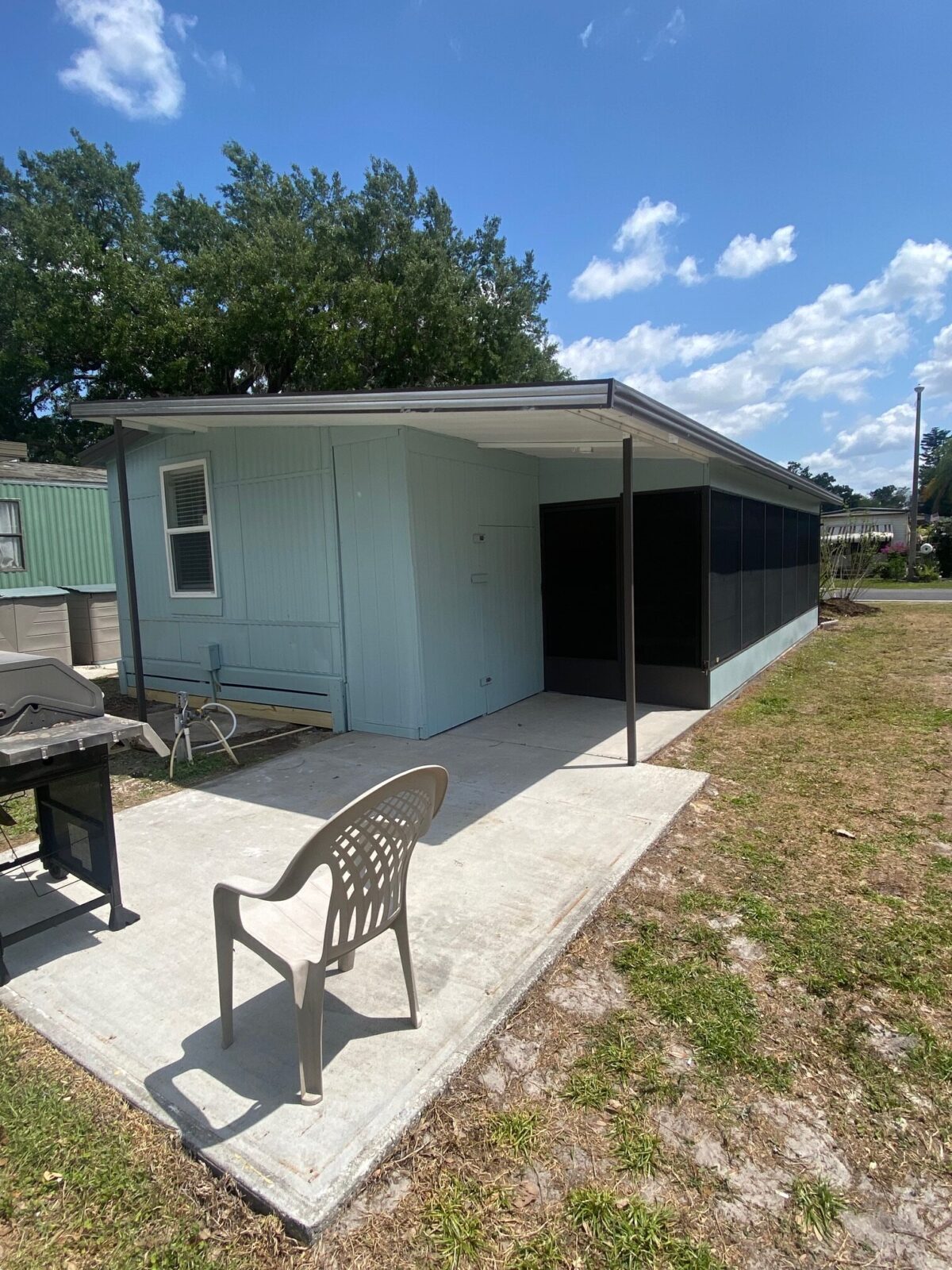
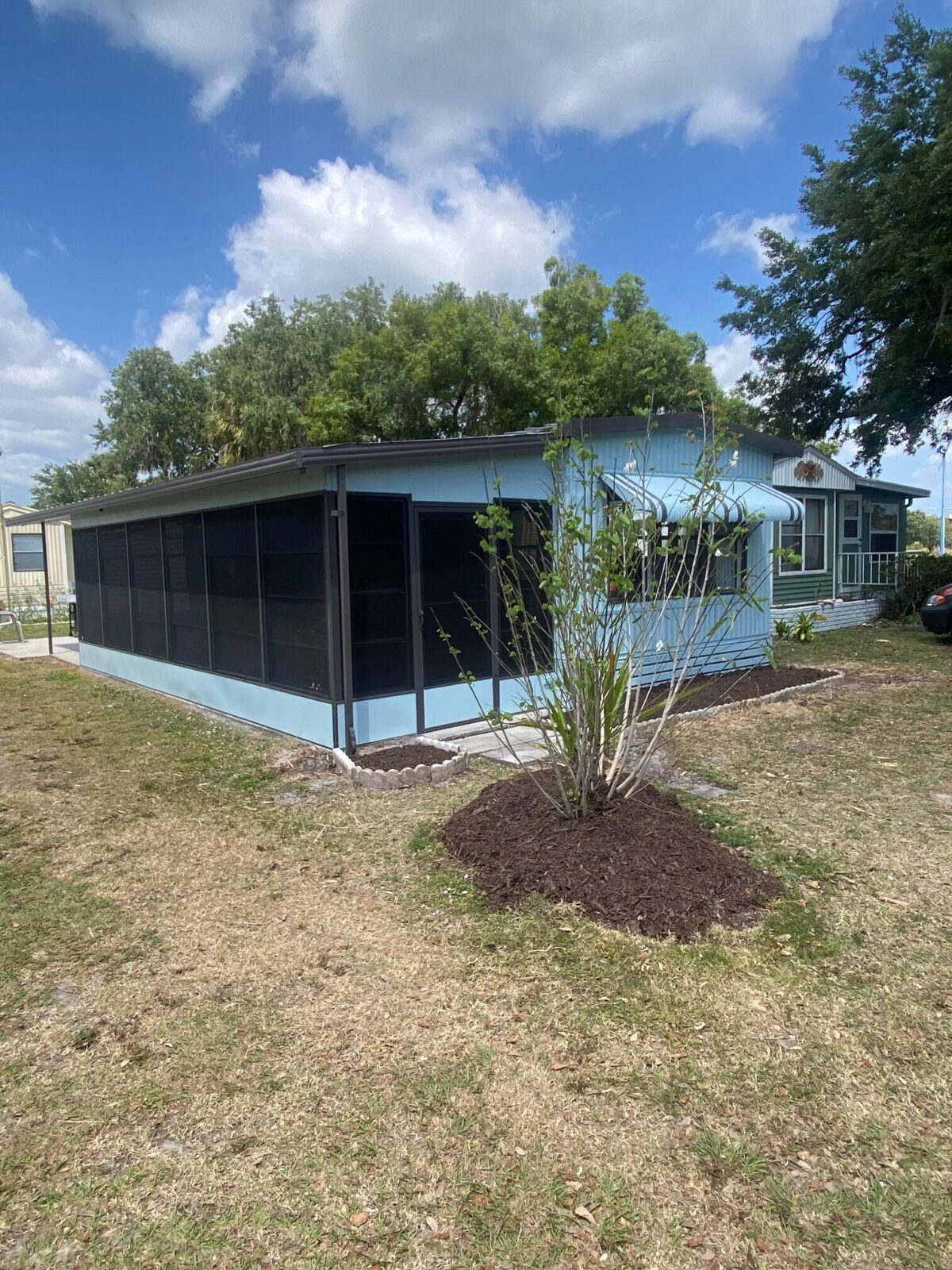
Florida, the Sunshine State, beckons with its balmy weather, pristine beaches, and vibrant culture. But for those seeking a spacious and affordable abode, 4-bedroom mobile homes offer a compelling option. This guide explores where to find these havens, delving into luxurious mobile home parks and neighborhoods that cater to larger mobile residences.
Luxurious Living in Manufactured Homes
Gone are the days of cramped trailers. Today’s high-end mobile homes, often called manufactured homes, boast expansive living areas, modern amenities, and stunning finishes. Here are some exclusive mobile home parks that cater to this trend:
The Hamptons at Lake Worth: Nestled near Palm Beach, this gated community boasts resort-style living. Residents enjoy a clubhouse, swimming pool, tennis courts, and fitness center. The spacious home sites can accommodate larger mobile homes, some even offering private pools and patios.
Valencia Cove in Orlando: This meticulously maintained park caters to a 55+ crowd. Residents enjoy a vibrant social scene with organized activities, while the well-maintained grounds provide a serene atmosphere. Valencia Cove allows for grand, multi-section manufactured homes, perfect for families or those seeking ample living space.
Siesta Bay in Sarasota: Unwind by the Gulf Coast at Siesta Bay. This gated community offers stunning water views, a heated pool, fitness center, and on-site activities. The park welcomes sizeable manufactured homes, allowing for a luxurious waterfront lifestyle.
Beyond the Park: Mobile Home-Friendly Neighborhoods
While mobile home parks offer a sense of community and amenities, some prefer the freedom of a traditional neighborhood. Here are some Florida areas known for their openness to larger mobile homes:
Spring Hill: Located north of Tampa Bay, Spring Hill offers a suburban atmosphere with many housing options. Many neighborhoods allow for larger mobile homes on leased lots, providing a cost-effective alternative to traditional homes.
Ocala: Renowned for its horse farms, Ocala also boasts numerous mobile home friendly neighborhoods. The area offers a slower pace of life and a strong sense of community, making it ideal for families seeking spacious living arrangements.
Lakeland: Situated between Tampa and Orlando, Lakeland provides a central location and various housing options. Several neighborhoods allow for large mobile homes on private lots, offering residents the benefits of homeownership with the affordability of a manufactured home.
Finding Your Dream Home: Resources and Considerations
Once you’ve chosen a location, here’s how to find your perfect 4-bedroom mobile home:
Mobile Home Dealers: Reputable dealers offer a wide selection of new and pre-owned manufactured homes. They can guide you through the buying process, including financing options.
Online Marketplaces: Websites like Zillow and Truliaallow you to search for mobile homes for sale by location, price, and size.
Community Resources: Check with local community associations or mobile home park offices for listings of available homes within their areas.
Important Considerations
Land Lease vs. Owning the Land: In mobile home parks, you may lease the land or own it outright. Leasing typically comes with lower upfront costs but monthly fees. Owning the land provides more freedom but requires additional investment.
Home Inspections: Get a thorough home inspection, especially for pre-owned units, to identify any potential problems.
Community Rules & Regulations: Review the mobile home park’s rules and regulations regarding home size, age restrictions, and pet policies before purchasing a home.
Conclusion
Florida offers a wealth of options for those seeking a spacious and affordable living in 4-bedroom mobile homes. From luxurious, gated communities to established neighborhoods, there’s a perfect fit for every lifestyle and budget. Remember to do your research, prioritize your needs, and explore the available resources to find your dream home in the Sunshine State. With careful planning and a bit of searching, you can create your own spacious sanctuary in Florida’s vibrant mobile home landscape.
The American dream of homeownership often conjures up images of a sprawling house on a manicured lawn. However, the reality of the housing market may necessitate exploring alternative options. Enter mobile homes with land – a compelling choice offering affordability and flexibility. But how does it stack up against the traditional homeownership experience? Let’s delve into the key differences between buying a mobile home with land and a traditional house to help you make an informed decision.
Price Point: A World of Difference
Perhaps the most significant difference lies in the upfront cost. Mobile homes with land are significantly cheaper than traditional houses. The national median sales price for existing single-family homes in the US hovers around $400,000, while a mobile home with land can be purchased for as little as $50,000 depending on factors like size, location, and land value. This affordability makes mobile home ownership a reality for many who might struggle with traditional mortgages.
Movability: Freedom on Wheels
One of the unique advantages of a mobile home is its inherent mobility. While technically permanent once placed on a foundation and connected to utilities, mobile homes offer the potential to be relocated in the future (restrictions and costs may apply). This flexibility allows you to follow job opportunities, adjust to life changes, or simply enjoy a change of scenery. Traditional houses, on the other hand, are firmly rooted in their location.
Maintenance: Upkeep Considerations
Both types of dwellings require ongoing maintenance. However, the nature of these needs can differ. Mobile homes, being factory-built, may require more frequent repairs to specific systems like plumbing and electrical wiring. Additionally, the exterior may require more frequent weatherproofing compared to a traditional brick or siding house. Traditional houses, while generally sturdier, also come with their own set of maintenance demands, such as roof repairs, foundation upkeep, and potential issues with the HVAC system.
Styling Options: Stepping Outside the Box
Modern mobile homes have come a long way from the boxy structures of the past. They now offer a wide range of styles and layouts, from contemporary designs with open floor plans to rustic cabins with traditional features. While traditional houses present a broader spectrum of architectural styles, customization options for existing structures are generally more limited and expensive.
Upgrades and Renovations
Upgrading a mobile home often involves replacing existing fixtures and appliances rather than structural modifications. Adding decks or porches can also be an option, but extensive renovations may not be feasible due to the mobile home’s construction. Traditional houses offer greater flexibility for renovations and additions, allowing you to modify the layout, expand square footage, or personalize the exterior. However, these renovations come with a significantly higher price tag.
Weighing the Pros and Cons
Mobile Home with Land – Pros:
Affordability: Lower upfront cost and ongoing expenses compared to traditional houses.
Movability: The flexibility to relocate in the future.
Land Ownership: Owning the land provides greater control and potential for customization.
Mobile Home with Land – Cons:
Financing: Obtaining a traditional mortgage may be more challenging for mobile homes.
Resale Value: Mobile homes generally have lower resale value compared to traditional houses.
Maintenance: May require more frequent repairs and weatherproofing.
Traditional House – Pros:
Resale Value: Generally holds a higher resale value compared to mobile homes.
Renovation Flexibility: Greater potential for customization and structural modifications.
Financing: Easier to secure traditional mortgages.
Traditional House – Cons:
Higher Cost: Significantly higher upfront and ongoing costs compared to mobile homes.
Limited Movability: Fixed location with minimal potential for relocation.
Finding Your Perfect Fit
The decision between a mobile home with land and a traditional house hinges on your individual needs and priorities. Consider your budget, lifestyle, and long-term plans.
Are you a budget-conscious first-time buyer seeking flexibility and affordability? A mobile home with land could be a perfect fit.
Do you prioritize long-term investment potential and the ability to customize your living space? A traditional house might be the better option.
Ultimately, the “right” choice depends on your personal circumstances. By carefully evaluating the pros and cons of each option, you can choose the path that leads you to a comfortable and fulfilling homeownership experience.
The allure of tiny living has captured the imagination of many. Small mobile homes, often referred to as tiny homes on wheels (THOWs) or park models, offer a compelling alternative to traditional housing. But before diving headfirst into the world of miniature mobile abodes, it’s crucial to understand if this lifestyle choice aligns with your needs and budget.
How Small is “Small”?
Small mobile homes typically range from 300 to 600 square feet (sq ft). For comparison, the average size of a new, single-family home in the US exceeds 2,500 sq ft. So, “small” in this context translates to a significant downsize. Here’s a breakdown of size categories within the small mobile home realm:
Micro Mobile Homes (Under 300 sq ft): These highly compact homes prioritize functionality and clever storage solutions. They’re ideal for single occupants or minimalist couples seeking a simple, low-maintenance living space.
Tiny Mobile Homes (300-400 sq ft): These offer a bit more breathing room than micro homes and can comfortably accommodate a couple or a small family. Smart layouts and convertible furniture are key to maximizing space.
Park Model Homes (400-600 sq ft): Often found in mobile home parks, these offer the most spacious option in the small mobile home category. Park models can comfortably house a small family or even provide dedicated workspaces for remote workers.
Needs Over Square Footage
Square footage is just one factor to consider. Determine your essential needs before setting your sights on a specific size. Here are some key questions to ask yourself:
How Many People Will Live There? Living comfortably in a small space requires clear boundaries and efficient use of personal belongings. Small mobile homes are best suited for individuals, couples, or small families who are comfortable with close quarters.
Do You Need Dedicated Workspaces? The rise of remote work has made mobile living more attractive. Consider if your mobile home needs to accommodate a dedicated workspace or if a flexible living area can suffice.
What Amenities Are Must-Haves? Think about your lifestyle. Do you need a full kitchen for elaborate meals, or will a compact kitchenette suffice? How important are features like a dishwasher or in-unit laundry?
Permanent Paradise or Summer Sanctuary?
How you intend to use your small mobile home plays a crucial role in the decision-making process.
Permanent Residence: Small mobile homes can be a cost-effective option for permanent living. However, consider factors like weather conditions in your chosen location. Small spaces can be difficult to cool in hot climates and may not offer adequate insulation in colder regions.
Seasonal Getaway: Small mobile homes are ideal for seasonal living, offering an affordable and cozy base for exploring a particular location during specific times of the year. They can also be a great option for weekend getaways.
Other Considerations Beyond Size
While size and purpose are crucial factors, other considerations come into play when evaluating small mobile homes:
Financing: Financing options for small mobile homes may differ from traditional mortgages. Explore financing options with mobile home dealers or lenders specializing in alternative housing solutions.
Legality and Regulations: Zoning regulations vary by location. Ensure that small mobile homes are permitted in your chosen area and understand any associated regulations related to size, placement, and hookups.
Maintenance: Even small mobile homes require maintenance. Research the specific upkeep needs of your chosen model before purchase. Some mobile home communities offer maintenance services for an additional fee.
The Verdict: Are Small Mobile Homes Worth Buying?
Ultimately, the decision of whether a small mobile home is worth buying depends on your individual needs and priorities.
They Shine For:
Budget-Conscious Buyers: Small mobile homes offer a significantly lower price point compared to traditional houses.
Minimalists: Those who embrace a minimalist lifestyle will find the compact space encourages decluttering and efficient living.
Adventure Seekers: Small mobile homes provide flexibility and freedom. They can be easily transported and offer a unique base for exploring different locations.
However, They Might Not Be Ideal For:
Large Families: Small spaces can feel cramped for families with multiple children.
Those Who Crave Privacy: Living in close quarters requires clear communication and respect for personal space.
Individuals Who Need Ample Storage: Small mobile homes necessitate creative storage solutions. If you have a lot of possessions, a larger space may be necessary.
Conclusion
Small mobile homes offer a compelling and affordable alternative to traditional housing. By carefully considering your needs, lifestyle, and budget, you can determine if a tiny titan is the right fit for you. Embrace the opportunity to declutter your life, explore new locations, and experience the financial benefits of downsizing. Remember, living small doesn’t have to mean sacrificing comfort or happiness. With a well-chosen small mobile home and a touch of creative living, you can unlock a world of possibilities and create a cozy haven that reflects your unique lifestyle.
Florida’s sunshine and diverse landscapes make it a prime location for mobile home living. It offers affordability, a sense of community, and the freedom of a manageable space. However, navigating the mobile home buying process can feel daunting, especially when it comes to choosing the right dealer. This guide will equip you with the knowledge to find a reputable mobile home dealer who prioritizes your needs and ensures a smooth buying experience.
Reputation is King
A dealer’s reputation is the cornerstone of trust. Look for a company with a long-standing presence in Florida. Established dealers have weathered market fluctuations and possess a proven track record. Research online reviews and testimonials on platforms like Google My Business or the Better Business Bureau (BBB). Look for patterns in positive reviews, such as mentions of knowledgeable staff, transparent pricing, and helpful after-sales support.
The Power of Customer Reviews
Don’t underestimate the power of customer reviews. While some negative reviews are inevitable, a consistent pattern of dissatisfaction can be a red flag. Look for reviews that mention specific aspects of the buying experience, like the sales process, the quality of the mobile homes, and the dealer’s responsiveness to inquiries.
Transparency is Key
A reputable dealer will be upfront and transparent about all costs associated with your mobile home purchase. This includes the price of the home itself, transportation and installation fees, any necessary permits, and potential financing options. Be wary of hidden fees or last-minute surprises. Ask for a detailed breakdown of all costs and ensure you understand any financing terms before signing any contracts.
Looking Beyond the Sale: Unwavering Support
The buying process doesn’t end with the sale of the mobile home. A good dealer will offer ongoing support to ensure a smooth transition. This can include assistance with finding a suitable mobile home park, navigating the application process, and even connecting you with reputable financing options. Look for a dealer who provides clear communication channels for after-sales service.
Why Choose The Mobile Home Dealer?
At The Mobile Home Dealer, we understand that buying a mobile home is a significant investment. We prioritize customer satisfaction at every step, offering a stress-free and transparent buying experience. Here’s what sets us apart:
Unwavering Reputation: We have been a trusted name in Florida’s mobile home market for over [Number] years, with a proven track record of happy customers.
Customer-Centric Approach: Our knowledgeable and friendly staff are dedicated to understanding your needs and finding the perfect mobile home for you.
Transparency You Can Trust: We provide clear, upfront pricing with no hidden fees. You’ll receive a detailed breakdown of all associated costs before purchasing.
Comprehensive Support: Our support goes beyond the sale. We can assist with park placement financing options and answer any questions you may have throughout the entire process.
Investing in Your Future
Buying a mobile home is an exciting step towards achieving your dream of living in Florida. Choosing the right dealer is crucial for a successful purchase. By prioritizing factors like reputation, customer reviews, cost transparency, and ongoing support, you’ll be well-equipped to navigate the market and find a partner who will ensure a smooth and rewarding experience.
Ready to Start Your Journey?
Contact The Mobile Home Dealer today! We’re here to answer your questions and guide you through the process of finding your perfect Florida mobile home. Let us help you unlock the Sunshine State dream!
Additional Tips:
Don’t hesitate to ask questions! A good dealer will be happy to address any concerns you may have.
Get pre-approved for financing before you start shopping. Knowing your budget will streamline the process.
Consider getting a mobile home inspection to ensure the home is in good condition before you buy.
By following these tips and choosing a reputable dealer like The Mobile Home Dealer, you can be confident in your decision to buy a mobile home in Florida.
Florida, the Sunshine State, attracts many residents seeking a warm climate and beautiful beaches. But whether you’re a permanent resident or a snowbird escaping the winter chill, if you own a mobile home in Florida, you’ll need proper insurance protection. But how much does mobile home insurance cost in Florida?
While there’s no one-size-fits-all answer, understanding the factors that influence rates and the average costs can help you budget and shop for the best coverage. This comprehensive guide will delve into the world of Florida mobile home insurance, exploring costs, factors affecting premiums, and tips for getting the best deal.
Understanding Mobile Home Insurance in Florida
Mobile home insurance, also known as manufactured home insurance, functions similarly to traditional homeowner’s insurance. It protects your dwelling against various perils, including fire, theft, vandalism, and weather-related damage. However, there are crucial distinctions to consider.
Unlike traditional homes built on foundations, mobile homes are considered personal property. This can affect coverage options and pricing. Additionally, Florida’s unique weather patterns, particularly hurricane threats, significantly impact mobile home insurance costs in the state.
How Much Does Mobile Home Insurance Cost in Florida?
The big question: how much can you expect to pay for mobile home insurance in Florida? According to various sources, the average cost of mobile home insurance in Florida falls between $894 and $1,349 annually. However, this is just a starting point. Your individual premium can be significantly higher or lower depending on several factors.
Factors Affecting Mobile Home Insurance Costs in Florida
Here’s a breakdown of the key factors that influence your mobile home insurance premium in Florida:
Location: Living near the coast or in a hurricane-prone area will undoubtedly increase your premium. The higher risk of wind damage translates to higher insurance costs for providers.
Age and Condition of Your Mobile Home: Newer mobile homes generally have lower premiums compared to older ones. The overall condition of your home also plays a role, with well-maintained homes attracting lower rates.
Coverage Limits: The amount of coverage you choose directly affects your premium. Higher coverage limits for dwelling and belongings will result in a higher premium.
Deductible: A deductible is the amount you pay out of pocket before your insurance kicks in. Opting for a higher deductible lowers your premium but increases your initial financial responsibility in case of a claim.
Claims History: A history of previous claims can significantly raise your rates. Maintaining a clean claims history is crucial for keeping your premiums low.
Mitigation Measures: Installing hurricane shutters or wind mitigation devices can demonstrate proactive risk reduction and potentially earn you discounts on your premium.
Additional Considerations for Florida Mobile Home Insurance
While the factors above significantly impact your premium, here are some additional points to consider:
Windstorm Coverage: In Florida, windstorm coverage is often a separate policy from your standard mobile home insurance. Understanding the cost and importance of windstorm coverage is crucial, especially in coastal areas.
Flood Insurance: Standard mobile home insurance doesn’t cover flood damage. Depending on your location and flood risk, purchasing separate flood insurance might be necessary.
Getting the Best Deal on Mobile Home Insurance in Florida
Now that you understand the cost factors and additional considerations, how can you ensure you’re getting the best possible rate on your Florida mobile home insurance? Here are some valuable tips:
Shop Around: Don’t settle for the first quote you receive. Get quotes from multiple insurance companies to compare rates and coverage options.
Increase Your Deductible: Raising your deductible can lower your premium. However, ensure you can comfortably afford the higher out-of-pocket expense in case of a claim.
Bundle Your Policies: Consider bundling your mobile home insurance with other policies, such as auto insurance, with the same company. Bundling often leads to discounts.
Ask for Discounts: Many insurance companies offer discounts for things like having security systems, being a senior citizen, or maintaining a good credit score.
Work with an Independent Agent: An independent agent can represent multiple insurance companies and can help you shop around and find the best coverage for your needs.
The Takeaway: How Much is Mobile Home Insurance in Florida?
There’s no single answer to “how much is mobile home insurance in Florida?” The cost depends on various factors specific to your situation. However, by understanding these factors and following the tips above, you can shop around confidently and find the best possible coverage at an affordable price. Remember, proper mobile home insurance is an essential investment that protects your valuable property and provides peace of mind in the Sunshine State.
Living in a mobile home offers a unique blend of affordability and flexibility. When it comes time to personalize your space, you might wonder, “Do I need a permit to remodel a mobile home in Florida?” Like many things in life, the answer depends on the scope of your project.
Florida has established regulations to ensure the safety and integrity of mobile home remodels. Understanding these regulations will help determine whether a permit is necessary for your project.
The Importance of Permits
Obtaining a permit before remodeling your mobile home is about more than just following the rules. Permits serve a crucial purpose:
Safety: Permits ensure that your remodel adheres to established safety codes. Qualified inspectors will review your plans and inspect the work to guarantee your mobile home remains structurally sound and meets electrical, plumbing, and other safety standards.
Value: A permitted remodel increases the resale value of your mobile home. Potential buyers will have peace of mind knowing the work was done according to code.
Peace of Mind: Permits provide a layer of protection in case of unforeseen issues. If a problem arises after your remodel, having a permit on file demonstrates you followed proper procedures.
Understanding the Rules: State vs. Local
Florida regulates mobile home remodels through a combination of state and local regulations. Here’s a breakdown of what to consider:
Florida Statutes: Florida Statute 320.8232 establishes the Mobile Home Repair and Remodeling Code (15C-2). This code sets minimum standards for mobile home alterations.
Florida Administrative Code (FAC): The FAC, specifically Chapters 15C-1 and 15C-2, outlines specific mobile home installation and modification requirements. These codes generally reference the manufacturer’s installation instructions or the Department of Housing and Urban Development (HUD) standards as a baseline.
Local Jurisdictions: Counties and municipalities within Florida may have additional permitting requirements specific to your area. These involve zoning regulations or fees.
When Do You Need a Permit?
Generally, any remodel that alters your mobile home’s structure, electrical, plumbing, or mechanical systems will require a permit. Here are some specific examples:
Structural Changes: A permit is required for adding rooms, modifying walls, replacing windows or doors with different sizes, or altering the roof structure.
Electrical Work: Installing new electrical outlets, rewiring circuits, or upgrading your electrical panel requires a permit and a qualified electrician.
Plumbing Work: Adding or relocating fixtures, modifying water lines, or installing a new water heater requires a permit and a licensed plumber.
HVAC Modifications: Adding air conditioning units, replacing existing HVAC systems, or altering ductwork typically require a permit.
When Permits Might Not Be Required
There are some exceptions where a permit might not be necessary:
Minor Repairs: Replacing cabinet hardware, painting walls, or fixing minor leaks are generally considered minor repairs and don’t require permits. However, it’s always best to check with your local building department to be specific.
Cosmetic Changes: Replacing countertops and flooring or installing new light fixtures that don’t alter electrical wiring typically don’t require permits.
The Permitting Process
The permitting process for remodeling your mobile home in Florida will involve these steps:
Contact Your Local Building Department: They will guide you on specific requirements and application procedures.
Gather Necessary Documents: This may include project plans, manufacturer information for your mobile home, and proof of ownership.
Pay Permit Fees: Fees vary depending on the scope of your project and your local jurisdiction.
Schedule Inspections: Inspectors will visit your mobile home at specific project stages to ensure code compliance.
Finding Help
Navigating the permitting process can be overwhelming. Here are some resources that can help:
Local Building Department: They are the ultimate authority on permitting requirements in your area.
Do I Need a Permit to Remodel a Mobile Home in Florida? – Revisited
By understanding the regulations and the permitting process, you can make informed decisions about remodeling your mobile home in Florida. Remember, even if a permit isn’t mandatory, consulting with your local building department can save you time and hassle in the long run. Always prioritize safety and ensure your remodel is done according to code.
Florida’s vibrant housing market encompasses a diverse range of properties, and mobile homes play a significant role. But when it comes to selling these dwellings, a question arises: Can real estate agents sell mobile homes in Florida? The answer, like many things in the world of real estate, is nuanced.
The crux of the matter lies in how mobile homes are classified in Florida. Unlike traditional, stick-built homes that are considered real property, mobile homes are generally viewed as personal property. This distinction hinges on the concept of “fixtures” – items that are permanently attached to the land and become part of it. A traditional house, affixed to its foundation, becomes a fixture. A mobile home, however, typically sits on leased land within a mobile home park, remaining separate from the ground.
This classification difference directly impacts who can sell mobile homes. Real estate agents in Florida hold licenses that equip them to handle real property transactions. So, why not for mobile homes?
Florida mobile home for sale
Here’s a breakdown of the arguments for and against real estate agents selling mobile homes in Florida:
Why Real Estate Agents Can Sell Mobile Homes
Leveraging Expertise: Real estate agents possess a wealth of knowledge about the housing market, including marketing strategies, negotiation tactics, and understanding legal requirements. This expertise can be valuable in selling mobile homes, even if they are considered personal property.
MLS Access: Real estate agents have access to the Multiple Listing Service (MLS), a powerful tool for advertising properties to a wider audience. Listing a mobile home on the MLS could significantly increase its exposure to potential buyers.
Streamlined Process: Real estate agents have experience navigating the complexities of home sales, from paperwork to inspections. Their involvement can streamline the mobile home selling process for both sellers and buyers.
Specialized Agents: While a standard real estate license might not be necessary, some agents specialize in mobile home sales. They possess a deeper understanding of the unique market dynamics and financing options for mobile homes.
Why Real Estate Agents Might Not Be the Best Fit
Licensing Requirements: As mentioned earlier, a standard real estate license might not be required for selling mobile homes in Florida. This opens the door for individuals without the same level of training and experience as licensed real estate agents.
Market Specificity: The mobile home market functions differently from the traditional housing market. Financing options, appraisals, and legalities can differ. A real estate agent, accustomed to traditional home sales, might not be as adept at navigating these nuances.
Focus and Specialization: Many real estate agents focus their expertise on selling traditional homes. This specialization can lead to a lack of familiarity with the mobile home market, potentially hindering their effectiveness in selling these properties.
So, Can They or Can’t They?
The answer lies in a middle ground. Technically, a standard real estate license might not be mandatory for selling mobile homes in Florida. However, real estate agents can still play a valuable role, particularly those with experience in the mobile home market. Their expertise in marketing, negotiation, and overall salesmanship can benefit both sellers and buyers.
Here are some key considerations:
Agent’s Experience: Look for a real estate agent who has experience selling mobile homes in Florida. Their familiarity with the market, financing options, and legal issues specific to mobile homes is crucial.
Benefits vs. Costs: Weigh the benefits of an agent’s expertise against their fees. Selling a mobile home yourself might be an option, but the complexities involved could outweigh the cost savings.
Mobile Home Specific Services: Consider contacting mobile home dealerships or brokers who specialize in selling these dwellings. They often have a network of potential buyers and understand the intricacies of the mobile home market.
Ultimately, the decision of who to enlist for selling your mobile home depends on your specific needs and priorities. Real estate agents can be a valuable asset, but their experience in the mobile home market is paramount. Consider exploring your options and weigh the pros and cons before choosing.
By understanding the classification of mobile homes in Florida and the skillsets of real estate agents, you can make an informed decision about who can best assist you in navigating the sale of your mobile home.
Florida, with its sunshine, beaches, and diverse communities, is a popular destination for those seeking an affordable and vibrant lifestyle. Mobile homes, also known as manufactured homes, offer a compelling option for homeownership in the Sunshine State. But a crucial decision arises: should you opt for a brand-new mobile home or a pre-owned one?
This article dives into the pros and cons of both new and used mobile homes in Florida, helping you navigate this vital choice. We’ll explore factors like affordability, financing, features, maintenance, and resale value, ultimately guiding you toward the mobile home that best suits your needs.
The Allure of the New: Advantages of Brand New Mobile Homes
Modern Design and Amenities: Stepping into a brand-new mobile home is like entering a modern living space. Manufacturers constantly innovate, offering floor plans with open layouts, sleek finishes, and energy-efficient appliances. You’ll enjoy the latest trends in kitchens, bathrooms, and living areas, creating a comfortable and stylish home.
Peace of Mind with Warranties: New mobile homes come with manufacturer warranties covering materials and workmanship defects. Knowing you’re protected against unexpected repairs for a set period provides peace of mind. Warranties typically last for one year on the entire home and may extend to specific appliances for longer durations.
Energy Efficiency: Modern mobile homes have energy-efficient features like double-paned windows, advanced insulation, and high-efficiency HVAC systems. These features translate to lower utility bills yearly, a significant benefit in Florida’s warm climate.
Low Maintenance Needs: Brand-new mobile homes require less initial maintenance than used ones. Since everything is new, you can expect a smooth transition into ownership without immediate repairs or replacements.
Financing Options: Financing a brand new mobile home can be easier, particularly for those with good credit. Lenders are often more comfortable offering loans for new models with established warranties.
Downsides of Brand New Mobile Homes
Higher Price Tag: The undeniable appeal of a brand-new mobile home comes at a premium. You’ll pay more upfront compared to a used model.
Depreciation: Like new cars, mobile homes depreciate in value over time. While this might not be a concern if you plan to live in it for a long time, it’s a factor to consider if resale is a future possibility.
Limited Selection of Lots: Finding the perfect piece of land to set up your brand-new mobile home might require flexibility. Mobile home communities often have specific restrictions on the types of homes they allow.
The Value Proposition: Pros and Cons of Used Mobile Homes
Significant Cost Savings: Used mobile homes offer a substantial financial advantage. You can potentially find a well-maintained pre-owned home for half the price of a new one. This makes homeownership attainable for a wider range of budgets.
Unique Character: Used mobile homes can have a certain charm and character that may appeal to some buyers. You might find older models with unique features or layouts that are not readily available in new ones.
Potential for Upgrades: Purchasing a used mobile home lets you personalize it to your taste and budget. You can renovate the interior with new paint, flooring, or fixtures, tailoring the space to your preferences.
Established Communities: Used mobile homes are often situated in established communities with existing amenities like pools, clubhouses, and playgrounds. This fosters a sense of community and provides access to shared resources.
Challenges of Used Mobile Homes
Potential for Repairs: Unlike new models, used mobile homes may require repairs or replacements for worn-out appliances, fixtures, or roofing. Thorough inspections and budgeting for potential repairs are crucial.
Financing Challenges: Financing a used mobile home can be more challenging, especially for older models. Lenders may have stricter requirements or offer less favorable loan terms.
Limited Warranties or None: Used mobile homes typically come with no warranties or limited coverage on specific appliances. The responsibility for repairs falls entirely on the homeowner.
Outdated Features: Older mobile homes might have outdated finishes, appliances, and less energy-efficient construction compared to newer models. This can lead to higher utility bills and a less modern living experience.
Resale Value: Reselling a used mobile home can be more difficult due to depreciation and potential limitations on financing for the buyer.
So, Which One is Right for You?
The decision between a new and used mobile home hinges on your priorities and financial situation. Here’s a breakdown to help you choose:
Choose a Brand New Mobile Home if:
You prioritize modern design and energy efficiency.
You value peace of mind with warranties and lower initial maintenance needs.
You have good credit and can secure favorable financing terms.
You’re flexible with finding a suitable lot within a mobile home community.
Choose a Used Mobile Home if:
Affordability is your primary concern.
You appreciate the potential for unique character and customization.
You’re comfortable budgeting for potential repairs and upgrades.
You’re interested in an established mobile home community with amenities.
Finding the Perfect Fit
Beyond the new vs. used debate, here are some additional factors to consider when searching for your ideal mobile home in Florida:
Location: Choose a location close to work, amenities, and essential services. Consider flood zones and proximity to desirable areas.
Community: Research mobile home communities for their reputation, amenities, age restrictions, and monthly lot rent.
Size and Layout: Determine the size that best suits your needs. Consider the number of bedrooms and bathrooms, living space, and storage options.
Condition: For used mobile homes, prioritize a thorough inspection by a qualified professional to identify any potential issues.
Hidden Costs: Factor in additional costs like property taxes, lot rent, utility bills, and potential homeowners’ association fees.
Conclusion
Finding the perfect mobile home in Florida requires weighing your priorities and financial situation. Understanding the pros and cons of new and used models empowers you to make an informed decision. Remember, there’s no single “right” answer.
Whether you’re drawn to a brand-new home’s modern appeal and peace of mind or the affordability and potential to customize a used one, Florida’s vibrant mobile home market offers diverse options. Embrace the research process, prioritize your needs, and soon, you’ll settle into your haven in the Sunshine State.
Florida, the Sunshine State, beckons travelers with its pristine beaches, vibrant cities, and world-famous theme parks. If you own a mobile home in this popular destination, you might be wondering if Airbnb can be a lucrative way to generate income. The answer is yes, with some caveats. Let’s delve into the world of renting out your Florida mobile home on Airbnb, exploring the feasibility, potential benefits, and drawbacks.
Feasibility: Can You Airbnb Your Mobile Home?
The viability of listing your mobile home on Airbnb depends on two key factors: local regulations and mobile home park rules.
Local Regulations: Florida has a generally Airbnb-friendly environment with no state-wide restrictions. However, individual cities and counties may have regulations governing short-term rentals. Research your local ordinances to ensure Airbnb rentals are permitted in your area.
Mobile Home Park Rules: Most mobile home parks have their own set of rules and regulations. Critically examine your park’s lease agreement or contact park management to confirm if short-term rentals like Airbnb are allowed. Some parks may have restrictions on minimum rental periods or specific requirements for renters.
Pros of Renting Your Mobile Home on Airbnb
There are several advantages to consider when contemplating Airbnb for your Florida mobile home:
Increased Income: Airbnb offers the potential for significant rental income, especially during peak tourist seasons. Florida’s consistent sunshine and diverse attractions translate to year-round demand from travelers.
Flexible Scheduling: Airbnb allows you to choose your listing’s availability. You can block out dates for personal use or adjust pricing based on demand.
Property Appreciation: A well-maintained and positively reviewed Airbnb listing can enhance the overall value of your mobile home. Satisfied guests can become repeat customers, fostering a steady income stream.
Tax Benefits: In some cases, rental income from Airbnb may qualify for tax deductions for expenses related to operating your rental property.
Cons of Renting Your Mobile Home on Airbnb
While Airbnb offers potential benefits, there are also drawbacks to consider:
Management Responsibilities: Airbnb requires active management. You’ll be responsible for guest communication, cleaning between stays, and potentially handling minor maintenance issues.
Potential Wear and Tear: Frequent guest turnover can lead to increased wear and tear on your mobile home. Factor in additional cleaning costs and potential repairs in your financial calculations.
Guest Issues: Unfortunately, even with thorough screening, unpredictable guest behavior is a risk. There’s a possibility of damage to your property or disturbances within the mobile home park.
Local Regulations: As mentioned earlier, local regulations can pose limitations. Minimum night stay requirements or restrictions on the number of rentals per year can impact your earning potential.
Making it Work: Tips for Success
If you decide to move forward with Airbnb, here are some tips to maximize your success:
Comply with Regulations: Ensure you adhere to all local and mobile home park regulations to avoid any legal or contractual issues.
Optimize Your Listing: Create a detailed and attractive listing with high-quality photos that showcase your mobile home’s best features. Highlight any unique amenities and proximity to local attractions.
Competitive Pricing: Research other Airbnb rentals in your area and price your mobile home competitively. Consider offering seasonal discounts or promotions to attract guests during off-peak periods.
Guest Communication: Be clear and responsive in your communication with potential guests. Provide detailed check-in instructions, house rules, and readily answer questions to create a positive first impression.
Security Measures: Implement security measures like deadbolts and consider installing a smart lock for easy guest access.
Conclusion
Listing your Florida mobile home on Airbnb can be a viable income source. However, a well-informed decision requires careful consideration of local regulations, mobile home park rules, and both the benefits and drawbacks of short-term rentals. Through thorough planning, responsible management, and a commitment to guest satisfaction, you can leverage Airbnb to turn your Florida mobile home into a successful vacation rental.
Have you considered buying a used mobile home if you’re looking for a new place to call your own? While there may be some stigma surrounding these dwellings, don’t let that deter you. In fact, purchasing a used mobile home can come with some incredible benefits that just might make it the perfect choice for you.
From affordability and flexibility to customization options galore, we’re about to explore why choosing a used mobile home could be one of the best decisions you’ll ever make.
Mobile Home in Sebring Florida
Buying a used mobile home can offer several advantages, including cost savings and the potential for customization. Here are some of the key benefits:
1. Cost Savings
Purchasing a used mobile home offers significant financial benefits due to its affordability. Used mobile homes are typically far less expensive than their new counterparts. This attribute holds great appeal for individuals operating within budget constraints or searching for a cost-effective housing solution.
The reduced initial investment not only eases the burden on your wallet but also often translates into lower property taxes and insurance premiums, amplifying the overall financial advantages of choosing a used mobile home as a housing option. This substantial cost savings allows individuals to secure comfortable and functional living arrangements without breaking the bank.
2. Lower Property Taxes
When considering the advantages of purchasing a used mobile home, the prospect of reduced property taxes stands out. In numerous regions, property tax assessments for mobile homes are directly tied to the home’s appraised value.
As used mobile homes are typically more budget-friendly than new ones, this translates into a tangible financial benefit. Your property tax burden is proportionally lighter, making homeownership more economically viable.
By opting for a used mobile home, you’ll save on the initial purchase price and benefit from ongoing financial relief through lower property taxes, thereby enhancing this housing option’s overall affordability and appeal.
3. Immediate Availability
One compelling advantage of opting for a used mobile home is the convenience of immediate availability. Unlike the lengthy process associated with new construction, where you may wait months for your home to be built, used mobile homes are already in place and ready for occupancy. This quick turnaround allows you to move in without delay, which is especially advantageous when you have pressing housing needs or wish to avoid temporary living arrangements during construction.
Whether you’re a first-time homebuyer or seeking a swift relocation, the immediate availability of used mobile homes offers a hassle-free and time-efficient solution. It minimizes the waiting period and simplifies the transition to your new residence.
4. Upgrades and Customization
A noteworthy advantage of purchasing a used mobile home lies in the potential for immediate personalization. Many used mobile homes have benefited from previous owners’ upgrades and customizations, sparing you the time, effort, and cost of making these improvements yourself.
It’s common to discover used mobile homes featuring modernized kitchens, remodeled bathrooms, or upgraded flooring, enhancing both aesthetics and functionality. This pre-existing customization provides a head start in tailoring your living space to your preferences, and you can often find a used mobile home that aligns with your specific style and comfort requirements, allowing you to settle in quickly and enjoy a home that feels uniquely yours from day one.
5. Established Communities
Used mobile homes frequently reside within well-established mobile home parks or communities, which offer a host of appealing features. These communities often boast amenities such as swimming pools, clubhouses, and organized social activities. They create a strong sense of community and a structured environment that promotes social interaction and a fulfilling lifestyle.
These communal spaces foster a deeper sense of belonging and opportunities for recreation, making it an ideal choice for those seeking a close-knit neighborhood environment. In established mobile home communities, you enjoy the benefits of a cost-effective housing option and the added value of a vibrant and supportive social network.
6. Reduced Depreciation
Mobile homes typically experience depreciation over time, with the most substantial decline occurring in the initial years after purchase. The advantage of buying a used mobile home lies in sidestepping the sharpest part of this depreciation curve. By opting for a pre-owned mobile home, you can potentially safeguard a more significant portion of your investment. This means your housing asset retains more value, especially if the previous owners have maintained the property well.
Consequently, you can enjoy an affordable living arrangement without the same level of financial erosion experienced by those who invest in brand-new mobile homes, ultimately making your housing choice more economically sound.
7. Environmentally Friendly
Opting for a used mobile home is not only a cost-effective choice but also a sustainable one. When you buy a pre-owned mobile home, you’re essentially participating in recycling by reusing an existing structure. This eco-friendly approach helps reduce the environmental impact associated with new construction. It’s a conscious choice for individuals seeking to minimize their carbon footprint and support sustainable living.
By giving a second life to a mobile home, you’re contributing to resource conservation and minimizing the energy and materials required for new construction. In doing so, you make an environmentally responsible decision that aligns with the principles of sustainability, making your housing choice affordable and ecologically sound.
8. Lower Insurance Costs
Another compelling benefit of choosing a used mobile home is the potential for reduced insurance expenses. Insurance premiums for used mobile homes are typically more affordable than those for new counterparts. This contributes significantly to your overall cost savings, making homeownership even more budget-friendly.
Mobile Home in Nokomis, Florida
The decreased insurance costs stem from the replacement value of a used mobile home is often lower than that of a new one, which leads to lower coverage costs. By selecting a pre-owned mobile home, you not only save on the initial purchase but continue to benefit from economical insurance rates, enhancing the financial appeal of this housing choice.
9. Potential for Equity Building
One often underestimated advantage of owning a used mobile home is the potential for long-term equity growth. When you also own the land where your mobile home is situated, you can accumulate equity over time, similar to traditional homeownership.
As property values in the area appreciate, your investment can increase in value. This growth in equity provides a financial cushion and can be particularly advantageous if you plan to sell in the future or leverage your property for various financial needs. Essentially, ownership of both the mobile home and land offers you a valuable asset that can positively impact your long-term financial stability and security.
The Bottom Line
Purchasing a used mobile home can be a smart and practical choice for many individuals or families. They are more affordable than traditional houses and offer flexibility and customization options that allow you to create your dream living space.
You can save money without compromising on quality by opting for a used mobile home. These homes often come with durable construction materials and modern amenities rivaling those in new houses. Proper maintenance and renovations can transform a pre-owned mobile home into a comfortable and stylish dwelling.
When it comes to buying a used mobile home, there are several factors to consider. Start by researching reputable dealers or private sellers with good reviews and transparent pricing information. Take the time to visit different properties in person, inspecting them thoroughly for any signs of wear or damage.
It’s important to note that while there are many advantages to buying a used mobile home, there are also potential drawbacks and challenges, such as maintenance and renovation costs, zoning restrictions, and the age and condition of the mobile home. It’s crucial to thoroughly inspect any used mobile home you’re considering and research the mobile home park or community where it’s located to ensure it meets your needs and expectations.