Author: Raden Payas

  • How Do You Finance a Mobile Home in Florida?

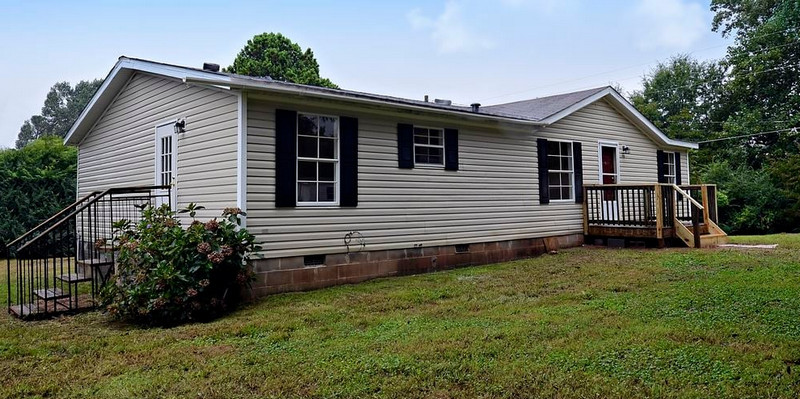
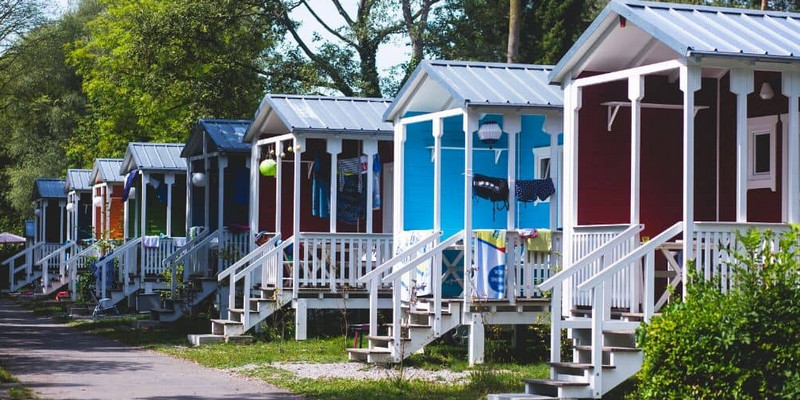
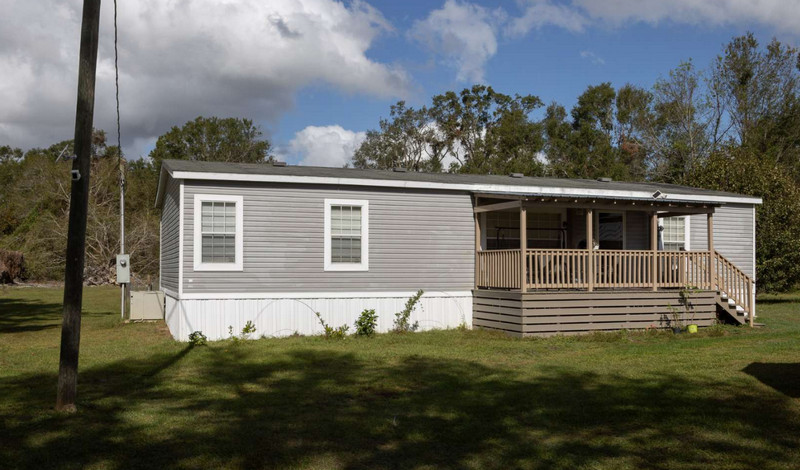
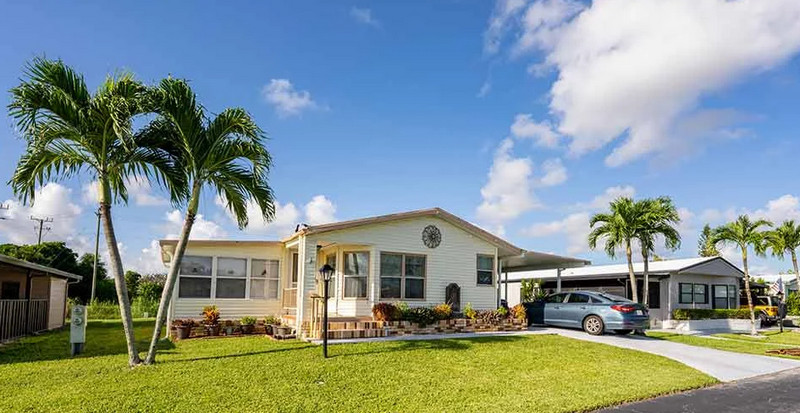
    When you are ready to finance a mobile home in Florida, you will find many great options available. Mobile homes offer an affordable way to enjoy homeownership in the Sunshine State. Many lenders understand the needs of mobile home buyers and offer flexible solutions to help you.

    How to Finance a Mobile Home: Steps to Getting Started

    Before you finance a mobile home, you will want to understand your available choices. Taking the right steps early can save you time and money.

    Here are a few important steps to follow:

    • Check your credit score: A better score often means better loan terms.
    • Decide on new or used: Financing terms may differ based on the home’s age.
    • Know if you are buying land: This affects the type of loan you may need.
    • Prepare your documents: Income proof, tax returns, and identification are usually needed.Finance a Mobile Home

    Starting early with your paperwork can help make the financing process smoother.

    Different Ways to Finance a Mobile Home in Florida

    There are several ways to finance a mobile home in Florida, depending on your situation. Some loans work best for those who own land, while others help those buying inside a park.

    Common financing options include:

    • FHA Loans: Backed by the government, these loans often allow lower down payments.
    • VA Loans: If you are a veteran, you may qualify for a mobile home loan with no down payment.
    • Conventional Loans: Private lenders sometimes offer loans for mobile homes with land.
    • Chattel Loans: Used when buying only the home, not the land.

    Each choice has its own benefits, making it easier to find the right match for your needs.

    Chattel Loan for Mobile Home Purchases

    A chattel loan for mobile home purchases is a common option when the land is rented. Chattel loans are designed for personal property and usually have shorter terms than traditional mortgages.

    These loans move faster and can be easier to qualify for. Many buyers like this option because it keeps the financing process simple.

    Finance a Mobile Home When You Live in a Park

    If you plan to live in a mobile home park, you can still finance a mobile home with the right lender. Loans for mobile homes in parks work a little differently than loans for homes on private land.

    In this case, lenders often require a signed lease agreement for the lot. They want to see stability in where the home will be located.

    Living in a park offers many benefits, including community amenities and lower overall costs. Financing a mobile home in a park helps make this lifestyle even more affordable.

    Used Mobile Home Financing Companies

    If you are buying a pre-owned home, you might need used mobile home financing companies. These companies specialize in loans for homes that are older or have had previous owners.

    They understand the market and can offer fair rates. Some larger banks avoid used homes, but specialized lenders welcome this business.

    When choosing a lender, it helps to work with someone who has experience with manufactured housing.

    How to Improve Your Chances of Financing a Mobile Home

    Getting approved to finance a mobile home can feel exciting. You can improve your chances by taking a few smart steps:

    • Save for a down payment: The bigger your down payment, the better your loan terms might be.
    • Clean up your credit: Paying off old debts can help raise your score.
    • Compare lenders: Shopping around often leads to better rates.
    • Stay organized: Keeping your financial records handy can speed up approval. 

    With a little planning, you can secure financing and move into your new home faster.

    Can You Use a Personal Loan for Mobile Home Purchases?

    Some buyers consider using a personal loan for mobile home purchases. Personal loans can work well for smaller loan amounts or when buying an older mobile home.

    These loans usually do not require collateral, making them a fast option. However, they often have higher interest rates than traditional mobile home loans.

    Talking with a financial advisor can help you decide if a personal loan is the right choice for you.

    Benefits of Financing a Mobile Home in Florida

    Financing a mobile home comes with many advantages. Buyers enjoy lower monthly payments compared to site-built homes. Mobile homes also offer more flexibility in location and lifestyle.

    Other great benefits include:

    • Faster move-in times: Homes are ready much quicker than new builds.
    • Lower insurance costs: Mobile homes often cost less to insure.
    • Affordable maintenance: Repairs and updates tend to be more budget-friendly. 

    Choosing to finance a mobile home in Florida gives you the chance to enjoy warm weather and an affordable lifestyle.

    FAQ About Financing a Mobile Home in Florida

    Can I finance a mobile home if it is located in a park?

    Yes, many lenders offer loans for mobile homes located inside parks.

    What credit score do I need to finance a mobile home?

    Most lenders prefer scores of 620 or higher, but options exist for lower scores too.

    Is a chattel loan only for mobile homes without land?

    Yes, chattel loans are used when you buy the home but rent the land.

    Are FHA loans available for mobile homes in Florida?

    Yes, FHA loans can help finance both the home and the land if you qualify.

    Can I use a personal loan for a mobile home?

    Yes, you can use a personal loan if you do not need to borrow a large amount.

    How much down payment is needed to finance a mobile home?

    Down payments can range from 5% to 20%, depending on the loan program.

    Do used mobile home financing companies offer good rates?

    Yes, specialized lenders often offer competitive rates for used mobile homes.

    Can I get a VA loan for a mobile home in Florida?

    Yes, veterans can use VA loans to finance a mobile home with or without land.

    Will I need mortgage insurance when financing a mobile home?

    You might need mortgage insurance if your down payment is less than 20%.

    How long does it take to finance a mobile home?

    Most mobile home loans close within 30 to 45 days.


    See Also:
     

  • Do You Pay Property Taxes on a Mobile Home in Florida?

    Do You Pay Property Taxes on a Mobile Home in Florida?

    When people search for information about property taxes on a mobile home, they often have many questions. In Florida, the answer depends on a few key factors, including the type of mobile home and where it is located. Mobile homes continue to be a smart choice for many Florida residents, offering affordability and a low-maintenance lifestyle. Understanding property taxes on a mobile home helps buyers and owners feel confident and informed.

    Understanding Property Taxes on a Mobile Home in Florida

    Florida treats mobile homes differently depending on whether they are considered personal property or real property. If the mobile home is permanently attached to land owned by the homeowner, it is treated as real property. That means it is taxed similarly to a traditional house.

    If the mobile home is not permanently affixed and you rent the land, it is considered personal property. In that case, owners pay a smaller annual registration fee instead of traditional property taxes.

    Knowing how Florida classifies your home is key to understanding your responsibilities.

    Property Taxes on a Mobile Home

    How to Know if You Owe Property Taxes on a Mobile Home

    Two main factors determine if you owe property taxes on a mobile home in Florida:

    • Type of Title: If your mobile home has a real property sticker, it is taxed like a house.
    • Land Ownership: Owning the land where your home sits usually means you will pay property taxes. 

    Many homeowners appreciate the clarity this provides. Whether you are buying or currently living in a mobile home, the rules are straightforward.

    What Happens If You Rent the Land?

    If you rent a lot in a mobile home park, you usually do not pay traditional property taxes on the home. Instead, you pay a registration fee to the Florida Department of Highway Safety and Motor Vehicles each year.

    This registration acts like a car tag and is much more affordable than standard property taxes. It is one reason mobile homes are such an attractive housing option.

    Owners often ask, “If you pay lot rent do you pay property tax?” In most cases, the answer is no. The park owner typically pays property taxes on the entire park, while residents handle their registration fees.

    Common Fees and Costs to Expect

    Living in a mobile home often means fewer surprise expenses. When thinking about costs, here are a few you might encounter:

    • Annual Registration Fee: If you rent land, this is your main government cost.
    • Lot Rent: Covers the land and often includes services like lawn care and utilities.
    • Property Taxes: If you own the land, you pay taxes based on the home and land value. 

    Mobile homes offer predictability that many buyers find very appealing.

    How Property Taxes on a Mobile Home Are Calculated

    If your mobile home is classified as real property, Florida uses the same process it does for traditional homes. The tax amount depends on the assessed value of the home and land combined.

    Here’s how it usually works:

    • The local property appraiser determines the assessed value.
    • You receive a Truth in Millage (TRIM) notice showing your estimated tax bill.
    • You can appeal if you believe the assessed value is too high. 

    Residents appreciate having the opportunity to review and understand their bills before they become final.

    Mobile Home Property Tax in Florida: Special Cases

    Sometimes, mobile homes are placed in special communities called resident-owned parks. In these parks, you own both the home and a share of the land.

    In these cases, mobile homes are almost always taxed as real property. Owners pay property taxes on their share of the park land plus the value of their home.

    If you live in one of these parks, staying informed about your tax responsibilities helps you budget wisely.

    Is Lot Rent on a Mobile Home Tax-Deductible in Florida?

    Many mobile home residents wonder about deductions. If you rent a lot in Florida, your lot rent is generally not tax-deductible. Lot rent is considered a living expense, similar to apartment rent.

    If you own the land and home, however, you may qualify for mortgage interest deductions or property tax deductions. It depends on your personal situation, so talking to a tax professional is often a good idea.

    Tips for Managing Property Taxes on a Mobile Home

    Managing property taxes does not need to feel complicated. Here are a few helpful tips:

    • Keep registration current: Renew yearly to avoid late fees.
    • Read your TRIM notice carefully: Check the assessed value and compare it to similar homes.
    • Save for annual bills: Setting aside a small amount each month can make tax time easier. 

    With a little planning, mobile home taxes stay manageable and stress-free.

    Why Florida Mobile Homes Remain a Smart Choice

    Mobile homes continue to offer many advantages to Florida residents. They provide affordable living with lower tax responsibilities compared to traditional homes.

    Whether you rent a lot or own your land, you can enjoy the perks of homeownership without overwhelming costs. Property taxes on a mobile home stay straightforward, especially when you know the basic rules.

    FAQ About Property Taxes on a Mobile Home in Florida

    Do I pay property taxes if I rent the land for my mobile home?

    Usually, no. You pay an annual registration fee instead.

    How do I know if my mobile home is considered real property?

    If it is permanently attached to land you own, it is treated as real property.

    Can I deduct my lot rent on my taxes in Florida?

    No, lot rent is not tax-deductible in Florida.

    What happens if I forget to pay my mobile home registration fee?

    You may be charged a late fee or penalty by the Florida DMV.

    Are mobile homes taxed the same as houses in Florida?

    If classified as real property, yes. Otherwise, they require an annual registration.

    How much is the registration fee for a mobile home in Florida?

    The fee varies depending on the size and type of home, but it is typically affordable.

    If I sell my mobile home, do I still have to pay property taxes?

    If you owned the land and home, you are responsible for taxes until the sale closes.

    How do mobile home property taxes compare to regular home taxes in Florida?

    They are often lower, especially if the home is considered personal property.

    Can I appeal my mobile home property tax bill?

    Yes. You can appeal if you believe the assessed value is too high.

    Are there special exemptions for seniors with mobile homes in Florida?

    Yes. Seniors may qualify for homestead exemptions, lowering property taxes.

    See Also:

  • How Profitable Is the Mobile Home Rental Business?

    How Profitable Is the Mobile Home Rental Business?

    The mobile home rental business has become a smart option for real estate investors in Florida and beyond. With lower startup costs and steady rental demand, many people are turning to this business model. But how profitable is it? The answer depends on location, management, and strategy—but in many cases, it’s more rewarding than traditional rentals.

    Why Mobile Home Rentals Work

    Renting out mobile homes brings in regular income at a lower entry cost than standard housing. These homes attract long-term tenants looking for affordable living. In Florida, especially, retirees and working families often choose mobile homes for their mix of comfort and price.

    Owners can either rent out land with a home or lease the home in a mobile home park. Each setup has its pros and cons, but both can bring solid returns if handled well.

    How Profitable Is the Mobile Home Rental Business

    Costs Are Lower Than Traditional Rentals

    Buying a mobile home costs less than a single-family home or apartment unit. Lower upfront costs mean investors can enter the market without borrowing too much.

    Here are some common startup costs:

    • Used mobile home: $10,000 to $50,000
    • Lot rental or park fee: $300 to $800/month
    • Repairs and setup: $2,000 to $10,000
    • Insurance and taxes: Varies by area

    These expenses are generally much less than buying a rental house. Because of that, your profits can come faster.

    Income Potential From a Mobile Home Rental Business

    Monthly rental income from a mobile home in Florida can range from $600 to over $1,200. If you own the land, your returns are higher. If the home is in a park, you’ll pay lot rent, which will reduce your margin, but you’ll have fewer property maintenance responsibilities.

    Let’s look at a basic example:

    • Monthly rent: $1,000
    • Lot rent: $500
    • Net income: $500/month
    • Annual profit: $6,000

    If you own 5 mobile homes with this setup, you could bring in $30,000 per year. With a good location and low vacancies, these numbers can grow even more.

    Benefits of This Type of Investment

    The mobile home rental business offers more than just extra income. Here’s what makes it appealing:

    • Lower cost of entry
    • Fewer repairs than site-built homes
    • Steady demand for affordable housing
    • Flexible rental options
    • Fast return on investment

    This kind of rental business is ideal for investors who want stable income without spending a fortune to get started.

    How to Start a Mobile Home Rental Business

    If you’re thinking about getting into this space, follow these simple steps:

    1. Research the local market
      Look at rent prices, demand, and available parks or land. 
    2. Choose your investment strategy
      Buy a home in a park, or buy both the land and the home. 
    3. Buy your first mobile home
      Find a used home in good shape or one that needs only light repairs. 
    4. Prepare the home for tenants
      Clean, inspect, and update anything that’s broken. 
    5. List the home and find tenants
      Advertise online or through local bulletin boards. 
    6. Set up contracts and rules
      Use a rental agreement that protects you and your tenant.

    Once your first home is up and running, you can scale your business by buying more.

    How to Make Money Renting Mobile Homes

    Profit comes from keeping homes full and costs low. Here are a few ways to keep your cash flow strong:

    • Avoid long vacancies by marketing well and offering clean, safe homes. 
    • Use good screening tools to find reliable tenants. 
    • Maintain the homes to avoid big repair bills later. 
    • Raise rent slowly as market prices rise. 
    • Offer rent-to-own options for added income and lower turnover. 

    A well-run rental can pay off the home in just a few years. After that, your profits grow quickly.

    Are Mobile Homes a Good Investment for Rental Property?

    Yes, they are. Especially in areas like Florida, mobile homes remain in high demand. Many people want affordable housing, but also value having a place of their own. For investors, this means stable tenants and strong returns.

    Compared to traditional rentals, mobile homes cost less but bring in steady income. As long as you stay on top of maintenance and tenant needs, these homes often outperform single-family rentals.

    Is Buying a Mobile Home Better Than Renting?

    From a tenant’s point of view, owning can build equity over time. But for investors, offering rentals means cash flow now without the long wait of home appreciation. The smart move depends on your goals, but mobile home rentals can serve both sides well.

    Frequently Asked Questions

    How much money do I need to start a mobile home rental business?

    You can start with as little as $10,000 if buying a used home and renting the lot.

    Is a mobile home rental business risky?

    All rentals carry risk, but mobile homes are lower-cost and often have steady demand.

    Can I rent out a mobile home in a park?

    Yes, many parks allow you to rent your home to others. Always check the park rules first.

    How long does it take to see profit?

    Some investors break even in the first year, especially if the home is already in good shape.

    What type of tenants usually rent mobile homes?

    Retirees, working families, and people seeking affordable living often choose mobile homes.

    Do I need a license to rent out mobile homes?

    Rules vary by state, but in many cases, you don’t need a special license to rent.

    What are the tax rules for mobile home rentals?

    They follow standard rental income rules. You’ll report the income and can deduct expenses.

    Is it better to own the land or rent the lot?

    Owning the land means higher profits, but it also comes with more responsibility.

    What happens if a tenant stops paying rent?

    You’ll follow state eviction laws, just like with any other rental property.

    Can I scale this business?

    Yes. Once you learn the process, adding more homes becomes easier and faster.

    Final Thoughts

    The mobile home rental business offers a smart, profitable way to enter real estate investing. Florida’s demand for affordable housing continues to grow, making this market strong for investors. With low startup costs and solid income potential, mobile homes are more than just affordable housing—they’re an opportunity.

    By starting small, staying organized, and putting your tenants first, you can build a rental business that pays for years to come.


    See Also:


  • Can I Put a Mobile Home on My Parents Property in Florida?

    Can I Put a Mobile Home on My Parents Property in Florida?

    Many people ask, “Can I put a mobile home on my parents’ property?” The short answer is yes—often, it’s possible. But there are a few steps to follow before moving forward. The process depends on local zoning laws, land ownership, and utility access.

    Living on family land is a great way to stay close to loved ones. It can also help cut housing costs while giving you the comfort of your own space. Florida offers several flexible options for this kind of setup.

    Let’s break down what you need to know to make this idea work.

    Zoning Laws Matter When Asking “Can I Put a Mobile Home on My Parents’ Property?”

    Before you bring in a home, check the local zoning laws. These rules decide what type of structure can go on a piece of land.

    Many Florida counties allow mobile homes, but not everywhere. So, you should always confirm with the county zoning department first.

    Here’s what zoning laws may affect:

    • The type of mobile home allowed
    • Minimum home size
    • Setback requirements (distance from property lines)
    • Whether the land is zoned for more than one home

    Zoning laws are public information. You can find them online or by calling the county office.

    can I put a mobile home on my parents’ property

    Talk to the Property Owner

    If you’re wondering, “Can I put a mobile home on my parents’ property?” you’ll need their written permission. Even if it’s family land, the property owner must approve.

    Ask your parents to check their mortgage or deed. Some agreements don’t allow extra structures. Once that’s clear, talk to a local title company to help file a legal agreement if needed.

    This agreement may outline:

    • Where you’ll place the home
    • How utilities will be shared or separated
    • Whether rent or upkeep will be expected

    Utility Hookups for Your Mobile Home

    A mobile home needs access to water, electric, and sewer. That can be through shared systems or independent lines.

    Before setting up, check the following:

    • Is there a septic tank or city sewer?
    • Will you use your parents’ power meter or install a new one?
    • How far will utility lines need to run?

    If adding separate lines, you may need permits. Talk to utility companies about costs and wait times.

    Can I Put a Mobile Home on My Parents’ Property Without Owning It?

    Yes, in many cases. You don’t have to own the land to live on it, but legal steps help protect everyone involved.

    Some Florida counties allow family occupancy permits. These permits give you permission to live on a relative’s land under certain rules.

    Counties may require:

    • Proof of family relationship
    • Signed consent from the landowner
    • A temporary or conditional use permit

    These permits may need yearly renewals. Always check with your local building department for the exact process.

    Can I Let Someone Build a House on My Property?

    If the roles are reversed and you own land, yes, you can let someone build on it. Florida law often allows property owners to give others permission to build, especially family members.

    But again, zoning laws and local codes apply. The county will check:

    • Lot size
    • Utility capacity
    • Access to roads
    • Number of homes per parcel

    Always get permits and put agreements in writing. This helps avoid problems later.

    What About Land Restrictions or HOAs?

    Some properties have deed restrictions or homeowners’ associations. These rules may limit what type of structure you can place on the land.

    If your parents’ property is part of an HOA, review their rules. Some don’t allow mobile homes at all.

    Also, if the deed includes “single-family only” restrictions, adding a second home may not be allowed. Always review these details before buying or moving a home.

    How Many Mobile Homes Can You Put on 1 Acre of Land?

    The answer depends on your county. Some rural counties may allow two or more, while others limit it to one per acre.

    Here are a few factors that can affect this:

    • Septic tank capacity
    • Water supply
    • Zoning classification
    • Road access

    Call your county’s building office to find out what’s allowed on your specific property.

    Benefits of Placing a Mobile Home on Family Property

    Living on family land can be a great solution, especially in Florida. Here’s why many people choose this route:

    • Lower housing costs
    • Family support nearby
    • Shared utilities can reduce monthly bills
    • Peaceful, rural living options

    Florida’s warm climate and open zoning in rural areas make this setup popular.

    Steps to Set Up a Mobile Home on Your Parents’ Land

    Follow these steps to stay on track:

    1. Check zoning laws
    2. Get written permission from your parents
    3. Review the property deed and mortgage
    4. Contact utility companies
    5. Apply for necessary permits
    6. Hire a licensed mobile home installer
    7. Set up a legal agreement with your parents

    Each step is important. Skipping any of these could cause delays or legal issues.

    Frequently Asked Questions

    Can I put a mobile home on my parents’ property without a permit?

    No. Most counties require permits for mobile homes, even on family land.

    Do I need to own land to live in a mobile home?

    No. You can place a home on land owned by someone else with proper permission and permits.

    Can I connect to my parents’ utilities?

    Yes, but you may need to upgrade systems or add meters. Some areas require separate service.

    Is a written agreement required?

    It’s not always required, but it’s a smart idea to protect both you and your parents.

    Will I need a septic tank inspection?

    Yes, if the home shares or connects to an existing septic system.

    Can I install a second mobile home on their land?

    Some counties allow it. Others may limit one home per parcel or per acre.

    Who pays property taxes if I live on their land?

    Your parents will pay unless you make other arrangements through a written agreement.

    Can I move the home later?

    Yes. Mobile homes can be moved, but it requires a licensed mover and state permits.

    How much space do I need to place the home?

    It depends on county codes, but most require setbacks from the property line.

    Will the home increase their property taxes?

    Yes. Adding a home can raise the taxable value of the land.

    Living on Family Property Is a Smart Housing Solution

    So, can I put a mobile home on my parents’ property? Yes, you often can. Just make sure to follow all legal steps and get the right permits.

    Many Florida families choose this living setup. It’s affordable, flexible, and keeps loved ones close. With proper planning, placing a mobile home on family land can be a great decision.


    See Also:


  • How to Get a Loan for a Mobile Home in Florida

    How to Get a Loan for a Mobile Home in Florida

    Knowing how to get a loan for a mobile home in Florida can make your buying process easier. Whether you’re purchasing your first home or upgrading your current one, financing is often part of the plan. The good news is, there are several ways to get funding, even if you’re buying a home in a park or from a private owner.

    Let’s walk through the steps to help you find the right loan for your mobile home purchase.

    How to Get a Loan for a Mobile Home Starts with the Type of Home

    The first step in how to get a loan for a mobile home is knowing what kind of home you’re buying. Some loans only apply to homes classified as real property, while others cover homes considered personal property.

    In Florida, mobile homes fall into these two categories:

    • Real Property: The mobile home is attached to land that you own.
    • Personal Property: The mobile home is in a park or on land you rent.

    Lenders look at these two types differently. So, knowing which one you’re buying helps you choose the right loan.

    how to get a loan for a mobile home

    Types of Loans Available for Mobile Homes

    Buyers have several loan options, and each one has its own rules and benefits.

    Personal Loan for Mobile Home Purchases

    Personal loans can work if you’re buying a home not permanently fixed to land. These loans have higher interest rates but are fast to fund and flexible.

    Use this loan if:

    • You’re buying from a private owner.
    • You don’t want to tie the loan to real estate.
    • You plan to live in a mobile home park.

    Chattel Loan for Mobile Home Deals

    Chattel loans are common when the home is not attached to land. These are loans for movable property and are often used in parks.

    Features include:

    • Shorter loan terms
    • Higher interest rates
    • Quick approval and funding

    Chattel loans are a solid choice if you plan to keep your home in a mobile home park long-term.

    FHA Mobile Home Loan Requirements

    If your mobile home meets certain guidelines, you may qualify for an FHA loan. These loans offer lower down payments and fixed rates.

    Basic FHA requirements:

    • The home must be your primary residence.
    • The home must meet HUD safety standards.
    • The loan must be from an approved FHA lender.

    Some lenders will help guide you through the FHA mobile home loan requirements, making the process smoother.

    How to Get a Loan for a Mobile Home Through a Bank

    Many banks offer loans for mobile homes, but not all do. Some banks only finance homes attached to land. So, if you’re purchasing both, you’re in luck.

    Banks that finance mobile homes with land offer benefits like:

    • Lower interest rates
    • Longer repayment terms
    • Property value growth potential

    Always ask the bank if they handle loans for mobile homes on land before applying.

    Steps to Follow Before You Apply

    You’ll have a smoother time applying if you’re prepared. Take these steps first:

    • Check your credit score
      Pay down debts
    • Save for a down payment
    • Gather income proof
    • Review your budget

    Most lenders want to see stable income and a credit score over 620. However, some may approve lower scores depending on the loan type.

    Where You Place Your Home Affects Financing

    Lenders often ask where the mobile home will sit. If you’re planning to live in a park, that can limit your loan options—but you still have choices.

    Loans for mobile homes in parks are usually personal or chattel loans. These are great if you don’t want to own land. Make sure the park allows long-term stays and accepts loan-financed homes.

    If you’re buying both land and the home, more loan types become available, including traditional mortgages.

    How to Buy a Mobile Home from a Private Owner

    Buying directly from a private owner is common in Florida. You’ll still need a loan that fits the purchase type.

    Steps to follow:

    • Confirm the home’s title is clean
    • Get a bill of sale
    • Schedule a home inspection
    • Make sure the home meets local codes
    • Get written park approval (if needed)

    Some lenders will approve personal or chattel loans for these types of deals.

    How to Get a Loan for a Mobile Home the Smart Way

    Here’s how to improve your chances of loan approval:

    • Keep your debt low
    • Show steady employment
    • Have a down payment (even 5–10% helps)
    • Choose a lender with mobile home experience
    • Pick the right loan based on where the home will sit

    Not all lenders understand mobile homes. Working with those who do makes the process much smoother.

    Documents You’ll Likely Need

    Before applying, gather these documents to speed things up:

    • ID and Social Security number
    • Proof of income (pay stubs, taxes)
    • Credit report
    • Purchase agreement
    • Land lease or deed

    Having these ready keeps your loan application moving quickly.

    Frequently Asked Questions

    What credit score do I need for a mobile home loan?

    Most lenders prefer 620 or higher, but some approve lower scores with larger down payments.

    Can I get a loan for a home in a mobile home park?

    Yes, loans for mobile homes in parks include personal loans and chattel loans.

    Do I need to own land to get a bank loan?

    Not always. Some banks that finance mobile homes with land also offer options without land.

    What is a chattel loan for mobile homes?

    It’s a loan for personal property, often used when the home isn’t attached to land.

    Are mobile homes eligible for FHA loans?

    Yes, if the home meets HUD safety codes and is your main residence.

    Can I buy from a private owner using a loan?

    Yes. Learn how to buy a mobile home from a private owner before applying for financing.

    How long does loan approval take?

    It depends, but most personal or chattel loans take a few days to two weeks.

    Can I refinance a mobile home loan later?

    Yes, refinancing is possible if your credit improves or market rates drop.

    What is the down payment requirement?

    Down payments range from 5% to 20%, depending on the loan type and credit score.

    Are there closing costs with mobile home loans?

    Yes, but they are usually lower than those for traditional mortgages.

    Mobile Home Loans in Florida Are Within Reach

    Knowing how to get a loan for a mobile home helps you make better decisions. Florida buyers have many options, whether they plan to live in a park or buy land. With the right lender and proper preparation, financing a mobile home can be simple and smooth.

    Keep your credit in good shape, choose the best loan for your needs, and enjoy the benefits of mobile home living in the Sunshine State.


    See Also:


  • How Long Can a Mobile Home Last in Hurricane-Prone Florida?

    How Long Can a Mobile Home Last in Hurricane-Prone Florida?

    How long can a mobile home last in hurricane-prone Florida? Many buyers ask this important question. With strong winds and rain common during hurricane season, understanding the lifespan of a mobile home matters.

    Let’s look at how these homes hold up, what keeps them strong, and how long you can expect them to last in Florida.

    Florida Mobile Homes Are Built for Tough Weather

    Since 1994, mobile homes in Florida must meet stricter building codes. These rules were put in place after Hurricane Andrew caused major damage in 1992. Today’s homes must be built to resist strong winds, especially in zones marked as high-risk.

    These stronger building standards mean:

    • Roofs are better secured
    • Walls are reinforced
    • Anchors and tie-downs meet tougher requirements
    • Windows and doors have tighter seals

    Thanks to these changes, mobile homes built after 1994 stand up much better to hurricanes than older models.

    How Long Can a Mobile Home Last

    How Long Can a Mobile Home Last in Florida?

    The answer depends on several factors, but many mobile homes can last 30 to 55 years or more. Some even go beyond that with good care.

    Key things that affect how long a mobile home lasts include:

    • Year it was built
    • How well it’s maintained
    • If it’s been moved
    • Where it’s located

    Homes built to newer codes often last longer. Regular upkeep also plays a major role. Without maintenance, even a newer home can wear out faster.

    How Long Can a Mobile Home Last with Proper Care?

    With the right maintenance, a mobile home can last just as long as many site-built houses. Regular care helps protect against rain, wind, and Florida’s high humidity.

    Here’s what helps extend a mobile home’s life:

    • Check the roof every year for leaks
    • Replace damaged skirting to block moisture
    • Re-level the home if it starts to shift
    • Paint or seal the exterior often
    • Clean the gutters and downspouts

    Many owners in Florida have lived in their mobile homes for decades. A well-maintained home is safer and more durable, especially during storms.

    Florida Hurricane Zones and Mobile Home Safety

    Florida has several wind zones. The closer you are to the coast, the stronger your home needs to be. Newer mobile homes come with wind zone ratings, which show how much wind the home can handle.

    Wind zones in Florida include:

    • Zone I: Winds up to 70 mph
    • Zone II: Winds up to 100 mph
    • Zone III: Winds up to 110–130+ mph (usually near the coast)

    If you buy a mobile home in Zone III, it must meet the strictest codes. Knowing your zone helps you stay safe and can affect how long your mobile home lasts.

    Are Older Mobile Homes Still Safe?

    Many mobile homes built before 1994 do not meet current wind standards. That doesn’t mean they’re unsafe, but they do need upgrades.

    If you live in an older mobile home, consider:

    • Adding hurricane straps
    • Reinforcing windows
    • Upgrading the roof
    • Installing storm shutters

    Some older homes have already been updated. Ask the owner or park manager about any changes made.

    Mobile Home Parks Make a Big Difference

    Where your mobile home sits matters. Parks that invest in drainage, storm prep, and regular inspections often protect homes better.

    Good parks usually:

    • Clear debris before storms
    • Offer emergency contact info
    • Update residents on hurricane plans
    • Inspect tie-downs yearly

    Living in a well-managed mobile home park can make your home safer and help it last longer.

    Tips to Make Your Mobile Home Last Longer in Florida

    Here are a few ways to help your home stand the test of time:

    • Inspect and repair the roof regularly
    • Seal around windows and doors
    • Maintain the HVAC system
    • Watch for soft spots in the floor
    • Replace old plumbing and wiring when needed

    Homes that get attention last longer, even in Florida’s hot and stormy climate.

    Mobile Homes and Insurance

    Insurance matters, especially in hurricane areas. A good policy can help you repair or replace your home if needed. Some policies offer full replacement, while others pay only the current value.

    Make sure your mobile home insurance covers:

    • Wind damage
    • Water damage
    • Storm surge (if in a coastal area)

    A solid insurance plan helps protect your investment and supports your home’s long-term value.

    How Long Can a Mobile Home Last? It’s All About Care and Location

    In Florida, mobile homes face heat, humidity, and hurricanes. But with solid construction, smart upgrades, and regular care, they can last 30 to 55 years or more.

    Frequently Asked Questions

    How long can a mobile home last in Florida?

    With proper care and meeting building codes, many mobile homes last 30 to 55 years.

    Are mobile homes safe during hurricanes?

    Yes, especially those built after 1994. They follow strict HUD wind resistance standards.

    Can I live in a mobile home year-round in Florida?

    Yes, many people live full-time in mobile homes across Florida.

    What should I check before hurricane season?

    Check tie-downs, roof condition, skirting, and sealants. Also, clean gutters and clear debris.

    How do I know if my mobile home meets wind zone rules?

    Check the home’s data plate or ask the manufacturer. It shows the wind zone rating.

    Do mobile homes need special insurance in Florida?

    Yes, you’ll want coverage for wind, water, and storm damage. Shop around for the best rates.

    Are older mobile homes unsafe?

    Not always, but they may need updates to meet modern wind and safety codes.

    What shortens a mobile home’s life?

    Lack of maintenance, water leaks, storm damage, and poor installation are common causes.

    Can I upgrade an older mobile home to current standards?

    Yes, you can add reinforcements, replace roofs, and upgrade systems to improve safety.

    Is it better to buy a used or new mobile home in Florida?

    Both can be good. Just make sure it meets local codes and has been cared for.

    Florida Mobile Homes Can Stand the Test of Time

    If you’re wondering how long can a mobile home last, the answer depends on care and location. In Florida, the weather can be rough, but well-built mobile homes hold strong.

    Thanks to updated codes and smart upkeep, mobile homes in Florida often last several decades. With proper maintenance, they offer safety, comfort, and a solid return on your investment.


    See Also:

  • Who Buys Junk Mobile Homes Near Me? Your Local Options Explained

    Who Buys Junk Mobile Homes Near Me? Your Local Options Explained

    If you’ve searched “who buys junk mobile homes near me,” you’re already on the right track. Many people in Florida own older mobile homes that are no longer livable or just too costly to fix. The good news is that there are several buyers ready to take these properties off your hands quickly and without much hassle.

    Selling a junk mobile home might sound tough. But with the right approach, it can be surprisingly simple. Whether your home is damaged, outdated, or needs to be removed from a park, there’s usually someone willing to buy it.

    What Makes a Mobile Home “Junk”?

    Before finding out who buys junk mobile homes near me, it helps to know what counts as a “junk” mobile home. These homes often:

    • Have water or mold damage
    • Sit vacant for long periods
    • Need major repairs
    • Are missing appliances or flooring
    • Have roof or frame issues

    Even if your home checks several of these boxes, that doesn’t mean it’s worthless. Many buyers see value in the structure, location, or materials.

    Who Buys Junk Mobile Homes Near Me

    Who Buys Junk Mobile Homes Near Me?

    There are several types of buyers who purchase junk mobile homes, including:

    1. Mobile Home Investors

    These buyers specialize in fixing and flipping older units. Some may also sell them for parts.

    2. Scrap Metal Buyers

    If your mobile home is in bad shape, scrap buyers might pay for aluminum siding, metal roofing, and steel frames.

    3. Mobile Home Removal Services

    Some companies pay to take your home away if they can reuse or sell the parts.

    4. Local Mobile Home Dealers

    Dealers like The Mobile Home Dealer buy used and junk homes throughout Florida. They usually handle paperwork and haul-away for you.

    Why Sell a Junk Mobile Home?

    You might want to sell your junk mobile home for several reasons:

    • Free up space on your land
    • Avoid park fees on vacant homes
    • Make extra cash from an unused property
    • Avoid city or park violations for unsafe homes

    Selling also gives peace of mind. Once it’s gone, you don’t need to worry about further damage or fines.

    What Buyers Look For

    Even if your mobile home seems unsellable, buyers look at a few key things:

    • Age and model – Older homes can still hold value
    • Frame and chassis – These are valuable for scrap or rebuilds
    • Location – Homes in parks or rural areas may still appeal to buyers
    • Ease of removal – Clear access makes the process smoother

    How to Sell Your Junk Mobile Home Fast

    Selling doesn’t have to take long. Follow these steps to make the process go quicker:

    1. Take photos of the inside and outside
    2. Find local buyers online or through park managers
    3. Be honest about the condition
    4. Ask if they haul it away
    5. Get everything in writing

    Many sellers prefer to work with a mobile home dealer because they handle everything—no cleanup needed.

    What Sets The Mobile Home Dealer Apart

    The Mobile Home Dealer works across Florida and has helped many people in situations like yours. When you reach out, they:

    • Respond fast
    • Offer fair prices—even for junk units
    • Handle removal and paperwork
    • Work with park managers when needed

    They make the process simple, stress-free, and fast. If you’ve asked, “who buys junk mobile homes near me?” this might be your best answer.

    Pros of Selling Your Junk Mobile Home

    Here’s what many homeowners enjoy after selling:

    • No more ongoing park fees
    • More usable land
    • Cash in hand, often within days
    • No stress from repairs or city complaints

    What to Avoid When Selling

    Not every buyer has good intentions. Watch out for:

    • Lowball offers with hidden costs
    • Buyers asking for upfront fees
    • Delays or poor communication

    Work with trusted companies that clearly explain what they do and when they’ll do it.

    FAQ: Who Buys Junk Mobile Homes Near Me?

    Can I sell a mobile home that’s missing a title?

    Yes. Some buyers can help with title recovery or buy it as-is with a bill of sale.

    Will someone buy my mobile home if it has water damage?

    Many buyers still purchase water-damaged homes for parts or removal.

    How fast can I sell my junk mobile home?

    Some sales close in just a few days, especially when working with a local dealer.

    Do I need to clean out my mobile home before selling?

    Usually not. Many buyers will take it as-is.

    Can I sell my junk mobile home if it’s in a park?

    Yes. Park homes can be sold, but check for park approval or removal rules.

    Will I need to move the home myself?

    Most buyers will handle the removal if needed.

    Is there value in an old mobile home frame?

    Yes. Frames are often reused or sold for scrap metal.

    Do mobile home dealers buy junk units?

    Yes. Many dealers specialize in buying unwanted or damaged homes.

    Can I get cash for my junk mobile home?

    Yes. Most buyers offer cash or certified checks.

    What’s the best way to find buyers near me?

    Search online, ask local park managers, or contact a trusted dealer like The Mobile Home Dealer.

    Sell Your Junk Mobile Home with Confidence

    If you’re still wondering “who buys junk mobile homes near me,” your answer might be closer than you think. You don’t have to fix up or haul your home yourself. Many buyers, especially local dealers, are ready to help you move on from an unwanted property.

    Selling can be simple, fast, and rewarding—especially when you work with the right team. Whether your mobile home is damaged, outdated, or ready for removal, there’s likely a buyer who wants it.


    See Also:

  • How Wide Is a Single Wide Mobile Home?

    How Wide Is a Single Wide Mobile Home?

    How wide is a single wide mobile home? This is a question many Florida home buyers ask when looking into affordable housing. The typical width of a single wide mobile home ranges between 12 and 18 feet. These homes are known for their efficient use of space and budget-friendly design.

    Whether you’re buying your first mobile home or downsizing to something smaller, it helps to know how much room you’ll have. Let’s go over the standard sizes, layout advantages, and why single wides remain a popular option across Florida.

    Standard Widths for Single Wide Mobile Homes

    Single wide mobile homes come in a few standard widths. The width of the home plays a major role in how the space is laid out.

    The most common widths include:

    • 12 feet
    • 14 feet
    • 16 feet
    • 18 feet (less common but available)

    In most cases, the width you choose depends on your local transport laws and the available lot space.

    When discussing how wide is a single wide mobile home is, it’s worth noting that the stated width includes the outer walls. This means the interior space is slightly narrower than the listed size.

    how wide is single wide mobile home (1)

    Why Width Matters in Mobile Home Living

    The width of a single wide mobile home affects many things:

    • Interior layout options
    • Furniture placement
    • Overall feeling of spaciousness
    • Transportation costs

    A 14-foot wide home feels much more open than a 12-foot wide model. Small differences in width make a big difference in how the home feels day to day.

    Buyers often compare single wide sizes with a mobile home sizes chart to visualize the layout. These tools help you see how the home’s dimensions translate into usable space.

    How Wide Is a Single Wide Manufactured Home Compared to Other Types?

    Compared to other models, single wides are narrower but easier to transport. Double wides usually range from 20 to 32 feet in width. That’s nearly double the width of a standard single wide.

    This makes single wides ideal for:

    • First-time home buyers
    • Small families
      Retirees looking to downsize
    • Seasonal or vacation homes

    Their size and simplicity help keep both upfront and ongoing costs lower.

    Historic Size Examples

    Older mobile homes had different standard sizes than today’s models. For instance:

    • 1979 single-wide mobile home dimensions typically measured around 12 feet wide and 60 feet long. 
    • 1980 single-wide mobile home dimensions were similar, although more models began to feature 14-foot widths. 

    These older models helped shape today’s sizing trends.

    Comparing Width to Total Living Space

    Let’s break down how width translates to square footage:

    • A 12×60 home offers 720 square feet
    • A 14×70 home gives you 980 square feet
    • A 16×80 home provides 1,280 square feet

    As you can see, even a small increase in width adds hundreds of square feet to the home’s total area.

    If you’re planning to fit larger furniture or want an open feel, the wider models provide more flexibility.

    Tools to Help You Measure and Plan

    To see how wide is a single wide is in practice, consider using a mobile home length and width calculator. These tools let you plug in measurements and visualize floor plans.

    They’re especially helpful when:

    • Choosing a lot
    • Designing a layout
    • Planning renovations
    • Buying second hand homes

    Just plug in your ideal width and length, and the calculator will give you estimated square footage and layout options.

    Affordable and Efficient Living

    When compared to traditional homes, single wides offer big benefits:

    • Lower purchase cost
    • Reduced utility bills
    • Quicker installation
    • Easier maintenance

    Their simple design makes them ideal for mobile home parks or rural lots.

    You’ll also find that mobile home sizes and prices vary based on location, materials, and amenities. Still, single wides are often the most affordable choice per square foot.

    Do Single Wides Work for Families?

    Yes, absolutely! While they aren’t as large as double wides, many single wide homes have:

    • 2 to 3 bedrooms
    • Full kitchens and baths
    • Open-concept living rooms

    If you’re comparing layouts, a 4 bedroom double wide dimensions chart can show you how space expands with wider models. But for smaller families or couples, a single wide offers plenty of space without the higher price tag.

    How Wide Is a Single Wide Manufactured Home in Florida?

    In Florida, the most common width is 14 or 16 feet. These sizes meet state transport laws and fit well in both parks and private lots.

    The weather in Florida also suits mobile home living. Many models are built with strong roofing and insulation for heat and storm protection.

    Depending on how the home is installed, the mobile home height from ground can also vary. Most sit 2 to 3 feet above ground level, which helps with airflow and flood safety.

    FAQ About Single Wide Mobile Home Width

    What is the average width of a single wide mobile home?

    Most single wides range from 12 to 16 feet in width.

    Can a single wide mobile home be 18 feet wide?

    Yes, some newer models are built 18 feet wide, though they are less common.

    How long is a single wide mobile home?

    They typically range from 40 to 80 feet long.

    What is the square footage of a 14×70 mobile home?

    A 14×70 home offers about 980 square feet of space.

    Is a 12-foot wide mobile home too narrow?

    Not at all. Many people find 12-foot models comfortable for 1 or 2 occupants.

    Can I fit full-size furniture in a single wide?

    Yes, though you may need to choose space-saving or multipurpose pieces.

    What’s the difference between single wide and double wide?

    Single wides are narrower and moved in one section. Double wides come in two joined parts.

    Does the width include walls?

    Yes, the listed width includes outer wall thickness.

    Is a wider mobile home more expensive?

    Usually, yes. Wider homes require more materials and cost more to transport.

    Are 1970s mobile homes smaller than today’s?

    Many were, but some 1979 and 1980 models still offered 12-14 foot widths.

    Final Thoughts

    If you’re asking how wide is a single wide mobile home, the answer is usually 12 to 16 feet. That width creates an efficient living space without wasting square footage. These homes are perfect for buyers who want flexibility, affordability, and comfort all in one.

    With the right layout, even the narrowest homes can feel open and welcoming. Use size charts, calculators, and visual tools to find a home that fits your life.

    Whether it’s your first home or a downsizing move, single wide mobile homes offer great living at a fair price, especially in sunny Florida.

    See Also:

  • Is a Manufactured Home a Mobile Home? Here’s What You Need to Know

    Is a Manufactured Home a Mobile Home? Here’s What You Need to Know

    Is a manufactured home a mobile home? This question comes up often, especially in Florida’s housing market. While many people use the terms interchangeably, there are key details to know. The answer depends mostly on the home’s construction date and design. Let’s break it down clearly and positively for today’s buyers.

    Is a Manufactured Home a Mobile Home? What’s the Difference?

    Although they look similar, not all mobile homes and manufactured homes are the same. A mobile home refers to homes built before June 15, 1976. After that date, the government introduced new safety standards under the HUD code. Homes built under this code are known as manufactured homes.

    Both types are factory-built and delivered to a site. Yet, manufactured homes must meet stricter construction and safety rules. This means they often include better insulation, roofing, and interior features.

    So, is a manufactured home a mobile home? Technically no, but they do share many features. Buyers often use the term “mobile home” for both types.

    Is a Manufactured Home a Mobile Home

    Why the Confusion Between Manufactured and Mobile Homes?

    It’s easy to see why people get confused. In parks and communities, both home types look nearly identical from the outside. Also, many listings still use the word “mobile” to describe manufactured homes.

    Even though the terms differ by law, the public still groups them together. So, when people ask, “Is a manufactured home a mobile home?” they’re usually referring to the style and layout, not the legal name.

    To clarify:

    • Mobile homes: Built before June 15, 1976.
    • Manufactured homes: Built after that date under HUD standards.
    • Modular homes: A Different type entirely, often placed on permanent foundations.

    This helps buyers make better decisions and understand what they’re purchasing.

    Benefits of Both Manufactured and Mobile Homes

    Both home types offer similar benefits. These are popular in Florida for good reason. Whether you’re buying new or used, mobile and manufactured homes offer strong value.

    Key benefits include:

    • Lower costs than traditional homes.
    • Flexible locations in parks or private lots.
    • Simple maintenance with easy-to-find parts.
    • Quick installation compared to site-built homes.

    These homes are especially popular with retirees, snowbirds, and first-time buyers.

    Manufactured Homes Today: Better Than Ever

    Thanks to strict building codes, today’s manufactured homes are strong and long-lasting. They’re made with solid materials and tested for quality. Most include updated kitchens, energy-efficient systems, and stylish interiors.

    This makes them just as comfortable as many site-built homes. Many manufactured homes now come in double-wide or triple-wide layouts. This gives families and retirees more space and comfort.

    With such upgrades, more buyers ask: “Is a manufactured home a mobile home?” The new models feel more like traditional homes than the older mobile versions.

    Understanding Mobile Home Labels and HUD Plates

    One way to know if a home is manufactured is to check the HUD plate. This is a small metal tag placed on every manufactured home. It includes the date and code details of when and where it was built.

    Mobile homes built before 1976 won’t have this tag. This simple check helps buyers know what type of home they’re getting.

    If you’re buying in Florida, this is a smart step to take.

    Florida Loves Factory-Built Homes

    Florida continues to be one of the top states for mobile and manufactured homes. The warm weather, active communities, and affordability make these homes a perfect fit. Whether you buy in a senior park or near the coast, these homes offer long-term comfort.

    Buyers love that they can move in quickly and enjoy all the amenities. Plus, many communities offer pools, clubhouses, and social events.

    Some reasons Florida buyers choose manufactured and mobile homes:

    • Great climate year-round.
    • Large selection of homes and communities.
    • Lower property taxes.
    • Friendly neighborhoods are built around convenience.

    Because of this, buyers often don’t mind the label, whether it’s mobile or manufactured.

    Pros of Owning a Factory-Built Home

    Let’s look at why factory-built homes continue to grow in popularity.

    Benefits include:

    • Budget-friendly pricing.
    • Less construction noise or delays.
    • Energy-efficient designs in newer models.
    • Fewer long-term repair costs.

    Whether it’s called mobile or manufactured, these homes serve the same goal: affordable, comfortable living.

    Common Questions Answered

    Let’s go over the most frequent questions that come up.

    Is a manufactured home a mobile home?

    No, but many people still use the terms the same way. The difference is in the build date.

    Are mobile homes still being built?

    No. Homes built after June 15, 1976, are called manufactured homes.

    Can I get financing for a manufactured home?

    Yes, especially if it’s on owned land and meets HUD standards.

    Do manufactured homes come with warranties?

    Many new ones do. Always check with the dealer or builder.

    Can you move a manufactured home?

    Yes, though moving it after setup is rare and may cost more.

    Do mobile homes appreciate in value?

    Some do, especially when on land or in desirable areas.

    Are manufactured homes energy efficient?

    Newer models often include energy-saving windows, insulation, and appliances.

    What is a HUD code?

    It’s a national standard for building manufactured homes safely and consistently.

    Can I remodel a manufactured home?

    Yes, you can upgrade flooring, paint, and even add features like decks.

    Do manufactured homes last long?

    Yes. With care, they can last several decades.

    Final Thoughts

    So, is a manufactured home a mobile home? The answer depends on when it was built. But both offer smart options for Florida homebuyers. Whether you’re downsizing or buying your first property, these homes can give you the comfort you want at a price you can afford.

    At The Mobile Home Dealer, we help buyers every day who ask this same question. With clear information and the right support, you’ll know exactly what kind of home fits your needs.


    See Also:

  • Are Mobile Homes a Good Investment? Here’s Why Many Buyers Say Yes

    Are Mobile Homes a Good Investment? Here’s Why Many Buyers Say Yes

    Are mobile homes a good investment? For many buyers across Florida, the answer is yes. Mobile homes offer a unique blend of affordability, flexibility, and long-term potential. Whether you’re a first-time buyer or someone searching for rental income, mobile homes deserve serious attention.

    Understanding Mobile Homes as a Long-Term Investment

    The cost of traditional housing continues to climb. As a result, more people are considering mobile homes as an affordable alternative. Unlike many single-family homes, mobile homes require less upfront capital. This lower barrier to entry opens up investment opportunities for more people.

    Here’s what makes mobile homes a strong investment option:

    • Lower purchase price: Easier entry into real estate.
    • Fewer maintenance costs: Smaller square footage means less upkeep.
    • Quick rental potential: High demand in many Florida retirement areas.
    • Flexible resale market: You can sell in a park or on private land.

    Each of these benefits appeals to investors who want a cost-effective property that offers both stability and profit.

    Are Mobile Homes a Good Investment

    Are Mobile Homes a Good Investment in Today’s Market?

    Yes, they are. In Florida, mobile homes continue to gain popularity. With rising demand for affordable housing, many investors are seeing solid returns. Mobile homes often carry lower monthly costs than traditional houses, but they can still generate steady income.

    Even as the market shifts, mobile homes remain attractive for several reasons:

    • They fit within tight budgets.
    • Buyers can own land or rent lots.
    • They’re ideal for seasonal renters, retirees, and long-term tenants. 

    These factors create constant interest, especially in areas like Sarasota, Tampa, and Orlando.

    Benefits of Mobile Home Park Investing

    If you’re considering an even broader investment option, mobile home park investing might catch your interest. Owning a park means you earn lot rent from each home, even if you don’t own the homes themselves. This lowers your management costs and increases cash flow.

    Benefits of mobile home park investing include:

    • Monthly rent from multiple tenants.
    • Less wear and tear on your own structures.
    • Strong tenant retention in well-managed parks.

    Many parks in Florida are filled with long-term residents who enjoy the community atmosphere and cost savings.

    Why This Strategy Works Well for Beginners

    Mobile home investing for beginners can be one of the simplest ways to start in real estate. Since mobile homes are more affordable, there’s less risk. Many new investors start by buying one home in a park and renting it out. Over time, they scale their efforts by adding more units.

    Here’s why beginners choose this path:

    • Less money upfront.
    • Simple repair needs.
    • Steady income stream.
    • A clear path to scaling. 

    When managed wisely, this strategy helps build consistent income without major expenses.

    Mobile Homes as a Rental Property

    Are mobile homes a good investment for rental property? Absolutely. Many owners enjoy consistent monthly income without high overhead. In areas with strong rental demand, like retirement communities or cities near the beach, rental mobile homes fill quickly.

    Some reasons rental mobile homes succeed include:

    • Affordability for tenants.
    • Limited competition in some markets.
    • Easy customization and improvements.
    • Flexible move-in options. 

    You can boost your profit by upgrading interiors or offering fully furnished homes for seasonal tenants.

    Mobile Home Investing Strategy that Works

    A smart mobile home investing strategy often begins with research. Knowing your market, setting realistic goals, and keeping an eye on costs will set you up for success. Many Florida investors use this approach:

    1. Buy below market value: Look for motivated sellers.
    2. Update with simple improvements: Paint, flooring, and fixtures go a long way.
    3. Rent in high-demand areas: Beaches, parks, or retirement hubs.
    4. Scale when ready: Add more homes or buy a park. 

    This repeatable strategy helps investors create steady income without stretching themselves too thin.

    Key Takeaways for Mobile Home Investors

    It’s clear that mobile homes can be smart financial choices. Whether you’re looking to own one unit or manage a full park, there’s room to grow. Many Florida investors enjoy low maintenance, high demand, and excellent returns.

    Let’s recap the biggest reasons investors are drawn to mobile homes:

    • Affordable purchase price.
    • Strong rental demand.
    • Multiple exit strategies.
    • Easy entry for beginners.

    Frequently Asked Questions

    What is the average return on investment for mobile homes?

    Returns can vary, but many investors see 8%–12% yearly.

    Do mobile homes lose value quickly?

    Not always. Well-maintained homes in good parks hold value over time.

    Can I finance a mobile home like a regular house?

    Yes, but terms may differ depending on the home’s age and location.

    Is it better to own the land or just the home?

    Owning the land gives you more control and long-term savings on lot rent.

    Are mobile homes easy to rent out?

    Yes, especially in Florida. Many renters look for affordable options.

    What should I look for in a mobile home park?

    Clean facilities, strong management, and good locations attract long-term tenants.

    Can I flip mobile homes for profit?

    Yes. Many investors buy low, fix them, and sell for a profit.

    How much does it cost to maintain a mobile home?

    Costs are usually lower than traditional homes, around $500–$1,000 per year.

    Is mobile home investing safe for beginners?

    Yes. With research and planning, it’s one of the easiest ways to start.

    How long does it take to rent a mobile home?

    Many homes rent within weeks, especially in Florida retirement communities.

    Final Thoughts

    So, are mobile homes a good investment? All signs point to yes. Whether you’re renting, flipping, or owning a park, the potential is strong. Florida continues to be one of the best states for mobile home investing thanks to warm weather, high demand, and affordable prices.

    With the right approach, mobile homes can build lasting income for years to come.


    See Also:


Reset password

Enter your email address and we will send you a link to change your password.

Get started with your account

to save your favourite homes and more

Sign up with email

Get started with your account

to save your favourite homes and more

By clicking the «SIGN UP» button you agree to the Terms of Use and Privacy Policy
Powered by Estatik