Author: Raden Payas

  • The Best Mobile Home Parks in Florida for Winter Visitors

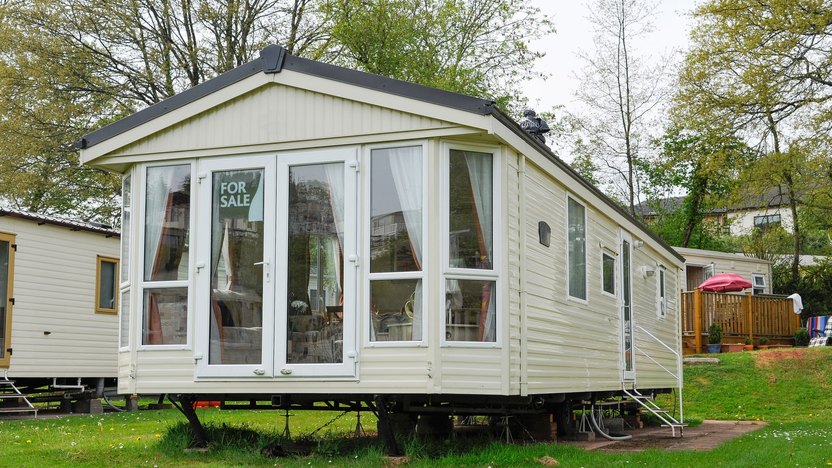
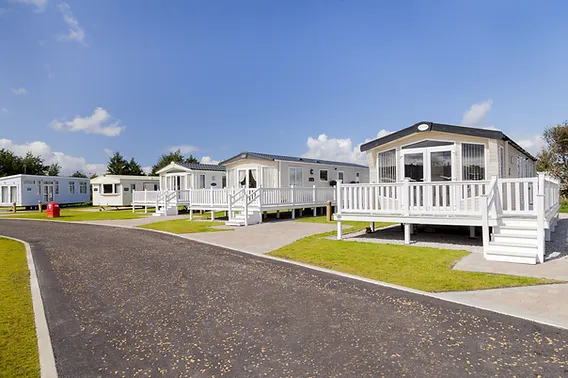
    Florida is a haven for winter visitors, offering sunshine, warm weather, and scenic beauty. Mobile home parks across the state cater to snowbirds, providing affordable housing and vibrant communities. This guide highlights the best mobile home parks in Florida for winter visitors.

    Why Florida is Perfect for Winter Visitors

    Florida offers mild winters, beautiful landscapes, and diverse activities. Many snowbirds escape harsh winters to enjoy Florida’s warm climate. Mobile home parks provide affordable, convenient housing options tailored for seasonal residents.

    Key Features of Great Mobile Home Parks

    The best parks offer modern amenities, scenic surroundings, and strong communities. They balance affordability with comfort and convenience. Features include recreational activities, clubhouses, and proximity to shopping, dining, and healthcare facilities.

    best mobile home parks in Florida for winter visitors

    Central Florida’s Top Mobile Home Parks

    1. The Villages
      The Villages is a sprawling community offering amenities for active adults. Residents enjoy golf courses, pools, and entertainment venues. The park features well-maintained homes and organized activities. Its central location provides easy access to Orlando and Tampa.
    2. Sun-N-Fun RV Resort
      Located in Sarasota, Sun-N-Fun is a favorite among snowbirds. The resort offers pools, fitness centers, and daily activities. Residents can explore nearby beaches and cultural attractions.
    3. Orange City RV Resort
      This charming park is ideal for relaxation and recreation. It features spacious lots, a heated pool, and organized social events. The location provides access to local springs and nature trails.

    Gulf Coast Gems for Winter Visitors

    1. Harbor Lakes RV Resort
      This park is located in Port Charlotte and offers a tranquil setting near the Gulf of Mexico. Residents enjoy fishing, boating, and serene sunsets. Amenities include a heated pool, clubhouse, and planned events.
    2. Buttonwood Bay RV Resort
      This park in Sebring is a favorite for snowbirds. Residents enjoy scenic lake views, outdoor activities, and a welcoming community. Its central location provides access to nearby attractions and parks.
    3. Siesta Bay RV Resort
      Siesta Bay, near Fort Myers, provides a luxurious experience. Residents enjoy resort-style amenities, tennis courts, and community events. Its proximity to beaches and shopping adds convenience.

    East Coast Favorites for Snowbirds

    1. Whispering Palms RV Resort
      Located in Sebastian, this park offers a quiet retreat. It features well-maintained homes, a heated pool, and shuffleboard courts. Residents enjoy easy access to the Indian River Lagoon and Atlantic beaches.
    2. Ocean Breeze Resort
      Situated in Jensen Beach, Ocean Breeze offers breathtaking views of the Atlantic Ocean. Residents enjoy a modern clubhouse, pool, and vibrant social scene. The location is perfect for beach lovers and anglers.
    3. Treasure Coast RV Resort
      Located in Fort Pierce, this park is ideal for nature enthusiasts. It offers spacious lots, a heated pool, and a dog park. The location provides access to wildlife preserves and water activities.

    Northern Florida Retreats for Winter Visitors

    1. Flamingo Lake RV Resort
      This Jacksonville park offers lakeside living with plenty of amenities. Residents enjoy fishing, kayaking, and organized social events. Its northern location provides cooler temperatures for those seeking mild winters.
    2. Holiday Travel RV Resort
      Located near Ocala, this park offers spacious lots and a peaceful atmosphere. Residents enjoy planned activities, a heated pool, and local horse farms. Its central location provides access to hiking trails and natural springs.
    3. Campers Holiday Mobile Home Park
      This Brooksville park is perfect for retirees. It offers a quiet setting, friendly neighbors, and organized activities. The location is close to the Withlacoochee State Forest and local shopping.

    Tips for Choosing the Right Mobile Home Park

    • Consider Location: Choose a park near the activities and amenities you value most.
    • Check Amenities: Look for features like pools, clubhouses, and organized activities.
    • Research Costs: Before committing, understand rent, utility fees, and additional charges.
    • Read Reviews: Learn from the experiences of current and past residents.
    • Visit the Park: Visit in person to assess the community and facilities.

    Benefits of Staying in Mobile Home Parks

    Mobile home parks offer affordability and convenience for winter visitors. Residents enjoy vibrant communities and organized social activities. Parks often feature modern amenities like pools, gyms, and clubhouses. Many parks provide easy access to nearby beaches, golf courses, and shopping centers.

    Activities for Winter Visitors in Florida

    • Outdoor Recreation: Enjoy golf, fishing, and hiking.
    • Cultural Events: Attend local art festivals, music concerts, and theater performances.
    • Nature Exploration: Visit state parks, wildlife preserves, and botanical gardens.
    • Beach Activities: Relax, swim, or collect shells along Florida’s pristine coastlines.
    • Community Engagement: Join organized events, clubs, and fitness classes in your park.

    Conclusion

    Florida’s mobile home parks provide the perfect retreat for winter visitors. They offer comfort, community, and access to Florida’s natural beauty. Choose a park that meets your needs, and enjoy a warm, memorable snowbird season.


    See Also:
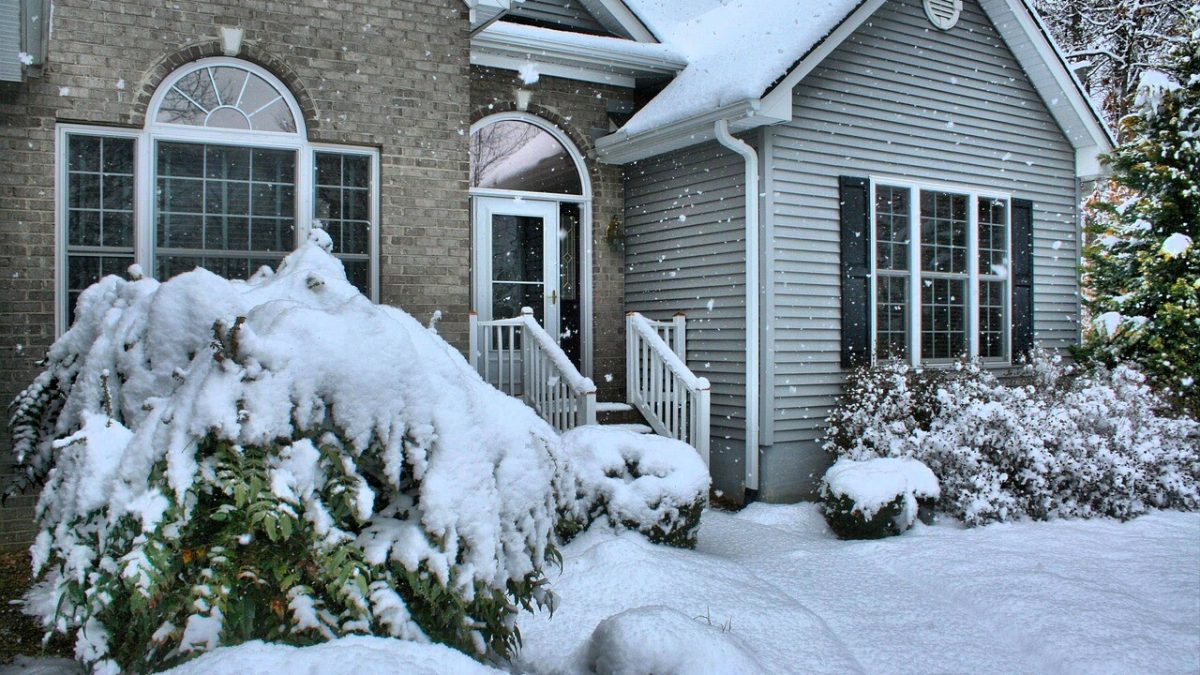
     

  • Preparing Your Mobile Home for Snowbird Season

    Snowbird season brings countless travelers heading south to escape the cold. Preparing your mobile home ensures a stress-free, comfortable stay. Follow this comprehensive guide to get your mobile home ready for the season.

    Inspect Your Mobile Home Thoroughly

    Start with a detailed inspection. Check the structure, roof, and exterior for any visible damage. Look for cracks, leaks, or weaknesses that could worsen during the season.

    Inspect the windows and doors. Ensure they close tightly to prevent drafts and maintain energy efficiency. Replace worn-out weather stripping.

    Snowbird Season

    Clean and Declutter

    Thoroughly clean your mobile home before your journey. Dust and vacuum all surfaces, including vents and corners. Cleaning eliminates allergens and creates a welcoming environment.

    Declutter your space. Get rid of unnecessary items to maximize living areas. This helps maintain a comfortable and organized mobile home.

    Test Your Systems

    Check the electrical system for safety. Test all outlets, switches, and appliances. Repair or replace any malfunctioning components.

    Inspect the plumbing system. If you’re leaving a colder climate, ensure there are no leaks or frozen pipes. Wrap exposed pipes with insulation to prevent freezing during the journey.

    Service your HVAC system. Replace air filters and confirm both heating and cooling functions are working optimally.

    Prepare for Mobility

    Examine your mobile home’s tires. Check the air pressure and tread condition. Replace worn tires to ensure a safe trip.

    Inspect the hitch and towing equipment. Confirm they are secure and functional to avoid problems during transit.

    Secure all loose items inside the home. This prevents shifting and potential damage while on the road.

    Optimize Energy Efficiency

    Improve energy efficiency to prepare for fluctuating temperatures. Seal any gaps around windows, doors, and vents. Use insulating window film to keep temperatures steady.

    Switch to energy-efficient LED lighting. These bulbs reduce energy consumption and minimize heat buildup.

    Consider installing solar panels. Solar energy can power basic appliances and save money during extended stays.

    Stock Up on Essentials

    Ensure your mobile home is well-stocked for the season. Pack enough non-perishable food, water, and cleaning supplies.

    Prepare an emergency kit. Include first aid items, flashlights, batteries, and a multi-tool to ensure readiness for unexpected situations.

    Secure Your Home Before Leaving

    If you’re leaving another property behind, secure it thoroughly. Lock all doors and windows, and install a reliable security system.

    Pause mail and deliveries. Notify neighbors or a trusted friend to watch your property while you’re away.

    Plan for Recreation and Entertainment

    Pack recreational items to make the most of your trip. If you plan outdoor activities, bring bicycles, hiking gear, or fishing equipment.

    Don’t forget indoor entertainment. Pack books, games, and portable devices in your mobile home for cozy nights.

    Maintain Connectivity

    Stay connected during your journey. Test your mobile hotspot or Wi-Fi devices for reliable internet access.

    Check your phone plan for adequate coverage and data limits. This ensures you can stay in touch with loved ones.

    Prepare for Weather Changes

    Research the climate in your destination area. Pack clothing suitable for the region’s weather.

    Prepare for sudden temperature drops. Bring warm blankets, portable heaters, and layered clothing to stay comfortable.

    Inspect and Maintain Safety Features

    Ensure your smoke and carbon monoxide detectors are functional. Replace batteries if needed.

    Inspect fire extinguishers. Ensure they are fully charged and easily accessible.

    Review emergency exit routes and practice them with all travelers to ensure everyone knows what to do in an emergency.

    Stay Organized During Travel

    Create a travel plan. Include your route, estimated travel time, and stops. Share this information with a trusted contact.

    Use storage solutions to keep items organized. Invest in bins, hooks, and collapsible furniture for space-saving convenience.

    Plan for Mobile Home Park Stays

    Research mobile home parks in advance. Choose parks with amenities and services that meet your needs.

    Make reservations early. Snowbird season can bring high demand for prime locations.

    Understand park rules and regulations. Ensure your mobile home complies with all requirements before arriving.

    Budget for the Season

    Create a detailed budget. Include fuel, maintenance, park fees, and daily expenses.

    Set aside an emergency fund. This prepares you for unexpected repairs or costs during your trip.

    Look for discounts. Many parks offer special rates for long-term snowbirds.

    Connect with Other Snowbirds

    Join snowbird communities online or in person. These groups offer advice, support, and camaraderie.

    Attend social events and gatherings at parks. Building relationships enhances your overall experience.

    Enjoy the Journey

    Take your time traveling. Enjoy scenic routes and stop at interesting landmarks.

    Embrace flexibility. Unexpected delays or detours can lead to memorable experiences.

    Relax and savor the snowbird lifestyle. The journey is as important as the destination.

    Conclusion

    Preparing your mobile home for snowbird season ensures a safe, comfortable, and enjoyable experience. With proper planning, you can avoid stress and focus on making memories. Follow these tips and get ready for a fantastic season in your mobile home!

    See Also:

  • Eviction Rights for Mobile Home Owners in Florida

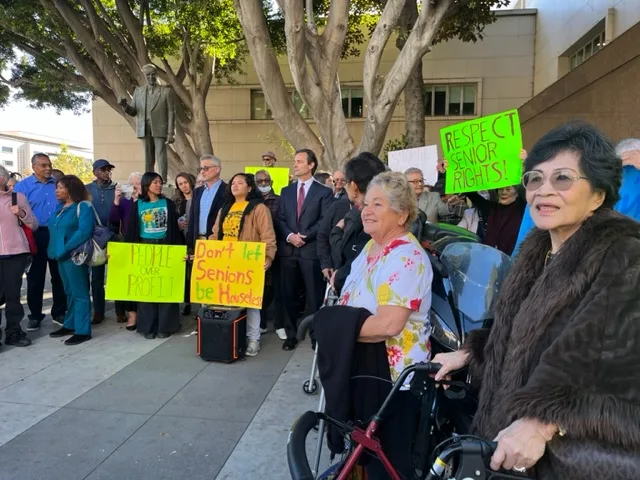
    Mobile home ownership in Florida offers many benefits, but it also comes with legal responsibilities. One of the most important aspects of owning a mobile home is understanding eviction rights. Florida has specific laws that govern how and when a mobile home owner can be evicted, especially in mobile home parks. Knowing these rights can help prevent unfair evictions and ensure the process is handled correctly.

    1. Mobile Home Ownership and Park Rental Agreements

    In Florida, the legal framework surrounding evictions is influenced by whether the mobile homeowner rents or owns the land. When renting land in a mobile home park, the owner is subject to the park’s rules and lease agreements. Evictions may occur if a tenant violates these rules or fails to pay rent promptly.

    mobile home eviction rights

    Mobile home parks typically have written rental agreements that outline the lease terms. These agreements must comply with Florida’s landlord-tenant laws, and both owners and park managers must understand their rights and obligations under them.

    2. Grounds for Eviction in Mobile Home Parks

    Evictions can occur for various reasons, but the most common causes in mobile home parks are failure to pay rent or violating park rules. Florida law allows park owners to evict tenants if they fail to pay rent on time. However, park owners must follow specific procedures when evicting a tenant.

    Violations of park rules can also lead to eviction. For example, tenants who disrupt the peace or damage property may be evicted. Park owners must prove that the violation is substantial and that eviction is necessary.

    3. Legal Process for Eviction in Florida

    Florida law requires that landlords follow a strict legal process to evict mobile homeowners. The first step is sending a written notice to the tenant explaining the reason for eviction. The landlord can file an eviction lawsuit if the tenant does not address the issue.

    The notice period depends on the reason for eviction. Florida law requires a 3-day notice for non-payment of rent, and a 7-day notice is typically required for violations of the lease agreement. Please resolve the issue during this period to avoid court proceedings.

    4. Notice Requirements for Eviction

    The eviction process starts with a written notice, which must be delivered to the tenant. This notice must clearly state the reason for eviction and give the tenant time to resolve the issue. If the tenant does not comply, the landlord can proceed with the next steps in the legal process.

    The notice must be delivered in person or through certified mail. The eviction process may be delayed if the tenant does not receive the notice or refuses to accept it. Landlords must follow the correct procedures to avoid legal complications.

    5. Eviction Laws for Non-Payment of Rent

    Non-payment of rent is one of the most common reasons for eviction in mobile home parks. If a tenant fails to pay rent, the park owner can serve a 3-day notice demanding payment. This notice must clearly state the amount due and the consequences of non-payment.

    If the tenant does not pay the rent within 3 days, the park owner can file for eviction in court. The court process typically involves a hearing, and if the judge rules in favor of the park owner, the tenant will be evicted. If this occurs before the court hearing, the tenant may have the option to pay the rent owed and avoid eviction.

    6. Eviction for Lease Violations

    A mobile home park owner can evict a tenant for violating the terms of their lease agreement. This may include damaging property, disturbing neighbors, or failing to comply with community rules. In Florida, park owners must serve a 7-day notice before filing for eviction in case of a lease violation.

    The notice must give the tenant a reasonable amount of time to remedy the violation. If the violation is not resolved within the 7-day period, the landlord can proceed with filing for eviction. To avoid violations, tenants must understand the lease agreement and park rules.

    7. Defenses Against Eviction

    Mobile homeowners in Florida have certain defenses against eviction. If the eviction is based on non-payment of rent, tenants may argue that the landlord did not provide proper notice. Other defenses might include claims that the park owner did not comply with Florida’s landlord-tenant laws or that the eviction is retaliatory.

    If the eviction is for a lease violation, tenants may argue that the breach was not significant enough to justify eviction. In such cases, the tenant can present evidence to dispute the violation. Tenants need to seek legal advice to determine the best defense strategy.

    8. The Role of the Florida Mobile Home Act

    The Florida Mobile Home Act provides additional protections for mobile homeowners who live in mobile home parks. This act includes provisions protecting tenants from arbitrary evictions and requires park owners to follow specific procedures. The law ensures tenants are not unfairly evicted and provides a framework for resolving disputes.

    Under the Florida Mobile Home Act, tenants are protected from retaliation. For example, a park owner cannot evict a tenant for exercising their legal rights, such as complaining about unsafe living conditions. Tenants can use the protections offered by the Mobile Home Act to defend themselves in eviction proceedings.

    9. The Court Process for Eviction

    Once a park owner files for eviction, the court process begins. The court schedules a hearing during which the landlord and tenant can present their cases. If the judge rules in favor of the park owner, the court issues an eviction order.

    The tenant can appeal the eviction decision but must do so within a specific time frame. If the tenant loses the appeal, they must vacate the property. The sheriff may enforce the eviction order by physically removing the tenant from the mobile home.

    10. Eviction and Mobile Home Ownership

    If a tenant is evicted from a mobile home park, the status of their mobile home can be complicated. If the tenant owns the mobile home and is not attached to the land, the tenant may be able to relocate it. However, if the tenant does not own the land, the mobile home may remain on the property until it is removed.

    The park owner may offer the tenant a time to remove the mobile home after eviction. If the tenant fails to do so, the park owner may pursue legal action to have the mobile home removed. Mobile homeowners need to understand their rights regarding the relocation of their homes.

    11. Retaliation and Eviction Protections

    Florida law protects tenants from retaliatory evictions. This means that a park owner cannot evict a tenant simply for exercising their legal rights, such as filing complaints about maintenance issues or reporting safety violations. If a tenant can prove that the eviction is retaliatory, they may be able to prevent it.

    Retaliatory evictions are illegal under Florida law and the Florida Mobile Home Act. Tenants who believe they are facing retaliation should seek legal advice to understand their options. Legal protections against retaliation help tenants voice concerns without fear of unfair eviction.

    12. The Importance of Legal Advice

    Mobile homeowners facing eviction should seek legal advice to understand their rights. Attorneys specializing in landlord-tenant law can help tenants navigate the eviction process and determine whether the eviction is lawful. Legal counsel can also help tenants explore options for defense and avoid eviction.

    Sometimes, tenants can negotiate with park owners to resolve disputes without going through the court process. A lawyer can guide these negotiations and help protect the tenant’s rights. Acting quickly when facing eviction is essential to ensure that all legal options are explored.

    13. Payment Plans and Negotiations

    If the reason for eviction is non-payment of rent, tenants may be able to negotiate a payment plan with the park owner. Park owners may be willing to work out a deal to avoid eviction. Tenants should communicate openly with the landlord to discuss possible solutions, such as catching up on overdue rent over time.

    Negotiating a payment plan can help tenants avoid eviction and stay in their homes. Tenants should proactively discuss their financial situation and seek assistance from social services or financial counseling if needed. It is always better to communicate early rather than wait until the eviction process has started.

    14. Impact of Eviction on Mobile Home Tenants

    An eviction can have significant consequences for mobile homeowners. It can affect their credit score, making renting or purchasing a new home harder. In addition, evictions can lead to the loss of personal property if the tenant cannot remove their mobile home in time.

    To avoid these consequences, tenants should take eviction notices seriously and seek help early. Understanding eviction rights and being proactive in addressing issues can minimize the long-term impact of eviction. The sooner a tenant addresses the situation, the better the chances of finding a favorable outcome.

    Conclusion

    Eviction rights for mobile home owners in Florida are governed by a combination of state laws and the Florida Mobile Home Act. Mobile home tenants must understand their rights and obligations under rental agreements and the law. Following the proper procedures allows park owners and tenants to navigate the eviction process more smoothly.

    Mobile homeowners facing eviction should explore all options, including negotiation, legal defenses, and payment plans. Seeking legal advice early can help protect tenants’ rights and ensure evictions are handled fairly. With the right knowledge and support, mobile homeowners in Florida can better understand and manage eviction situations.


    See Also:


  • Solar Power Solutions for Florida Mobile Homes

    As energy costs rise, more mobile homeowners in Florida are turning to solar power as a viable solution. Solar panels offer a sustainable, cost-effective way to reduce electricity bills and lessen dependence on the grid. For mobile homes, solar energy systems provide an opportunity to embrace renewable energy without the need for major home renovations.

    1. Why Solar Power for Mobile Homes in Florida?

    Florida is known as the “Sunshine State” for good reason. The state’s abundant sunlight makes it ideal for solar energy, and mobile homes, often located in sunny areas, are perfect candidates for solar power solutions.

    solar power for mobile homes florida

    Solar panels can generate significant energy savings, particularly in regions with high electricity rates. Installing solar power reduces the need for traditional energy sources, lowering monthly utility bills. Additionally, solar energy is environmentally friendly and helps reduce your carbon footprint.

    2. Benefits of Solar Power for Mobile Homes

    The primary benefit of installing solar power in a mobile home is cost savings. Once the initial installation is paid off, solar energy can lower or even eliminate electric bills. Solar panels can generate substantial power year-round with Florida’s sunny climate, ensuring a steady electricity supply.

    Solar power also adds value to mobile homes. Homes with solar installations are seen as more energy-efficient, which can increase their market value. As solar technology improves and becomes more affordable, the return on investment becomes even more attractive.

    3. Types of Solar Power Systems for Mobile Homes

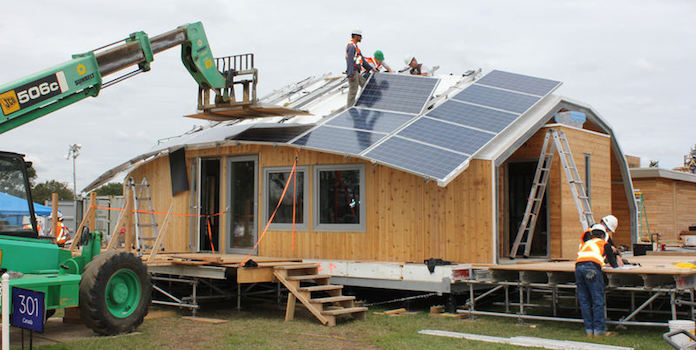
    There are two main types of solar power systems: grid-tied and off-grid. A grid-tied system connects to the local utility grid, allowing you to draw power when solar energy isn’t available. This system will enable homeowners to return excess power to the grid through net metering.

    An off-grid system is ideal for mobile homes in remote areas with limited access to the utility grid. These systems are independent and require battery storage to store excess energy for nighttime use. While off-grid systems can be more expensive, they provide complete energy independence.

    4. Choosing the Right Solar Panels for Your Mobile Home

    Efficiency and durability are key factors when selecting solar panels for a mobile home. Monocrystalline panels are the most efficient, though they can be more expensive. Polycrystalline panels are a more affordable option but offer slightly lower efficiency.

    You’ll also need to consider the size of the system. Mobile homes typically require fewer panels than traditional homes, but assessing how much energy you use daily is essential. Consulting with a solar installer can help determine your needs’ best panel type and system size.

    5. Solar Panel Installation for Mobile Homes

    Installing solar panels on a mobile home requires careful planning. Mobile homes often have flat or slightly pitched roofs, impacting installation. The roof structure must be strong enough to support the panels, and the system must be securely mounted to withstand Florida’s storms.

    Installation typically includes placing the panels on the roof and connecting them to an inverter that converts solar energy into usable electricity. Professional installers can ensure the system is safely and efficiently connected to your electrical system. Many installers offer free assessments and consultations to help you understand your options.

    6. Considerations for Roof Space and Orientation

    Roof space is crucial when installing solar panels on a mobile home. Depending on the size of your roof, you may only be able to install a limited number of panels. A larger roof area allows for more panels to generate more electricity.

    Orientation and tilt also impact solar energy production. Solar panels should face south to maximize sunlight exposure throughout the day. Professional installers can assess the angle and direction of your roof to determine the best panel placement for optimal energy production.

    7. Solar Battery Storage for Mobile Homes

    Battery storage is a crucial addition for homes with off-grid systems or for those who want to maximize energy savings. Solar batteries store excess power generated during the day for use at night or on cloudy days. This reduces reliance on the grid and ensures that electricity is available even during power outages.

    The Tesla Powerwall and similar batteries are popular choices for mobile homes. These batteries can store significant amounts of energy and, depending on the size, power a mobile home for several hours or even days. Battery systems are an investment, but they provide greater energy independence.

    8. Florida’s Net Metering Program

    Florida has a net metering program that allows homeowners with solar panels to receive credits for excess power they generate. These credits can offset your electric bill, especially when you create more power than you use. If you produce enough excess energy, your utility provider will credit your account, which can reduce future bills.

    Net metering is available for grid-tied solar systems in Florida, but some restrictions exist. For example, utility companies may cap the number of customers eligible for net metering. It’s essential to check with your utility provider to understand the specifics of their net metering program.

    9. The Cost of Solar Panel Systems in Florida

    The cost of installing solar panels in Florida varies depending on the size of the system and the type of panels. On average, homeowners can expect to pay between $10,000 and $20,000 for a full installation. While the upfront cost can be significant, the long-term savings on utility bills make solar power an attractive investment.

    Tax incentives and rebates can reduce the cost of installation. The federal government offers a 30% tax credit for solar installations, which can lower the overall cost. Additionally, Florida offers property tax exemptions for homes with solar panels, which can help you save even more.

    10. Solar Power Incentives and Rebates in Florida

    Florida provides various incentives to encourage the adoption of solar energy. The state offers a sales tax exemption for solar panels and associated equipment, which reduces the initial cost. Additionally, property tax exemptions mean that solar power installations will not increase the assessed value of your home.

    Federal incentives also play a significant role in making solar energy affordable. The Investment Tax Credit (ITC) allows homeowners to deduct up to 30% of the solar installation cost from their federal taxes. These financial incentives can make solar energy more affordable for Florida mobile homeowners.

    11. Solar Power Maintenance for Mobile Homes

    Once installed, solar power systems require minimal maintenance. Panels are designed to last 25 years or more, and most require little upkeep beyond regular cleaning. Dust, leaves, or debris can accumulate on panels, so cleaning them periodically ensures maximum efficiency.

    It’s also essential to have your system inspected periodically by a professional. They will check for issues with the inverter, wiring, or battery storage systems. Regular maintenance helps to ensure your solar panels continue to operate at their best.

    12. Solar Power and Hurricane Season in Florida

    Hurricane season in Florida can concern homeowners, especially regarding solar panel installation. However, modern solar systems are built to withstand strong winds and heavy rain. Solar panels are mounted securely to the roof and designed to endure Florida’s stormy weather conditions.

    Adding battery storage to your solar system provides additional benefits during hurricane season. If the power goes out due to a storm, your battery can keep essential appliances running. This makes solar energy a reliable option even during Florida’s harsh weather.

    13. How to Choose a Solar Installer in Florida

    Choosing the right solar installer is crucial to properly designing and installing your system. Look for a licensed and experienced installer who has a good reputation. Review reviews and ask for references to ensure you hire a reputable company.

    Many installers offer free consultations and will assess your home for the best solar system. They will consider roof space, energy usage, and budget factors. It’s essential to compare quotes from different installers to find the best deal.

    14. Solar Power for Mobile Home Parks

    Solar power can also benefit mobile homes in parks. Although space for individual solar installations may be limited in many parks, solar energy is still possible. Some mobile home parks are adopting community solar programs, installing solar panels in a central location, and distributing power to all residents.

    Community solar energy allows residents to share the benefits of solar power without installing panels in their homes. This option is ideal for mobile homeowners who want to reduce their electricity bills but need more space or resources to install solar panels.

    15. Future of Solar Power for Mobile Homes in Florida

    The future of solar power in Florida looks bright. As solar technology continues to improve, the cost of solar panels is expected to decrease. This will make solar energy even more accessible and affordable for mobile homeowners.

    In the coming years, mobile homes may become more energy-efficient, with solar power playing a significant role in sustainability. As more homeowners switch to solar, Florida’s energy grid will also benefit from the reduced demand for traditional power sources.

    Conclusion

    Solar power is a robust and sustainable energy solution for mobile homeowners in Florida. With the state’s abundant sunshine, solar panels offer an excellent way to reduce energy costs and increase home value. Whether you choose a grid-tied or off-grid system, adding solar power to your mobile home is an investment that can pay off for years to come.


    See Also:

  • What to Know About Mobile Home Loans in Florida

    Mobile homes offer an affordable housing option for many Florida residents. However, securing a loan to purchase or refinance a mobile home can be challenging. Understanding how mobile home loans work and the specific requirements for Florida can help potential buyers make informed decisions.

    1. Types of Mobile Home Loans

    There are several types of mobile home loans in Florida, each with unique requirements and features. These include chattel loans, real estate loans, and FHA loans. The type of loan you choose depends on whether the mobile home is classified as personal or real property.

    Chattel loans are for mobile homes that are not permanently affixed to land. Real estate loans are for mobile homes attached to land and classified as real property. FHA loans are government-backed loans designed for mobile homes meeting specific standards.

    how mobile home loans work

    2. Chattel Loans

    Chattel loans are commonly used for mobile homes not affixed to land. With a chattel loan, the mobile home serves as collateral for the loan, but the land does not. These loans typically have higher interest rates than real estate loans due to the risk of the home being moved or repossessed.

    The loan term for chattel loans is usually shorter, ranging from 10 to 20 years. Lenders may require a larger down payment, sometimes as high as 20%. These loans are ideal for individuals who own the land where the mobile home will be placed or rent a space in a mobile home park.

    3. Real Estate Loans

    A real estate loan is a traditional mortgage that covers the mobile home and its land. In Florida, you can apply for a real estate loan if you buy both the land and the mobile home together. These loans typically offer lower interest rates and longer terms than chattel loans.

    To qualify for a real estate loan, the mobile home must meet specific criteria, such as being affixed to a permanent foundation. Lenders also require that the mobile home meets state building codes. The loan process for real estate loans can be similar to that of traditional home mortgages.

    4. FHA Loans for Mobile Homes

    The Federal Housing Administration (FHA) offers loans for mobile homes in Florida. These loans are ideal for buyers with lower credit scores or smaller down payments. FHA loans are available for new and existing mobile homes that meet specific requirements.

    The mobile home must have been built after 1976 to qualify for an FHA loan, as homes built before then do not meet federal standards. The home must also be placed on a permanent foundation. Additionally, the borrower must meet certain income and credit requirements.

    5. Eligibility Requirements for Mobile Home Loans

    Each type of mobile home loan has specific eligibility criteria, and meeting these requirements is crucial for approval. Lenders typically assess factors such as credit score, income, and the condition of the mobile home. The home must meet state and local building codes in Florida, especially if applying for a real estate or FHA loan.

    For chattel loans, lenders focus more on the borrower’s ability to repay the loan than the home’s value. The borrower must provide proof of land ownership or a long-term lease agreement for real estate loans. FHA loans require that the borrower meet certain income limits and credit score thresholds.

    6. Interest Rates for Mobile Home Loans

    Interest rates for mobile home loans vary depending on the type of loan, the borrower’s credit, and the loan term. Chattel loans tend to have higher interest rates than real estate loans, as lenders consider them riskier. However, real estate loans and FHA loans typically offer more competitive rates.

    Interest rates can range from 4% to 10% for mobile home loans in Florida, with the possibility of higher rates for borrowers with lower credit scores. It’s essential to shop around and compare offers from different lenders to find the best rate. Over time, securing a lower interest rate can save you significant money.

    7. Down Payments and Loan Terms

    Down payment requirements for mobile home loans in Florida vary depending on the type of loan and lender. Down payments may range from 5% to 20% for chattel loans. Real estate loans may require a down payment of 10% to 20%, depending on the borrower’s creditworthiness and the home’s value.

    Loan terms for mobile home loans in Florida can range from 10 to 30 years, depending on the loan type. Shorter loan terms often come with higher monthly payments, but they can save money on interest. Choosing the proper loan term can make your monthly payments more manageable.

    8. Mobile Home Insurance Requirements

    Most lenders require mobile home insurance before approving a loan. Insurance coverage protects the borrower and the lender in case of damage or loss. Homeowners insurance is essential in Florida due to the state’s frequent storms and hurricanes.

    Insurance policies for mobile homes typically cover damage from natural disasters, fire, theft, and vandalism. For mobile homes on land, homeowners may also need to include coverage for the land itself. Be sure to check with your lender to understand the specific insurance requirements for your loan.

    9. Finding the Right Lender

    Choosing the right lender is crucial when applying for a mobile home loan in Florida. Different lenders offer different loan terms, interest rates, and requirements. Researching and comparing multiple lenders, including banks, credit unions, and specialized mobile home lenders is important.

    Online platforms allow you to compare offers from multiple lenders quickly. You can also check with local mobile home dealerships, as they may have partnerships with lenders specializing in mobile home loans. Shopping around can help you secure the best loan terms for your financial situation.

    10. Mobile Home Loan Process in Florida

    Securing a mobile home loan in Florida is similar to getting a traditional mortgage, though it often involves fewer steps. First, you’ll need to determine which type of loan best fits your needs. Once you’ve selected a loan type, gather the necessary documents, such as proof of income, credit history, and information about the mobile home.

    After you submit your application, the lender will evaluate your financial situation and the condition of the mobile home. If your application is approved, you’ll sign the loan agreement, and the funds will be disbursed. The approval process may take several weeks, so patience’s essential.

    11. Financing Used Mobile Homes

    Financing for used mobile homes is available in Florida, but financing new homes can be challenging. Used mobile homes may need to meet the criteria for FHA loans, especially if they were built before 1976. However, lenders may still offer chattel or conventional loans for used homes.

    When financing a used mobile home, the lender typically requires a thorough inspection to assess its condition. They may also request an appraisal to determine the home’s value. Understanding the home’s condition and market value will help ensure you get a fair loan offer.

    12. Closing Costs and Fees

    Mobile home loans come with various closing costs and fees, like any home purchase. These costs include application, title search, appraisal, and attorney fees. Be prepared for these additional expenses when budgeting for your mobile home purchase.

    In Florida, closing costs for mobile home loans can range from 2% to 5% of the loan amount. It’s essential to ask the lender for a breakdown of all costs so you’re not caught off guard. Some lenders may offer to include these costs in the loan, increasing your monthly payments.

    13. Refinancing Mobile Home Loans

    Refinancing might be a good option if you already have a mobile home loan and are looking to lower your payments or interest rate. Refinancing allows you to replace your existing loan with a new one, often with better terms. Florida residents with a mobile home on land may be eligible for refinancing through traditional mortgage lenders.

    Refinancing a chattel loan is more complex but possible. Some lenders may offer refinancing options if your mobile home’s value has increased or you’ve significantly improved. Always check with your lender to determine your refinancing options and eligibility.

    14. Mobile Home Parks and Loan Approval

    Living in a mobile home park can affect your loan application. Some mobile home parks have restrictions on renting or selling homes, which can impact the marketability of your mobile home. Lenders may be less willing to approve loans for homes in parks with strict regulations.

    Before applying for a loan, check the mobile home park’s rules and regulations to ensure they align with your financing plans. Some lenders may require written confirmation from the park management that you can place the mobile home on the property. Awareness of the park’s rules can help prevent issues with loan approval.

    15. Mobile Home Loans for Retirees

    Florida is a popular destination for retirees, and many choose to purchase mobile homes in the state. Lenders may offer specialized mobile home loans for retirees, taking into account their fixed income. Retirees should know they may need additional documentation, such as proof of pension or Social Security income.

    Retirees should also consider the loan term and ensure it fits their financial situation. A shorter loan term may mean higher monthly payments, so choosing a plan that works for their budget is important. Consulting with a financial advisor can help retirees make the best loan decisions.

    Conclusion

    Securing a mobile home loan in Florida requires understanding the various loan types, eligibility criteria, and costs. Knowing the requirements and options available can help you decide whether you are purchasing a new or used mobile home. By researching loan types, comparing lenders, and preparing for the loan process, you can secure financing that meets your needs and budget.


    See Also:


  • How to Identify and Fix Common Issues in Florida Mobile Homes

    Mobile homes are a popular and affordable Florida housing option, offering many residents a unique lifestyle. However, like any home, they come with their own set of maintenance challenges. Identifying and fixing common issues early can help avoid costly repairs and keep your home safe and comfortable.

    1. Inspecting for Roof Leaks

    Roof leaks are one of the most common issues in mobile homes, especially after storms. Check for water stains or damp spots on ceilings and walls. Damaged shingles, poor seals, or worn-out caulking around vents can cause leaks.

    To fix a roof leak, clean the area around the damage. Apply roofing cement to seal any cracks or gaps. If the damage is extensive, consider replacing the roofing material or hiring a professional.

    fixing common issues mobile home

    2. Checking for Foundation Problems

    A shifting foundation is a severe issue in mobile homes, leading to uneven floors and structural damage. Look for signs of cracks in walls, ceilings, or floors, as well as doors or windows that don’t close properly. Foundation problems can be caused by soil movement, poor installation, or natural wear over time.

    Fixing foundation issues begins by re-leveling the home. Use a hydraulic jack to adjust the foundation’s position. If necessary, hire a professional to inspect and repair the foundation.

    3. Addressing Plumbing Leaks

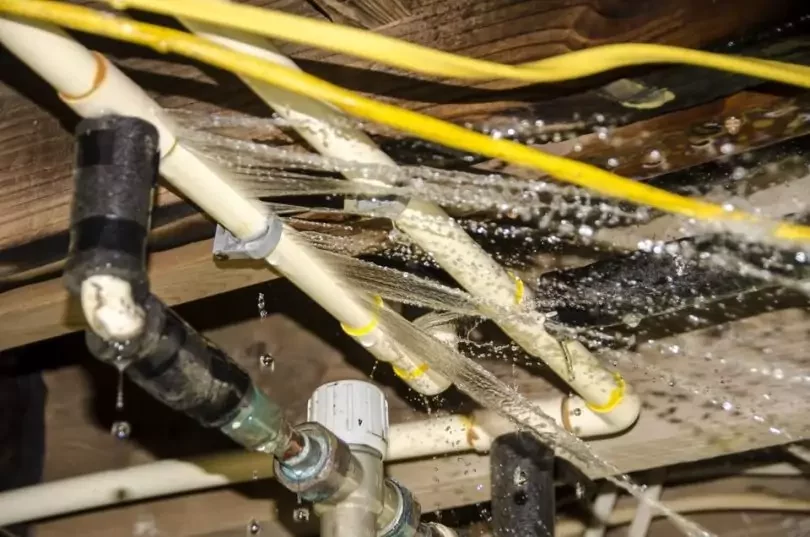
    Plumbing leaks are another common issue in mobile homes. Look for damp spots on floors, water stains on walls, or a musty smell, all signs of hidden leaks. Leaks can occur in pipes, faucets, or under sinks due to wear and tear or improper installation.

    To fix a leak, turn off the water supply and locate the source of the problem. Tighten any loose connections or replace damaged pipes. If the leak persists, consider consulting a plumber for more complex repairs.

    4. Fixing Electrical Problems

    Electrical issues are a significant concern, as faulty wiring can cause fires or power outages. Check for flickering lights, circuit breakers that trip often, or outlets that don’t work. Damaged wiring, overloading circuits, or faulty appliances may cause these problems.

    To address electrical issues, turn off the power at the breaker panel before making repairs. Tighten loose wires or replace damaged outlets and switches. If the problem is more complex, hire a licensed electrician to ensure safety.

    5. Preventing Mold and Mildew Growth

    Florida’s humid climate makes mobile homes prone to mold and mildew growth. Look for signs of mold in areas with poor ventilation, such as bathrooms or kitchens. Mold can cause health issues, damage walls, and decrease the value of your home.

    To prevent mold, improve ventilation by using dehumidifiers and fans—clean visible mold with a mixture of water and vinegar or a store-bought cleaner. If the mold is extensive, you may need to replace affected materials such as drywall or insulation.

    6. Repairing Windows and Doors

    Over time, doors and windows can become damaged or misaligned, leading to drafts or difficulty opening and closing. Check for gaps around windows and doors and inspect the seals for wear or damage. A damaged seal can lead to higher energy bills and water leaks.

    To fix this, remove old weatherstripping and replace it with new material. If necessary, adjust the alignment of doors and windows. For broken glass, replace the panes or hire a professional to ensure proper installation.

    7. Dealing with Pest Infestations

    Pests, such as termites, ants, and rodents, can cause significant damage to mobile homes. Look for signs of infestations, such as holes in walls, droppings, or chewed wires. Florida’s warm climate makes it an ideal environment for pests, so early detection is key.

    To fix a pest problem, identify the type of pest and choose an appropriate treatment. Seal any entry points around windows, doors, and vents. Consider hiring a pest control service to treat the home and prevent future infestations.

    8. Fixing Uneven Floors

    Foundation problems, moisture damage, or poor installation can cause uneven floors in a mobile home. Look for dips, bumps, or areas where the floor feels soft or unstable. If not addressed, these issues can affect the structural integrity of your home and lead to more severe damage.

    To fix uneven floors, first check the foundation for signs of shifting or damage. Then, re-level the home or replace damaged floor joists. If the problem is caused by moisture, fix any plumbing leaks and dry out the affected areas before repairing the floor.

    9. Maintaining Heating and Cooling Systems

    Florida’s hot climate makes an effective air conditioning system essential. If your AC unit is not cooling properly or is making strange noises, it may need maintenance. Check the filters for dirt or blockages, and inspect the ducts for leaks or obstructions.

    To fix an AC issue, clean or replace the filters and clear any debris from the outdoor unit. If the system still malfunctions, consider calling an HVAC technician for more advanced repairs. Regular maintenance can extend the life of your cooling system.

    10. Fixing Leaking Windows and Doors

    Leaking windows and doors can let in water, causing mold growth and water damage. Check for leaks around windows and doors, especially after heavy rains. Damaged seals, caulking, or poor installation often cause leaks.

    Remove old caulking and apply a new, high-quality sealant to fix leaks. Replace any worn-out weatherstripping around doors and windows. Ensure that the frames are properly sealed to prevent further leaks.

    11. Dealing with Insulation Problems

    Poor insulation can cause discomfort and higher energy costs in mobile homes in Florida. Check for drafty areas in the walls, ceilings, or floors, especially during the colder months. Inadequate insulation can also cause your air conditioning system to work harder, leading to increased electricity bills.

    To fix insulation problems, add or replace insulation in the walls, attic, and under the floor. For better efficiency, use fiberglass batt insulation or spray foam. Sealing gaps and cracks around windows and doors can also help reduce energy loss.

    12. Repairing Exterior Damage

    The exterior of a mobile home can suffer from weather-related damage, including cracked siding, faded paint, and rust. Inspect the siding for wear, especially after heavy storms or high winds. Florida’s humid climate can cause materials to degrade faster than in drier areas.

    To repair exterior damage, replace any cracked or broken siding and repaint faded areas. If rust is present, clean the affected areas and apply a rust-resistant primer. Regular exterior maintenance can prevent long-term damage and maintain the home’s curb appeal.

    13. Fixing Water Heater Issues

    A malfunctioning water heater can disrupt daily activities, leaving you without hot water. Check for leaks, strange noises, or a lack of hot water as signs of a problem. Water heaters can fail due to sediment buildup, worn-out heating elements, or faulty thermostats.

    First, turn off the power and water supply to fix water heater issues. Drain the tank to remove sediment and clean the elements. If the problem persists, you may need to replace the heating elements or thermostat.

    14. Replacing Worn-Out Flooring

    Mobile homes often have vinyl or carpet flooring, which can wear out over time. Check for tears, stains, or areas where the floor feels uneven. Worn-out flooring not only affects aesthetics but can also become a tripping hazard.

    To replace worn-out flooring, remove the old material and clean the subfloor. Then, depending on your preference, install new vinyl, laminate, or carpet. Proper installation ensures a clean and stable floor for years to come.

    15. Preventing Future Problems

    Prevention is critical to avoiding costly repairs in the future. Regularly inspect your mobile home for signs of damage and address minor issues before they become big problems. Staying on top of maintenance tasks, such as cleaning gutters, replacing weatherstripping, and checking for leaks, helps maintain the integrity of your home.

    You can prevent the most common issues in mobile homes by keeping up with routine maintenance. Early detection of problems will save you time, money, and stress. Proper care ensures that your Florida mobile home remains a safe, comfortable place to live.

    Conclusion

    Identifying and fixing common issues in Florida mobile homes is crucial for maintaining safety and comfort. Early intervention can prevent more significant damage, whether it’s a roof leak, foundation problem, or pest infestation. Regular maintenance, proper repairs, and preventive measures will keep your mobile home in good condition and provide peace of mind in the long run.

    See Also:

  • The Role of Florida Building Codes in Mobile Home Safety

    Florida is known for its beautiful beaches and sunny weather but faces frequent hurricanes. Building codes are critical in ensuring mobile home residents’ safety during extreme weather events. Florida’s building codes are designed to protect mobile homes from the risks of storms, floods, and other natural disasters.

    1. Importance of Building Codes

    Florida’s building codes establish guidelines for constructing and maintaining structures in hurricane-prone areas. These codes ensure that mobile homes are built to withstand high winds and flooding. With more than 1.5 million people living in mobile homes in Florida, these regulations are crucial to public safety.

    The codes provide standards for everything from materials to installation practices. They reduce the risks of extreme weather events, like hurricanes and tropical storms. Strict building codes minimize the chances of property damage and personal injury.

    Florida building codes

    2. Florida’s Building Code Overview

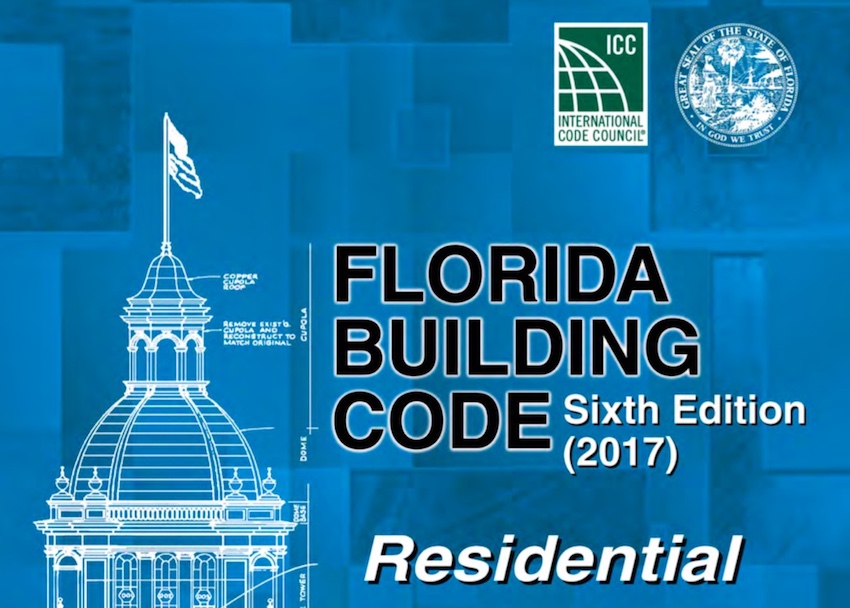
    Florida’s building codes, including the Florida Building Code (FBC), apply to all structures, including mobile homes. The FBC is updated regularly to address evolving risks and advancements in construction. It includes provisions for wind load resistance, structural integrity, and storm preparation.

    These codes are designed to protect buildings from both environmental hazards and long-term wear. By adhering to these guidelines, builders can ensure that structures meet the necessary safety standards. Regular code updates align it with the latest safety measures and building technologies.

    3. Wind Load Resistance

    One of the most important aspects of mobile home safety is wind resistance. In Florida, mobile homes must be built to withstand wind speeds of at least 120 mph. The Florida Building Code requires all mobile homes to meet these wind load standards to prevent them from being overturned or damaged by storms.

    The code dictates the materials’ strength, including roof trusses, anchors, and tie-down systems. Tie-downs secure mobile homes to the ground, helping them resist being lifted or shifted during high winds. Adhering to wind resistance standards is essential for mobile home safety during hurricane season.

    4. Tie-down systems and Anchoring

    Tie-down systems are crucial to Florida’s building codes for mobile homes. These systems anchor the home securely to the foundation, preventing it from becoming airborne during high winds. Mobile homes must meet specific tie-down standards, including the use of steel straps and anchors buried deep in the ground.

    Proper installation of these tie-downs is essential for ensuring safety. The code also requires regular inspections of tie-downs to ensure their continued effectiveness. If these systems are not appropriately maintained, mobile homes are at greater risk of damage during storms.

    5. Hurricane-Resistant Materials

    The Florida Building Code specifies materials for mobile home construction to ensure durability during extreme weather. For example, mobile homes must have impact-resistant windows and doors to protect against flying debris, and the roofing materials must be strong enough to withstand high wind speeds and heavy rain.

    These materials help reduce the likelihood of structural failure during a storm. Choosing hurricane-resistant materials also lowers maintenance costs over time. Builders must use only approved materials that meet the state’s strict safety standards.

    6. Flood-Resistant Construction

    In addition to wind resistance, Florida’s building codes address the threat of flooding. Many areas of Florida are prone to flooding, especially during hurricanes. Mobile homes in flood-prone areas must be elevated above the base flood elevation, which reduces the risk of water damage.

    Flood-resistant construction methods, such as elevated foundations and floodproofing, help protect mobile homes from water-related damage. The Florida Building Code ensures that houses are built to resist flooding, especially in coastal or low-lying regions. Storm surges and heavy rainfall are less likely to affect elevated homes.

    7. Installation and Set-Up Regulations

    The Florida Building Code also includes requirements for the proper installation of mobile homes. Installation must be done by licensed professionals who understand the specific needs of the Florida climate. Homes must be securely placed on foundations or concrete pads to ensure long-term stability.

    Installation standards ensure that mobile homes comply with safety and structural integrity regulations. Non-compliant installations may lead to issues like poor anchoring or misalignment. Proper installation is essential for maximizing the safety and longevity of mobile homes in Florida.

    8. Importance of Regular Inspections

    Florida’s building codes emphasize the need for regular inspections to ensure that mobile homes remain safe throughout their lifetime. These inspections check for structural integrity, tie-down effectiveness, and compliance with the latest safety standards. Mobile homes are often subject to routine safety checks to ensure continued compliance with the Florida Building Code.

    Inspections help identify potential weaknesses that could put the home and its occupants at risk. To maintain safety, homeowners must address any issues found during inspections. The Florida Building Code requires that all necessary repairs and upgrades be completed promptly.

    9. Compliance with Local Zoning Codes

    Local zoning codes also play a role in mobile home safety, as they regulate where and how mobile homes can be placed. Many communities in Florida have specific zoning laws that govern the installation of mobile homes, including regulations for minimum distance from flood zones or coastal areas. Compliance with these local zoning codes is essential for ensuring mobile homes are placed in safe, suitable locations.

    Local authorities may also have additional safety guidelines for mobile homes based on regional risks. For example, areas at higher risk for storm surges may have more stringent elevation requirements. Local zoning codes work alongside the Florida Building Code to improve overall safety.

    10. Emergency Preparedness and Evacuation Plans

    Florida’s building codes also address emergency preparedness by requiring homes to be equipped with emergency systems. These include storm shelters or designated safe rooms for residents during extreme weather. Some mobile home parks even have designated evacuation plans to ensure residents can safely leave during hurricanes.

    Mobile homes are often less safe during direct hurricane strikes, so evacuation plans are crucial. The Florida Building Code encourages communities to develop clear, actionable evacuation routes for residents. Proper emergency preparedness helps reduce risks and ensures that residents know how to respond during severe weather events.

    11. Challenges with Older Mobile Homes

    Older mobile homes built before modern building codes are more vulnerable to hurricane damage. These homes may lack the wind-resistant materials, tie-downs, and structural reinforcements required by current standards. Many older mobile homes were built without consideration for the extreme weather Florida faces today.

    Upgrading or retrofitting older mobile homes to meet current building codes can be challenging. However, some financial programs and grants are available to help mobile homeowners upgrade their homes for better safety. Residents of older homes must be proactive in addressing potential weaknesses.

    12. Financial Incentives for Upgrading

    To encourage compliance with Florida’s building codes, the state offers financial incentives for homeowners who upgrade their mobile homes. These incentives can help pay for improvements like reinforced tie-downs, flood-resistant foundations, and impact-resistant windows. Government grants, low-interest loans, and insurance discounts are available to residents who invest in making their homes safer.

    By upgrading their mobile homes, residents can lower their risk of damage and improve the long-term value of their property. Financial incentives help make these improvements more affordable for homeowners, ensuring that mobile home residents can live with greater peace of mind.

    13. Role of Mobile Home Communities

    Mobile home communities also play an essential role in ensuring safety. Many communities are built with specific safety standards in mind, offering shared resources such as storm shelters. Community management often supports preparing homes for hurricane season, including securing loose objects and maintaining infrastructure.

    Residents in mobile home parks benefit from communal safety measures, such as reinforced community buildings and evacuation plans. Community-wide preparations help reduce risks during severe weather events. Cooperation between park managers and residents ensures that safety is a top priority.

    14. Ongoing Education and Awareness

    Ongoing education and awareness are vital for informing mobile home residents about safety standards. Local governments, building professionals, and community organizations provide resources to help homeowners understand the latest building codes. Regular workshops and outreach programs encourage homeowners to stay updated on safety measures.

    Education about building codes and safety features is critical to reducing risks. Homeowners informed about the code can better ensure their homes meet safety standards. Knowledgeable residents are better prepared to make decisions that protect themselves during hurricanes.

    15. The Future of Mobile Home Safety

    Florida’s commitment to improving mobile home safety is evident in its evolving building codes. As climate change leads to more frequent and severe storms, the need for resilient mobile homes grows. The Florida Building Code will continue to adapt, offering new technologies and solutions to enhance mobile home safety.

    Future building codes may introduce even stricter standards for wind resistance, flood prevention, and overall durability. Ongoing advancements in construction techniques will help mobile homes withstand Florida’s unpredictable weather. By staying ahead of these changes, Florida can ensure its mobile home residents are always protected.

    Conclusion

    Florida’s building codes are vital for ensuring the safety of mobile homes in the face of hurricanes and extreme weather. These regulations cover everything from construction materials to installation practices, wind resistance, and flood prevention. By adhering to these codes, Florida’s mobile homes are better equipped to handle the challenges the state’s climate poses.

    Residents can further protect themselves by regularly inspecting their homes, upgrading older structures, and participating in community safety efforts. With continued innovation and education, Florida’s mobile home communities will remain safer for years.


    See Also:

  • How Safe Are Mobile Homes in Florida During Hurricanes?

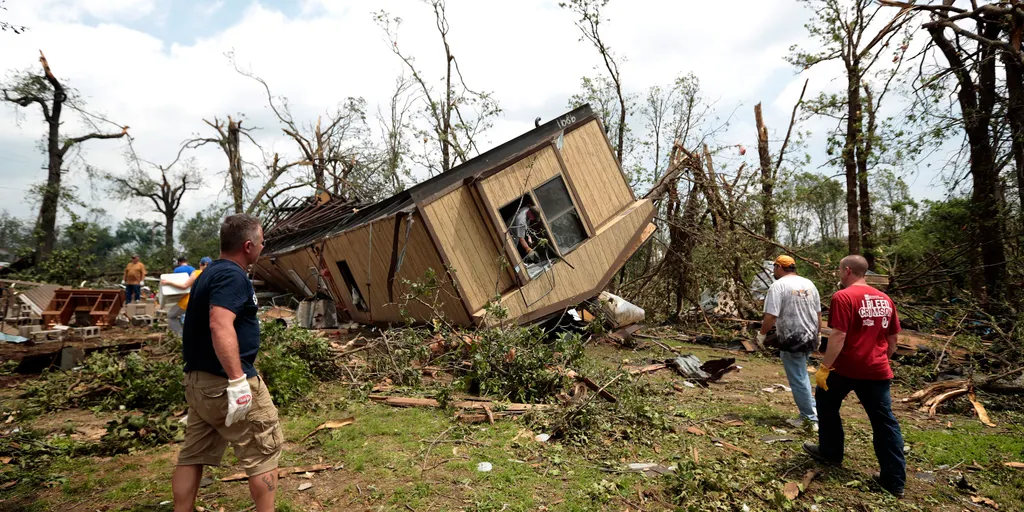
    Hurricanes are a constant concern for Florida residents, especially those in mobile homes. These storms bring powerful winds and heavy rains, posing risks to all types of structures. Mobile home safety during hurricanes depends on preparation, construction standards, and location.

    1. Understanding Hurricane Risks

    Hurricanes bring destructive winds that can reach speeds over 150 mph. These winds are hazardous for lightweight structures like mobile homes. Flying debris and flooding add to the risks during a hurricane.

    Due to its coastal geography, Florida faces regular hurricane threats. Mobile homes in exposed areas face greater danger from storm surges and wind gusts. Understanding these risks is key to improving safety measures.

    Mobile home safety during hurricanes

    2. Modern Mobile Home Standards

    Thanks to improved construction standards, modern mobile homes are safer than older models. In 1994, the U.S. Department of Housing and Urban Development (HUD) implemented stricter wind resistance requirements, which ensure new mobile homes can withstand stronger winds, especially in high-risk areas like Florida.

    Homes built after 1994 have reinforced walls, stronger roofs, and hurricane tie-down systems. These features improve safety compared to older mobile homes. Purchasing a newer mobile home increases protection during storms.

    3. Importance of Hurricane Tie-Downs

    Hurricane tie-downs secure mobile homes to the ground, reducing the risk of overturning during high winds. These systems use steel straps anchored deep into the ground. Properly installed tie-downs significantly improve mobile home stability.

    Regularly inspecting tie-down systems ensures they remain effective. Rust, loose straps, or damaged anchors weaken protection. Maintaining these systems is essential for safety during hurricanes.

    4. Location Matters

    Where a mobile home is significantly located impacts its safety during hurricanes. Homes near the coast face higher risks from storm surges. Inland areas are safer but still vulnerable to wind damage and flooding.

    Elevating a mobile home above flood levels provides additional protection. Communities with hurricane-ready infrastructure offer better safety measures. Choosing the right location reduces exposure to hurricane hazards.

    5. Evacuation Recommendations

    Evacuation orders are common for mobile home residents during hurricanes. Even with safety upgrades, mobile homes remain vulnerable to extreme weather. Evacuating to a designated shelter ensures safety when a storm approaches.

    Local authorities provide evacuation routes and shelter locations. Planning ahead makes evacuation smoother and less stressful, and following evacuation recommendations saves lives during severe storms.

    6. Preparing for a Hurricane

    Preparation increases mobile home safety during hurricanes. Secure loose outdoor items like furniture, grills, or tools to prevent them from becoming projectiles. Reinforce windows with storm shutters or plywood to protect against flying debris.

    Store emergency supplies, including water, non-perishable food, and first aid kits. Monitor weather updates and follow local advisories closely. A well-prepared mobile home is less likely to suffer severe damage.

    7. Mobile Home Age and Vulnerability

    Older mobile homes are more vulnerable to hurricane damage due to outdated construction. Homes built before 1994 often lack the wind resistance required for Florida’s storm-prone areas. Upgrading or replacing these homes improves safety.

    Many states offer grants or incentives to help mobile homeowners make upgrades. Retrofitting an older home with modern safety features enhances protection, and investing in newer homes or improvements significantly reduces risks.

    8. Community Safety Measures

    Mobile home communities often implement safety measures to protect residents during hurricanes. Some parks have designated storm shelters or reinforced clubhouses. These communal resources provide safer options for residents who cannot evacuate.

    Community management may also offer assistance with securing homes before storms. Residents benefit from shared resources and organized planning, and living in a well-prepared community enhances overall safety during hurricanes.

    9. Building Codes and Compliance

    Florida enforces strict building codes to improve safety in hurricane-prone areas. Mobile homes must meet HUD standards for wind resistance. Local codes may also require additional measures like anchoring systems and flood-resistant construction.

    Regular inspections ensure compliance with these regulations. Non-compliant homes face higher risks during hurricanes. Adhering to codes protects both lives and property in severe weather.

    10. Risks of Ignoring Safety Recommendations

    Ignoring safety recommendations increases the risk of injury or property damage during hurricanes. Homes without tie-downs or storm-resistant features are especially vulnerable. Even minor neglect, like failing to secure loose items, can have serious consequences.

    Many hurricane-related injuries occur when people fail to evacuate. Following expert advice minimizes risks during storms. Preparing properly ensures the safety of mobile home residents and their belongings.

    11. Role of Insurance

    Insurance provides financial protection for mobile homeowners in hurricane-prone areas. Standard policies may cover wind damage but not flooding. Adding flood insurance ensures full coverage for storm-related damages.

    Reviewing insurance policies before hurricane season ensures adequate protection. Some insurers offer discounts for safety upgrades like hurricane shutters or tie-downs. Proper insurance reduces financial burdens after a storm.

    12. Advances in Mobile Home Safety Technology

    New technologies improve mobile home safety during hurricanes. Reinforced building materials, advanced anchoring systems, and energy-efficient designs enhance storm resilience. Some homes now feature impact-resistant windows and reinforced doors.

    Manufacturers continually innovate to meet the demands of hurricane-prone regions. Investing in these advancements increases safety and peace of mind. Staying informed about new technologies helps mobile homeowners make intelligent decisions.

    13. Challenges for Mobile Home Residents

    Despite improvements, mobile homes remain more vulnerable to hurricanes than traditional houses. Lightweight structures are also at higher risk for wind damage, and recovery can be costly and time-consuming for residents.

    Limited access to safe shelters poses challenges for some mobile home communities. Addressing these issues requires better planning and community resources. Recognizing the challenges helps residents prepare more effectively.

    14. Importance of Community Awareness

    Community awareness plays a key role in mobile home safety. Sharing information about evacuation routes, shelters, and preparation tips helps everyone stay safe. Collaborative efforts improve readiness before a hurricane strikes.

    Neighborhood watch programs or safety meetings strengthen community resilience. Working together reduces risks for all residents. Awareness and communication make a significant difference during hurricane season.

    15. Government Support for Mobile Home Safety

    Government programs assist mobile homeowners in improving hurricane safety. Grants, subsidies, and tax incentives encourage upgrades like hurricane tie-downs or reinforced windows, helping residents afford necessary safety measures.

    State and local authorities also provide educational resources on hurricane preparation. Access to support programs improves community readiness, and leveraging government assistance enhances safety for mobile home residents.

    16. Myths About Mobile Homes in Hurricanes

    Many myths surround mobile homes and hurricanes, leading to misconceptions. Some believe all mobile homes are equally unsafe, regardless of age or location. In reality, modern mobile homes, with proper preparation, can withstand severe weather better than older models.

    Another myth is that evacuation guarantees property loss. Properly secured mobile homes often survive hurricanes with minimal damage. Dispelling myths encourages informed decisions and reduces unnecessary fear.

    17. Future of Mobile Homes in Hurricane Zones

    Mobile home manufacturers continue to innovate to improve safety in hurricane-prone areas. Advanced materials and smarter designs enhance resilience against extreme weather. Future regulations may further strengthen construction standards for mobile homes.

    Research on hurricane-resistant structures benefits mobile home communities. Emphasizing safety ensures these homes remain a viable housing option in Florida. The future holds promise for safer and more durable mobile homes.

    Conclusion

    Mobile homes in Florida face unique challenges during hurricanes but can be made safer with preparation and upgrades. Modern construction standards, tie-down systems, and community resources significantly enhance safety. Understanding the risks and taking proactive steps ensures the well-being of mobile home residents during storm season.


    See Also:


  • Cost of Living: Mobile Homes vs. Traditional Homes in Florida

    Housing costs in Florida continue to rise, leaving many people searching for affordable alternatives. Mobile homes offer a viable solution compared to traditional homes. Understanding the cost differences can help Floridians make informed financial decisions.

    1. Initial Purchase Price

    The initial purchase price of a mobile home is significantly lower than that of a traditional home. Depending on size and location, a mobile home costs $100,000 or less. Traditional homes in Florida can easily exceed $300,000, making them less accessible to many buyers.

    Mobile homes are especially appealing to first-time homebuyers and retirees. Lower upfront costs allow buyers to enter the housing market more efficiently. This affordability makes mobile homes a practical option for budget-conscious Floridians.

    mobile home cost florida

    2. Lot Costs and Fees

    Most mobile homes are placed on rented lots, which involve monthly fees. Lot rents in Florida typically range from $400 to $1,000. These fees cover land use and may include maintenance and community amenities.

    Traditional homeowners avoid lot rents but face higher property taxes and maintenance costs. Mobile home communities often provide shared facilities like pools, gyms, and clubhouses. These perks add value and reduce the need for external recreational expenses.

    3. Property Taxes

    Property taxes for mobile homes are generally much lower than those for traditional homes. Mobile homes classified as personal property incur lower tax rates. As real estate, traditional houses are taxed at higher rates based on assessed value.

    In Florida, mobile homeowners save thousands annually on property taxes. This tax advantage contributes to the overall affordability of mobile home living—lower taxes free up money for other essential expenses or savings.

    4. Insurance Costs

    Mobile home insurance costs vary but are often lower than traditional homeowners insurance. Florida’s location makes insurance essential due to hurricanes and storms. Mobile homes with hurricane tie-downs or reinforced structures qualify for discounted insurance rates.

    Traditional homes require comprehensive policies to cover high-value structures and contents. These policies cost more, especially in high-risk areas. Mobile home insurance offers a budget-friendly alternative while still providing adequate protection.

    5. Utility Costs

    Mobile homes are smaller and require less energy to heat or cool, resulting in lower utility bills compared to traditional homes. Modern mobile homes with energy-efficient upgrades further reduce electricity and water usage.

    Traditional homes with larger square footage often have higher heating, cooling, and lighting costs. Mobile homeowners benefit from Florida’s sunny climate by using solar energy for added savings. Lower utility bills enhance the financial advantages of mobile home living.

    6. Maintenance and Repair Expenses

    Maintenance costs for mobile homes are typically lower than for traditional homes. Due to the smaller structure, repairs for roofs, plumbing, and electrical systems cost less. Many homeowners can handle minor repairs themselves, saving on professional services.

    Traditional homes require more extensive maintenance and higher repair costs. Landscaping and exterior upkeep also add to expenses for more significant properties. Mobile home living reduces both time and money spent on home care.

    7. Financing Options

    Financing for mobile homes is more accessible and affordable for buyers with limited budgets. Loans for mobile homes usually have shorter terms and lower interest rates. Many lenders offer flexible options tailored to mobile home buyers.

    Traditional home mortgages often require larger down payments and longer loan terms. Higher debt burdens make traditional homeownership challenging for many Floridians. Mobile home financing provides a pathway to ownership with manageable financial commitments.

    8. Lifestyle Costs

    Mobile home communities often include pools, fitness centers, and social activities. These features reduce the need for costly memberships or recreational outings. Traditional homeowners must pay separately for similar benefits, adding to their overall costs.

    Community living fosters a sense of belonging and shared responsibility. This social aspect enhances the quality of life without significant expenses. For budget-conscious Floridians, mobile home communities offer affordable lifestyle perks.

    9. Mobility and Relocation Costs

    Mobile homes provide flexibility for those who may need to relocate. Moving a mobile home costs less than selling and purchasing a traditional home. Relocation fees range from $5,000 to $10,000, depending on distance and size.

    Traditional homes require extensive time and resources to sell, including agent fees and closing costs. Mobile homeowners can retain their property while exploring new opportunities. This flexibility reduces long-term financial stress and supports changing lifestyles.

    10. Longevity and Depreciation

    Mobile homes typically depreciate over time, unlike traditional homes, which are often appreciated. However, proper maintenance and upgrades can slow depreciation. Well-kept mobile homes in desirable locations may retain or increase their resale value.

    Due to their appreciation potential, traditional homes are seen as long-term investments. This makes them more attractive to buyers focused on building wealth. Mobile homes suit those prioritizing affordability and low ongoing costs over investment returns.

    11. Environmental Costs

    Mobile homes have a smaller environmental footprint compared to traditional homes. They require fewer materials to build and consume less energy to maintain. Many mobile homeowners adopt minimalist lifestyles, further reducing waste and resource use.

    Traditional homes require more energy and materials during construction and daily life. Mobile homes support eco-friendly living without sacrificing comfort, which appeals to Floridians seeking sustainable housing options.

    12. Safety and Weather Considerations

    Modern mobile homes include safety features like hurricane tie-downs and reinforced walls. These measures protect against Florida’s frequent storms and hurricanes. Upgrading safety features can lower insurance premiums and enhance peace of mind.

    While traditional homes are sturdier, they often require costly retrofitting in high-risk areas. Mobile homes with proper safety measures provide affordable protection against Florida’s extreme weather, making them a practical choice for budget-conscious residents.

    13. Resale Value

    Resale value varies significantly between mobile and traditional homes. Traditional homes often appreciate over time, offering long-term financial benefits. Though prone to depreciation, mobile homes can still command competitive prices if well-maintained.

    Location and market trends play critical roles in determining resale value. Mobile homes in popular communities with vital amenities tend to sell faster. Understanding these dynamics helps sellers maximize their returns.

    14. Emotional and Lifestyle Preferences

    Choosing between a mobile and a traditional home often depends on personal priorities. Some prefer the stability and investment potential of a traditional home, while others value the affordability and simplicity of mobile home living.

    Mobile homes suit those seeking a low-maintenance lifestyle without sacrificing comfort. Traditional homes appeal to those with long-term wealth-building goals. Evaluating personal needs helps Floridians make the best choice for their circumstances.

    15. Community and Social Benefits

    Mobile home parks foster close-knit communities with shared amenities and activities. This environment appeals to retirees, families, and first-time buyers seeking connection and support, while traditional neighborhoods may lack the same level of interaction.

    Community living offers financial and emotional benefits for mobile homeowners. Shared resources and collaborative living reduce overall costs. This social dynamic adds value to mobile home ownership in Florida.

    Conclusion

    Mobile homes and traditional homes each have unique costs and benefits for Floridians. Mobile homes offer affordability, flexibility, and lower ongoing expenses, while traditional homes provide investment potential and long-term stability.

    Understanding these cost differences helps Floridians choose housing that fits their budget and lifestyle. Whether prioritizing savings or long-term value, both options cater to different needs. Evaluating personal goals ensures a wise and satisfying housing decision.


    See Also:

  • Mobile Home Resale Value: How to Get the Most for Your Florida Home

    Selling a mobile home in Florida offers unique challenges and opportunities. Maximizing resale value requires careful planning and intelligent decisions. You can attract buyers and secure a great price with the right approach.

    1. Keep Your Home in Excellent Condition

    A well-maintained mobile home sells faster and for a higher price. Regularly inspect your home for repairs, especially in critical areas like the roof and plumbing. Address issues immediately to prevent them from worsening.

    Cleanliness also plays a significant role in resale value. Deep clean your home before listing it for sale. A spotless home leaves a positive impression on potential buyers.

    mobile home resale value florida

    2. Focus on Curb Appeal

    First impressions matter when selling a mobile home. Enhance curb appeal by cleaning the exterior, landscaping, and driveway. Fresh paint on siding or trim can instantly brighten your home’s appearance.

    Add small touches like potted plants, a welcome mat, or outdoor lighting. These details create a warm and inviting atmosphere, and a visually appealing home attracts more buyers’ interest.

    3. Upgrade Where It Counts

    Strategic upgrades can significantly boost your mobile home’s value. Replace outdated fixtures, upgrade kitchen appliances, or install energy-efficient features. Focus on changes that provide a high return on investment.

    Avoid overspending on unnecessary renovations. Keep upgrades simple and tailored to your target buyers’ needs. Modern and functional improvements make your home more appealing.

    4. Stage Your Home Effectively

    Staging helps buyers visualize themselves living in your home. Declutter every room to create a clean and spacious feel. Arrange furniture to maximize space and highlight your home’s best features.

    Use neutral colors and decor to appeal to a broad audience. Add cozy touches like fresh flowers or soft lighting. A well-staged home makes a lasting impression on potential buyers.

    5. Price Competitively

    Pricing your mobile home correctly is essential for a quick sale. Research the market to determine the average prices for similar homes in your area. When setting your price, consider factors like location, size, and amenities.

    Avoid overpricing, as it can deter buyers and prolong the selling process. Stay open to negotiation to attract serious offers. Competitive pricing shows you’re realistic and willing to work with buyers.

    6. Highlight Florida-Specific Benefits

    Emphasize features that make your mobile home ideal for Florida living. Mention proximity to beaches, parks, or popular attractions. Highlight energy-efficient air conditioning, hurricane tie-downs, or other weather-related upgrades.

    Florida’s sunny climate and outdoor lifestyle attract many buyers. Showcase any outdoor spaces, like patios or screened-in porches, as selling points. Tailoring your marketing to Florida’s lifestyle makes your home more desirable.

    7. Choose the Right Time to Sell

    Timing can impact your mobile home’s resale value. Spring and early summer are often the best times to sell in Florida. During these months, buyers are more active, and the market is competitive.

    Monitor local market trends to determine the best listing time. Avoid selling during hurricane season, as potential buyers may be wary. Timing your sale strategically can help you secure the best price.

    8. Provide Proper Documentation

    Buyers appreciate transparency when purchasing a mobile home. Prepare all necessary documents, including the title, inspection reports, and maintenance records. Proof of upgrades or repairs reassures buyers about your home’s condition.

    If available, include warranties for appliances or recent installations. Having documents ready speeds up the sale process and builds buyer confidence. The organization demonstrates professionalism and trustworthiness.

    9. Market Your Home Effectively

    Effective marketing increases your home’s visibility and attracts serious buyers. Use high-quality photos to showcase your mobile home’s interior and exterior. Write a detailed description highlighting key features and upgrades.

    List your home on popular real estate websites and social media platforms. Consider hosting open houses or virtual tours to reach a wider audience. Strong marketing efforts can lead to quicker and higher offers.

    10. Work with a Real Estate Agent

    A real estate agent with mobile home experience can simplify the selling process. They provide market insights, help set a competitive price, and handle negotiations. Their network of buyers and marketing expertise ensures your home gets noticed.

    Choose an agent familiar with Florida’s mobile home market. Ask for recommendations and check reviews before hiring. Professional assistance can make selling your home less stressful and more profitable.

    11. Highlight Community Perks

    Many mobile homes are located in communities with shared amenities. In your listing, mention features like pools, clubhouses, or fitness centers. Buyers value these perks and may pay more for access to them.

    Provide information about community fees, rules, and services. Emphasize benefits like security, social events, or convenient maintenance options. Highlighting community advantages makes your home more appealing.

    12. Appeal to Remote Workers

    The rise of remote work has changed what buyers look for in a home. Highlight any features that make your mobile home ideal for working from home, such as dedicated office spaces, strong internet connections, or quiet surroundings.

    Florida’s lifestyle appeals to remote workers seeking affordability and sunshine. Marketing your home as remote work-friendly expands your pool of potential buyers. This trend increases demand and boosts resale value.

    13. Address Common Buyer Concerns

    Mobile home buyers may have concerns about durability or financing. Be prepared to discuss measures like hurricane tie-downs or energy efficiency. Provide information about local lenders who specialize in mobile home financing.

    Being upfront about potential concerns builds trust with buyers. Addressing these issues early in the process reduces objections. A well-informed buyer feels more confident about purchasing your home.

    14. Stay Flexible During Negotiations

    Flexibility can help close the deal when negotiating with buyers. Be willing to negotiate on price, closing costs, or move-in timelines. Offering small concessions can encourage buyers to finalize the sale.

    Stay firm on your bottom line but open to reasonable compromises. Understanding buyer needs fosters goodwill and makes the process smoother. Flexibility shows you’re serious about selling.

    15. Know the Value of Location

    In real estate, location often determines value. Highlight how your mobile home’s location benefits potential buyers. Proximity to schools, healthcare, or shopping centers adds convenience.

    Emphasize features like quiet neighborhoods, scenic views, or easy highway access. A desirable location strengthens your mobile home’s appeal. Buyers often prioritize location, even for mobile homes.

    16. Offer Incentives

    Incentives can make your home stand out in a competitive market. Offer to cover closing costs, include furniture, or provide a home warranty. These extras can tip the scale for undecided buyers.

    Incentives don’t have to be costly to be effective. Highlighting small perks shows you’re committed to a smooth and appealing transaction, and buyers appreciate added value during their purchase.

    17. Understand the Market

    Understanding Florida’s mobile home market helps you set realistic expectations. Monitor trends, such as demand for specific home types or popular communities. Awareness of market conditions enables you to make informed decisions.

    Consult local experts or resources to stay updated on market shifts. Knowledge of the market ensures your strategy aligns with current buyer preferences. Selling successfully requires adapting to market dynamics.

    18. Be Patient

    Selling a mobile home can take time, especially in a competitive market. Stay patient and consistent with your marketing efforts. Respond promptly to inquiries and keep communication open with potential buyers.

    Avoid lowering your price prematurely out of frustration. Give your strategy time to work before making significant changes. Patience increases your chances of securing the best deal.

    Conclusion

    Maximizing the resale value of your Florida mobile home requires planning, preparation, and strategic decision-making. Focus on maintaining your home, effective marketing, and understanding buyer needs. With the right approach, you can achieve a successful and profitable sale.


    See Also:


Reset password

Enter your email address and we will send you a link to change your password.

Get started with your account

to save your favourite homes and more

Sign up with email

Get started with your account

to save your favourite homes and more

By clicking the «SIGN UP» button you agree to the Terms of Use and Privacy Policy
Powered by Estatik