Author: Raden Payas

  • Understanding Mobile Home Rent: A Complete Guide for New and Returning Renters

    Understanding Mobile Home Rent: A Complete Guide for New and Returning Renters

    Mobile home rent continues to attract attention from individuals and families looking for affordable living options. With rising housing costs, renting a mobile home offers flexibility, lower expenses, and a sense of community that many traditional housing options lack. This guide explains how mobile home rent works, what to expect, and tips for making the right rental choice.

    What Is Mobile Home Rent?

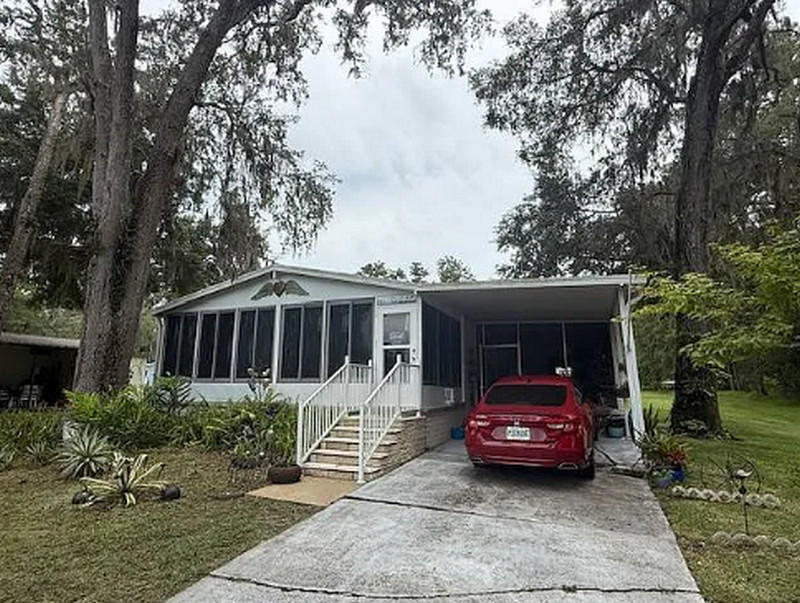
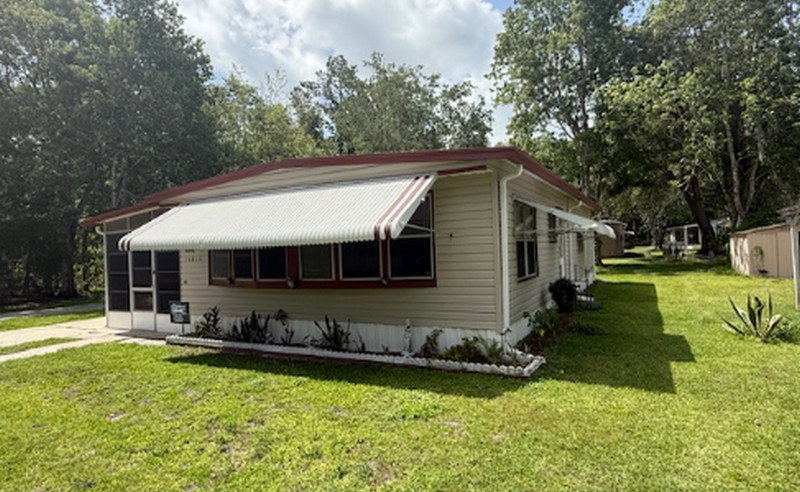
    Mobile home rent refers to the monthly payment made to lease a mobile home or a lot within a mobile home park. Some renters lease both the home and the land, while others pay only for the lot.

    Rent amounts vary depending on:

    • Location of the mobile home park
    • Size and condition of the home
    • Amenities included, such as water, trash, and security
    • Park facilities like pools, playgrounds, and clubhouses
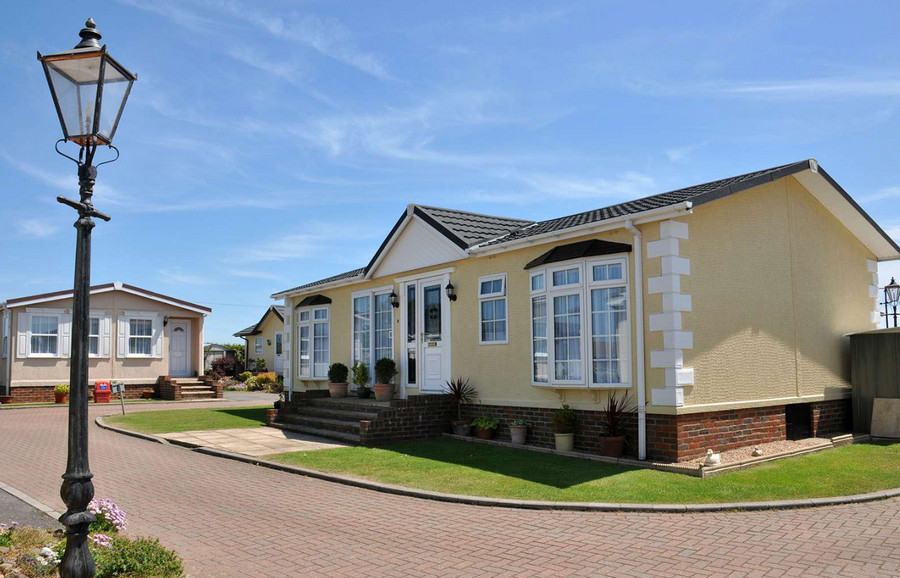
      Understanding Mobile Home Rent

    Understanding these costs helps renters plan better and avoid unexpected expenses.

    Why Choose Mobile Home Rent Over Buying

    Many people consider mobile home rent because it offers flexibility and lower upfront costs compared to buying. Renting may be ideal if you:

    • Need temporary housing without long-term commitments
    • Want to test living in a mobile home before buying one
    • Prefer avoiding property maintenance and repair costs
    • Need access to park amenities without owning property

    Renting makes sense for people who want financial control while enjoying a comfortable living space.

    Factors That Influence Mobile Home Rent

    Before signing a lease, renters should understand the elements that affect monthly costs. These factors often include:

    • Location: Homes near cities or beaches usually cost more.
    • Size of the home: Larger homes require higher rent.
    • Age and condition: Newer mobile homes tend to have higher rental prices.
    • Community amenities: Parks with added services like pools or security often raise rates.
    • Utilities and fees: Some parks include water, trash, or lawn care in the rent, while others do not.

    By reviewing these factors, renters can compare options and choose homes that match their budget.

    Benefits of Mobile Home Rent

    Renting a mobile home provides several advantages, making it attractive for individuals and families alike:

    • Lower monthly costs compared to traditional houses
    • Flexible lease terms for short- or long-term stays
    • Access to community features like playgrounds or recreation centers
    • Less responsibility for major maintenance or property repairs

    For many, these benefits make renting an appealing option before deciding on long-term housing plans.

    Tips for Finding the Right Mobile Home for Rent

    Finding the right mobile home rent deal requires research and preparation. Use these strategies to make better decisions:

    • Visit several parks to compare pricing and amenities
    • Check the lease for hidden fees or restrictions
    • Review maintenance responsibilities before signing
    • Confirm rules on pets, parking, and community policies
    • Speak with current residents to learn about their experiences

    Taking time to review options can prevent surprises and ensure a better rental experience.

    Common Costs Beyond Mobile Home Rent

    Monthly rent is just one part of the total cost of living in a mobile home. Other possible expenses include:

    • Security deposits or move-in fees
    • Utility bills like electricity, water, and gas
    • Waste collection or recycling fees
    • Optional services such as cable or internet

    These costs vary depending on the park and location, so renters should budget carefully before committing.

    Mobile Home Rent vs. Buying a Mobile Home

    Renting and buying each have unique advantages, but the right choice depends on your needs:

    Aspect Renting Buying
    Upfront Cost Lower deposits, no down payment Higher upfront costs
    Ownership No property ownership Full ownership
    Maintenance Often handled by landlord Owner handles repairs
    Flexibility Easier to relocate Harder to move
    Equity No equity build-up Builds property value

    For those not ready to commit to ownership, mobile home rent offers a practical alternative.

    Negotiating Mobile Home Rent

    Some mobile home parks allow negotiation on rent, especially in less competitive markets. Here are a few tips:

    • Compare prices across nearby parks before signing
    • Ask if any discounts are available for longer leases
    • Request clarification on included utilities and services
    • Consider parks with fewer amenities if you prefer lower rates

    Open communication with the landlord or park manager can help secure better rental terms.

    Frequently Asked Questions About Mobile Home Rent

    1. How much does mobile home rent usually cost?

    It varies by location, size, and amenities but typically ranges from $300 to $900 per month.

    2. Do I pay for utilities separately?

    In many parks, utilities like water, trash, and electricity are separate from monthly rent.

    3. Can I rent both the mobile home and the lot?

    Yes. Some parks offer complete packages, while others charge separately for the lot and the home.

    4. Are pets allowed in rental mobile homes?

    Pet policies vary by park. Always review the rules before signing a lease.

    5. What should I check before signing a rental agreement?

    Check the rent amount, included services, restrictions, and maintenance responsibilities.

    6. Can I negotiate mobile home rent prices?

    Yes, some landlords are open to negotiation, especially in competitive rental markets.

    7. Are mobile home rentals available in every state?

    Most states offer rental options, though costs and regulations differ widely.

    8. How long are typical mobile home rental leases?

    Lease terms vary but commonly range from six months to one year.

    9. Is renter’s insurance needed for mobile homes?

    While not always required, renter’s insurance offers protection for personal belongings.

    10. Can I sublet a rented mobile home?

    Some parks allow subletting, but approval from management is usually required.

    Final Thoughts

    Mobile home rent offers flexibility, affordability, and access to comfortable living spaces without the long-term financial commitment of buying. By understanding costs, reviewing lease details, and comparing options, renters can make informed choices that fit their lifestyle and budget.

  • Why Mobile Manufactured Homes Are a Smart Housing Choice

    Why Mobile Manufactured Homes Are a Smart Housing Choice

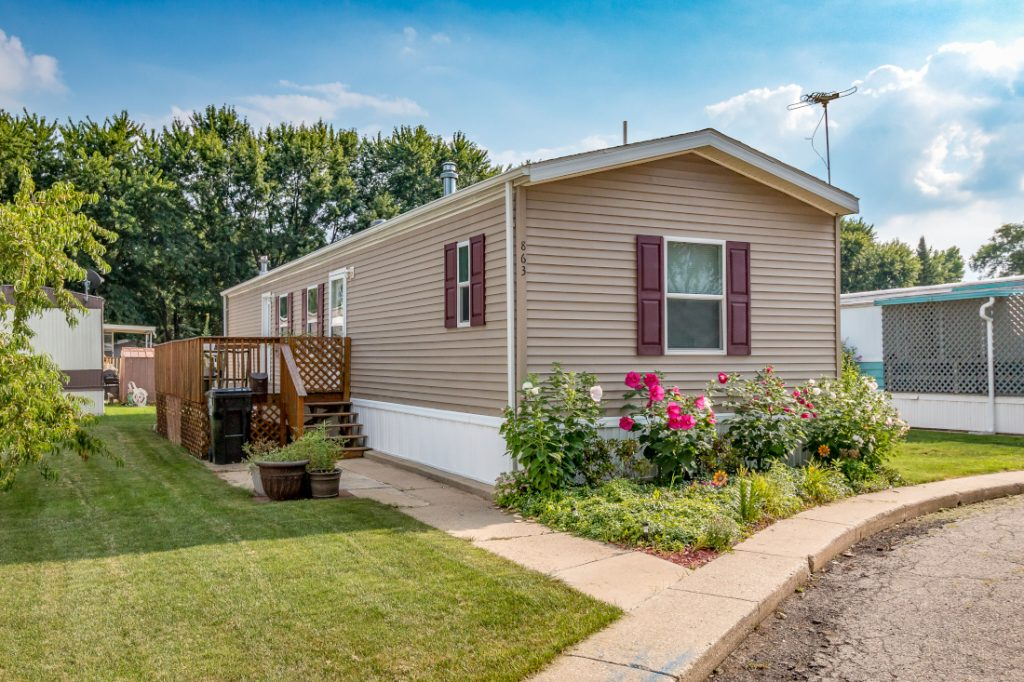
    Mobile manufactured homes offer an affordable and flexible option for individuals and families. These homes provide comfort and functionality without the high costs of traditional housing. With lower monthly expenses and easy maintenance, many buyers are turning to this option for long-term living.

    Living in these homes allows owners to enjoy comfort, space, and convenience while keeping expenses under control. Buyers also appreciate the flexibility and choices available when selecting layouts, features, and communities.

    What Makes Mobile Manufactured Homes Popular

    One reason people choose mobile manufactured homes is affordability. Buyers get more space and quality without a heavy financial burden. These homes often cost less than traditional houses while still providing the same essential comforts.

    Energy-efficient designs and updated construction materials make these homes durable and comfortable. They meet federal housing standards, giving buyers confidence in safety and quality. Families looking for cost savings often consider this housing choice an excellent fit.

    mobile manufactured homes

    Benefits of Living in Mobile Manufactured Homes

    Choosing these homes provides many advantages for different lifestyles. From lower living expenses to flexible location choices, the benefits are clear.

    Affordability

    Homebuyers enjoy reduced upfront costs compared to standard housing. This makes ownership achievable for more people.

    Lower Maintenance

    Construction techniques keep repairs simple and cost-effective. These homes are built for efficiency and lasting durability.

    Flexible Living Options

    Residents can live in private lots or managed communities. This flexibility allows homeowners to select locations that suit their needs.

    Access to Amenities

    Many communities provide features like:

    • Swimming pools
    • Fitness centers
    • Clubhouses
    • Social gathering areas 

    Choosing the Right Mobile Manufactured Home

    Selecting the perfect home depends on budget, location, and lifestyle. Buyers should consider floor plans, upgrades, and available amenities before making a decision. Communities vary in features, so understanding preferences helps narrow the options.

    Many owners choose homes within managed communities because they often include maintenance, security, and organized activities. This option is attractive for those who enjoy social living while maintaining privacy.

    Common Upgrades to Expect

    Modern mobile manufactured homes come with various upgrades that improve comfort and style. Buyers often find features like:

    • Open-concept layouts
    • Energy-efficient appliances
    • Updated flooring
    • Smart climate control systems 

    These upgrades make living in these homes both enjoyable and practical. The right features depend on personal preferences and lifestyle needs.

    Why Location Matters

    Where the home is placed affects comfort, convenience, and long-term satisfaction. Buyers often prefer communities near shopping, dining, healthcare, and entertainment options. For some, proximity to beaches, parks, or schools adds more value.

    Managed communities typically provide shared amenities and structured environments. Others may choose private lots for more independence and space.

    Financing Options for Buyers

    Financing mobile manufactured homes is often more flexible than many expect. Some buyers pay in full, while others secure loans designed specifically for these properties. Lenders provide different programs, and many communities assist buyers by guiding them toward suitable financing solutions.

    Working with a qualified dealer simplifies the process. Buyers can understand costs clearly and choose financing that fits their budgets.

    Maintenance Tips for Homeowners

    Proper maintenance keeps these homes comfortable and long-lasting. Simple tasks can prevent bigger repairs in the future:

    • Check roofing and siding regularly
    • Clean gutters to avoid water damage
    • Service heating and cooling systems
    • Inspect plumbing for leaks 

    Consistent care improves safety and protects long-term value.

    Frequently Asked Questions

    1. What is a mobile manufactured home?

    It is a factory-built home designed for long-term living and transported to a chosen site.

    2. Are these homes safe and durable?

    Yes, they follow federal housing standards for construction, safety, and energy efficiency.

    3. How long can a mobile manufactured home last?

    With proper care, many last over 30 years or more.

    4. Can I finance a mobile manufactured home?

    Yes, lenders provide financing options specifically designed for these properties.

    5. Do these homes come with modern features?

    Many newer models include updated kitchens, open layouts, and energy-efficient appliances.

    6. Can I move my home to another location?

    Yes, but moving requires professional help and proper permits.

    7. Are mobile manufactured homes only in communities?

    No, they can be placed on private lots or inside managed neighborhoods.

    8. What are typical amenities in these communities?

    Common features include pools, gyms, clubhouses, and social gathering spaces.

    9. Do these homes hold their value?

    Well-maintained homes can keep value, especially in desirable locations.

    10. Where can I find mobile manufactured homes for sale?

    You can browse listings at The Mobile Home Dealer for available options.

    Final Thoughts

    Mobile manufactured homes provide affordability, flexibility, and comfort in one package. Buyers enjoy lower costs, customizable options, and community-focused living. With proper planning, these homes can offer long-term satisfaction and a lifestyle suited to different needs.

  • Manufactured Home Cost in Florida: What Buyers Should Know

    Manufactured Home Cost in Florida: What Buyers Should Know

    Manufactured home cost in Florida is a key factor for anyone considering mobile home ownership. Buyers often want affordable housing, and Florida offers a wide range of choices. With different sizes, features, and communities, prices vary depending on several conditions. Understanding these factors helps buyers plan better and avoid surprises.

    Manufactured Home Cost in Florida: Basic Price Range

    Manufactured homes remain one of the most affordable housing options across the state. Prices typically range from $40,000 for smaller units to over $150,000 for larger ones. Many homes are placed in active 55+ communities, while others sit on private lots.

    Some buyers choose new homes with modern features, while others purchase pre-owned units. The difference in cost between new and used homes can be large. Newer homes often include energy-efficient windows, updated kitchens, and stylish flooring. Pre-owned homes may require updates, but they usually cost less upfront.

    Key factors that affect cost include:

    • Size and floor plan
    • Age of the home
    • Location within Florida
    • Community amenities
    • Lot rental fees

    Why Location Matters in Pricing

    Where the home is placed often has the biggest impact on price. Popular coastal cities usually have higher costs. Inland towns or rural counties often provide more affordable choices. Communities near beaches or large cities may charge higher lot rents.

    For example, a home in Tampa Bay or Miami could cost more than one in Ocala or Brooksville. Buyers should compare options across regions. Lot rent may range from $300 to over $1,000 monthly. This fee often includes community maintenance and shared amenities.

    Features That Influence Home Prices

    Manufactured homes come with many design choices. Each feature affects the final price. Buyers should know which upgrades add value and which are more cosmetic.

    Common features that impact cost include:

    • Number of bedrooms and bathrooms
    • Kitchen layout and appliance quality
    • Type of siding and roofing
    • Energy-efficient upgrades
    • Porch, carport, or sunroom additions

    Larger double-wide or triple-wide homes cost more than single-wide models. Homes with open layouts and luxury finishes also carry higher price tags.

    Buying New vs. Pre-Owned Homes

    New manufactured homes appeal to buyers who want modern features and fewer repair concerns. Pre-owned homes attract buyers who prefer lower upfront costs. Each choice comes with pros and cons.

    New homes:

    • Higher purchase cost
    • Modern finishes and appliances
    • Builder warranties included
    • Move-in ready condition

    Pre-owned homes:

    • Lower initial cost
    • May require repairs or updates
    • Wider range of community choices
    • Often located in established neighborhoods

    Lot Rent and Monthly Expenses

    Many manufactured homes in Florida sit in land-lease communities. Buyers own the home but rent the lot. Lot rent varies based on community location and amenities. This cost adds to monthly expenses and should be considered in budgeting.

    Besides rent, owners also pay for:

    • Utilities
    • Insurance
    • Maintenance costs
    • Association fees, if required

    Communities with clubhouses, pools, and organized events usually charge higher fees. Buyers should ask what is included before signing an agreement.

    Insurance and Taxes

    Insurance plays an important role in home ownership. Florida has unique risks like hurricanes and floods. Manufactured home insurance policies often cost more in coastal areas. Buyers should compare quotes to find the best coverage.

    Property taxes also vary by county. Homes on private land may have higher taxes compared to homes in lease communities. Understanding these expenses helps buyers prepare for long-term ownership.

    Long-Term Value of Manufactured Homes

    Manufactured homes can hold value when maintained well. Upgrades and good upkeep improve resale potential. Buyers looking for long-term use should invest in proper maintenance. Communities with strong reputations may also help protect value.

    Some buyers see manufactured homes as retirement housing. Others use them as seasonal vacation properties. In both cases, Florida offers flexibility in lifestyle and cost.

    FAQ About Manufactured Home Cost in Florida

    1. What is the average manufactured home cost in Florida?

    The average cost ranges from $70,000 to $120,000 depending on size and location.

    2. Are manufactured homes cheaper than traditional houses in Florida?

    Yes, they often cost less than single-family homes, making them attractive for budget-conscious buyers.

    3. Does lot rent affect the total cost of living?

    Yes, lot rent can add $300 to $1,000 monthly depending on the community.

    4. Do new manufactured homes cost much more than used ones?

    Yes, new homes generally cost more but include modern features and warranties.

    5. How do location and county impact pricing?

    Homes near coastal cities or popular towns often cost more than those inland.

    6. Do manufactured homes in Florida require special insurance?

    Yes, policies often include hurricane and flood coverage, especially near the coast.

    7. Can manufactured homes increase in value?

    They may hold value if well maintained and located in desirable communities.

    8. What size homes cost the most?

    Double-wide and triple-wide models with upgrades cost the most.

    9. Are there hidden fees buyers should know about?

    Yes, lot rent, HOA fees, and maintenance costs may apply.

    10. Is financing available for manufactured homes?

    Yes, many lenders offer financing, though terms vary by age and condition of the home.

    Final Thoughts

    Manufactured home cost in Florida depends on location, size, features, and monthly expenses. Buyers should consider lot rent, insurance, and taxes in their total budget. With many choices across the state, Florida offers opportunities for affordable housing in both coastal and inland areas.

  • How to Buy a Mobile Home for the First-Time: A Complete Guide

    How to Buy a Mobile Home for the First-Time: A Complete Guide

    Buying a mobile home can be exciting, but knowing how to buy a mobile home for the first-time requires planning. Many first-time buyers want clear steps, simple guidance, and practical tips to make the process smooth. This article explains everything you need to know before making that purchase.

    Why Mobile Homes Appeal to First-Time Buyers

    Mobile homes offer affordability, flexibility, and comfort. Many people in Florida choose them as a smart housing option. If you are new to buying, these benefits stand out:

    • Lower purchase price compared to traditional houses
    • Faster move-in process
    • Lower property taxes and monthly costs
    • Communities with amenities like pools, clubhouses, and events

    For buyers in St. Petersburg, Bradenton, and nearby cities, mobile homes create an easier entry point into homeownership.

    How to Buy a Mobile Home for the First

    Steps on How to Buy a Mobile Home for the First-Time

    Learning how to buy a mobile home for the first-time begins with planning. Following clear steps will help you avoid mistakes and feel more confident in your choice.

    Step 1: Decide on Budget

    Decide how much you can spend. Look at down payments, monthly housing costs, and potential community fees.

    Step 2: Choose a Location

    Select a city or community that matches your lifestyle. Some parks focus on retirees, while others welcome families.

    Step 3: Explore Financing Options

    Financing for mobile homes is different. Some buyers use personal loans, chattel loans, or FHA loans.

    Step 4: Work With a Licensed Dealer

    Dealers such as The Mobile Home Dealer help connect buyers and sellers. They handle marketing, contracts, and negotiations.

    Step 5: Inspect Before Buying

    Always schedule an inspection. Check plumbing, electrical systems, roofing, and flooring. Repairs can add up fast if ignored.

    Common Financing Choices

    Financing is one of the main challenges for first-time buyers. Options may vary based on home type and land status.

    • Chattel Loans: Common for homes on leased land
    • FHA Loans: Useful for qualified buyers and specific property types
    • Personal Loans: Flexible but may carry higher interest rates
    • Cash Purchase: Best for buyers wanting fast transactions

    Benefits of Working With a Dealer

    Working with an experienced dealer saves time. Dealers provide:

    • Access to multiple listings across Florida
    • Marketing and contract support
    • Guidance on inspections and closing
    • Assistance with negotiations

    With professional help, the process feels less stressful.

    Mistakes to Avoid

    First-time buyers sometimes make errors that cause problems later. Watch for these:

    • Not budgeting for lot rent and utilities
    • Skipping inspections
    • Buying without checking community rules
    • Ignoring financing terms

    Maintenance Planning for First-Time Owners

    Owning a mobile home requires routine care. Set aside time for these tasks:

    • Inspect roofing twice a year
    • Clean gutters after storms
    • Maintain HVAC systems
    • Seal windows and doors for energy savings

    Consistent upkeep protects your investment.

    Tips for a Smooth Buying Experience

    Follow these tips for a better purchase process:

    • Research communities before visiting
    • Compare different financing options
    • Work with licensed agents
    • Ask about resale value
    • Keep extra funds for closing costs

    FAQs About Buying a Mobile Home for the First-Time

    1. Do I need perfect credit to buy a mobile home?

    No, many lenders offer programs for buyers with average credit.

    2. Can I finance a mobile home in a leased land community?

    Yes, but most lenders use chattel loans for homes on leased land.

    3. What documents do I need to start the buying process?

    You’ll need identification, proof of income, and bank statements.

    4. How long does it take to close on a mobile home?

    Closing can take two to four weeks depending on financing.

    5. Should I get an inspection before buying?

    Yes, inspections help identify issues before closing.

    6. Are mobile homes safe during storms?

    Modern homes follow federal safety codes, making them stronger than older models.

    7. Do mobile homes appreciate in value?

    Some maintain value well, especially in desirable communities.

    8. Can I customize a mobile home after buying?

    Yes, many owners update flooring, roofing, or siding.

    9. What monthly costs should I expect?

    Costs may include lot rent, insurance, utilities, and maintenance.

    10. Do I need a realtor to buy a mobile home?

    Not always. Licensed mobile home dealers can handle the full process.

    Conclusion

    Learning how to buy a mobile home for the first-time does not need to feel complicated. By setting a budget, choosing the right community, and working with licensed professionals, you can make a confident decision. With the right planning, your first mobile home can provide comfort, savings, and a place to truly call your own.

  • Affordable Options for Used Mobile Trailer Homes for Sale

    Affordable Options for Used Mobile Trailer Homes for Sale

    Used mobile trailer homes for sale give buyers a chance to own a home without high costs. They are popular among people who want flexible living options. Many buyers like the lower purchase price and faster move-in process. These homes can suit first-time owners, retirees, or anyone looking for a simple housing solution.

    Why People Choose Mobile Trailer Homes

    Many buyers prefer mobile trailer homes for their cost savings. They often cost less than traditional houses. Buyers also enjoy the ability to relocate if needed.

    Other benefits include:

    • Lower utility costs compared to standard houses
    • Shorter construction or delivery time
    • Easier maintenance and repairs
    • Availability in various sizes and layouts

    These homes work well for people seeking practical living without high expenses.

    Tips for Finding the Right Used Mobile Trailer Homes for Sale

    When shopping, check the overall condition of the home. Look for signs of water damage or structural issues. Ask for maintenance records if available.

    It helps to:

    • Visit several listings before deciding
    • Compare prices across different sellers
    • Inspect the home in person
    • Check the title and ownership history

    A careful review can prevent costly mistakes.

     Mobile Trailer Homes for Sale

    Benefits of Buying Used Over New

    Buying used can save thousands of dollars. A new mobile trailer home may lose value quickly. Used homes have already gone through the highest depreciation phase.

    They also allow buyers to:

    • Move in faster without waiting for construction
    • Purchase in established communities
    • Choose from a wide variety of styles and layouts

    How Location Affects Your Purchase

    The location of a mobile trailer home impacts its long-term value. Homes in desirable parks or communities often sell faster. Access to services like schools, shops, and healthcare adds convenience.

    Look for:

    • Well-maintained roads and surroundings
    • Safety and security of the area
    • Access to utilities and internet service
    • Rules and regulations of the park

    Common Mistakes to Avoid When Buying

    Some buyers rush the process. Skipping inspections can lead to major problems later. Always review the roof, flooring, plumbing, and electrical systems.

    Other mistakes include:

    • Overlooking park fees and rules
    • Ignoring transportation and setup costs
    • Forgetting to check zoning or land use laws
    • Not verifying legal ownership

    How to Negotiate the Price

    Negotiating can save you money. Research the market value of similar homes before making an offer. Sellers may be open to reducing the price if the home needs repairs.

    Prepare by:

    • Bringing a list of comparable sales
    • Pointing out needed repairs during discussions
    • Offering a fair but lower starting price
    • Being ready to walk away if the deal is not right

    Preparing for Move-In

    Once you buy, prepare the site for the home. Check utilities and services before moving in. Make sure the structure is level and anchored.

    Other steps include:

    • Cleaning and repairing before furniture delivery
    • Setting up insurance coverage
    • Reviewing park or community rules
    • Installing safety devices like smoke alarms

    Financing Options

    Financing for used mobile trailer homes can vary. Some lenders require the home to be on a permanent foundation. Others offer personal property loans.

    Options may include:

    • Chattel loans for homes without land
    • Mortgage loans if the home is attached to owned land
    • Personal loans for smaller amounts
    • Seller financing arrangements

    Maintenance Tips for Long-Term Value

    Regular care helps keep your home in good condition. Keep the roof sealed and inspect for leaks. Maintain heating and cooling systems for efficiency.

    Good practices include:

    • Checking plumbing for leaks
    • Cleaning gutters and drainage areas
    • Treating for pests if needed
    • Painting or sealing exterior surfaces

    FAQ: Used Mobile Trailer Homes for Sale

    1. What is the average price of a used mobile trailer home?

    Prices vary by size, age, and location. They can range from $10,000 to $50,000.

    2. Do I need land to buy a used mobile trailer home?

    No. Many buyers place homes in mobile home parks with rented lots.

    3. How can I check if a mobile trailer home is in good condition?

    Inspect the roof, floors, plumbing, and electrical systems before buying.

    4. Can I move a used mobile trailer home to a new location?

    Yes, but moving costs can be high. Get quotes before deciding.

    5. Are there financing options for used mobile trailer homes?

    Yes. Options include chattel loans, mortgages, or seller financing.

    6. Do used mobile trailer homes depreciate in value?

    They often depreciate, but location and condition can help maintain value.

    7. How long does a mobile trailer home last?

    With good maintenance, many last 30 to 50 years.

    8. Are there hidden costs to owning a mobile trailer home?

    Yes. Consider park fees, maintenance, and utility costs.

    9. Can I remodel a used mobile trailer home?

    Yes. Many owners update interiors, replace appliances, or add decks.

    10. Is insurance required for a used mobile trailer home?

    It is highly recommended. Some parks may require proof of coverage.

    Final Thoughts

    Used mobile trailer homes for sale can be a smart choice for budget-conscious buyers. They offer affordability, flexibility, and quick move-in opportunities. By inspecting carefully, comparing prices, and choosing the right location, you can find a home that meets your needs for years to come.

  • FHA Loan and Manufactured Home: Your Guide to Affordable Housing Options

    FHA Loan and Manufactured Home: Your Guide to Affordable Housing Options

    Understanding an FHA Loan and Manufactured Home

    An FHA loan and manufactured home combination can make homeownership more accessible. The FHA program helps buyers with lower credit or smaller down payments. Manufactured homes offer affordable housing without sacrificing comfort. Together, they create a realistic path to owning property.

    The FHA program is backed by the Federal Housing Administration. Lenders can approve buyers with less strict requirements. This support gives more people the chance to purchase a home.

    Manufactured homes are built in a factory and placed on a permanent or semi-permanent site. They meet strict federal building standards. Buyers often find them a cost-effective alternative to traditional houses.

    Why Choose an FHA Loan for a Manufactured Home

    Choosing an FHA loan and manufactured home offers several benefits.

    • Lower down payment options
    • Flexible credit requirements
    • Longer loan terms for easier payments
    • Government-backed security for lenders

    The FHA program allows down payments as low as 3.5%. Many buyers find this easier than saving 20% for a conventional loan. Credit requirements are also more relaxed. This helps buyers who might be denied by traditional lenders.

    Understanding an FHA Loan and Manufactured Home

    FHA Loan Eligibility for Manufactured Homes

    To use an FHA loan and manufactured home, you must meet certain rules.

    • The home must meet HUD building standards
    • It must be your primary residence
    • The home must be on an approved foundation
    • You must work with an FHA-approved lender

    The home’s age matters. Most lenders require the home to be built after June 15, 1976. This date marks the start of stricter federal construction standards. Homes built earlier often do not qualify for FHA financing.

    Financing a Manufactured Home with an FHA Loan

    Financing through an FHA loan and manufactured home program can be done in two main ways.

    • FHA Title I Loan: For homes not permanently attached to land. Can finance home purchase, lot lease, or both.

    • FHA Title II Loan: For homes on a permanent foundation. The loan covers both the home and the land.

    Buyers often choose Title II if they plan to own the land. Title I is an option for those leasing space in a manufactured home community.

    Steps to Apply for an FHA Loan for a Manufactured Home

    Applying for an FHA loan is straightforward. Here’s a simple guide:

    1. Check your credit score and income.
    2. Choose an FHA-approved lender.
    3. Find a manufactured home that meets FHA guidelines.
    4. Provide proof of employment and income.
    5. Complete the lender’s application process.

    A loan officer will review your details and guide you through approval. The process is often faster than a conventional mortgage because FHA guidelines are well-defined.

    Benefits of Combining FHA Loan and Manufactured Home

    Using an FHA loan and manufactured home offers these advantages:

    • Affordable monthly payments
    • Lower entry cost into homeownership
    • Access to quality homes built to federal standards
    • Flexibility in location and home style

    Buyers can live in a private lot or in a community. Many manufactured homes today offer modern layouts and energy-efficient designs.

    Common Misconceptions About FHA Loans and Manufactured Homes

    Some buyers believe manufactured homes do not qualify for FHA loans. This is untrue. As long as the home meets the guidelines, financing is possible.

    Another myth is that manufactured homes lose value quickly. While some do, homes on owned land often appreciate over time. Proper maintenance helps retain value.

    Tips for Success in Buying a Manufactured Home with an FHA Loan

    Here are ways to improve your buying experience:

    • Work with experienced lenders in manufactured home financing
    • Inspect the home for quality and compliance before purchase
    • Understand loan terms and repayment schedules
    • Choose a location that meets zoning and FHA requirements

    Planning ahead avoids delays in approval and closing.

    FHA Loan and Manufactured Home: FAQs

    What is an FHA loan?

    An FHA loan is a mortgage backed by the Federal Housing Administration.

    Can I buy a manufactured home with an FHA loan?

    Yes, if the home meets FHA requirements.

    What credit score do I need?

    Most lenders require at least 580 for the lowest down payment.

    Do I have to own the land?

    Not always. FHA Title I loans can finance homes on leased land.

    Can I use an FHA loan for a used manufactured home?

    Yes, if the home meets all FHA standards and was built after June 15, 1976.

    How long can I finance a manufactured home?

    Loan terms can be up to 30 years, depending on the loan type.

    Will my manufactured home lose value?

    Not always. Homes on owned land often maintain or increase value.

    Are there limits on loan amounts?

    Yes, FHA sets maximum loan limits that vary by location.

    What is the difference between Title I and Title II loans?

    Title I is for homes not on permanent foundations, while Title II includes land and home.

    How do I start the process?

    Find an FHA-approved lender and apply with your financial details.

    Final Thoughts

    An FHA loan and manufactured home can be the perfect match for budget-conscious buyers. This option makes ownership more reachable for people who might not qualify for traditional loans. With lower down payments, flexible credit terms, and a wide range of home choices, it’s a smart path for many first-time and returning buyers.

  • What You Need to Know Before a Mobile Home Purchase

    What You Need to Know Before a Mobile Home Purchase

    A mobile home purchase is a smart move for buyers looking for affordable and flexible living. Whether you’re retiring, downsizing, or just getting started, mobile homes offer comfort without the large price tag of traditional housing.

    Still, buying one requires careful thought. You need to understand what you’re getting into, how the process works, and what to look out for. Below, we break it down in clear, simple terms so you can make your next move with confidence.

    Why People Choose Mobile Homes

    More Americans now consider mobile homes a real housing option. Prices for site-built homes continue to rise, and many are priced out of the market. That’s where mobile homes come in.

    Mobile homes provide:

    • Lower upfront cost
    • Faster move-in timelines
    • Lower property taxes
    • Easier maintenance

    These homes are also great for retirement communities or people wanting less house to manage. Because of this, more people make a mobile home purchase each year.

    mobile home purchase

    Is a Mobile Home Right for You?

    Before buying, ask yourself:

    • Do you want to live in a community or on private land?
    • What size home fits your lifestyle?
    • Do you prefer a new home or a resale?
    • How much space do you need?

    If you want lower costs and flexibility, this could be the right path. Just make sure you understand the process, which can differ from a site-built home.

    How to Start Your Mobile Home Purchase

    Start by figuring out your budget. Know how much you can afford before looking. Then decide if you want a new or used mobile home.

    Here’s a basic step-by-step:

    1. Set a budget
    2. Check financing options
    3. Choose new or used
    4. Find a dealer or owner to buy from
    5. Inspect the home
    6. Close the deal and plan your move

    You don’t need to rush. Take time to compare options and ask questions.

    Understanding Mobile Home Types

    Not all mobile homes are the same. You’ll find three basic types:

    • Single-wide: Narrow and compact, easy to place and move
    • Double-wide: Wider with more space, ideal for families
    • Triple-wide: Largest option, often as spacious as a traditional house

    Think about your long-term plans. If you might expand your family or work from home, more space might help. If you travel often or want to move later, smaller may be better.

    Mobile Home Purchase vs Traditional Home Buying

    The mobile home purchase process is quicker and has fewer steps. But it also comes with differences you should know:

    ✅ Mobile homes may not include land
    ✅ You may rent space in a park
    ✅ Some lenders won’t finance older models
    ✅ Mobile homes depreciate faster than site-built homes

    This doesn’t make them a bad choice. It just means you should plan ahead and stay informed.

    How to Finance a Mobile Home Purchase

    Financing can work in a few different ways. Some buyers pay in cash, but many still need loans.

    Here are common financing options:

    • Personal loans
    • Chattel loans (for the home only)
    • FHA loans (for newer models on owned land)
    • VA loans (for veterans, certain limits apply)

    Some lenders require higher credit scores. Others ask for proof the home meets HUD standards. Be prepared with your documents and ask lenders what they require.

    Common Mistakes to Avoid

    Mobile home buyers sometimes make easy-to-avoid mistakes. Here’s how to steer clear:

    • Don’t skip inspections. Hidden issues can cost you later.
    • Don’t forget about park rules. Some communities have strict rules.
    • Don’t overpay. Compare prices before agreeing.
    • Don’t ignore resale value. Some models sell faster than others.

    Check the home’s title, age, condition, and any fees tied to the park or property. Always read everything before you sign.

    Where to Buy a Mobile Home

    You can buy from several sources:

    • Dealers
    • Direct from the owner
    • Through a real estate agent
    • Online marketplaces

    Each option has pros and cons. Dealers offer warranties and services, but prices can be higher. Owners may give better deals, but there’s more risk.

    Always check reviews or ask for references before choosing a seller.

    What to Look for During Home Tours

    While walking through a mobile home, look at:

    • Roof condition
    • Floor level and softness
    • Wall cracks or signs of leaks
    • Window condition
    • Water heater and plumbing

    Bring a checklist with you. If something seems off, ask questions. Don’t be afraid to walk away if a home has too many red flags.

    What Happens After the Purchase

    Once your mobile home purchase is complete, it’s time to move in or set up the home on your lot. If the home needs to be moved, hire a licensed mover. Make sure utilities are connected properly.

    Also:

    • Register the title with your local authority
    • Keep a copy of the bill of sale
    • Inform your insurance provider

    That’s it—you’re ready to enjoy your new space.

    Frequently Asked Questions

    What is a mobile home purchase?

    A mobile home purchase means buying a factory-built home that is movable and often placed in a park or on private land.

    Do I need to own land to buy a mobile home?

    No. Many buyers rent a lot in a mobile home park instead of buying land.

    Can I finance a used mobile home?

    Yes, but some lenders may have restrictions based on the age or condition of the home.

    How long do mobile homes last?

    With good maintenance, they can last 30 to 55 years or more.

    What are park fees?

    These are monthly fees you pay for renting a space in a mobile home community. They may include utilities.

    Can I remodel a mobile home?

    Yes, but some parks or lenders may have rules about structural changes.

    Do mobile homes come with warranties?

    New homes often include warranties. Used homes typically do not.

    Is insurance required?

    Yes. Most states and parks require proof of mobile home insurance.

    Do mobile homes increase in value?

    Most depreciate over time, but well-kept homes in good locations may hold value better.

    What’s the difference between a manufactured and mobile home?

    Technically, homes built after June 15, 1976, are called manufactured homes. Older ones are mobile homes.

    Final Thoughts

    A mobile home purchase offers a real way to own without overpaying. It’s fast, flexible, and affordable—if you plan well. Know your budget, check the home’s condition, and ask questions before buying.

    Whether you’re downsizing or just starting out, this option could be the right fit. With fewer steps than traditional home buying, you can get settled sooner and enjoy the perks of mobile living.

  • Finding the Right Mobile Home Lenders for Your Dream Home Purchase

    Finding the Right Mobile Home Lenders for Your Dream Home Purchase

    Mobile home lenders play a key role in helping families achieve homeownership dreams across America. Meanwhile, finding the right financing partner can make the difference between approval and rejection. The mobile home market offers unique opportunities for buyers seeking affordable housing options.

    Understanding Mobile Home Financing Options

    Traditional banks often treat manufactured homes differently than site-built properties. Consequently, specialized mobile home lenders have emerged to serve this market better. These lenders understand the unique aspects of manufactured housing financing.

    Personal property loans are common for mobile homes not permanently attached to land. Conversely, real estate mortgages apply when the home sits on owned land with a permanent foundation. Each option comes with different terms and requirements.

    Interest rates for mobile home loans typically run higher than conventional mortgages. However, down payment requirements are often more flexible. Some mobile home lenders offer programs with as little as 5% down payment.

    Discover top mobile home lenders offering competitive rates and flexible terms. Get expert tips for securing financing today.

    Top Types of Mobile Home Lenders

    Specialized Manufactured Housing Lenders These companies focus exclusively on mobile and manufactured home financing. They offer:

    • Streamlined application processes designed for mobile homes
    • Competitive rates for qualified borrowers
    • Flexible credit requirements compared to traditional banks
    • Quick approval timelines, often within days

    Credit Unions Member-owned financial institutions frequently provide excellent mobile home financing. Benefits include:

    • Lower interest rates for members
    • Personalized service and local decision-making
    • Flexible underwriting guidelines
    • Strong community connections and support

    Online Lenders Digital-first companies have revolutionized mobile home financing. These platforms offer:

    • Fast online applications with instant pre-qualification
    • Competitive rates through reduced overhead costs
    • 24/7 customer service and support
    • Transparent fee structures and terms

    Community Banks Local banks often provide personal attention for mobile home buyers. Advantages include:

    • Face-to-face service and relationship building
    • Local market knowledge and experience
    • Flexible terms based on individual circumstances
    • Support throughout the entire loan process

    Key Requirements for Mobile Home Financing

    Credit scores play a major role in loan approval and interest rates. Most mobile home lenders require minimum scores between 580-620. Higher scores unlock better rates and terms.

    Income verification remains standard across all lenders. Borrowers must demonstrate stable employment history and sufficient income. Debt-to-income ratios should typically stay below 43% for approval.

    Down payment requirements vary by lender and loan type. Personal property loans may require 10-20% down. Real estate mortgages often accept lower down payments with mortgage insurance.

    The mobile home’s age and condition affect financing options significantly. Newer homes generally qualify for better terms. Homes over 20 years old may face limited financing choices.

    Steps to Find the Best Mobile Home Lenders

    Start by researching multiple lenders to compare rates and terms. Online comparison tools make this process easier and faster. Get quotes from at least three different lenders.

    Check each lender’s reputation through online reviews and Better Business Bureau ratings. Look for complaints about customer service or hidden fees. Ask friends and family for recommendations.

    Prepare all necessary documentation before applying. This includes pay stubs, tax returns, bank statements, and employment verification. Having documents ready speeds up the approval process.

    Consider working with a mortgage broker who specializes in manufactured housing. These professionals have relationships with multiple mobile home lenders. They can help find the best deal for your situation.

    Important Factors to Consider

    Interest Rates and Terms Compare annual percentage rates (APR) rather than just interest rates. APR includes all loan costs and fees. Loan terms typically range from 15-30 years for mobile homes.

    Fees and Closing Costs Ask about all fees upfront to avoid surprises. Common fees include origination fees, appraisal costs, and title insurance. Some lenders offer no-fee options with slightly higher rates.

    Customer Service Quality Choose lenders with responsive customer service teams. You’ll need support throughout the loan process and beyond. Test their responsiveness during the initial inquiry phase.

    Loan Servicing Policies Find out if the lender services loans internally or sells them. Loan servicing affects where you make payments and who handles questions. Some borrowers prefer keeping loans with the original lender.

    Common Challenges and Solutions

    Many mobile home buyers face credit challenges that complicate financing. Work on improving credit scores before applying when possible. Pay down existing debts and avoid new credit inquiries.

    Limited inventory in some areas makes finding suitable homes difficult. Expand your search radius or consider different home models. Be flexible on features that aren’t absolutely necessary.

    Zoning restrictions can limit where mobile homes can be placed. Research local regulations before shopping for homes. Some areas have specific requirements for manufactured housing.

    Understanding the difference between personal property and real estate loans confuses many buyers. Consult with multiple mobile home lenders to understand your options. Choose the loan type that best fits your situation.

    State and Federal Programs for Mobile Home Buyers

    USDA Rural Development offers loans for mobile homes in eligible rural areas. These loans feature no down payment requirements and competitive rates. Income limits apply based on area median income.

    VA loans are available for qualified veterans purchasing manufactured homes. The home must meet specific construction and foundation requirements. VA loans offer excellent terms with no down payment required.

    Some states offer first-time homebuyer programs that include mobile homes. These programs may provide down payment assistance or reduced interest rates. Check with state housing authorities for available options.

    FHA loans can finance manufactured homes that meet specific requirements. The home must be built after June 15, 1976, and meet construction standards. FHA loans require lower down payments than conventional financing.

    Red Flags to Avoid When Choosing Lenders

    Be wary of lenders who guarantee approval regardless of credit history. Legitimate lenders always verify creditworthiness and ability to repay. Too-good-to-be-true offers often hide expensive terms or fees.

    Avoid lenders who pressure you to sign documents immediately. Take time to review all terms and conditions carefully. Compare offers from multiple mobile home lenders before deciding.

    Watch out for excessive fees that seem unreasonable or unexplained. Ask for detailed explanations of all charges and costs. Legitimate lenders provide clear fee schedules upfront.

    Be cautious of lenders who only operate online without physical addresses. While many online lenders are legitimate, verify their credentials and licensing. Check state regulator websites for complaints or violations.

    Tips for Getting the Best Deal

    Shop around with multiple mobile home lenders to compare offers. Rate shopping within a 14-45 day window minimizes credit score impact. Get written quotes to compare terms accurately.

    Improve your credit score before applying when possible. Pay bills on time and reduce credit card balances. Even small improvements can result in better rates and terms.

    Save for a larger down payment if possible. Higher down payments often unlock better interest rates. They also reduce monthly payments and total interest costs.

    Consider shorter loan terms if you can afford higher monthly payments. Shorter terms typically offer lower interest rates and save money long-term. Calculate total costs for different term options.

    The Application Process Explained

    Most mobile home lenders offer online applications for convenience and speed. Gather all required documents before starting the application. Complete applications typically receive faster processing.

    Pre-qualification gives you an estimate of loan amount and terms. This process usually involves a soft credit check that doesn’t hurt your score. Use pre-qualification to shop and compare offers.

    Pre-approval is more thorough and requires full documentation review. Pre-approved buyers have stronger negotiating positions with sellers. This step involves a hard credit inquiry that may temporarily lower your score.

    Final approval comes after home inspection and appraisal completion. The lender verifies the home’s value and condition meet loan requirements. Closing typically occurs within 30-45 days of final approval.

    Frequently Asked Questions

    What credit score do I need for mobile home financing?

    Most mobile home lenders require minimum credit scores between 580-620. Higher scores qualify for better interest rates and loan terms.

    How much down payment is required for mobile home loans?

    Down payment requirements typically range from 5-20% depending on the loan type and lender. Some specialized programs offer lower down payment options.

    Can I get financing for an older mobile home?

    Yes, but options may be limited for homes over 20 years old. Some mobile home lenders specialize in financing older manufactured homes.

    What’s the difference between personal property and real estate loans?

    Personal property loans apply when the home isn’t permanently attached to owned land. Real estate loans require the home to be on a permanent foundation on owned property.

    How long does the approval process take?

    Most mobile home lenders can approve loans within 7-30 days. The timeline depends on documentation completeness and lender processing capacity.

    Are mobile home loan rates higher than traditional mortgages?

    Yes, mobile home loans typically have higher interest rates than site-built home mortgages. The difference usually ranges from 0.5-2 percentage points.

    Can I refinance my mobile home loan?

    Yes, refinancing options exist for mobile home loans. You can potentially lower your rate or change loan terms through refinancing.

    Do mobile home lenders require insurance?

    Yes, lenders require homeowners insurance on the mobile home. You may also need flood insurance if located in a flood-prone area.

    What fees should I expect with mobile home financing?

    Common fees include origination fees, appraisal costs, title insurance, and closing costs. Total fees typically range from 2-5% of the loan amount.

    Can I use a mobile home loan to buy land too?

    Some mobile home lenders offer combination loans for home and land purchases. These loans often have better terms than separate financing options.

    Finding the right mobile home lenders requires research and patience. Compare multiple options to find the best rates and terms for your situation. Start your search early to allow time for thorough comparison shopping.

    The Mobile Home Dealer connects buyers with quality manufactured homes and financing resources. Visit www.sellmobilehome.com to explore available homes and connect with trusted mobile home lenders in your area.

  • How to Design a Comfortable and Stylish Manufactured Home Front Porch

    How to Design a Comfortable and Stylish Manufactured Home Front Porch

    A well-planned manufactured home front porch creates space for comfort and boosts curb appeal instantly. Whether you use it for relaxing or welcoming guests, the right porch design improves your mobile home’s style and function.

    In this article, we’ll show practical ways to design a front porch that fits your lifestyle and budget. From picking the right materials to adding the final touches, every tip can help make your manufactured home front porch more inviting.

    Benefits of a Front Porch for Manufactured Homes

    Your porch adds more than just looks. It adds livable space and improves the home’s value.

    Many homeowners build a porch to enjoy quiet mornings, cool evenings, or weekend hangouts. But the benefits go further.

    • It gives your home a clear front entry
    • It creates more space for seating or plants
    • It adds shade to reduce indoor heat
    • It can be a buffer during rainy weather
    • It provides extra safety with handrails and steps

    Improve your home’s style and function with a manufactured home front porch that fits your space and needs.

    Choosing the Right Size for Your Manufactured Home Front Porch

    A porch that fits your home’s size looks natural and balanced.

    Smaller porches work well for tight spaces. Larger porches give you room for furniture, dining, or entertaining.

    Before building, think about:

    • How often you plan to use the space
    • Whether you want covered or open-air seating
    • If you need ramps or stairs for access
    • The lot size and local building codes

    Even a simple 4’x6’ entry deck adds charm. But a full-width porch makes a strong impression.

    Material Options That Work Well

    Materials affect both looks and how long your porch lasts.

    You need strong materials that handle weather, sun, and foot traffic. At the same time, they should match your home’s style.

    Here are common options:

    • Wood: Classic look, easy to paint or stain, but needs sealing

    • Vinyl: Low maintenance, available in several colors
    • Composite decking: Resists rot, no splinters, long-lasting
    • Metal railings: Durable and safe, with a modern style

    Always choose quality fasteners and supports. Your porch should stay safe and stable over time.

    Designing for Comfort and Style

    A good manufactured home front porch combines function and appearance.

    You don’t need to spend a lot. A few key details can make a big difference.

    Use these ideas to style your porch:

    • Add seating like a bench, swing, or rocking chairs
    • Use outdoor rugs to define the space
    • Hang string lights or wall lanterns
    • Install curtains or screens for shade
    • Add railings for safety and design
    • Use potted plants for a natural touch

    Even if your space is small, smart design makes it welcoming and useful.

    Covered vs. Open Porches: Which Is Better?

    Both porch types have benefits. Choose based on how you’ll use the space and your climate.

    Covered porches offer protection from rain and sun. They help keep your entry dry and cool. Many homeowners prefer this for year-round use.

    Open porches are more affordable and feel open and airy. They work well in dry climates or for occasional use.

    Some homeowners add retractable awnings or removable shades for more flexibility.

    Budget Tips That Still Look Great

    You don’t need a large budget to create a nice porch.

    Try these cost-friendly upgrades:

    • Use pre-built stair kits and railings
    • Shop recycled or discounted lumber
    • Paint your porch to match your trim
    • Use low-cost outdoor furniture
    • Build in stages, starting with the floor

    Spending a little time planning helps avoid waste and extra costs.

    Common Mistakes to Avoid

    It’s easy to overlook small things that matter later. Stay alert to these common issues:

    • Ignoring local building codes
    • Skipping proper footings or supports
    • Not sealing wood against moisture
    • Using screws or bolts that rust
    • Picking a design that blocks windows or doors

    Check with park management or your city office before starting any porch project.

    Maintenance Tips to Keep It Looking New

    Even a low-maintenance porch needs some care.

    Keep it clean and safe by doing the following:

    • Sweep or hose off dirt and leaves regularly
    • Check for loose nails or bolts
    • Re-seal or repaint surfaces each year
    • Inspect stairs and rails after bad weather
    • Trim back plants to avoid mildew or rot

    A little upkeep extends the life of your porch.

    Manufactured Home Front Porch Ideas for All Styles

    From simple steps to wraparound seating, there’s a porch style for every manufactured home.

    Popular ideas include:

    • Farmhouse style with white railings and a swing
    • Coastal look with blue tones and beachy décor
    • Rustic charm using wood beams and lanterns
    • Modern porch with black trim and clean lines

    The right design reflects your personality and fits your home’s shape and color.

    Frequently Asked Questions About Manufactured Home Front Porches

    What size porch works best for a single-wide home?

    A 4’x6’ porch works well. It gives enough space for steps and seating.

    Can I build a porch on any manufactured home?

    Yes, if your home and lot allow it. Always check local codes and park rules.

    What materials last longest on a porch?

    Composite decking and metal railings usually last longer with less upkeep.

    Do I need a permit to add a porch?

    Most places require permits. Contact your local building office first.

    Is it better to cover the porch or leave it open?

    Covered porches offer shade and protection. Open ones cost less and feel airy.

    How much does a porch cost on average?

    Small porches may cost $500–$2,000. Large or covered porches may run $5,000 or more.

    What should I use for porch flooring?

    Pressure-treated wood, composite boards, or vinyl decking work well outdoors.

    Can I add a porch myself?

    Many homeowners do it themselves. But for safety and code rules, some hire help.

    Does a front porch add value to a mobile home?

    Yes. A porch adds curb appeal and usable space, which can increase resale value.

    How can I decorate a small front porch?

    Use compact seating, bright cushions, and hanging plants to save space but add style.

    Final Thoughts

    A well-built manufactured home front porch improves both style and function. With the right size, materials, and design, it becomes a useful space you’ll enjoy every day.

    Whether you build it yourself or hire a pro, plan ahead and choose features that fit your lifestyle.

    For more mobile home living tips and listings, visit The Mobile Home Dealer.

  • How to Become a Mobile Home Sale Agent in St. Petersburg, FL and Build a Flexible Career

    If you’re looking to build a flexible and rewarding career, you can become a mobile home sale agent in St. Petersburg, FL and start working your own hours with unlimited income potential. This position is ideal for someone who enjoys helping people and wants to control their own schedule. Whether you’ve worked in sales before or you’re new to the field, this opportunity gives you everything you need to succeed.

    Why Consider a Sales Career in Mobile Homes?

    The mobile home market in Florida continues to grow. More buyers are looking for affordable housing, especially on leased land. At the same time, sellers need professional support to get fair prices and fast transactions.

    If you become a mobile home sale agent in St. Petersburg, FL, you’ll step into a high-demand business that rewards action and consistency. The Mobile Home Dealer makes it simple by offering full training, back-end support, and qualified leads.

    No Experience? No Problem

    You don’t need a background in real estate to succeed. Agents work under the company’s license, so no special certifications are required.

    How to Become a Mobile Home Sale Agent in St. Petersburg, FL and Build a Flexible Career

    Here’s what you get from the start:

    • ✅ Full training with real-time support
    • ✅ Buyer and seller leads provided
    • ✅ Access to a company CRM
    • ✅ Sales materials and marketing at no cost
    • ✅ Weekly coaching from experienced agents

    The position is a 1099 contract role, so you have the freedom to plan your day. You’ll get all the support of a full office, without giving up your flexibility.

    What You Need to Succeed

    The most successful agents bring energy, focus, and consistency. If you stay organized and follow up with clients, you can earn well and grow your income quickly.

    Basic requirements include:

    • ✅ Reliable transportation
    • ✅ A smartphone and computer with internet
    • ✅ A working printer
    • ✅ Good communication skills
    • ✅ A strong work ethic

    Having prior sales experience helps but isn’t required. The Mobile Home Dealer provides structured coaching to help agents grow from day one.

    Benefits of Working with The Mobile Home Dealer

    This position is different from traditional real estate. There are no broker fees, desk charges, or long approval processes. Everything is done quickly so agents can focus on sales.

    You’ll enjoy:

    • ✅ Highest pay rates in the industry
    • ✅ Flexible scheduling
    • ✅ Ongoing training and team support
    • ✅ No territory restrictions
    • ✅ Zero marketing expenses

    Most agents close deals within their first 60 days. With consistent effort, some build six-figure incomes within the first year.

    What Makes St. Petersburg a Strong Market?

    St. Petersburg is one of the most active mobile home markets in Florida. The area offers many leased-land communities, which attract retirees, seasonal residents, and budget-conscious buyers.

    Because homes in these parks are often sold privately, sellers need professional help to price and market their homes. At the same time, buyers want someone who understands the unique steps in mobile home sales.

    When you become a mobile home sale agent in St. Petersburg, FL, you tap into a steady flow of buyers and sellers looking for help.

    What Does a Day Look Like?

    Agents usually begin their day by checking leads provided by the office. These leads come from buyers looking for homes or sellers ready to list.

    From there, the day might include:

    • Following up with interested buyers
    • Visiting a home for photos and listing setup
    • Answering questions about park applications or home financing
    • Scheduling showings or open houses

    Every day is different, but the goal is always the same—match buyers and sellers quickly and smoothly.

    Support and Growth Opportunities

    The Mobile Home Dealer invests in its agents. You’ll have access to ongoing support from the management team, marketing experts, and other agents.

    As you gain experience, you’ll have the chance to build your own sales team. The company encourages growth and rewards consistency.

    You’ll never have to figure things out alone. There’s a system in place, and it works.

    Frequently Asked Questions

    What does a mobile home sales agent do?

    They help people buy and sell mobile homes on leased land. The job includes listing homes, showing properties, and guiding clients through the process.

    Do I need a real estate license?

    No license is required. Agents work under the company’s license.

    Is this a full-time or part-time job?

    It can be either. You set your own schedule.

    How do I get leads?

    Leads are provided directly by the company.

    What kind of training is included?

    You’ll receive sales training, marketing support, and regular team coaching.

    Are there fees or startup costs?

    No. All marketing materials and leads are provided at no charge.

    How soon can I start closing deals?

    Most agents close their first deal within 30 to 60 days.

    Can I work outside of St. Petersburg?

    Yes. There are no territory restrictions.

    How do I get paid?

    You’re paid a commission on each sale. The company offers some of the highest rates in the industry.

    What makes The Mobile Home Dealer different?

    The team focuses only on mobile homes on leased land. They provide full support, fast systems, and real buyer and seller leads.

    Start Your Career with The Mobile Home Dealer

    If you want to become a mobile home sale agent in St. Petersburg, FL, this is the best time to start. The demand is high, the company support is strong, and the pay structure rewards action.

    The position offers flexibility, strong training, and real income potential. Whether you’re looking for a career change or a new challenge, this opportunity gives you the freedom to succeed on your own terms.

    Join a team that’s focused, professional, and fun to work with.

    Visit www.sellmobilehome.com to learn more and apply today.

Reset password

Enter your email address and we will send you a link to change your password.

Get started with your account

to save your favourite homes and more

Sign up with email

Get started with your account

to save your favourite homes and more

By clicking the «SIGN UP» button you agree to the Terms of Use and Privacy Policy
Powered by Estatik